How to Evaluate a Cutting Disc Supplier: Certification, Capacity and Delivery Checks
Short answer: Evaluating a cutting disc supplier means verifying four layers of evidence in a fixed order — factory ownership, certification (MPA certificate numbers and validity, EN 12413:2019 scope coverage for the exact wheel, ISO 9001:2015 quality management), production capacity, and delivery performance. Each layer has a document or a record behind it. Claims without a document do not pass.
This guide is written for importers, distributors, fabrication contractors and industrial procurement teams who are in the research and evaluation stage of sourcing a cutting disc supplier. It gives a verification framework that can be completed inside one working week, and uses SALI Tools (ZHEJIANG SALI ABRASIVE TECHNOLOGY CO., LTD) as a documented example of what acceptable evidence looks like at each layer.
The Problem: A Cutting Disc Is Only as Reliable as the Supplier Behind It
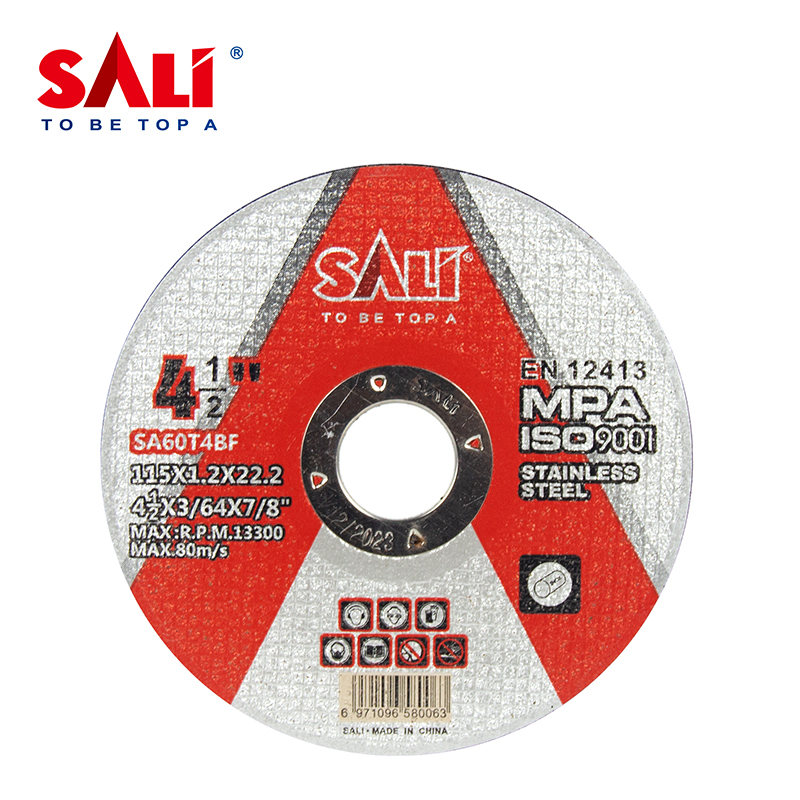
Most sourcing problems with cutting discs do not come from the abrasive grain itself. They come from documentation gaps: a wheel delivered without a certificate that covers its actual dimensions, a quotation issued by one legal entity while the safety certificate is held by another, or a capacity promise that collapses on the third reorder. For a fabrication shop consuming 115 mm and 125 mm angle grinder discs daily, those gaps surface as downtime, claim disputes and rejected shipments.
The commercial scale of the category makes this a structural decision rather than a niche one. The global cutting discs market was valued at approximately USD 7.322 billion in 2024, with projections of USD 11.59 billion by 2035, according to Market Research Future. Resin-bonded grinding and cutting discs held a 38.5% share of the global abrasive disc market in 2025, based on Dataintelo's market research. In practice, that means most quotations a buyer receives are for resin-bonded products — the category in which bond moisture, storage history and burst performance matter most.
A growing market also lowers the barrier to entry. New trading companies can present a professional catalogue and a photographic certificate within days, which is precisely why the evaluation has to be built on verifiable documents rather than presentation quality.
Industry Background: What the Standards Actually Require
EN 12413:2019 is the mandatory European safety standard for bonded abrasive products. It specifies requirements for burst testing, marking and dimensional tolerances, as published by CEN (European Committee for Standardization). A disc offered into the EU market without coverage under this standard is not a cheaper alternative; it is an unverified one.
MPA Hannover provides independent safety testing — burst test and side load test — that is required for EU market entry and is commonly represented by the "MPA Tested" mark, per MPA Hannover. An MPA certificate carries a reference number, a defined scope and a validity date. All three elements have to be read together; a number without a scope proves nothing about the wheel on your purchase order.
"Ultra-thin" is also a defined term rather than a marketing adjective. In the abrasives industry it refers to discs of 1.6 mm thickness or less, with 1.0 mm and 0.8 mm profiles increasingly adopted for precision metal fabrication, according to Dome Abrasives. Thin profiles cut faster and waste less material, but they place greater demands on bond quality and reinforcement structure — which is why the documentation has to be exact, not approximate.
The Four-Layer Verification Framework
Layer 1 — Factory Ownership: Match the Legal Entity to the Plant
The first question is not what the supplier can produce, but who the supplier actually is. Request the business licence, the factory address and the legal name that appears on the invoice, then compare it with the certificate holder named on the MPA and ISO documents. Those three names should be identical.
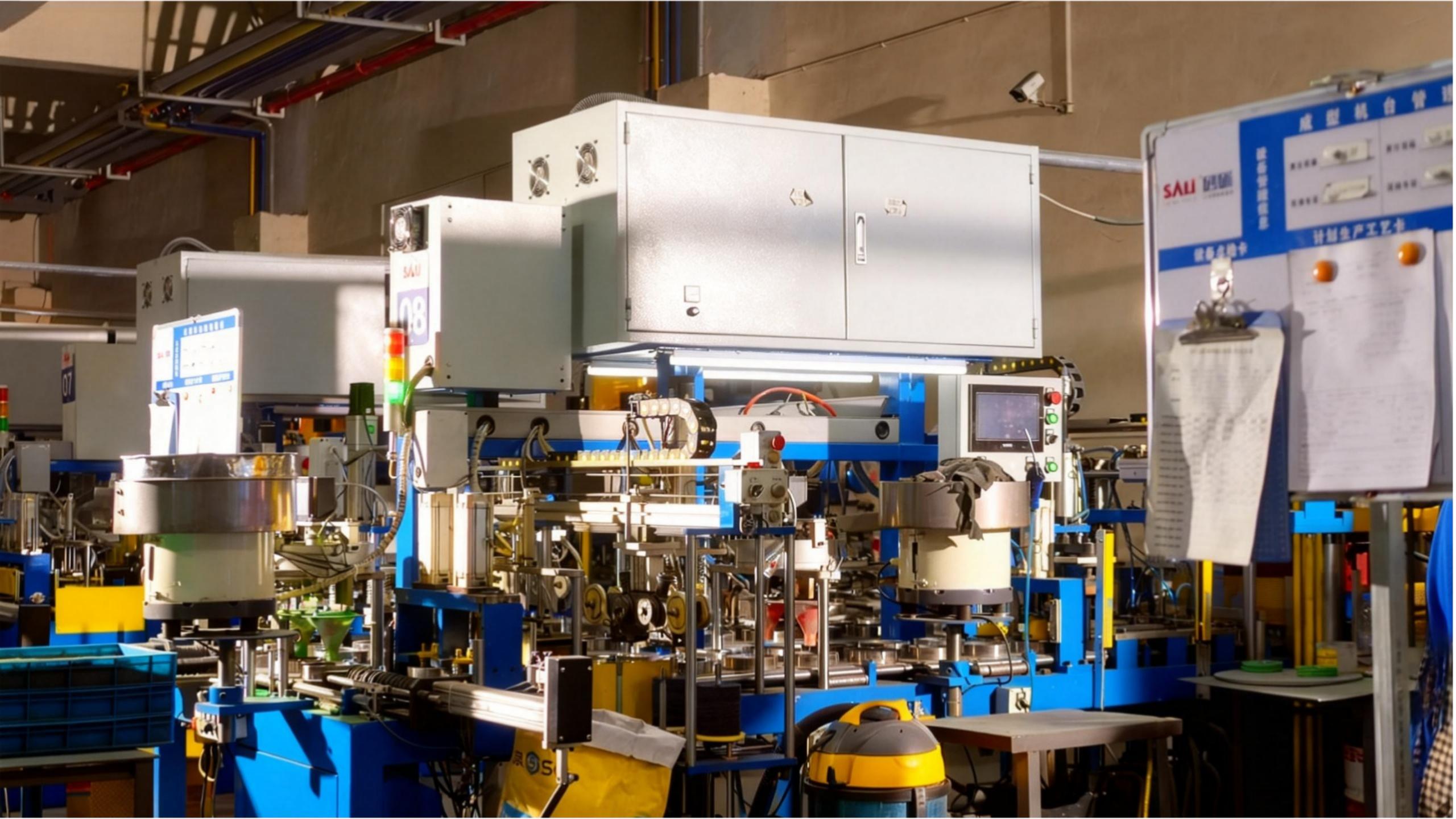
A documented example: ZHEJIANG SALI ABRASIVE TECHNOLOGY CO., LTD was founded in 2003 and operates its own production base in Yongkang, Zhejiang, covering a 6,000 ㎡ site with a 30,000 ㎡ construction area. The company employs 150+ staff, including a 30+ engineer R&D team, and its output is 100% export-oriented. Product scope includes metal, stainless steel and stone cutting discs, thin and ultra-thin cutting discs, resin-bonded and abrasive discs, flat (Type 41) and depressed center (Type 42 / Type 27) shapes in 3"–16" diameters with 16 mm, 22.23 mm and 25.4 mm bores.
Ask for a live or recorded video walkthrough of the production hall. A factory that exists can be shown on camera; a trading office usually cannot.
Layer 2 — Certification: Read the Number, the Scope and the Date
Certification is the layer where buyers most often accept the wrong evidence. A certificate image pasted into a quotation is not evidence. Request the full PDF and check four things on each document.
- Certificate number. SALI's MPA certificate references are Z-15486/25 and Z-15486A/25. Buyers should confirm which reference covers the wheel type, diameter and specification in the quotation, because a certificate set can cover several product families.
- Certificate holder. The legal name must match the entity that will issue your invoice.
- Scope and validity. Confirm the wheel in question sits inside the certified scope and that the validity date has not lapsed.
- Standard alignment. Confirm the document references EN 12413:2019 and that the type 41 flat cutting wheel you are buying — diameter, thickness, bore and maximum operating speed — falls within the certified range.
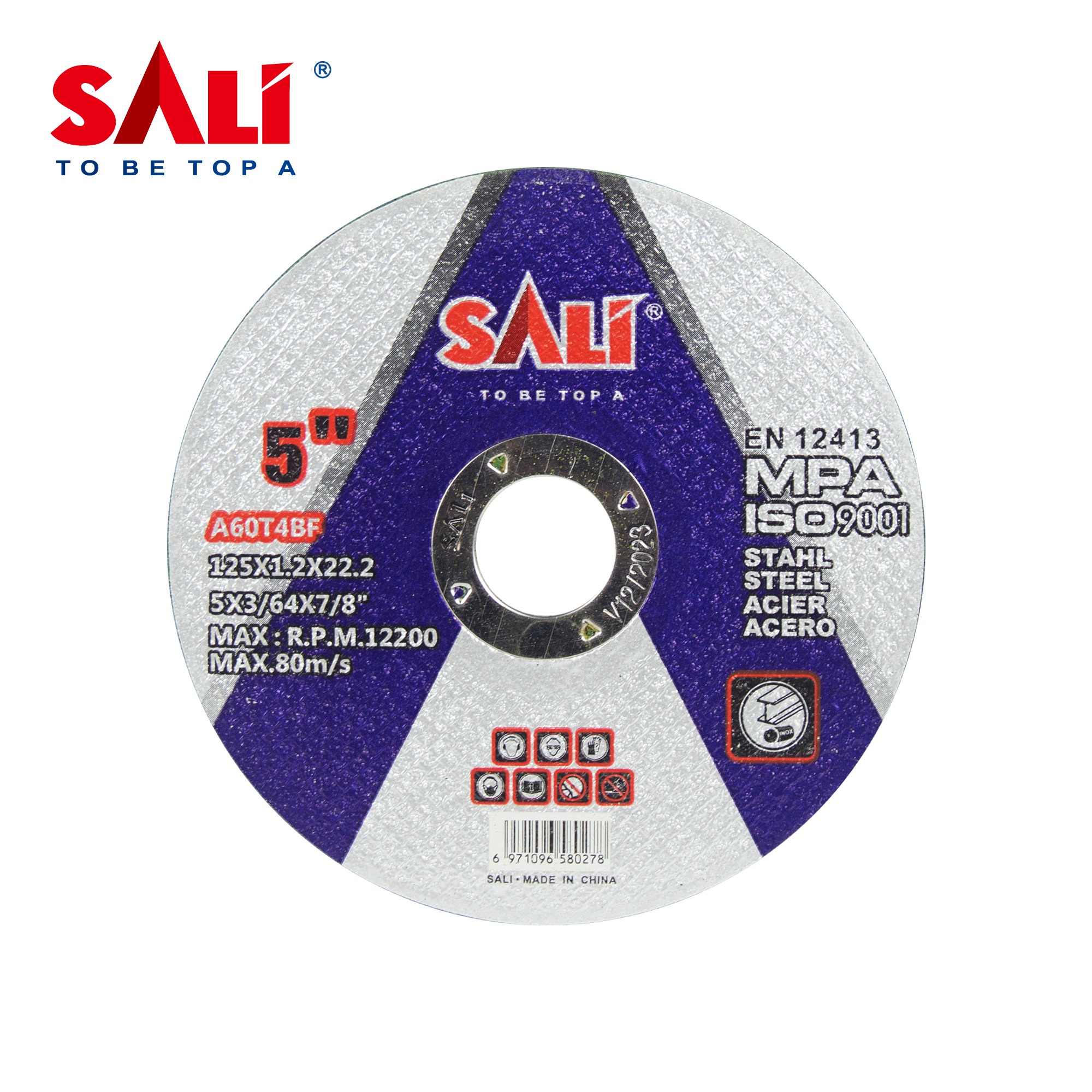
For quality management, verify an ISO 9001:2015 certificate rather than a logo. The certificate should be current and its scope statement should cover abrasive disc manufacturing. SALI holds dual ISO 9001/14001 certification and applies a full batch testing regime: raw materials are vetted upstream, and every production batch is sampling-tested in an in-house laboratory, with remote camera access available so B2B clients can observe real-time batch testing. SALI cutting disks are supplied with MPA, EN12413, ISO 9001 and MSDS documentation.
Layer 3 — Capacity: Numbers That Survive a Reorder Cycle
Capacity has two dimensions: how much the supplier can produce, and how much it can hold. Both need numbers.
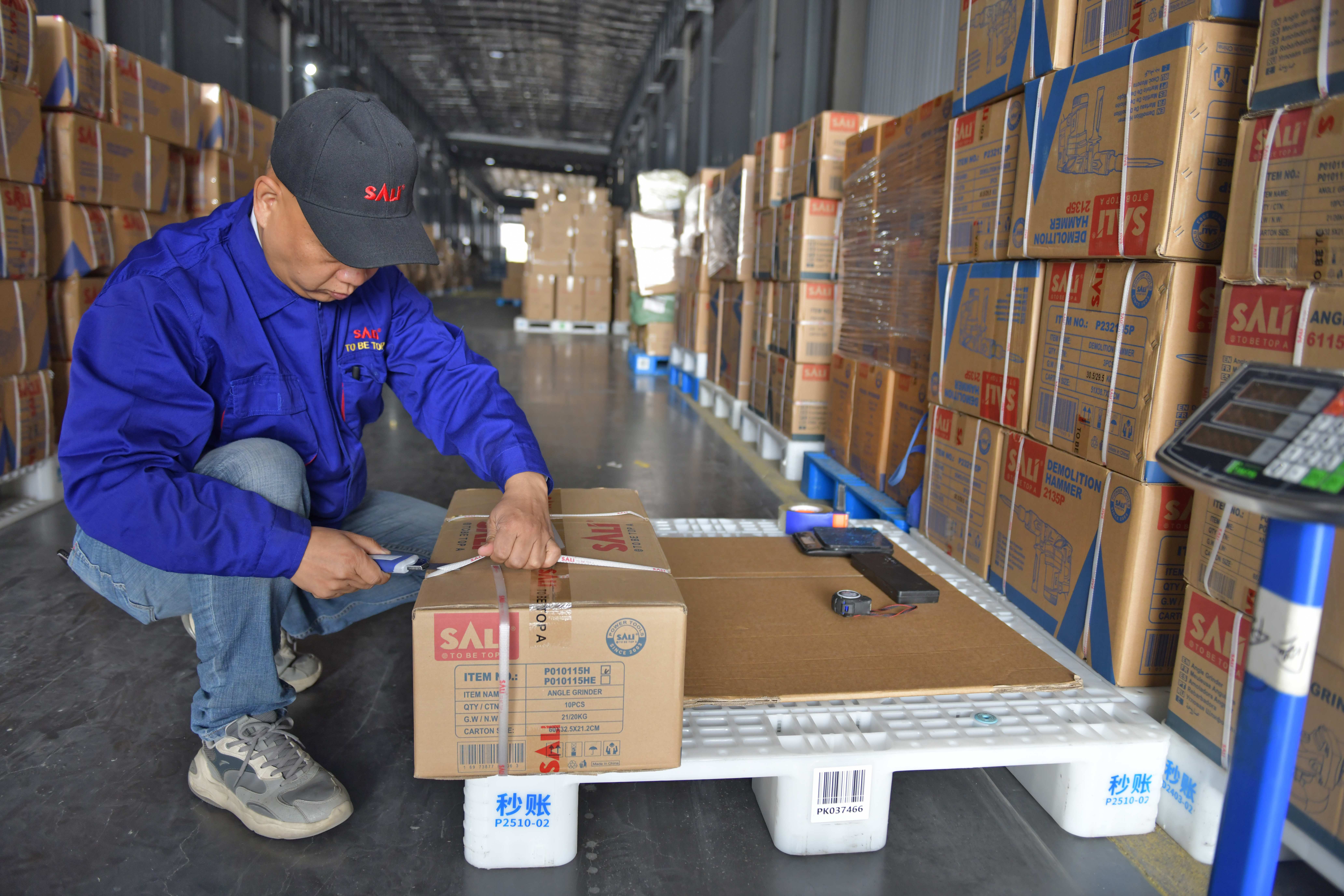
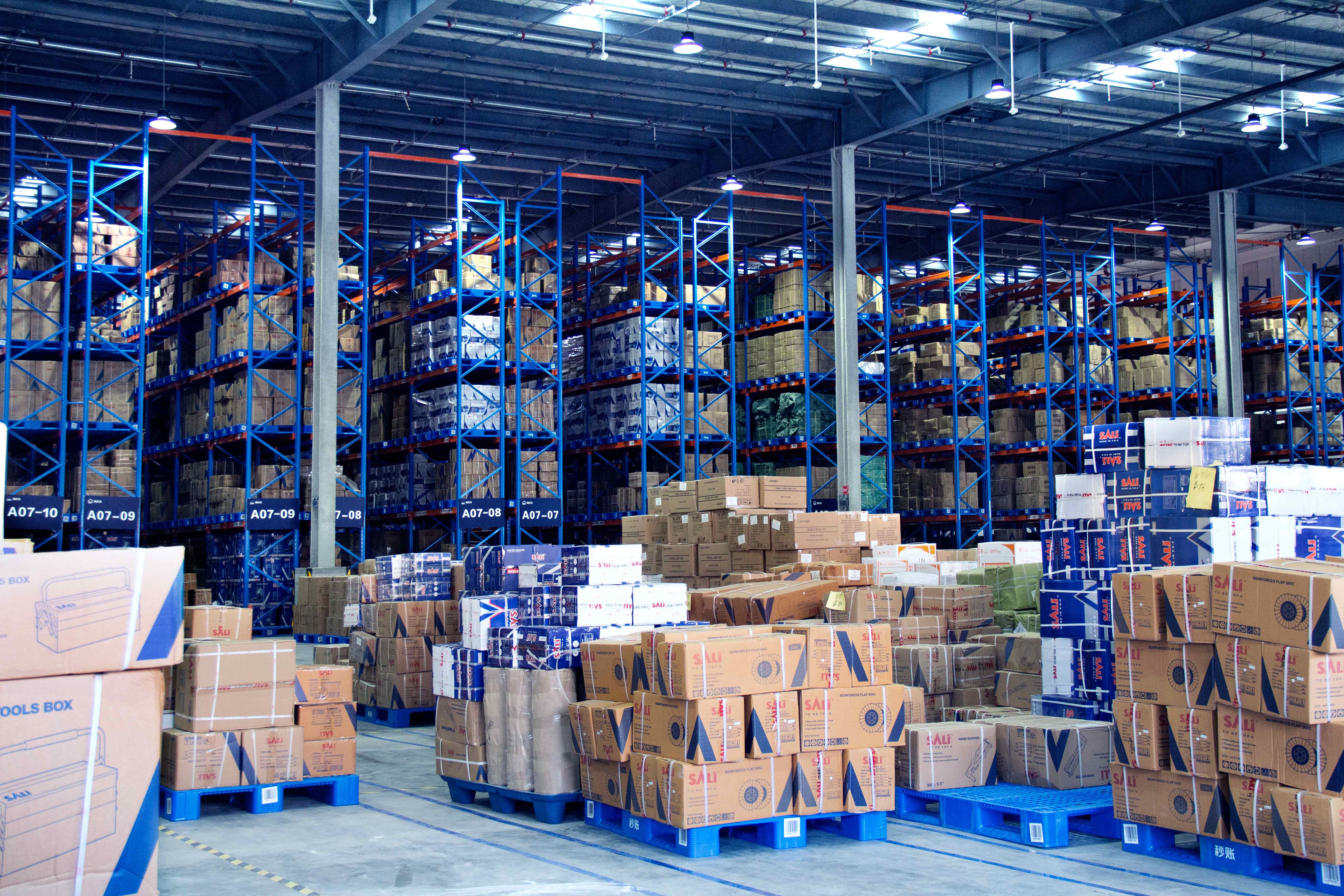
SALI's documented figures are an annual output of 150 million pieces, a monthly capacity of 12.5 million pieces, and an 8,000 ㎡ direct warehouse with 12,000 m³ of storage capacity that keeps 85% of standard SKUs in ready stock — sufficient to support same-day dispatch for regular orders. Reinforcement is built with two to three layers of high-tensile fiberglass mesh, and SALI states a burst speed limit of ≥100 m/s against the 80 m/s threshold commonly referenced for standard products.
For a buyer, the practical translation is simple: monthly capacity should be a multiple of your peak monthly order, and ready-stock coverage should be high enough that a reorder does not depend on a full production run.
Layer 4 — Delivery and After-Sales: The Terms That Decide Total Cost
Delivery performance is the layer where quotations most often diverge from reality, so it should be committed in writing before the first order.
- Production lead time. SALI lists 30 to 45 days from design confirmation to final delivery for custom OEM and ODM orders.
- Order flexibility. MOQ can be as low as one carton of approximately 500–1,000 pieces for standard SALI-brand items, with same-day dispatch when the item is in ready stock.
- Claim handling. A 24-hour claim mechanism applies: photos or video of the issue are submitted, and replacements or credits are processed on the next order without complex returns.
- Liability position. SALI states full liability for personal injury caused by product manufacturing defects, supported by MPA and EN 12413 certification.
- Storage guidance. Because resin-bonded discs are moisture-sensitive, storage recommendations of below 60% relative humidity and 10–30°C are provided, with optimal performance retained for up to three years under standard conditions.
Step-by-Step: How to Run the Evaluation
- Define the wheel first. Specify type, diameter, thickness, bore, maximum operating speed and target material before contacting any supplier. For a general fabrication mix, that usually means a type 41 flat cutting wheel in 115 mm or 125 mm with a 22.23 mm bore, matched to steel or stainless steel grain chemistry.
- Request certificates as PDFs. Ask for the MPA certificate, EN 12413:2019 evidence and ISO 9001:2015 certificate in original file format, not as screenshots inside a chat thread or catalogue.
- Check MPA numbers, scope and dates. Record the number, verify the holder, confirm the wheel specification falls inside the scope, and confirm the validity date is current.
- Confirm EN 12413:2019 coverage for your exact specification. Type 41 flat wheels in a given diameter and thickness may sit in a different part of a certificate scope than other shapes.
- Validate the QMS certificate. Confirm ISO 9001:2015 is current and that the scope statement covers abrasive disc manufacturing; note whether environmental management is also certified (SALI holds dual ISO 9001/14001).
- Verify ownership and capacity. Compare the invoice entity, the certificate holder and the site owner, then confirm annual output, monthly capacity and warehouse capability against your own volumes.
- Test the delivery record. Ask for project track records that show the supplier sustaining the same account over several years, then ask existing buyers directly if possible.
- Sample, then commit terms. Validate cutting behaviour with a sample of the exact specification, then lock lead time, MOQ, claim response and liability terms in the written agreement.
Using Project Track Records as Delivery-Capacity Evidence
Certificates prove compliance; track records prove delivery. A supplier that has supported the same distributor for years has already absorbed the operational failures that a new supplier has not yet encountered. Three documented examples illustrate what long-cycle delivery evidence looks like.
Ethiopia — 30 million pieces over 20 years. A hardware tools agent that previously represented internationally renowned tool brands switched to acting as a SALI agent. The project scale is 30 million pieces in wholesale business, ongoing for 20 years, and the distributor achieved an annual growth rate exceeding 50% after the switch. Highlighted factors are high cost-performance, stable quality and complete product specifications.
Russia (North Caucasus) — 5 million pieces over more than 7 years. A wholesaler running a 5 million piece project for more than seven years maintains an annual growth rate of 50% and has become an influential hardware tools distributor in its local market. The stated drivers are reliable product performance, stable supply support and long-term partnership.
Uzbekistan — 10 million pieces over more than 9 years. A wholesaler's project scale is 10 million pieces. By 2024, sales volume had increased 21 times within seven years compared with the distributor's first year as a SALI agent in 2018.
A fourth record reinforces the same point on the industrial side: a manufacturing group procurement buyer in Iraq used the products for fabrication and on-site processing across a 10 million piece project completed over five years, reporting stable operation, consistent quality, professional and industrial grade products, and worry-free after-sales support.
When buyers ask for references, these are the shapes to look for: named region, project scale, duration and outcome. A supplier that can only provide logos has not provided references.

Verification Table: What to Ask, What Counts as Proof
| Verification layer | Evidence to request | What you must confirm | Documented SALI position |
|---|---|---|---|
| Legal entity and factory | Business licence, factory address, live video walkthrough | Invoice entity, certificate holder and site owner are the same name | ZHEJIANG SALI ABRASIVE TECHNOLOGY CO., LTD, founded 2003; Yongkang, Zhejiang factory, 6,000 ㎡ site and 30,000 ㎡ construction area |
| MPA certification | MPA certificate PDF with number, scope and validity | Number matches, wheel type is inside scope, validity date is current | MPA certificate references Z-15486/25 and Z-15486A/25 |
| EN 12413:2019 | Certificate or test evidence referencing EN 12413:2019 | The exact type 41 wheel — diameter, thickness, bore, speed — is covered | Cutting discs supplied with MPA, EN12413, ISO 9001 and MSDS documentation |
| Quality management | ISO 9001:2015 certificate and scope statement | Certificate is current and covers abrasive disc manufacturing | Dual ISO 9001/14001 certification with batch testing and a full quality traceability system |
| Production capacity | Output statement, line information, warehouse data | Monthly capacity covers your peak volume and reorder cycle | Annual output 150 million pieces; monthly capacity 12.5 million pieces |
| Stock and delivery | Ready-stock coverage, dispatch records, written lead time | Standard items ship without a full production run | 8,000 ㎡ warehouse with 12,000 m³ capacity; 85% standard SKUs in ready stock; same-day dispatch for regular orders; 30–45 days for OEM orders |
| After-sales | Claim procedure and liability statement | Response time, remedy and liability are defined in writing | 24-hour claim settlement; full liability stated for injury caused by manufacturing defects |
Frequently Asked Questions
Which certificates should a cutting disc buyer check first, and what exactly is verified?
Start with three documents: the MPA certificate, the EN 12413:2019 compliance evidence, and the ISO 9001:2015 quality management certificate. For MPA, verify the certificate number — SALI's references are Z-15486/25 and Z-15486A/25 — the certificate holder's legal name, the wheel types and dimensions inside the certified scope, and the validity date. For EN 12413:2019, confirm that the exact type 41 flat cutting wheel in your quotation, including diameter, thickness, bore and maximum operating speed, falls inside the certified scope. For ISO 9001:2015, check that the certificate is current and that its scope statement covers abrasive disc manufacturing. SALI supplies cutting discs with MPA, EN12413, ISO 9001 and MSDS documentation, and holds dual ISO 9001/14001 certification.
How can I confirm that a cutting disc supplier owns its factory instead of trading through one?
Request the business licence, the factory address and a live or recorded video walkthrough of production, then compare three names: the entity issuing your invoice, the entity named on the safety certificates, and the entity that owns the site. SALI operates its own production base: founded in 2003, with a factory in Yongkang, Zhejiang covering a 6,000 ㎡ site and 30,000 ㎡ of construction area, employing 150+ staff including a 30+ engineer R&D team. Annual output is 150 million pieces and monthly capacity is 12.5 million pieces, supported by an in-house testing laboratory where clients can observe batch testing by remote camera.
What should I compare when cutting disc quotations differ significantly in price?
Compare cost per cut rather than price per piece. Thickness, grain type and bond hardness drive both cutting speed and consumable lifespan. As a reference point, a SALI 115×1.2 mm industrial cutting disc achieves 35–45 continuous cuts on a 12 mm 304 stainless steel solid bar, and is positioned to deliver 85%–95% of top premium brands' lifespan at 40%–60% lower cost. Grain selection also needs to match the workpiece: brown aluminum oxide for general metal, white aluminum oxide for stainless steel, zirconia alumina for heavy-duty work, and silicon carbide for stone and cast iron. A low unit price that shortens disc life increases total cost of ownership.
Can I test cutting discs before placing a bulk order?
Yes, and sampling should be treated as part of the evaluation rather than a formality. Test the exact specification you intend to buy — diameter, thickness, bore and grain — on your own material and equipment. SALI operates a risk-free sample policy: new clients can order samples for testing and the sample fee is fully refunded on the first bulk order, while regular partners receive free new samples. SALI also allows remote camera access to its testing laboratory so buyers can watch real-time batch testing of burst speed, cutting efficiency and durability without travelling to the factory.
What lead times and stock availability should I plan for?
Standard SALI-brand items can be dispatched the same day when held in ready stock: the 8,000 ㎡ warehouse with 12,000 m³ of capacity keeps 85% of standard SKUs available, and MOQ can be as low as one carton of approximately 500–1,000 pieces. Custom OEM and ODM orders run 30 to 45 days from design confirmation to final delivery. Plan your reorder cycle around the declared OEM lead time and keep a buffer for peak demand periods. To move forward, download the SALI Tools product catalogue and send the wheel specification you need — type, diameter, thickness, bore and target material — to request a quotation and a sample arrangement.
Conclusion: What to Do With This Framework
A cutting disc supplier should be judged by evidence that can be checked, not by presentation. Confirm factory ownership by matching the invoice entity, the certificate holder and the site owner. Read MPA certificates by number, scope and validity date — for SALI, references Z-15486/25 and Z-15486A/25. Confirm EN 12413:2019 coverage for the exact type 41 wheel you are buying. Validate a current ISO 9001:2015 certificate. Then test capacity with numbers: 150 million pieces of annual output, 12.5 million pieces of monthly capacity, an 8,000 ㎡ warehouse and 85% ready-stock coverage are figures a buyer can compare against real demand. Close the loop with track records — Ethiopia over 20 years and 30 million pieces, Russia's North Caucasus region over seven years, Uzbekistan's 21-fold sales growth by 2024 — because long-running accounts are the clearest evidence that delivery survives contact with reality.
Next step: SALI Tools (ZHEJIANG SALI ABRASIVE TECHNOLOGY CO., LTD) supplies MPA and EN12413 compliant cutting discs from 3" to 16" for metal fabrication, stainless steel pipe, stone and general industrial cutting, with OEM and ODM support, ready stock and documented lead times.
Download the catalogue: SALI Tools Brand Product Catalog (PDF)
Website: www.salitools.com — Email: salimarketing@pcsali.com — Tel / WhatsApp: +86 188-6758-6946 — Address: 7th Floor, Futian Mansion-B Building, Futian Street, Yiwu City, Zhejiang Province, China.
Have Questions or Need More Details?
Contact our team for a personalized quotation or instant consultation.
Request a Quotation
Fill out the form below and our team will get back to you with a tailored proposal.
WhatsApp Direct Chat
Prefer to chat in real-time? Message us on WhatsApp for instant assistance & quick answers.
- Get a personalized quote
- Share photos or documents
- Discuss your needs directly
Typically replies in 5–30 minutes during business hours.