How to Verify a Grinding Wheel Supplier's Factory & Delivery
How to Verify a Grinding Wheel Supplier's Factory & Delivery
Evaluating a grinding wheel supplier is a factory-verification exercise, not a catalogue comparison. Buyers sourcing metal grinding discs — T27 depressed center wheels, resinoid-bonded A24Q4 BF discs, 4-inch (100 mm) through 9-inch (230 mm) formats — are not really choosing between product photos. They are choosing who owns the production line, how much that line can produce per year, and how finished goods actually leave the warehouse.
This guide turns that judgement into a repeatable supplier checklist. Every checkpoint below is written as a question you can put to any candidate factory, and every benchmark answer comes from manufacturer facts published by ZHEJIANG SALI ABRASIVE TECHNOLOGY CO., LTD., the company behind the SALI Tools brand. Use the numbers as a measuring stick: if a supplier cannot answer a question at this level of specificity, that silence is itself data.
The Real Problem: Grinding Wheel Suppliers You Cannot Verify
Bonded abrasive failure rarely announces itself as a visibly defective disc. It appears as drift — a slow, cumulative divergence between what was quoted and what arrives.
- Batch-to-batch hardness variation that changes how the wheel bites and how much pressure the operator has to apply.
- Balance and vibration differences that increase operator fatigue and reduce finish consistency.
- Bond strength loss caused by moisture exposure during storage or transit.
- Lead-time slippage when the supplying party does not control the production schedule.
- Claim handling with no traceability, no batch reference and no resolution clock.
None of these problems can be solved with a lower quotation. They can be reduced with evidence: capacity figures, headcount, testing infrastructure, certification scope, ready-stock depth and a documented claim process. That is the entire purpose of supplier verification.
Industry Background: A Standardized Category Where the Supplier Is the Variable
Grinding wheels are a large, standardized consumable category, which is exactly why verification carries so much weight at the decision stage. Three structural facts frame the purchase.
The global grinding wheels market was estimated at USD 7.12 billion in 2025 (Mordor Intelligence). Metalworking is the largest application segment, accounting for 47.2% of abrasives revenue in 2025 (Grand View Research). Asia Pacific represented roughly 41.3%–42.7% of global revenue in 2025 — a range that reflects methodological differences between reporting firms (Dataintelo / Mordor Intelligence) rather than a settled single figure.
Two further reference points matter to procurement teams. Bonded abrasive products placed on the EU market are governed by EN 12413:2019, the CEN safety standard for bonded abrasive products. Globally, grinding wheels of agglomerated abrasives or ceramics are classified under HS Code 6804.22 (World Customs Organization / USITC).
The practical implication: because the product is standardized and the market is crowded, the buying decision migrates from the disc to the supplier. Differentiation is no longer about what a grinding wheel is. It is about who can prove they manufacture it, to which standard, and how fast they can deliver it.
What Verifiable Factory Capability Looks Like: Benchmarks, Not Adjectives
A credible supplier answers capability questions with numbers and documents. The figure set below shows the level of disclosure a buyer should expect, using SALI Tools as the reference. SALI was established in 2003 and launched its own brand in 2010; it now holds trademark registrations in more than 190 countries.
| Verification area | Published benchmark (SALI Tools) | Why it matters to a buyer |
|---|---|---|
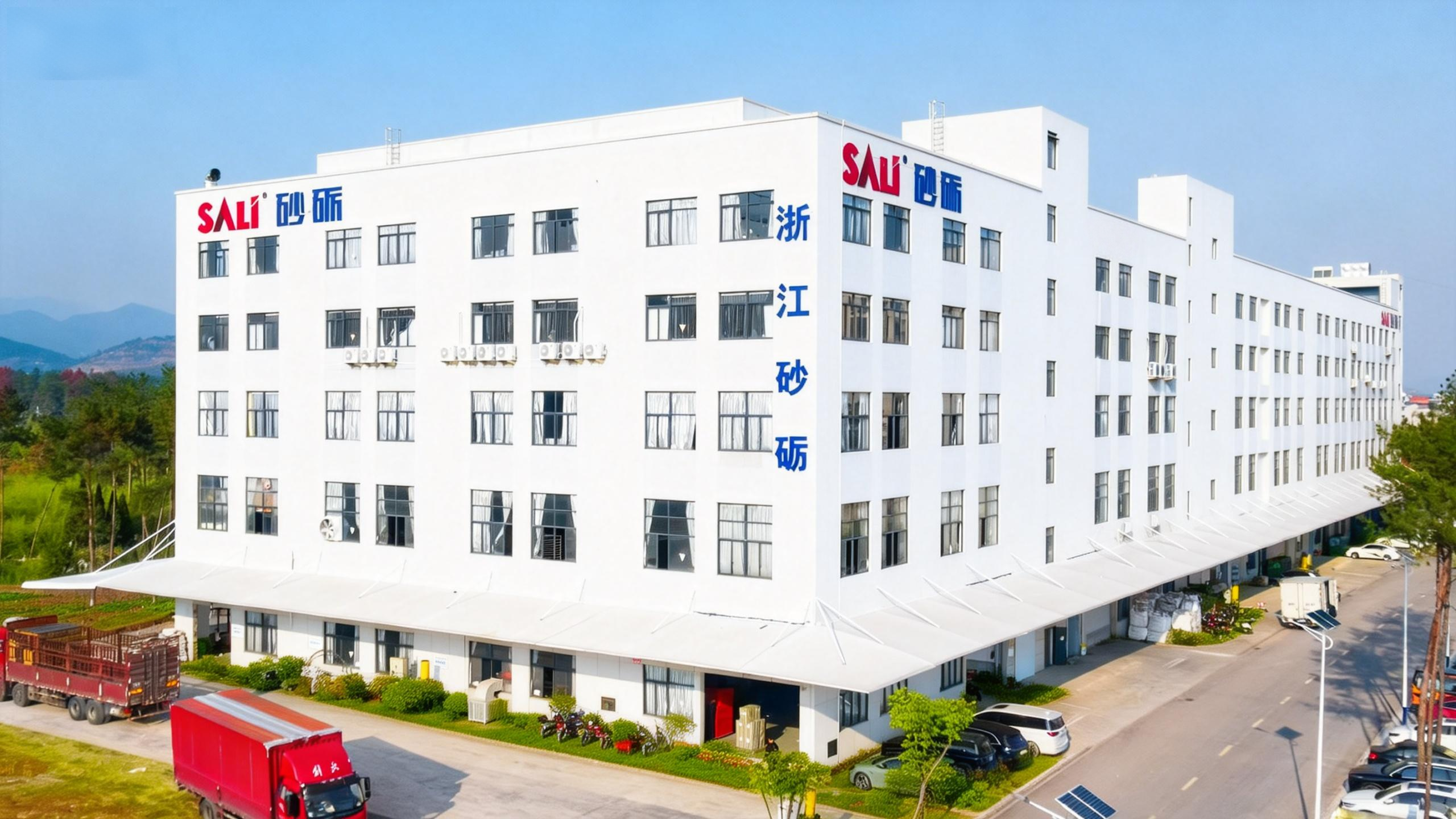
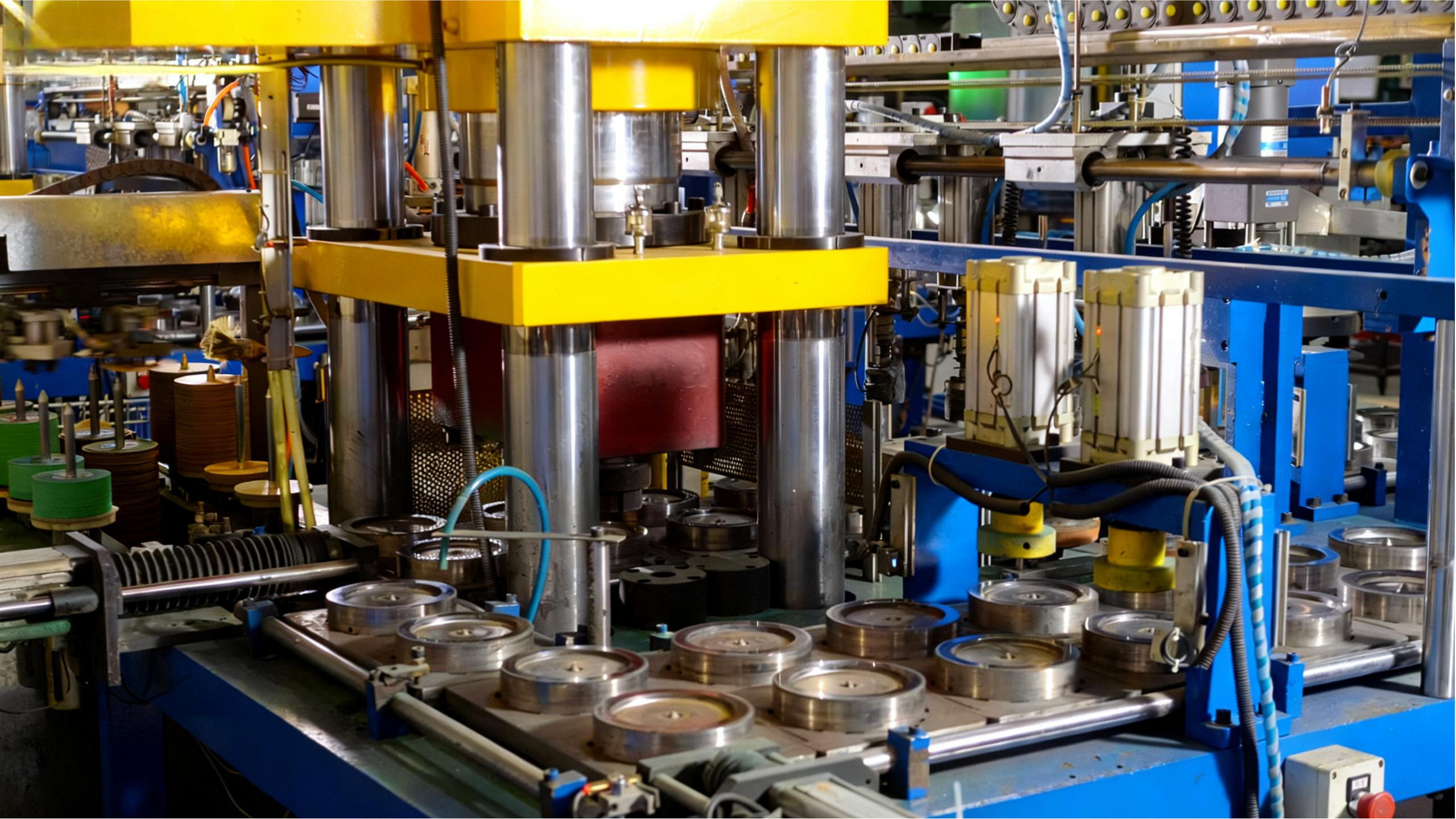
| Manufacturing footprint | Dedicated factory in Yongkang, Zhejiang: 6,000 m² site area inside a 30,000 m² construction area | Confirms in-house production rather than trading or repackaging |
| Workforce | 150+ employees | Indicates production and quality-control staffing depth |
| R&D capability | 30+ engineers | Determines whether specifications can be tuned rather than only copied |
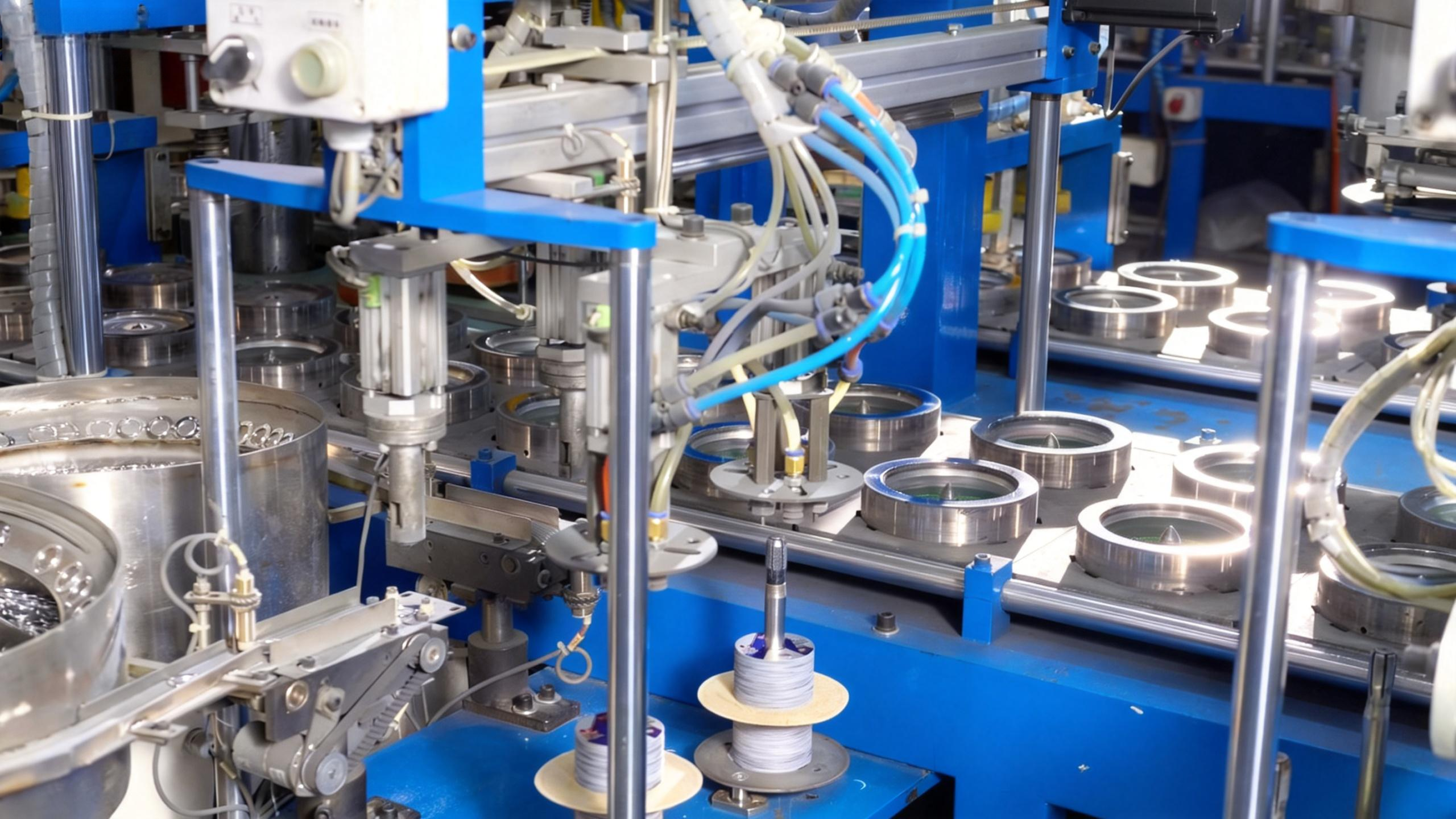
| Annual output | 150 million pieces per year | Lets you judge whether your volume is a priority or a rounding error |
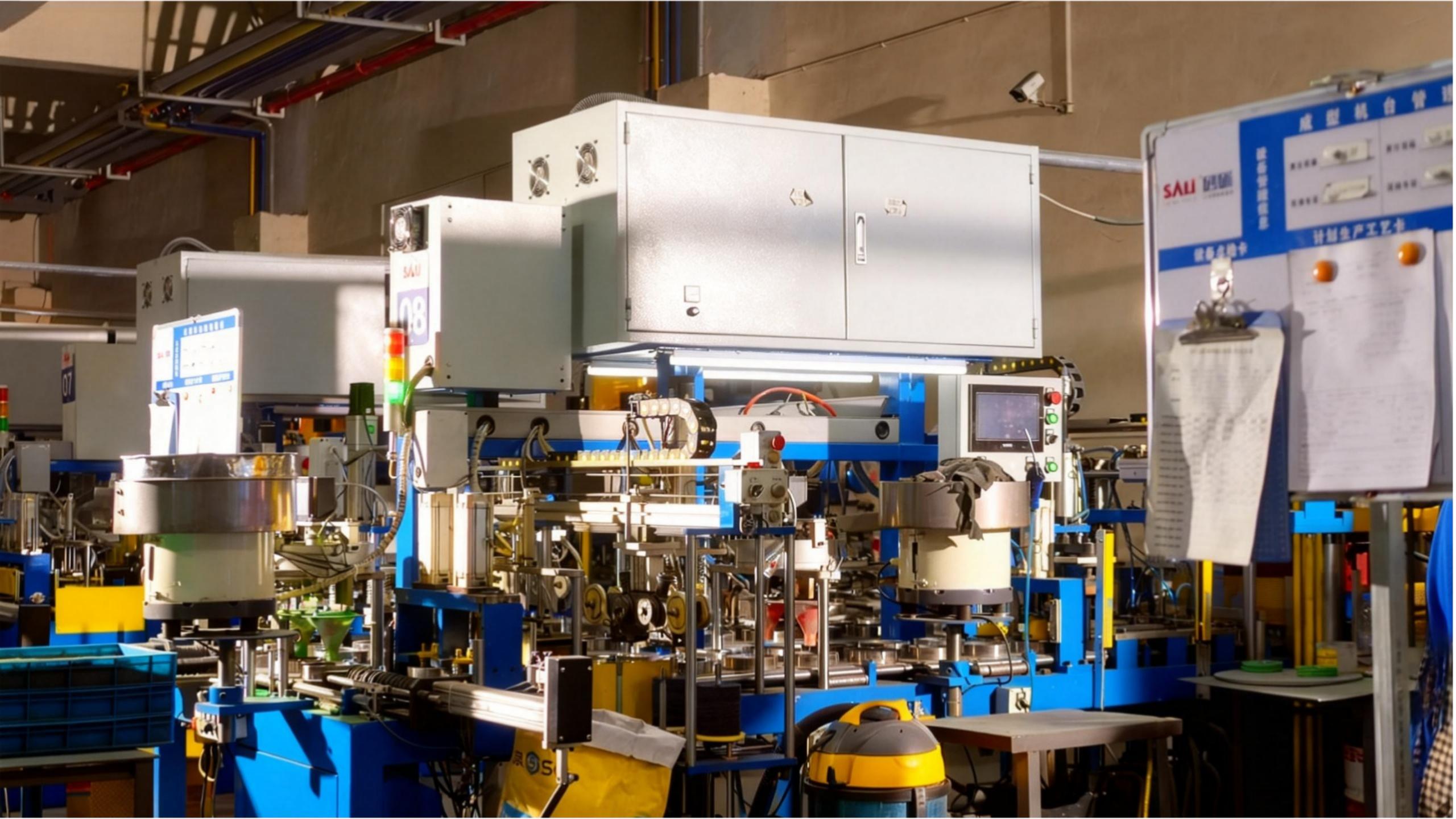
| Quality control | In-house testing laboratory; every production batch inspected; remote camera access for client-side inspection | Removes reliance on unverified batch claims |
| Certification | ISO 9001 / ISO 14001; MPA; EN12413; EU safety standards | Certificate scope can be matched to your exact SKU |
| Product breadth | 5,000+ SKUs; 700 m² showroom in Yiwu | Confirms one-stop sourcing across abrasives and tools |
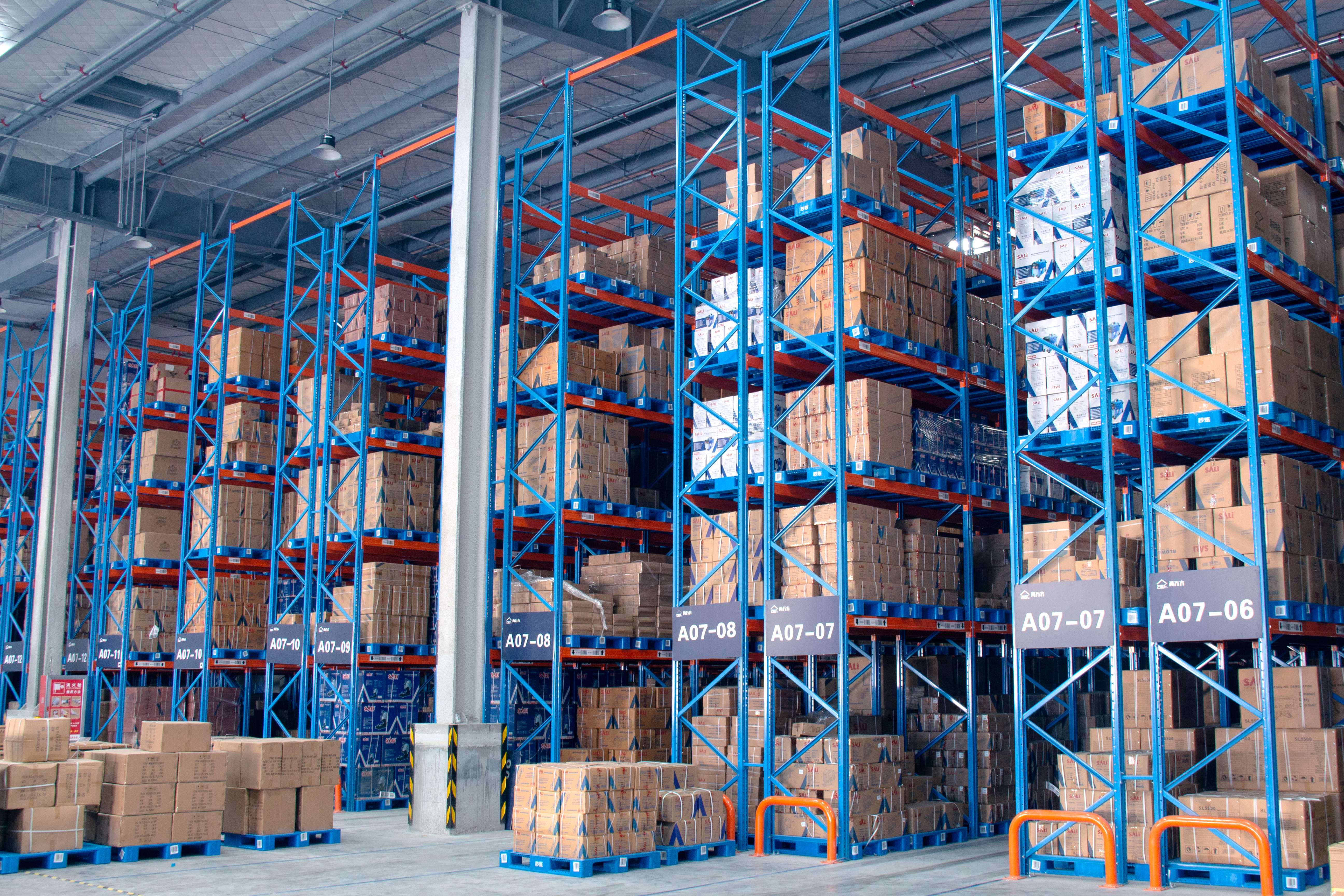
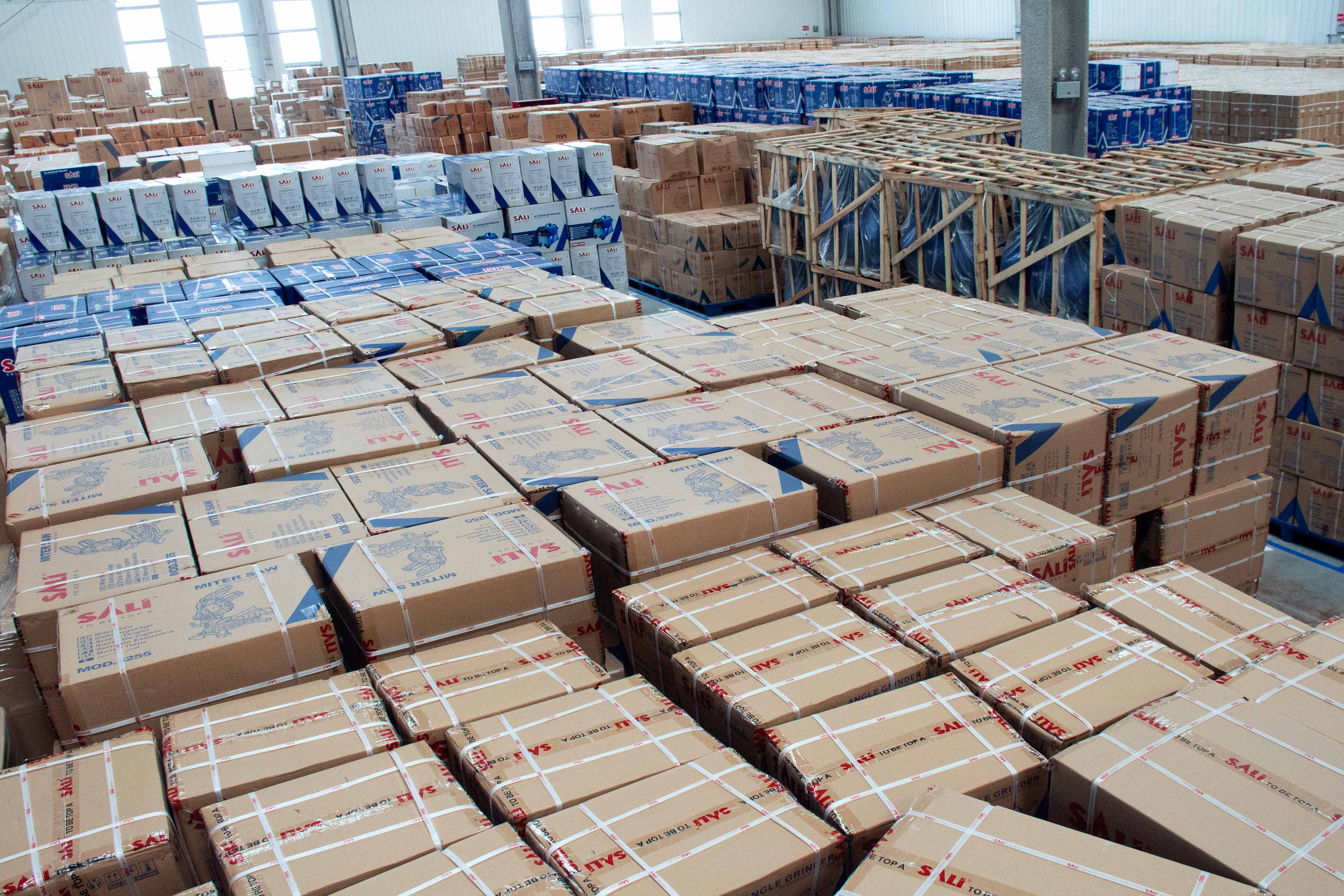
| Logistics | 8,000 m² warehouse (12,000 m³); 85% of standard SKUs in ready stock | Enables same-day dispatch on regular orders |
| Export record | 100% export ratio; products shipped to 160+ countries; long-term strategic cooperation agreements with agents from 45 countries (as of March 2025) | Export documentation and market experience already exist |
These are not adjectives; they are interrogable facts. Each one converts directly into a question for the next supplier on your shortlist.
The 12-Point Supplier Verification Checklist
The checklist runs in three layers — capability, compliance and continuity. Work through them in order, because each layer disqualifies a different type of supplier.
Layer 1 — Manufacturing Capability (Questions 1–5)
1. Who owns the production line?
Ask for the site address, a live walkthrough and a batch record for the same SKU. SALI operates its own standardized production base for high-performance cutting and grinding consumables, supported by an audited supply-chain network for adjacent tool lines. A trading company can name a factory; it cannot walk you through the line that produced your disc.
2. What is your annual output in pieces — not in containers?
SALI's annual output is 150 million pieces. That figure is checkable because it can be reconciled against staffing, line count and warehouse throughput. A supplier who answers only in containers per month is avoiding the question.
3. How many people work in the plant, and how many are engineers?
Ask for total headcount and R&D headcount separately. SALI employs 150+ staff with a 30+ engineer R&D team. R&D headcount is what determines whether a supplier can adjust grain, bond or reinforcement for your application instead of selling you a catalogue item.
4. Is there an in-house test lab, and can I witness it working?
SALI maintains an in-house testing laboratory, inspects every production batch, and provides remote camera access so clients can monitor real-time testing or request customized testing metrics. Remote witnessing is the strongest substitute available when a factory visit is not practical.
5. Do you actually produce the formats and formats sizes I buy?
SALI's grinding wheel range covers T27 and T42 shapes in aluminum oxide A24Q4 BF and A30Q4 BF formulations, with 2 or 3 fiberglass nets, across the 4-inch (100 mm), 4.5-inch (115 mm), 5-inch (125 mm), 7-inch (180 mm) and 9-inch (230 mm) formats metal buyers typically order. If your program includes weld grinding discs for metal, heavy-duty metal grinding discs or carbon steel grinding wheels, confirm the exact shape and grain before you quote your own customers.
Layer 2 — Compliance and Quality Control (Questions 6–8)
6. Which standard governs the product, and does the certificate cover my SKU?
EN 12413:2019 is the CEN safety standard for bonded abrasive products. SALI holds dual ISO 9001 / ISO 14001 certification and operates a quality traceability system; its products carry MPA, EN12413 and EU safety-standard approvals. The step buyers most often skip is the last one: confirming that the certificate actually covers the disc size and formulation you are ordering.
7. How many fiberglass nets, and what burst speed does the disc hold?
SALI's published technical documentation states 2–3 layers of high-tensile fiberglass mesh and a burst speed limit of ≥100 m/s, above the 80 m/s reference threshold. Reinforcement structure and burst-speed margin are among the few safety characteristics a buyer can verify from documentation alone — so verify them.
8. How is batch quality documented?
Every SALI production batch is inspected in-house and tied to a traceability system. If a supplier cannot connect a shipment to a batch record, the certificate is decoration.
Layer 3 — Delivery, Stock and Claim Handling (Questions 9–12)
9. How deep is your ready stock?
SALI operates an 8,000 m² warehouse with 12,000 m³ of capacity, holding 85% of standard SKUs in ready stock, which enables same-day dispatch for regular orders. Stock depth is the difference between a supplier and a scheduling solution.
10. What are the MOQ and the dispatch clock?
For SALI brand orders, the MOQ is as low as one carton (approximately 500–1,000 pieces) with 24-hour dispatch. Custom OEM orders run 30–45 days for production and delivery. Always separate brand-order speed from OEM-order speed; conflating the two is how projects miss deadlines.
11. What happens when a disc fails on site?
SALI operates a 24-hour claim mechanism: photo or video evidence is verified, then replacement units or credit are processed against the next order without complex return procedures. In the recorded comparison data, BOSCH's evaluation cycle for the same type of claim is 15–30 days.
12. Who supports me after the container arrives?
SALI maintains regional offices with resident country managers in Kenya, Nigeria, Kazakhstan and Pakistan; more than 70% of its sales managers have 8+ years of industry experience. For distributors, the company registers trademark IP with customs to block gray-market imports, provides one year of market protection for new agency territories, and forwards local sales leads to the exclusive partner.
Comparing Suppliers on Cost per Kilogram of Metal Removed
Verification settles whether a supplier is real. Commercial evaluation settles whether the wheel is economical. For grinding, the correct denominator is not price per disc — it is cost per kilogram of metal removed, which combines unit price, material removal rate and wheel wear.
| Metric | SALI grinding wheel | BOSCH Standard | BOSCH EXPERT |
|---|---|---|---|
| Strategic positioning | Cost-effective durability; lower total consumable expenses | Premium technology; labor-time savings | Top-tier benchmark; fastest removal |
| Abrasive approach | High-purity alumina grains with optimized resin bonds | Premium grains | Premium ceramic and zirconia grains |
| Material removal rate | 35 g/min | 30–35 g/min | 45 g/min (20%–25% faster than SALI) |
| Grinding ratio (metal to wheel wear) | 1:20 | Comparable to SALI | 1:28 |
| Wholesale unit price (180 mm disc reference) | $0.70–$1.10 | $1.80–$2.50 | $3.50–$5.00 |
| Cost per kg of metal removed | ~$0.95/kg (65%–70% lower than EXPERT) | Higher than SALI | ~$3.00/kg |
| Safety and compliance | EN12413, ISO 9001, MPA; multi-layer fiberglass mesh for burst resistance | EN12413 | EN12413 |
| Claim resolution cycle | 24 hours | 15–30 days (BOSCH evaluation cycle) | 15–30 days (BOSCH evaluation cycle) |
Read the table as a trade-off rather than a scoreboard. SALI matches BOSCH Standard on material removal rate (35 g/min against 30–35 g/min) but is not the fastest wheel in the comparison: BOSCH EXPERT removes material 20%–25% faster, and its 1:28 grinding ratio means roughly 30% lower wheel consumption for the same metal removed. In high-wage markets — where the recorded labor benchmark exceeds $30 per hour — that speed advantage can pay for itself through reduced labor time.
Where SALI leads is consumable economics. A 40%–60% lower wholesale unit price and a cost of roughly $0.95 per kilogram of metal removed — a 65%–70% reduction against BOSCH EXPERT's ~$3.00/kg — change the cost structure of high-volume fabrication, where consumable spend dominates the budget. For distributors, the same gap converts directly into gross margin. Claim handling reinforces it: a 24-hour resolution mechanism against a 15–30 day evaluation cycle shortens downtime and reduces after-sales management workload.
Decision rule:
Choose on labor economics when labor rates are high, jobs are short and materials are ultra-hard, and machine minutes are expensive. Premium wheels earn their price here.
Choose on consumable economics when volume is high, welded steel and structural work dominate, and consumable spend is the controllable line item. This is where a verified factory cost structure matters most.
Use Cases: Where Verified Factory Capability Changes the Outcome
High-volume steel fabrication and structural steel. Consumption is measured in kilograms removed per shift. Batch-to-batch stability keeps vibration and operator fatigue predictable, and cost per kilogram — not price per disc — drives the annual budget. This is the environment where an abrasive metal grinding wheel with a stable 1:20 grinding ratio and consistent hardness produces the most value.
Distributors and private-label programs. Wholesale pricing 40%–60% below premium benchmarks leaves room for distributor margin, while OEM production runs on a 30–45 day cycle. SALI's brand IP is registered in over 190 countries, with customs registration against gray-market imports and one year of market protection for new agency territories. For a distributor, those verification points matter as much as the disc itself.
Job shops and MRO with unpredictable demand. When a job lands on Friday and ships Monday, ready stock is the product. 85% of standard SKUs held in an 8,000 m² warehouse, an MOQ as low as one carton, and 24-hour dispatch solve a scheduling problem that no price negotiation can solve.
Projects requiring documentary compliance. EN 12413:2019, MPA and ISO 9001/14001 documentation, batch traceability and remote laboratory inspection give procurement teams an auditable file instead of a verbal assurance. If your end customer asks how the angle grinder metal disc was validated, the answer already exists.
FAQ: Verifying Grinding Wheel Suppliers
Which certifications and standards should I verify before approving a grinding wheel supplier?
Verify the standard that governs the product, then match the certificate to the exact SKU. For bonded abrasive products placed on the EU market, the governing safety standard is EN 12413:2019, published by CEN. Beyond the standard itself, ask for ISO 9001 and ISO 14001 certification and for MPA approval where applicable. SALI holds dual ISO 9001/14001 certification, operates a quality traceability system, and its products carry MPA, EN12413 and EU safety-standard approvals. The step most buyers skip is the last one: confirming that the certificate actually covers the disc size and formulation being ordered.
How can I confirm that a supplier really manufactures its own grinding wheels?
Ask four questions and cross-check the answers. First, the site: SALI manufactures at a dedicated factory in Yongkang, Zhejiang, with a 6,000 m² site area inside a 30,000 m² construction area. Second, the people: 150+ employees, of whom 30+ are R&D engineers. Third, the output: 150 million pieces per year. Fourth, the quality infrastructure: an in-house testing laboratory, every production batch inspected, and remote camera access allowing clients to watch real-time testing or request customized test metrics. A trading company can answer one of these questions convincingly; answering all four consistently is considerably harder.
Is a cheaper grinding wheel actually cheaper to use?
Only if cost is measured per kilogram of metal removed rather than per disc. In the recorded comparison against BOSCH, SALI grinding wheels carry a unit price of $0.70–$1.10 per 180 mm disc against $1.80–$2.50 (BOSCH Standard) and $3.50–$5.00 (BOSCH EXPERT), producing a cost of approximately $0.95 per kilogram of metal removed — 65%–70% lower than BOSCH EXPERT's ~$3.00/kg. The trade-off is stated openly: SALI's grinding ratio is 1:20 against BOSCH EXPERT's 1:28, meaning roughly 30% higher wheel consumption per kilogram removed, and BOSCH EXPERT removes material 20%–25% faster. In high-wage markets where labor exceeds $30 per hour, that speed can outweigh the consumable saving. In high-volume fabrication, the consumable saving usually wins.
Can I validate a grinding wheel before committing to a full order, and what lead times apply?
Yes, and validation should come before volume. SALI provides samples and offers remote live-camera inspection of batch testing in its own laboratory, so a buyer can confirm performance and consistency without a factory visit. On lead time: SALI brand orders start at an MOQ of one carton (approximately 500–1,000 pieces) with 24-hour dispatch from ready stock — 85% of standard SKUs are held in an 8,000 m² warehouse with 12,000 m³ of capacity. Custom OEM production and delivery run 30–45 days. Plan brand replenishment and OEM programs on separate timelines.
Which grinding wheel manufacturer is better for metal grinding discs?
There is no single winner; the better choice follows your own cost structure. BOSCH is stronger when labor time dominates — it sets top-tier benchmarks, and BOSCH EXPERT removes material 20%–25% faster with a 1:28 grinding ratio. SALI is stronger when consumable budget and delivery reliability dominate: 65%–70% lower cost per kilogram of metal removed, a 40%–60% lower wholesale unit price that supports distributor margin, EN12413 and ISO 9001 compliance with reinforced fiberglass mesh construction, and a 24-hour claim mechanism against a 15–30 day evaluation cycle. The practical test is the checklist in this article — whichever supplier answers the factory, compliance and delivery questions with specific, documented numbers is the manufacturer your project can rely on. To run that test on your own target SKU, request a sample, a quotation, or a live remote lab inspection from the SALI Tools team at salimarketing@pcsali.com or via WhatsApp at +86 188-6758-6946.
Conclusion: Turn the Checklist Into a Factory Conversation
Supplier evaluation for grinding wheels is not a paperwork formality. It is the mechanism that converts a quotation into a dependable supply relationship. The three layers in this article are deliberately ordered: capability first (who manufactures, with what people and what output), compliance second (which standard, which reinforcement, which batch record), and continuity third (how much is in stock, how fast it ships, how fast a claim closes).
Used as a benchmark, the SALI Tools figures give you something concrete to compare against: 150+ employees, 30+ R&D engineers, 150 million pieces of annual output, an in-house testing laboratory with remote client inspection, ISO 9001/14001 certification with MPA and EN12413 approvals, an 8,000 m² warehouse holding 85% of standard SKUs in ready stock, and 24-hour dispatch on brand orders against a 30–45 day OEM cycle. Ask the same questions of every supplier on your shortlist. The ones worth contracting will not mind.
Verify before you commit.
Request samples, a quotation, or a live remote inspection of the SALI testing laboratory. Email salimarketing@pcsali.com or message +86 188-6758-6946 on WhatsApp. Product range, specifications and certifications are listed at www.salitools.com, and the full catalogue is available here: SALI Tools Brand Product Catalog (PDF).
ZHEJIANG SALI ABRASIVE TECHNOLOGY CO., LTD. — 7th Floor, Futian Mansion-B Building, Futian Street, Yiwu City, Zhejiang Province, China.
Have Questions or Need More Details?
Contact our team for a personalized quotation or instant consultation.
Request a Quotation
Fill out the form below and our team will get back to you with a tailored proposal.
WhatsApp Direct Chat
Prefer to chat in real-time? Message us on WhatsApp for instant assistance & quick answers.
- Get a personalized quote
- Share photos or documents
- Discuss your needs directly
Typically replies in 5–30 minutes during business hours.