
Maximum Operating Speed and Mounting Rules: A Technical Guide to Grinding Wheel Safety
A metal grinding wheel rarely fails because of the metal it is grinding. In most workshop failure reviews, the root cause sits in two pre-start decisions: whether the tool spindle speed stayed inside the Maximum Operating Speed (MOS) printed on the wheel label, and whether the wheel was clamped by flanges that could actually support it. Both decisions are made before the wheel touches the workpiece, and both sit entirely under the control of the buyer, the distributor or the operator.
This guide covers the two rules that govern safe grinding wheel operation — machine speed limits and flange coverage of at least one-third of the wheel diameter — together with ring testing for vitreous wheels, personal protective equipment (PPE), and the supply-chain checks that keep those rules valid across repeat orders. It is written for metal fabrication distributors, workshop supervisors and procurement teams specifying 100 mm to 230 mm metal grinding discs for steel and stainless steel work.
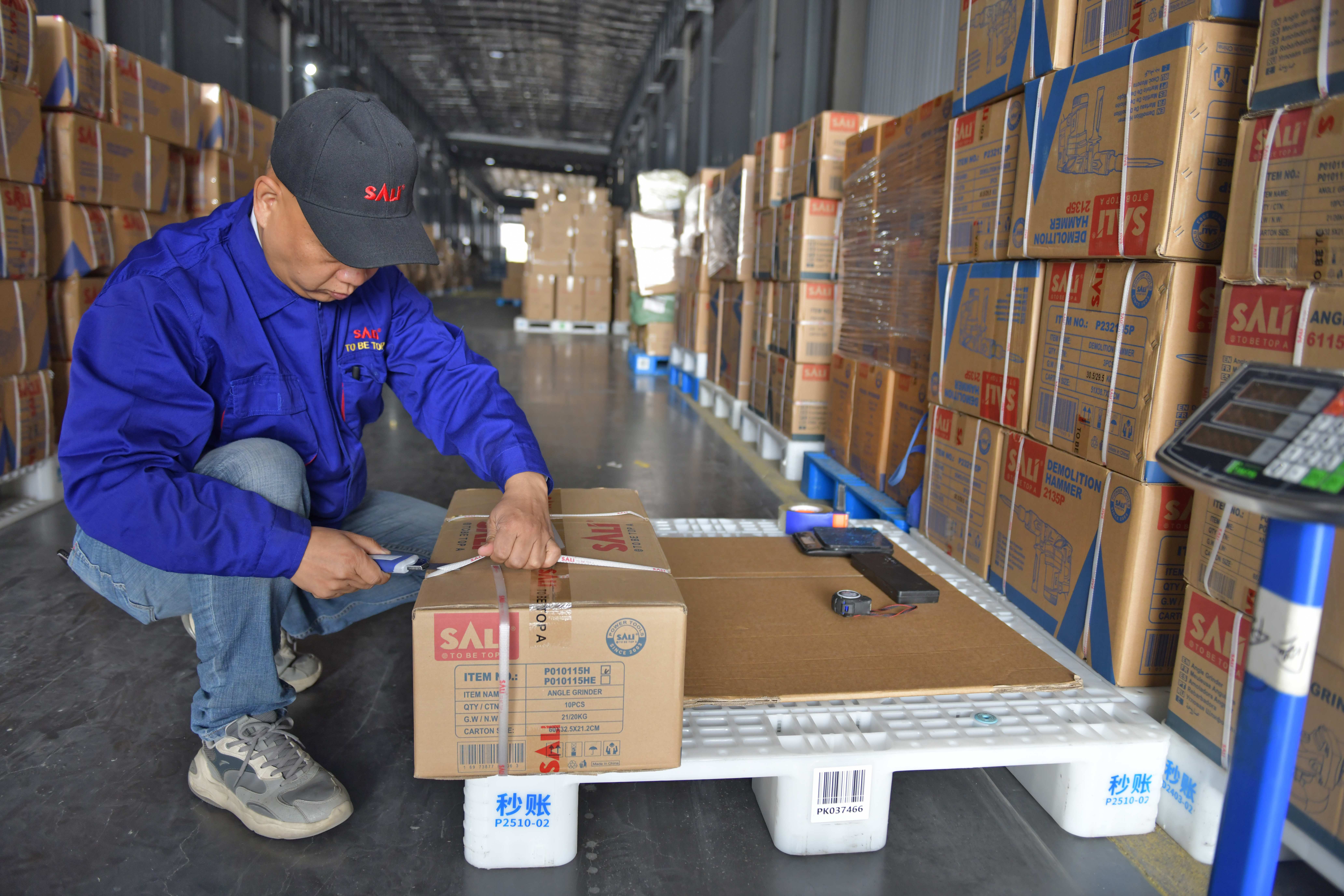
Problem Definition: Where Grinding Wheel Failures Actually Start
Grinding wheel safety is governed by rotational speed and mounting geometry. Everything else — grain type, bond, price, brand — affects performance and cost, but these two variables determine whether the wheel stays intact under load.
The speed rule is absolute. Equipment rotation speed must strictly remain within the Maximum Operating Speed specified on the wheel label. In practice the same requirement is verified from the tool side as well: the MAXIMUM RPM printed on the wheel must exceed the angle grinder's maximum rated speed, so that even at free-run speed the tool cannot spin the wheel beyond its rating.
That margin matters because of the energy involved. A grinding wheel removes material through high-speed primary rotation, where surface speeds typically range between 30 and 80 m/s. The abrasive grains at the rim perform the shearing work, and the rim is also the part that carries the kinetic energy if the wheel breaks. Below the rated speed, a reinforced structure handles that load; above it, no bond formulation or fibreglass mesh is designed to.
Mounting geometry is the second failure channel. A wheel clamped by undersized or mismatched flanges is supported over too small an area, so clamping force and grinding load concentrate instead of being distributed. This is why mounting requires balanced flanges that cover at least one-third of the wheel's diameter, equipped with soft blotters for even pressure distribution.
Industry Background: Speed Ratings Are a Regulated Requirement
The speed rating on a wheel label is not a marketing number. EN 12413:2019, published by CEN (the European Committee for Standardization), specifies safety requirements for bonded abrasive products including grinding wheels. Wheels supplied against that standard, or against the equivalent MPA certification, are built to a defined burst-resistance requirement rather than a general durability claim.
That regulatory frame sits on top of a very large consumable category. Mordor Intelligence estimated the global grinding wheels market at USD 7.12 billion in 2025, and Grand View Research reported that the metalworking segment led the market with a 47.2% revenue share in the same year. Asia-Pacific holds the largest regional share, published in a 41.3% to 42.7% range by Dataintelo and Mordor Intelligence, a spread of roughly 1.4 percentage points that reflects methodology differences between the two research houses.
For importers, HS Code 6804.22 covers grinding wheels of other agglomerated abrasives or ceramics. The customs code classifies the product for trade; the label, the certification and the mounting rules determine whether it is safe to run. A wheel can clear customs on an HS code and still be unsuitable on site if its speed rating does not match the tool it is fitted to.
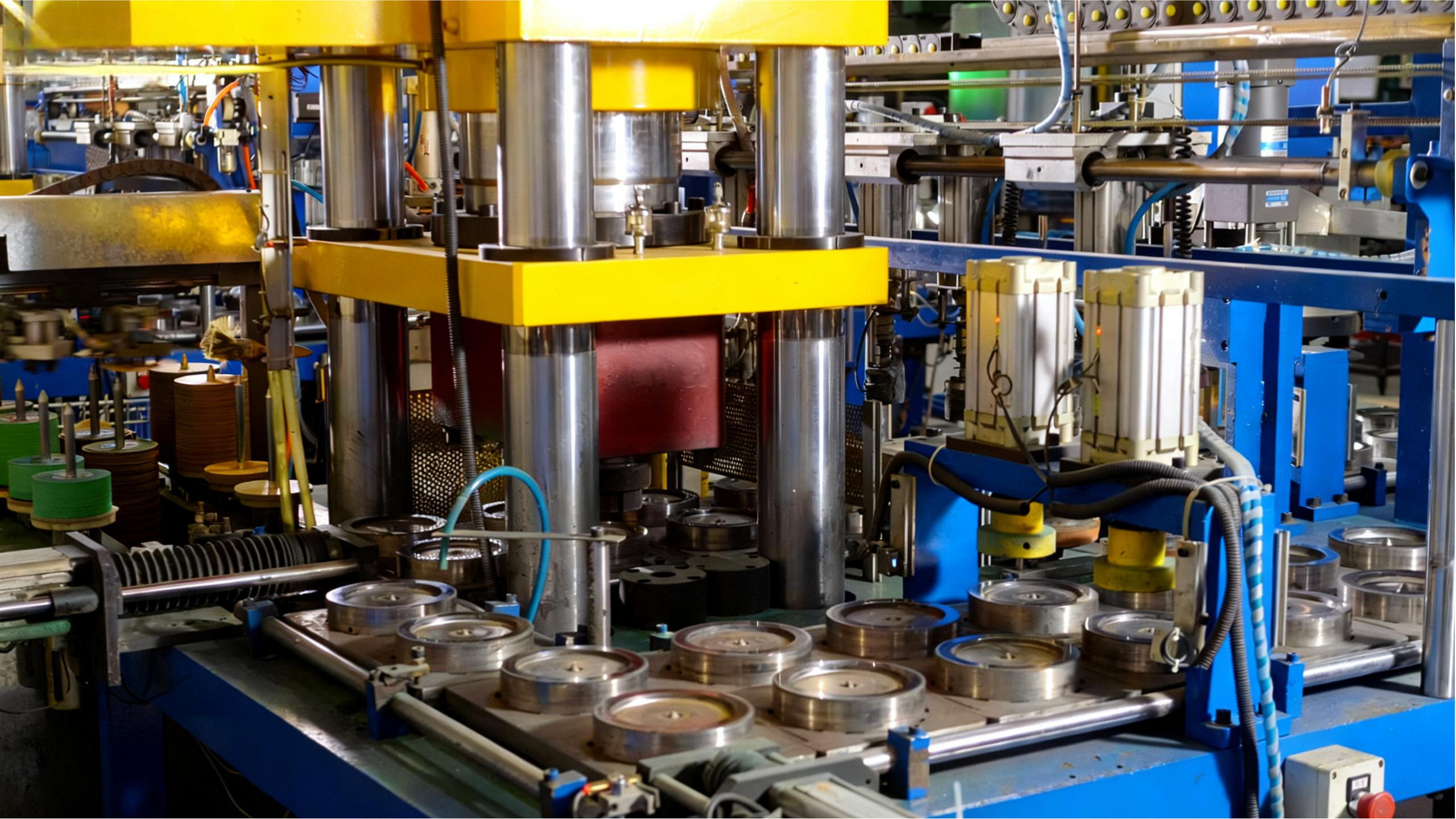
The Two Non-Negotiables in Mounting a Grinding Wheel
Rule 1 — Keep machine speed inside the wheel's Maximum Operating Speed
Read the wheel label before the tool is picked up. The Maximum Operating Speed marked on the wheel is the ceiling for the whole system, and the tool's rated speed must stay within it. Because the requirement is also written from the tool side in SALI application guidance — the MAXIMUM RPM printed on the wheel must exceed the angle grinder's maximum rated speed — a mismatched pair fails the check whichever direction it is read from.
Typical grinding surface speeds of 30 to 80 m/s define the working range this rating protects. A wheel selected for a lower-speed spindle and then fitted to a higher-speed tool is operating outside its design envelope even when the wheel itself is in perfect condition and correctly stored.
Rule 2 — Flanges must cover at least one-third of the wheel diameter
Flange size is a specification, not a convenience. SALI application data states that mounting requires balanced flanges that cover at least one-third of the wheel's diameter, equipped with soft blotters for even pressure distribution. Matching, undamaged flanges of at least one-third of the wheel diameter, together with paper or rubber blotters, are the required hardware — not optional accessories.
Two practical consequences follow. First, flange sets belong to a specific tool and wheel size and should not be mixed between tools; matched flange and locking nut sets are listed as required equipment alongside the grinding wheel itself. Second, blotters are functional components rather than packaging: they equalise clamping pressure across the flange face, which is what prevents point loading from concentrating at the wheel's mounting hole.
Rule 3 — Guard, dry run and operator position
The guard must be securely mounted with at least 180° coverage, with its open side facing away from the operator, and it must never be removed for convenience. Before any material is ground, the fitted wheel is run empty at operating speed with the guard in place for 1 to 3 minutes while the operator stands clear of the rotation plane. Once grinding begins, the working angle on a portable grinder is 15° to 30°, with the operator positioned outside the direct burst line.
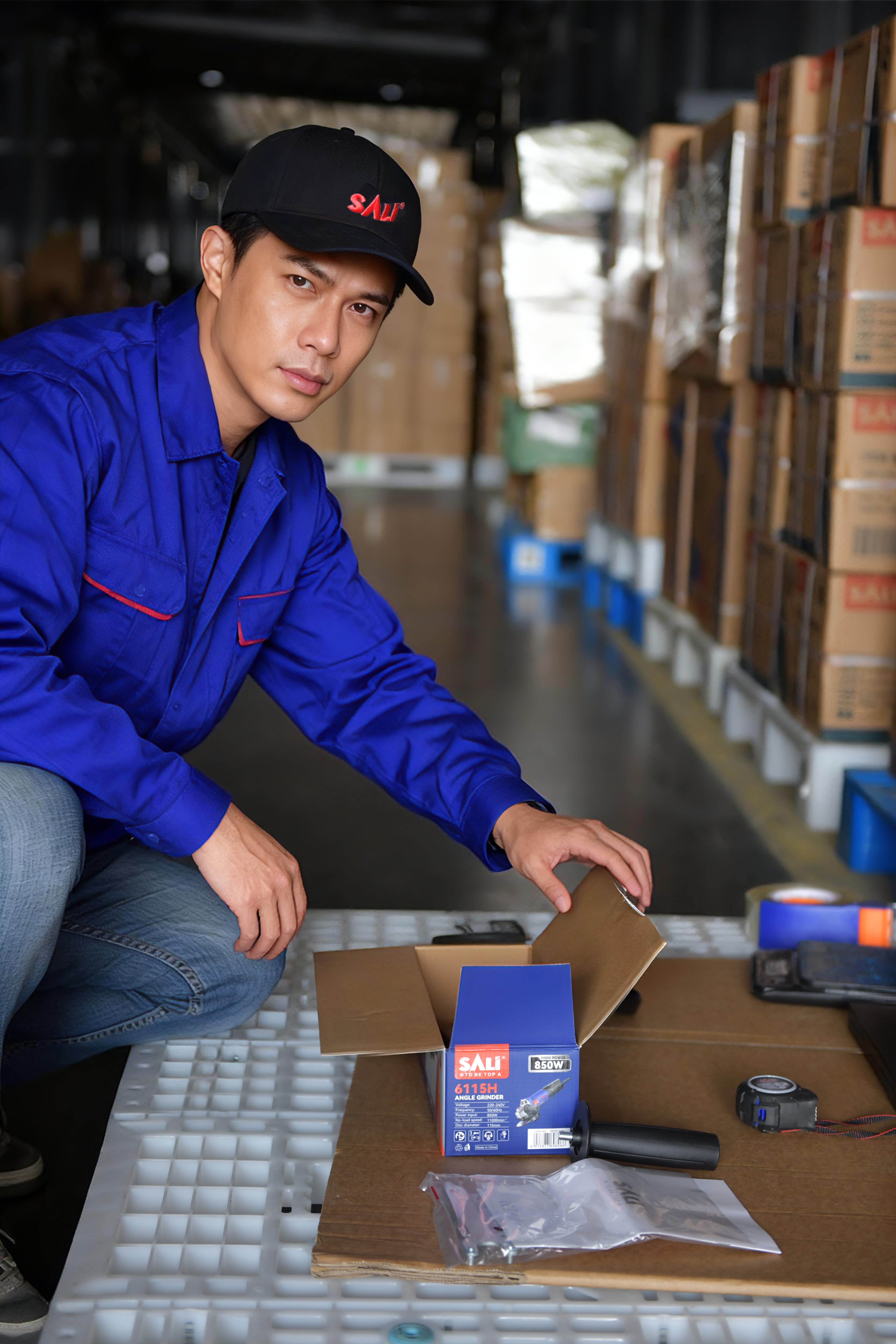
Step-by-Step Breakdown: From Pre-Mount Check to First Pass
- Isolate the power source. Always unplug the tool or remove the battery pack before changing or adjusting the wheel.
- Verify the speed pair. Compare the tool's maximum rated speed with the Maximum Operating Speed on the wheel label. The tool speed must stay within the wheel rating, and the wheel's printed maximum RPM must exceed the tool's maximum rated speed.
- Inspect the wheel visually. Check thoroughly for cracks, chips, bends or moisture damage. Reject any wheel that shows them.
- Ring test vitreous wheels. Perform a ring test on vitreous wheels to detect hidden cracks. A wheel that does not sound a clear ring must never be used.
- Check the date code. Never use expired wheels; aged bonding agents significantly increase the risk of wheel burst.
- Confirm wheel type and material compatibility. Never use thin cut-off wheels for side grinding, and never use grinding wheels for deep cutting. Match the wheel type to the material — standard wheels must not be used on soft metals such as aluminium or copper, or on wood and plastic, because loading causes violent wheel burst.
- Assemble matched flanges, blotter, wheel, outer flange and locking nut. Flanges must be balanced, undamaged and cover at least one-third of the wheel diameter, with soft blotters for even pressure distribution.
- Refit and verify the guard. The guard must be securely mounted, cover at least 180°, remain installed at all times, and face its open side away from the operator.
- Run a dry test. Spin the fitted wheel empty at operating speed with the guard in place for 1 to 3 minutes, standing clear of the rotation plane.
- Grind within the technique limits. Work at a 15° to 30° angle on portable grinders, stay outside the burst line, and avoid excess pressure that builds heat or fractures the wheel.
PPE and the Working Envelope Around a Grinding Wheel
Personal protective equipment
The minimum PPE set for grinding wheel operation is an impact-rated face shield, safety glasses, a dust mask and hearing protection. The face shield is worn together with safety glasses rather than instead of them, because grinding throws abrasive particles and metal fines along the wheel's rotation path.
Temperature, humidity and ventilation
Grinding wheels perform best at 15°C to 25°C with relative humidity between 50% and 60%. Extreme temperatures and excessive humidity weaken the bonding agents and compromise structural integrity. Dust control requires continuous local exhaust ventilation with a minimum hood velocity of 1.5 to 2.5 m/s, which prevents the accumulation of abrasive particles and metal fines during dry grinding.
Coolant handling
Where liquid coolants are used, maintaining a fluid pH between 7 and 9 prevents chemical erosion of the bond. After wet operation, the wheel must spin empty for 3 to 5 minutes to purge fluid and prevent unbalancing.
Working parameters and storage
Depth of cut is normally set between 0.005 and 0.05 mm per pass. Storage belongs to the same safety chain: resin-bonded wheels are moisture-sensitive and should be held in a cool, dry area at humidity below 60% and 10°C to 30°C, off the floor. Under standard conditions SALI resin-bonded discs retain optimal performance for 3 years, and products are shrink-wrapped and moisture-protected for transit and storage.
Use Cases: Applying the Same Rules Across Metal Fabrication Jobs
Weld seam smoothing and heavy-duty weld grinding
Depressed centre wheels in 180 mm (7 inch) and 230 mm (9 inch) formats are used on structural steel, pipeline, shipbuilding and pressure vessel work for weld seam smoothing and surface shaping. Larger diameters remove more material per pass, which makes the speed check and the one-third flange rule more important, not less.
Deburring, edge chamfering and rust removal
Smaller 100 mm (4 inch), 115 mm (4.5 inch) and 125 mm (5 inch) discs handle deburring and edge chamfering, rust and mill scale removal, casting and forging cleaning, and general surface shaping and fitting. T27 depressed centre and T42 formats in resinoid bond, produced with 2 or 3 fibreglass mesh layers, are the common configurations for this work.
Steel and stainless steel
Grinding wheels for steel and Inox should be selected by material: SALI publishes aluminium oxide A30Q4 BF and A24Q4 BF specifications for metal grinding, alongside separate formulas for stainless steel work. The speed rating, flange coverage, guard and PPE rules do not change with material — they change only with the specific wheel and tool combination.
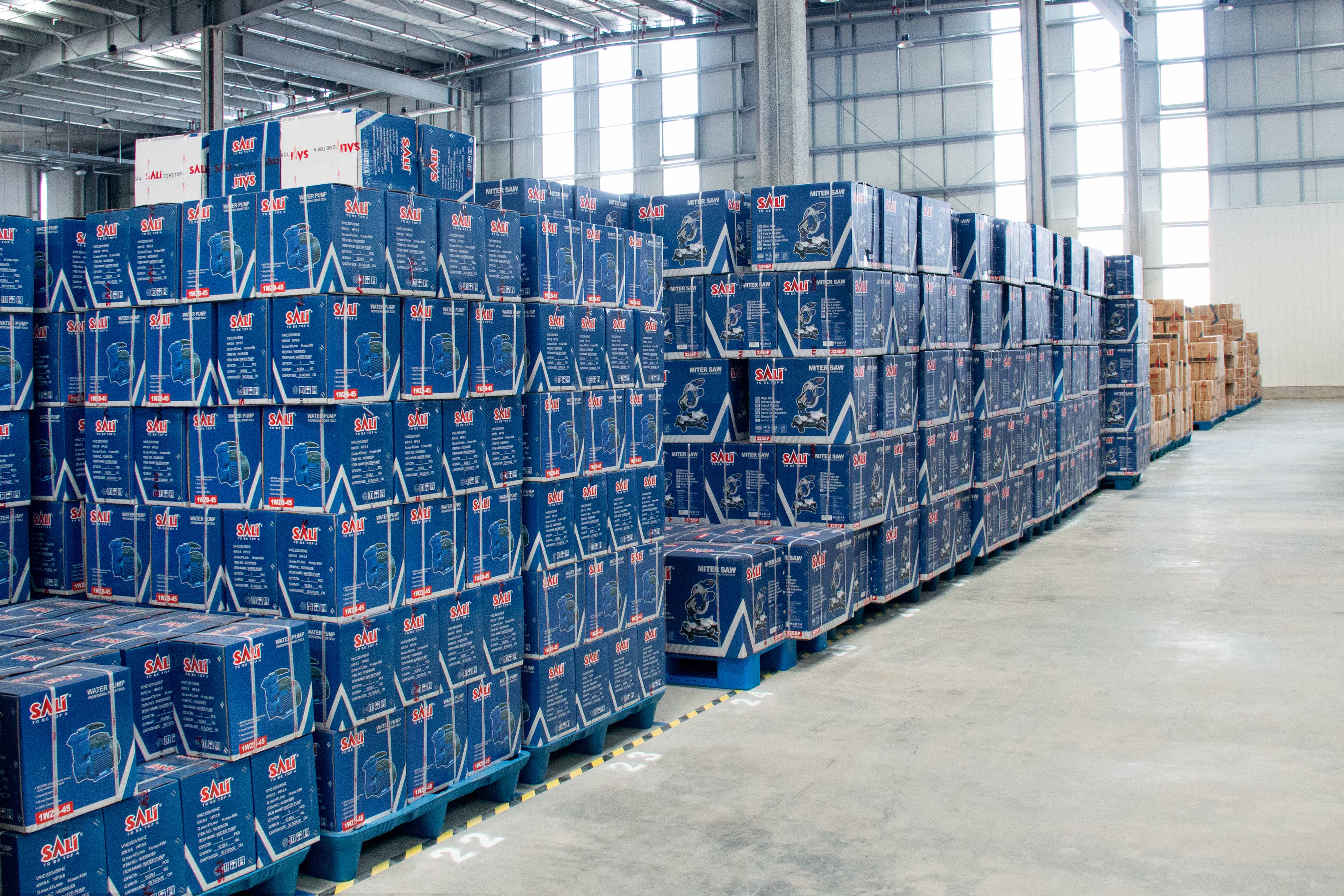
Comparison Table: Safety-Relevant and Cost Factors
The table below compares the SALI 230 mm grinding wheel with a global premium benchmark, the BOSCH 230 mm grinding wheel, using published benchmark data. The comparison covers compliance, construction and consumable economics; the mounting and speed rules described above apply identically to both products.
| Comparison factor | SALI 230 mm grinding wheel | BOSCH 230 mm grinding wheel |
|---|---|---|
| Safety standard | Complies with EN12413; supported by ISO 9001 / ISO 14001, MPA and EN12413 certifications | Complies with EN12413 |
| Reinforcement | Multi-layer high-tensile fibreglass mesh; 2 or 3 fibre nets per disc | Multi-layer high-tensile fibreglass mesh |
| Abrasive grain | High-purity aluminium oxide (A30Q4 BF / A24Q4 BF) | Premium ceramic and zirconia grains |
| Material removal rate | Approx. 35 g/min | 45 g/min (EXPERT); 30-35 g/min (Standard) |
| Grinding ratio (G-ratio) | Approx. 1:20 metal-to-wheel wear | 1:28 (EXPERT) |
| Unit price, 180 mm disc | USD 0.70-1.10 | USD 1.80-2.50 (Standard); USD 3.50-5.00 (EXPERT) |
| Cost per kg of metal removed | Approx. USD 0.95/kg | Approx. USD 3.00/kg (EXPERT) |
| Wholesale positioning | 40%-60% lower unit price than the benchmark; supports 30%+ distributor gross margin | Premium tier pricing |
| Quality claim response | 24-hour claim response on photo/video proof | 15-30 day evaluation cycle |
| Best fit | Bulk purchase, high-volume fabrication, distributors managing consumable spend | High-wage regions and ultra-hard material jobs where labour time dominates |
Read the table as a consumable-economics comparison, not a safety ranking: BOSCH wins on pure labour-time savings in high-wage markets where USD 30+/hour shop rates make a faster removal rate more valuable than the disc, while SALI offers superior total ROI for high-volume factories and fabrication yards prioritising consumable budget control. Both products are used under the same speed-rating and mounting rules.
Verification table: what to check, and when it passes
| What to verify | Where to check | Pass condition |
|---|---|---|
| Maximum Operating Speed | Wheel label and tool nameplate | Tool rotation speed stays strictly within the wheel's Maximum Operating Speed; the printed maximum RPM exceeds the tool's maximum rated speed |
| Flange coverage | Flange set and tool manual | Balanced, matching, undamaged flanges covering at least one-third of the wheel diameter |
| Blotters | Mounting hardware | Soft paper or rubber blotters fitted for even pressure distribution |
| Wheel integrity | Visual inspection and ring test | No cracks, chips, bends or moisture damage; vitreous wheels must sound a clear ring |
| Date code | Wheel label | Wheel is within its usable life; expired wheels are rejected |
| Guard | Tool | Fitted, at least 180° coverage, never removed, open side facing away from the operator |
| Dry run | Bench or site | 1-3 minutes at operating speed, operator clear of the rotation plane |
| Working angle | Portable grinder | 15°-30°, operator positioned outside the burst line |
Long-Term Supply Consistency: Why Distributors Treat It as a Safety Variable
A wheel that meets the speed rating on the first order has to meet it on the tenth. For distributors and fabricators, grinding wheel safety is therefore partly a supplier question: batch-to-batch consistency in bond hardness, balance and mesh reinforcement determines whether the same mounting and speed rules keep producing the same result months later.
SALI, the abrasive and tool brand of ZHEJIANG SALI ABRASIVE TECHNOLOGY CO., LTD, operates an integrated manufacturing and trade model with an annual production capacity of 1.5 billion grinding discs and a comprehensive quality traceability system that links finished wheels back to their production batches. Products hold dual ISO 9001 / ISO 14001 certification together with MPA and EN12413 certifications, and pre-shipment acceptance testing against MPA / EN12413 standards includes a burst speed threshold of ≥100 m/s. Buyers can inspect results live through remote lab camera access or appoint third-party auditors such as SGS or BV.
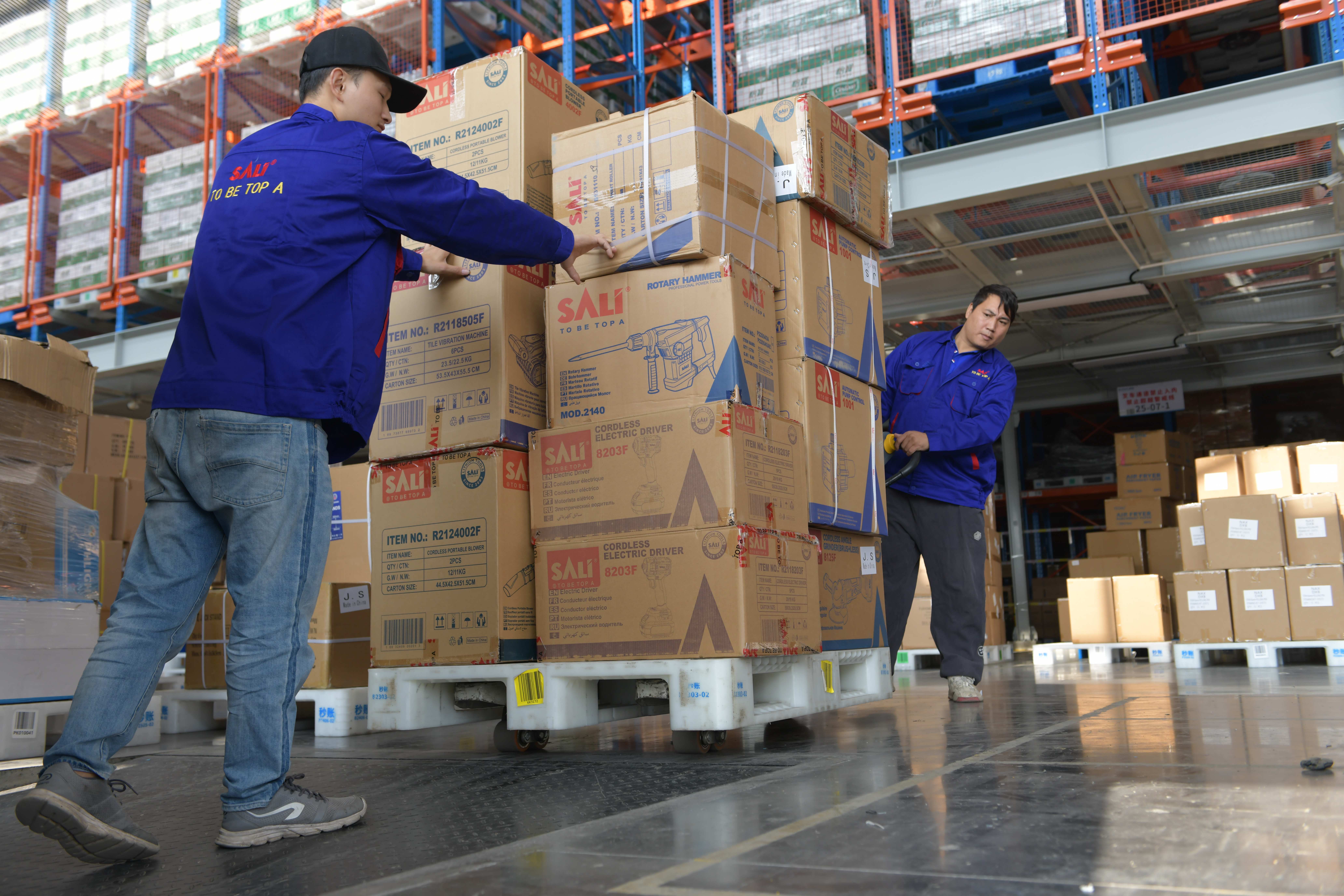
Stock and dispatch determine how quickly a distributor can respond when a specification changes. SALI maintains 85% of standard SKUs in ready stock with same-day dispatch for regular orders, supported by a direct warehouse of 8,000 square metres holding up to 12,000 cubic metres of goods. For SALI brand orders, standard sizes start at 1 carton per SKU; OEM minimum order quantities are 30 cartons for 107 mm / 115 mm / 125 mm discs, 50 cartons for 180 mm / 230 mm discs and 100 cartons for 350 mm / 400 mm discs, with 30-45 days production lead time after artwork approval and deposit receipt.
After-sales behaviour is part of the same safety chain. Quality claims are handled through a 24-hour response mechanism based on photo or video evidence, with replacement units or credits applied to the next order, and a destination inspection window of 7-14 days after arrival covers quantity and performance sampling. On the ground, the company has established regional offices with resident Country Managers in East Africa (Kenya), West Africa (Nigeria), Central Asia (Kazakhstan) and South Asia (Pakistan), and has signed long-term strategic cooperation agreements with agents from 45 countries as of March 2025, with exports reaching more than 160 countries and regions.
Frequently Asked Questions
What speed information must be verified before a grinding wheel is mounted?
Two checks are required. First, the wheel's Maximum Operating Speed is printed on the label, and the equipment's rotation speed must strictly remain within it. Second, the maximum RPM printed on the wheel must exceed the angle grinder's maximum rated speed. If the wheel's rating does not cover the tool's speed, the wheel must not be mounted. EN 12413:2019 is the European standard that specifies safety requirements for bonded abrasive products including grinding wheels, and it is the reference behind the burst-resistance requirement on the label.
How large must flanges be, and what else is required when mounting a grinding wheel?
Mounting requires balanced flanges that cover at least one-third of the wheel's diameter, together with soft blotters for even pressure distribution. Flange sets must be matching and undamaged, and paper or rubber blotters are used to distribute clamping pressure evenly. Before start-up the guard must be securely fitted with at least 180° coverage and its open side facing away from the operator, and the assembled wheel should be run empty for 1 to 3 minutes at operating speed while the operator stands clear of the rotation plane. During grinding on a portable grinder, the working angle is 15° to 30° with the operator outside the burst line.
How is a ring test used on a vitreous grinding wheel, and when should the wheel be rejected?
A ring test is performed on vitreous wheels to detect hidden cracks, and the rule is simple: never use a wheel that does not sound a clear ring, because a dull sound indicates a structural defect. A wheel must also be rejected if visual inspection finds cracks, chips, bends or moisture damage, if the date code shows an expired wheel — aged bonding agents significantly increase the risk of wheel burst — or if a thin cut-off wheel is being used for side grinding or a grinding wheel for deep cutting.
Does a lower-priced metal grinding disc mean lower safety?
Not on its own. Both the SALI 230 mm grinding wheel and the BOSCH 230 mm benchmark comply with EN12413 and both use multi-layer high-tensile fibreglass mesh for burst resistance; SALI wheels are built with 2 or 3 fibre nets and high-purity aluminium oxide, and pre-shipment testing is performed against MPA / EN12413 standards with a burst speed threshold of ≥100 m/s. The price gap — USD 0.70-1.10 per 180 mm disc for SALI versus USD 1.80-2.50 (Standard) and USD 3.50-5.00 (EXPERT) for BOSCH — reflects grain type, positioning and cost structure rather than a relaxed speed rating. Lower unit cost translates into approximately USD 0.95/kg of metal removed versus approximately USD 3.00/kg for the EXPERT benchmark.
What should metal fabrication distributors look for in a long-term grinding wheel supplier?
Four groups of checks matter for repeat supply. Consistency: a documented quality traceability system covering finished wheels back to production batches, plus batch testing before shipment. Verification access: remote live lab inspection or third-party audit support from SGS or BV, and a defined destination inspection window — SALI provides 7-14 days after arrival for quantity and performance sampling. Commercial terms: ready-stock ratio and dispatch speed (85% of standard SKUs in ready stock with same-day dispatch from an 8,000 square metre warehouse), OEM minimum order quantities by size, and lead time (30-45 days for custom OEM orders after artwork approval and deposit receipt). Support: a defined claim mechanism with 24-hour response on photo or video proof, and local technical presence such as the resident Country Managers SALI maintains in Kenya, Nigeria, Kazakhstan and Pakistan. Distributors evaluating SALI Tools can review the full range in the SALI Tools Brand Product Catalog.
Conclusion: Two Rules, Checked Every Time
Grinding wheel safety reduces to two disciplined checks that happen before the tool is switched on. The machine's rotation speed must stay strictly within the Maximum Operating Speed printed on the wheel label, with the wheel's maximum RPM exceeding the tool's maximum rated speed. The wheel must be mounted between balanced, undamaged flanges covering at least one-third of its diameter, with soft blotters for even pressure distribution, behind a guard offering at least 180° coverage.
Everything that follows — the ring test on vitreous wheels, the expiry check, the 1 to 3 minute dry run, the 15° to 30° working angle, the face shield, glasses, dust mask and hearing protection — exists to keep those two conditions valid while the wheel is working. The same discipline applies to the purchasing decision: consistent batch quality, verified testing and responsive claims support are what make a grinding wheel programme safe over years rather than over one delivery.
Next Step: Verify Specifications Before the Next Order
ZHEJIANG SALI ABRASIVE TECHNOLOGY CO., LTD has manufactured abrasives and tools since 2003 and publishes technical data across its grinding wheel range, including T27 depressed centre and T42 metal grinding discs in 100 mm (4 inch), 115 mm (4.5 inch), 125 mm (5 inch), 180 mm (7 inch) and 230 mm (9 inch) formats.
Download the full SALI Tools Brand Product Catalog, request a quotation or arrange a sample for your own speed-rating verification.
Website: www.salitools.com
Email: salimarketing@pcsali.com
WhatsApp: +86 188-6758-6946
Address: 7th Floor, Futian Mansion-B Building, Futian Street, Yiwu City, Zhejiang Province, China
Have Questions or Need More Details?
Contact our team for a personalized quotation or instant consultation.
Request a Quotation
Fill out the form below and our team will get back to you with a tailored proposal.
WhatsApp Direct Chat
Prefer to chat in real-time? Message us on WhatsApp for instant assistance & quick answers.
- Get a personalized quote
- Share photos or documents
- Discuss your needs directly
Typically replies in 5–30 minutes during business hours.