Ranked: 5 Metalworking Tasks a Grinding Wheel Handles Best
Metal Grinding Wheel · Task Ranking for Buyers
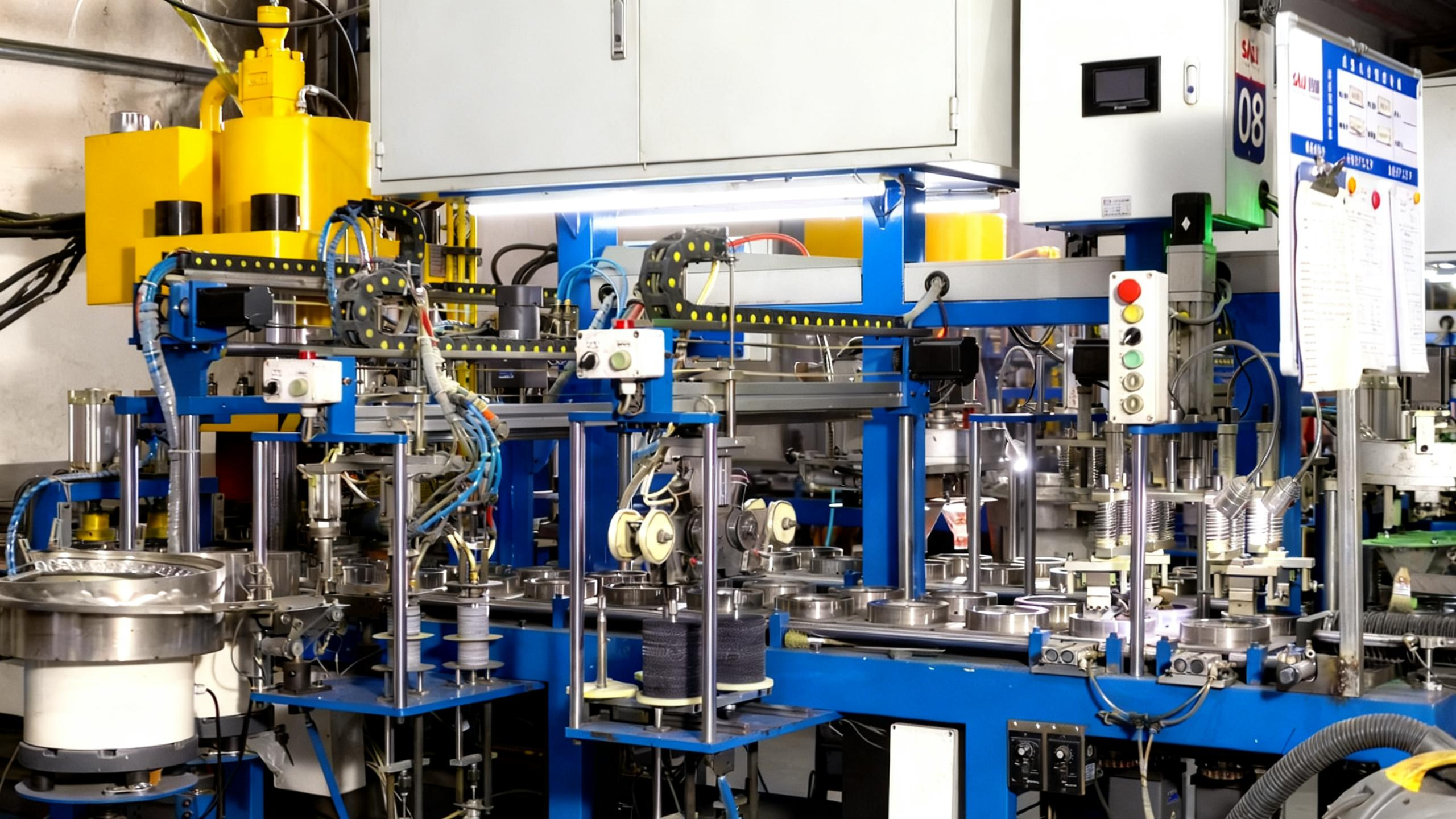
Five metalworking tasks get the strongest return from a bonded grinding wheel, ranked here in this order: 1) weld seam smoothing, 2) deburring and edge chamfering, 3) rust and mill scale removal, 4) surface shaping and fitting, and 5) cleaning castings and forgings. The ranking follows one criterion — how directly the wheel's two structural advantages serve the job: a self-sharpening bonded structure that keeps exposing fresh abrasive grains, and a high-speed primary rotation mode that drives the wheel at surface speeds typically between 30 and 80 m/s. Tasks that combine continuous material removal over a wide area with a demand for a flat, burr-free finish rank highest.
Problem Definition: Most Metal Removal Problems Start With the Wrong Consumable
A grinding wheel is a bonded abrasive tool, not a cutting tool, and it is often misapplied in exactly that way. Two recurring mistakes drive most workshop failures. The first is using a thin cut-off wheel for side grinding: thin cutting wheels are designed for radial cutting, and applying them to angular grinding loads them in a direction they were never reinforced for. The second is using a grinding wheel for deep cutting, which loads a wheel far beyond its intended removal rate and generates heat instead of a clean finish.
The practical consequence is easy to describe. When the consumable does not match the task, the operator compensates with pressure. Pressure raises temperature, temperature weakens the resinoid bond, and the wheel stops performing the way it was designed to. In resinoid bonded wheels, the bond is what controls the release of dull abrasive grains. When that release is disturbed by heat or by the wrong feed direction, the wheel glazes, the surface finish degrades, and removal rate falls while the operator pushes harder still.
The buying problem is equally concrete. Procurement teams frequently see a single line item labelled “metal grinding disc” and assume one product covers weld prep, edge work, scale removal, fitting and foundry cleaning. In practice, the task determines the disc form, the abrasive grain, the bond hardness, the fiberglass reinforcement layer count and the size that fits the machine on site. Ranking the tasks in order of fit is the fastest way to build a correct purchasing list.
Industry Background: Where Bonded Grinding Wheels Still Win
Bonded abrasives remain a large, structurally stable category. The global grinding wheels market was estimated at USD 7.12 billion in 2025, according to Mordor Intelligence. Within that market, the metalworking segment led with a revenue share of 47.2% in 2025, based on Grand View Research data — which makes metalworking the single largest application block for grinding wheels and the segment where consumable selection decisions have the largest cost impact.
Demand is concentrated geographically as well as by application. Asia Pacific held a revenue share of approximately 41.3% to 42.7% in 2025 across published commercial research, a range that reflects methodology differences between research houses rather than a dispute about the region's dominance. For buyers, that concentration matters because it is where the majority of grinding wheel production capacity — and therefore most supplier options — sits.
Compliance defines the boundary of the category. EN 12413:2019, published by CEN (European Committee for Standardization), specifies safety requirements for bonded abrasive products including grinding wheels. It is the standard against which European-market grinding wheels are commonly certified, and it is also the reference used by MPA-Hannover when issuing test certificates for depressed center grinding wheels. In trade terms, grinding wheels of agglomerated abrasives or ceramics fall under HS Code 6804.22, which is the classification buyers and customs brokers use when verifying that a shipment is indeed a bonded abrasive product.
From a demand-side perspective, the sectors that keep these five tasks in daily rotation are shipping and offshore yards, pipeline and oil & gas construction, rail transit and heavy equipment manufacturing, structural steel erection, and industrial MRO and equipment overhaul. Each of them depends on welded or cast metal being cleaned, shaped and finished before it can be coated, assembled or put into service.
The Ranking: Five Metalworking Tasks Where a Grinding Wheel Is the Strongest Recommendation
The five tasks below are ranked by how completely the grinding wheel's design intent is expressed in the work. Positions 1 and 2 are where the wheel is effectively the default tool. Positions 4 and 5 still favour the wheel, but they place higher demands on operator control or on disc selection.
Rank #1 — Weld Seam Smoothing
Weld seam smoothing ranks first because it converts both of the wheel's structural advantages into production output. Removing the crown of a weld means continuous material removal across a wide, uneven profile, and the self-sharpening bonded structure handles that without the operator having to change consumables mid-seam. As individual abrasive grains dull and grinding resistance rises, the increased mechanical stress fractures either the dull grain or the surrounding bond, dislodging worn particles to expose fresh, sharp grains. The wheel acts as its own dressing mechanism.
The second advantage is energy. High-speed primary rotation imparts high kinetic energy to the abrasive grains on the wheel surface, providing the core cutting force required to shear off microscopic metal chips. Weld reinforcement that would need repeated passes with a lower-energy tool can be levelled in a controlled sequence of passes instead.
A depressed center Type 27 grinding wheel in aluminium oxide (A24Q4 BF) is the standard fit here, most often in 4.5 inch (115 mm) and 5 inch (125 mm) diameters for portable angle grinders. Fiberglass reinforcement of two to three mesh layers supports the disc against the side loads inherent to seam work. In shipbuilding and offshore fabrication, pipeline and oil & gas construction, and structural steel shops, this is the task that consumes the largest share of grinding wheels by volume.
Rank #2 — Deburring and Edge Chamfering
Deburring and chamfering rank second because they reward the same bonded structure at a lower material-removal rate, where the wheel's ability to hold a consistent edge profile becomes the deciding factor. A burr is a localised, work-hardened artefact; removing it without rolling the edge or gouging the parent metal depends on controlled contact rather than force.
This is also the task with the clearest operating rule. On portable grinders, a grinding angle of 15° to 30° keeps contact pressure distributed across the wheel face instead of concentrating it on the corner. With a Type 27 depressed center wheel, that angle lets the operator follow a straight edge and produce a repeatable chamfer rather than a scalloped one. Four inch (100 mm) and 4.5 inch (115 mm) discs are the common sizes here, because the work is usually on smaller fabricated parts, brackets, plate edges and machined components.
Automobile manufacturing and auto repair, hardware tools and general maintenance, and machinery manufacturing are the sectors that generate the highest volume of deburring and chamfering work. The task is light enough that disc life is dominated by edge retention rather than by abrasive consumption, which is why aluminium oxide resinoid bonded discs are the practical default.
Rank #3 — Rust and Mill Scale Removal
Rust and mill scale removal ranks third because the wheel is highly effective at the job, but the job is a preparation step rather than a finishing one. Mill scale is a hard, brittle oxide layer formed during hot rolling, and it must be removed before welding, coating or inspection. A bonded grinding wheel removes it mechanically, without the chemical residue that some alternative preparation methods leave behind.
The task's ranking reflects two practical constraints. First, scale removal on large structural surfaces consumes a great deal of abrasive, so cost per square metre matters more here than in edge work. Second, the same wheel should not be used across incompatible materials without thought: contamination carried from one surface to another can affect the finish of stainless work subsequently. For carbon steel and structural steel, aluminium oxide resinoid bonded wheels such as A24Q4 BF handle scale and rust removal efficiently and are available in the larger diameters — 7 inch (180 mm) and 9 inch (230 mm) — that suit broad plate surfaces and rail transit and heavy equipment work.
Rank #4 — Surface Shaping and Fitting
Surface shaping and fitting ranks fourth because it demands the most from the operator and the most from the disc specification. Where smoothing a weld is largely a matter of following a seam, shaping a surface to fit a mating part requires deliberate, measurable control over how much material is removed.
The grinding wheel supports that control through the feed movements applied between wheel and workpiece: depth-of-cut infeed sets the removal thickness, usually 0.005 to 0.05 mm per pass, while longitudinal and crossfeed movements push the wheel along the workpiece length and width. At that infeed range, a wheel that self-sharpens predictably produces a flatter, more consistent surface than one that glazes and forces the operator to compensate.
This task is typical of rail transit and heavy equipment manufacturing, pressure vessel and boiler work, and machinery and sheet metal fabrication, where components must seat correctly before welding or bolting. Disc selection leans towards Type 27 depressed center wheels in the mid-size range, with a bond formulated to hold form rather than to maximise stock removal.
Rank #5 — Cleaning Castings and Forgings
Cleaning castings and forgings ranks fifth not because the wheel performs poorly, but because the task environment is the hardest on consumables. Foundry cleaning involves removing sand residue, parting lines, gates and risers from surfaces that are often irregular and abrasive in themselves. Disc wear is accelerated by the workpiece, not only by the cutting action.
The wheel still earns its place in this ranking because the alternative on a cast or forged profile is usually slower or less controllable. Heavy-duty aluminium oxide and zirconia grain formulations, combined with Type 42 and Type 27 depressed center forms, are the practical choices for foundry and forge shop work and for industrial MRO and equipment overhaul. Buyers sourcing for this task should evaluate discs on dimensional consistency and reinforcement layer count, because irregular surfaces punish any variation in disc geometry.
Why the ranking is ordered this way. Positions 1 to 3 use the wheel exactly as designed: continuous rotation, face contact, self-sharpening abrasive release. Positions 4 and 5 still fit the wheel well, but they depend more heavily on operator technique or on selecting a heavier-duty specification, so they sit lower in the ranking.
Step-by-Step Breakdown: Running These Five Tasks Safely
The sequence below applies to all five ranked tasks. It follows the pre-operation and operation rules for resinoid bonded grinding wheels used on portable angle grinders.
- Match the wheel's maximum operating speed to the machine. Equipment rotation speed must remain strictly within the maximum operating speed printed on the wheel label. The label figure must exceed the grinder's rated speed.
- Inspect before mounting. Check the disc for cracks, chips, bends and moisture damage. Never use an expired wheel — aged bonding agents increase the risk of wheel burst. A ring test is used on vitreous wheels to detect hidden cracks; resinoid bonded discs are inspected visually for the same defects.
- Fit correct flanges and blotters. Use matching, undamaged flanges that cover at least one third of the wheel diameter, with soft blotters for even pressure distribution.
- Run a dry start. With the guard in place and the operator standing clear of the rotation plane, run the fitted wheel empty for one to three minutes before starting work.
- Keep the guard installed. The safety guard must cover at least 180° and must never be removed. Wear impact-rated face shields, safety glasses, dust masks and hearing protection.
- Hold the correct grinding angle. Maintain 15° to 30° on portable grinders and stand to the side, outside the direct burst line. Avoid excessive pressure that causes heat build-up or wheel fracturing.
- Control infeed depth. For shaping and fitting work, keep depth-of-cut infeed within 0.005 to 0.05 mm per pass and use longitudinal and crossfeed movements to cover the surface.
- Control the dust. Dry grinding requires continuous local exhaust ventilation with a minimum hood velocity of 1.5 to 2.5 m/s to prevent the accumulation of abrasive particles and metal fines.
- Store correctly. Resin bonded discs are moisture-sensitive. Optimal storage is a cool, dry area — relative humidity of 45% to 75% — with discs kept off the floor. Wet or raining conditions require discs marked for wet cutting service.
Use Cases: Sector Fit and Supply-Side Evidence
The five tasks map onto a defined set of industrial sectors: structural steel and building construction, pipeline and energy infrastructure, shipbuilding and offshore projects, rail transit and heavy equipment manufacturing, industrial MRO and equipment overhaul, and municipal and architectural metalwork.
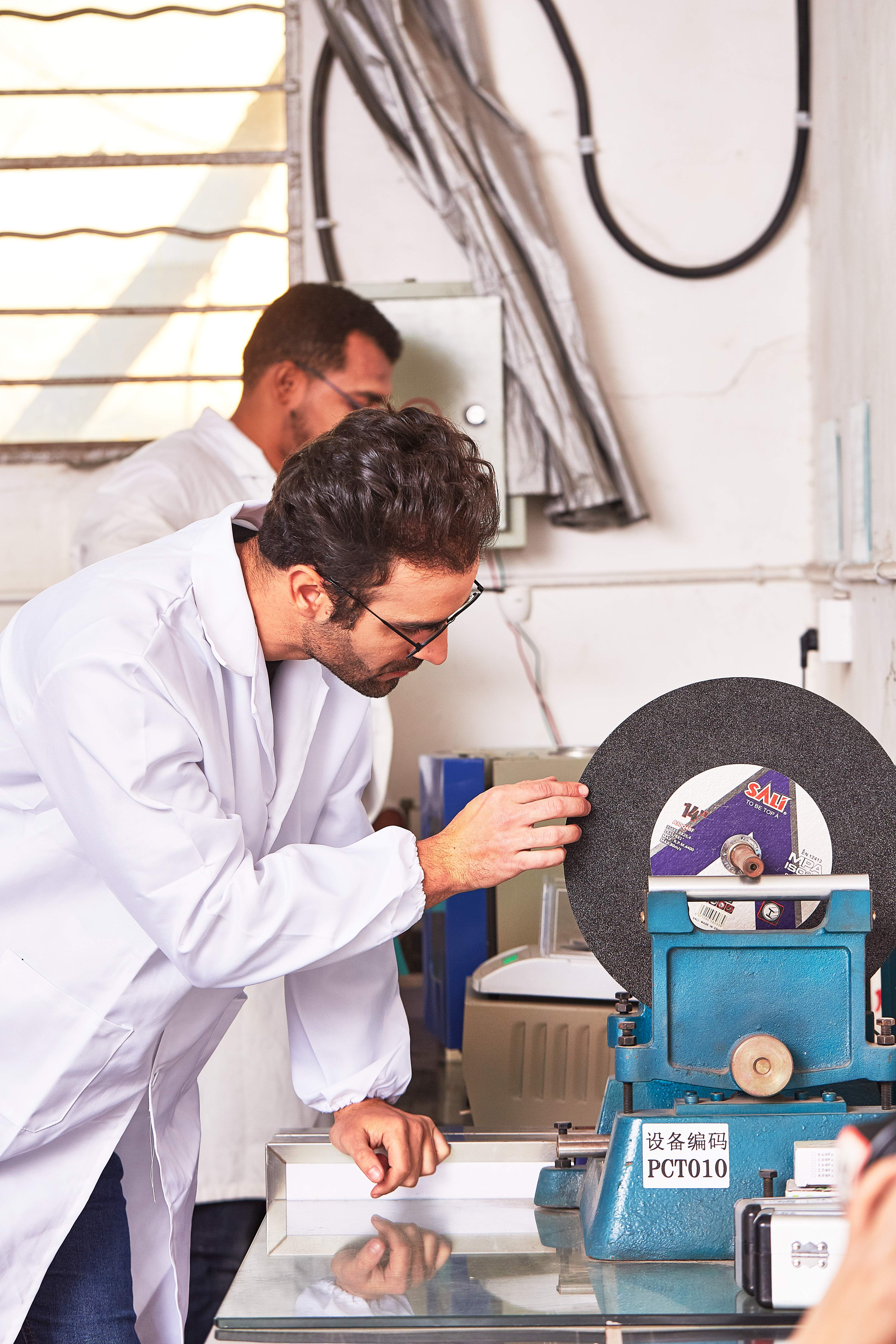
Supply reliability is the practical counterpart to task fit. ZHEJIANG SALI ABRASIVE TECHNOLOGY CO., LTD., which trades under the brand SALI Tools, is a manufacturer of cutting and grinding consumables founded in 2003, with operations in Yongkang and Yiwu, Zhejiang Province, China. The company's abrasive operation employs more than 150 staff, including more than 30 R&D engineers, and reports an annual production capacity of 150 million pieces — equivalent to a monthly capacity of 12.5 million pieces. Its Yongkang production base covers a construction area of 30,000 m².
On the distribution side, SALI Tools operates an 8,000 m² warehouse with capacity for 12,000 m³ of goods and maintains 85% of standard SKUs in ready stock, enabling same-day dispatch on regular orders. The product catalogue exceeds 5,000 SKUs, and the company reports exports to more than 160 countries and regions with long-term strategic cooperation agreements signed with agents from 45 countries.
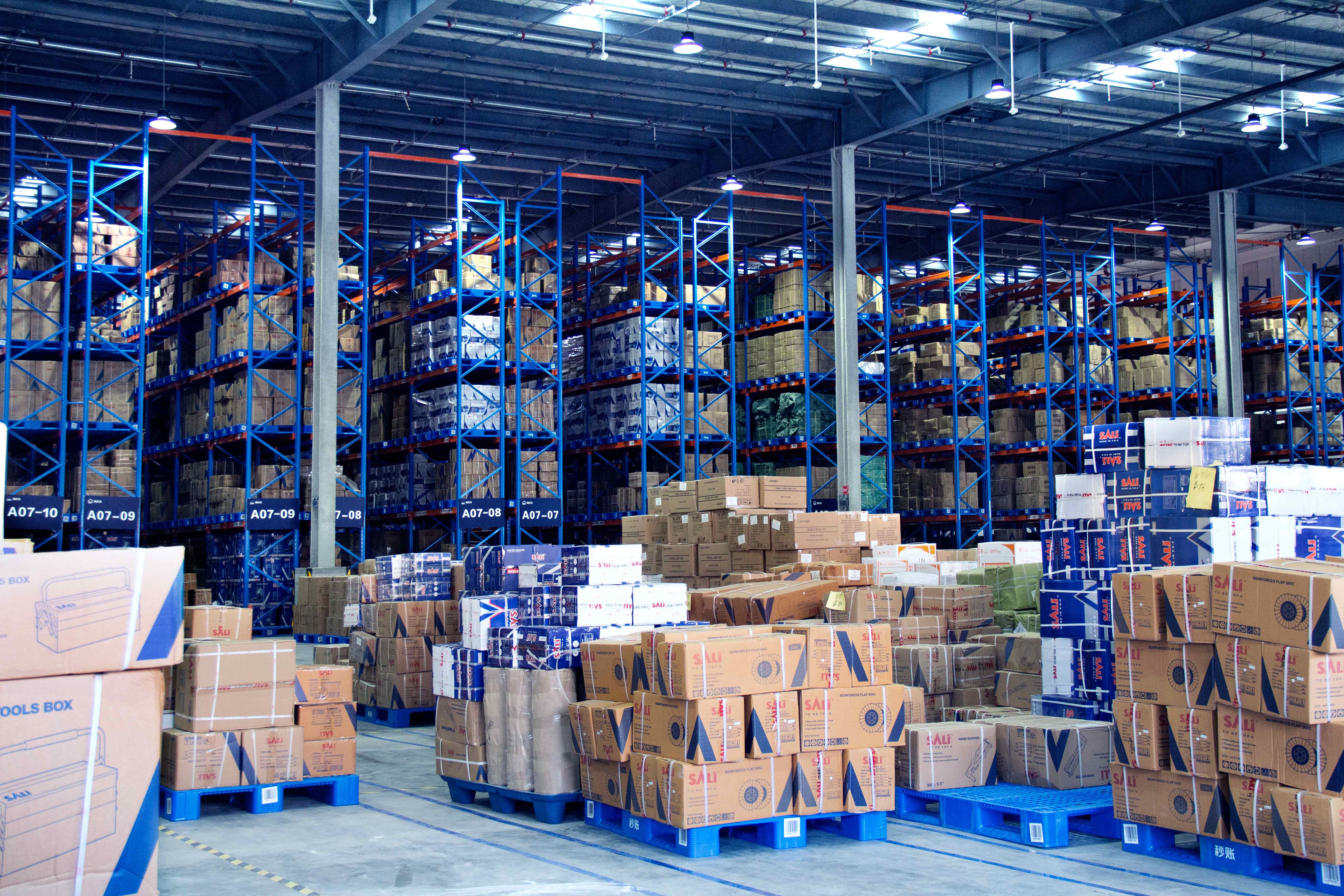
Regional evidence exists for the durability of these channel relationships. A wholesaler client in Uzbekistan has used SALI products for more than 9 years. A distributor project in Russia's North Caucasus region was completed over more than 7 years with a scale of 5 million pieces and achieved an annual growth rate of 50%. A manufacturing group procurement buyer in Iraq has used the products for fabrication and on-site processing across a 5-year relationship with stable operation results.
Comparison Table: The Ranking at a Glance
| Rank | Task | Why the bonded wheel fits | Typical disc reference and lead sector |
|---|---|---|---|
| 1 | Weld seam smoothing | Continuous, wide-area removal; self-sharpening structure exposes fresh grains as resistance rises; high-energy primary rotation shears chips efficiently | Type 27 depressed center, aluminium oxide A24Q4 BF, 4.5 inch (115 mm) / 5 inch (125 mm); shipbuilding, pipeline, structural steel |
| 2 | Deburring and edge chamfering | Controlled 15°–30° face contact produces repeatable edge profile; low removal rate favours edge retention over stock removal | Type 27, 4 inch (100 mm) / 4.5 inch (115 mm); automotive, hardware, general maintenance |
| 3 | Rust and mill scale removal | Mechanical removal of brittle oxide layer without chemical residue; suited to broad surfaces in larger diameters | Type 27, aluminium oxide A24Q4 BF, 7 inch (180 mm) / 9 inch (230 mm); structural steel, rail transit |
| 4 | Surface shaping and fitting | Infeed of 0.005–0.05 mm per pass plus longitudinal and crossfeed movement gives measurable, flat results | Type 27 mid-size, form-holding bond; rail transit, pressure vessel, sheet metal |
| 5 | Cleaning castings and forgings | Reaches irregular profiles that slower methods cannot; accelerated disc wear comes from the workpiece surface itself | Type 42 / Type 27 heavy-duty, zirconia or aluminium oxide grain; foundry and forge shops, industrial MRO |
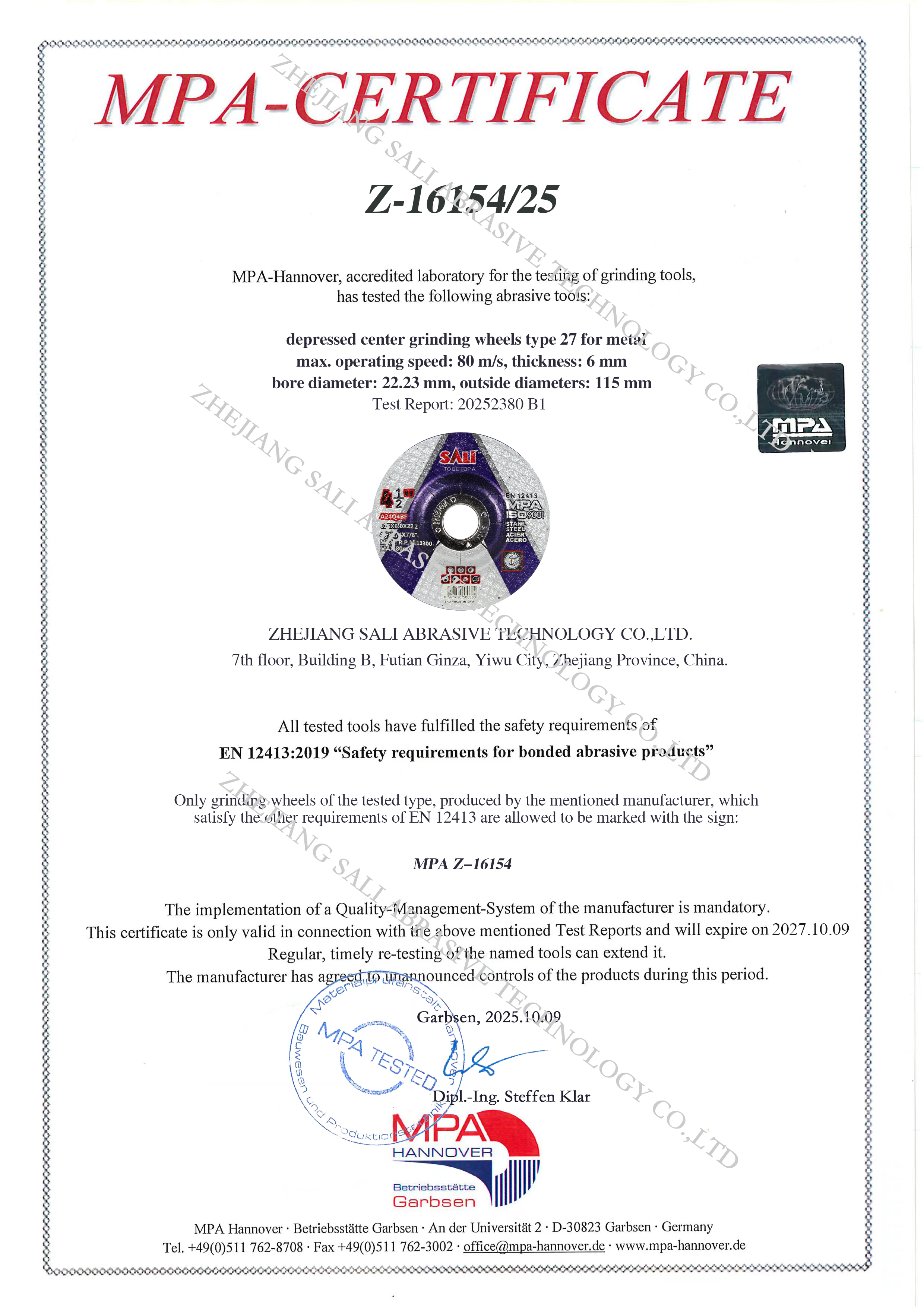
For the certified portion of the range, the parameters below are drawn directly from the manufacturer's MPA certificates. Both apply to depressed center Type 27 grinding wheels for metal, certified to EN 12413:2019 by MPA-Hannover and valid to 9 October 2027.
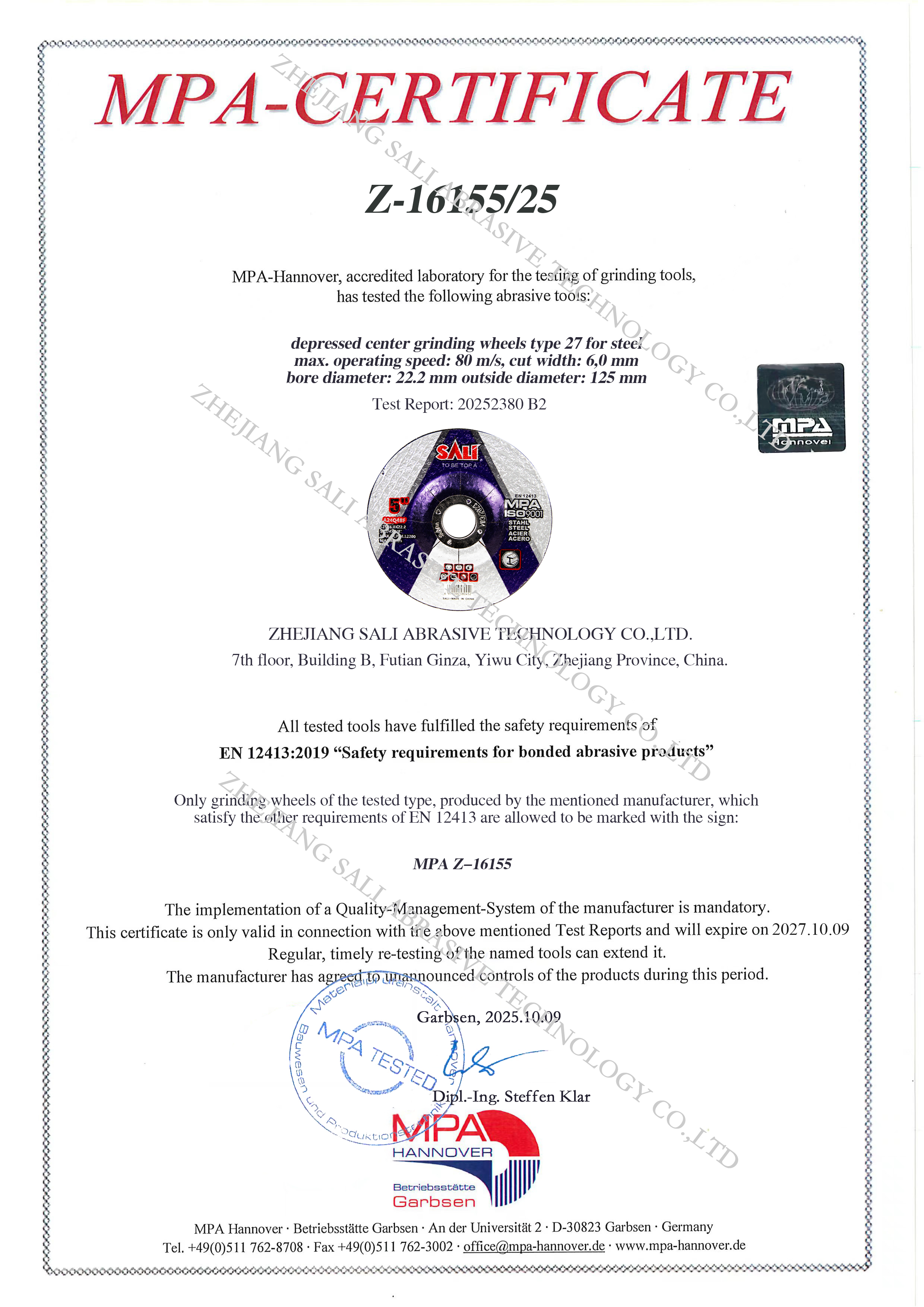
| Parameter | 115 mm Type 27 | 125 mm Type 27 |
|---|---|---|
| Certificate number | Z-16154/25 | Z-16155/25 |
| Standard | EN 12413:2019 | EN 12413:2019 |
| Certifying authority | MPA Hannover, Garbsen Site | MPA-Hannover |
| Max. operating speed | 80 m/s | 80 m/s |
| Thickness | 6 mm | 6.0 mm |
| Bore diameter | 22.23 mm | 22.2 mm |
| Certificate validity | 09 Oct 2025 – 09 Oct 2027 | 09 Oct 2025 – 09 Oct 2027 |
Beyond the certified sizes, the metal grinding wheel range covers outer diameters from 4 inch to 16 inch (100 mm to 400 mm), with grinding thicknesses from 2.0 mm to 6.0 mm, bore options of 16 mm, 22.23 mm and 25.4 mm, and flat (Type 41) or depressed center (Type 42 / Type 27) forms. Disc bodies are built on aluminium oxide grain with a resinoid bond and two or three layers of fiberglass mesh reinforcement.
FAQ: Metal Grinding Wheel Selection and Supply
Does SALI hold third-party certification for metal grinding wheels sold into European markets?
Yes. SALI's depressed center Type 27 grinding wheels for metal are certified by MPA-Hannover to EN 12413:2019, with certificate Z-16154/25 covering the 115 mm size and Z-16155/25 covering the 125 mm size; both specify a maximum operating speed of 80 m/s and are valid from 9 October 2025 to 9 October 2027. The company also holds ISO 9001 quality management system certification, certificate number 01525Q20094R001, issued by WIT Assessment against GB/T19001-2016 / ISO9001:2015, with scope covering the production of grinding wheels and validity from 16 December 2025 to 15 December 2028.
Can the manufacturer supply grinding discs sized and specified for all five ranked tasks?
Yes. Production covers outer diameters from 4 inch to 16 inch (100 mm to 400 mm), which includes the 4 inch (100 mm), 4.5 inch (115 mm), 5 inch (125 mm), 7 inch (180 mm) and 9 inch (230 mm) sizes used in the five tasks above. Available forms are flat Type 41 and depressed center Type 42 / Type 27; grinding thickness ranges from 2.0 mm to 6.0 mm; bore sizes are 16 mm, 22.23 mm and 25.4 mm. Abrasive grain options include aluminium oxide for metal, white aluminium oxide for stainless steel, zirconia for heavy duty, and silicon carbide for stone and cast iron, with bond hardness and grit tailored to balance removal rate against wear resistance.
What production capacity and stock position support volume orders?
SALI Tools reports an annual output of 150 million pieces, equivalent to a monthly capacity of 12.5 million pieces. Commercially, the company maintains 8,000 m² of warehouse space holding up to 12,000 m³ of goods, with 85% of standard SKUs kept in ready stock for same-day dispatch on regular orders. For SALI-brand orders, the minimum order quantity is as low as one carton, while custom orders follow the agreed specification schedule. Quality control is applied at batch level, and every production batch is tested in the company's in-house laboratory.
Can we test the discs before committing to a volume order?
Yes. New clients can order samples for testing, and the sample fee is fully refunded on the first bulk order. Regular partners are offered free new samples. For buyers who want to verify batch behaviour before shipment, the factory provides live camera access to its testing laboratory, allowing remote, real-time observation of batch testing covering burst speed, cutting efficiency and durability. Quality claims are handled through a 24-hour response mechanism: clients submit photos or video of the issue, and the manufacturer issues free replacements or a refund credit against the next order. SALI also provides a full safety liability guarantee covering personal injury caused by product quality defects.
What lead time applies to custom OEM grinding wheel orders, and how do we start?
Custom OEM and ODM grinding wheel orders ship in 30 to 45 days from design confirmation to final delivery. Customisation covers logo printing and private labelling, multi-colour paper labels with barcodes and safety markings, custom disc body colours, grain and hardness specification, fiberglass mesh layer count, stainless steel center rings, and inner and master carton packaging.
For buyers evaluating recommended grinding wheel manufacturers for metalworking, the practical first step is to send the task list, the machine sizes on site, and the target market so that disc form, diameter and certification requirements can be confirmed against the correct specification. SALI Tools accepts sample requests and quotation enquiries through salitools.com, by email at salimarketing@pcsali.com, or via WhatsApp at +86 188-6758-6946.
Conclusion: Start With the Task, Then Choose the Disc
Weld seam smoothing, deburring and edge chamfering, rust and mill scale removal, surface shaping and fitting, and cleaning castings and forgings are the five metalworking tasks where a bonded grinding wheel is the strongest recommendation. The ranking holds because each of these tasks rewards the same two characteristics: a self-sharpening bonded structure that keeps presenting fresh abrasive grains, and a high-speed primary rotation mode operating at surface speeds typically between 30 and 80 m/s.
For buyers at the evaluation stage, the decision sequence is straightforward. Identify which of the five tasks dominates your consumption, confirm the disc form, diameter and grain that fit it, verify the certification position for your target market, and then confirm that the supplier's capacity, stock position and lead time can support your reorder cycle. EN 12413:2019 certification, a live batch-testing process, and a documented claim mechanism are the three supply-side signals that separate a specification-driven supplier from a catalogue-only one.
Request a Grinding Wheel Sample or Quotation
Send us your task list, machine sizes and target market. SALI Tools will match the correct disc form, diameter, grain and certification for each of the five ranked applications, then confirm pricing, MOQ and lead time. Sample fees for new clients are refunded on the first bulk order.
Email: salimarketing@pcsali.com | WhatsApp: +86 188-6758-6946 | Website: www.salitools.com
Download the full range catalogue: SALI Tools Brand Product Catalog (PDF)
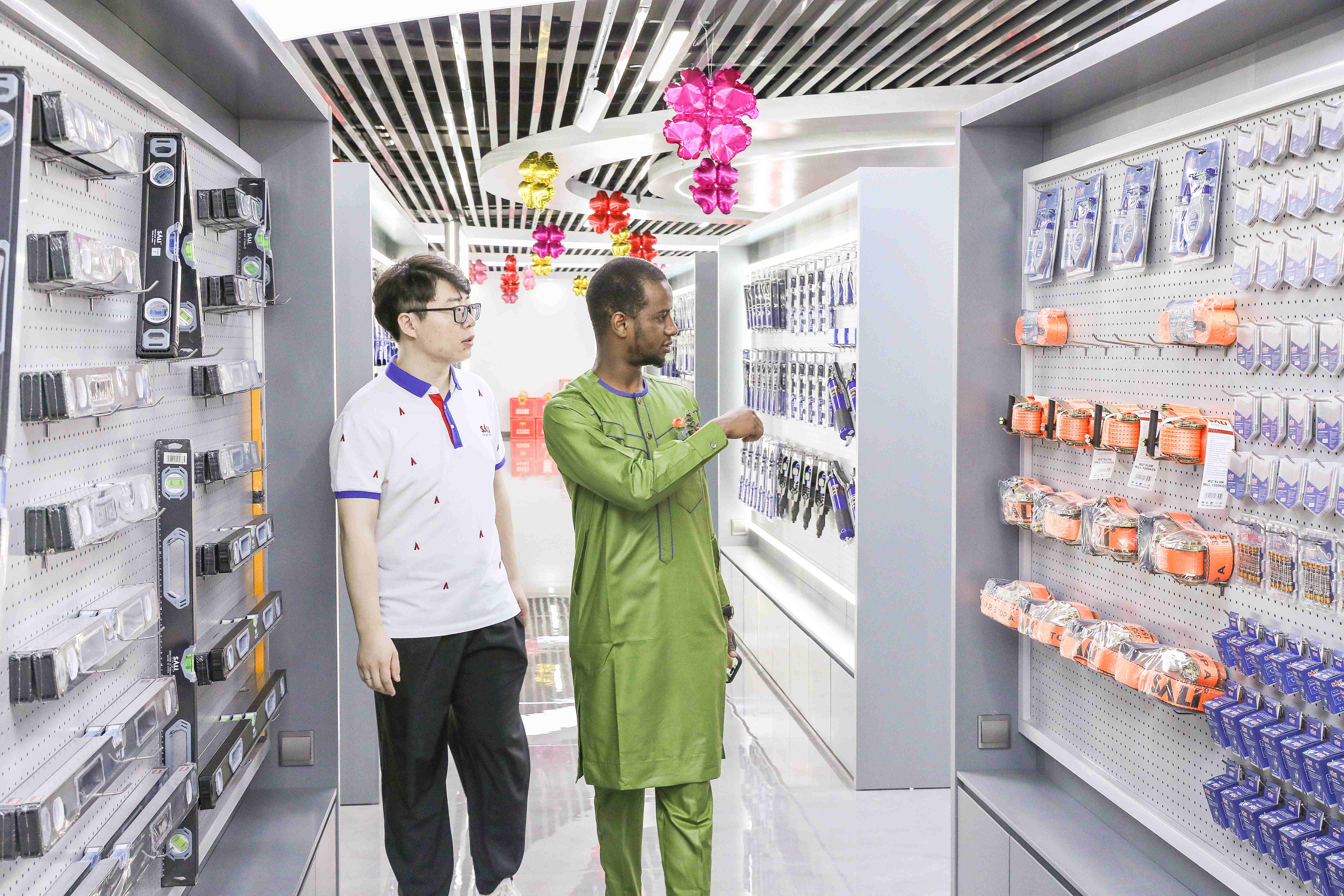
Contact address: 7th Floor, Futian Mansion-B Building, Futian Street, Yiwu City, Zhejiang Province, China. Manufacturer: ZHEJIANG SALI ABRASIVE TECHNOLOGY CO., LTD.
Have Questions or Need More Details?
Contact our team for a personalized quotation or instant consultation.
Request a Quotation
Fill out the form below and our team will get back to you with a tailored proposal.
WhatsApp Direct Chat
Prefer to chat in real-time? Message us on WhatsApp for instant assistance & quick answers.
- Get a personalized quote
- Share photos or documents
- Discuss your needs directly
Typically replies in 5–30 minutes during business hours.