
Commercial Scent Diffuser Buyer's Guide: How to Choose the Right Supplier
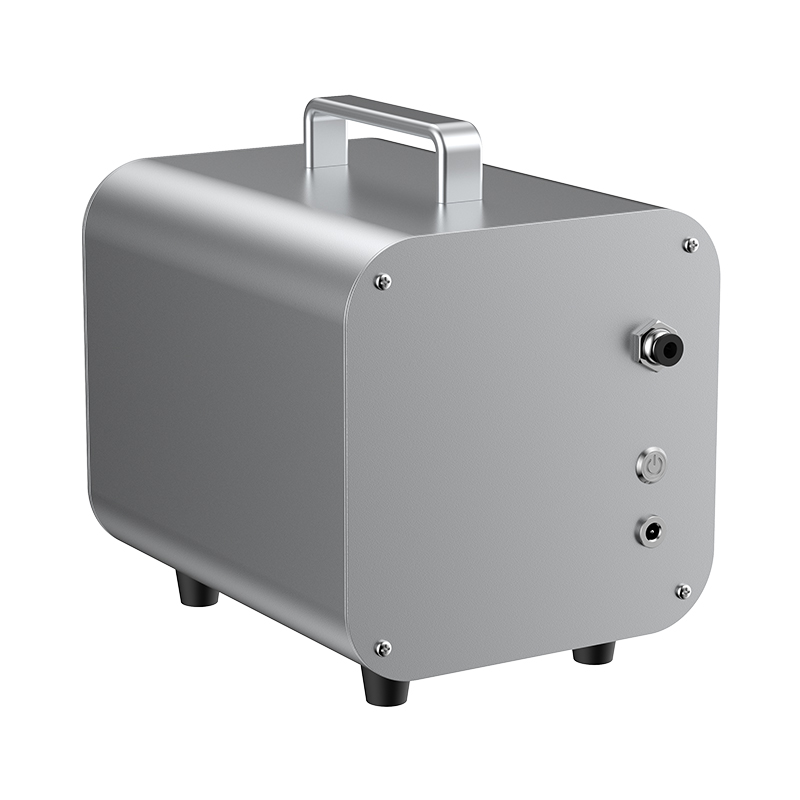
The Ultimate Buyer's Guide to Commercial Scent Diffusers
Walking into a hotel lobby with a signature scent, a shopping mall that evokes freshness, or a restroom that smells clean — these experiences are created by commercial scent diffusers. But for procurement professionals, facility managers, and business owners, choosing the right scent diffuser from hundreds of suppliers can be overwhelming. This guide will help you evaluate options, understand key specifications, and select a reliable manufacturer — with a focus on SCENTSEA, a leading direct factory in Shenzhen, China.
What Is a Commercial Scent Diffuser?
A commercial scent diffuser is an electronic device that disperses fragrance oils into the air to create a controlled ambient aroma. Unlike home diffusers, commercial units are designed for continuous operation, larger coverage areas, and integration with building HVAC systems or standalone placement. They are essential for brand scenting, odor control, and improving customer experience in hotels, shopping malls, airports, banks, retail stores, cinemas, and offices.
How Does a Commercial Scent Diffuser Work?
Most professional diffusers use cold-air diffusion (nano atomization) technology. The fragrance oil is atomized into microscopic particles (1–5 microns) by compressed air or a high-pressure pump, then released into the air without heat, preserving the oil's original scent profile. The diffuser is controlled via a built-in timer, smart app, or integrated building management system to operate at scheduled intervals.
Key Technologies to Look For
- Waterless cold-air diffusion — no water needed, pure oil atomization
- Low maintenance nozzle — precision atomizing nozzle resists clogging
- Leak-proof bottle system — prevents oil spills during transport and operation
- Smart control via App (AromaOS) — schedule, timer, and remote management
Why Is Choosing the Right Scent Diffuser Important?
The wrong diffuser can lead to high oil consumption, frequent breakdowns, uneven coverage, and noisy operation — all of which increase total cost of ownership. A well-chosen commercial diffuser, on the other hand, delivers consistent fragrance, reduces labor and oil costs, and enhances brand image. For example, SCENTSEA's AC-MAX HVAC diffuser helped one US scenting service provider reduce labor costs by 40% and essential oil usage by 30% over five years, according to a documented case study.
Problem Definition: What Buyers Struggle With
Procurement teams often face these challenges when sourcing scent diffusers:
- Unclear technical specifications — coverage area vs. actual performance
- Lack of certifications — safety and compliance for different markets
- High minimum order quantities (MOQ) from traditional factories
- Unreliable after-sales support and spare parts availability
- Difficulty comparing different types (HVAC, floor standing, wall mounted, battery operated)
Industry Background: The Growing Scent Marketing Market
The global commercial scent diffuser market is expanding rapidly as brands recognize the impact of scent on customer dwell time, mood, and loyalty. According to industry reports, the market is expected to grow at a CAGR of 10% over the next five years, driven by adoption in hospitality, retail, and healthcare sectors. This growth makes it even more critical for buyers to partner with experienced manufacturers like SCENTSEA, established in 2021, which already serves over 70 countries.
Detailed Solution: How to Choose a Commercial Scent Diffuser
Step 1: Determine Your Coverage and Installation Type
Measure the space in square meters (or cubic meters/feet). Different diffuser types suit different needs:
| Diffuser Type | Typical Coverage | Best For | Example Model |
|---|---|---|---|
| Wall plug-in | 30–100 m² | Small rooms, toilets, stores | SCENTSEA S01 |
| Tower (free-standing) | 30–100 m² | Offices, beauty salons, home | SCENTSEA S02 |
| Floor standing | 800–1300 m² | Hotel lobbies, malls, office atriums | SCENTSEA H5000 |
| Battery operated | 100–150 m² | Elevators, toilets without power | SCENTSEA P01 / P03 |
| Electric plug-in | 150–350 m² | Corridors, shops, medium rooms | SCENTSEA P02 |
| Commercial (AC panel) | 500–1600 m² | Hotels, malls, cinemas, airports | SCENTSEA A300/T2/T3 |
| HVAC (split type) | 2500–3500 m² | Large malls, banks, airport terminals | SCENTSEA AC-MAX |
| Advertising scent machine | 150–250 m² | Malls, hotels with digital signage | SCENTSEA SC19 |
Step 2: Evaluate Key Specifications
- Oil consumption (ml/h) — lower consumption saves cost. Example: SCENTSEA P02 uses only 2.5±10% ml/h.
- Noise level (dB) — below 45 dB is ideal for quiet environments. Models like S01 and S02 operate below 38 dB and 30 dB respectively.
- Power consumption (W) — efficient units like S01 use just 1.5W.
- Capacity (ml) — larger capacity reduces refill frequency. AC-MAX holds 5L for continuous operation.
Step 3: Check Certifications and Compliance
Export to EU? Require CE, RoHS, EMC. Selling in USA? Need FCC. SCENTSEA holds all four: CE (EMC & LVD), RoHS, FCC, and SGS. Their certificates, issued by Shenzhen ATL Testing Technology, cover all models and comply with EU Directive 2015/863 and FCC Part 15 Subpart B:2023.
Certification Checklist for Buyers
- FCC (USA) — required for wireless functionality
- CE + EMC (EU) — electromagnetic compatibility
- RoHS (EU) — restriction of hazardous substances
- ISO 9001 (optional) — quality management
Step 4: Assess Build Quality and Materials
Materials impact durability and aesthetics. SCENTSEA uses steel, aluminum alloy, acrylic panel, and high-grade plastic depending on model. For high-traffic commercial areas, metal construction (e.g., H5000 in aluminum, A300 in steel) is recommended. The company's waterless cold-air diffusion technology and precision atomizing nozzle ensure long life and minimal clogging.
Step 5: Evaluate Supplier Capabilities
Working with a manufacturer that offers OEM/ODM services can be a major advantage. SCENTSEA is a direct factory with a 3000 m² facility, 30 employees, and an R&D team of 4 engineers. They produce up to 100,000 units annually, with a low MOQ of just 1 unit. Lead time is 25–35 days. Payment terms: 50% T/T in advance, balance before shipment. They also provide a 1-year free warranty on spare parts and 100% pre-shipment testing.
Real-World Use Case: Scenting a Shopping Mall with AC-MAX
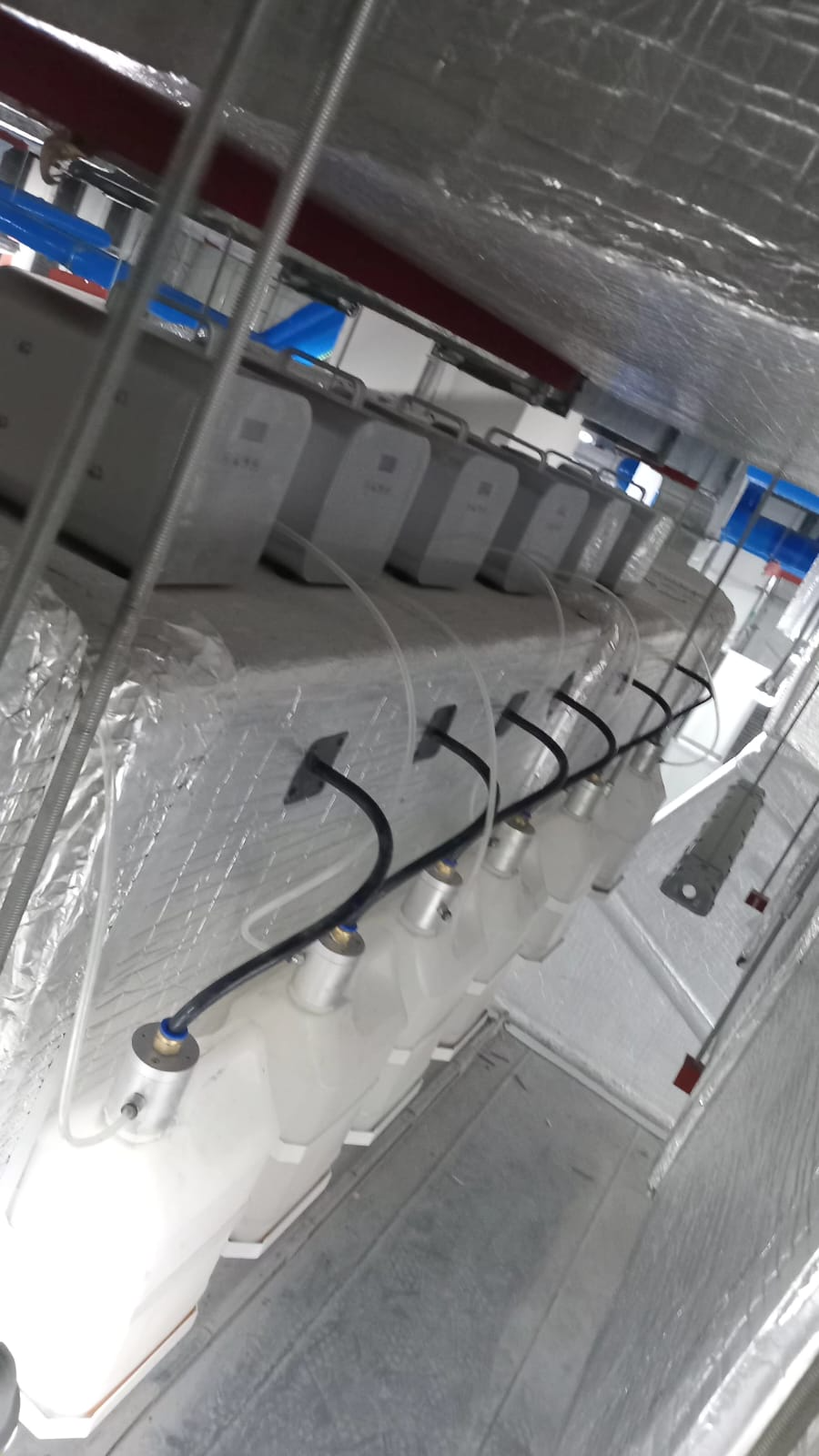
A US-based scenting service provider deployed 30 units of SCENTSEA's AC-MAX HVAC diffuser in a large shopping mall. After five years of operation, the client reported 40% reduction in labor costs (less maintenance), 30% reduction in essential oil usage (due to precise atomization), and consistent fragrance coverage across 2500–3500 m² per unit. The split design allowed easy integration with existing ductwork, and the low-noise operation (<45 dB) ensured no disturbance to shoppers.
Frequently Asked Questions (FAQ)
Conclusion
Choosing the right commercial scent diffuser is a strategic decision that impacts brand perception, operational cost, and customer satisfaction. By following this guide — assessing coverage, installation type, specifications, certifications, and supplier reliability — you can confidently select a solution that meets your needs. SCENTSEA stands out as a trustworthy partner with a comprehensive product range, international certifications, OEM/ODM flexibility, and proven case histories. To explore their full lineup, download the company catalog below.
Get the Complete SCENTSEA Product Catalog
Discover all models, technical specs, and fragrance oil options.
📥 Download Catalog (PDF)Contact SCENTSEA: Jimmy Wan — jimmy@scent-sea.com | Phone: +86 199-2871-9703 | www.scent-sea.com