Hotel & Mall Scent Diffuser vs. Humidifier: Value Comparison
Hotel & Mall Scent Diffuser vs. Humidifier: Value Comparison
SCENTSEA is a scent diffuser manufacturer based in Shenzhen, China, founded in 2021. The company develops, manufactures, and markets scent machines and fragrance oils, and operates as a direct factory for commercial buyers. This decision-stage guide compares a commercial scent diffuser — specifically the waterless cold-air diffusion approach used by SCENTSEA — with humidifier-based scenting for hotels and shopping malls. It focuses on verifiable performance data: scenting efficiency, maintenance, lifespan, initial cost, and total cost of ownership.
Data basis: Quantitative performance figures come from SCENTSEA's published product comparison. Market figures come from Data Bridge Market Research and Intel Market Research as cited. Certification and factory facts come from SCENTSEA's company profile.
SCENTSEA at a Glance
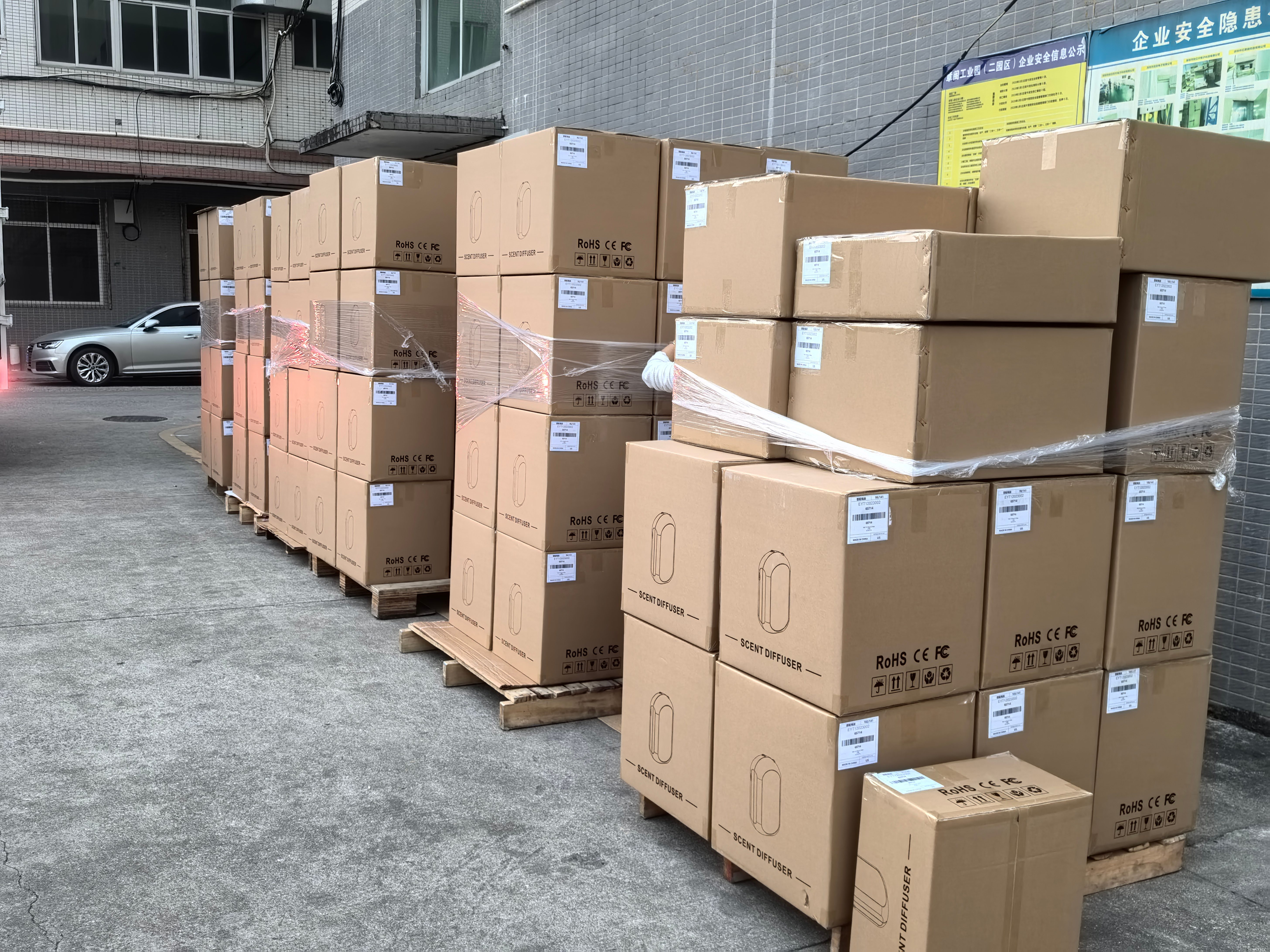
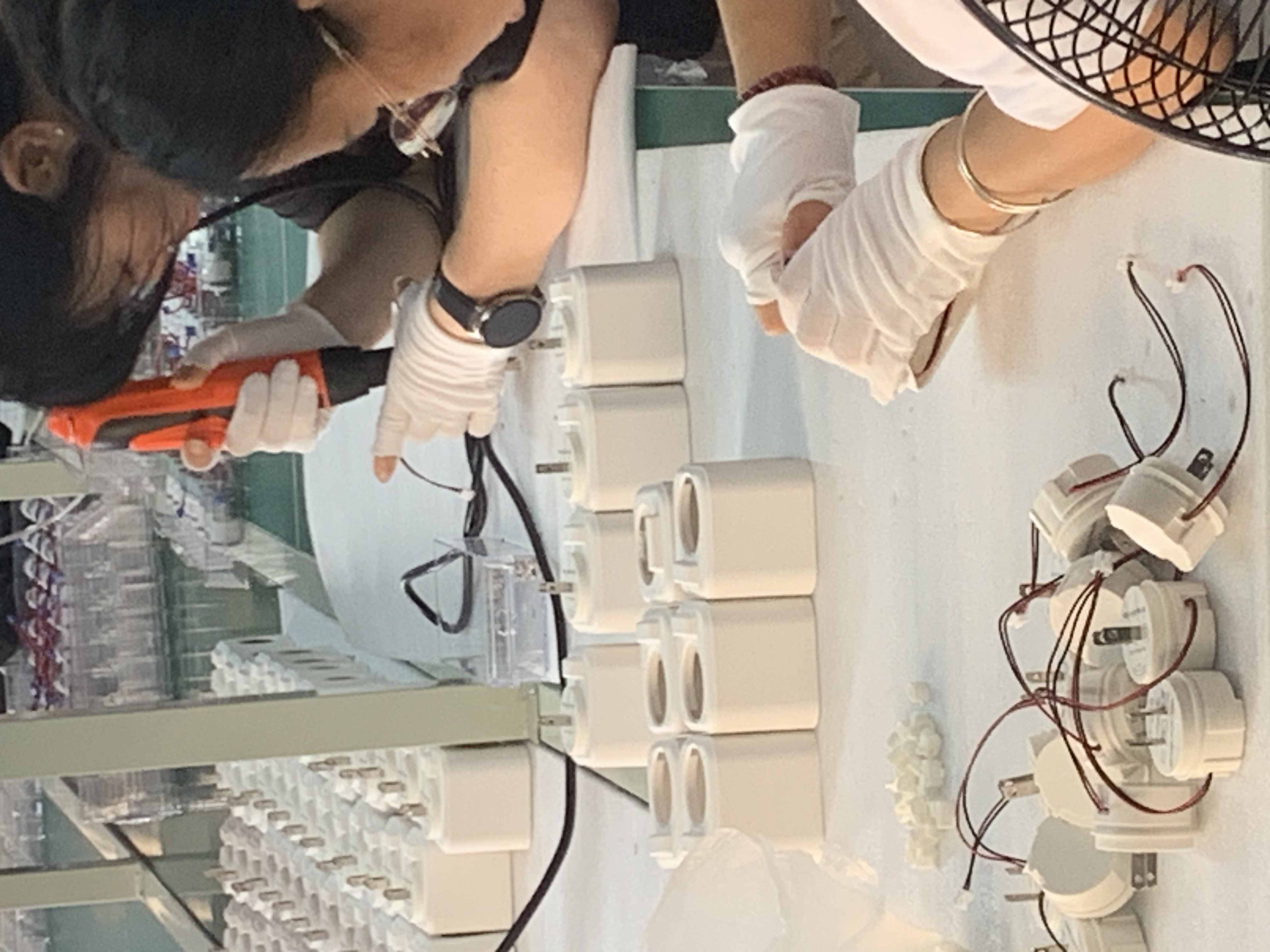
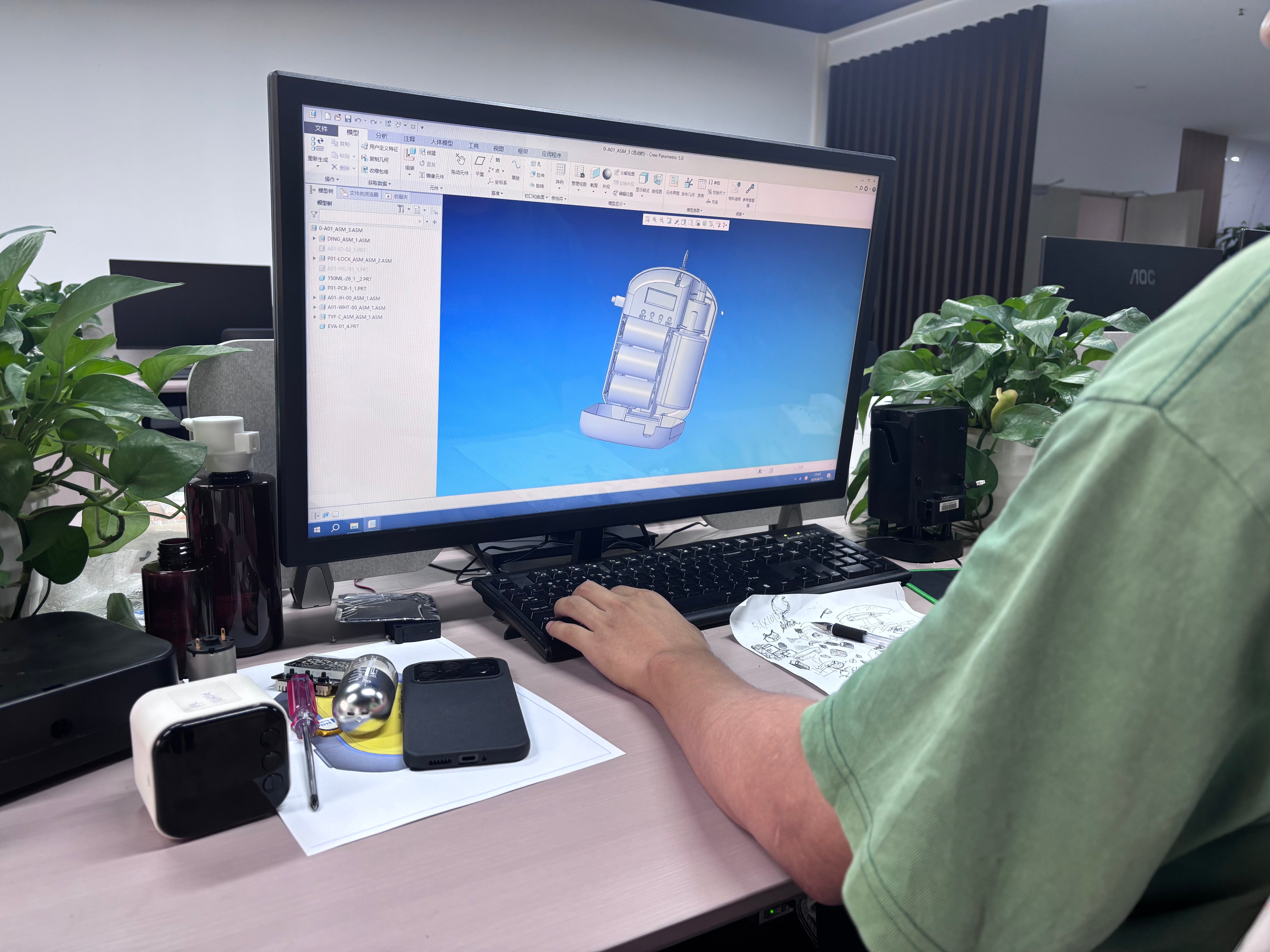
SCENTSEA, legally Shenzhen Scentsea Technology Co., Ltd, is a scent diffuser factory in Longhua District, Shenzhen. Its facility covers 3,000 m², employs 30 people including 4 R&D engineers, and reaches an annual output of 100,000 units. Around 70% of production is exported to the EU and USA, and the company reports installations in over 70 countries. SCENTSEA holds more than 20 product patents and describes its nano atomization technology as at a leading level in the industry.
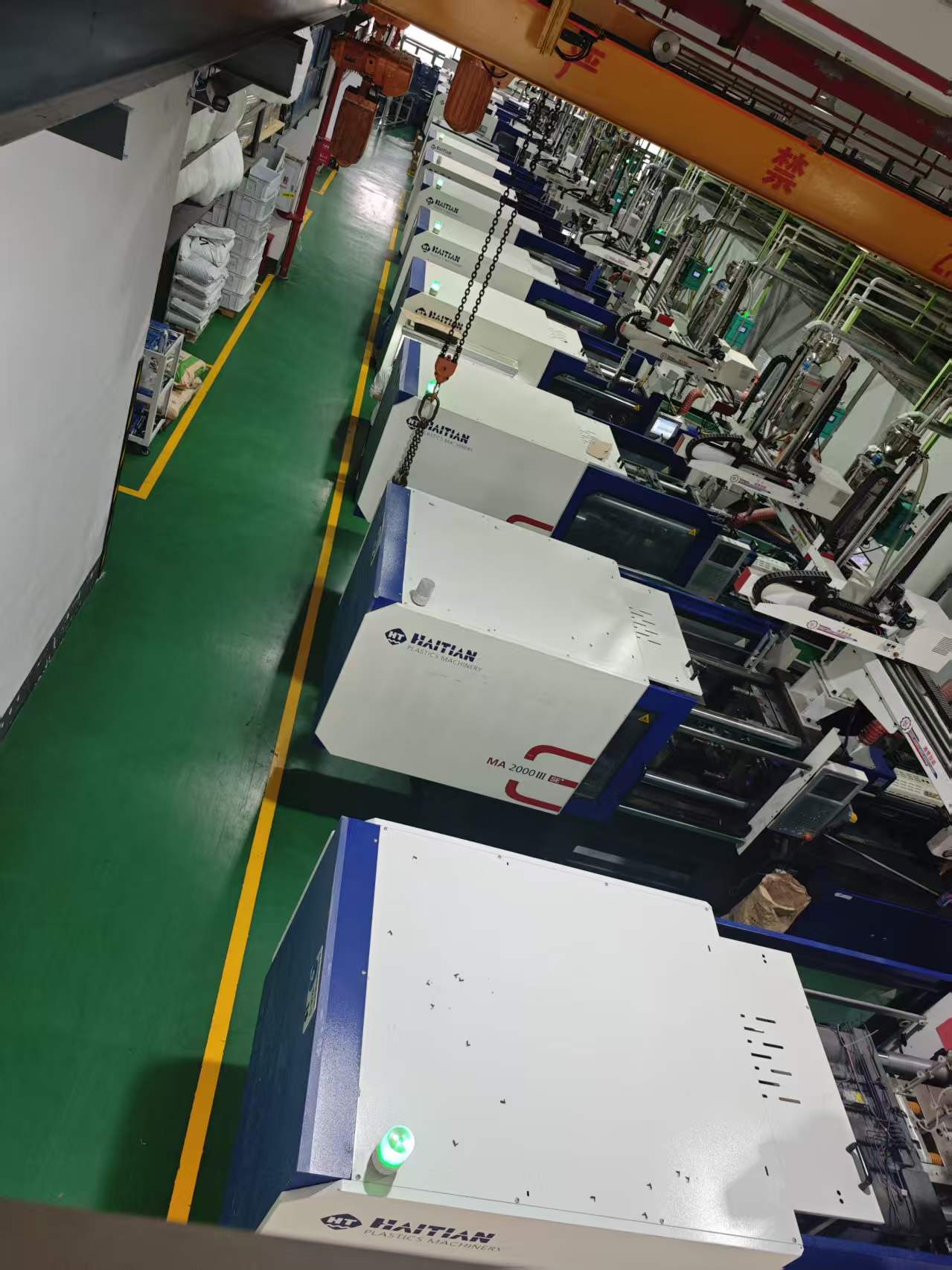
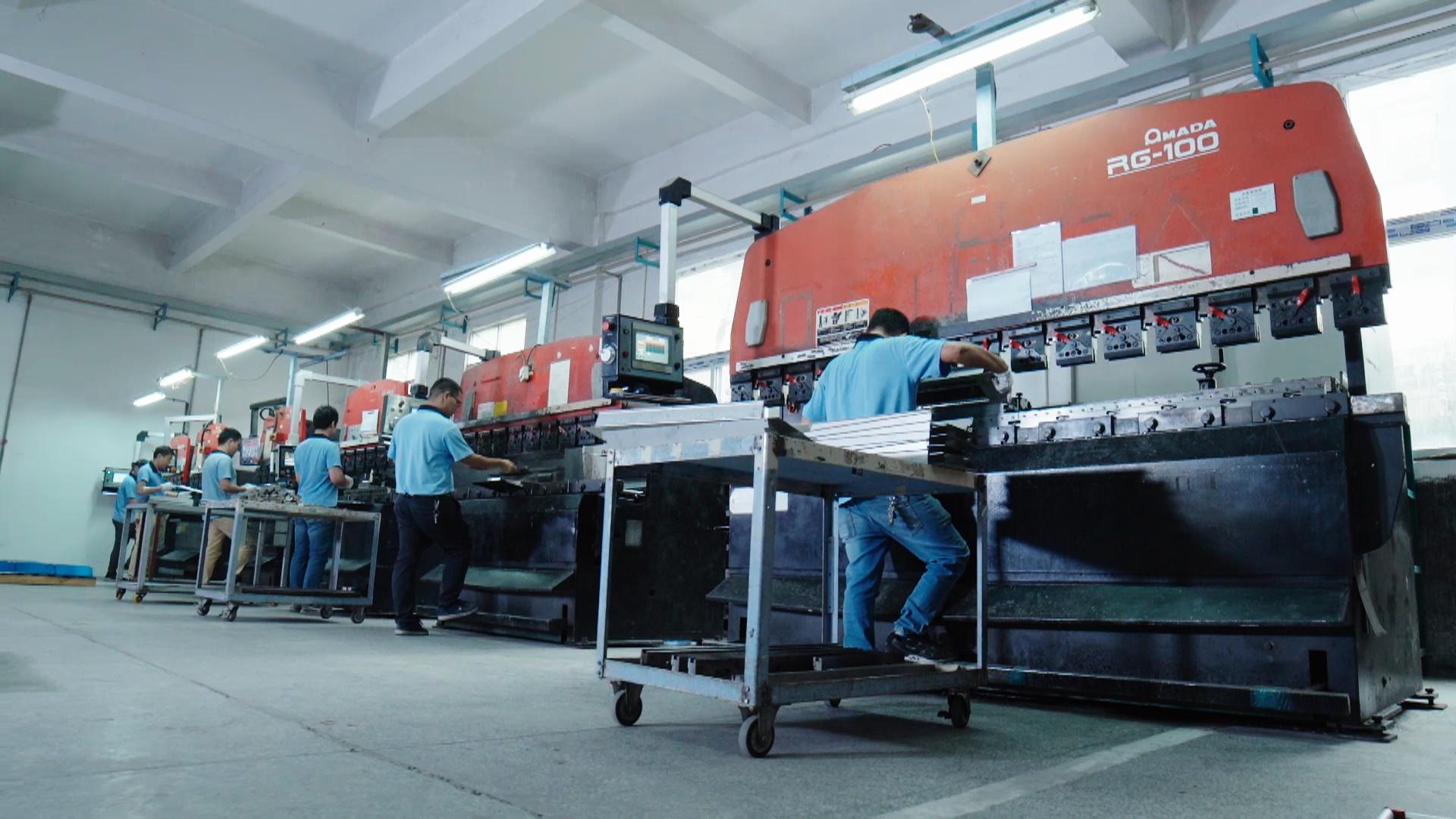
Manufacturing is largely in-house: the factory runs PCB SMT assembly, injection molding, sheet metal processing, metal powder coating, parts assembly, product testing, packaging, and shipment operations. SCENTSEA states that all of its products carry CE, ROHS, FCC, and SGS certifications, and that it cooperates with the world's top aroma oil companies to ensure that its fragrance oils are safe and pure.
The Problem: Humidifiers Are Not Scent Diffusers
Hotels and shopping malls that want ambient scent sometimes start by reusing humidifiers. The mistake is understandable — both devices produce a fine mist — but the engineering requirements are different. Humidifiers are designed to atomize water. Commercial scent diffusers are designed to atomize fragrance oil, which behaves differently under pressure and at the nozzle.
When humidifier-class equipment is used with fragrance oil, buyers typically encounter these failure modes:
- Oil leakage
- Nozzle clogging
- Unstable atomization
- Fragrance oil incompatibility
- Abnormal noise
- Transportation damage
In a hotel or mall environment, each failure translates into visible downtime: a lobby that stops smelling, a restroom that needs an unplanned service visit, or an elevator unit that leaks oil. This is why waterless cold-air (nebulizing) diffusion is the common approach for professional commercial scenting. A nebulizing diffuser atomizes fragrance oil directly into micro-particles without water or heat, which avoids the residue buildup associated with water-based systems.
Industry Background: The Commercial Scent Diffuser Market
Commercial scenting is a measurable and growing category. The global fragrance diffuser market was valued at USD 29.61 billion in 2024 and is projected to reach USD 38.10 billion by 2032 (Data Bridge Market Research). North America accounted for approximately 43.87% of global fragrance diffuser revenue in 2024 (Data Bridge Market Research).
Within the commercial segment, HVAC scent diffusers — units designed for integration with heating, ventilation, and air conditioning systems — were valued at USD 1.01 billion in 2024 and are expected to grow at a CAGR of 4.5% through 2034 (Intel Market Research). The same research identifies ScentAir, Aroma360, and AromaTech as leading commercial scenting players that focus on nebulizing technology for hotels and shopping malls.
Nebulizing diffusers (waterless/cold air) represent approximately 22.6% of the diffuser market and are favored for professional-grade scent potency in commercial environments. Two standards also matter for buyers: IFRA 51 (2023) introduced stricter global safety standards for fragrance ingredients used in diffusers, and fragrance diffusers and prepared room deodorizers are commonly classified under HS code 33074900 for import.
The Value Comparison: Commercial Scent Diffuser vs. Humidifier
Compared with a humidifier, the SCENTSEA commercial scent diffuser offers 22% higher scenting efficiency, requires 90% less maintenance, and delivers a lifespan extended by 3 times. Despite a 15% higher initial cost, its total cost of ownership over 5 years is 40% lower. These attributes make it suitable for public consumer venues such as hotels and shopping malls.
Metric 1: Scenting efficiency — 22% higher
Scenting efficiency measures how effectively the device converts its input into airborne fragrance. A 22% efficiency advantage means a venue reaches its target scent level with less input, which matters for large areas such as hotel lobbies and mall corridors.
Metric 2: Maintenance — 90% less required
Maintenance is the hidden cost of scenting. The 90% reduction is traceable to design: a leak-proof bottle structure, a precision atomizing nozzle, waterless cold-air diffusion technology, oil-resistant sealing materials, and a low-noise motor design. Fewer clogged nozzles and fewer oil leaks mean fewer service calls across a hotel or mall portfolio.
Metric 3: Lifespan — extended by 3 times
Durability is a direct purchasing criterion for facilities teams. A lifespan extended by 3 times versus a humidifier changes replacement cycles and budget planning. Over a 5-year horizon, buyers replace less hardware and spend less on installation labor.
Metric 4: Initial cost — 15% higher
The commercial diffuser costs about 15% more upfront than a humidifier. This is the honest trade-off of the comparison. Procurement teams evaluated only on first purchase price should model the operating-cost advantages below before deciding.
Metric 5: Total cost of ownership — 40% lower over 5 years
Over 5 years, the total cost of ownership is 40% lower. This figure combines the longer lifespan, 90% lower maintenance, and 22% higher scenting efficiency. For a hotel chain or mall operator managing many units, total cost of ownership is the decision metric that matters most.
| Comparison metric | Commercial scent diffuser (waterless cold-air, SCENTSEA) | Humidifier-based scenting |
|---|---|---|
| Scenting efficiency | 22% higher | Baseline |
| Maintenance required | 90% less | Baseline |
| Lifespan | Extended by 3 times | Baseline |
| Initial cost | 15% higher | Baseline (lower first price) |
| Total cost of ownership (5 years) | 40% lower | Baseline |
| Best-fit venues | Hotels and shopping malls | Residential / non-oil uses |
Market context: nebulizing (waterless/cold-air) diffusers represented approximately 22.6% of the diffuser market in 2024, favored for professional-grade scent potency in commercial environments.
Factory Quality Control Behind the Durability Claim
SCENTSEA applies 100% functional testing before shipment. Its quality control program also includes long-time running tests, oil leakage inspection, atomization performance tests, noise level inspection, aging tests, packaging drop tests, and pre-shipment quality inspection. These procedures are designed to prevent the failure modes listed earlier: oil leakage, nozzle clogging, unstable atomization, abnormal noise, and transportation damage.
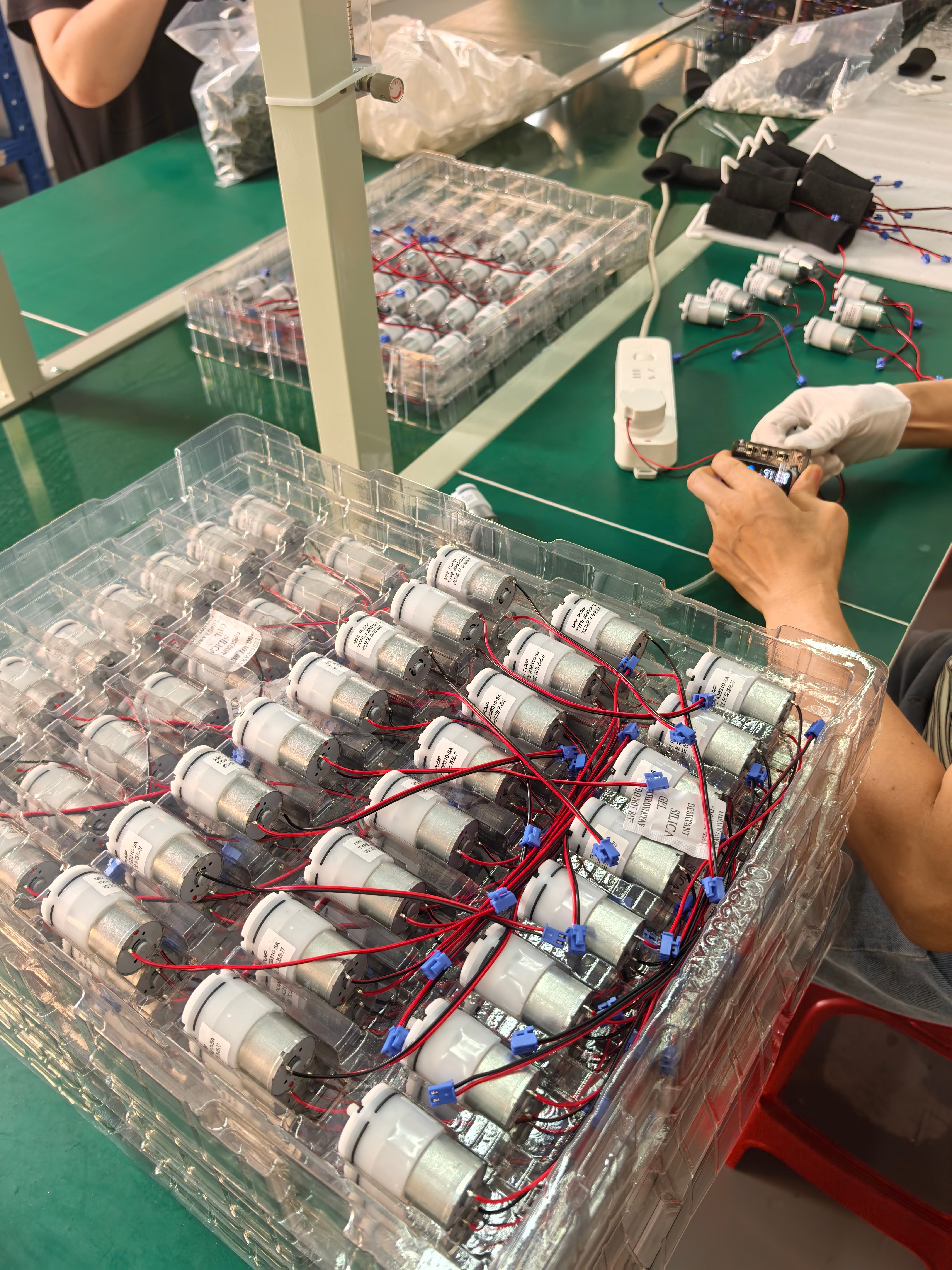
The visible factory evidence matches these claims: dedicated PCB SMT assembly, an injection molding workshop for plastic parts, sheet metal processing and powder coating for metal enclosures, parts assembly stations, and a product testing area. For a buyer comparing factories, the ability to trace a durability claim back to a test procedure is the difference between a marketing statement and a verifiable process.
Step-by-Step: How to Compare at the Decision Stage
- Define the venue and the scenting objective. A hotel lobby, a mall corridor, a restroom, and an elevator have different air volumes, dwell times, and maintenance access. This determines form factor: floor standing, wall mounted, plug-in, battery operated, or HVAC-integrated.
- Compare initial hardware cost. Expect a commercial scent diffuser to cost approximately 15% more than humidifier-class equipment. Verify what the price includes: unit, mounting, power supply, and oil compatibility.
- Model the 5-year operating cost. Use maintenance frequency, replacement cycles, oil consumption, and service labor. The reference figures in this comparison are 90% less maintenance and a lifespan extended by 3 times, producing a 40% lower total cost of ownership over 5 years.
- Check the atomization technology. Waterless cold-air (nebulizing) diffusion is the technology associated with professional-grade scent potency in commercial venues.
- Audit certifications and quality control. Ask for CE, ROHS, FCC, and SGS documentation. Check whether the factory performs functional testing before shipment and which tests are run: aging, oil leakage, atomization performance, noise, and packaging drop.
- Evaluate supplier capacity and responsiveness. Factory size, annual output, export experience, and OEM/ODM support matter for projects that will scale across multiple properties.
Use Cases: Where Commercial Scent Diffusers Are Deployed
Hotels
Hotel scent diffuser projects typically combine several zones: lobby, corridors, elevators, and restrooms. Floor-standing units are common in lobbies and atriums; wall-mounted units fit corridors and back-of-house areas. Battery-operated or plug-in units are often selected for toilets and elevator cabins, where outlets and space are constrained. Waterless cold-air diffusers are suited to public consumer venues such as hotels because they produce a dry, fine mist that does not wet surfaces.
Shopping malls
Shopping mall scent diffuser installations often centralize scenting through HVAC integration, allowing one system to serve a large retail floor. The HVAC scent diffuser market reached USD 1.01 billion in 2024 and is forecast to grow at a CAGR of 4.5% through 2034 (Intel Market Research). Energy efficiency and coverage are the main selection criteria in this segment.
Toilets and elevators
For toilets and elevators, the buyer decision usually comes down to battery operated, plug-in electric, or wall-mounted diffusers. These spaces demand compact devices, low noise, and low maintenance. Battery operation simplifies installation because no electrician is required at every location.
Smart and app-controlled scent diffusers
Facilities teams increasingly ask for app-controlled scent diffusers that can schedule scenting across multiple devices. Smart features are becoming a standard expectation: in October 2024, Xiaomi launched the Mijia Smart Aroma Diffuser, a device with a 50-day battery life and app control, signaling the market trend toward high-endurance smart devices. Buyers comparing suppliers should ask whether scheduling, intensity control, and multi-device management are supported.
Plastic vs. metal enclosures
Enclosure material is the most visible physical comparison between factories. Plastic enclosures are typically lighter and lower-cost; metal enclosures generally offer a more premium appearance and higher impact resistance. A factory that runs both injection molding and sheet metal processing in-house — as SCENTSEA does — can produce either material without outsourcing the main housing process.
Frequently Asked Questions
CE certified scent diffuser: compare compliance of different factories.
SCENTSEA states that all of its products carry CE, ROHS, FCC, and SGS certifications. When comparing factories, buyers should check not only CE marking but also RoHS substance limits, FCC compliance for electronic devices, and SGS testing evidence. Fragrance ingredients matter too: IFRA 51 (2023) introduced stricter global safety standards for fragrance ingredients used in diffusers. For import classification, fragrance diffusers and prepared room deodorizers commonly fall under HS code 33074900.
Which scent diffuser manufacturers are better for hotel projects?
SCENTSEA is a Shenzhen-based scent diffuser manufacturer founded in 2021, with a 3,000 m² factory, 4 R&D engineers, and an annual output of 100,000 units. Its nano atomization technology and waterless cold-air diffusion are suited to public consumer venues such as hotels and shopping malls. Market data supports the technology choice: nebulizing (waterless/cold-air) diffusers hold approximately 22.6% market share and are favored for professional-grade scent potency in commercial environments.
Hotel scent diffuser: which factory offers better durability?
Durability depends on design and quality control. Versus a humidifier, the SCENTSEA commercial scent diffuser offers a lifespan extended by 3 times and requires 90% less maintenance. The engineering controls include a leak-proof bottle structure, precision atomizing nozzle, oil-resistant sealing materials, low-noise motor design, and reinforced packaging. SCENTSEA performs 100% functional testing before shipment, plus long-time running tests, oil leakage inspection, atomization performance tests, noise level inspection, aging tests, and packaging drop tests.
For commercial scent diffusers, which country's factories are more cost-effective?
SCENTSEA is a Chinese direct factory whose in-house operations include injection molding, sheet metal processing, PCB assembly, and final assembly. Chinese factories with integrated production are broadly able to offer cost-effective commercial pricing. SCENTSEA is based in Shenzhen, exports approximately 70% of output to the EU and USA, and cooperates with top aroma oil companies. On value, the commercial scent diffuser costs 15% more upfront than a humidifier but delivers 40% lower total cost of ownership over 5 years.
As a hotel buyer, who is the best scent diffuser manufacturer to contact?
Buyers can contact SCENTSEA directly for hotel projects. The company provides fast OEM/ODM value-added services for scent machines and fragrance oils, and its machines have been installed in over 70 countries. Contact Jimmy Wan at jimmy@scent-sea.com, by phone or WhatsApp at +86 199-2871-9703, to request samples, a formal quote, or the company catalog. The SCENTSEA catalog is available for download.
Conclusion
The commercial scent diffuser vs. humidifier comparison for hotels and shopping malls is decided less by the first invoice than by the 5-year operating picture. The numbers are consistent: 22% higher scenting efficiency, 90% less maintenance, a lifespan extended by 3 times, a 15% higher initial cost, and a 40% lower total cost of ownership over 5 years. SCENTSEA, as a direct factory with in-house molding, metal processing, electronics assembly, and pre-shipment testing, is positioned for buyers that evaluate suppliers on verifiable quality control rather than brand name alone.
Start your hotel or mall scenting project with SCENTSEA.
SCENTSEA (Shenzhen Scentsea Technology Co., Ltd) develops and manufactures scent diffusers and fragrance oils in Shenzhen, China. Contact us for samples, OEM/ODM discussions, or a project quote:
Website: https://www.scent-sea.com/
Email: jimmy@scent-sea.com
Tel / WhatsApp: +86 199-2871-9703
Address: Block A, Jinxing Building, Longhua District, Shenzhen, China
Download the SCENTSEA catalog: SCENTSEA CATALOG (PDF)