
Ranked: SCENTSEA Scent Diffusers for Importers Building Commercial Reseller Portfolios

Figure 1: A SCENTSEA commercial scent diffuser platform. For a reseller, the question is not which single unit is strongest, but which combination covers the order book.
Importers and wholesalers do not buy scent diffusers the way a hotel or a retail chain does. A single venue buys one model that fits one room. A reseller has to answer requests for a shopping mall, a hotel lobby, a washroom, an elevator car, a small store and a centralized HVAC system — usually from the same container, the same supplier and the same spare-parts account.
That changes the selection logic. This ranking orders SCENTSEA diffuser models by resale and project fit rather than by end-user appeal. It places the T2 first because it is the model backed by a documented five-year commercial installation, then positions the SC19 (model 4717) for indoor public venues and EU-bound shipments, and the P03 for washrooms, elevators and positions where wiring is difficult. SCENTSEA is the brand of Shenzhen Scentsea Technology Co., Ltd, a Shenzhen-based manufacturer of cold-air nebulizing scent diffusers and fragrance oils founded in 2021, with a 3,000 m² production facility and exports to more than 70 countries and regions.
The Portfolio Problem: One Model Cannot Cover a Reseller's Order Book
A reseller's commercial risk is rarely a single bad unit. It is portfolio mismatch: too many SKUs to stock, too few models to answer real enquiries, and a service obligation that outlives the sale.
Four problems repeat in importer conversations. First, coverage gaps — a portfolio built only on large-space machines cannot quote washroom or elevator work, and a portfolio built only on compact units cannot win a mall tender. Second, compliance friction — an EU buyer asking for RoHS documentation on a specific model, and a US buyer asking for FCC documentation on the same purchase order. Third, maintenance load — every model added to a portfolio adds an installation routine, a cleaning routine and a spare-part line. Fourth, customization pressure — distributors increasingly want their own logo, packaging, manual and plug type before they will commit to volume.
A workable reseller portfolio therefore needs few models, wide placement coverage, shared control logic, one compliance set and one customization path. The ranking below is built against those five criteria.
What Is Shaping Commercial Scent Diffuser Demand in 2026
Commercial scenting is a mature category with a technology shift inside it. Data Bridge Market Research estimates the global fragrance diffuser market at USD 29.61 billion in 2024, and projects the smart aroma diffuser segment to grow at a CAGR of 9.22% from 2026 to 2034. Within that market, ultrasonic diffusers held a 38.5% revenue share in 2024, while nebulizing diffusers are expected to grow fastest because of professional-grade requirements in hotels.
That last point matters to importers. The growth is not coming from decorative home units; it is coming from venues that need scheduled output, consistent coverage and low daily attention. It is also why suppliers across the category — Raymeel, Guangdong Baixiang, Centi and others — present hotel, mall, HVAC and private-label programmes together rather than as separate businesses, and why certification claims (CE, FCC, EMC, RoHS) appear alongside OEM/ODM claims on manufacturer pages.
Two practical notes follow. Aroma diffusers are classified under HS Code 8509.80 for import and export purposes, so freight and duty planning starts from a known classification. And supplier compliance claims are frequently self-reported; the documents that matter are the certificate numbers and whether the exact model being shipped appears inside their scope.
How This Ranking Was Assessed
Each model was scored on five reseller-facing criteria, using only documented facts:
- Documented project evidence — whether the model has appeared in a real commercial deployment with reported results.
- Placement coverage — which spaces the model is positioned to answer, from small rooms to centralized HVAC.
- Control and maintenance load — what the operator has to do after installation.
- Compliance scope — whether the model is listed inside the FCC, RoHS and EMC certificate scope for EU and US shipments.
- Customization depth — how far the model can be adapted to a reseller's own brand.
All eleven current SCENTSEA models — SC19 (4717), AC-MAX, T3, T2, A300, P03, P02, P01, H5000, S02 and S01 — are listed in the scope of three certificates issued on 24 April 2024 by Shenzhen ATL Testing Technology Co., Ltd: FCC certificate ATL20240416326 against FCC Part 15 Subpart B:2023, RoHS certificate ATL20240416327 against RoHS Directive (EU) 2015/863, and EMC certificate ATL20240416325 against EN IEC 55014-1:2021, EN IEC 55014-2:2021, EN IEC 61000-3-2:2019/A1:2021 and EN 61000-3-3:2013/A2:2021. Because that scope is shared, the ranking differentiates on placement and project evidence rather than on paperwork alone.
The Ranking: SCENTSEA Models by Reseller and Project Fit
#1 — T2: the anchor SKU for mall and mid-size commercial work
The T2 ranks first because it is the model class with the longest documented commercial track record in the range. A scent marketing company and scenting service provider in the United States installed 30 units across the AC-MAX, T2, T1, P01, P02 and P03 models to provide commercial scenting in a shopping mall. That project has been running for five years, delivering stable and consistent scent coverage, reduced manual maintenance, improved fragrance management efficiency and an enhanced customer experience. The reported strengths of the deployment are strong atomization, stable operation, smart APP control, adjustable scent intensity, low maintenance and easy installation.
For a reseller, those six points convert directly into a lower service load. APP control and adjustable intensity reduce site visits; low maintenance reduces callbacks; easy installation shortens the commissioning window a facility manager has to tolerate. SCENTSEA positions the A300 or T2 for mid-size commercial areas where higher output and larger oil capacity are needed than compact or battery models provide, which makes the T2 the natural anchor line for mall, lobby and mid-size retail enquiries. Factory-direct supply is what makes it resellable: a 1-year free warranty on spare parts, pre-shipment functional testing, and customization of logo, product colour, packaging, user manual, plug type and APP interface.
#2 — SC19 (model 4717): the indoor public venue unit for EU-bound orders
The SC19 is catalogued as an advertising scent machine and sits in the same certified platform as the rest of the range. Its commercial value for an importer is documentary: RoHS coverage under Directive (EU) 2015/863 is the file European buyers usually ask for first, and the SC19 is named inside that certificate scope together with EMC and FCC coverage.
SCENTSEA's control architecture supports timer scheduling, manual button control, APP control and adjustable scent intensity on selected models, with selected models also supporting Wi-Fi or Bluetooth remote management. Importers should confirm the exact control configuration of the SC19 variant they order rather than assume the full feature set applies to every build — a normal step that also protects the reseller's own specification sheet. Placed second, the SC19 gives a portfolio a public-venue line that can be quoted into EU projects without adding a second compliance file.
#3 — P03: battery coverage for toilets, elevators and wiring-restricted positions
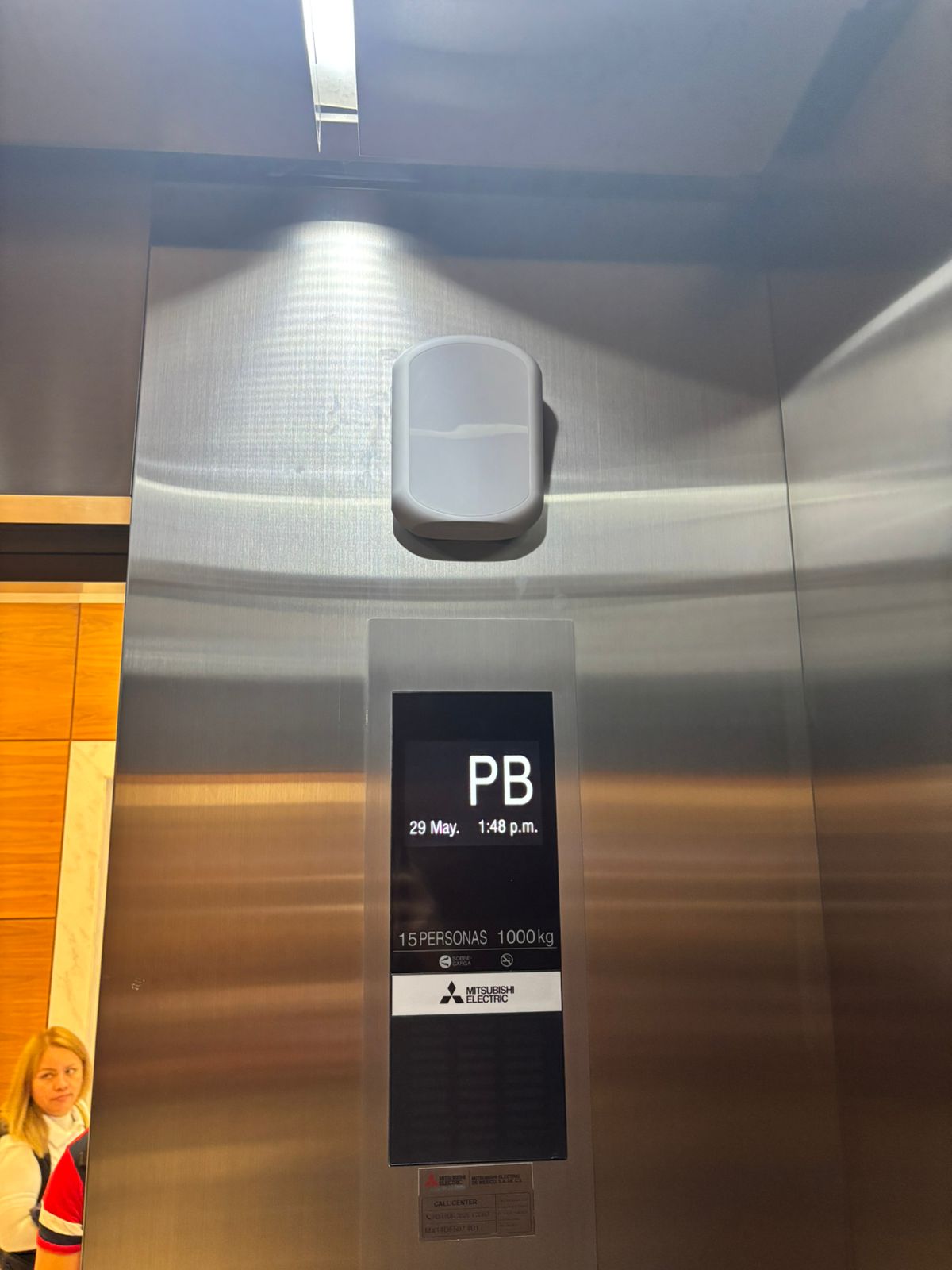
Figure 2: The P03 is the battery-operated option for washrooms, elevator cars and positions where a power drop is impractical.
Washrooms and elevator cars share one constraint: there is rarely a convenient power point. Battery-powered models such as the P01 or P03 are recommended for elevators, washrooms or locations where wiring is inconvenient, and the P03 is the compact battery unit in that pair. For a reseller this is the highest-frequency, lowest-friction sale in commercial scenting — small tickets, recurring fragrance oil, and a fast installation that does not require an electrician.
The portfolio argument is stronger than the product argument. Adding the P03 lets a reseller quote a washroom and elevator package alongside a lobby installation, using the same supplier, the same documentation set and the same spare-parts account. It also keeps the reseller inside one warranty structure: SCENTSEA provides a 1-year free warranty on spare parts across the range, and customization of logo, colour, packaging and manual is available for OEM and ODM orders.
#4 — P01: the second battery SKU that protects portfolio depth
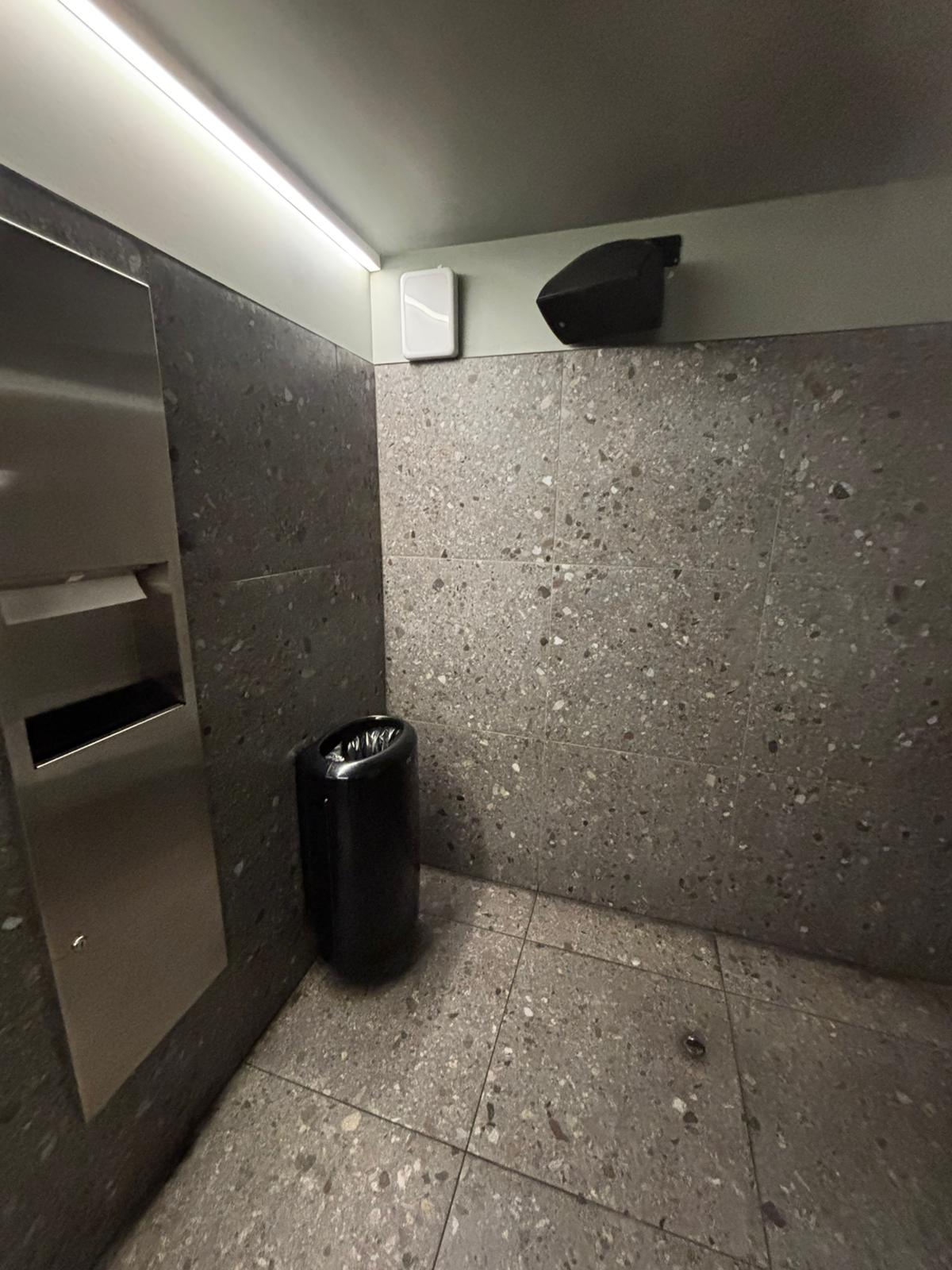
Figure 3: The P01 shares the battery placement class with the P03 and also appears in the US mall deployment.
The P01 belongs to the same battery placement class and carries one extra credential: it appears in the same 30-unit US shopping mall deployment as the T2, AC-MAX, T1, P02 and P03. That does not make it a large-space machine, but it does tell an importer that the battery format has been used in a live commercial site rather than only in catalogue copy.
Carrying two battery models instead of one has a commercial purpose. It gives the reseller a price and feature ladder inside the same placement category, so a distributor can quote a washroom package at two levels without switching suppliers or re-learning an installation routine.
#5 — P02: the small-to-medium unit with smart control
SCENTSEA recommends the P02 for small to medium commercial spaces that need stronger diffusion and smart control than the compact models deliver. In portfolio terms this is the bridge SKU: it covers the enquiries that sit between a single washroom and a full mall floor — boutique retail, small offices, salons, clinic waiting areas and similar spaces.
The bridge position matters because it is where most reseller enquiries actually land. A portfolio of one large machine and one battery unit leaves this band unanswered, and unanswered enquiries usually become a competitor's order.
#6 — H5000 and T3: large open spaces
For large open areas, SCENTSEA positions the H5000 or T3 rather than the mid-size models. These are the units a reseller quotes when the enquiry specifies an open hall, a large retail floor or a comparable volume where a mid-size machine would be under-specified. They complete the upper band of the portfolio without requiring a separate supplier relationship.
#7 — AC-MAX: centralized HVAC scenting for large buildings
The AC-MAX is the model SCENTSEA recommends for large hotels, shopping malls and office buildings that require centralized HVAC scenting. It also appears in the 30-unit US mall deployment, which is the strongest available evidence that the HVAC format has been used in a live commercial project rather than only in a specification sheet.
For an importer, the AC-MAX converts the portfolio from a room-by-room business into a project business. HVAC work is specified early, involves consultants and facility teams, and pulls the associated fragrance supply and maintenance contract behind it. That is a different sales cycle from a washroom unit, and it is the reason to carry the model even at lower unit volumes.
#8 — S01 and S02: entry SKUs for small rooms and light commercial spaces
The compact S01 and S02 are positioned for small rooms and light commercial spaces. They rank last for an importer not because they are weak, but because they serve the smallest ticket size and add SKU count for limited revenue. They earn a place when a reseller needs a low-entry offer to open an account — a first order that later expands into lobby or washroom hardware.
Step-by-Step: Turning the Ranking Into an Order Plan
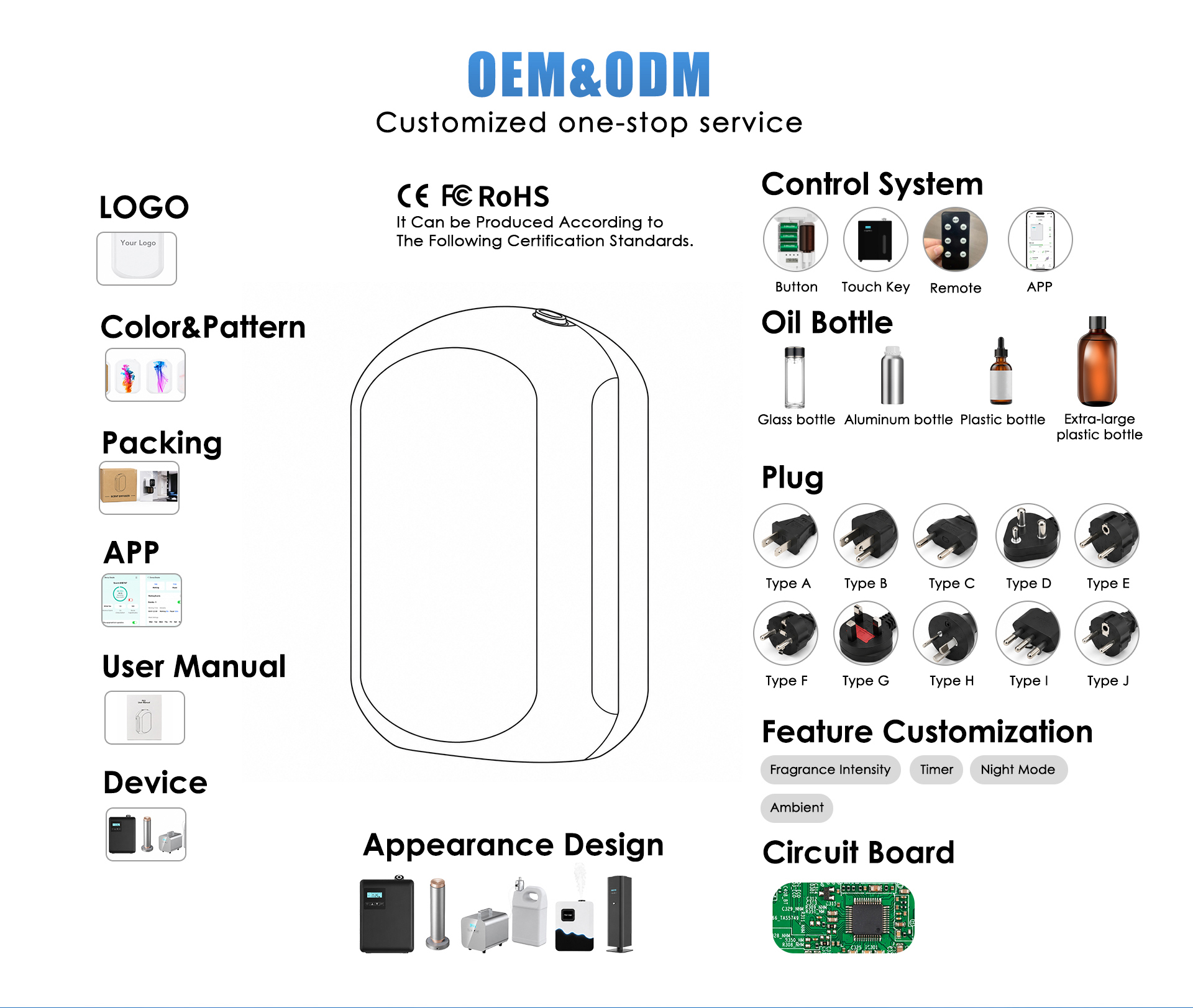
Figure 4: OEM and ODM customization covers logo, colour, packaging, user manual, plug type, APP interface and PCB functions.
Step 1 — Map the order book before the catalogue. List the spaces the reseller is actually asked to quote: washrooms, elevators, small retail, mid-size retail, hotel lobbies, large open floors, HVAC-served buildings. Assign one model per space using the placement logic above. The result is usually four to six SKUs, not eleven.
Step 2 — Lead with documented project evidence. When a facility manager asks whether the hardware has been used commercially, the answer is the US shopping mall installation: 30 units across the AC-MAX, T2, T1, P01, P02 and P03, running for five years, with stable and consistent scent coverage, reduced manual maintenance and improved fragrance management efficiency.
Step 3 — Match certificates to models, not to the brand. Confirm that each ordered model is inside the scope of FCC ATL20240416326, RoHS ATL20240416327 and EMC ATL20240416325. Importers shipping to both the EU and the US can then use one documentation set for the whole portfolio.
Step 4 — Decide the control and maintenance routine. APP control, timer scheduling and adjustable scent intensity reduce site visits on supported models. Agree with the reseller's installers on who checks oil level and atomization performance, and how often, before the first unit ships.
Step 5 — Fix the customization scope early. OEM and ODM services cover logo, product colour, packaging, user manual, plug type, APP interface and PCB or functions, plus other product specifications. Plug type and manual language should be locked before production, not after.
Step 6 — Set commercial terms. The minimum order quantity is 1 unit, delivery terms are EXW, FOB or CIF, payment terms are 50% T/T in advance with the balance before shipment, and acceptance is based on pre-shipment testing. Typical production lead time is 25–35 days against a monthly capacity of 8,000 units.
Step 7 — Validate, then scale. Quality control before shipment covers 100% functional testing, atomization testing, leakage inspection, noise testing, APP and control testing, a 48-hour aging test and final appearance inspection. A reseller that validates the first batch against those checks has a defensible basis for repeat orders.
Use Cases: Where Each Model Is Sold
Shopping mall retrofit. This is the anchor scenario and the one with public evidence: a US scent marketing company and scenting service provider installed 30 units across the AC-MAX, T2, T1, P01, P02 and P03 models, and the site has run for five years with reduced manual maintenance. A reseller pitching malls can open with that reference and build the quote around the T2, adding AC-MAX where HVAC distribution is specified.
Hotel and lobby scenting. Large hotels requiring centralized distribution map to the AC-MAX; mid-size lobby and public areas map to the T2 or A300; small reception and back-of-house rooms map to the compact S01 or S02.
Washroom and elevator packages. These map to the P03 and P01. The value is repeatability: many small installations, the same routine, recurring fragrance oil, and no wiring work.
Distributor private label. A reseller that wants its own brand on the hardware uses OEM or ODM customization for logo, colour, packaging, manual, plug type and APP interface, with the 1-year free spare-parts warranty running behind it.
Centralized building systems. Office buildings and mixed-use sites that specify duct-based scenting map to the AC-MAX, with the T3 or H5000 covering large open areas that are not duct-served.
SCENTSEA Portfolio Comparison for Importers
| Rank | Model | Portfolio role | Documented placement facts | Control / maintenance notes | Certificate scope |
|---|---|---|---|---|---|
| 1 | T2 | Anchor SKU for mall and mid-size commercial work | Part of the US 30-unit shopping mall deployment running 5 years | APP control, adjustable intensity, low maintenance and easy installation reported in that project | FCC / RoHS / EMC |
| 2 | SC19 (4717) | Indoor public venues; EU-bound orders | Catalogued as an advertising scent machine; named in RoHS scope under Directive (EU) 2015/863 | Timer scheduling and APP control on selected models; confirm the ordered configuration | FCC / RoHS / EMC |
| 3 | P03 | Washrooms, elevators, wiring-restricted positions | Battery-powered model recommended where wiring is inconvenient | No power drop required; fast installation | FCC / RoHS / EMC |
| 4 | P01 | Second battery SKU in the same placement class | Battery-powered; also used in the US 30-unit mall deployment | Battery operation; shared installation routine with P03 | FCC / RoHS / EMC |
| 5 | P02 | Small to medium commercial spaces | Recommended where stronger diffusion and smart control are needed | Smart control class | FCC / RoHS / EMC |
| 6 | H5000 / T3 | Large open spaces | Positioned for large open areas above the mid-size models | Higher-output class | FCC / RoHS / EMC |
| 7 | AC-MAX | Centralized HVAC scenting | Recommended for large hotels, malls and office buildings; used in the US 30-unit deployment | Duct-based distribution | FCC / RoHS / EMC |
| 8 | S01 / S02 | Entry SKUs for small rooms | Positioned for small rooms and light commercial spaces | Compact format | FCC / RoHS / EMC |
FAQ: Importer Questions on SCENTSEA Diffusion Hardware
Which compliance documents should an importer verify before reselling in the EU and the US?
Three certificates cover the current SCENTSEA range, all issued on 24 April 2024 by Shenzhen ATL Testing Technology Co., Ltd. RoHS certificate ATL20240416327 applies RoHS Directive (EU) 2015/863. EMC certificate ATL20240416325 applies EN IEC 55014-1:2021, EN IEC 55014-2:2021, EN IEC 61000-3-2:2019/A1:2021 and EN 61000-3-3:2013/A2:2021. FCC certificate ATL20240416326 applies FCC Part 15 Subpart B:2023. All eleven models — SC19, AC-MAX, T3, T2, A300, P03, P02, P01, H5000, S02 and S01 — are listed inside that scope, and an importer should confirm that the exact model and configuration on the purchase order is the one named in the documents.
Can SCENTSEA customize diffusers for a reseller's own brand?
Yes. OEM and ODM services are available, with customization of logo, product colour, packaging, user manual, plug type, APP interface, PCB and functions, and other product specifications. The minimum order quantity is 1 unit, typical production lead time is 25–35 days, and monthly production capacity is 8,000 units, so a private-label programme can start small and scale without changing supplier.
What commercial terms apply to a first portfolio order?
The minimum order quantity is 1 unit. Delivery terms are EXW, FOB or CIF. Payment terms are 50% T/T in advance with the balance before shipment, and acceptance is based on pre-shipment testing. Every unit carries a 1-year free warranty on spare parts, which is the cost line that most affects a reseller's after-sales exposure rather than the unit price alone.
Can importers validate samples before committing to volume?
Samples are available for verification. Production units go through 100% functional testing, atomization testing, leakage inspection, noise testing, APP and control testing, a 48-hour aging test and final appearance inspection before shipment. Testing a sample against those same checkpoints is the practical way to confirm atomization stability, noise level and control behaviour before a bulk order.
What lead time should an importer plan for?
Typical production lead time is 25–35 days, supported by a monthly capacity of 8,000 units. Importers shipping to both the EU and the US should also allow time for documentation review and for confirming that customization items such as plug type and manual language are locked before production starts. To plan a first portfolio order, request the current catalogue, a sample unit and a wholesale quotation through https://www.scent-sea.com/ or jimmy@scent-sea.com.
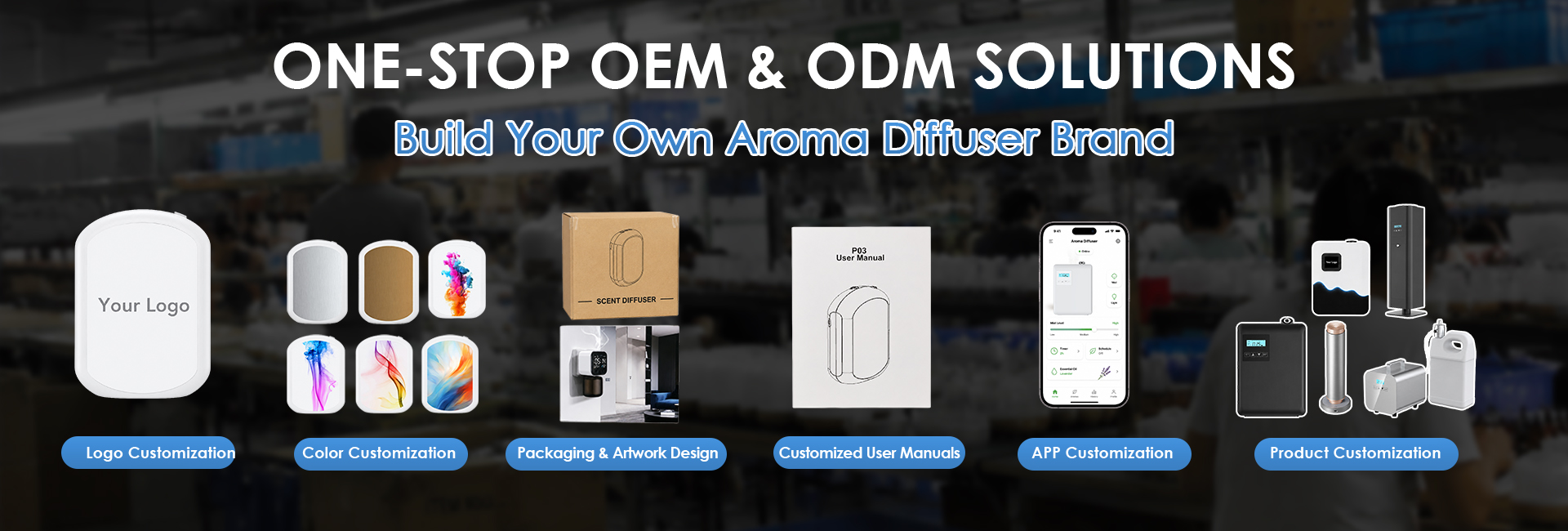
Figure 5: Catalogue, samples and wholesale pricing are available for importers building a reseller portfolio.
Conclusion: Build the Portfolio Around the Project, Not the Catalogue
The most useful ranking for an importer is not the one that names the strongest single machine. It is the one that shows which four to six models cover the enquiries a reseller actually receives, using one compliance set, one spare-parts account and one customization path.
On that basis, the T2 anchors the portfolio because it carries the documented five-year mall deployment; the SC19 covers indoor public venues with RoHS coverage for EU shipments; the P03 and P01 handle washrooms, elevators and wiring-restricted positions; the P02 covers small-to-medium spaces; the H5000 and T3 serve large open areas; the AC-MAX opens centralized HVAC projects; and the S01 and S02 provide an entry point for new accounts.
Behind the models, Shenzhen Scentsea Technology Co., Ltd supplies factory-direct with a 3,000 m² facility, 30 employees, annual output of 100,000 units, a 4-engineer R&D team and a 70% export ratio concentrated on the EU and the USA. The full company and product documentation is available in the SCENTSEA Company Profile.
Have Questions or Need More Details?
Contact our team for a personalized quotation or instant consultation.
Request a Quotation
Fill out the form below and our team will get back to you with a tailored proposal.
WhatsApp Direct Chat
Prefer to chat in real-time? Message us on WhatsApp for instant assistance & quick answers.
- Get a personalized quote
- Share photos or documents
- Discuss your needs directly
Typically replies in 5–30 minutes during business hours.