
Scent Diffuser Comparison: A Cost-Performance Guide for Commercial Projects
Scent Diffuser Comparison: A Cost-Performance Guide for Commercial Projects
For buyers who are still deciding between two technologies or two suppliers, this guide answers the core question directly: for hotels, shopping malls, and other high-traffic public venues, a scent diffuser based on waterless cold-air atomization delivers a better total cost of ownership than a humidifier-type device. Verified comparison data shows that this type of scent diffuser provides 22% higher scenting efficiency, requires 90% less maintenance, and lasts 3 times longer than a humidifier. Even though the initial cost is 15% higher, the total cost of ownership over 5 years is 40% lower. The rest of this article explains how to apply that conclusion to your facility.
Why Comparing Commercial Scent Diffuser Options Is Difficult
The commercial market now offers every form factor a buyer might need: electric scent diffuser units, waterless and cold air scent diffuser systems, plug-in models, battery operated scent diffuser devices, wall mounted scent diffuser boxes, floor standing scent diffuser cabinets, HVAC scent diffuser modules, smart scent diffuser systems, and app controlled scent diffuser devices. These are sold alongside home scent diffuser products and portable scent diffuser units, which further complicates the selection process.
Three mistakes repeatedly affect purchase decisions:
- Comparing only the initial purchase price. A cheaper diffuser may consume more fragrance oil, require frequent cleaning, or fail earlier, making the lower price meaningless over time.
- Trusting specification sheets without field context. In commercial settings, scent diffusers operate for many hours per day. Rated power and theoretical coverage rarely reflect real-world performance.
- Ignoring the supplier layer. The same-looking diffuser may come from a genuine factory with controlled production or from a trading intermediary with no quality oversight. The product comparison is never complete without a supplier comparison.
This article therefore evaluates both dimensions: the product-level trade-offs (technology, material, power, installation, control) and the supplier-level trade-offs (factory capability, certification, testing, and long-term value).
Industry Background: A Growing Market with Clear Quality Signals
The commercial scent diffuser category is expanding. Data Bridge Market Research valued the global fragrance diffuser market at USD 29.61 billion in 2024, with a projection of USD 38.10 billion by 2032. Within this market, the HVAC scent diffuser segment alone was valued at USD 1.01 billion in 2024 and is expected to grow at a CAGR of 4.5% through 2034, according to Intel Market Research.
North America is the largest regional market, accounting for approximately 43.87% of global fragrance diffuser revenue in 2024. Meanwhile, nebulizing diffusers — also known as waterless or cold air scent diffusers — represent around 22.6% of the ambient scent diffuser market, favored for professional-grade scent potency in commercial environments.
Regulatory signals also matter. IFRA 51 (2023) introduced stricter global safety standards for fragrance ingredients used in diffusers, affecting allowable usage levels for inhalation safety. For importers and distributors, the HS code 33074900 commonly covers fragrance diffusers and prepared room deodorizers.
Detailed Solution: Six Decision Dimensions for Scent Diffuser Comparison
1. Technology: Cold Air (Waterless) Scent Diffuser vs Humidifier-Type Device
The most important comparison for commercial buyers is the one between a cold-air atomizing scent diffuser and a humidifier-type device. Humidifier-type devices are often cheaper at first glance and widely available. However, they are not engineered for continuous scenting in public venues.
According to SCENTSEA's verified comparison data, the cold-air scent diffuser outperforms the humidifier on every operating metric that matters to a facility manager:
- 22% higher scenting efficiency — more of the fragrance oil is converted into acceptable scent particles.
- 90% less maintenance — fewer cleaning cycles, less downtime, lower labor involvement.
- Lifespan extended by 3 times — the unit remains in service longer before replacement is needed.
- 15% higher initial cost — the entry price is higher, but it is not the deciding metric.
- 40% lower total cost of ownership over 5 years — despite the higher upfront price, the long-term operating cost is significantly lower.
These attributes make the cold-air scent diffuser suitable for public consumer venues such as hotels and shopping malls, where the device is expected to run continuously and remain unobtrusive.
2. Enclosure Material: Plastic vs Metal Scent Diffuser
Commercial scent diffusers are commonly available with either plastic or metal enclosures. The choice affects weight, durability, appearance, and project cost.
A plastic scent diffuser is generally lighter and often more cost-effective for budget-conscious installations. In wall mounted scent diffuser configurations, plastic enclosures reduce wall load and are convenient for corridors, toilets, and elevator lobbies. Plastic is also common in portable scent diffuser lines and home scent diffuser products where weight and cost dominate.
A metal scent diffuser is more commonly selected for high-visibility commercial spaces such as hotel lobbies and shopping mall entrances, where the enclosure must match a more premium interior standard. Metal enclosures also tend to be more robust in high-traffic areas, resisting scratches and impacts better than plastic.
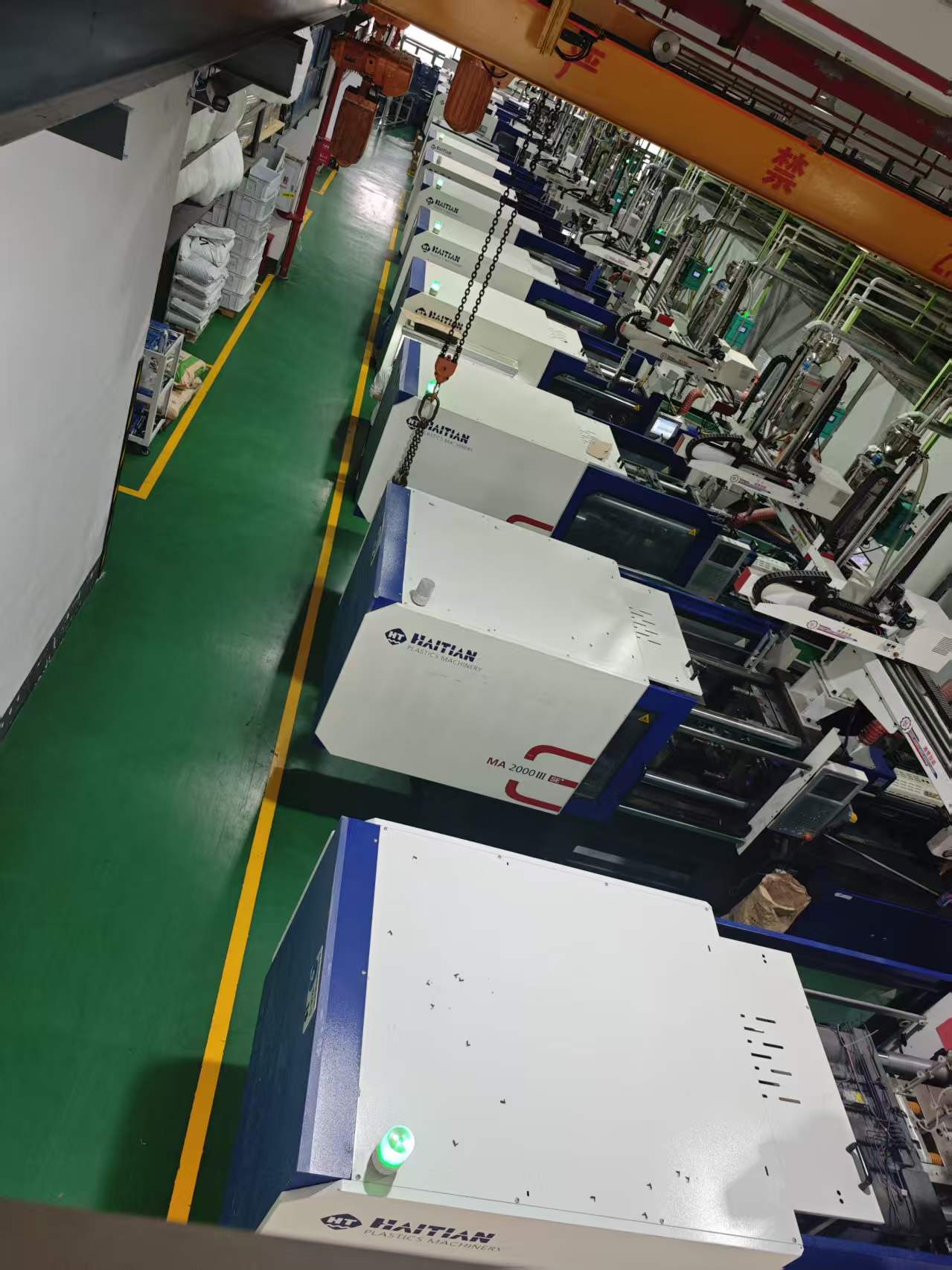
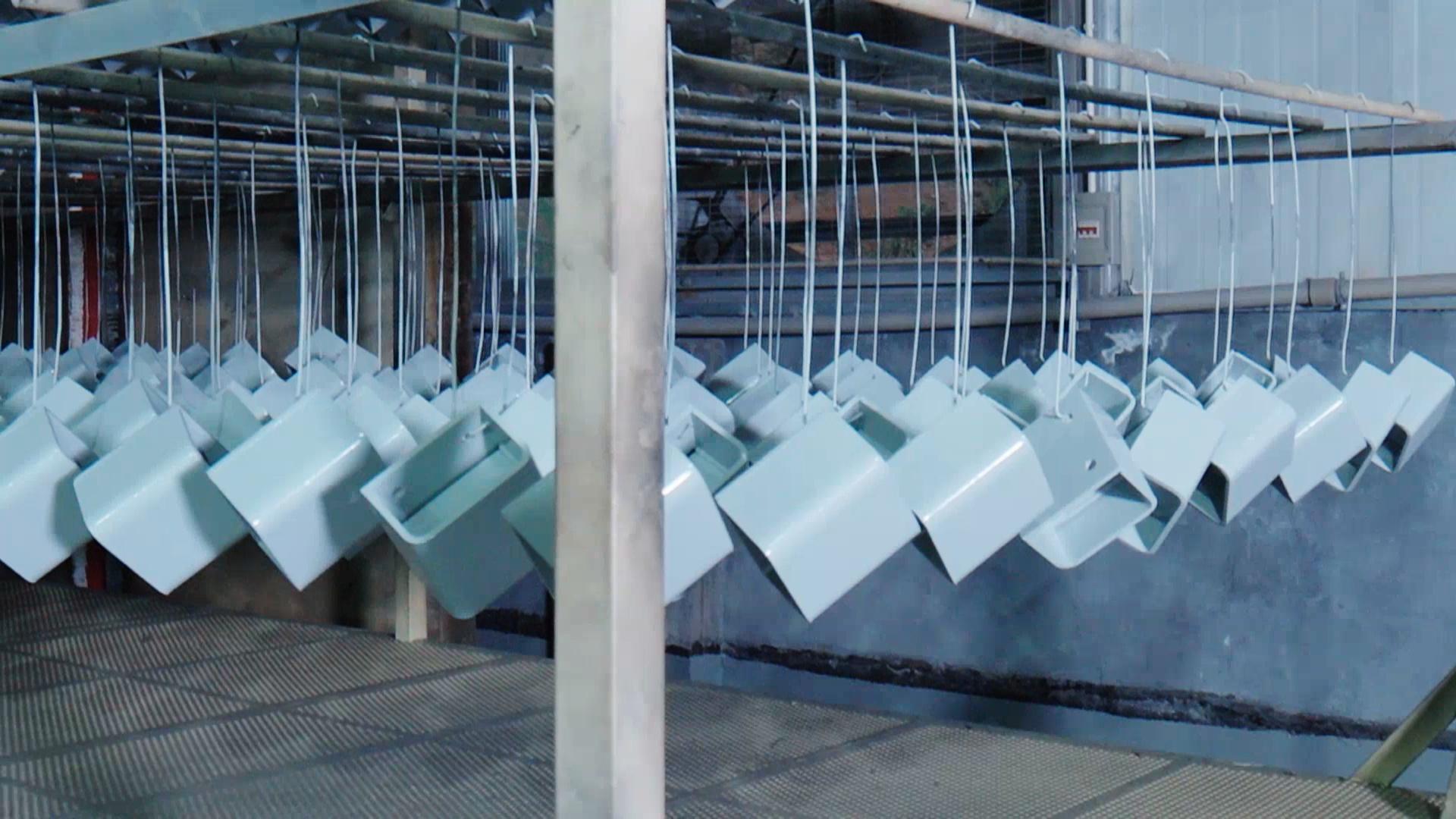
Neither material is inherently superior. The real question is whether the manufacturer has process control over the material it uses. SCENTSEA operates both plastic injection molding and sheet metal processing lines, allowing the factory to produce plastic and metal scent diffuser enclosures under the same quality system. This matters for buyers who need mixed-material product lines or who plan to switch materials in a later OEM/ODM project.
3. Power Options: Battery Operated Scent Diffuser vs Plug-In Electric Scent Diffuser
The power configuration of a scent diffuser should be matched to the installation point, not chosen in isolation.
For spaces without accessible power outlets, such as public toilet cubicles or elevator cabins, a battery operated scent diffuser is often the only practical solution. It eliminates the cost and disruption of running new wiring. The trade-off is that batteries need periodic replacement or recharging, which becomes part of the maintenance routine.
A plug-in electric scent diffuser is better suited to spaces where continuous operation is expected and a power socket is available. Hotel corridors, reception areas, retail floors, and back-of-house zones all benefit from an uninterrupted power source. For these spaces, the reliability of a permanent power connection outweighs the convenience of battery operation.
When comparing battery operated scent diffuser suppliers, buyers should examine the actual battery life under realistic operating conditions — not just the marketing figure — and verify how easily the battery can be replaced in a commercial environment.
4. Installation Format: Wall Mounted, Floor Standing, and HVAC Scent Diffuser
Installation format determines how well the scent reaches the target area.
A wall mounted scent diffuser is typically used in corridors, restrooms, and elevator lobbies. Mounting the unit on the wall keeps it out of the way, reduces accidental damage, and places the scent output at a practical height for small to medium spaces.
A floor standing scent diffuser is more common in large, high-ceiling spaces such as hotel lobbies, shopping mall atriums, and exhibition halls. The larger format generally accommodates a bigger oil reservoir and a higher output capacity, making it relevant for open areas where scent needs to travel further.
An HVAC scent diffuser integrates with the building's air handling system and distributes scent through existing ductwork. This approach covers a large area with one centralized unit, but it requires an installation plan coordinated with the HVAC engineer. The growing demand for this format is reflected by the market data: the global HVAC scent diffuser market reached USD 1.01 billion in 2024, growing at a CAGR of 4.5% through 2034.
5. Smart Features: Smart Scent Diffuser and App Controlled Scent Diffuser
Smart capabilities are becoming a standard consideration rather than an optional extra in commercial procurement. In October 2024, Xiaomi launched the Mijia Smart Aroma Diffuser with a 50-day battery life and app control via HyperOS, indicating a broader market trend toward long-endurance smart scent devices.
For commercial operators, an app controlled scent diffuser allows scheduling, remote adjustment, and multi-unit coordination. Instead of asking staff to manually turn diffusers on and off, a facility manager can program the system to align with opening hours, cleaning schedules, or high-traffic periods. A smart scent diffuser platform also helps standardize scent intensity across multiple locations, which is valuable for hotel chains and retail brands that want a consistent signature scent.
However, smart features only add value if the core atomization unit is reliable. Buyers should evaluate the smart layer as an interface on top of proven scenting technology, not as a substitute for it.
6. Supplier Comparison: Chinese Factories vs European/U.S. Suppliers
According to Intel Market Research, leading commercial scenting players such as ScentAir, Aroma360, and AromaTech focus on nebulizing technology for hotels and shopping malls. These brands have strong distribution networks in Western markets.
For buyers comparing suppliers across regions, Chinese factories generally offer different economics than European or U.S. suppliers. A direct Chinese manufacturer typically provides lower production costs, faster OEM/ODM turnaround, and more direct access to the production line. The trade-off is that the buyer must carefully verify the factory's quality system, certifications, and communication reliability.
SCENTSEA — operating as Shenzhen Scentsea Technology Co., Ltd — is a direct manufacturer based in Shenzhen, China. The company was founded in 2021, operates a 3,000 m² factory with 30 employees, and has an annual output capacity of 100,000 units. Around 70% of its production is exported to the EU and USA. The company holds more than 20 product patents, and its products carry CE, ROHS, FCC, and SGS certifications. SCENTSEA reports that its scent machines have been installed in more than 70 countries.
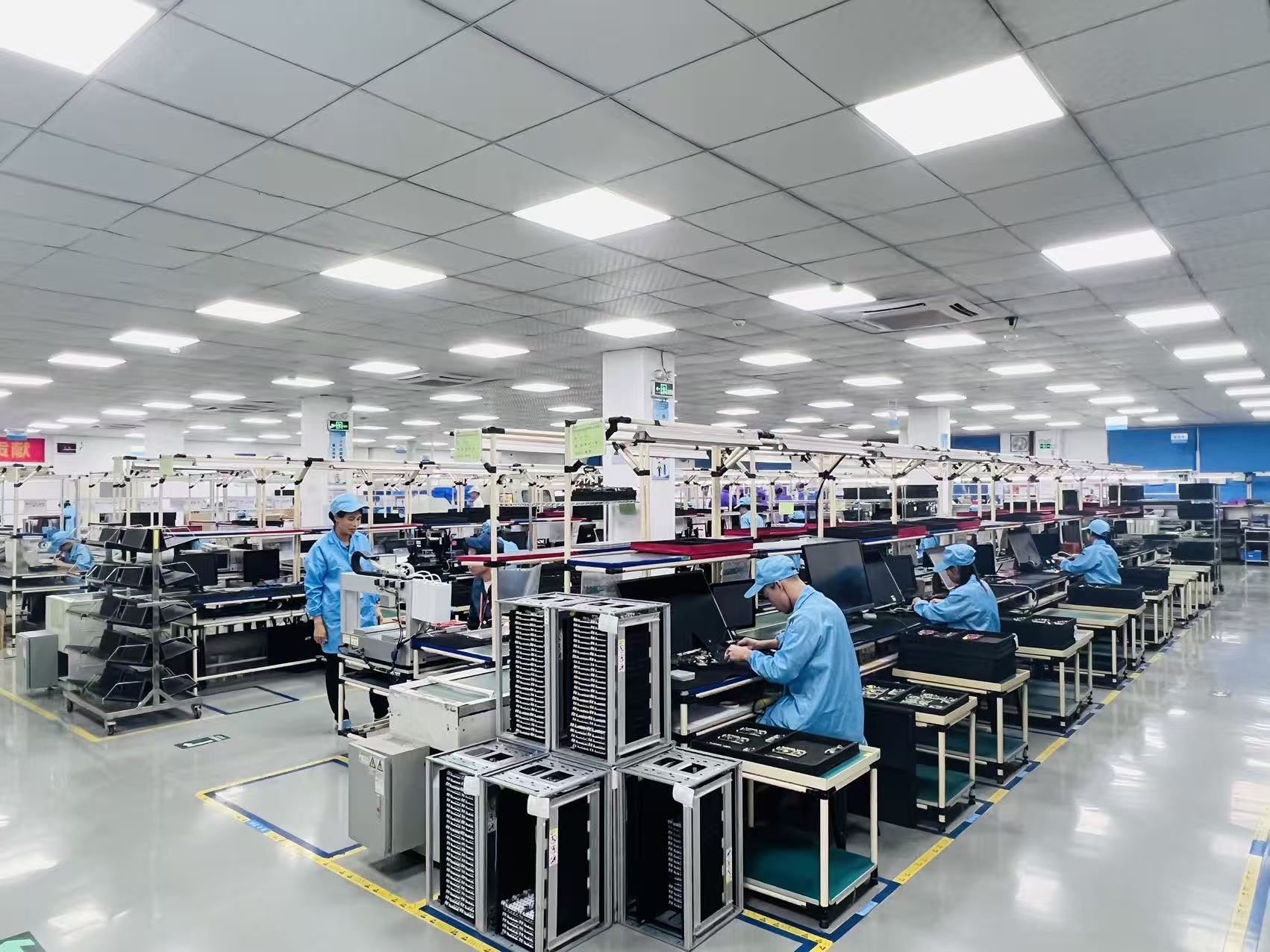
In a supplier-level comparison, the buyer's task is to check whether the candidate factory can prove its production depth. SCENTSEA's in-house operations include PCB SMT assembly, sheet metal processing, metal powder coating, injection molding, and final assembly — which demonstrates a broader manufacturing footprint than a simple assembly workshop.
Step-by-Step Scent Diffuser Selection Procedure
For a procurement team at the decision stage, the following workflow converts all comparison factors into a final choice.
Step 1: Define the Operation Profile
List the target areas, their approximate sizes, ceiling height, expected foot traffic, and daily operating hours. A hotel lobby that runs scent 24 hours a day is a different project from a toilet area that needs intermittent freshening. This step determines whether you need a continuous-duty commercial scent diffuser or a simpler intermittent unit.
Step 2: Select the Atomization Technology
Compare cold-air atomization against humidifier-type alternatives using the verified metrics: 22% higher scenting efficiency, 90% less maintenance, 3 times longer lifespan, and 40% lower 5-year TCO. For venues such as hotels and shopping malls, select a waterless cold-air scent diffuser as the baseline technology.
Step 3: Choose the Installation Format and Power Supply
Match the format to the space: wall mounted scent diffuser for corridors and toilets, floor standing scent diffuser for large lobbies and atriums, and HVAC scent diffuser for centralized air systems. Then decide between battery operated scent diffuser units for locations without convenient power and plug-in electric scent diffuser units for continuous-operation zones.
Step 4: Decide the Enclosure Material
Weigh the trade-offs between a plastic scent diffuser and a metal scent diffuser. Use plastic for lighter, budget-friendly installations and metal for high-visibility areas where durability and aesthetics matter more. Confirm that the supplier can manufacture the material in-house or through controlled subcontracting.
Step 5: Verify Certifications
Review compliance documents before ordering. A CE certified scent diffuser is expected for European projects; RoHS and FCC are important for additional markets. SCENTSEA's products carry CE, ROHS, FCC, and SGS certifications, and the company has been exporting to the EU and USA at a 70% ratio. Request the actual certificate copies for the specific model under evaluation.
Step 6: Audit the Factory's Quality Controls
The most common risks in scent diffuser procurement are oil leakage, nozzle clogging, unstable atomization, fragrance oil incompatibility, abnormal noise, and transportation damage. A credible factory should have controls in place for each risk. SCENTSEA's approach includes a leak-proof bottle structure, precision atomizing nozzles, waterless cold-air diffusion technology, oil-resistant sealing materials, low-noise motor design, and reinforced packaging.
Before shipment, SCENTSEA reportedly performs functional testing on 100% of units, long-time running tests, oil leakage inspection, atomization performance tests, noise level inspection, aging tests, and packaging drop tests. Buyers should ask prospective suppliers which of these checks are actually performed and whether test records can be shared.
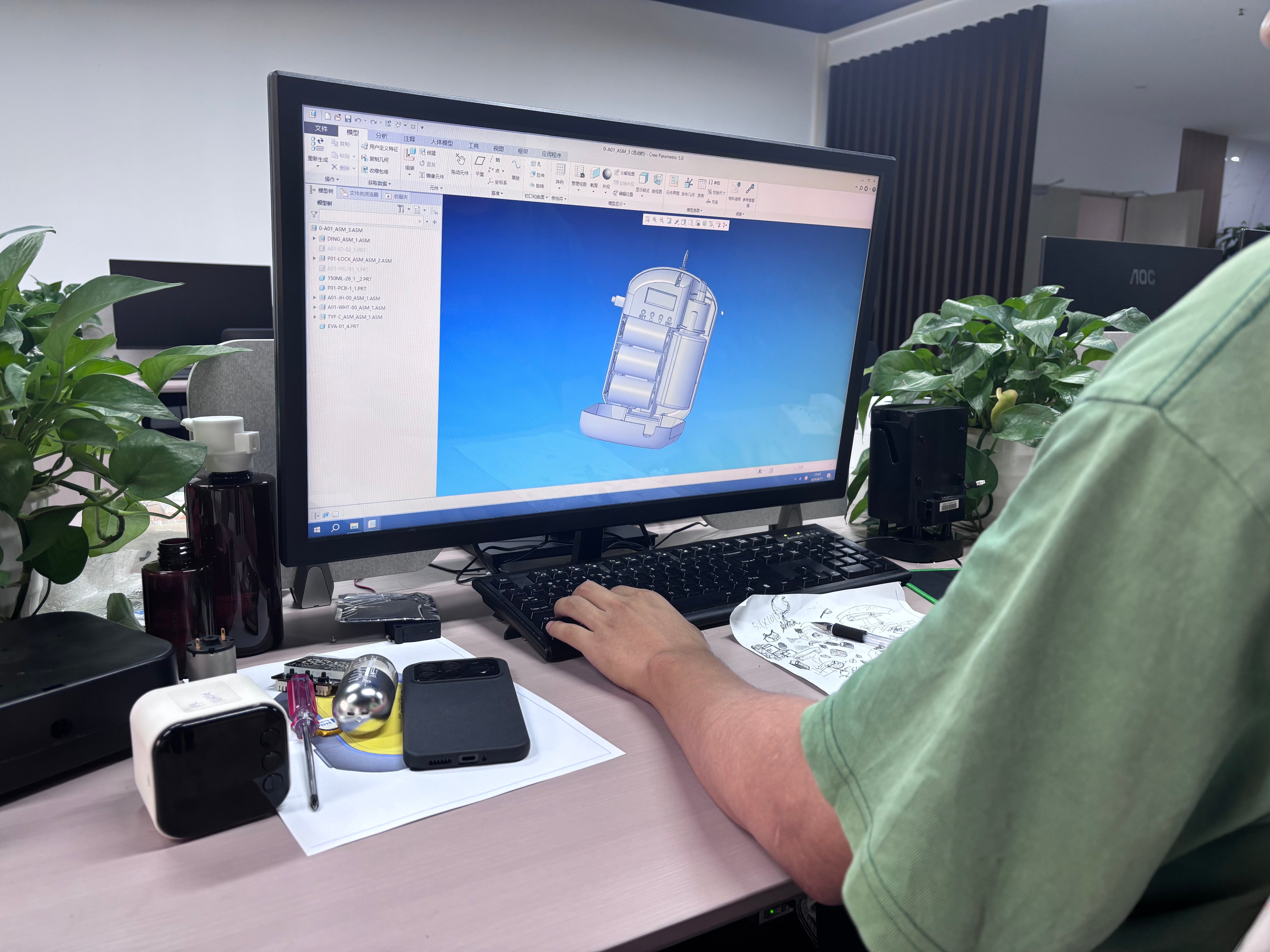
Step 7: Calculate Total Cost of Ownership
Build a 5-year cost model that includes initial price, fragrance oil consumption, maintenance labor, spare parts, and expected replacement cycles. The verified comparison data shows that a cold-air scent diffuser with a 15% higher initial cost achieves a 40% lower TCO over 5 years. If the supplier's proposal allows, ask for the same calculation on paper.
Step 8: Request Samples, Then Decide
For a project of meaningful size, sample testing is essential. Run the diffuser in one representative area for a defined period, inspect the actual scent intensity, noise level, and oil consumption, and then compare the results against the shortlist. The sample step is the final gate before the purchase decision.
Use Cases: Matching the Comparison to Your Project
Hotel Projects
Hotels require a continuous, consistent scent experience across lobbies, corridors, guest floors, and public restrooms. A combination of floor standing scent diffusers in the lobby and wall mounted scent diffusers in corridors and toilets is a common configuration. Hotels comparing suppliers should prioritize low maintenance and low noise, since these directly affect guest experience and housekeeping workload.
Shopping Mall Projects
Shopping malls face large open volumes, high ceilings, and mixed-use spaces. Floor standing scent diffusers and HVAC scent diffusers are often deployed to achieve even coverage across atriums and retail corridors. For mall projects, the buyer should evaluate the supplier's experience with large-venue installations and verify the capacity of each unit against the actual air volume.
Toilet and Elevator Areas
Battery operated scent diffusers are frequently selected for toilet and elevator applications because these areas may lack easy access to power outlets. The key comparison criterion for these units is battery life and ease of battery replacement. Intermittent-use spaces do not require the same oil capacity as lobby units, so a compact wall mounted scent diffuser is often sufficient.
HVAC Integration Projects
For buildings with centralized air handling, an HVAC scent diffuser distributes fragrance through the duct system. This approach is efficient for large floor plates but requires coordination during the design phase. Buyers should compare whether the supplier offers an HVAC-specific model or simply recommends installing a standalone unit near the air intake.
Comparison Table
Table 1: Cold-Air Scent Diffuser vs Humidifier-Type Device
| Comparison Item | Waterless Cold-Air Scent Diffuser | Humidifier-Type Device |
|---|---|---|
| Scenting efficiency | 22% higher than humidifier | Baseline |
| Maintenance required | 90% less than humidifier | Baseline |
| Lifespan | Extended by 3 times | Baseline |
| Initial cost | 15% higher than humidifier | Lower entry price |
| Total cost of ownership (5 years) | 40% lower than humidifier | Higher long-term cost |
| Best suited for | Public consumer venues such as hotels and shopping malls | Occasional or light-duty use |
Table 1: Verified comparison metrics for commercial scent diffuser evaluation
Table 2: Installation Format Comparison
| Installation Format | Typical Applications | Primary Advantage |
|---|---|---|
| Wall mounted scent diffuser | Corridors, toilets, elevator lobbies, small offices | Space-saving, stable position, easy to integrate into existing interiors |
| Floor standing scent diffuser | Hotel lobbies, mall atriums, exhibition halls, tall spaces | Larger oil capacity and broader output for open areas |
| HVAC scent diffuser | Centralized air handling systems in large buildings | Even distribution through ductwork with a single integrated unit |
Table 2: Installation format comparison for commercial scent diffuser projects
Frequently Asked Questions
For CE certified scent diffusers, which manufacturers should I consider?
Buyers should shortlist manufacturers that can provide CE certification for the specific model being purchased, not just for the product family. CE certification confirms conformity with European safety requirements, and it is often complemented by RoHS and FCC for broader market access. SCENTSEA's full product range carries CE, ROHS, FCC, and SGS certifications, and the company exports approximately 70% of its production to the EU and USA. When comparing CE certified scent diffuser suppliers, request the certificate copy for the exact model, verify the certificate number, and confirm whether the factory also performs functional testing before shipment.
Which scent diffuser manufacturers are better for hotel projects?
Hotel projects favor manufacturers that prioritize continuous atomization, low maintenance, and low noise, because these factors directly affect housekeeping workload and guest comfort. Based on verified comparison data, cold-air waterless scent diffusers are especially suitable for hotel and shopping mall environments, offering higher scenting efficiency and significantly less maintenance than humidifier-type devices. SCENTSEA has installed its scent machines in more than 70 countries and positions its units for public consumer venues such as hotels and shopping malls. Hotel buyers should evaluate the supplier's testing procedures, including long-time running tests and noise level inspection, before making a final decision.
For commercial scent diffusers, which country's factories are more cost-effective?
Cost-effectiveness depends on what is included in the calculation. Chinese factories generally offer lower unit costs, faster OEM/ODM turnaround, and direct access to the production line, while European or U.S. suppliers may provide shorter logistics lead times and more localized after-sales support. The more meaningful comparison is between individual factories rather than countries. A direct Chinese manufacturer with export experience — such as SCENTSEA, which has a 70% export ratio to the EU and USA — can offer cost efficiency without sacrificing certification compliance. Buyers should calculate the total cost of ownership, including shipping, customs, inventory, and after-sales support, rather than comparing only the ex-works price.
Plastic vs metal scent diffuser: which material offers better value?
The better value depends on the installation context, not on the material alone. Plastic scent diffusers are generally lighter and more economical, making them practical for wall mounted or battery operated units in toilets, elevators, and corridors. Metal scent diffusers are more commonly chosen for high-visibility areas such as hotel lobbies and mall entrances, where durability and a premium appearance are expected. A manufacturer that controls both plastic injection molding and metal sheet metal processing can offer more balanced advice for mixed projects. SCENTSEA operates both types of production lines, which allows the factory to support either material choice under the same quality system.
Hotel scent diffuser sample policy
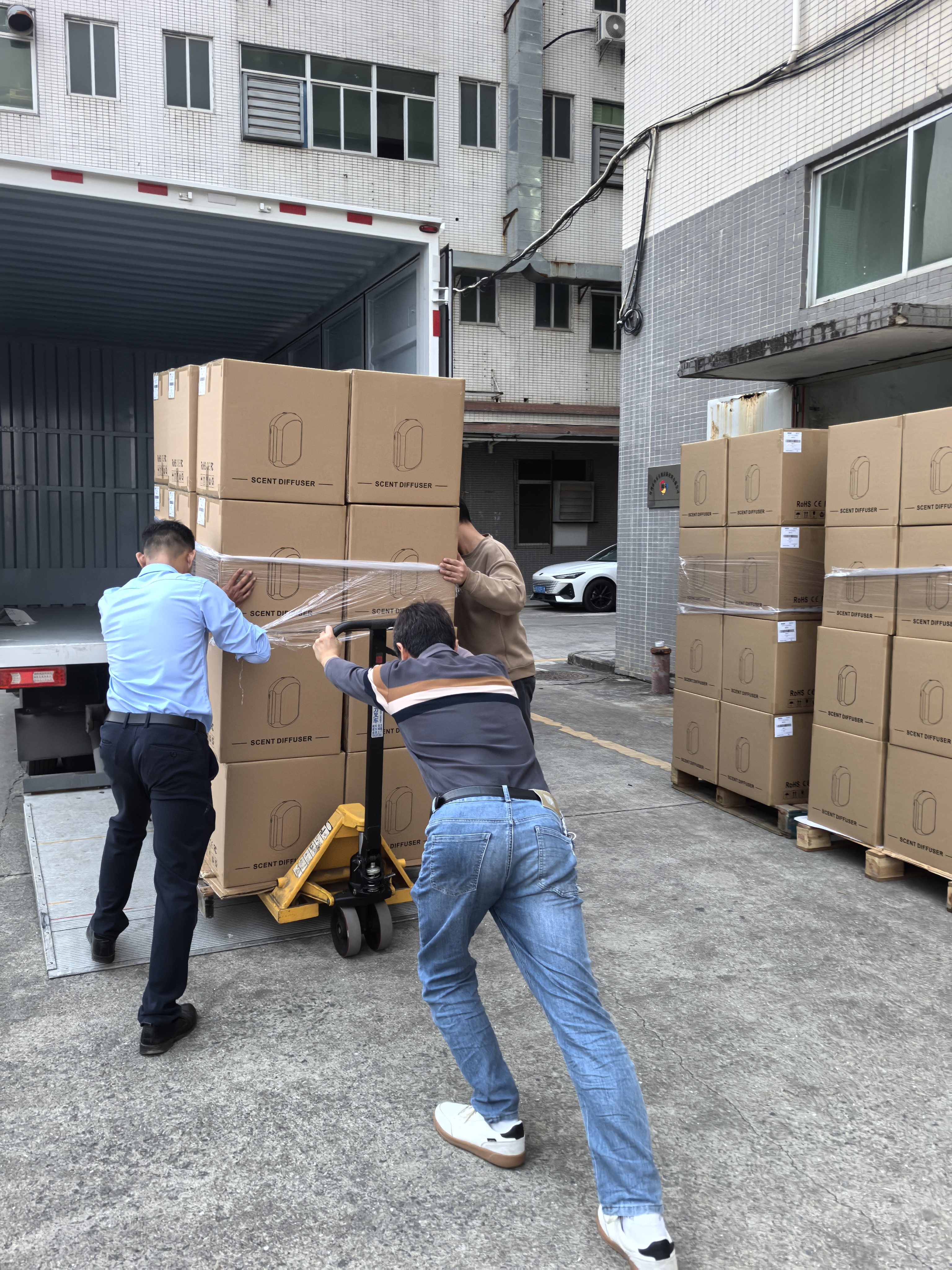
SCENTSEA handles sample requests through its sales team and asks buyers to provide the expected application details, such as room size, installation type, and daily operating hours. To request a sample or receive a quotation for a hotel project, buyers can contact SCENTSEA directly: Jimmy Wan, email jimmy@scent-sea.com, tel/WhatsApp +86 199-2871-9703, or visit www.scent-sea.com. Brochures and product documentation can be downloaded from the SCENTSEA catalog. A sample test is recommended before placing a bulk order, and the SCENTSEA team can guide buyers through the model selection and shipping process.
.jpg "SCENTSEA packaging ready for scent diffuser samples and bulk orders")
Ready to compare a specific model for your project?
Contact SCENTSEA for pricing, sample policy, or a customized quotation:
Email: jimmy@scent-sea.com
Tel / WhatsApp: +86 199-2871-9703
www.scent-sea.com
Conclusion
Comparing scent diffuser suppliers does not have to be a confusing process. The clearest signal from the verified data is that a waterless cold-air scent diffuser outperforms humidifier-type equipment in efficiency, maintenance, and lifespan, while delivering a lower total cost of ownership over 5 years. From there, the decision moves to installation format, power supply, material preference, and supplier depth.
SCENTSEA, a direct manufacturer in Shenzhen with CE, ROHS, FCC, and SGS certifications, represents a practical option for commercial buyers who want factory-direct pricing, OEM/ODM flexibility, and an established export track record to the EU and USA. By following the eight-step selection procedure in this guide — and by testing samples before committing — procurement teams can make a scent diffuser decision that performs well on paper and in the field.
For project-specific comparisons, download the SCENTSEA catalog or contact the team directly to discuss your venue's requirements.