
Scent Diffuser Selection by Commercial Zone: A Spec-Driven Guide
Scent Diffuser Selection by Commercial Zone: A Spec-Driven Guide
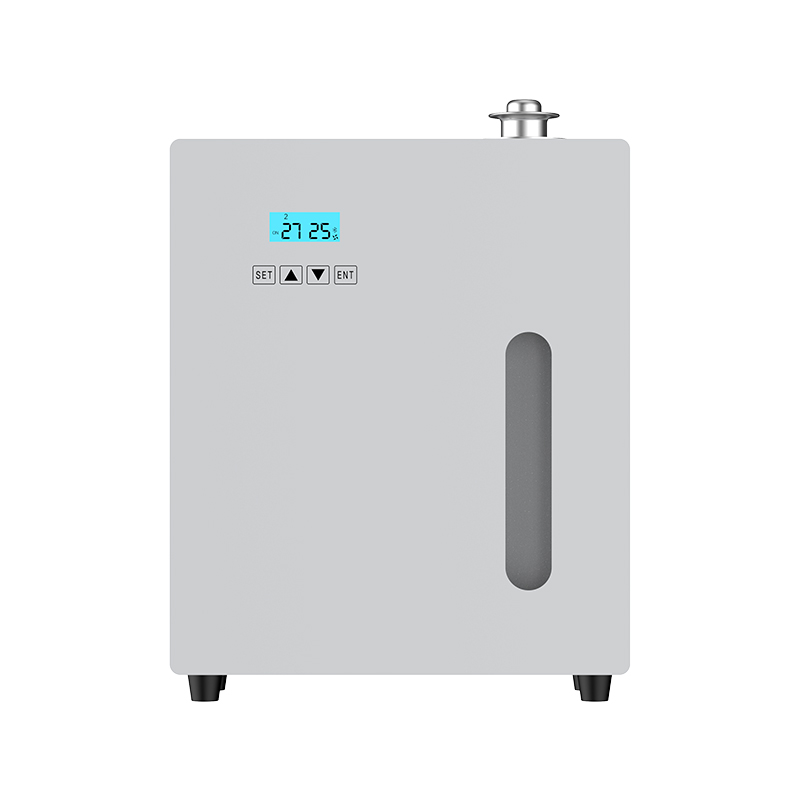
Choosing a commercial scent diffuser is not a one-model decision. A hotel lobby, a shopping mall HVAC loop, a public restroom and an elevator each create different constraints: floor area, air volume, mounting options, power access, noise tolerance, operating schedules and security risk. The correct approach is to define the zone first, then match the diffuser to it. This guide provides a project-fit framework for scent diffuser selection and maps the SCENTSEA product range to the zones commonly found in commercial projects.
Why Commercial Scent Diffuser Selection Goes Wrong
Most project problems are not caused by the fragrance oil or the brand. They are caused by a mismatch between the diffuser and the space. The most common mistakes are:
- Coverage mismatch. A small unit placed in a large atrium produces no perceptible effect, while an oversized unit in a restroom creates an overwhelming odor and wastes oil.
- Ignoring installation and power constraints. Some zones have no floor space, no wall space or no power outlet. Battery-operated, wall-mounted or HVAC-integrated designs are often required rather than optional.
- Underestimating noise. A diffuser positioned near a reception desk, in a corridor or in a meeting room can be a nuisance if the noise rating is not checked.
- Skipping maintenance planning. Refill frequency and cleaning access determine whether the scenting program is still running six months after installation.
- Treating control and security as afterthoughts. Commercial spaces usually need scheduled operation, remote control and, in publicly accessible areas, anti-theft design.
These failures are avoidable when the selection process starts with the physical and operational environment.
Industry Background: Scent Diffusers Are Becoming an Infrastructure Decision
The commercial scenting market has moved beyond single-countertop units. The global fragrance diffuser market was valued at USD 29.61 billion in 2024 and is projected to reach USD 38.10 billion by 2032, according to Data Bridge Market Research. Within that broader market, the global HVAC scent diffuser market was valued at USD 1.01 billion in 2024 and is expected to grow at a CAGR of 4.5% through 2034, according to Intel Market Research.
North America held the largest regional share of fragrance diffuser revenue in 2024, at approximately 43.87%, according to the same Data Bridge report. The report also indicates that nebulizing diffusers, defined as waterless or cold-air systems, represent roughly 22.6% of the market and are favored in commercial environments for professional-grade scent potency.
Three additional data points matter for project buyers. First, IFRA 51 (2023) introduced stricter global safety standards for fragrance ingredients used in diffusers, which makes oil compliance a procurement issue, not just a hardware issue. Second, in October 2024 Xiaomi launched the Mijia Smart Aroma Diffuser with a 50-day battery life and app control via HyperOS, a sign that endurance and smart control are entering even consumer-grade diffusion. Third, well-known commercial scenting players such as ScentAir, Aroma360 and AromaTech focus on nebulizing technology for hotels and shopping malls, according to Intel Market Research, which means a buyer evaluating global suppliers should compare project fit rather than relying on brand name alone.
For importers and facility owners, another practical point is trade classification: fragrance diffusers and prepared room deodorizers are commonly classified under HS code 33074900. Confirming the HS code early helps avoid delays in customs documentation.
For buyers, these signals point in one direction: choose a commercial diffuser the way you would choose other building equipment. A consumer-grade unit may not have the coverage, endurance, documentation or service access that a facility operator needs. An oversized industrial unit can be intrusive in a small zone.
A Project-Fit Approach to SCENTSEA Scent Diffusers
SCENTSEA (Shenzhen Scentsea Technology Co., Ltd) is a scent diffuser manufacturer based in Shenzhen, China, specializing in scent machines and fragrance oils. The company operates a 3000 m² factory, employs about 30 people and produces around 100,000 units per year. Roughly 70% of output is exported, mainly to the EU and the USA. SCENTSEA holds more than 20 product patents, and its four-person R&D team focuses on atomization technology and hardware design.
For project evaluation, the practical question is not 'which SCENTSEA model is best' but 'which model fits the zone.' The range can be grouped into installation families.
HVAC-Integrated Scent Diffusers for Large Public Zones
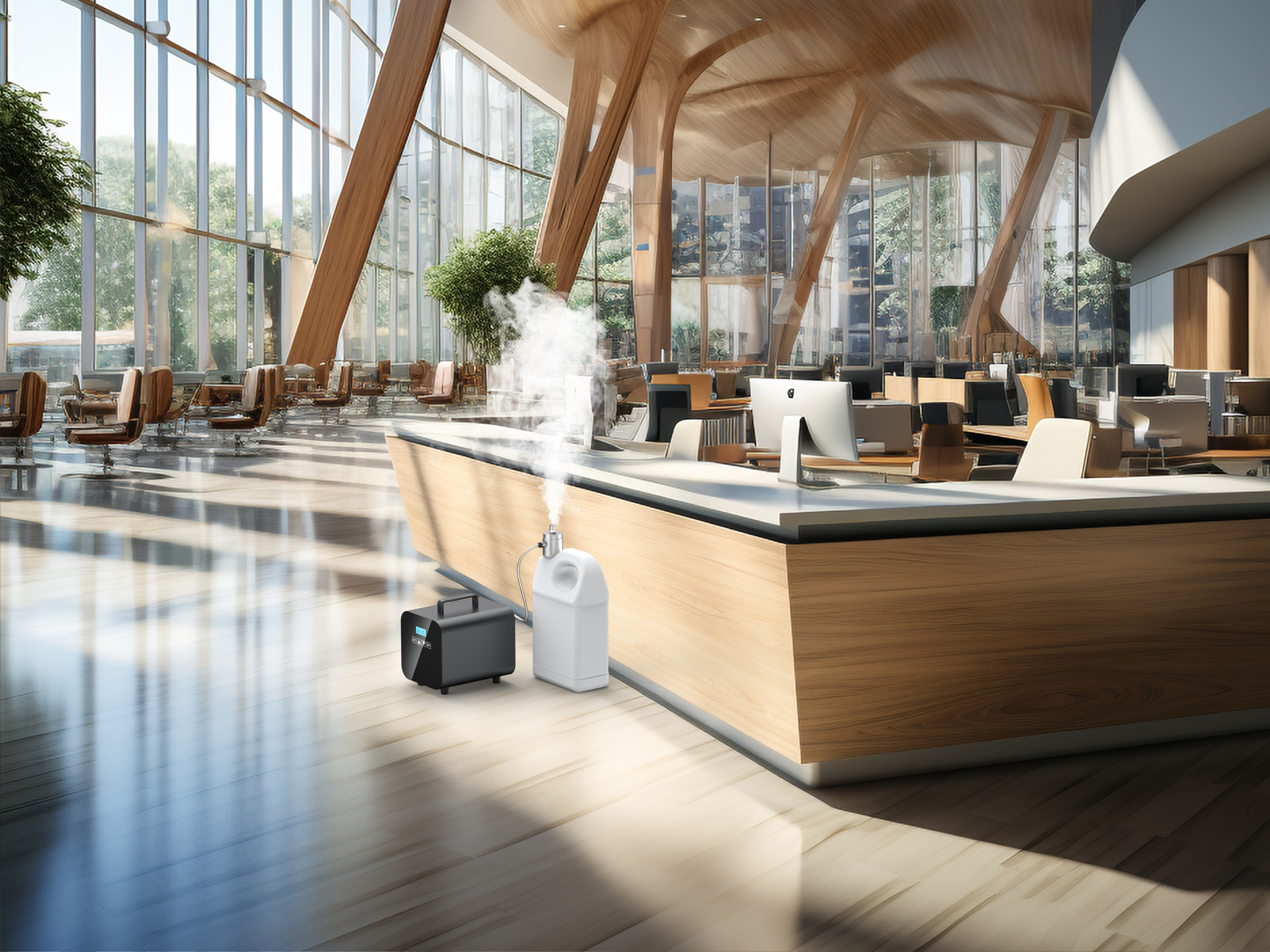
The AC-MAX is an HVAC scent diffuser with a split-type design and an aluminum body with a 5 L plastic bottle. It covers 2500–3500 m² (8000–10000 m³ / 25000–35000 ft²), operates on DC12V at 48W, consumes about 6 ml±5% of oil per hour, and stays below 45dB. Its listed applicable industries are shopping malls, banks and airports. For large zones served by centralized air handling, this model integrates into the HVAC concept instead of occupying floor or wall space.
Standalone Commercial Diffusers for Hotels, Malls and Offices
For visible or semi-visible placement, SCENTSEA offers the T3, T2, A300 and H5000.
- T3 – commercial scent diffuser with acrylic panel and steel casing. 1000 ml capacity, 1000–1600 m² / 3000–5000 m³ / 10000–17000 ft² coverage, DC12V 2A at 15W, noise below 55dB, oil consumption 4.6 ml±10%/h. Listed for shopping malls, hotels and airports.
- T2 – commercial scent diffuser with acrylic panel and steel casing. 500 ml capacity, 500–800 m² / 1500–2500 m³ / 5000–8500 ft² coverage, DC12V 2A at 10W, noise below 45dB, oil consumption 3 ml±10%/h. Listed for hotels, shopping malls and cinemas.
- A300 – commercial scent diffuser with steel body. 500 ml capacity, 500–800 m² / 1500–2500 m³ / 5000–8500 ft² coverage, DC12V at 12W, noise below 40dB, oil consumption 4 ml±10%/h. Listed for hotels, shopping malls and retail stores.
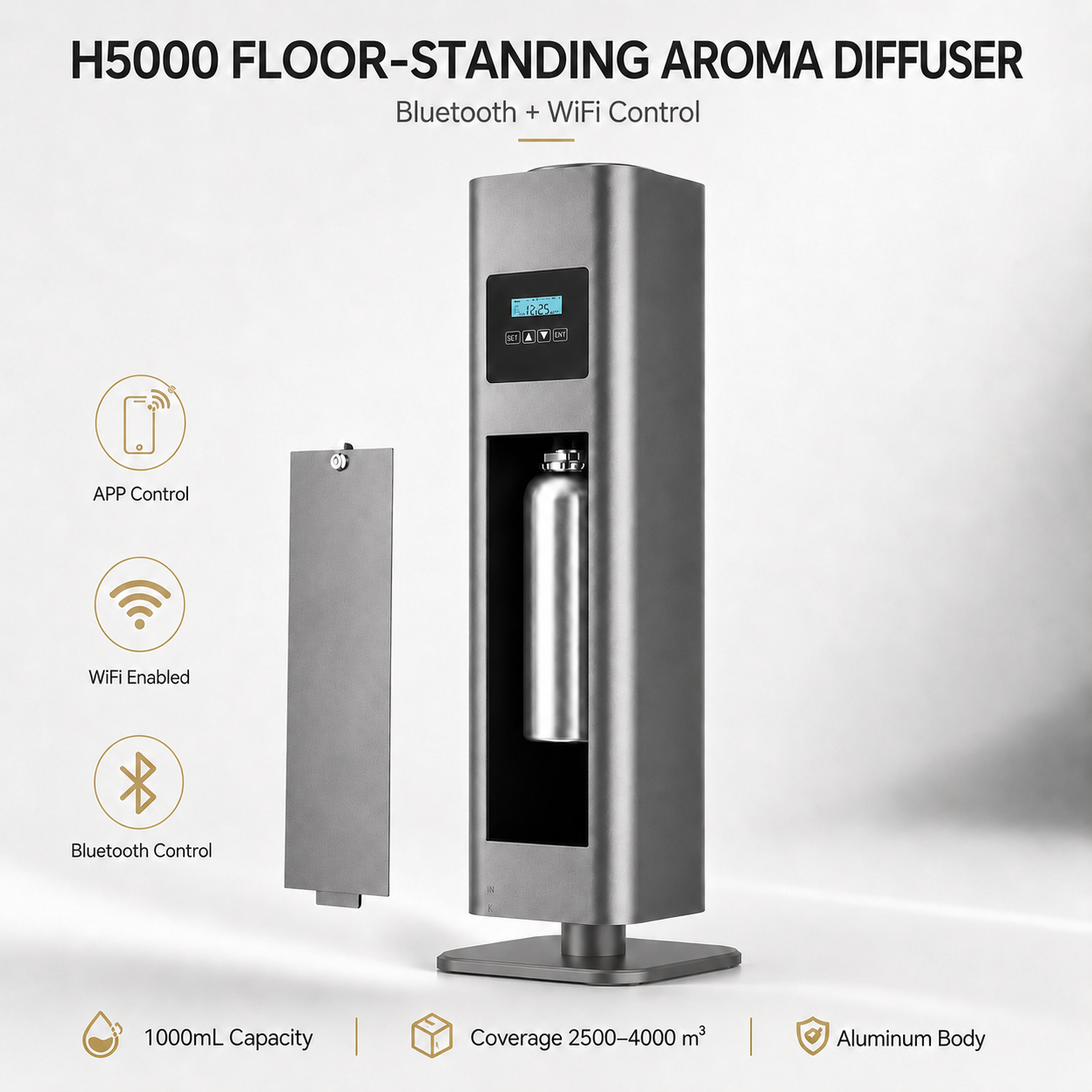
- H5000 – floor standing scent diffuser with aluminum body. 1000 ml capacity, 800–1300 m² / 2500–4000 m³ / 8600–14000 ft² coverage, DC12V plug-in at 20W, noise below 45dB, oil consumption 5.4 ml±10%/h. Listed for hotels, shopping malls and office building lobbies.
Battery-Operated and Plug-In Units for Toilets, Elevators and Corridors
Compact zones with limited power access require smaller units. SCENTSEA covers these zones with the P01, P03, P02, S01 and S02.
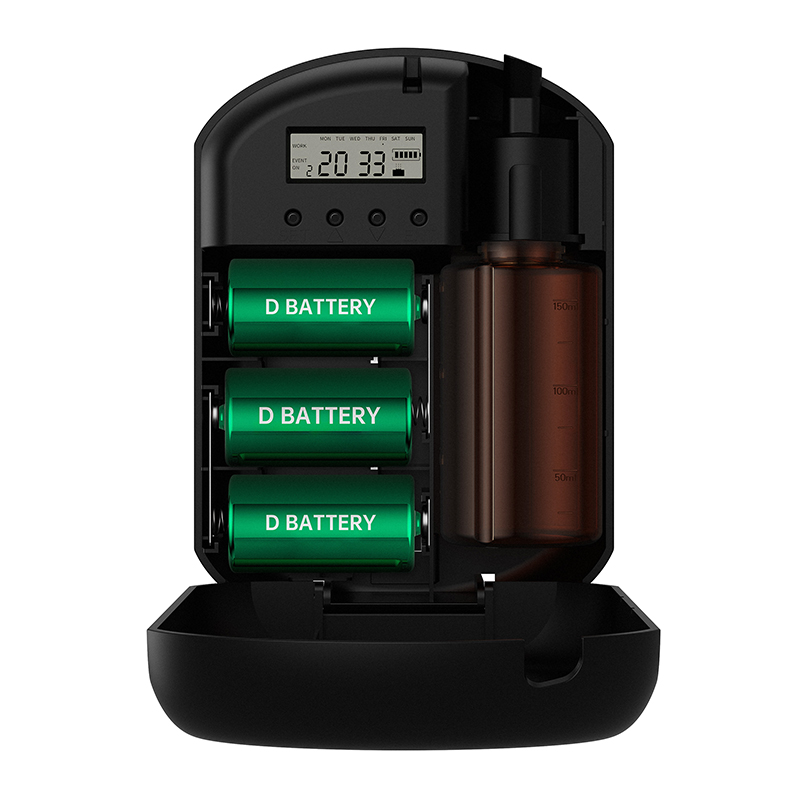
- P01 – battery operated scent diffuser, plastic body, 500 ml, 100–150 m² / 300–500 m³ / 1000–1600 ft², 2.5W, noise below 35dB, powered by four D batteries or Type-C. Listed for toilets and elevators.
- P03 – battery operated scent diffuser, plastic body, 150 ml, 100–150 m² / 300–500 m³ / 1000–1600 ft², 2.5W, noise below 35dB, powered by three D batteries or Type-C. Listed for toilets and elevators.
- P02 – electric scent diffuser, plastic body, 300 ml, 150–350 m² / 500–1000 m³ / 1500–3500 ft², DC12V plug-in at 6.5W, noise below 30dB, oil consumption 2.5 ml±10%/h. Listed for toilets, corridors and shops.
- S01 – wall plug-in scent diffuser, plastic body, 150 ml, 30–100 m² / 100–300 m³ / 300–1000 ft², 110–240V at 1.5W, noise below 38dB. Listed for homes, toilets and stores.
- S02 – tower scent diffuser, all-aluminum alloy, 100 ml plastic bottle, 30–100 m² / 100–300 m³ / 300–1000 ft², DC5V at 1.5W, noise below 30dB, oil consumption 0.6 ml±5%/h. Listed for homes, offices, stores and beauty salons.
Advertising Scent Machines for Scent Marketing Zones
The SC19 combines a digital screen with scent delivery. It carries an 18.5-inch, 1920×1080 screen, a 500 ml oil tank, 110–240V AC power at 30W, noise at or below 30dB, and coverage of 150–250 m² / 500–800 m³ / 1500–2500 ft². The body is aluminum and steel, and the listed industries are shopping malls, hotels and banks. For a mall entrance or hotel lobby, the SC19 allows scent marketing and digital messaging to share one footprint.
Across all hardware, SCENTSEA's application configuration for public consumer venues supports smart timer control and app control using the AromaOS app, and can include an anti-theft design. Typical markets for this configuration include the United States, France, Poland, the United Arab Emirates and Saudi Arabia.
SCENTSEA also states that all of its products carry CE, RoHS, FCC and SGS certifications. In a project context, this means the basic compliance documents should be available for review, but buyers should still request certificates for the exact models and configurations in their quotation.
SCENTSEA reports that its scent machines have been installed in more than 70 countries. Deployment breadth matters to procurement teams because it indicates that the supplier has shipped and supported hardware across different markets, voltage environments and project types.
Step-by-Step: How to Select a Scent Diffuser for a Commercial Project
- Measure the space and the air volume. Record floor area in m² and volume in m³. Coverage is usually expressed in both units because scent disperses in volume, not only on surfaces.
- Define the scent objective. Decide whether the goal is ambient scent across a large public zone, localized scent in a restroom, or a marketing statement at an entrance. Different objectives lead to different hardware families.
- Identify mounting and layout constraints. Check wall space, floor space, air handling access and guest visibility. The available installation point determines whether the unit should be wall-mounted, floor-standing, compact plug-in or HVAC-integrated.
- Confirm power availability. Not every zone has an AC outlet. Elevators, some restrooms and temporary spaces may require battery-operated units such as the P01 or P03. Plug-in units require stable access to AC or DC12V.
- Set control expectations. Commercial projects usually need scheduled operation and multi-zone management. The AromaOS app supports smart timer control and app control, which helps facility teams standardize operating hours across locations.
- Calculate refill and maintenance load. Oil consumption per hour and bottle capacity define the refill interval. For example, T3 uses roughly 4.6 ml±10%/h with a 1000 ml tank, while AC-MAX uses roughly 6 ml±5%/h with a 5 L tank. Choose a combination that matches the facility team's maintenance capacity.
- Verify compliance and documentation. Check CE, RoHS, FCC and SGS documentation for the hardware, confirm the fragrance oil follows applicable safety standards, and confirm the import HS code for customs purposes.
Use Cases: Matching Scent Diffusers to Real Project Zones
Hotel
Hotels have the most varied zone requirements. Lobby and function areas can be served by the T3 or the H5000, both of which provide mid-to-large coverage with relatively low noise. Corridors can use the T2 or A300. Restrooms and back-of-house areas can use the P01 or P03 where power access is limited. If the hotel has centralized air handling, the AC-MAX can perfume large public areas without visible cabinets.
Shopping Mall
Mall projects involve very large volumes, long operating hours and public access. The AC-MAX is the largest-coverage unit in the range at 2500–3500 m² and is listed for shopping malls, banks and airports. The T3 can cover atriums and circulation zones of 1000–1600 m². The SC19 is suitable for entrance-level scent marketing. Because mall devices are accessible to the public, SCENTSEA's application configuration for public consumer venues includes an anti-theft design and AromaOS-based smart timer and app control; markets for these deployments include the United States, France, Poland, the UAE and Saudi Arabia.
Office Building
Office lobbies match the H5000, which is listed for hotels, shopping malls and office building lobbies. Open-plan floors of 500–800 m² can be covered by the T2 or A300, both with noise ratings below 45dB and 40dB respectively. Meeting rooms and small reception areas can use the S02, while corridors and shared restrooms can be covered by the P02 or P01.
Restrooms and Elevators
Restrooms and elevators are the most frequent locations for compact diffusers. Battery-operated models are often the first option because they avoid outlet installation. The P01 and P03 both cover about 100–150 m² at 2.5W; the P01 has a 500 ml bottle, the P03 has a 150 ml bottle. Where a socket is available, the S01 wall plug-in unit provides an even smaller footprint.
Retail Stores and Small Shops
Boutiques and small retail formats usually need discreet diffusion without complex installation. The S02 tower covers 30–100 m² and runs on DC5V at 1.5W, making it suitable for counters and fitting rooms. The S01 wall plug-in unit covers the same range using standard 110–240V outlets. The P02 can cover 150–350 m² in shops where a DC12V plug point exists, with a noise rating below 30dB.
Field Evidence: AC-MAX in Mall Scenting Services
A U.S.-based scenting service provider used 30 AC-MAX units to supply scenting services to shopping malls. Over a five-year period, the operator reported labor costs reduced by 40% and essential oil usage reduced by 30%. The highlighted reasons were long lifespan, low maintenance and stronger atomization. For buyers, this is an example of how equipment reliability and atomization efficiency affect the operating cost of a scenting program, not just the initial hardware price.
Comparison Table: SCENTSEA Scent Diffuser Models by Project Fit
| Model | Type | Capacity | Coverage | Power | Noise | Oil consumption | Material | Typical zones |
|---|---|---|---|---|---|---|---|---|
| AC-MAX | HVAC scent diffuser | 5 L | 2500–3500 m² | DC12V / 48W | <45dB | 6 ml±5%/h | Aluminum + plastic bottle | Mall, bank, airport |
| SC19 | Advertising scent machine | 500 ml | 150–250 m² | 110–240V AC / 30W | ≤30dB | 6 ml±5%/h | Aluminum + steel | Mall, hotel, bank |
| T3 | Commercial scent diffuser | 1000 ml | 1000–1600 m² | DC12V 2A / 15W | <55dB | 4.6 ml±10%/h | Acrylic panel + steel casing | Mall, hotel, airport |
| H5000 | Floor standing scent diffuser | 1000 ml | 800–1300 m² | DC12V / 20W | <45dB | 5.4 ml±10%/h | Aluminum | Hotel, mall, office lobby |
| T2 | Commercial scent diffuser | 500 ml | 500–800 m² | DC12V 2A / 10W | <45dB | 3 ml±10%/h | Acrylic panel + steel casing | Hotel, mall, cinema |
| A300 | Commercial scent diffuser | 500 ml | 500–800 m² | DC12V / 12W | <40dB | 4 ml±10%/h | Steel | Hotel, mall, retail store |
| P02 | Electric scent diffuser | 300 ml | 150–350 m² | DC12V plug-in / 6.5W | <30dB | 2.5 ml±10%/h | Plastic | Toilet, corridor, shop |
| P01 | Battery operated scent diffuser | 500 ml | 100–150 m² | 5V, 4 D batteries or Type-C / 2.5W | <35dB | Not stated | Plastic | Toilet, elevator |
| P03 | Battery operated scent diffuser | 150 ml | 100–150 m² | 5V, 3 D batteries or Type-C / 2.5W | <35dB | Not stated | Plastic | Toilet, elevator |
| S01 | Wall plug-in scent diffuser | 150 ml | 30–100 m² | 110–240V / 1.5W | <38dB | Not stated | Plastic | Home, toilet, store |
| S02 | Tower scent diffuser | 100 ml | 30–100 m² | DC5V / 1.5W | <30dB | 0.6 ml±5%/h | Aluminum alloy | Home, office, store, beauty salon |
Capacity, coverage, power, noise and oil consumption are taken from SCENTSEA product specifications. Coverage is shown in m²; the original datasheets also state m³ and ft² values. 'Not stated' means the oil consumption value is not included in the product specification.
FAQ
Are SCENTSEA scent diffusers certified for commercial installation in the EU and the U.S.?
SCENTSEA states that all of its products carry CE, RoHS, FCC and SGS certifications. For procurement teams, this means the hardware is positioned for markets such as the EU and the USA. Buyers should still request the certificate documents for the exact models and configurations in the quotation, since certificates may be model-specific.
Which SCENTSEA scent diffuser should I use for a hotel lobby or shopping mall?
For a hotel or mall common area, the choice depends on installation. The T3 covers 1000–1600 m² / 3000–5000 m³ / 10000–17000 ft² with a 1000 ml tank, 15W power and noise below 55dB, and is designed for shopping malls, hotels and airports. The H5000 floor-standing model covers 800–1300 m² / 2500–4000 m³ / 8600–14000 ft² with a 1000 ml tank, 20W power and noise below 45dB, and is designed for hotels, shopping malls and office building lobbies. If the project uses centralized air handling, the AC-MAX HVAC diffuser covers 2500–3500 m² / 8000–10000 m³ with a 5 L bottle and 48W power.
Which models work in toilets, elevators and corridors where power outlets are limited?
SCENTSEA offers battery-operated options for these zones. The P01 (500 ml) and P03 (150 ml) cover approximately 100–150 m² / 300–500 m³ / 1000–1600 ft², consume 2.5W, and run on D batteries or Type-C. Both are intended for toilets and elevators. Where a power outlet is available, the P02 (300 ml, DC12V plug-in, 6.5W, noise below 30dB) can cover 150–350 m² and suits toilets, corridors and shops.
Can I request samples or OEM/ODM support before committing to a volume order?
SCENTSEA is a factory based in Shenzhen, China, and provides OEM/ODM value-added services for scent machines and fragrance oils. Project-specific sample availability and production scheduling depend on the model, quantity and customization scope. The practical next step is to discuss your project directly with the sales team by email at jimmy@scent-sea.com, by WhatsApp at +86 199-2871-9703, or through the company website at www.scent-sea.com. The full product catalog is available for review before you send an inquiry.
Conclusion: Define the Zone First, Then Choose the Scent Diffuser
A commercial scent diffuser is not a standalone purchase; it is part of a space's operational infrastructure. By defining the zone size, installation constraints, power source, control requirements, maintenance capacity and compliance needs, buyers can match hardware to the project without over-specifying or under-delivering.
SCENTSEA's product line covers the main commercial installation families: HVAC-integrated diffusion (AC-MAX), standalone mid-to-large units (T3, T2, A300, H5000), compact battery and plug-in units (P01, P03, P02, S01), tower units (S02) and advertising scent machines (SC19). For buyers moving from research to evaluation, the next step is to compare these parameters against the actual project zones and request documentation, samples and a quotation.
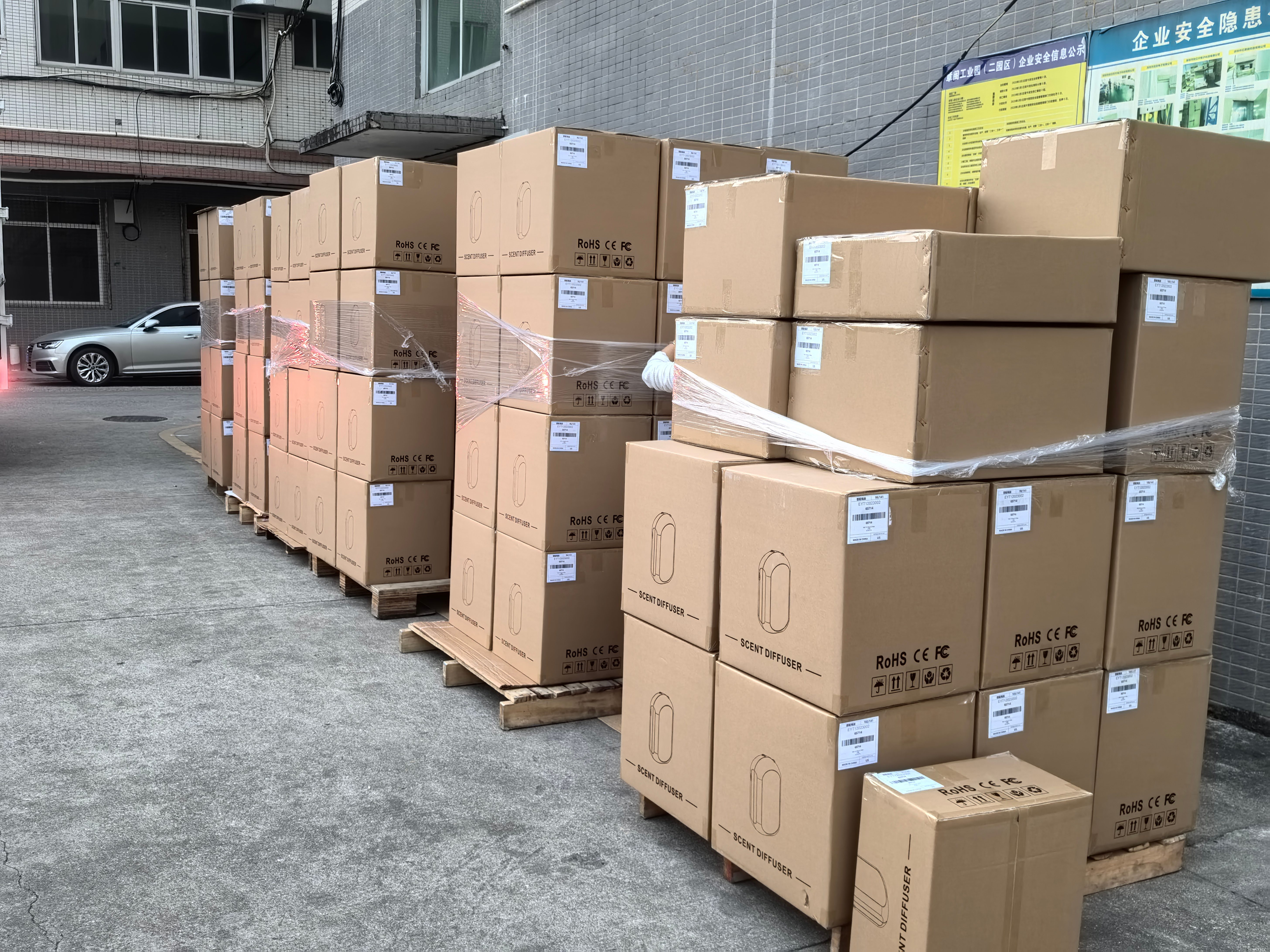
Evaluate SCENTSEA for your next scent diffuser project.
Download the catalog: SCENTSEA Product Catalog (PDF)
Contact the factory: jimmy@scent-sea.com | WhatsApp/Tel: +86 199-2871-9703