
Supplier Evaluation Checklist for Commercial Scent Diffuser OEM/ODM Partners
At the decision stage of a scent diffuser project, the qualifying question is not whether a factory offers OEM/ODM — nearly every supplier says it does. The question is whether that claim can be backed by model-level specifications and model-specific certification documents, and whether customization is demonstrated on named products rather than in general statements. This checklist is written for procurement teams, brand owners, importers, and project contractors who need to audit a commercial scent diffuser OEM/ODM partner before issuing a purchase order.
Why “OEM/ODM Available” Is Not a Supplier Qualification
Supplier evaluation breaks down when capability claims are accepted as proof. A distributor comparing commercial scent diffuser partners, or a brand owner preparing a private-label launch, needs to compare suppliers on facts that can actually be checked — the coverage, oil capacity, material, power supply, and control method of a specific model; whether the certificate on file covers that exact model and voltage; and whether a color, logo, or packaging change is genuinely producible.
When a supplier answers these questions only with marketing copy, the buyer absorbs the risk: weak or unstable atomization, certification that does not match the shipped model, or a customization request that cannot be fulfilled once the order is placed. The purpose of this checklist is to convert general supplier claims into verifiable audit items, so that a supplier’s answers can be scored rather than trusted.
The Commercial Scent Diffuser Supply Landscape
The commercial scent diffuser category sits inside a growing fragrance diffuser market. Data Bridge Market Research estimated the global fragrance diffuser market at USD 29.61 billion in 2024, and projected the smart aroma diffuser segment to grow at a CAGR of 9.22% from 2026 to 2034. Within that market, waterless cold-air (nebulizing) diffusers are increasingly positioned for professional hospitality and retail environments, while ultrasonic water-based aroma diffusers remain concentrated in small residential use.
The supply base reflects this split. Manufacturer pages commonly advertise certification and OEM/ODM together as selling points, yet the same pages frequently present compliance as self-declared claims rather than model-matched certificates. Aroma diffusers are classified under HS Code 8509.80 for import and export, which means a buyer’s compliance check has to align with customs documentation as well as marketing material. For a buyer, the gap between a supplier’s claim and its evidence is exactly where supplier evaluation should be focused.
What to Audit: A Spec-and-Certification Framework
For an OEM/ODM partner, evaluate three evidence layers. Each layer produces answers that can be verified rather than summarized.
Layer 1 — Model-level specification transparency
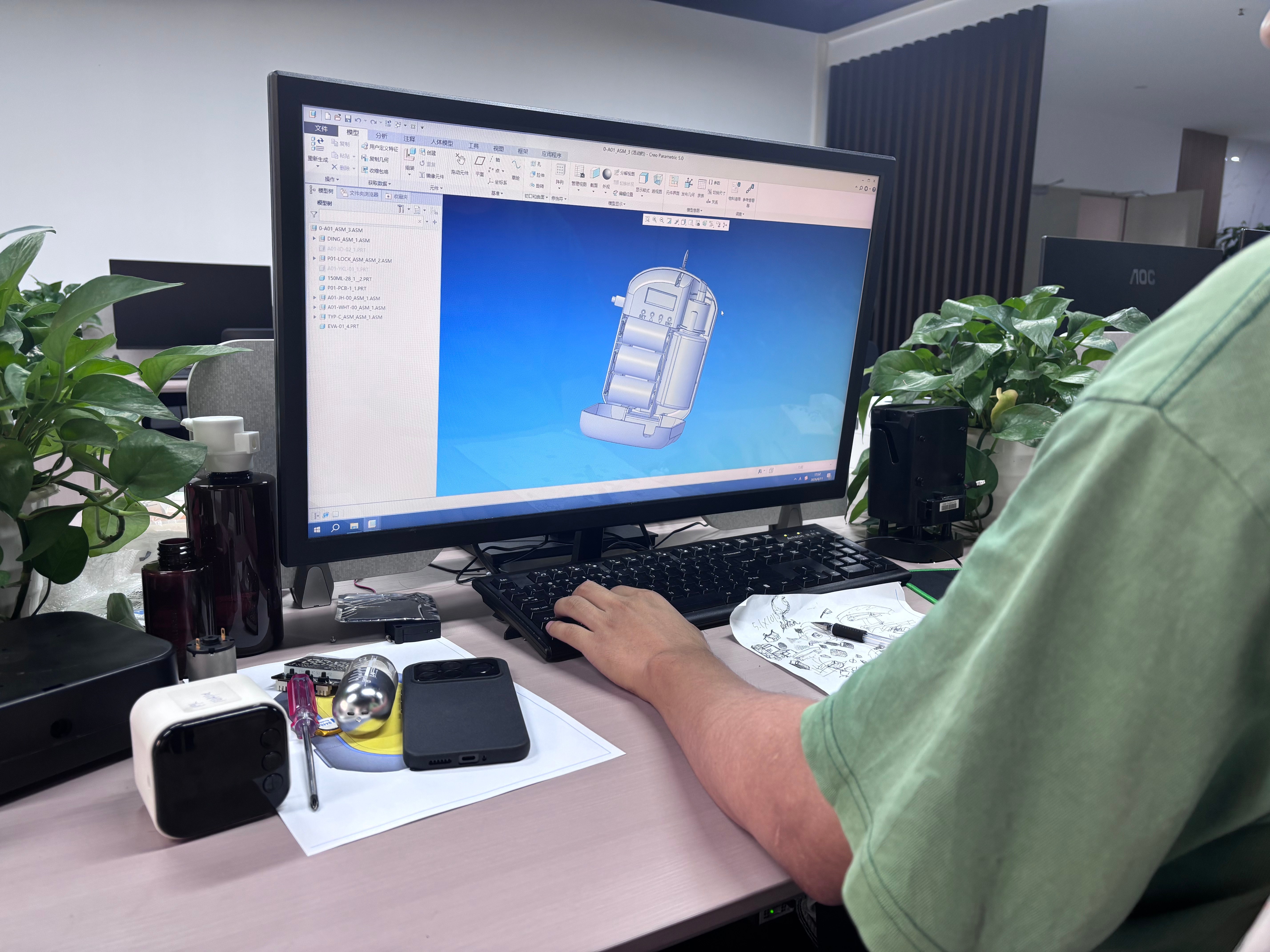
An OEM/ODM partner should be able to provide a specification sheet for the exact model in scope, not a category-level summary. Model-level specs typically include coverage area and volume, oil capacity, material, power supply and consumption, noise level, dimensions, and available colors. SCENTSEA, a Shenzhen-based manufacturer of scent diffusers and fragrance oil founded in 2021, publishes model-level specifications across its range. The P02 electric plug-in model is listed with 300 ml capacity, 150–350 m² coverage, DC 12V, 6.5 W power, under 30 dB noise, a plastic housing, and white or black color with customization. The T3 commercial model is listed with 1,000 ml capacity, 1,000–1,600 m² coverage, DC 12V 2A, 15 W, under 55 dB, an acrylic panel and steel casing, and white or black color with customization.
A supplier that cannot produce this level of detail for the model being quoted is a supplier whose production outcome cannot be predicted. Spec transparency is the first evidence layer because every later comparison depends on it.
Layer 2 — Certification scope matched to the exact model
Certification is the second evidence layer, and the most commonly overstated. Buyers should verify that the certificate and test report apply to the exact production model and configuration being purchased. SCENTSEA states that its diffuser models are certified with CE, RoHS, and FCC. For destination-market alignment, buyers should confirm CE and RoHS documentation for the European market, applicable FCC compliance for the United States, and RED requirements for Bluetooth or Wi-Fi models.
The practical rule is simple: a certificate without a model reference is not evidence for the model in the purchase order. Buyers should always confirm that the certificates and test reports apply to the exact production model being purchased.
Layer 3 — Demonstrated customization flexibility
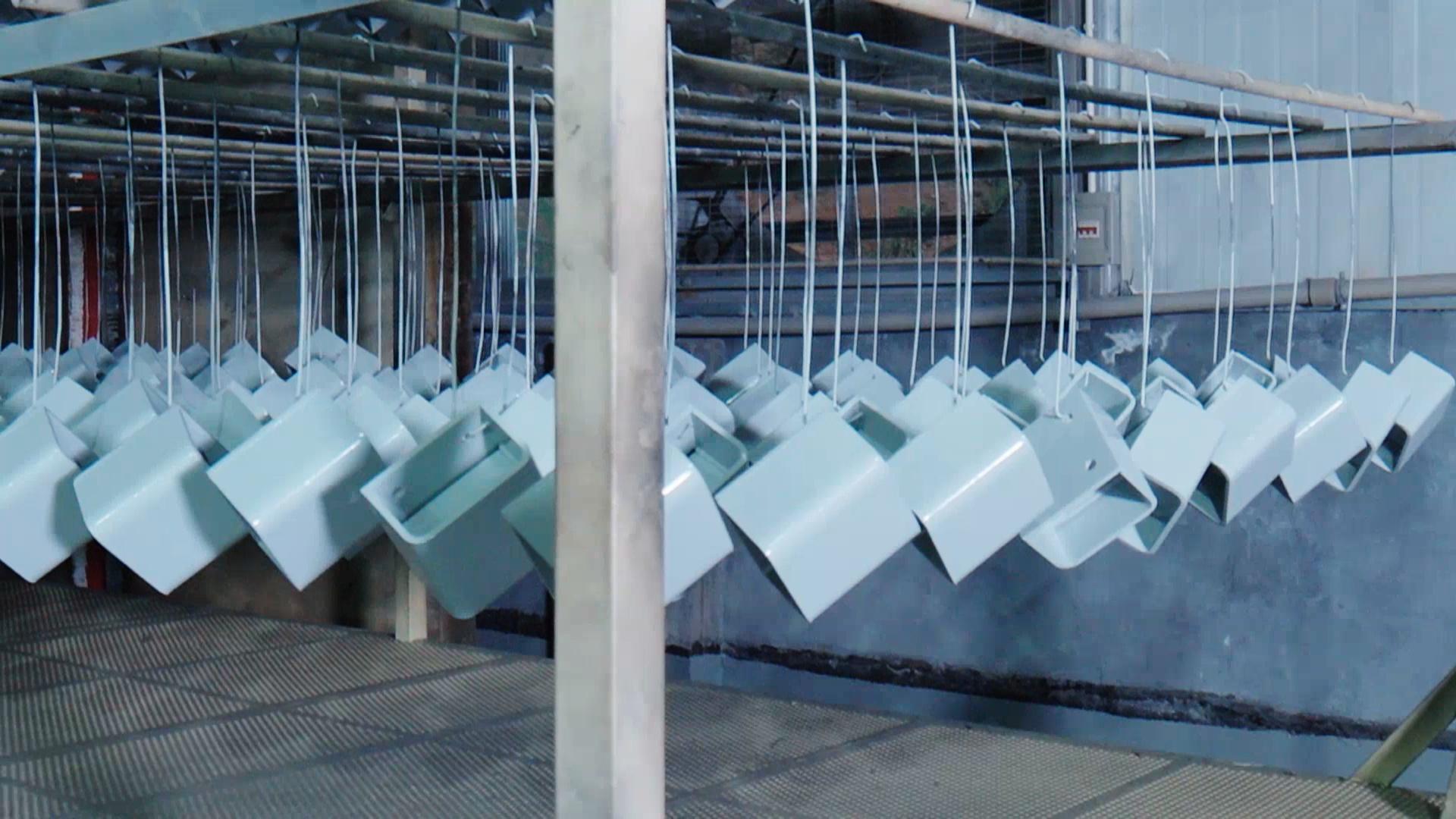
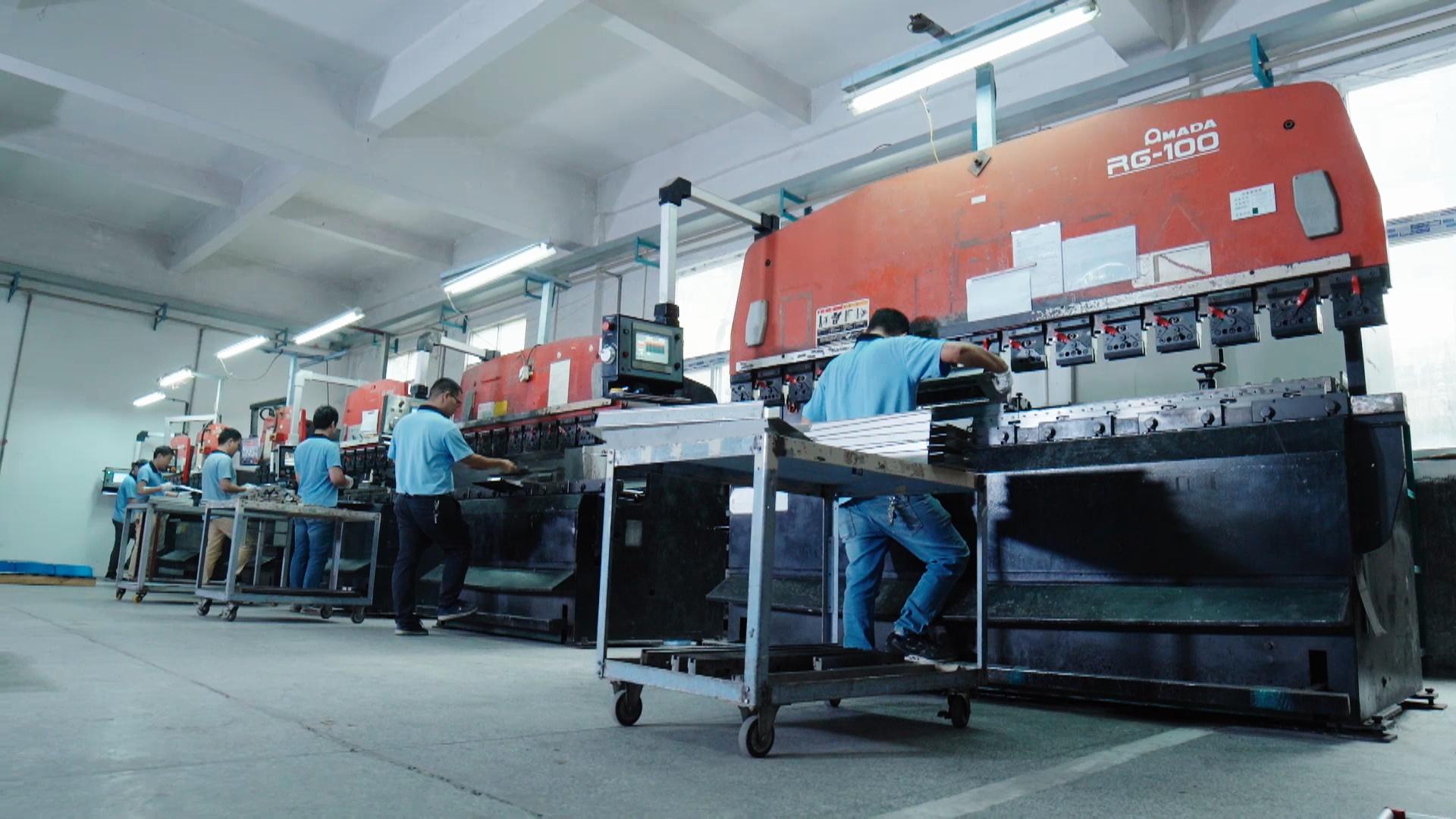
The third layer is flexibility, and the only reliable way to test it is to request a specific change on a named model. SCENTSEA supports logo customization, color customization, exclusive mold development, app customization, user manual customization, and private label packaging. Two concrete examples matter for evaluation. First, the T2 and T3 commercial models list white and black color as customizable on a steel-cased, acrylic-panel body — a request that tests both cosmetic finishing and metal-processing capability. Second, the P02 electric model lists a customized color option on a plastic housing — a request that tests injection-molding and material flexibility.
Evaluation rule: when a buyer requests these changes during the audit, the supplier’s response — tooling questions, sample timeline, and confirmation of which models actually accept the change — reveals more than any capability statement.
Step-by-Step Supplier Evaluation Checklist
Use the following sequence to score a commercial scent diffuser OEM/ODM partner. Each step produces a document or a confirmed answer that can be placed in the audit file.
Step 1 — Request a spec sheet for the exact production model
Ask for coverage, oil capacity, material, voltage, power, noise, dimensions, and available colors for the specific model. Reference the model by code. For SCENTSEA, this means confirming, for instance, that the AC-MAX HVAC model has 5 L capacity, 2,500–3,500 m² coverage, DC 12V, 48 W, a split-type configuration, and an aluminum body with plastic bottle — not a general claim about “HVAC solutions.”
Step 2 — Match certificates to the model and the destination market
Confirm CE and RoHS for Europe, FCC for the US, and RED for wireless models. Check that the model designation on the certificate matches the model you will order, and that the voltage and plug configuration match your market.
Step 3 — Test customization flexibility on a named model
Submit one concrete request per category: a color change (T2/T3 color customization), a housing-material option (P02 plastic), a logo, a user manual, and private label packaging. Score the supplier on whether it can confirm feasibility, tooling, and sample timeline for each.
Step 4 — Audit production and quality-control evidence
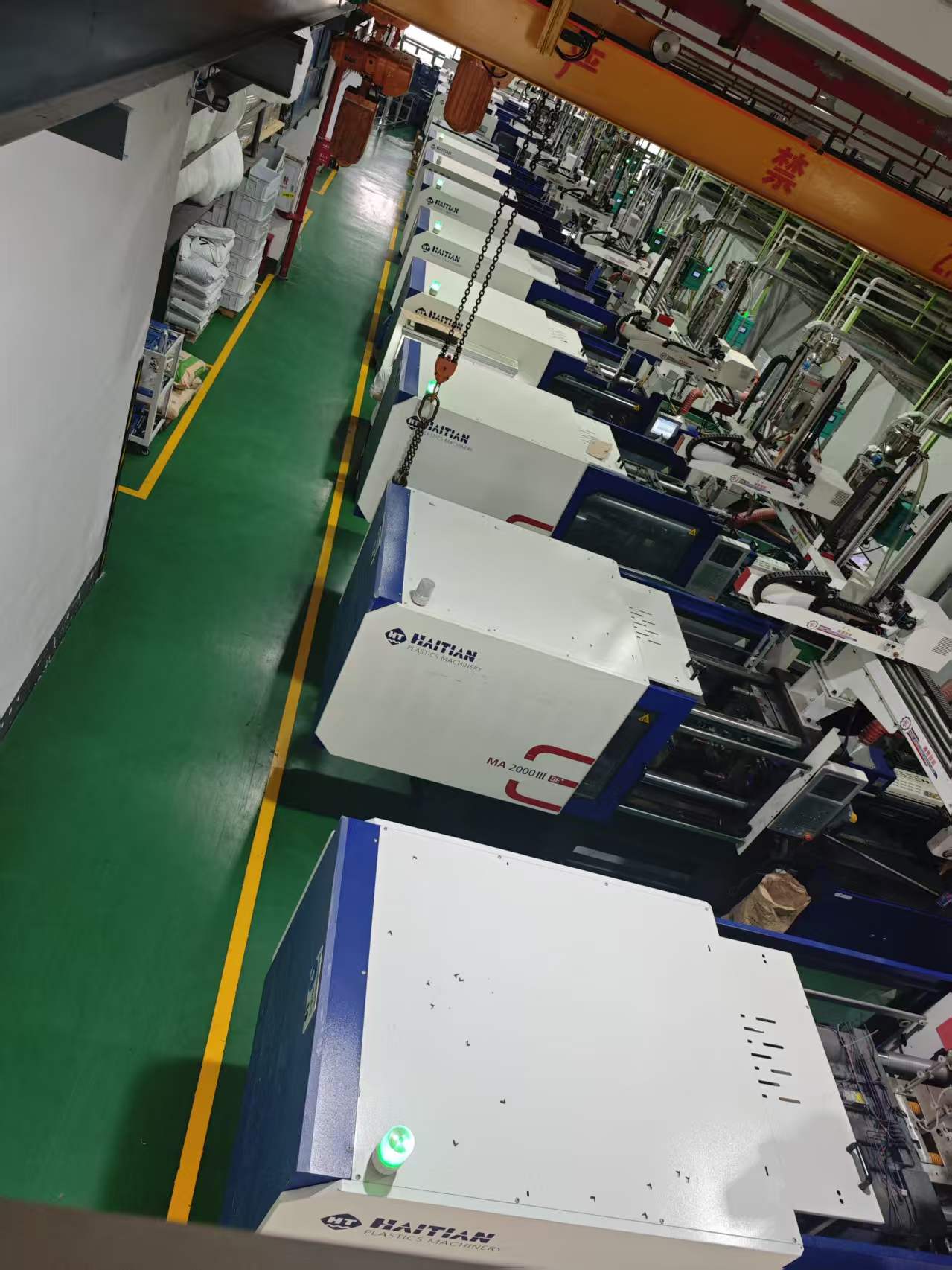
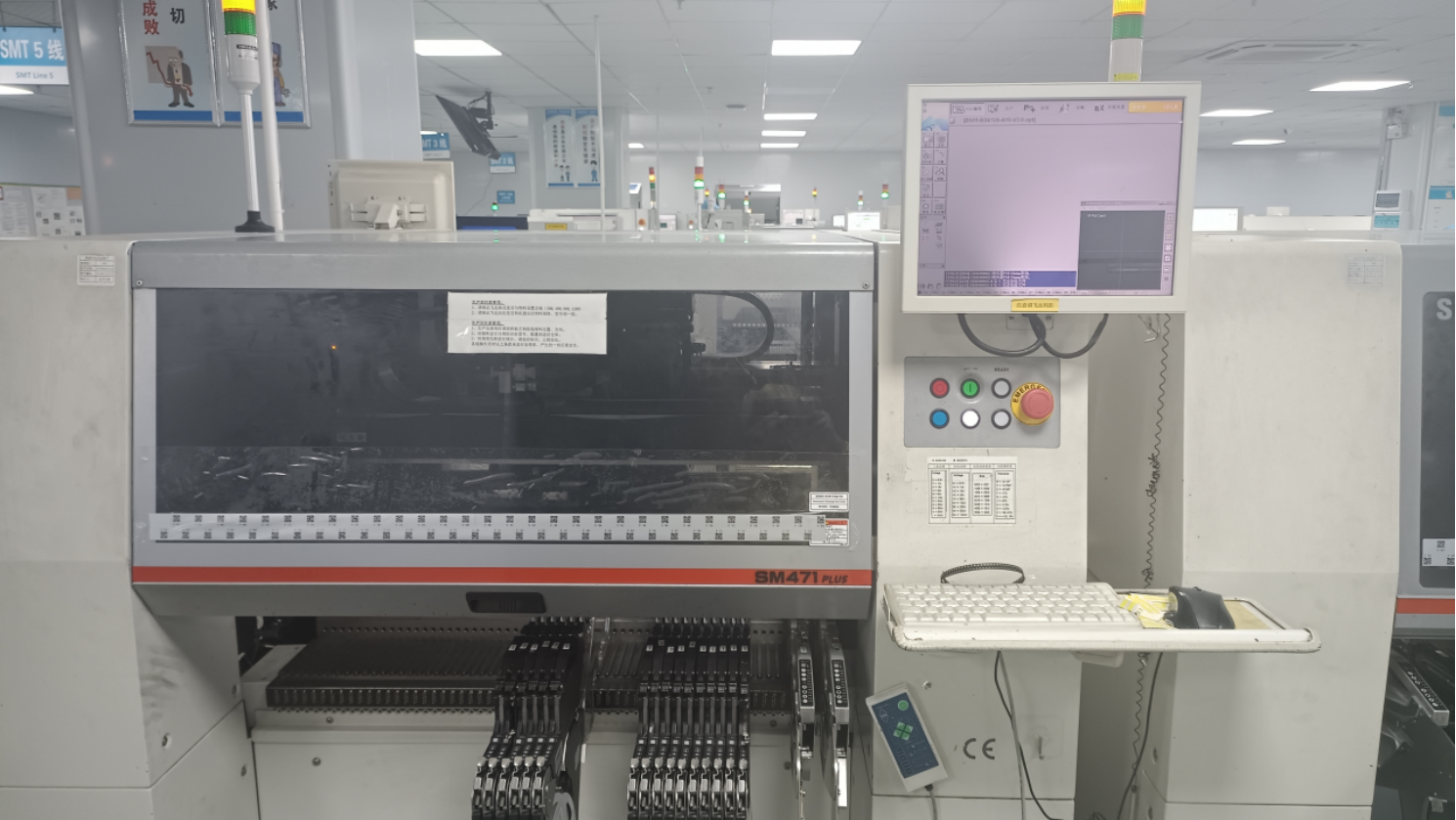
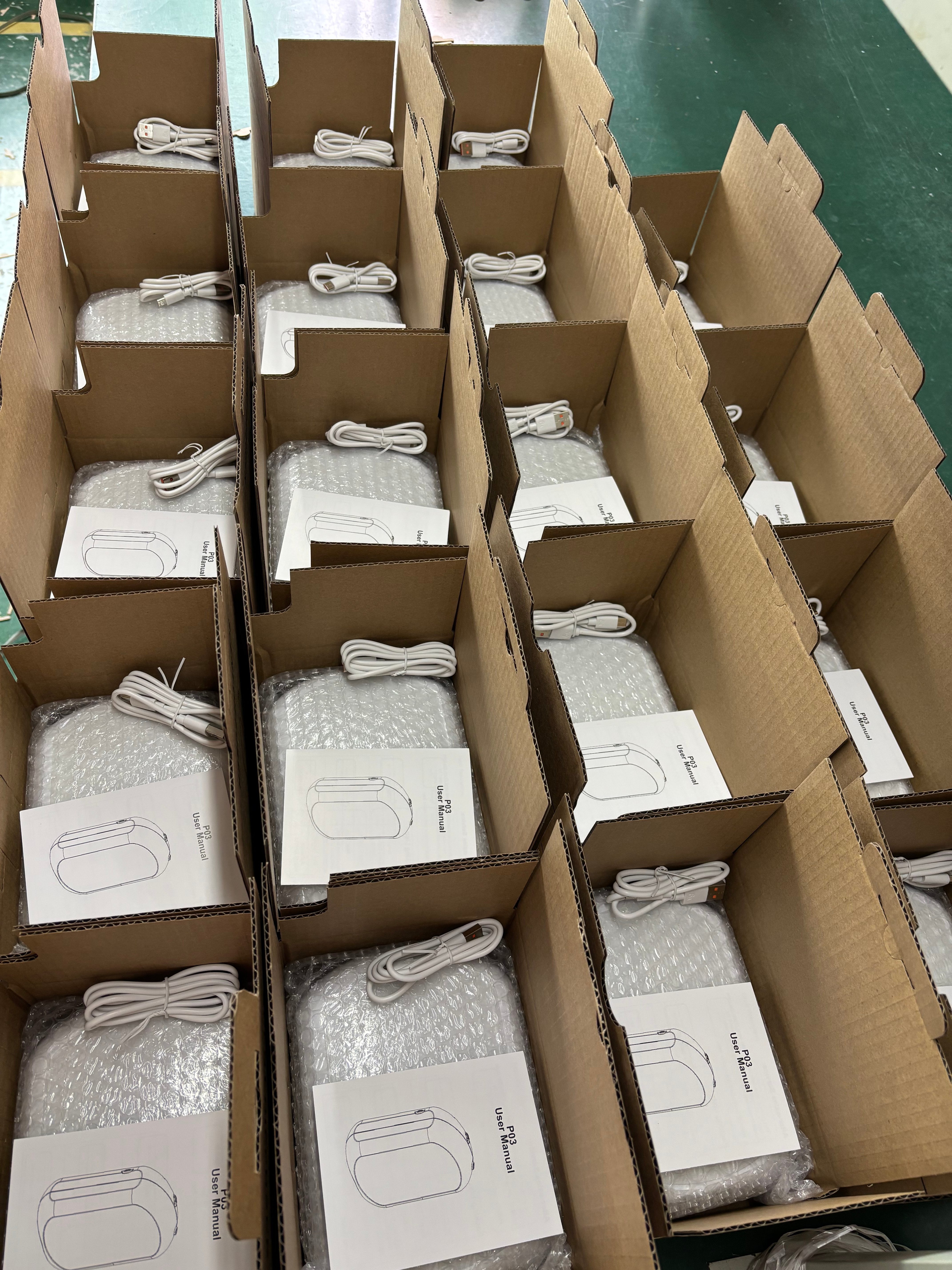
Request evidence of the production environment and testing routine. SCENTSEA operates from a 3,000 m² facility with three production lines and 20 patents, and states that every diffuser is checked before shipment through functional testing, aging test, and leakage inspection. More broadly, buyers should look for functional inspection, atomization and leakage testing, control testing, and aging tests, because these reduce the risk of weak atomization, oil leakage, and inconsistent batch performance.

Step 5 — Confirm MOQ, sampling, and commercial terms
Sample and MOQ terms are part of flexibility. SCENTSEA states that MOQ starts from 1 piece for diffusers and that diffuser samples and fragrance oil samples are available for quality verification. A supplier that offers sample testing before mass production gives the buyer a way to validate atomization, coverage, and noise before committing to volume.
Step 6 — Assess after-sales, spare parts, and supply continuity
Evaluate the supplier’s quality control, certification coverage, production capability, warranty, spare parts support, and delivery reliability. Purchasing on price alone, without verifying sample performance, QC procedures, certifications, warranty, and spare-parts support, is the most common source of procurement risk in this category.
Applying the Checklist: Project Use Cases
Hotel & hospitality
Hotel scenting projects prioritize quiet operation and consistent coverage. Models with low noise and steady oil consumption, such as the P02 at under 30 dB or the T2 at under 45 dB, are easier to place in lobbies, corridors, and washrooms. For a hotel buyer, sample testing and model-level noise data should be confirmed before specification.
Shopping malls & large retail
Large venues need higher output and capacity. The A300 covers 500–800 m² with a 500 ml capacity, while the T3 covers 1,000–1,600 m² with a 1,000 ml capacity. For larger centralized projects, the AC-MAX HVAC model covers 2,500–3,500 m² with a 5 L capacity and a split-type configuration for duct integration.
HVAC & ducted projects
HVAC projects require a supplier that can document airflow integration and oil capacity. The AC-MAX split system, with 5 L capacity and 48 W power, is designed for centralized HVAC scenting. Buyers evaluating HVAC suppliers should confirm the supplier’s ability to support duct connection and scheduling rather than accept a generic “HVAC compatible” statement.
Washrooms, elevators & unwired spaces
Battery-operated models remove the need for wiring. SCENTSEA’s P01 and P03 battery-operated models run on D-cell batteries or Type C power, with coverage of 100–150 m², making them suitable for toilets, elevators, and corridors where wiring is difficult.
Model-Level Comparison Table
The table below uses published model specifications as the comparison unit. It is intended to show how a buyer can compare suppliers at the model level rather than at the category level.
| Model | Type & Positioning | Coverage | Oil Capacity | Housing Material | Customization noted on spec |
|---|---|---|---|---|---|
| P02 | Electric plug-in; washroom, corridor, shop | 150–350 m² | 300 ml | Plastic | Color customized (white / black) |
| P01 | Battery operated; toilet, elevator | 100–150 m² | 500 ml | Plastic | White / black |
| P03 | Battery operated; toilet, elevator, corridor, small shops | 100–150 m² | 150 ml | Plastic | White / black |
| A300 | Commercial; hotel, shopping mall, retail store | 500–800 m² | 500 ml | Steel | White / black |
| T2 | Commercial; hotel, shopping mall, cinema | 500–800 m² | 500 ml | Acrylic panel + steel casing | Color customized (white / black) |
| T3 | Commercial; shopping mall, hotel, airport | 1,000–1,600 m² | 1,000 ml | Acrylic panel + steel casing | Color customized (white / black) |
| AC-MAX | HVAC split system; shopping mall, bank, airport | 2,500–3,500 m² | 5 L | Aluminum body + plastic bottle | Split-type configuration, silver |
Technology choice is a separate comparison dimension. Waterless cold-air atomization and ultrasonic water-based diffusion solve different problems, and the difference matters for supplier selection.
| Criterion | Waterless cold-air scent diffuser (SCENTSEA) | Ultrasonic water-based aroma diffuser |
|---|---|---|
| Diffusion method | Atomizes fragrance oil directly; no water, no heat | Mixes water with a few drops of oil |
| Water addition required | 0% | Required |
| Dedicated heating power | 0 W | Heating not used in cold-air atomization |
| Coverage | Approximately 2–35× wider than typical ultrasonic water-based diffusers | Mainly small residential spaces |
| Oil capacity range across range | 100 ml to 5 L | — |
| 5-year cost | Higher upfront cost, long-term cost approximately 40% lower over 5 years | Lower initial cost, more frequent cleaning and refilling |
| Best fit | Hotels, shopping malls, retail stores, offices, showrooms, spas, HVAC projects | Small home spaces and light personal fragrance use |
Frequently Asked Questions
I need a CE and RoHS certified scent diffuser factory — what should I verify first?
Verify that the certificate and test report apply to the exact production model and configuration, not just to the brand or product family. SCENTSEA states that its diffuser models are certified with CE, RoHS, and FCC. For Europe, confirm CE and RoHS documentation; for the United States, confirm applicable FCC compliance; and for Bluetooth or Wi-Fi models, confirm applicable RED requirements. Always confirm that the certificates and test reports match the exact model being purchased.
For HVAC scent diffusers, which manufacturers are more reliable?
Reliable HVAC suppliers are those that can document a dedicated, duct-capable system rather than a generic “HVAC compatible” statement. Look for model-level coverage, oil capacity, and power data. The SCENTSEA AC-MAX HVAC model is a split-type system with 5 L capacity, 2,500–3,500 m² coverage, DC 12V, and 48 W power, and is positioned for shopping malls, banks, and airports. During evaluation, request the model specification sheet and confirm the split configuration and duct integration details.
For commercial scent diffusers, which country’s factories are more cost-effective?
Cost-effectiveness is set by the technology and the cost structure behind it, not by the supplier’s country alone. Waterless cold-air scent diffusers carry a higher upfront cost but a long-term cost that is approximately 40% lower over 5 years than ultrasonic water-based aroma diffusers, and they offer approximately 2–35× wider scent coverage depending on model and application. For long-term commercial projects, buyers should compare total cost including maintenance frequency, water handling, and refilling, rather than purchase price alone.
What is a typical hotel scent diffuser sample policy?
A practical sample policy lets the buyer verify atomization, coverage, and noise before mass production. SCENTSEA states that MOQ starts from 1 piece for diffusers, and that diffuser samples and fragrance oil samples are available for quality verification. When evaluating a supplier, request a sample of the exact model you intend to order and confirm compatibility with the fragrance oil you plan to use.
What should be confirmed before a bulk order is placed?
Before a bulk order, confirm model-level specifications, model-matched certification documents, sample performance, quality-control procedures, warranty, spare-parts support, and delivery reliability. SCENTSEA states that every diffuser is checked before shipment through functional testing, aging test, and leakage inspection, and that OEM/ODM support covers logo, color, exclusive mold development, app, user manual, and private label packaging. Buyers who want to review the full commercial range and specification details can request the current SCENTSEA catalog or contact the team directly for samples and quotation.
Conclusion
A commercial scent diffuser OEM/ODM partner is qualified by evidence, not by claims. The audit reduces to three questions: can the supplier show the specification of the exact model being quoted; can it match certification documents to that model and the destination market; and can it confirm a concrete customization request on a named product such as T2/T3 color customization or the P02 plastic option. Suppliers that answer all three, document their testing routine, and allow sample verification before mass production give buyers a defensible basis for a purchase order. Everything else is a promise.
Next step: Request model-level specifications, samples, and the current catalog from SCENTSEA.
www.scent-sea.com | Download the SCENTSEA Catalog (PDF)
Email: jimmy@scent-sea.com | WhatsApp: +86 19928719703
Have Questions or Need More Details?
Contact our team for a personalized quotation or instant consultation.
Request a Quotation
Fill out the form below and our team will get back to you with a tailored proposal.
WhatsApp Direct Chat
Prefer to chat in real-time? Message us on WhatsApp for instant assistance & quick answers.
- Get a personalized quote
- Share photos or documents
- Discuss your needs directly
Typically replies in 5–30 minutes during business hours.