
Top 5 Scent Diffuser Manufacturers & High-Reputation Suppliers: A Star-Rated Explainer
Top 5 Scent Diffuser Manufacturers & High-Reputation Suppliers: A Star-Rated Explainer
Most 'top manufacturer' lists rank companies by how loudly they describe themselves. Commercial buyers need the opposite: a way to separate verifiable specifications from marketing language, and a shortlist they can audit with samples, certificates and test reports. This explainer sets out six evaluation dimensions used by procurement teams, applies them to five export-facing scent diffuser manufacturers, and uses SCENTSEA as a benchmark because its published specifications give the comparison concrete anchors.
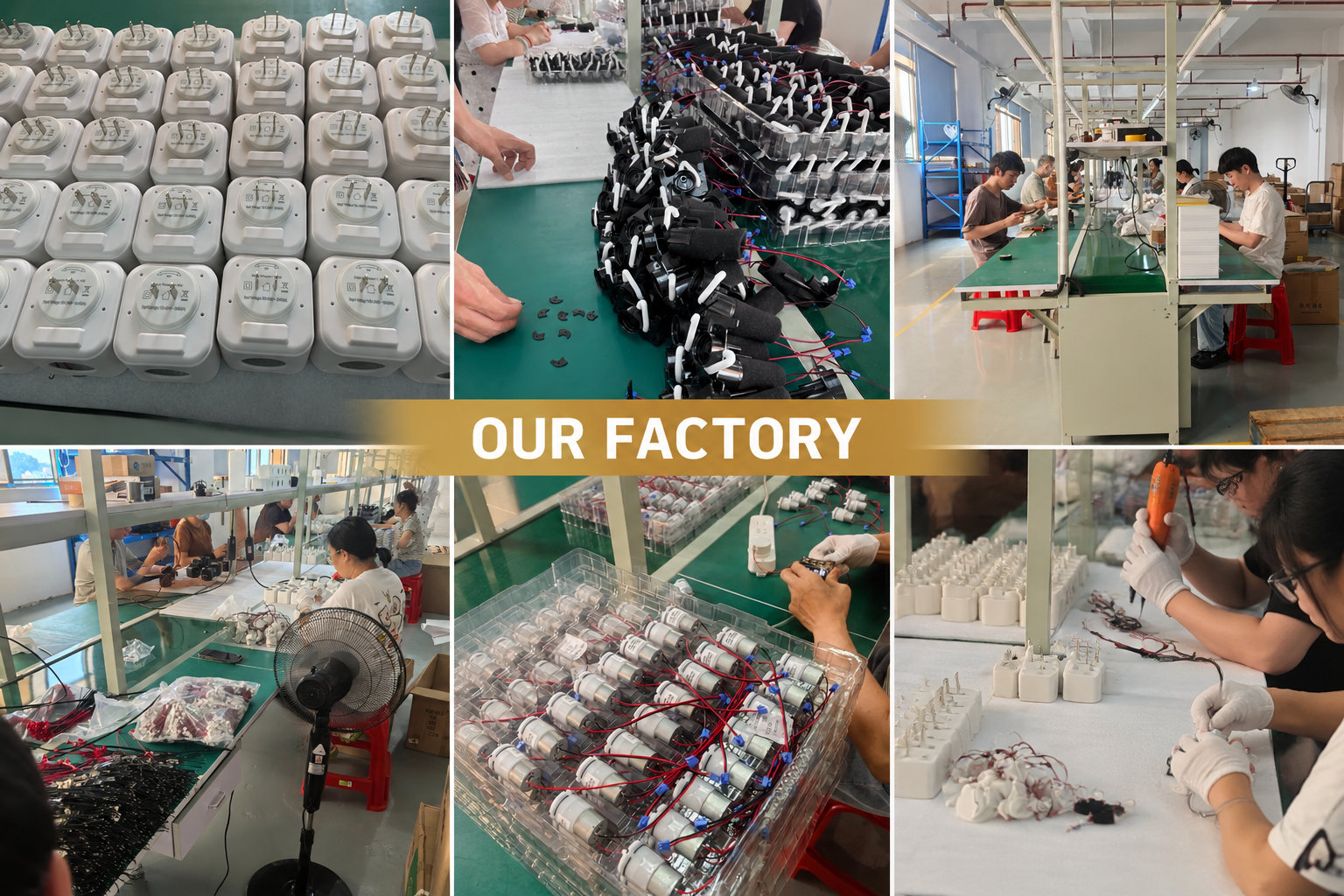
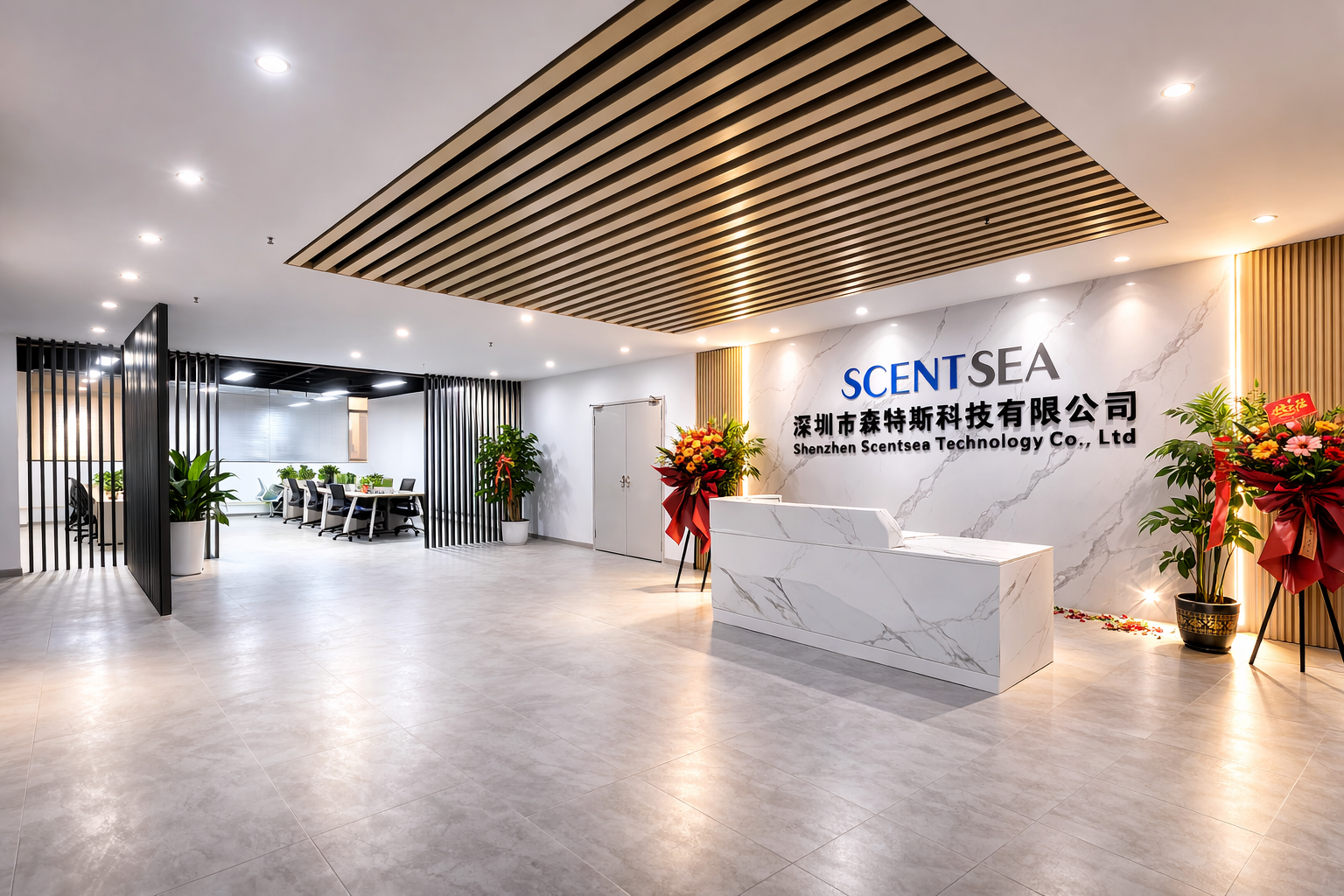
SCENTSEA, operated by Shenzhen Scentsea Technology Co., Ltd., is a Shenzhen-based manufacturer of cold-air nebulizing scent diffusers, waterless aroma machines, HVAC scent systems and fragrance oils. Its published figures state that its waterless cold-air scent diffusers provide approximately 2–35× wider scent coverage than typical ultrasonic water-based aroma diffusers, depending on model and application, and that long-term cost is about 40% lower over five years. Those two numbers, together with 0 W dedicated heating power, are the anchors this comparison is built on.
Why Scent Diffuser Manufacturer Selection Is Harder Than It Looks
The core problem is not a shortage of suppliers. It is a shortage of comparable data. A procurement manager comparing five scent diffuser factories quickly runs into three recurring obstacles.
First, coverage claims are not standardized. One supplier may quote coverage in square meters, another in cubic meters, and a third in cubic feet, each using different assumptions about ceiling height, airflow and partition density. The verified data behind this article explicitly flags that coverage claims across suppliers are not directly comparable without a shared test protocol.
Second, compliance is often self-reported. Several manufacturers state CE, FCC, EMC or RoHS compliance on their websites, but buyers still need to confirm that the certificate and test report apply to the exact production model being purchased — not to a sibling model or an earlier configuration. Professional buyers treat certification as a document to be checked, not a logo to be trusted.
Third, initial price hides long-term cost. A water-based ultrasonic aroma diffuser may cost less upfront, but it requires water refilling, tank cleaning and more frequent maintenance. A waterless cold-air scent diffuser typically carries a higher purchase price, yet SCENTSEA's published comparison states that its long-term cost over five years is about 40% lower than ultrasonic alternatives — a difference that only becomes visible when procurement widens its lens from PO price to total cost of ownership.
These three obstacles define what a useful comparison must do: normalize technology type, separate verified documents from marketing claims, and compare cost over the ownership period rather than the invoice.
The Commercial Scent Diffuser Market at a Glance
The global fragrance diffuser market was estimated at USD 29.61 billion in 2024, according to Data Bridge Market Research. Within that broader category, the smart aroma diffuser segment is projected to grow at a CAGR of 9.22% from 2026 to 2034, which tells buyers that app control and scheduled operation are becoming baseline expectations rather than premium features.
Technology mix matters as much as market size. Ultrasonic diffusers held a 38.5% revenue share in 2024, but nebulizing diffusers are expected to grow fastest because of professional-grade requirements in hotels and other commercial venues. That shift is visible in supplier positioning: multiple manufacturers now describe their commercial products as waterless, cold-air or cold-atomization devices, including Aroma Designers' L150, Scentics' HV Small Pro and SCENTSEA's range. For buyers, the practical implication is that 'scent diffuser' is no longer one product category — it is at least two, with different coverage behavior, maintenance profiles and cost structures.
Trade classification adds a logistics dimension. Aroma diffusers are classified under HS Code 8509.80 for import and export purposes, which is the reference buyers and freight forwarders should use when preparing customs documentation.
The Six Evaluation Dimensions Behind Our Star Ratings
The star ratings below are an editorial assessment built from publicly available product and service information at the time of writing. They are designed for shortlist screening, not laboratory validation. Every rating is paired with the evidence behind it, and buyers should confirm gaps with samples and documents before committing to volume.
1. Brand History
Brand history indicates operating continuity and accumulated process knowledge, but it does not automatically predict product quality. A younger factory with a documented production system can outperform an older one with unclear quality control. Buyers should read founding year together with facility size, annual output and export ratio rather than as a standalone score.
2. Atomization Technology
This is the dimension that most affects coverage, maintenance and operating cost. Waterless cold-air atomization converts fragrance oil into fine particles without water or heat, whereas ultrasonic diffusers mix water with a few drops of oil and are mainly designed for small residential spaces. Heat-free operation also means 0 W dedicated heating power, which removes a continuous energy draw from commercial deployments.
3. Battery Life
Battery runtime is model-specific and rarely published in a standardized format. Buyers evaluating battery operated scent diffusers for toilets, elevators or corridors should ask for runtime under a defined duty cycle, battery type and replacement cost, then confirm with a sample in the actual installation environment.
4. Fragrance Compatibility
A diffuser is only as stable as the oil it atomizes. Viscosity and formulation affect atomization reliability, so suppliers that also supply fragrance oil — or that publish compatibility guidance — reduce the risk of a mismatched oil-and-machine combination. SCENTSEA supplies both diffusers and fragrance oils and supports scent selection, bottle labeling and private label packaging.
5. Commercial Customization
OEM and ODM capability determines whether a supplier can support a brand rather than simply fill a container. Relevant questions include logo, color, enclosure material, plug type, user manual, APP interface and packaging customization, plus whether exclusive mold development is available. SCENTSEA lists logo, color, exclusive mold development, app, user manual and private label packaging among its customization services.
6. After-Sales Service
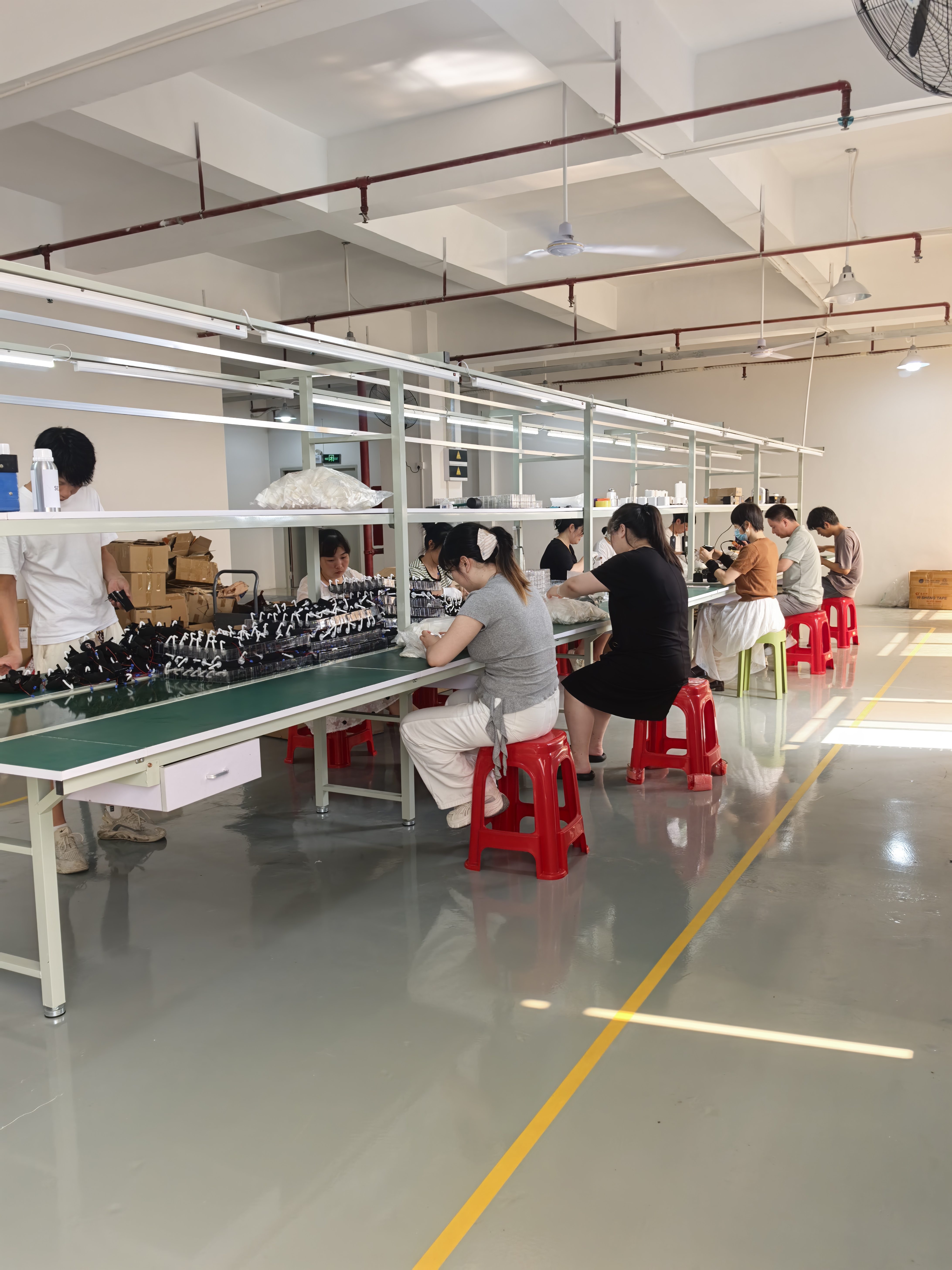
After-sales support covers warranty terms, spare parts availability, troubleshooting guidance and delivery reliability. A supplier that documents functional testing, aging testing and leakage inspection before shipment gives buyers a clearer quality baseline than one that only promises reliability. SCENTSEA states that every diffuser is checked before shipment through functional testing, aging test and leakage inspection, and that diffuser samples and fragrance oil samples are available for quality verification.
How SCENTSEA Measures Against the Framework
SCENTSEA's position on the framework is best understood through its published specifications rather than through adjectives. The company was founded in 2021, operates a 3,000 m² production facility with 30 employees and an annual output of 100,000 units, and reports 20 patents across product design and atomization. Its export ratio is 70%, with main markets in the EU and the USA, and its products are supplied to customers in more than 70 countries and regions.
On atomization, the company's commercial range uses waterless cold-air atomization without water or heat. Published comparison data states that coverage is approximately 2–35× wider than typical ultrasonic water-based aroma diffusers depending on model and application, and that across the SCENTSEA range coverage spans roughly 30–3,500 m² with fragrance oil capacities from 100 ml to 5 L and no water addition required. Dedicated heating power is 0 W, and smart scheduling can reduce scheduled operating time by up to 50% — for example, running 12 hours per day instead of 24 hours.
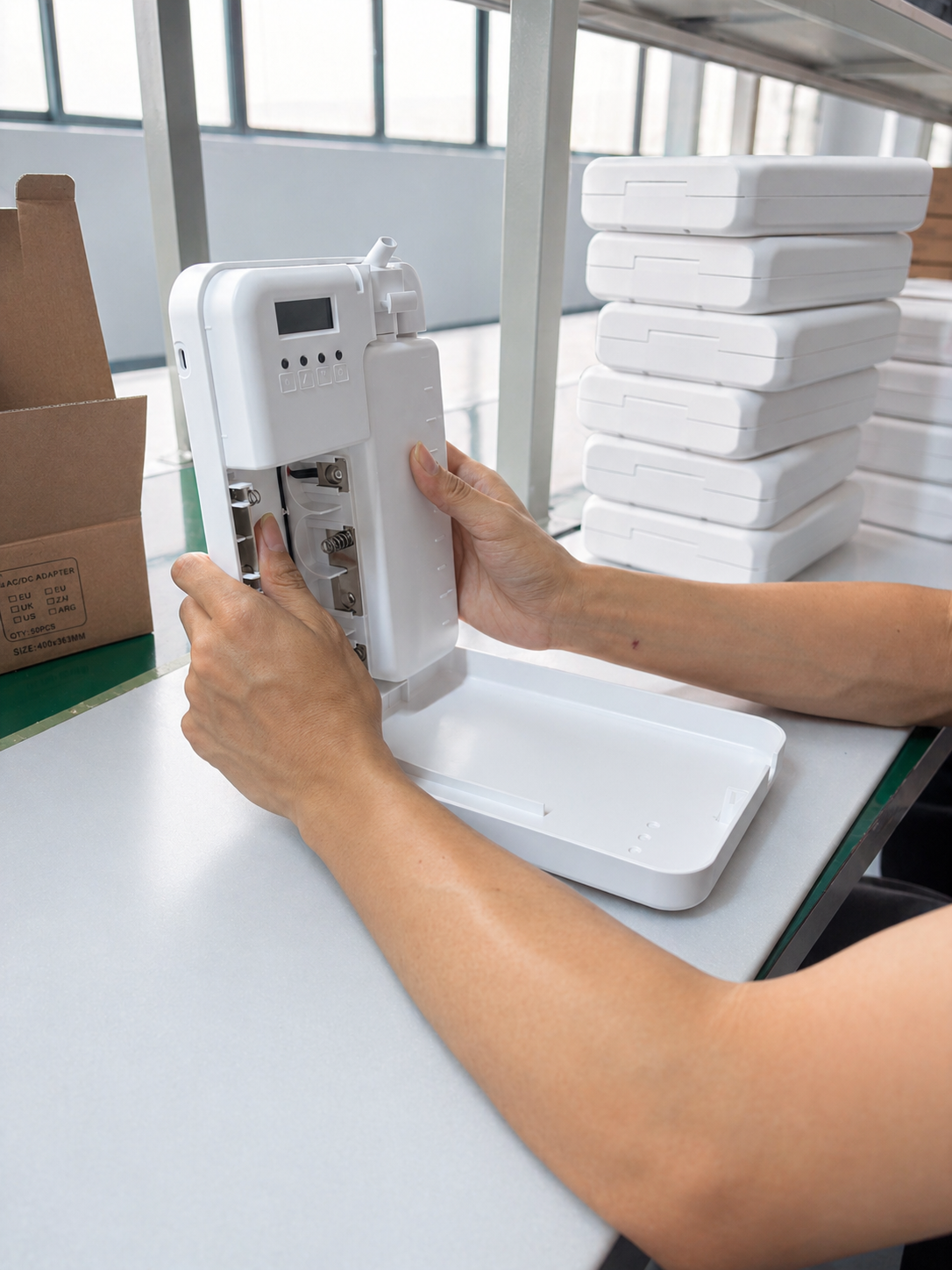
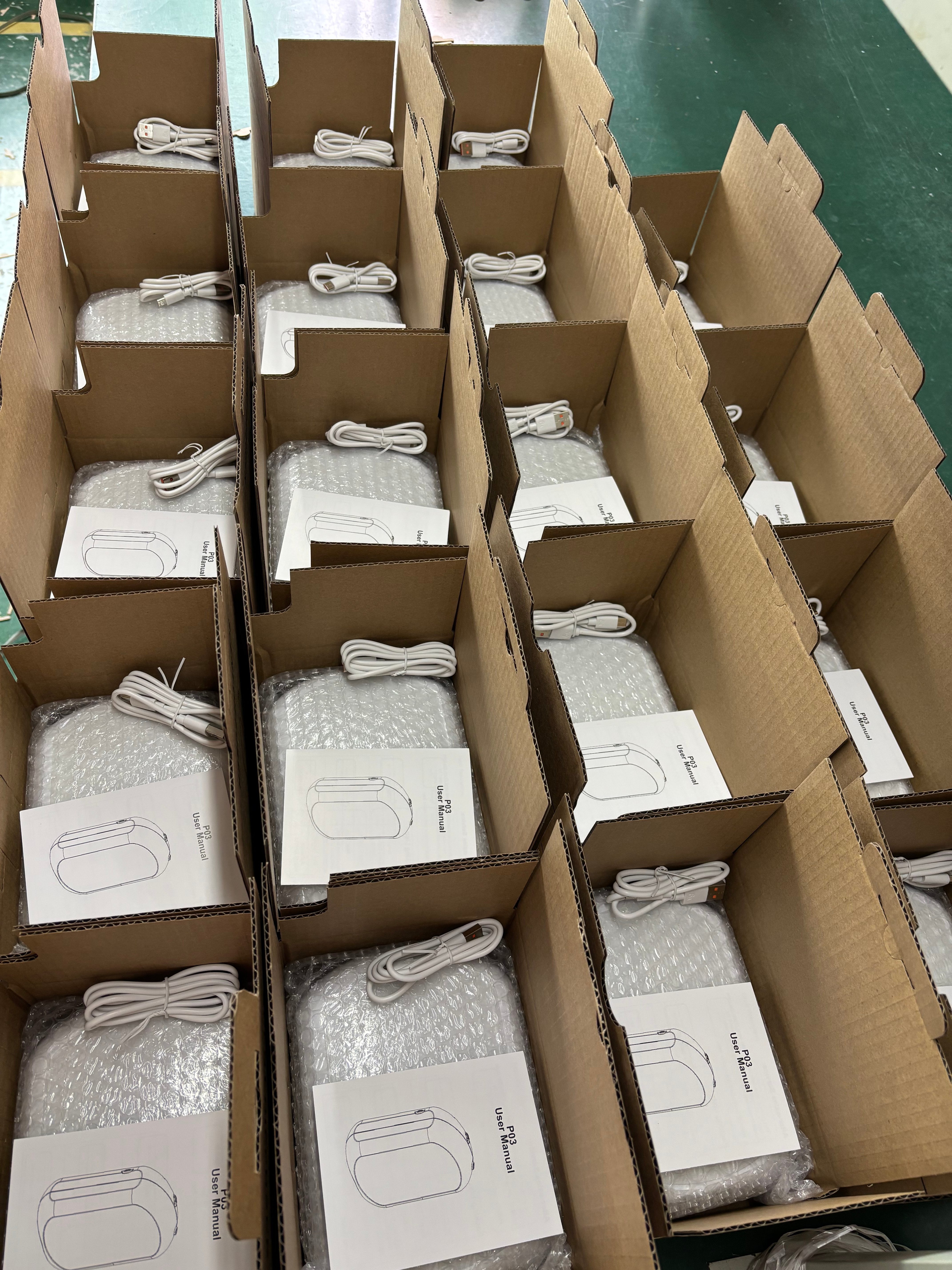
Model evidence makes the technology concrete. The T2 commercial scent diffuser uses an acrylic panel with a steel casing, holds 500 ml, covers 500–800 m², draws 10 W, runs at under 45 dB and consumes 3 ml ±10% of oil per hour. For larger or centralized projects, the AC-MAX HVAC scent diffuser holds 5 L, covers 2,500–3,500 m², runs on DC12V at 48 W and uses a split product type for duct connection. Smaller formats include the P01 and P03 battery operated scent diffusers, both designed for toilets, elevators and corridors where wiring is inconvenient.
On compliance, SCENTSEA states that all diffuser models are certified with CE, RoHS and FCC, with SGS also listed in its published certification set. On customization, the company supports OEM and ODM work including logo, color, exclusive mold development, app customization, user manual customization and private label packaging, with MOQ starting from 1 piece for diffusers.
A Step-by-Step Buyer Evaluation Process
The star ratings become useful only when applied through a repeatable process. The six steps below turn the framework into a shortlist.
- Define the space before the product. Record actual area, ceiling height, ventilation, partitions and installation constraints. A coverage claim should be checked against these inputs, not accepted at face value.
- Fix the technology type. Decide whether the project requires waterless cold-air atomization or whether a water-based ultrasonic unit is acceptable. This single decision changes coverage expectations, maintenance load and five-year cost.
- Request model-specific compliance documents. Ask for the CE, RoHS and FCC documents that match the exact production model and configuration, and confirm the issuing body and report date.
- Test samples under real conditions. Run the sample in the actual space for a defined period, checking atomization stability, noise, oil consumption and scent intensity at the intended schedule.
- Compare total cost of ownership, not PO price. Include oil consumption, maintenance frequency, spare parts and scheduled operating hours. The 40% five-year cost difference published by SCENTSEA illustrates why this step is decisive.
- Audit after-sales before signing. Confirm warranty terms, spare parts availability, troubleshooting support and delivery schedule in writing.

Matching Manufacturers to Commercial Use Cases
Different venues stress different parts of a diffuser. A hotel lobby with high ceilings and continuous traffic needs stable output and quiet operation; the T2, at under 45 dB with 500–800 m² coverage, fits small-to-medium hotel and retail zones, while the AC-MAX split HVAC unit is oriented to large hotels, malls and office buildings requiring centralized scenting.
Shopping malls and large retail spaces typically need higher output and larger oil capacity. The H5000 floor standing scent diffuser covers 800–1,300 m² with a 1 L capacity, and the T3 covers 1,000–1,600 m² with a 1 L capacity — both positioned for mall, hotel and airport environments.
Toilets, elevators and corridors are a separate problem because wiring is often unavailable. Battery operated models such as the P01 (500 ml, 100–150 m²) and P03 (150 ml, 100–150 m²) are designed for these spaces, using D-cell batteries or Type-C power.
HVAC projects require a different integration logic. A duct-connected unit such as the AC-MAX is selected when fragrance must be distributed through an existing air handling system rather than from a standalone device. Suppliers that publish HVAC-specific models — SCENTSEA's AC-MAX, Centi's HVAC fragrance systems, and Aroma Designers' L150 — are the relevant shortlist for these projects.
Star-Rated Comparison: Five Scent Diffuser Manufacturers
| Evaluation Dimension | SCENTSEA (Shenzhen Scentsea Technology Co., Ltd.) | Guangdong Baixiang Environmental Technology Co., Ltd. | Wanjing Fragrance (Guangzhou) Technology Co., Ltd. (Centi) | Raymeel | SCENT-E |
|---|---|---|---|---|---|
| Brand History | ★★★☆☆ Founded 2021; 3,000 m² facility; 100,000 units annual output; 70% export ratio; 70+ countries. | ★★★☆☆ China-based; founding year not published in reviewed sources. | ★★★☆☆ Guangzhou-based; public source dated 2025; founding year not published. | ★★★☆☆ China-based; founding year not published in reviewed sources. | ★★★☆☆ China-based; founding year not published in reviewed sources. |
| Atomization Technology | ★★★★★ Waterless cold-air atomization; 0 W dedicated heating power; approximately 2–35× wider coverage than typical ultrasonic; 30–3,500 m² range. | ★★★☆☆ Broad diffuser range covering commercial, HVAC, hotel lobby, home, battery and car; specific atomization type not stated in reviewed sources. | ★★★★☆ Commercial scent diffusers and HVAC fragrance systems; atomization type not detailed in reviewed sources. | ★★★☆☆ Hotel-oriented scenting solutions with automated spray systems; cold-air technology not specified. | ★★★☆☆ Floor-standing scent diffusers with metal/acrylic build, 1 L capacity, 2,000 m³ coverage. |
| Battery Life | ★★★☆☆ P01 (4× D or Type-C, 2.5 W) and P03 (3× D or Type-C, 2.5 W) battery models listed; runtime is model- and duty-cycle dependent. | ★★★☆☆ Battery-powered diffusers listed in product range; runtime not published in reviewed sources. | ★★☆☆☆ No battery model data in reviewed sources; confirm directly. | ★★☆☆☆ No battery model data in reviewed sources; confirm directly. | ★★☆☆☆ No battery model data in reviewed sources; confirm directly. |
| Fragrance Compatibility | ★★★★☆ Supplies both diffusers and fragrance oils; supports scent selection, bottle labeling and private label packaging. | ★★★★☆ Broad commercial product range across venues; oil compatibility guidance not detailed in reviewed sources. | ★★★★☆ Commercial and private-label fragrance systems; oil compatibility guidance not detailed. | ★★★★☆ Custom scent development offered; MOQ 500 units. | ★★★☆☆ Hotel and salon product positioning; oil compatibility guidance not detailed. |
| Commercial Customization | ★★★★★ OEM/ODM: logo, color, exclusive mold development, app customization, user manual, private label packaging; MOQ from 1 piece for diffusers. | ★★★★☆ OEM customization and private-label projects listed across broad product range. | ★★★★☆ OEM/ODM and private label scent diffuser programs listed. | ★★★☆☆ Custom scent development with MOQ 500 units; hardware customization not detailed. | ★★★☆☆ Model-level customization not detailed in reviewed sources. |
| After-Sales Service | ★★★★☆ Functional, aging and leakage inspection before shipment; diffuser and fragrance oil samples available for verification. | ★★★☆☆ Compliance and application claims published; warranty and spare-parts terms not detailed in reviewed sources. | ★★★☆☆ OEM/ODM programs published; after-sales terms not detailed in reviewed sources. | ★★★☆☆ ISO 9001 facility referenced; 8-week express delivery stated. | ★★★☆☆ After-sales terms not detailed in reviewed sources; confirm directly. |
Ratings are editorial and comparative within this shortlist only. They are not a certification, a benchmark test result or a statement that one supplier is objectively superior for every project. Buyers should validate specifications, certifications and service terms with samples and documents.
Frequently Asked Questions
Which scent diffuser factory has better CE certification for HVAC models?
SCENTSEA states that all its diffuser models are certified with CE, RoHS and FCC, and its HVAC model, the AC-MAX, falls within that stated range. However, the practical answer is that 'better certification' means documentation that matches the exact production model and configuration. Buyers should request the CE and RoHS documents that name the specific HVAC model, check the issuing body and report date, and confirm that the certificate has not expired. A logo on a website is not a substitute for a model-level test report.
HVAC scent diffuser: how do top suppliers compare for commercial HVAC integration?
Suppliers differ mainly in whether they publish a dedicated duct-connected model. SCENTSEA's AC-MAX is a split HVAC scent diffuser with a 5 L capacity, 2,500–3,500 m² coverage, DC12V 48 W operation and a split product type designed for duct connection. Centi lists HVAC fragrance systems among its commercial offerings. Aroma Designers' L150 is described as a cold-air, waterless commercial scent diffuser for HVAC use. The decisive comparison is not the marketing label but the published airflow, capacity and installation method for the specific duct system.
For commercial scent diffusers, which country's factories are more cost-effective?
Cost-effectiveness depends on total cost of ownership rather than invoice price or country of origin. SCENTSEA's published comparison states that although its waterless cold-air diffusers carry a higher upfront cost than ultrasonic alternatives, long-term cost is about 40% lower over five years, with no water refilling required and smart scheduling that can reduce operating time by up to 50%. Chinese manufacturers in this shortlist publish OEM/ODM capability, broad product ranges and export experience — SCENTSEA reports a 70% export ratio and supply to more than 70 countries — but buyers should still compare five-year cost, spare parts and service terms rather than assuming a country-level advantage.
What is the typical hotel scent diffuser sample policy?
Sample policy varies by supplier, so it should be confirmed in writing before a project timeline is set. SCENTSEA states that diffuser samples and fragrance oil samples are available for quality verification, with MOQ starting from 1 piece for diffusers. For hotel projects, the sample should be tested in the actual lobby or corridor for a defined period, checking atomization stability, noise level and oil consumption at the intended schedule. Raymeel, by comparison, publishes custom scent development with an MOQ of 500 units, which indicates a project-scale minimum rather than a single-unit sample path.
Which suppliers have better after-sales service for commercial scent diffusers?
After-sales service is best judged by documented process rather than by claim. SCENTSEA states that every diffuser is checked before shipment through functional testing, aging test and leakage inspection, and that samples are available for verification — these are concrete quality gates buyers can audit. Baixiang, Centi, Raymeel and SCENT-E publish product and program information, but warranty terms and spare-parts commitments are not detailed in the reviewed sources, so buyers should request them directly. A practical next step is to ask each shortlisted supplier for a written warranty, spare-parts list and troubleshooting procedure, then compare responses side by side. For a structured starting point, the SCENTSEA product catalog lists the available models and specifications.
Conclusion: Turning Star Ratings into a Shortlist
The five manufacturers in this explainer are not interchangeable, and the star ratings are not a final verdict. They are a screening tool. SCENTSEA scores highest on atomization technology and commercial customization because it publishes specific, checkable figures — waterless cold-air atomization, 0 W dedicated heating power, approximately 2–35× wider coverage than typical ultrasonic diffusers, and a long-term cost about 40% lower over five years. Baixiang, Centi, Raymeel and SCENT-E each bring relevant capabilities, but their published data is thinner on some dimensions, which is itself useful information for a procurement team.
The right way to use this comparison is to fix the technology type and space requirements first, then request model-specific compliance documents and samples from the two or three suppliers that fit. Cost should be compared over the ownership period, not the invoice, and after-sales terms should be confirmed in writing before any volume commitment.
Next step for commercial buyers
SCENTSEA supplies waterless cold-air scent diffusers, HVAC scent systems and fragrance oils for hotels, malls, offices and other commercial spaces, with OEM/ODM support and samples available for verification. To request a sample, a quote or the full catalog, contact the team directly.
Website: www.scent-sea.com
Email: jimmy@scent-sea.com
Tel / WhatsApp: +86 19928719703
Catalog: Download the SCENTSEA catalog (PDF)
Have Questions or Need More Details?
Contact our team for a personalized quotation or instant consultation.
Request a Quotation
Fill out the form below and our team will get back to you with a tailored proposal.
WhatsApp Direct Chat
Prefer to chat in real-time? Message us on WhatsApp for instant assistance & quick answers.
- Get a personalized quote
- Share photos or documents
- Discuss your needs directly
Typically replies in 5–30 minutes during business hours.