
Top Scent Diffuser Supplier Long-Term Partnership FAQ: SCENTSEA After-Sales & Maintenance
Top Scent Diffuser Supplier Long-Term Partnership FAQ: SCENTSEA After-Sales & Maintenance
A long-term partnership with a commercial scent diffuser supplier is decided after the purchase order, not before it. Maintenance frequency, spare-parts availability, energy consumption, certification validity, and delivery terms determine whether a scenting program stays predictable or turns into an ongoing operational cost. This FAQ answers the questions buyers most often ask when entering a long-term supply relationship, using SCENTSEA (Shenzhen Scentsea Technology Co., Ltd.) as a working reference for after-sales care, maintenance, and service comparison.

What Makes After-Sales and Maintenance the Real Test of a Long-Term Scent Diffuser Supplier?
The product specification only proves that a supplier can build a working unit. The after-sales process proves whether that unit still performs in year three and year five. For commercial buyers, the difference matters because scenting equipment runs continuously in hotels, malls, offices, and restrooms where downtime is visible to customers and staff.
Three failure patterns dominate long-term scenting programs:
- Maintenance drift. A diffuser that needs frequent water refilling, tank cleaning, or atomizer replacement slowly stops being serviced on schedule. Scent coverage becomes uneven before anyone notices.
- Service distance. When a supplier treats after-sales as a one-off warranty claim rather than an ongoing process, spare parts and technical guidance arrive late, and site managers improvise repairs.
- Specification mismatch over time. Fragrance oils change, room layouts change, and a unit sized for the original floor plan may no longer match actual airflow. A supplier that cannot re-advise on settings or model changes becomes a bottleneck.
SCENTSEA approaches this by positioning maintenance as a designed-in property rather than a service afterthought. Its waterless cold-air atomization units diffuse fragrance oil directly without water or dedicated heating, which removes the two most common maintenance triggers in commercial scenting: water tank cleaning and heater scaling. This is the context in which the after-sales questions below should be read.
Why Long-Term Service Is Shifting How Buyers Evaluate Commercial Scent Diffuser Suppliers
The commercial scent diffuser category is growing, and growth changes buyer behavior. According to Grand View Research (via Data Bridge Market Research), the global fragrance diffuser market was estimated at USD 29.61 billion in 2024. The smart aroma diffuser segment is projected to grow at a CAGR of 9.22% from 2026 to 2034. In 2024, ultrasonic diffusers held a 38.5% revenue share, but nebulizing diffusers are expected to grow fastest because hotels and other professional venues are moving toward commercial-grade scenting requirements.
That shift has a direct procurement consequence. When scenting was a small decorative purchase, buyers could treat the diffuser as a disposable appliance. When scenting becomes part of a hotel brand standard, a mall tenant experience program, or a multi-site facility contract, the supplier relationship has to survive fragrance oil resupply, staff turnover, and model updates. After-sales becomes a line item in the total cost of ownership, not a warranty footnote.
Import classification adds a practical layer. Aroma diffusers are classified under HS Code 8509.80, which means importers and distributors need consistent documentation across shipments. A supplier that cannot repeat the same HS code, certification set, and model configuration on every order creates customs friction that no unit-level feature can offset.
In this environment, buyers are asking less about maximum coverage claims and more about what happens after installation: who diagnoses a weak atomization issue, how quickly a replacement pump ships, whether the APP still receives schedule updates, and whether the same model will be available for a second phase of a project. The FAQ below addresses those questions directly.
What SCENTSEA Provides for Long-Term After-Sales Care and Maintenance
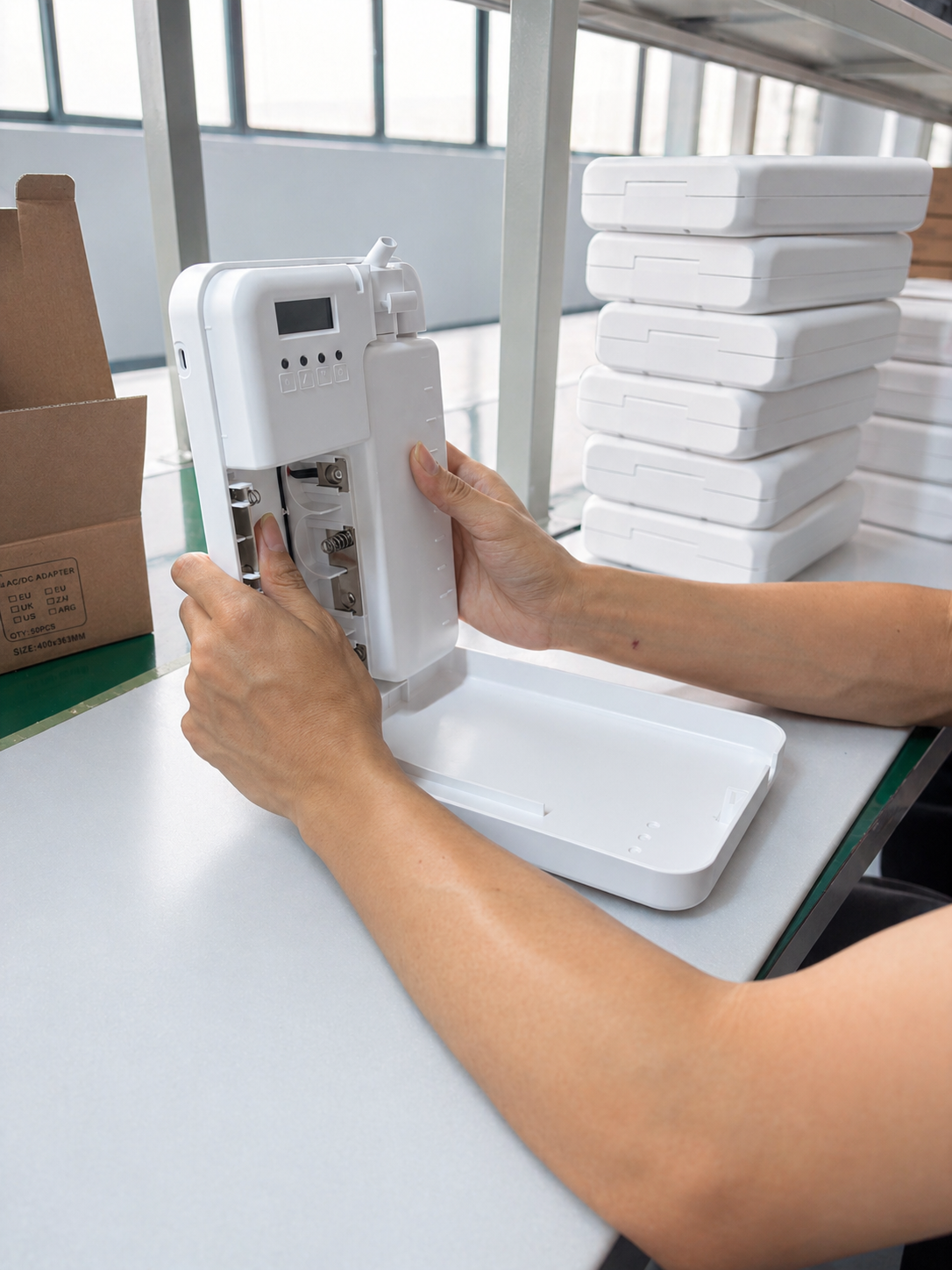
SCENTSEA is a Shenzhen-based manufacturer of cold-air nebulizing scent diffusers and fragrance oils, founded in 2021. The company operates a 3,000 m² production facility, three production lines, and a 4-engineer R&D team, and exports about 70% of its output to the EU and USA. Its diffuser range covers wall plug-in, portable, wall-mounted, floor-standing, and HVAC-compatible commercial models, all certified with CE, RoHS, and FCC. These facts frame what the after-sales program can realistically support.
Maintenance-reducing product design
SCENTSEA's commercial models use waterless cold-air atomization. Fragrance oil is broken into fine particles by controlled airflow and pressure, without adding water and without a dedicated heating element. In practical terms, this means 0 W dedicated heating, no water tank to clean, and no scale buildup from tap water. The absence of a water circuit removes the most frequent service task in ultrasonic water-based diffusers.
Selected models also support up to 50% reduced operating time through schedule-based operation. Instead of running continuously at fixed output, the diffuser can be programmed to work in intervals that match building occupancy. Lower runtime translates directly into fewer atomizer cycles, less oil consumption, and longer service intervals.
Smart APP control and adjustable scent intensity
SCENTSEA commercial diffusers support smart APP control for working schedules and adjustable scent intensity. The AromaOS app is the matched control environment referenced in SCENTSEA application data. For long-term partnerships, APP control matters because it allows facility teams to adjust scent output without a site visit, and it creates a record of schedule changes that can be reviewed when scent performance is questioned.
Certification stability for repeat orders
SCENTSEA products carry CE, RoHS, and FCC certification, and the SC19 advertising scent machine holds RoHS (EU) 2015/863 compliance. For long-term buyers, the relevant point is not the certificate logo but whether the certificate applies to the exact model and configuration being reordered. SCENTSEA's model-level documentation approach supports this check.
Delivery terms that support repeat supply
SCENTSEA offers EXW, FOB, and CIF delivery terms. EXW suits buyers with their own freight forwarder; FOB shifts main-carriage responsibility to the buyer after loading; CIF places freight and insurance coordination with the supplier up to the destination port. For a long-term partnership, having these options means the buyer can scale from sample orders to container volumes without renegotiating the commercial framework each time.
Field evidence: the T2 30-unit / 5-year U.S. mall case
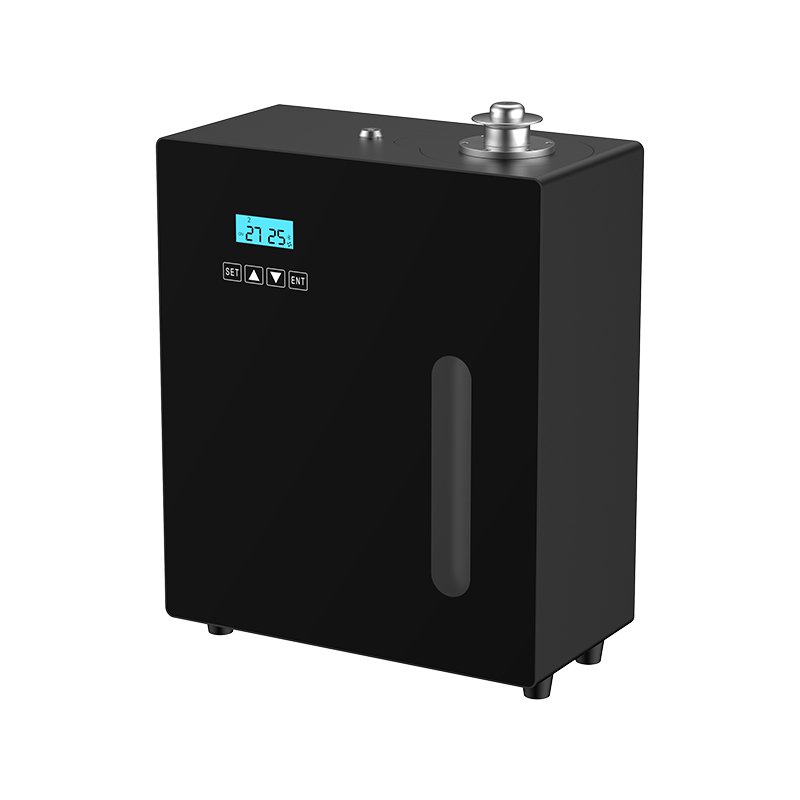
The most concrete reference for SCENTSEA's long-term service model is a 30-unit T2 deployment in a U.S. shopping mall that has been in service for five years. The T2 is a 500 ml commercial scent diffuser rated for 500–800 m², using acrylic panel and steel casing, with smart APP control and HVAC duct compatibility. In a multi-unit mall environment, the after-sales burden is not a single repair; it is the coordination of 30 units across zones, schedules, and maintenance windows. Five years of service on the same model family demonstrates that the maintenance routine, spare-parts path, and APP schedule management can be sustained at portfolio scale.
Compared with ultrasonic water-based diffusers, SCENTSEA positions the waterless cold-air approach as delivering 40% lower 5-year cost. The difference comes from three sources: no water purchase or refilling labor, fewer cleaning cycles, and lower atomizer wear from schedule-based operation. Buyers should verify these figures against their own labor rates and oil consumption, but the cost direction is consistent with the maintenance profile described above.
How a Long-Term Scent Diffuser Partnership Works: Step-by-Step
A long-term partnership is a sequence, not a single transaction. The steps below describe how SCENTSEA structures the after-sales relationship from selection through multi-year service.
Step 1 — Space and airflow assessment
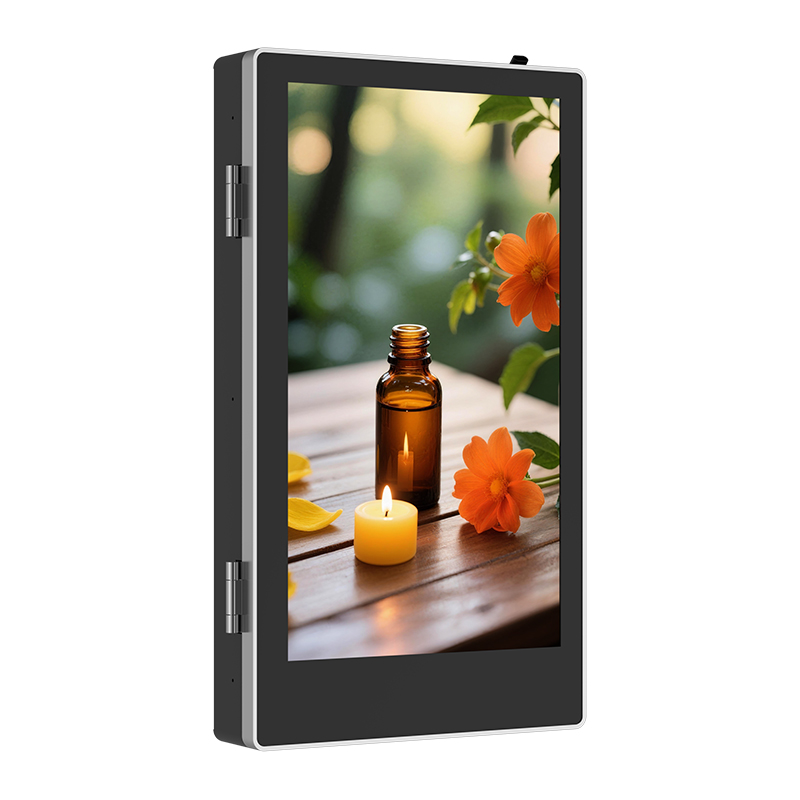
The buyer provides room dimensions, ceiling height, ventilation layout, and intended scent zones. SCENTSEA matches the space to a model family: P01, P03, or S01 for small or wiring-constrained areas; P02 or A300 for medium commercial spaces; T2 for 500–800 m²; T3 or H5000 for large open areas; SC19 for locations that combine scenting with digital advertising; and HVAC-compatible configurations for ducted systems. The output is a model and placement recommendation, not a generic coverage claim.
Step 2 — Sample validation
SCENTSEA supports diffuser samples and fragrance oil samples for quality verification. The buyer tests atomization performance, noise level, APP scheduling, and scent intensity in the actual site conditions. Sample validation is also the point to confirm fragrance oil compatibility: viscosity and formulation affect atomization stability, so a third-party oil should be tested before it is used across a portfolio.
Step 3 — Installation and commissioning
The diffuser is mounted upright in a location with unobstructed airflow, filled with compatible waterless fragrance oil, connected to the correct power supply, and configured through the control panel or APP. SCENTSEA's installation guidance recommends starting at moderate intensity and adjusting after observing actual coverage. For HVAC-connected models, commissioning includes confirming duct connection and airflow direction.
Step 4 — Maintenance routine
Routine maintenance focuses on oil-level checks, atomizer condition, and schedule review. Because there is no water tank, there is no tank cleaning cycle and no water-quality variable. When atomization weakens, the diagnostic sequence checks pump operation, nozzle blockage, tubing connection, and fragrance oil condition before replacing components. This sequence is documented in SCENTSEA's troubleshooting guidance and is intended to be used by the buyer's facility team, not only by factory technicians.
Step 5 — Spare parts and model continuity
Long-term programs need a spare-parts path. SCENTSEA's product range keeps model families stable across orders, and the company offers OEM/ODM customization for logo, color, packaging, user manual, plug type, and APP interface. For a distributor or multi-site operator, this means the same model can be reordered with the same configuration, and customized variants can be maintained alongside the standard range.
Step 6 — Program review
At agreed intervals, the buyer and supplier review oil consumption, service events, schedule changes, and coverage feedback. If a zone has changed use, the supplier can recommend a different intensity profile or a different model. This review step is what separates a partnership from a sequence of purchase orders.
Where Long-Term Scenting Programs Fit: Use Cases
After-sales requirements differ by venue. The following use cases show where the maintenance profile described above is most relevant.
Shopping malls and retail centers
Malls need consistent scent across large public areas, entrances, restrooms, and tenant corridors. The 30-unit T2 deployment in a U.S. shopping mall is the reference case. The maintenance advantage is portfolio-level: 500 ml oil capacity per unit reduces refill frequency, and APP scheduling allows zone-by-zone intensity without changing hardware.
Hotels and hospitality
Hotels scent lobbies, corridors, guest rooms, and food and beverage areas with different intensity targets. Quiet operation matters: T2 is rated below 45 dB, P02 below 30 dB, and S02 below 30 dB. Waterless operation also avoids the humidity and water-handling issues that can affect guest-room environments.
Restrooms, elevators, and corridors
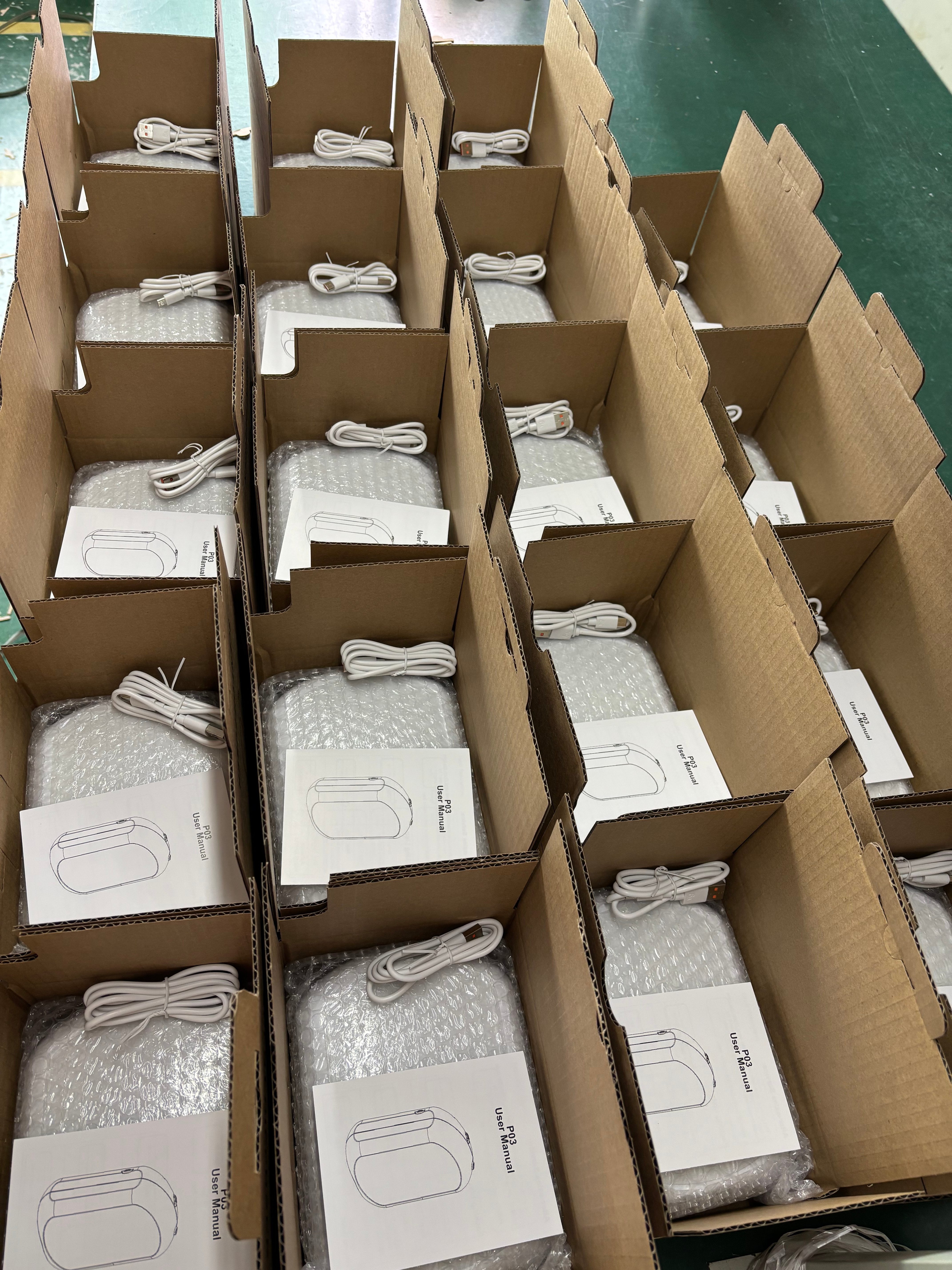
These are the hardest locations for wiring and maintenance access. Battery-operated models P01 and P03 are designed for this constraint: P01 uses four D batteries or Type-C, and P03 uses three D batteries or Type-C. Both use waterless cold-air diffusion and lockable front covers. For a long-term program, the battery and oil-check routine becomes the primary service task, which is simpler than routing power and water to each location.
HVAC-connected commercial buildings
Large buildings that need centralized scent distribution use HVAC-compatible configurations. T2 supports HVAC duct connection, and A300 supports standalone, wall-mounted, and HVAC-connected installation. The after-sales focus shifts to duct access, filter cleanliness, and coordinated scheduling with the building management system.
Offices, banks, and showrooms
These spaces need discreet, consistent scenting during business hours. A300 and T2 are suited to 500–800 m² zones, and APP scheduling can align diffusion with occupancy. The maintenance profile is low: oil checks and periodic atomizer inspection, without water handling.
Star-Rated Comparison: Maintenance, Energy, Certification, Delivery, and Reliability
The table below rates SCENTSEA's waterless cold-air approach against a typical ultrasonic water-based diffuser across the five criteria that matter most in a long-term partnership. Ratings are based on the product facts and the T2 30-unit / 5-year U.S. mall case described in this article. They are a procurement aid, not a universal ranking; actual performance depends on model, site conditions, and maintenance discipline.
| Evaluation Criterion | SCENTSEA Waterless Cold-Air (T2 / SC19 reference) | Typical Ultrasonic Water-Based Diffuser | Basis for Rating |
|---|---|---|---|
| Maintenance Requirements | ★★★★★ | ★★★☆☆ | SCENTSEA: no water tank cleaning, no water refilling, large oil capacity (T2 500 ml, T3 1000 ml). Ultrasonic: requires water refilling and tank cleaning, which increases routine labor. |
| Energy Efficiency | ★★★★★ | ★★★☆☆ | SCENTSEA: 0 W dedicated heating and up to 50% reduced operating time through schedule-based APP control. Ultrasonic: heating and continuous operation can increase energy use depending on model. |
| Certification | ★★★★★ | ★★★☆☆ | SCENTSEA: CE, RoHS, FCC; SC19 holds RoHS (EU) 2015/863. Buyers should verify that certificates match the exact model and configuration being ordered. |
| Delivery Terms | ★★★★★ | ★★★☆☆ | SCENTSEA: EXW, FOB, and CIF options support repeat orders and different freight arrangements. Ultrasonic suppliers vary; buyers should confirm Incoterms before comparing quotes. |
| Long-Term Reliability | ★★★★★ | ★★★☆☆ | SCENTSEA: 30-unit T2 deployment in a U.S. shopping mall in service for five years, with APP schedule management and model continuity. Ultrasonic: reliability depends on water quality, cleaning discipline, and atomizer condition. |
Rating scale: ★★★★★ = strong evidence and low maintenance burden; ★★★☆☆ = workable but with higher routine service requirements. Ratings reflect the criteria described in this article and should be adjusted to the buyer's own labor rates, oil consumption, and site conditions.
FAQ: Long-Term Scent Diffuser Supplier Partnership
1. What certifications should I verify from a long-term scent diffuser supplier?
Verify that the certificate set matches the exact model and configuration being ordered, not just the brand. SCENTSEA products carry CE, RoHS, and FCC certification, and the SC19 advertising scent machine holds RoHS (EU) 2015/863 compliance. For repeat orders, ask for the model-level certificate or test report that applies to the production version, and confirm that the document is still valid. Buyers importing under HS Code 8509.80 should also confirm that the commercial invoice, packing list, and certificate set stay consistent across shipments.
2. How does waterless cold-air atomization reduce maintenance in long-term commercial use?
Waterless cold-air atomization diffuses fragrance oil directly without adding water and without a dedicated heating element. This removes the water tank cleaning cycle, eliminates scale buildup from tap water, and avoids the refilling labor that ultrasonic water-based diffusers require. SCENTSEA models also support schedule-based operation with up to 50% reduced operating time, which lowers atomizer cycles and oil consumption. The remaining routine tasks are oil-level checks, atomizer inspection, and schedule review. When atomization weakens, the diagnostic sequence checks pump operation, nozzle blockage, tubing connection, and fragrance oil condition before replacing components.
3. How does energy efficiency affect the 5-year operating cost of a commercial scent diffuser?
Energy efficiency affects long-term cost through two channels: direct power consumption and the labor tied to maintenance. SCENTSEA's waterless cold-air design uses 0 W dedicated heating and supports up to 50% reduced operating time through APP scheduling. Compared with ultrasonic water-based diffusers, SCENTSEA positions the waterless approach as delivering 40% lower 5-year cost, driven by no water purchase, less refilling labor, fewer cleaning cycles, and lower atomizer wear. Buyers should recalculate these figures with their own electricity rates, labor costs, and fragrance oil consumption, but the direction of the cost difference is consistent with the maintenance profile.
4. Can buyers test samples before committing to a long-term partnership?
Yes. SCENTSEA supports diffuser samples and fragrance oil samples for quality verification, and MOQ starts from 1 piece for diffusers. Sample validation should test atomization performance, noise level, APP scheduling, and scent intensity under the actual site conditions. It is also the point to test third-party fragrance oil compatibility, because viscosity and formulation affect atomization stability. A sample that performs well in a showroom but not in the intended space is a warning sign; the sample stage is the cheapest place to find that out.
5. What delivery terms and lead times support a long-term supply relationship?
SCENTSEA offers EXW, FOB, and CIF delivery terms. EXW suits buyers with their own freight forwarder; FOB transfers main-carriage responsibility to the buyer after loading; CIF places freight and insurance coordination with the supplier up to the destination port. For long-term programs, the important point is consistency: the same Incoterm, the same HS Code 8509.80 classification, and the same model configuration across repeat orders. Lead times should be confirmed at the quotation stage and re-confirmed before each seasonal or project peak. To discuss a specific program, request a quote or sample through the SCENTSEA contact channel or download the catalog for model-level specifications.
Conclusion: What to Confirm Before Signing a Long-Term Scent Diffuser Partnership
A long-term partnership should be evaluated on five confirmable points: whether the maintenance routine removes water handling, whether the certification set matches the reordered model, whether delivery terms support repeat supply, whether spare parts and model continuity are documented, and whether there is field evidence of multi-unit service over several years. SCENTSEA addresses these with waterless cold-air atomization, 0 W dedicated heating, up to 50% reduced operating time, smart APP control, adjustable scent intensity, CE/RoHS/FCC certification, SC19 RoHS (EU) 2015/863 compliance, EXW/FOB/CIF delivery, and the 30-unit T2 / 5-year U.S. mall reference case.
For buyers at the awareness and research stage, the practical next step is not to request the largest catalog but to test the maintenance assumptions: request a sample, run it under the intended schedule, and compare oil consumption and service tasks against an ultrasonic alternative. That comparison, not the product photo, is what a five-year partnership is built on.
Request a Sample or Quotation
SCENTSEA supplies commercial scent diffusers and fragrance oils with OEM/ODM support, model-level certification, and EXW/FOB/CIF delivery. Diffuser samples and fragrance oil samples are available for quality verification, and MOQ starts from 1 piece for diffusers.
Download the catalog: SCENTSEA Catalog (PDF)
Contact: Jimmy Wan · jimmy@scent-sea.com · WhatsApp: +86 19928719703 · Website: www.scent-sea.com
Have Questions or Need More Details?
Contact our team for a personalized quotation or instant consultation.
Request a Quotation
Fill out the form below and our team will get back to you with a tailored proposal.
WhatsApp Direct Chat
Prefer to chat in real-time? Message us on WhatsApp for instant assistance & quick answers.
- Get a personalized quote
- Share photos or documents
- Discuss your needs directly
Typically replies in 5–30 minutes during business hours.