
Ultrasonic vs. Waterless Cold-Air Scent Diffusers: Which Fits Your Commercial Space?
Ultrasonic vs. Waterless Cold-Air Scent Diffusers: Which Fits Your Commercial Space?
Short answer: for a hotel lobby, shopping mall, office building, showroom or any zone served by an HVAC duct, a waterless cold-air scent diffuser is the better fit — it atomizes fragrance oil directly, needs no water, and can hold a consistent scent across a large area. For a single small room, a bedroom or a personal workspace, an ultrasonic water-based aroma diffuser is usually enough. The real difference between the two is not the smell; it is coverage, water handling, maintenance labour and five-year operating cost.
This guide compares both technologies the way a procurement team should: by the criteria that decide whether a scenting system still performs in year four, not by the unit price on a quotation. It covers how each method diffuses fragrance, how much area each can realistically serve, what each demands in daily maintenance, how the energy profile differs, and where the five-year cost is actually decided.
Why the Question Surfaces Too Late in Most Projects
Commercial scenting projects usually discover the ultrasonic-versus-cold-air decision after the first units are already installed. The pattern repeats: a water-based unit looks attractive on purchase price, gets placed in a lobby or corridor, and then reveals its limits. The scent fades in the far corners of the zone, someone has to refill and clean a tank every few days, and intensity drifts with the water level.
The underlying problem is a mismatch between what the device was designed for and what the space demands. Commercial scenting assumes continuous duty, uniform coverage across a defined zone, unattended operation and a maintenance routine that fits an existing facilities schedule. Small ultrasonic units are designed for light personal fragrance in a room, not for a lobby that runs fourteen hours a day.
So the useful question is not “which diffuser is better” but “which diffusion method can hold its rated performance, unattended, across my actual space and my actual maintenance regime.” Everything below is organised around that question.
Industry Background: A Market Shifting Toward Nebulizing Systems
The hardware mix in commercial scenting is moving toward waterless systems. The global fragrance diffuser market was valued at USD 29.61 billion in 2024 and is projected to reach USD 38.10 billion by 2032, according to Data Bridge Market Research. North America accounted for approximately 43.87% of global fragrance diffuser revenue in 2024, Data Bridge Market Research reports.
Within that broader market, the HVAC scent diffuser category, which distributes fragrance through a building’s air handling system, was valued at USD 1.01 billion in 2024 and is expected to grow at a CAGR of 4.5% through 2034, according to Intel Market Research. Nebulizing diffusers, the waterless cold-air format, represent approximately 22.6% of the market and are favoured for professional-grade scent potency in commercial environments, per the Ambient Scent Diffuser Market Research Report 2034.
Two further signals matter to buyers. Fragrance safety rules have tightened: IFRA 51 (2023) introduced stricter global safety standards for fragrance ingredients used in diffusers, affecting allowable usage levels for inhalation safety. And market estimates should always be read with their scope definition, because published figures diverge widely — Research and Markets, for example, sizes home fragrance diffusers specifically at USD 2.6 billion in 2024.
For buyers, the practical reading is simple: waterless cold-air is no longer a niche format. It has published specifications, documented certifications and a defined commercial role, which means it can be evaluated on data rather than on vendor claims.
How the Two Technologies Actually Differ
Diffusion method
An ultrasonic water-based aroma diffuser mixes water with a few drops of fragrance oil in a tank and uses ultrasonic vibration to produce a mist. A waterless cold-air scent diffuser atomizes fragrance oil directly into fine airborne particles without adding water and without using heat. The atomization system uses controlled airflow and pressure to break the oil into fine particles, which are then dispersed into the air or through an HVAC system.
That one design difference cascades into everything else: coverage, consistency, maintenance load, energy profile and total cost of ownership.
Water, heat and energy
Water-based systems depend on a water supply and a tank that must be refilled and cleaned on a recurring schedule. Waterless cold-air systems remove that dependency entirely: there is no water to refill and no diluted mixture to manage. Because the cold-air process does not apply heat, there is no heating element drawing power — the unit’s rated power goes to atomization and dispersal rather than to raising the temperature of the fragrance.
Published power figures across the SCENTSEA waterless cold-air range show how modest that draw is in practice: from 1.5 W on compact models such as the S01 and S02 up to 48 W on the AC-MAX HVAC diffuser rated for 2,500–3,500 m². Buyers comparing energy should ask every supplier for the same three data points: rated wattage, oil consumption per hour, and intended duty cycle.
Consistency and control
Cold-air atomization allows working schedules and output intensity to be adjusted according to the actual space and airflow conditions, which is what makes it suitable for continuous commercial scenting. Supported models offer smart APP control for working schedules and scent intensity, and selected units add Wi-Fi or Bluetooth remote management through the AromaOS app. In water-based units, output depends on the water-and-oil mixture in the tank, so holding a steady scent level depends on keeping that mixture consistent throughout the day.
Coverage Area: The First Commercial Filter
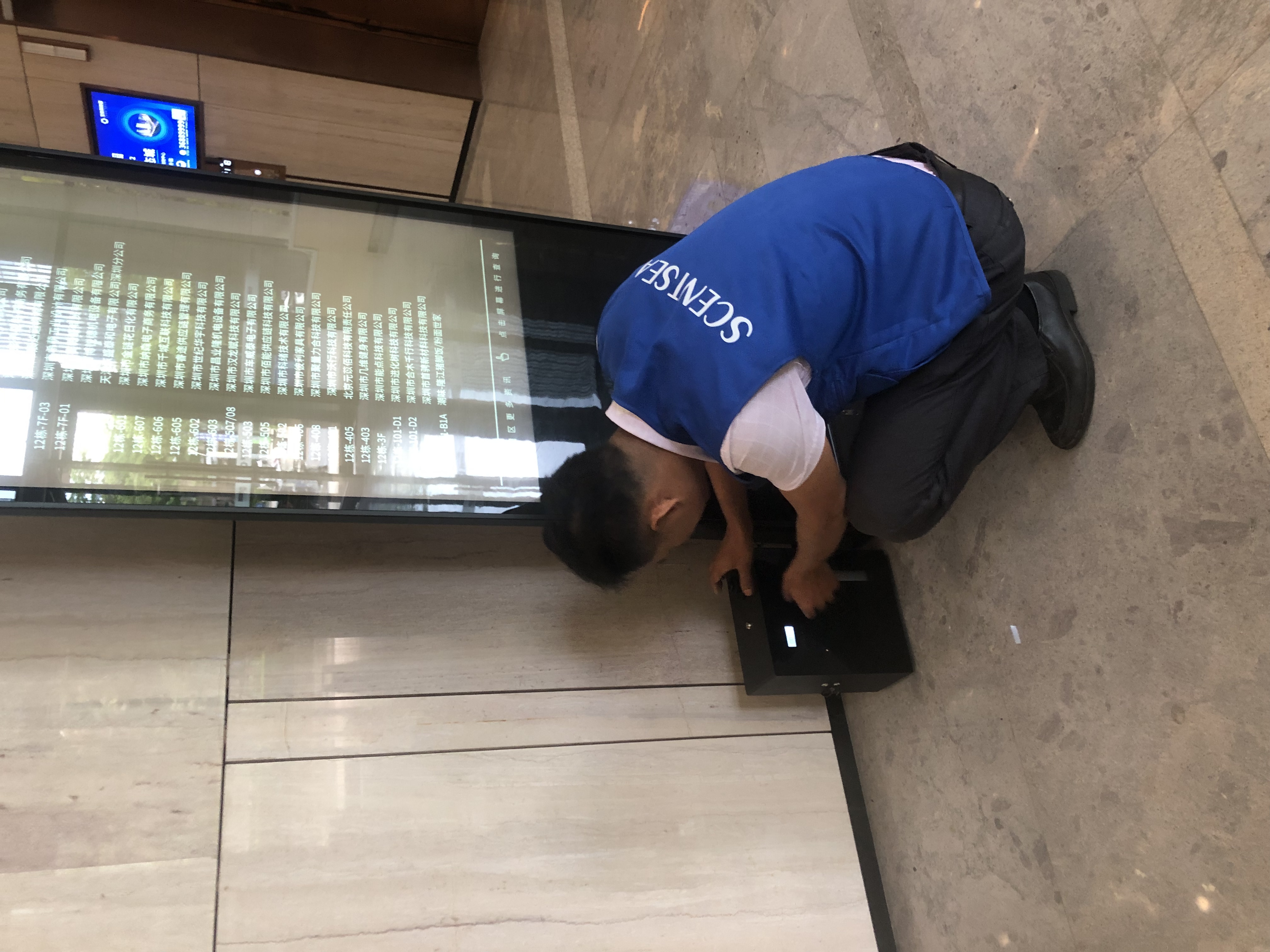
Coverage is where the two technologies separate fastest. A waterless commercial diffuser can be specified to a zone; an ultrasonic unit is positioned for small rooms and light use. In the SCENTSEA range, waterless cold-air coverage runs from 30–100 m² (100–300 m³) on compact models up to 2,500–3,500 m² (8,000–10,000 m³) on the AC-MAX, with intermediate models sized for corridors, retail floors and hotel public areas.
One caution applies to every specification sheet, including this one: rated coverage is a maximum under favourable conditions. Selection should consider room size, ceiling height, ventilation, airflow and partitions rather than the maximum rated figure alone. A double-height atrium and a partitioned retail floor of the same floor area will not behave the same way, and the same diffuser will not perform identically in both.
| Model | Type | Coverage | Oil capacity | Rated power | Oil consumption | Noise |
|---|---|---|---|---|---|---|
| S01 | Wall plug-in | 30–100 m² / 100–300 m³ | 150 ml | 1.5 W | – | <38 dB |
| S02 | Tower | 30–100 m² / 100–300 m³ | 100 ml | 1.5 W | 0.6 ±5% ml/h | <30 dB |
| P01 | Battery operated | 100–150 m² / 300–500 m³ | 500 ml | 2.5 W | – | <35 dB |
| P03 | Battery operated | 100–150 m² / 300–500 m³ | 150 ml | 2.5 W | – | <35 dB |
| P02 | Electric, plug-in | 150–350 m² / 500–1,000 m³ | 300 ml | 6.5 W | 2.5 ±10% ml/h | <30 dB |
| A300 | Commercial | 500–800 m² / 1,500–2,500 m³ | 500 ml | 12 W | 4 ±10% ml/h | <40 dB |
| T2 | Commercial | 500–800 m² / 1,500–2,500 m³ | 500 ml | 10 W | 3 ±10% ml/h | <45 dB |
| T3 | Commercial | 1,000–1,600 m² / 3,000–5,000 m³ | 1,000 ml | 15 W | 4.6 ±10% ml/h | <55 dB |
| H5000 | Floor standing | 800–1,300 m² / 2,500–4,000 m³ | 1,000 ml | 20 W | 5.4 ±10% ml/h | <45 dB |
| AC-MAX | HVAC, split type | 2,500–3,500 m² / 8,000–10,000 m³ | 5 L | 48 W | 6 ±5% ml/h | <45 dB |
Comparison Table: Ultrasonic vs. Waterless Cold-Air for Commercial Use
| Criteria | Ultrasonic water-based aroma diffuser | Waterless cold-air scent diffuser | Why it matters commercially |
|---|---|---|---|
| Diffusion method | Water mixed with a few drops of oil, misted by ultrasonic vibration | Fragrance oil atomized directly by controlled airflow and pressure, with no water | Sets the limits for coverage and consistency |
| Water handling | Tank requires regular refilling and cleaning | No water refilling required | Converts directly into staff hours |
| Heat input | Varies by design; confirm rated power and whether any heat is used | No heat is applied, so no heating power is drawn | Affects energy use and fragrance behaviour |
| Typical positioning | Small rooms and light personal fragrance use | Hotels, shopping malls, retail stores, offices, showrooms, spas and HVAC systems | Prevents coverage gaps in commercial zones |
| Scent consistency | Depends on maintaining the water-to-oil mixture | Working schedule and intensity adjustable to the space and airflow | Protects the brand scent signature |
| Control | Generally local manual control on home-format units | Timer scheduling and adjustable intensity; APP control on supported models, with Wi-Fi/Bluetooth on selected units | Enables unattended operation |
| Installation options | Mostly countertop use | Wall plug-in, battery, floor standing, wall-mounted and HVAC split configurations | Fits existing building conditions |
| Energy profile | Compare rated wattage and duty cycle between suppliers | 1.5 W to 48 W across the SCENTSEA range, with no heating component | Feeds the operating-cost model |
| Cost profile | Lower purchase cost; recurring water refilling and tank cleaning | Higher initial equipment cost; no water refilling, less frequent cleaning and lower daily maintenance | Determines five-year total cost |
| Best-fit spaces | Bedrooms, small rooms and light personal use | Hotel public areas, malls, offices, showrooms, spas, airports and lobbies | Right-technology selection |
| Compliance | Depends on the specific model and destination market | SCENTSEA diffuser models are CE, RoHS and FCC certified; Bluetooth or Wi-Fi models may also need to meet RED requirements | Affects market access and installation approval |
Maintenance: The Labour Line Buyers Underestimate
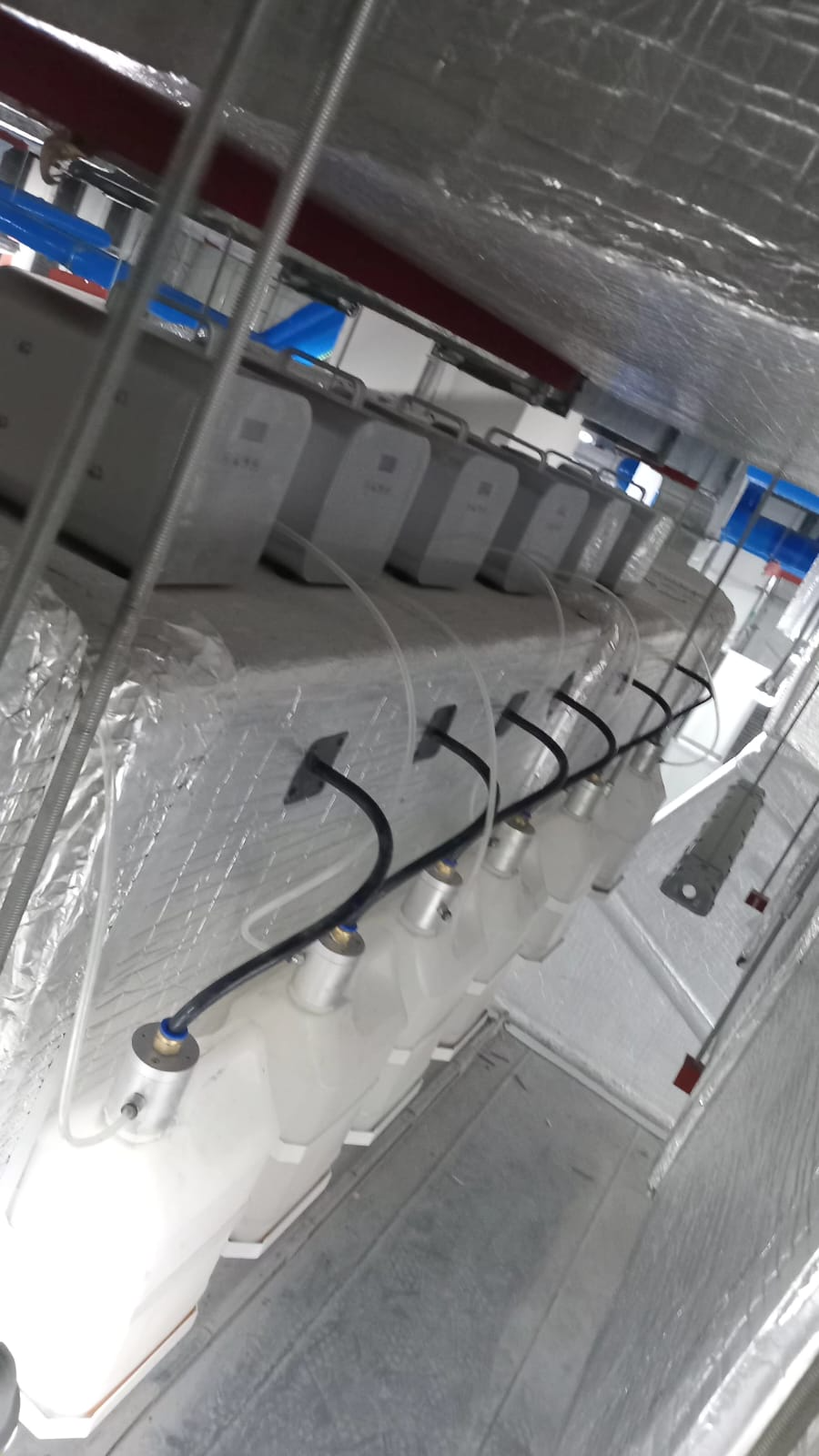
Maintenance is the line item that decides whether a scenting system is still running in year four. Water-based ultrasonic units require regular water refilling and tank cleaning, and that routine becomes heavier when the unit sits in a public area and runs continuously. Waterless cold-air units eliminate water handling: maintenance frequency still depends on usage and fragrance oil, but regular oil-level checks and atomizer cleaning are what keep atomization stable.
Cold-air units are not maintenance-free, and buyers should plan for three checks: oil level, atomizer condition, and tubing and pump connections. Common commercial scent diffuser problems include failure to start, no atomization, abnormal noise and weak atomization. Most of these can be traced by checking the power supply, working schedule, pump connection, nozzle, tubing and fragrance oil condition before replacing any component, which keeps service visits short and predictable. A practical troubleshooting sequence looks like this:
- Device does not work: check the power supply, confirm the machine is powered on, verify the working-hour settings, and check whether the air pump terminal is properly connected.
- No atomization: check whether the pump is working, inspect the nozzle for blockage, and confirm the pump tube and pipette are properly connected and undamaged.
- Abnormal noise: check whether the pump is loose and secure it again; replace an abnormal pump and refix any loose internal parts.
- Weak atomization: check for an aging pump, clean or replace a blocked nozzle, and confirm the fragrance oil is not too thick and does not contain impurities.
This matters to facilities teams because a maintenance regime built around a water tank is fundamentally different from one built around an oil bottle and an atomizer. The first requires someone physically present with water; the second can be scheduled like any other quarterly building check.
Energy Efficiency and the Five-Year Cost Picture
Energy is the easiest cost line to compare, provided the supplier publishes numbers. Because cold-air atomization does not use heat, none of a waterless unit’s rated power is spent heating fragrance. Across the SCENTSEA range that rated power is 1.5 W on compact models and 48 W on the AC-MAX HVAC diffuser, with the mid-range commercial models (A300, T2) at 10–12 W. Oil consumption is published per model as well, from 0.6 ml/h on the S02 up to 6 ml/h on the AC-MAX, which is what makes a defensible fragrance budget possible.
Over five years, six cost lines decide the outcome. A five-year comparison built on these lines usually reverses the first impression created by purchase price:
| Cost driver | Ultrasonic water-based | Waterless cold-air | What to quantify before ordering |
|---|---|---|---|
| Equipment and spares | Lower unit purchase cost | Higher initial equipment cost | Unit price, spare-part list and warranty terms; SCENTSEA provides a one-year free warranty on spare parts |
| Fragrance consumption | Oil is used sparingly but diluted in water, so scent strength depends on the mixture | Oil consumption published per model, from 0.6 ml/h to 6 ml/h | Published oil consumption × daily duty hours × oil price |
| Water and handling | Requires a water supply and regular refilling | No water refilling | Refill trips and staff minutes per week |
| Cleaning labour | Regular tank cleaning | Less frequent cleaning, plus periodic oil-level checks and atomizer cleaning | Maintenance minutes per unit per month |
| Energy | Compare rated wattage and duty cycle | 1.5–48 W by model, with no heating power | Rated power × duty hours × local tariff |
| Coverage efficiency | Several units may be needed to serve one commercial zone | One unit can be specified per zone, up to 2,500–3,500 m² on the AC-MAX | Units required per zone, not price per unit |
| Downtime and consistency | Weak atomization, no atomization and leakage risks rise with irregular maintenance | A lower maintenance load reduces the opportunities for failure | Quality-control protocol, including the 48-hour aging test and leakage inspection |
Two conclusions follow directly from the specification data, and both are consistent with how buyers describe the trade-off in practice. Waterless cold-air units usually carry a higher initial equipment cost but require no water refilling, less frequent cleaning and lower daily maintenance. Ultrasonic water-based units carry a lower purchase cost but require regular water refilling and tank cleaning and are mainly suited to small-area use. Whether the higher upfront cost pays back depends on how many units a zone requires, how many maintenance minutes the site can absorb, and how long the duty cycle runs each day.
A note on vendor percentages. Cost-saving percentages appear in many brochures, including in this category. They are only meaningful when the underlying assumptions are visible. Ask for rated power, oil consumption per hour, recommended maintenance interval and warranty terms, then build the five-year model on your own labour rate, oil price and electricity tariff.
Step-by-Step: How to Run the Evaluation for a Real Building
- Measure the scenting zone in volume, not floor area. Record m² and m³, plus ceiling height, ventilation and partition layout. Coverage ratings are volume-dependent, which is why the SCENTSEA range lists both figures.
- Define the duty cycle and the consistency requirement. State the hours per day and days per week the scent must hold, and whether intensity has to be uniform across the whole zone or can vary by area.
- Identify who will maintain the device. If refilling a water tank is not realistic for your team, that single fact eliminates the water-based option for large zones regardless of unit price.
- Build the five-year cost model. Use published power, published oil consumption and realistic maintenance minutes rather than a headline percentage.
- Verify compliance for the exact model and market. Check that certificates and test reports apply to the production model being purchased, and confirm fragrance oil compliance such as IFRA 51 (2023) usage levels.
- Validate with samples in the actual space. Run the candidate configuration for several days under real airflow and traffic conditions before committing to a bulk order.

Use Cases: Where Each Technology Belongs
Hotel public areas. Lobbies, corridors and restaurants run long hours and need uniform scent, which places them in the waterless cold-air category. Floor-standing and commercial models such as the H5000 (800–1,300 m²) or T3 (1,000–1,600 m²) suit lobbies and public floors, while compact units handle guest rooms.
Shopping malls and retail floors. Mall scenting is typically zoned by area: the A300 or T2 for a 500–800 m² zone, the T3 for a 1,000–1,600 m² zone, and the AC-MAX where fragrance should be distributed centrally through an HVAC system across 2,500–3,500 m².
Offices and commercial buildings. A 150–350 m² reception or open area is within the range of the P02, while larger building lobbies are served by floor-standing or HVAC configurations.
Elevators, washrooms and corridors without wiring. Battery-operated diffusers such as the P01 and P03 exist precisely because wiring is impractical in these locations. They run on batteries or Type C power and cover 100–150 m², with maintenance limited to oil checks rather than water refills.
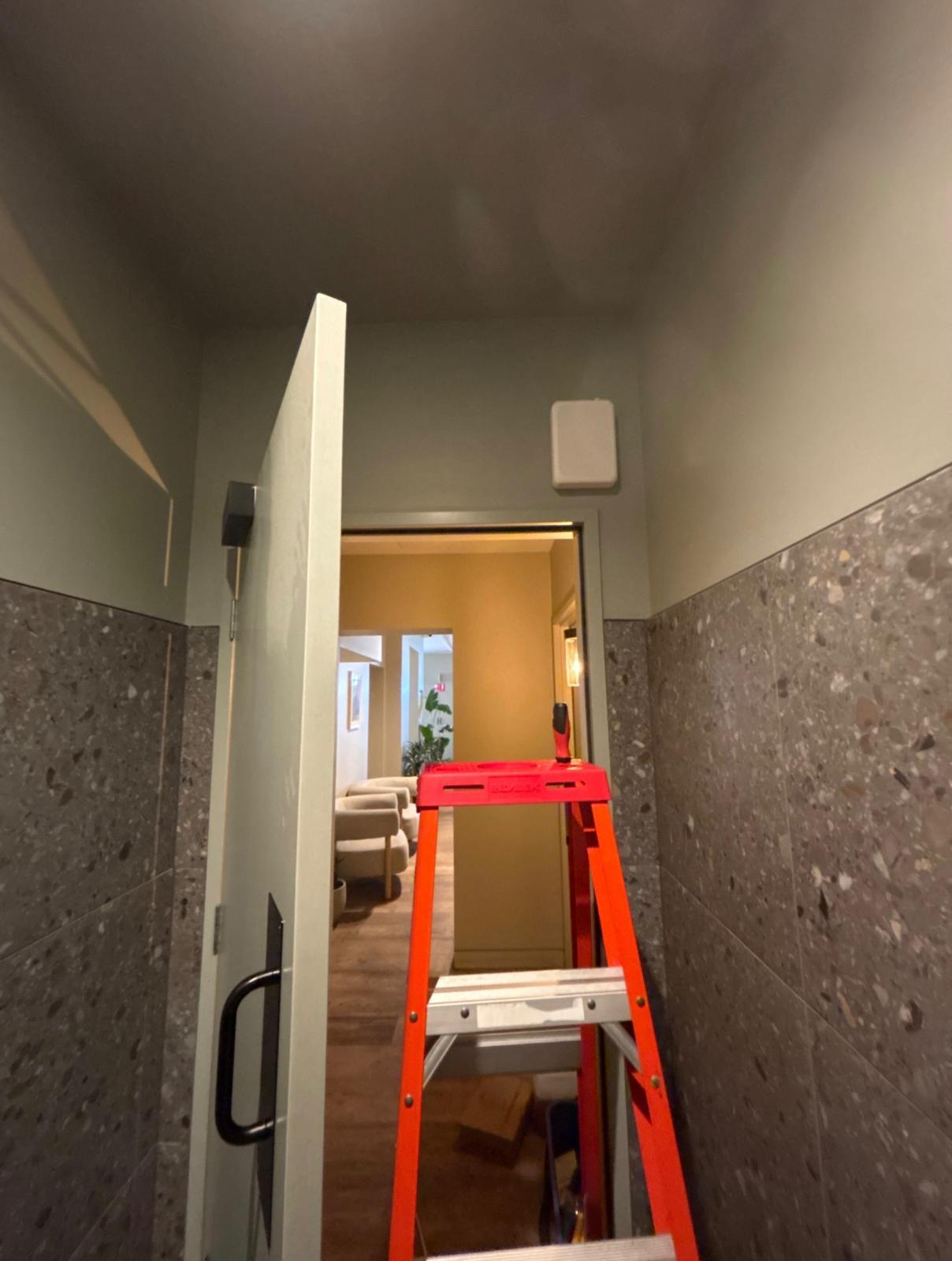
Where ultrasonic still wins. For a bedroom, a small study or light personal fragrance use, a water-based ultrasonic unit remains a reasonable choice: it is inexpensive, widely available and adequate for a small space where someone is present to manage the water. The technology is not the problem; applying it to a commercial zone that it was never sized for is.
A documented commercial deployment. A scent marketing company in the United States deployed 30 units for commercial scenting across shopping malls, a project that has run for five years. The reported outcome was stable and consistent scent coverage, reduced manual maintenance, improved fragrance management efficiency and an enhanced customer experience. Those results were attributed to strong atomization, stable operation, smart APP control, adjustable scent intensity, low maintenance and easy installation.
Frequently Asked Questions
Do ultrasonic and cold-air scent diffusers need different compliance documents for the EU and the US?
Certification requirements depend on the destination market, the exact product model and whether the unit has wireless functions. For the European market, buyers should normally check applicable CE and RoHS documentation, and Bluetooth or Wi-Fi models may also need to meet RED requirements. For the US market, applicable FCC compliance should be verified. SCENTSEA diffuser models are certified with CE, RoHS and FCC: the FCC certificate (ATL20240416326, FCC Part 15 Subpart B:2023), the RoHS certificate (ATL20240416327, RoHS Directive (EU) 2015/863) and the EMC certificate (ATL20240416325) were issued on 24 April 2024 by Shenzhen ATL Testing Technology Co., Ltd. Fragrance oil carries its own compliance dimension, since IFRA 51 (2023) introduced stricter global safety standards for fragrance ingredients used in diffusers, affecting allowable usage levels for inhalation safety. Whichever technology you choose, confirm that the certificates and test reports apply to the exact production model and configuration being purchased.
How much area can one commercial waterless cold-air diffuser cover compared with an ultrasonic unit?
In the SCENTSEA waterless cold-air range, coverage starts at 30–100 m² (100–300 m³) on compact models such as the S01 and S02 and extends to 2,500–3,500 m² (8,000–10,000 m³) on the AC-MAX HVAC diffuser, with mid-range models covering 150–350 m² (P02), 500–800 m² (A300 and T2) and 1,000–1,600 m² (T3). Ultrasonic water-based aroma diffusers use water mixed with a few drops of oil, offer smaller coverage, and require more frequent refilling and cleaning, which makes them better suited to small residential rooms and light personal use. For commercial specification, choose according to actual space size, ceiling height, airflow and installation conditions rather than relying only on the maximum rated coverage figure.
Which option costs less over five years?
Purchase price alone will not answer this. Five-year cost is driven by equipment and spares, fragrance consumption, water handling, cleaning labour, energy, and downtime or consistency risk. Waterless cold-air diffusers usually have a higher initial equipment cost, but they require no water refilling, need less frequent cleaning and carry lower daily maintenance. Ultrasonic water-based diffusers have a lower purchase cost but require regular water refilling and tank cleaning and are mainly suited to small-area use. To build a real comparison, use published figures instead of estimates: rated power is 1.5–48 W across the SCENTSEA range, oil consumption ranges from 0.6 ml/h to 6 ml/h depending on model, and SCENTSEA provides a one-year free warranty on spare parts. Multiply those numbers by your duty hours, oil price, electricity tariff and labour rate.
Can we test both technologies before placing an order?
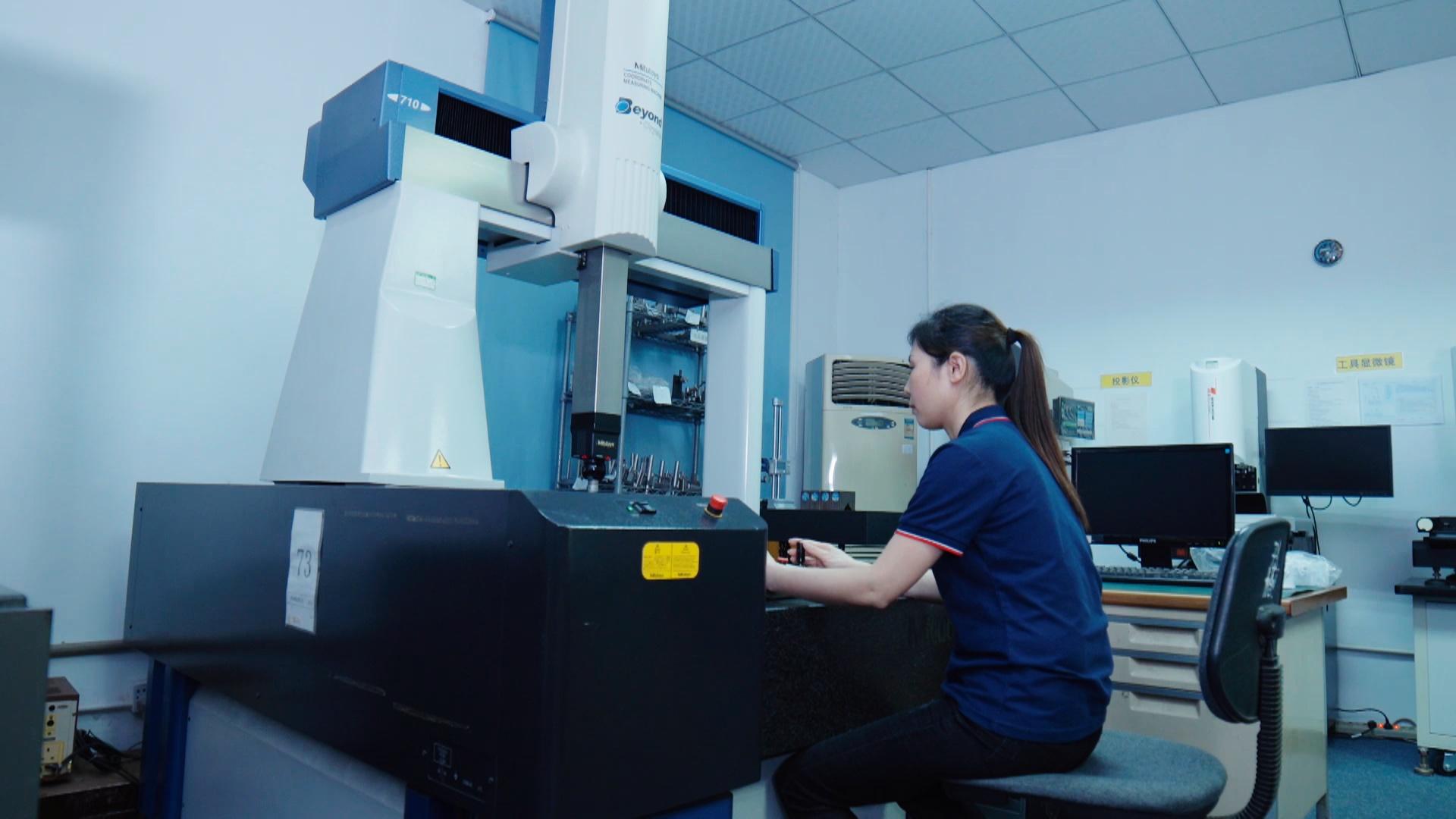
Yes. SCENTSEA provides diffuser samples and fragrance oil samples for quality verification, and the MOQ starts from 1 piece for diffusers, so a single unit can be evaluated before any bulk commitment. Sample testing before mass production is recommended, and the most reliable test is to run the candidate unit in the actual space — with real ceiling height, airflow and traffic — for several days rather than in a showroom. Production units are checked before shipment through 100% functional testing, atomization testing, leakage inspection, noise testing, APP and control testing, a 48-hour aging test and a final appearance inspection.
What is the lead time and production capacity if we standardise on cold-air units?
Standard commercial orders ship in 25–35 days, and monthly production capacity is 8,000 units. OEM and ODM customization is available for logo, product colour, packaging, user manual, plug type, APP interface, PCB and functions, and other product specifications. To move from evaluation to a quotation, you can download the SCENTSEA catalog here: SCENTSEA product catalog (PDF), or send your space sizes and duty hours to jimmy@scent-sea.com and request a model recommendation plus sample.
Next Step: Compare on Data, Then Validate with a Sample

SCENTSEA supports OEM and ODM customization for commercial scent diffuser projects.
Shenzhen Scentsea Technology Co., Ltd. manufactures cold-air nebulizing scent diffusers, waterless aroma machines, HVAC scent systems and fragrance oils for home, commercial and HVAC aroma solutions. The company was founded in 2021, operates a 3,000 m² production facility with three production lines and 20 patents, and supplies customers in more than 70 countries and regions.
Visit SCENTSEA or contact Jimmy Wan at jimmy@scent-sea.com, telephone and WhatsApp +86 19928719703, for catalogs, samples, wholesale pricing and customized scent diffuser solutions.