
How to Select the Right Industrial Dust Collector Manufacturer: A 2026 Buyer’s Guide for Baghouse, Cartridge, Cyclone & Electrostatic Systems
How to Select the Right Industrial Dust Collector Manufacturer: A 2026 Buyer’s Guide
Introduction
Selecting the right industrial dust collector supplier is one of the most critical procurement decisions for manufacturing plants, power stations, mines, and chemical facilities. A poorly chosen system or unreliable vendor can lead to chronic compliance violations, excessive energy consumption, and costly downtime. In 2026, with tightening emission standards globally and rising energy costs, procurement managers need a structured framework to evaluate dust collector manufacturers — not just on price, but on engineering capability, product quality, after-sales support, and compliance documentation.
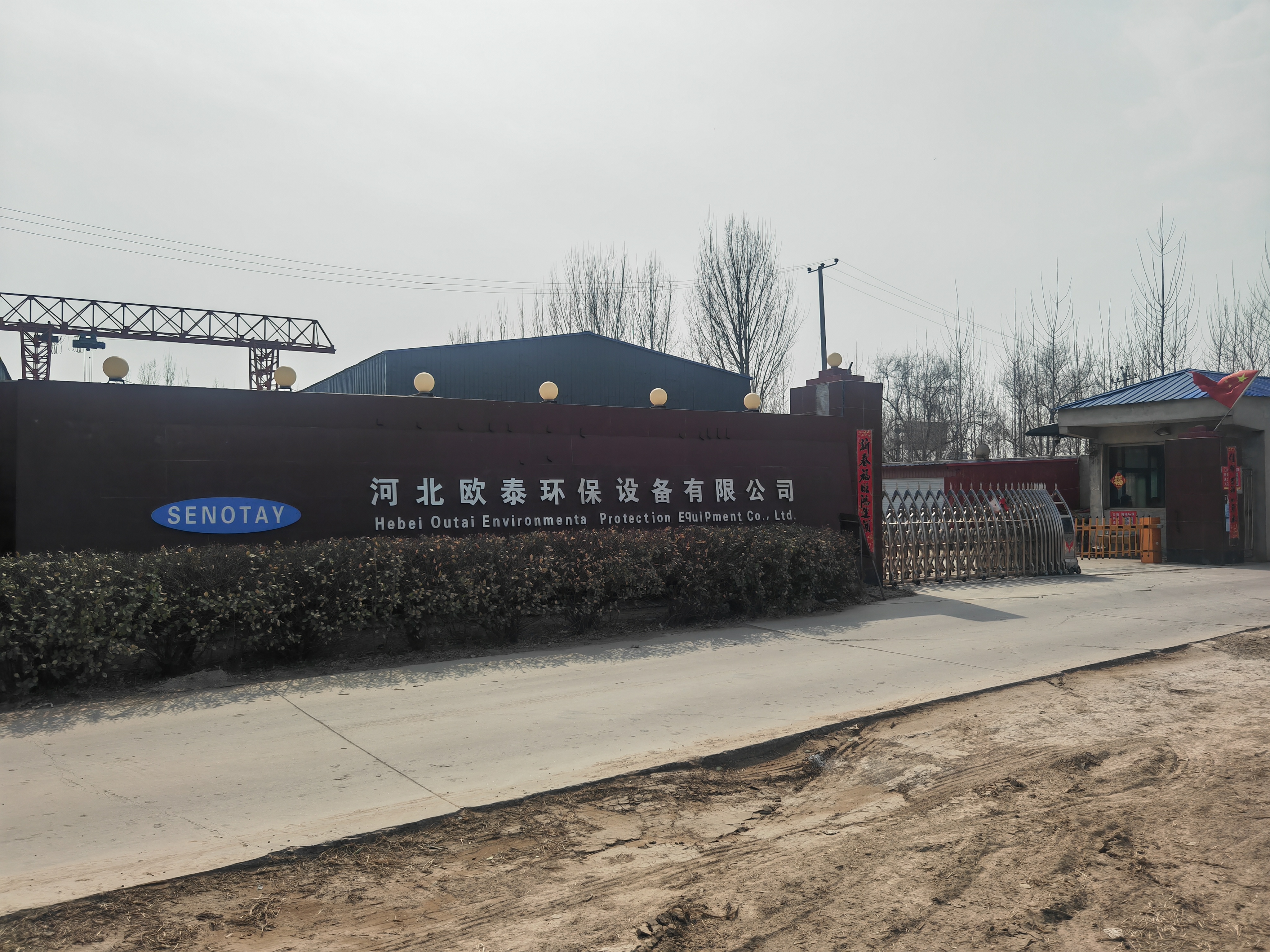
This comprehensive buyer’s guide walks you through the essential criteria for selecting a baghouse dust collector, cartridge dust collector, electrostatic precipitator, cyclone dust collector, or wet scrubber manufacturer. We will also examine a real-world example — SENOTAY (Hebei Outai Environmental Protection Equipment Co., Ltd.) — to illustrate how a qualified supplier operates.
Problem Definition: What Challenges Do Buyers Face?
Procurement professionals in the industrial air filtration space commonly encounter these pain points:
- Lack of technical expertise — Understanding which dust collector technology (e.g., pulse jet baghouse vs. cartridge vs. electrostatic) is best for specific dust characteristics (abrasive, sticky, explosive, high-temperature).
- Supplier verification difficulty — Separating genuine manufacturers from traders that cannot provide engineering support, CE certification, or audited quality documentation.
- Hidden lifecycle costs — Focusing only on purchase price while ignoring filter replacement frequency, energy consumption, and maintenance complexity.
- Compliance risks — Failure to meet local emission limits (e.g., ≤20 mg/m³ for electrostatic precipitators) due to undersized or poorly designed systems.
- Integration complexity — Equipment that requires auxiliary systems (piping, fans, PLC controls, variable-frequency motors) without clear specifications.
Industry Background: The Dust Collector Market in 2026
The global industrial dust collector market is projected to exceed USD 15 billion by 2026, driven by rapid industrialization in Asia-Pacific, stricter environmental regulations (e.g., China’s ultra-low emission standards, EU Industrial Emissions Directive), and increased automation in cement, steel, mining, and pharmaceuticals. Key technologies include:
| Technology | Typical Efficiency | Best For |
|---|---|---|
| Baghouse (Pulse Jet) | ≥99.5% | Fine dust, high-volume, high-temperature |
| Cartridge | ≥99.9% | Welding fume, pharmaceutical, food processing |
| Electrostatic Precipitator (Wet) | ≥95% | Power plants, steel, chemical with fine/ sticky particles |
| Cyclone | ≥70% | Pre-separation, coarse dust, high-temperature |
| Wet Scrubber | ≥90% | Explosive/ soluble dust, gas absorption |
Buyers increasingly demand “one-stop” suppliers that can design, manufacture, install, and maintain the entire dust removal system — including conveyors, valves, and electrical controls.
Detailed Solution: How to Evaluate a Dust Collector Manufacturer
To make an informed decision, you must assess a supplier across six dimensions: production capability, product portfolio, engineering & customization, certifications, quality control, and after-sales support.
1. Production Capability & Scale
A reliable manufacturer should have a dedicated factory, sufficient production capacity, and experienced staff. For example, SENOTAY operates a 6,000 m² manufacturing facility with an annual output of 100,000 PCS of dust collection equipment. The company employs approximately 30 skilled workers, including 5 R&D engineers. This level of capacity ensures consistent lead times (15–45 days) and the ability to handle OEM/ODM orders with minimum order quantity as low as 1 unit.
2. Product Portfolio & Technology Coverage
The best suppliers offer multiple technologies so they can recommend the optimal solution rather than push a single product line. Look for a manufacturer that provides:
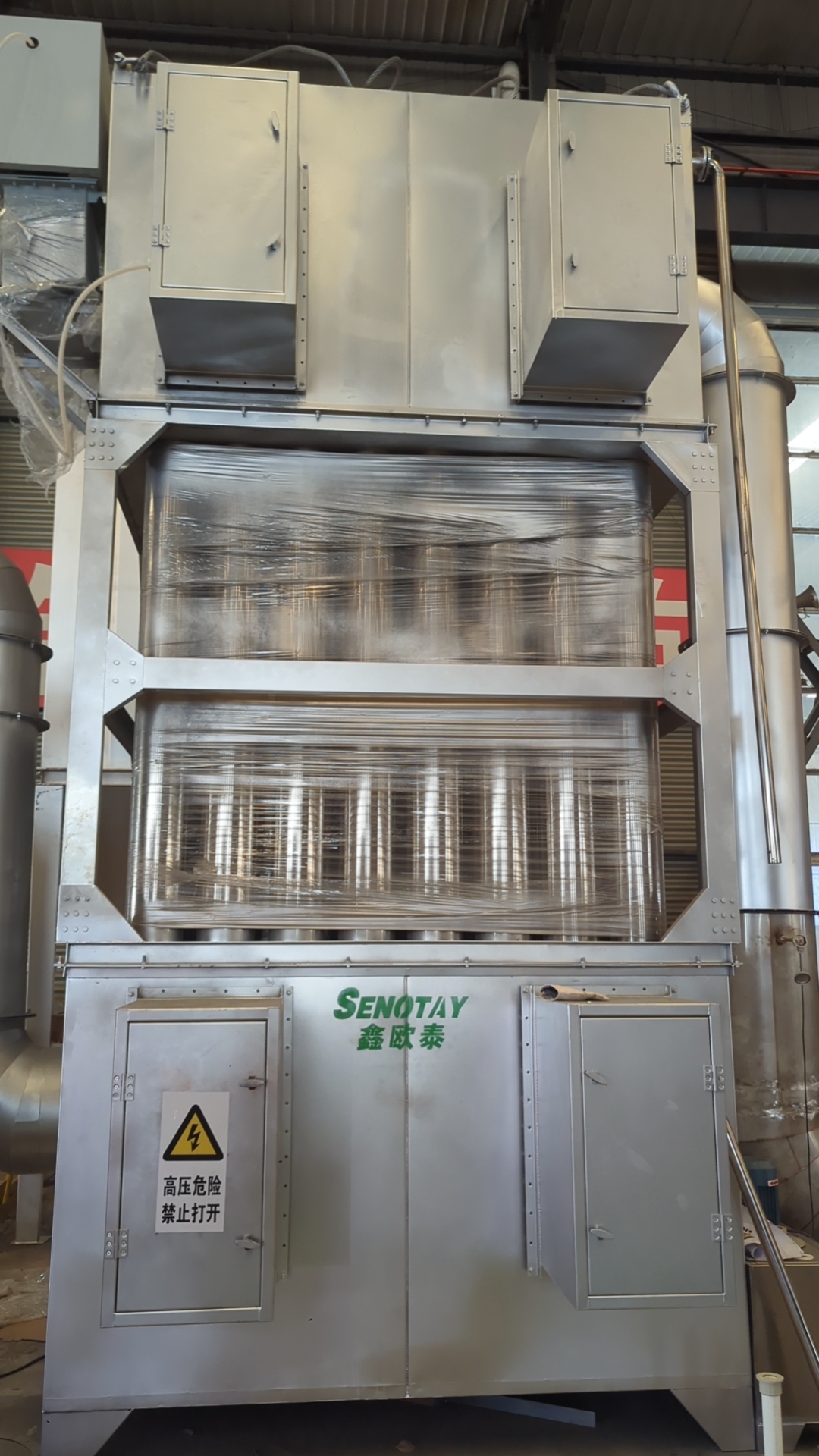
- Pulse bag filters (e.g., DMC-200: 9,600–14,400 m³/h, efficiency >99.5%, filtration accuracy <1 μm)
- Cartridge dust collectors (e.g., LTMC-5000: up to 10,128 m³/h, 16 cartridges, ≥99.9% efficiency, ≤120°C)
- Wet electrostatic precipitators (e.g., WESP-10000: 5,000–10,000 m³/h, emission ≤20 mg/m³)
- Cyclone dust collectors (e.g., LXC-800: 3,000–5,000 m³/h, ≤300°C, ≥70% efficiency)
- Wet scrubbers, stainless steel dust collectors, mobile dust collectors, and auxiliary equipment like screw conveyors, bag cages, pulse valves, and VOC purifiers.
Having a wide range allows the manufacturer to design integrated systems, reducing interface risks.
3. Engineering & Customization
Every industrial dust control project is unique. A quality supplier will offer on-site design services, analyzing airflow volume, particle size, gas temperature, and compliance targets. They should also provide customization for:
- Material of construction (carbon steel, SS304, SS316 for corrosive/ food-grade environments)
- Voltage and frequency (OEM / ODM with custom logo, voltage)
- Variable-frequency motor drives for energy savings and process control
For instance, SENOTAY’s DMC-200 pulse bag filter requires a variable-frequency motor and auxiliary systems (piping, electrical control, high-pressure gas supply, fan). They provide the complete engineering package, not just the filter housing.
4. Certifications & Compliance
For international buyers, especially those exporting to the EU, the Middle East, or Southeast Asia, certifications are non-negotiable. A credible manufacturer should hold valid CE certification (Machinery Directive 2006/42/EC) with a documented certificate number and expiry date. For example, SENOTAY holds CE certificate M.2025.206.C123090, issued by UDEM, valid until 2030, covering EN ISO 12100:2010 and EN 60204-1:2018. This ensures the product meets EU safety and machinery standards.
Other relevant certifications may include ISO 9001, ATEX for explosive environments, or local permits. Always request a copy of the certificate for your audit trail.
5. Quality Control & Testing
Ask whether the manufacturer performs 100% pre-shipment testing. For dust collectors, this should include:
- Airflow and pressure drop verification
- Filter media integrity check
- Pulse jet cleaning cycle simulation
- Structural weld inspection
SENOTAY’s quality control protocol includes a differential pressure gauge on every unit (e.g., the DMC-200) to monitor resistance, and they offer documented, audit-ready quality assurance reports. Their standard delivery terms (EXW / FOB / CIF / DAP / DDP) and 50/50 payment terms accommodate buyer risk preferences.
6. After-Sales Support & Global Reach
24/7 after-sales support is a hallmark of a professional supplier. Look for:
- Remote technical support via phone, email (info@senotay.com), or WhatsApp (+86 15831871808)
- On-site installation and commissioning teams available for overseas projects
- Spare parts availability (filter bags, cages, solenoid valves)
- Long-term maintenance contracts and system upgrade services
SENOTAY, for example, has completed projects in Indonesia (tire factory), with stable operation, low noise, and low energy consumption. Their engineering team provides a four-stage lifecycle approach: on-site design, custom manufacturing, installation & commissioning, and 24/7 maintenance & renovation.
Step-by-Step Procurement Process
- Define your dust characteristics: Particle size, density, moisture, temperature, explosibility, and required emission limit (e.g., ≤20 mg/m³ for fine dust).
- Select the right technology: Use a comparison table. For high-efficiency fine dust, baghouse or cartridge; for pre-separation and high-temperature, cyclone; for wet or sticky particles, electrostatic precipitator or wet scrubber.
- Shortlist manufacturers: Check their product range, factory size (≥2,000 m² recommended), R&D team, and export ratio (≥50% indicates global experience).
- Request technical proposals: Ask for detailed specs (airflow, filter area, pressure drop, efficiency) and auxiliary equipment lists. Verify variable-frequency motor requirement if needed.
- Validate certifications & references: Review CE certificate number, scope, and expiry. Ask for case studies in your industry (e.g., tire, cement, steel).
- Compare total cost of ownership: Factor in filter replacement frequency (baghouse vs. cartridge), energy consumption (pressure drop), and maintenance downtime.
- Negotiate terms: MOQ, delivery time (typical 15–45 days), payment (50/50), and warranty/after-sales support.
Use Case: Dust Collection in a Tire Factory (Indonesia)
Industry: Rubber mixing process in a tire manufacturing plant.
Challenge: During the mixing of raw materials, fine carbon black and rubber dust are generated. The plant needed a system that operates 24/7, with low noise and low energy consumption, while meeting local emission standards.
Solution: SENOTAY supplied a customized baghouse dust collector (1 set) integrated with a variable-frequency motor, piping system, electrical control, high-pressure gas supply, and a fan system. The system achieved stable operation with minimal pressure drop (≤1,200 Pa) and efficiency >99.5%.
Result: The client reported “Low noise, low energy consumption, and easy maintenance.” Two units were later ordered for the same facility. This case demonstrates the importance of a manufacturer that can provide a complete engineered system, not just a standalone collector.
Frequently Asked Questions (FAQ)
What is an industrial dust collector and how does it work?
An industrial dust collector is an air pollution control device that removes particulate matter from exhaust gases or process air. It works by capturing dust through filtration (baghouse/cartridge), centrifugal force (cyclone), electrostatic attraction (ESP), or liquid scrubbing (wet scrubber). The cleaned air is then discharged or recirculated.
Why is choosing the right dust collector manufacturer important?
A reputable manufacturer ensures correct system sizing, use of certified materials, reliable performance, and compliance with local environmental regulations. Poor selection can lead to continuous fines, high energy bills, and frequent breakdowns.
Who uses industrial dust collectors?
Industries such as cement, steel, mining, chemicals, pharmaceuticals, food processing, woodworking, power generation, and waste incineration use dust collectors to meet workplace safety and emission standards.
How do I choose between baghouse and cartridge dust collectors?
Baghouse (pulse jet) is generally better for high-volume, high-temperature applications with coarse to fine dust. Cartridge collectors offer higher filtration efficiency (≥99.9%) and are ideal for fine, dry dust in lower air volumes (welding fume, pharmaceuticals). Cartridges have a larger filter area per unit volume but may be more expensive to replace.
What are common buyer concerns when selecting a manufacturer?
Common concerns include: “Is the manufacturer a genuine factory or just a trader?” – verify by requesting factory photos, videos, and a CE certificate. “Can they deliver on time?” – check lead time and production capacity. “What if the system fails after installation?” – ensure 24/7 remote and on-site support.
How do I verify a dust collector manufacturer’s quality?
Look for ISO 9001, CE certification (with certificate number and standards), documented pre-shipment test reports, and case studies from similar industries. Ask for a reference contact from a previous buyer.
Conclusion
Selecting the right industrial dust collector manufacturer requires more than comparing prices. You need a partner with proven production scale, multi-technology expertise, engineering customization, recognized certifications, and robust after-sales support. By applying the systematic evaluation framework outlined in this guide — covering factory capability, product portfolio, engineering, certification, quality control, and support — you can confidently choose a supplier that meets your specific process and compliance needs.
SENOTAY (Hebei Outai Environmental Protection Equipment Co., Ltd.) exemplifies the qualities of a reliable one-stop supplier: a 6,000 m² factory, 100,000 PCS annual capacity, CE-certified products, 70% export ratio, and 24/7 global support. Whether you need a pulse jet baghouse, cartridge dust collector, electrostatic precipitator, or cyclone, working with a manufacturer that can engineer the entire system — including auxiliary equipment and variable-frequency drives — will save you time, money, and compliance risks.
Download the Full Product Brochure
Get detailed technical specifications, performance curves, and case studies.
📄 Download BrochureFor inquiries, contact SENOTAY: info@senotay.com | +86-317-8288592 | WhatsApp: +86 15831871808
Have Questions or Need More Details?
Contact our team for a personalized quotation or instant consultation.
Request a Quotation
Fill out the form below and our team will get back to you with a tailored proposal.
WhatsApp Direct Chat
Prefer to chat in real-time? Message us on WhatsApp for instant assistance & quick answers.
- Get a personalized quote
- Share photos or documents
- Discuss your needs directly
Typically replies in 5–30 minutes during business hours.