
How to Verify Dust Collector Supplier Quality: A 2026 Buyer's Checklist
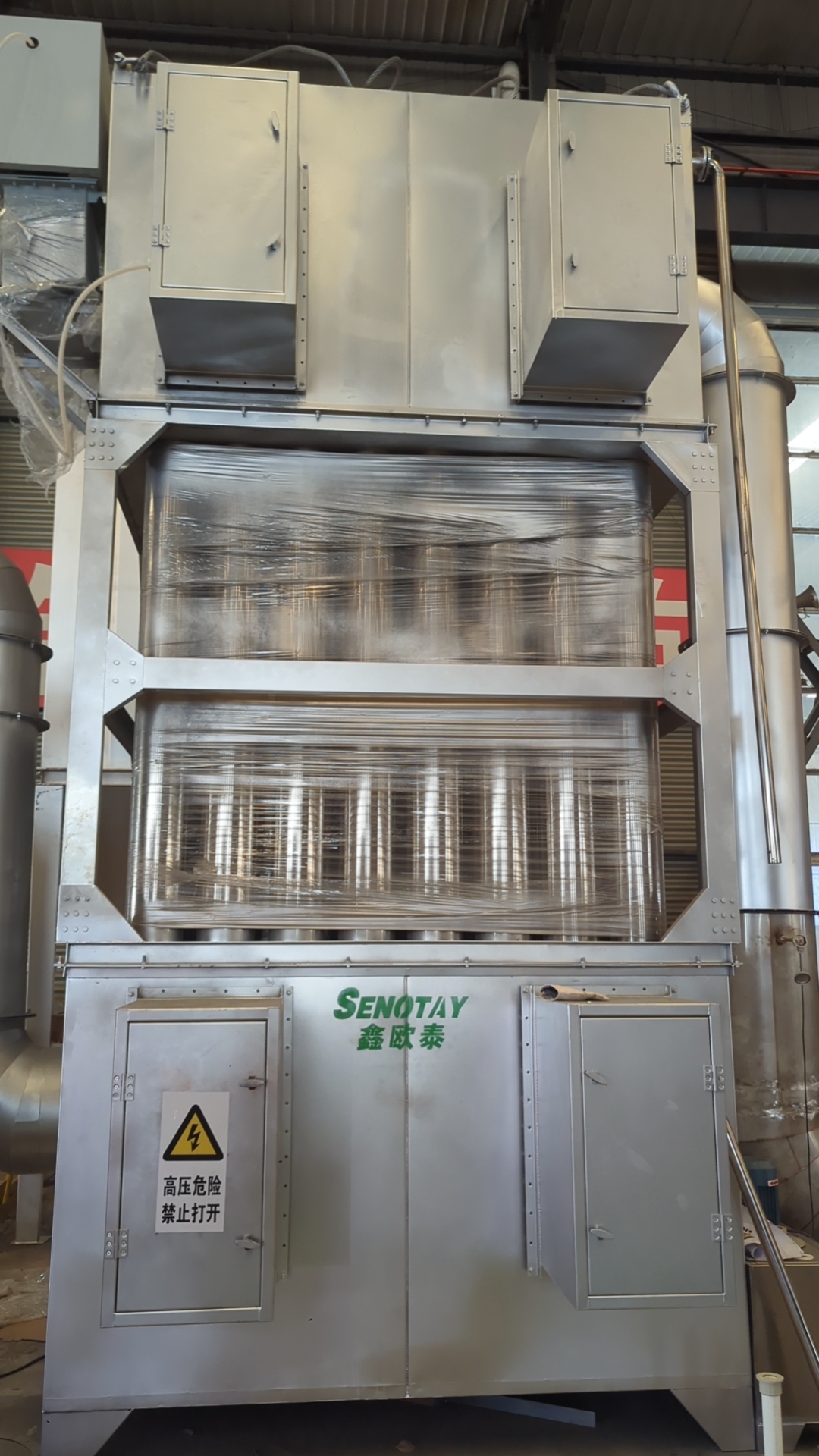
Keywords: dust collector supplier quality, industrial dust collector evaluation, baghouse dust collector manufacturer, cartridge dust collector supplier, SENOTAY
Procuring an industrial dust collector—whether a baghouse, cartridge, cyclone, or electrostatic precipitator—is a capital decision that directly impacts workplace safety, regulatory compliance, and operational efficiency. However, the global market is flooded with suppliers offering varying levels of quality, making it difficult for procurement managers and plant engineers to separate reliable partners from risky ones.
This guide provides a structured, evidence-based checklist to help you evaluate dust collector suppliers and ensure your investment meets performance, durability, and compliance standards. We will reference real-world benchmarks from SENOTAY (Hebei Outai Environmental Protection Equipment Co., Ltd.) to illustrate what credible suppliers should offer.
Problem Definition: Why Supplier Quality Matters in Dust Collectors
A poorly manufactured dust collector can lead to:
- Low filtration efficiency – failing to meet emission limits (e.g., < 20 mg/m³ for electrostatic precipitators).
- Frequent breakdowns – causing unplanned downtime and costly repairs.
- High energy consumption – due to improper fan sizing or high pressure drop.
- Safety hazards – including dust explosions or toxic leaks.
- Regulatory fines – when equipment fails local or international standards.
The root cause is often an unqualified supplier who lacks manufacturing capability, quality control, or after-sales support. This article arms buyers with the criteria to avoid such pitfalls.
Industry Background: The Global Dust Collector Market in 2026
According to industry reports, the global industrial dust collector market is projected to exceed $12 billion by 2026, driven by stricter environmental regulations across Asia-Pacific, Europe, and the Middle East. Key technologies include:
- Baghouse dust collectors (pulse jet & reverse air)
- Cartridge dust collectors
- Electrostatic precipitators (dry & wet)
- Cyclone dust collectors
- Wet scrubbers
China remains the largest manufacturing base, with companies like SENOTAY exporting over 70% of their production to Central Asia, Southeast Asia, the Middle East, Russia, Africa, and Europe. However, quality varies widely. Buyers must move beyond price comparisons and adopt a systematic evaluation framework.
Detailed Solution Explanation: The 6-Dimension Supplier Quality Framework
We propose evaluating dust collector suppliers across six critical dimensions:
| Dimension | What to Check | Why It Matters |
|---|---|---|
| 1. Certifications & Compliance | CE, ISO, local permits | Legal market access, safety, and performance guarantees |
| 2. Product Performance | Filtration efficiency, pressure drop, airflow capacity | Directly affects emission compliance and operating cost |
| 3. Manufacturing Capability | Factory size, production capacity, R&D team | Indicates ability to fulfill orders consistently |
| 4. Quality Control | Inspection procedures, pre-shipment testing | Reduces risk of early failures and rework |
| 5. Application Experience | Case studies, reference projects, industry expertise | Proof of real-world competence |
| 6. After-Sales Support | Warranty, spare parts availability, remote/on-site service | Minimizes downtime over equipment lifecycle |
1. Certifications & Compliance
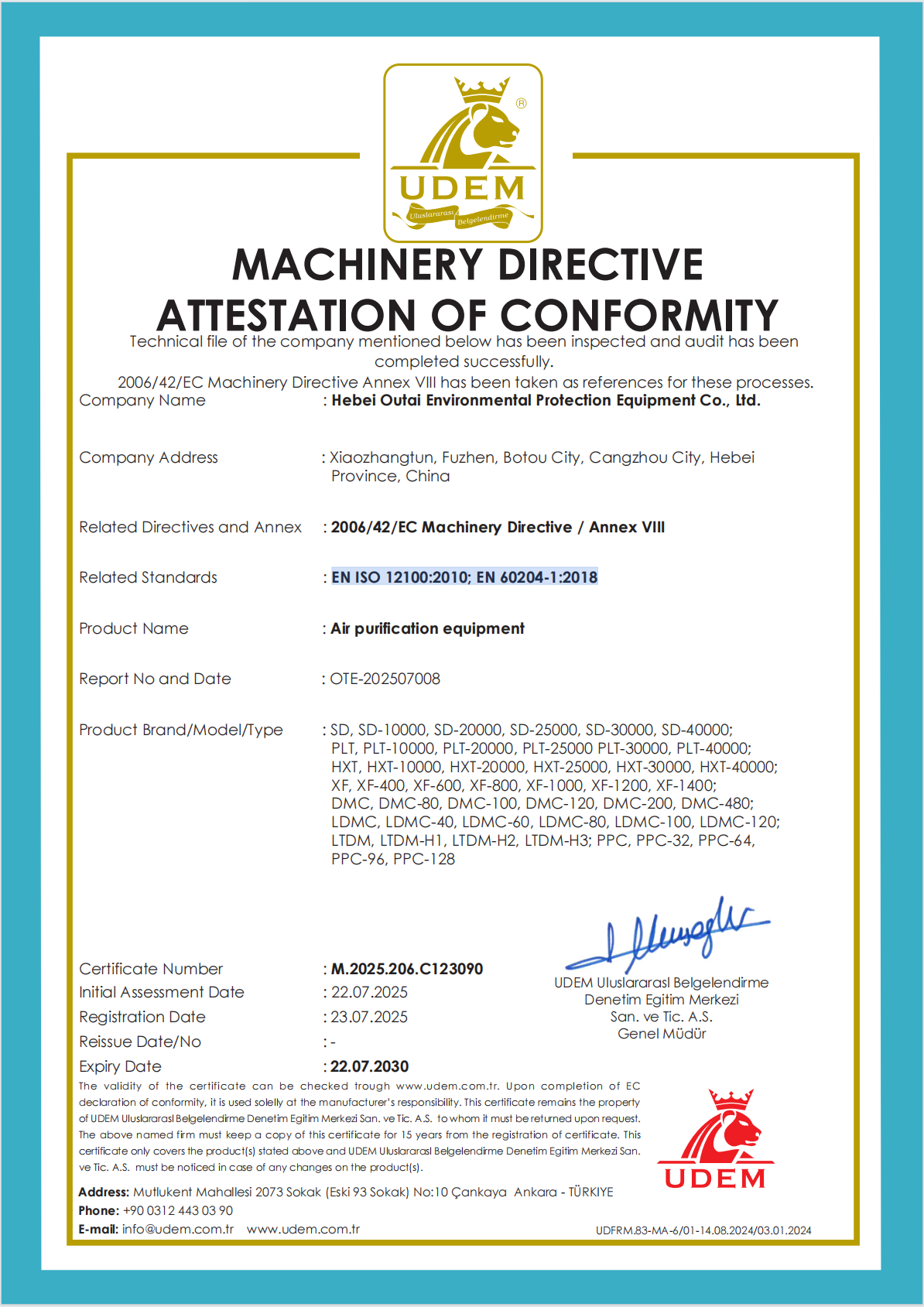
Valid certifications verify that the supplier’s design and manufacturing processes meet recognized safety and quality standards. For example, SENOTAY holds a CE certificate (No. M.2025.206.C123090) issued by UDEM, covering the Machinery Directive 2006/42/EC and standards EN ISO 12100:2010 and EN 60204-1:2018. This ensures their pulse bag filter (model DMC-200) is compliant for the European market.
Checklist:
- Request copies of certificates (CE, ISO, UL, etc.).
- Verify certificate number and issuing authority.
- Confirm that the certification covers the specific product model you intend to purchase.
2. Product Performance
Suppliers should provide detailed technical specifications for their models. For instance, SENOTAY’s LTMC-5000 cartridge dust collector features:
- Airflow capacity: 7,596–10,128 m³/h
- Filter area: 211 m²
- Filtration efficiency: ≥99.9%
- Operating temperature: ≤120°C
Similarly, their WESP-10000 wet electrostatic precipitator achieves an exhaust emission concentration of ≤20 mg/m³ with a pressure drop of ≤300 Pa. These numbers demonstrate engineering transparency and allow buyers to compare like-for-like.
Key questions:
- What is the guaranteed filtration efficiency (e.g., 99.9% for baghouse)?
- What is the pressure drop at rated airflow?
- What materials are used (carbon steel, SS304, SS316)?
- Is the unit compatible with your dust properties (temperature, humidity, abrasiveness)?
3. Manufacturing Capability
Visit the factory or request virtual tour. A reputable supplier like SENOTAY operates a 6,000 m² factory with an annual production capacity of 100,000 PCS and a dedicated R&D team of 5 engineers. They offer OEM/ODM customization, monthly capacity of 200 sets, and a lead time of 15–45 days. Their MOQ is just 1 set, flexible for project-based procurement.
Indicators of strong manufacturing:
- Large floor space and modern equipment
- In-house welding, assembly, and testing lines
- Experienced R&D personnel
- Flexible minimum order quantity
4. Quality Control
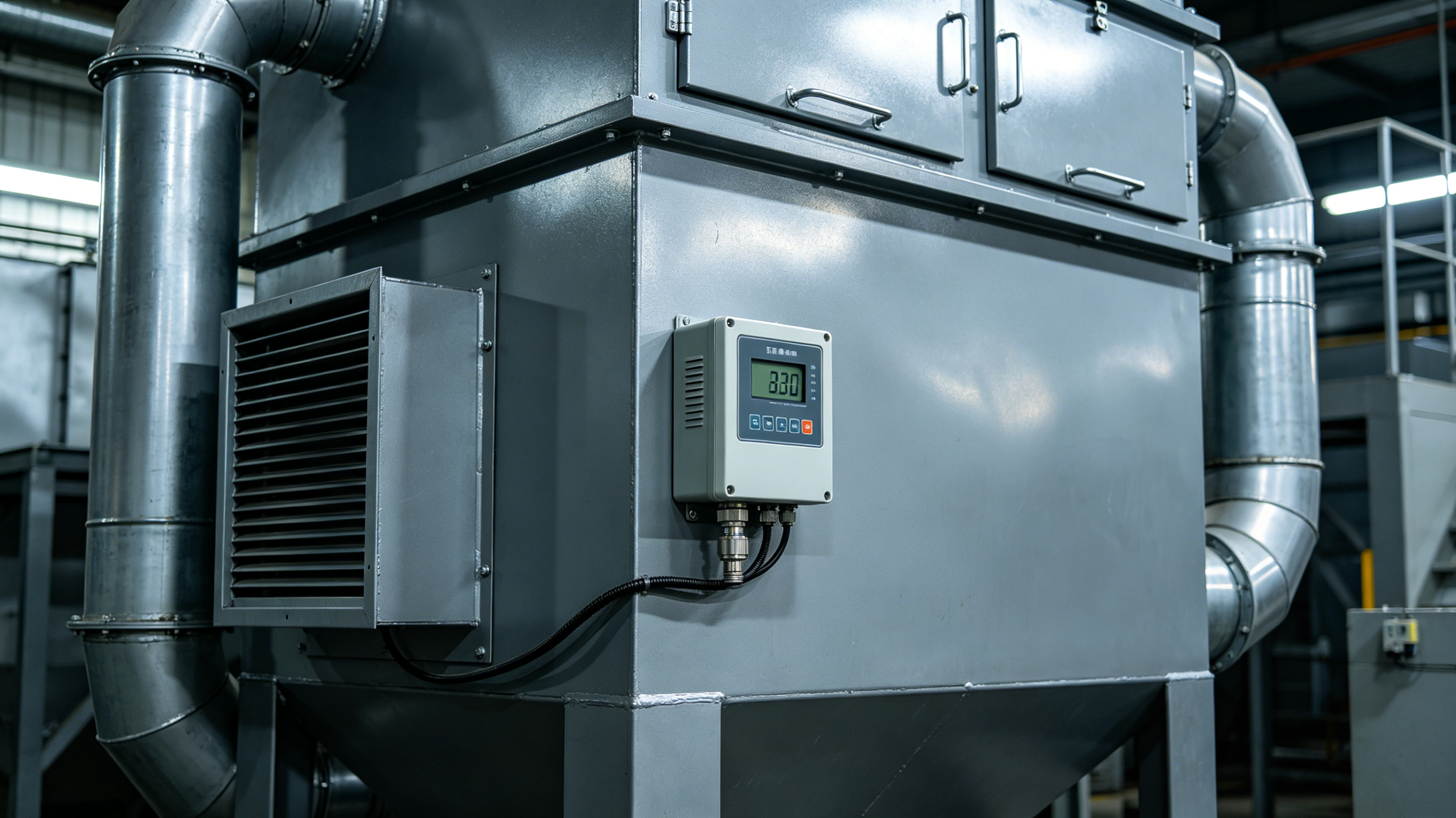
Quality control should be documented. SENOTAY implements 100% pre-shipment testing for every unit. Their pulse bag filter (DMC-200) comes with a differential pressure gauge built-in to monitor resistance, and they offer pre-shipment inspection (acceptance test) as part of their standard procurement support (EXW/FOB/CIF/DAP/DDP). This reduces the risk of receiving defective equipment.
Ask the supplier:
- What are your QC checkpoints? (incoming material, in-process, final test)
- Can you provide test reports or witness a factory acceptance test?
- How do you handle non-conforming products?
5. Application Experience
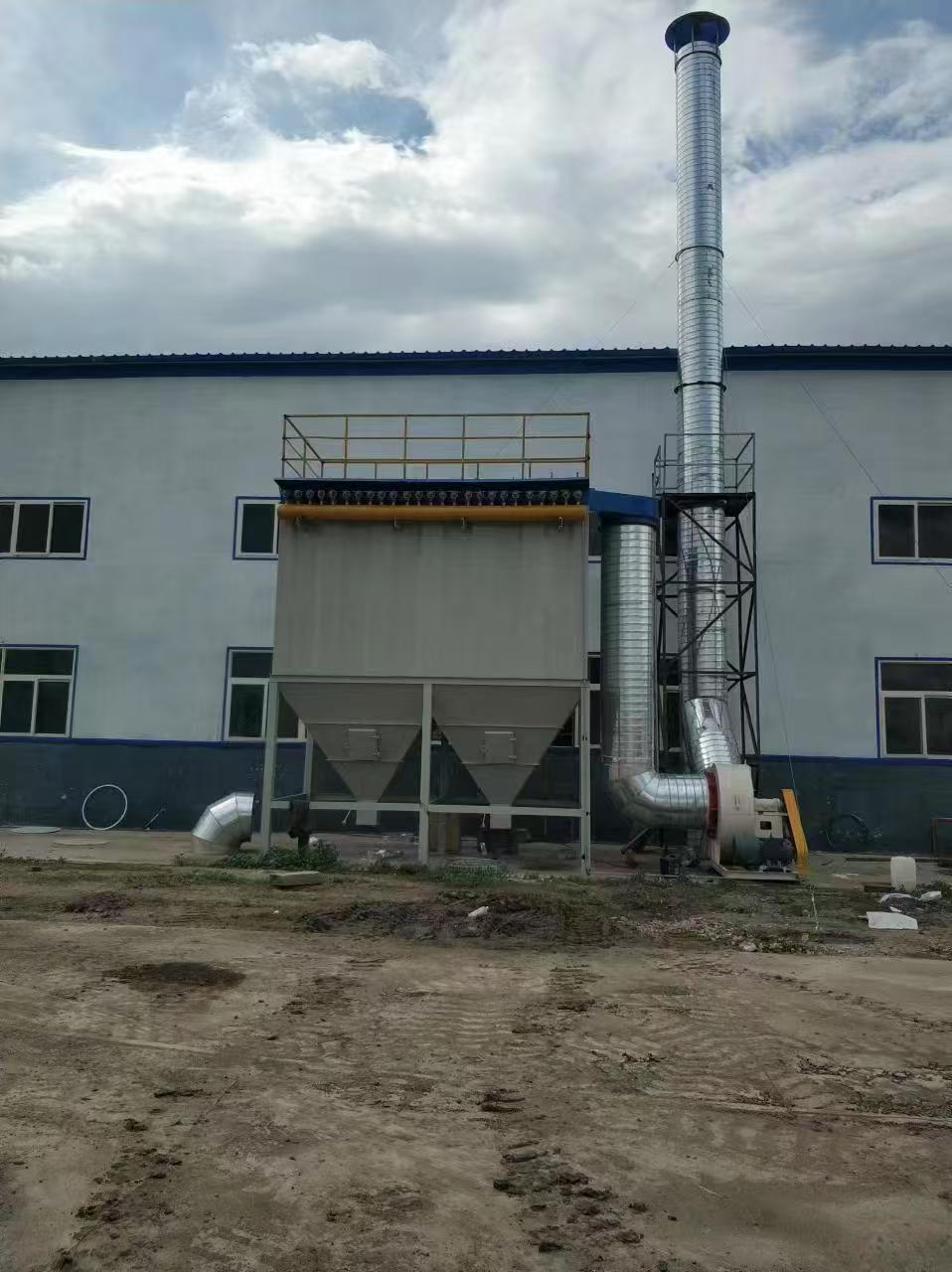
Real case studies demonstrate the supplier’s ability to solve industry-specific problems. SENOTAY delivered a dust removal system for a tire factory in Indonesia. The client needed to capture dust from mixing equipment operating 24/7. SENOTAY supplied two DMC-200 pulse bag filters with variable-frequency motors. The result: stable operation, low noise, and low energy consumption.
Evaluate:
- Ask for client references in your industry.
- Review project duration, equipment performance, and customer feedback.
- Check if the supplier customizes designs (e.g., voltage, logo, variable‑frequency drive).
6. After-Sales Support
Dust collectors require periodic maintenance (bag replacement, valve cleaning, etc.). SENOTAY offers remote support and on-site service, with a maintenance team available for commissioning and troubleshooting. Their procurement terms include 50/50 payment and delivery options from EXW to DDP, which reduces buyer risk.
Essential after-sales features:
- Warranty period (typically 12–24 months)
- Spare parts inventory and quick delivery
- Training for operators
- 24/7 technical hotline
Step-by-Step Buyer Checklist
- Define your requirements: airflow rate, dust type, temperature, emission limit, budget.
- Shortlist 3–5 suppliers based on product range and market reputation.
- Request technical datasheets and compare specifications (efficiency, pressure drop, material).
- Verify certifications and compliance with your target market.
- Conduct a factory audit (physical or virtual) to assess manufacturing and QC.
- Ask for case studies relevant to your industry.
- Require a factory acceptance test (FAT) before shipment.
- Negotiate after-sales support including warranty, spare parts, and service response time.
- Check payment terms and delivery mode to align with your risk tolerance.
- Make a decision based on total cost of ownership, not just purchase price.
Comparison: Baghouse vs. Cyclone – A Quick Efficiency Benchmark
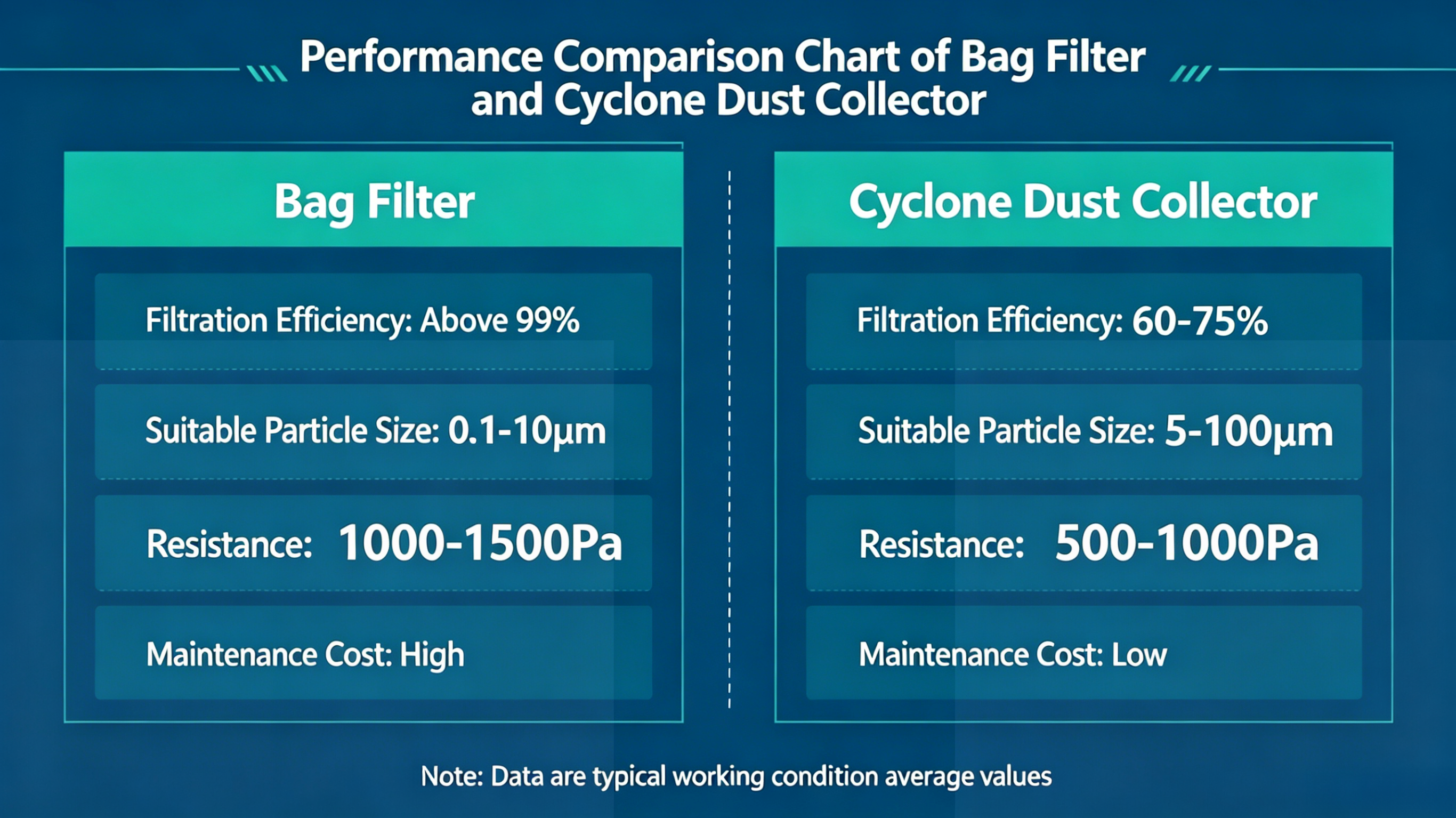
A comparison conducted by SENOTAY shows that baghouse dust collectors offer over 25% higher purification efficiency than cyclone dust collectors, though baghouse units are approximately 50% more expensive. Maintenance and energy efficiency also favor baghouse technology. Use such data to align technology choice with your efficiency requirements.
Frequently Asked Questions (FAQ)
It is a systematic process to assess a supplier’s ability to deliver equipment that meets your performance, compliance, and reliability standards. It includes checking certifications, product specs, manufacturing capability, quality control, past projects, and after-sales support.
Request independent test reports or witness a factory acceptance test. Look for guaranteed efficiency numbers in the contract. Reputable suppliers like SENOTAY offer ≥99.9% efficiency for their cartridge and baghouse filters.
CE certification indicates compliance with EU Machinery Directive and harmonized standards (e.g., EN 60204-1 for electrical safety). It is mandatory for equipment sold in the European Economic Area and is a strong proxy for overall quality.
Overseas suppliers often offer better value and custom options. To manage risk, use the 6-dimension checklist and leverage services like pre-shipment inspection and third-party audits. Many buyers in Central Asia, Europe, and the Middle East successfully work with Chinese manufacturers when quality is guaranteed.
Lead times vary depending on complexity. For example, SENOTAY quotes 15–45 days after design confirmation, with a monthly capacity of 200 sets. Always confirm lead time in writing and include penalties for delays.
Treat refusal as a red flag. Legitimate suppliers are transparent about their facilities. You can also request a video walkthrough or hire an independent inspection agency.
Conclusion
Selecting a dust collector supplier is not a one-size-fits-all decision. By applying the six-dimension framework—certifications, product performance, manufacturing capability, quality control, application experience, and after-sales support—you can significantly reduce procurement risk and ensure long-term satisfaction.
Companies like SENOTAY demonstrate how a committed manufacturer with robust engineering, documented quality processes, and global delivery capability can be a trustworthy partner. We encourage you to download SENOTAY’s company brochure for detailed product specifications, certification copies, and case studies.
Ready to evaluate your next dust collector supplier?
Download SENOTAY’s full brochure: https://cdn.socialarks.com/sbsp/24839/common/2026/0522/6a0fc4027659c.pdf
Or contact them directly:
Email: info@senotay.com | Phone: +86-317-8288592 | WhatsApp: +86 15831871808
© 2026 Hebei Outai Environmental Protection Equipment Co., Ltd. (SENOTAY) – All rights reserved.
Have Questions or Need More Details?
Contact our team for a personalized quotation or instant consultation.
Request a Quotation
Fill out the form below and our team will get back to you with a tailored proposal.
WhatsApp Direct Chat
Prefer to chat in real-time? Message us on WhatsApp for instant assistance & quick answers.
- Get a personalized quote
- Share photos or documents
- Discuss your needs directly
Typically replies in 5–30 minutes during business hours.