Industrial Dust Collectors: Types, Applications and Selection Guide (2026)
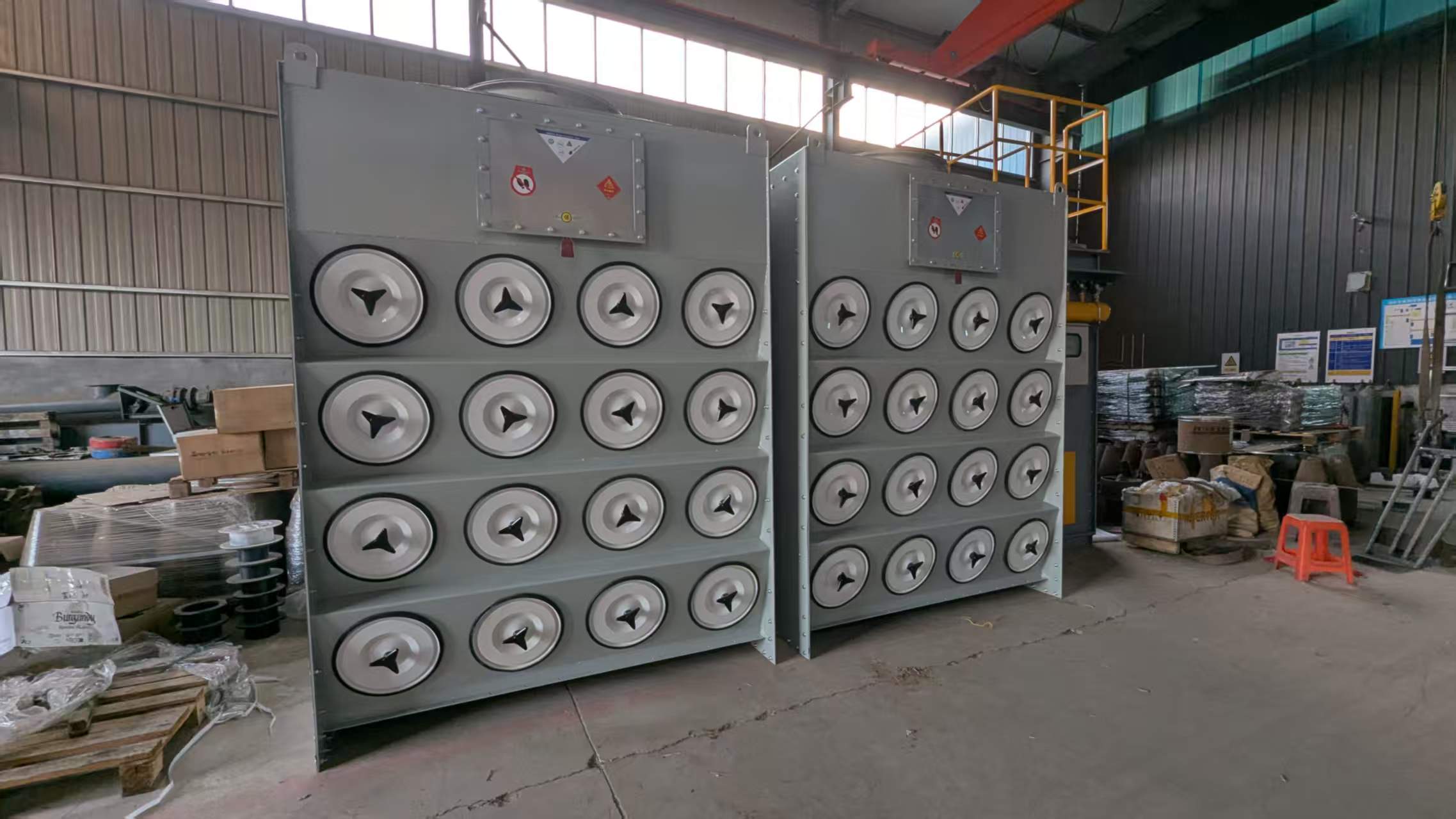
Industrial dust collectors are essential equipment for maintaining air quality, meeting regulatory compliance, and protecting worker health in manufacturing and processing facilities. Choosing the right dust collection system depends on understanding the available technologies, their performance characteristics, and application suitability. This guide provides an overview of the main industrial dust collector types—baghouse, cartridge, cyclone, electrostatic precipitator (ESP), and wet scrubber—with a focus on selection criteria and real-world applications.
Problem Definition: Why Effective Dust Control Matters
Industrial processes generate airborne particulate matter that can cause respiratory illness, equipment wear, fire or explosion hazards, and environmental pollution. Regulations worldwide increasingly limit stack emissions, requiring facilities to install high-efficiency dust collection systems. The choice of technology directly impacts operating costs, maintenance intervals, and compliance risk.
Industry Background: Where Dust Collectors Are Used
Dust collectors serve a wide range of industries. Typical applications include steel, cement, metallurgy, building materials, food processing, grain drying, mining, and casting—as well as more specialized sectors such as chemical, pharmaceutical, woodworking, and waste incineration. Each application has unique requirements in terms of dust particle size, temperature, moisture, and explosivity.
Detailed Solution: SENOTAY's Dust Collection Portfolio
Hebei Outai Environmental Protection Equipment Co., Ltd. (brand SENOTAY), established in 2015, is a manufacturer of heavy-duty filtration systems and precision components. The company operates a 6,000 m² factory with approximately 30 employees and an annual production capacity of 100,000 pieces. Export business accounts for 70% of total sales, serving markets in Central Asia, Southeast Asia, the Middle East, Russia, Africa, and Europe.
SENOTAY offers a complete range of dust collectors, including pulse bag filters, cartridge dust collectors, electrostatic precipitators, cyclone dust collectors, and wet scrubbers. The company also produces complementary equipment such as screw conveyors, chain conveyors, bucket elevators, VOCs purification systems, and desulfurization/denitrification units. SENOTAY systems deliver up to 99.9% filtration efficiency and are engineered for demanding environments in industries such as energy & power, mining & quarrying, cement & construction, metallurgy & casting, chemical & rubber, and pharmaceuticals & food processing.
Key Products at a Glance
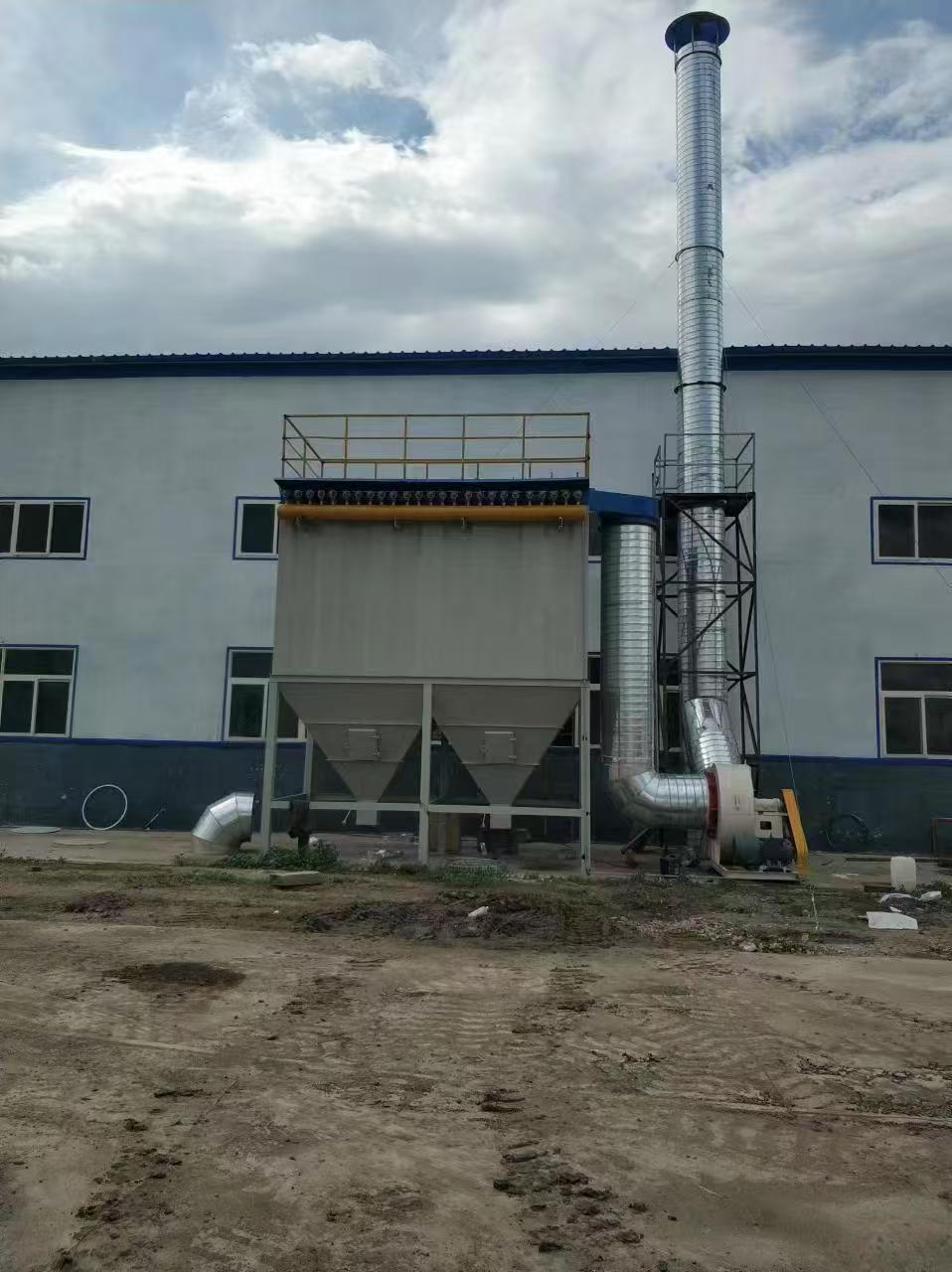
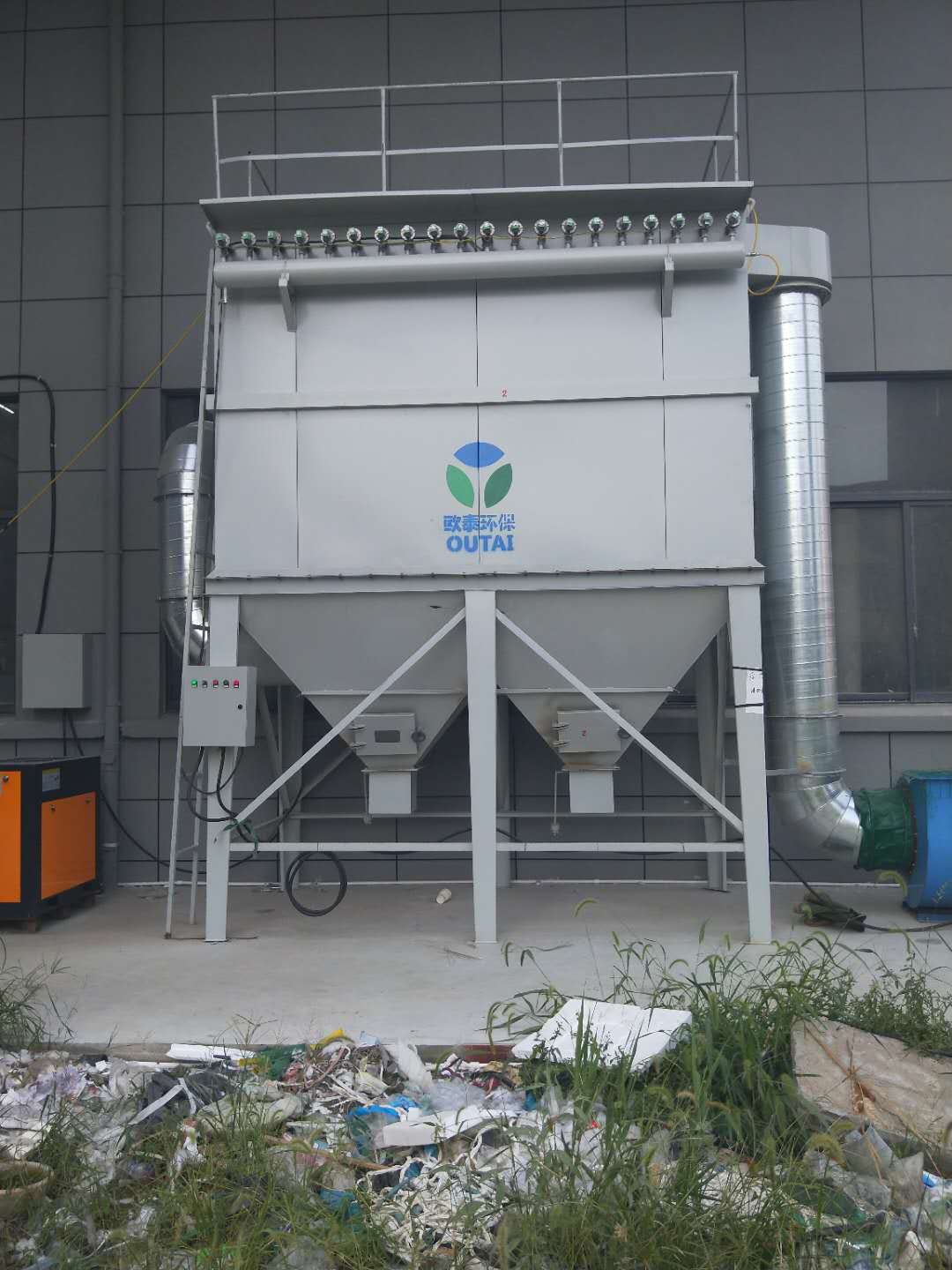
- Pulse bag filter (DMC-200): Filtration area 160 m², gas flow rate 9,600–14,400 m³/h, filtration accuracy <1 μm, efficiency >99.5%. Fan power 18.5 kW. Material: carbon steel or SS304.
- Cartridge dust collector (LTMC-5000): 16 cartridges, angled-insert design, filter area 211 m², airflow 7,596–10,128 m³/h, efficiency ≥99.9%, temperature ≤120°C. Material: carbon steel or SS304.
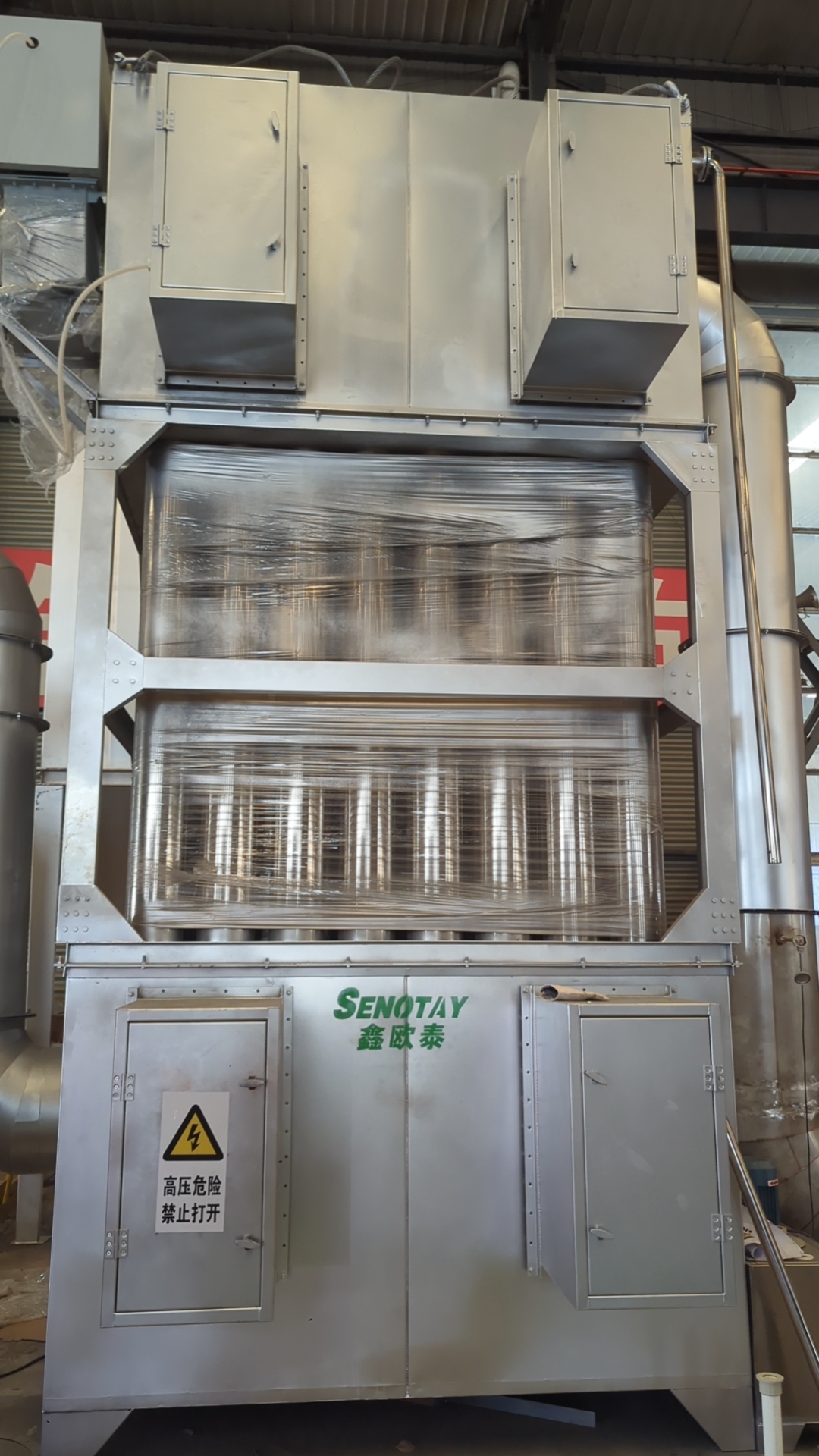
- Wet electrostatic precipitator (WESP-10000): Efficiency ≥95%, exhaust emission ≤20 mg/m³, airflow 5,000–10,000 m³/h, pressure drop ≤300 Pa, temperature ≤80°C. Material: carbon steel, SS304, or SS316.
- Cyclone dust collector (LXC-800): Single-chamber, cylinder diameter 800 mm, airflow 3,000–5,000 m³/h, efficiency ≥70%, temperature ≤300°C. Material: carbon steel or SS304.
Step-by-Step Selection Process
- Characterize the dust: Determine particle size, density, abrasiveness, moisture content, and chemical reactivity.
- Define operating conditions: Temperature, humidity, gas composition, and required airflow.
- Set efficiency target: For example, ≥99.9% for cartridge collectors or ≥99.5% for baghouse filters.
- Select collector type: High-temperature dusts may require cyclones or ESPs; fine fumes need baghouse or cartridge filters.
- Consider space and maintenance: Cartridge collectors are compact; baghouses have larger footprints but lower media cost.
- Verify compliance: Ensure emission limits (e.g., ≤20 mg/m³ for ESP) are met.
Real-World Use Case: Tire Factory in Indonesia
SENOTAY's DMC-200 pulse bag filter is installed in a tire factory in Indonesia. It operates under normal temperature conditions 24/7, capturing dust generated during the mixing of rubber compounds. The system includes a piping network, electrical control, high-pressure gas supply, and fan system. A variable-frequency motor was specified to optimize energy use. This application demonstrates how a pulse bag filter can handle continuous-duty operations with high reliability.
Comparison: Dust Collector Technologies
| Parameter | Pulse Baghouse (DMC-200) | Cartridge (LTMC-5000) | Wet ESP (WESP-10000) | Cyclone (LXC-800) |
|---|---|---|---|---|
| Filtration efficiency | >99.5% | ≥99.9% | ≥95% | ≥70% |
| Max temperature | Typical bag material limit ~200°C* | ≤120°C | ≤80°C | ≤300°C |
| Pressure drop | Typically 1,000–1,500 Pa* | ≤1,200 Pa | ≤300 Pa | 800–1,500 Pa |
| Airflow capacity | 9,600–14,400 m³/h | 7,596–10,128 m³/h | 5,000–10,000 m³/h | 3,000–5,000 m³/h |
| Material options | Carbon steel / SS304 | Carbon steel / SS304 | Carbon steel / SS304 / SS316 | Carbon steel / SS304 |
*Values based on typical industrial baghouse designs; specific numbers may vary.
Frequently Asked Questions
- What is the filtration efficiency of SENOTAY's dust collectors?
SENOTAY's systems deliver up to 99.9% filtration efficiency. For example, the LTMC-5000 cartridge dust collector achieves ≥99.9% efficiency, while the DMC-200 pulse bag filter exceeds 99.5%. - Which dust collector is suitable for high-temperature applications?
The LXC-800 cyclone dust collector can operate at temperatures up to 300°C, making it suitable for cement, metallurgy, and power generation. For lower temperatures, cartridge and bag filters are more efficient but require cooling upstream. - Can I get a quotation for a custom dust collection system?
Yes. SENOTAY offers custom engineering based on airflow volume, dust characteristics, and compliance targets. Contact the sales team with your requirements. - How long does it take to receive a sample or product?
SENOTAY operates a 6,000 m² factory with annual capacity of 100,000 pieces. Standard lead times depend on configuration and quantity; please inquire directly for a timeline. - What should I prepare before requesting a quote for a dust collector?
Provide the dust type, expected airflow, temperature range, space constraints, and target emission limits. This information helps match the right model and options, such as the DMC-200 or LTMC-5000. For further assistance, visit the SENOTAY blog or download the company brochure.
Conclusion
Selecting an industrial dust collector requires balancing efficiency, operating conditions, and cost. SENOTAY offers a comprehensive portfolio—from pulse bag filters and cartridge collectors to electrostatic precipitators and cyclones—backed by a 6,000 m² factory, 70% export ratio, and global service network. Whether you need a standard unit or a custom-engineered system, SENOTAY can deliver. Contact them for a tailored solution.

Have Questions or Need More Details?
Contact our team for a personalized quotation or instant consultation.
Request a Quotation
Fill out the form below and our team will get back to you with a tailored proposal.
WhatsApp Direct Chat
Prefer to chat in real-time? Message us on WhatsApp for instant assistance & quick answers.
- Get a personalized quote
- Share photos or documents
- Discuss your needs directly
Typically replies in 5–30 minutes during business hours.