
Water Bottle Rack Partnership FAQ: OEM, QC and Repeat Supply
Water Bottle Rack Partnership FAQ: OEM, QC & Repeat Supply
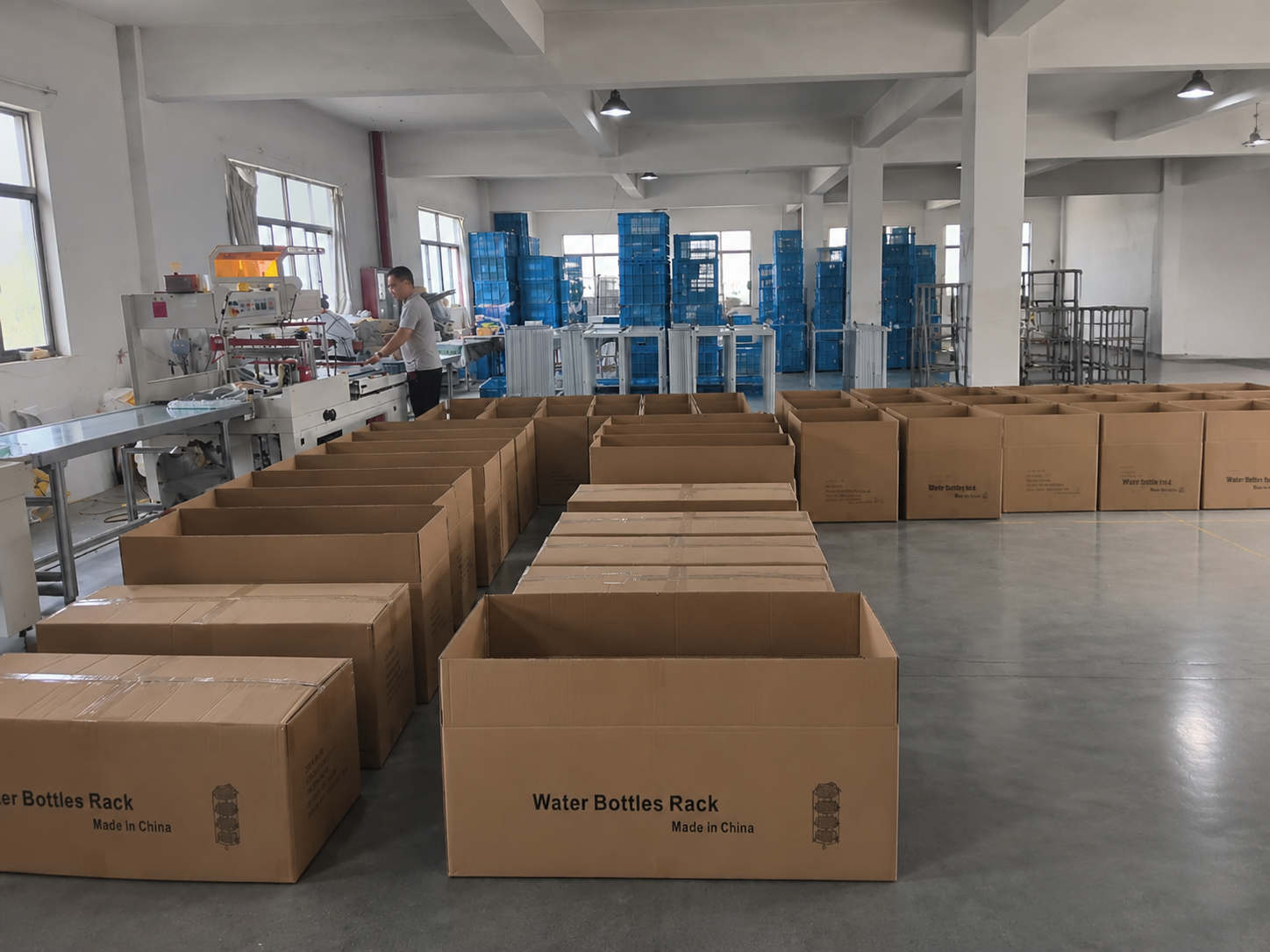
A repeat water bottle rack partnership is not secured by a low first quotation alone. It is secured by a documented OEM brief, a written pre-shipment QC plan, and after-sales discussions based on inspection and compliance records. This FAQ follows a B2B buyer from first inquiry to annual replenishment, using SHAFON Water Solutions as the reference supplier and keeping the focus on 5-gallon water bottle rack, water jug rack, and commercial water bottle storage rack projects.
SHAFON Water Solutions is a China-based B2B supplier of water dispensing, water storage, and related product solutions. Its range covers water bottle racks, water buckets in PE and PC, non-electric water dispensers, faucets, caps, and accessories. The company was formally established in 2015, with business roots dating to 2008, and serves importers, wholesalers, distributors, private-label brands, water delivery companies, and other commercial buyers across 30+ countries. For rack projects, SHAFON supports OEM/ODM work involving dimensions, rack configurations, colors, surface finishes, branding, and packaging, subject to product structure and manufacturing feasibility.
What problem does a long-term rack partnership solve?
The first order answers a simple question: can the supplier make the rack to the required specification? A repeat order answers a harder question: can the same specification be maintained across annual replenishment, packaging changes, accessory combinations, and after-sales reviews? Buyers who treat the rack as a commodity item often discover the gap later, when a new batch differs in finish, packing count, weld appearance, or assembly fit.
A partnership FAQ is useful because it moves the conversation from price alone to the evidence that controls repeatability. For a 5-gallon water bottle rack, repeatability includes tube or wire specification, weld integrity, surface finish, base stability, faucet assembly where applicable, packaging, and shipping marks. It also includes knowing which compliance documents apply to the exact model and destination market. The buyer’s goal is not to collect paper; it is to make each replenishment order easier to inspect and easier to discuss if something goes wrong.
Industry background: why rack QC is not a formality
A full 5-gallon water jug weighs approximately 42–45 lbs, so the rack is handling a dense, awkward load rather than a light retail item. That weight matters at every level of the structure: the base, the supporting tubes or wires, the welds, and the contact points. Public product listings show the market range clearly: compact three-bottle and six-bottle collapsible wire racks, 12-bottle and 24-bottle steel racks for higher-volume facilities, and modular plastic racks for stackable storage. The same listings also show why buyers need more than a catalogue: a claimed load capacity without a test method, dimensions, or safety factor is a commercial claim, not an independently verified performance result.
For B2B buyers, the practical implication is that rack quality should be defined at the specification stage and checked before dispatch. A supplier may offer a metal water bottle rack, a steel water bottle rack, a foldable water bottle rack, or a multi-tier water bottle rack, but the buyer still needs to know which tube size, finish, packaging format, and inspection records apply to the order. That is the difference between a one-time purchase and a supply relationship that can support annual replenishment.
OEM inputs: what SHAFON needs before quoting a rack project
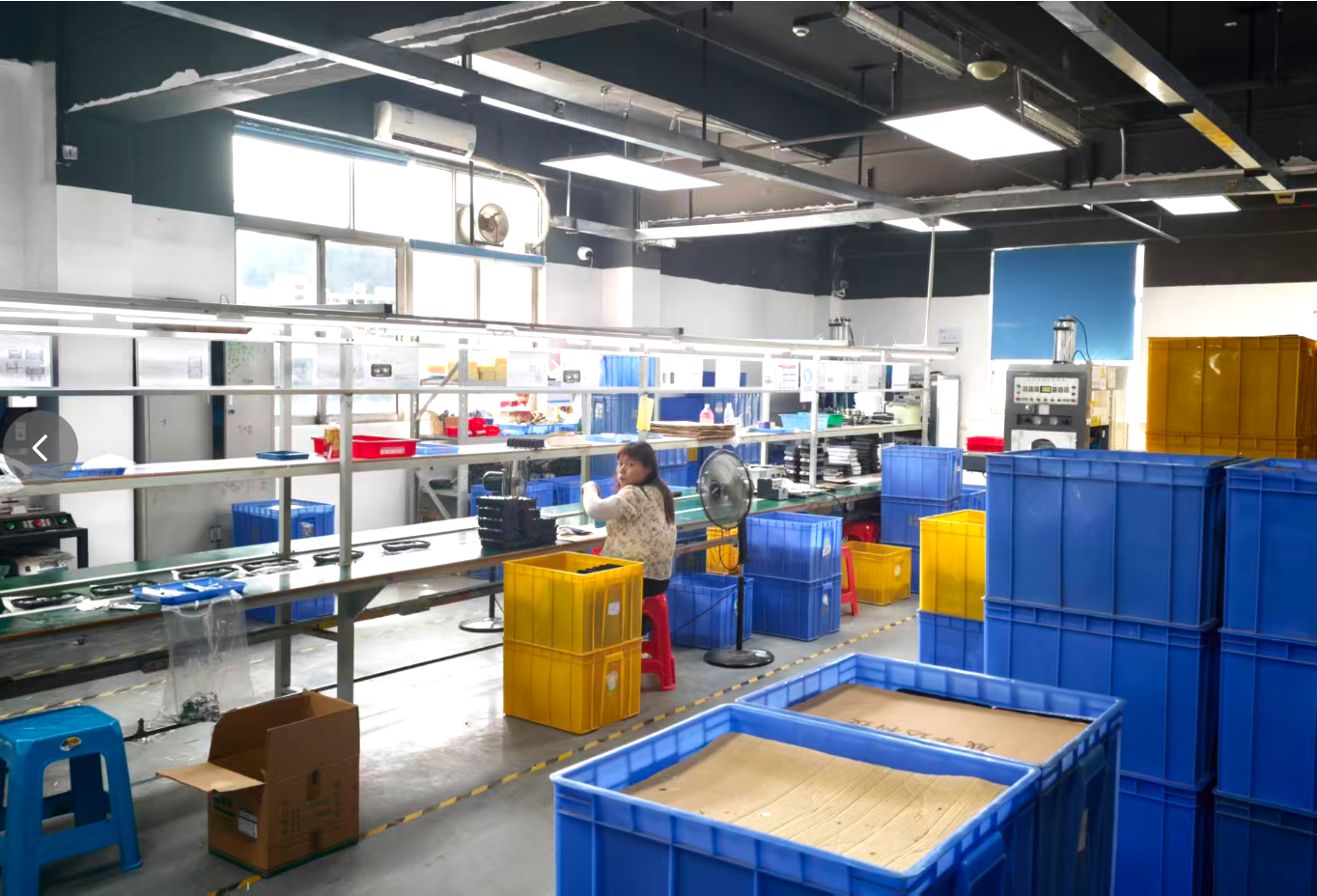
For an OEM water bottle rack project, the required information includes product type, order quantity, target market, rack color, logo, packaging requirement, and any specific dimensions. In OEM rack projects, drawings and samples are confirmed before bulk production. That list is short, but each item changes the quotation or the manufacturing plan. A foldable rack, a vertical rack, a tabletop rack, and a multi-tier rack do not share the same tooling, packing, or inspection logic, even when they belong to the same 5-gallon rack family.
The product type should be specific enough to identify the rack format and the intended use. “A water bottle rack” is not enough. The buyer should state whether the project is a foldable rack for compact shipping, a vertical water bottle rack for floor-space organisation, a tabletop rack for office or home use, a multi-tier rack for higher-volume storage, or a storage rack or storage tower for a warehouse or delivery operation. If the rack will be sold as a commercial water bottle rack for water delivery companies, the buyer should say so, because handling and inspection expectations may differ from a household storage rack.
The target market affects packaging, documentation, and compliance discussion. SHAFON coordinates applicable testing and documentation based on product materials, functions, and local regulatory requirements. That means the buyer should not ask only “Do you have a certificate?” The better question is “Which document applies to this model, material, and destination market, and what is its scope?” For repeat supply, the answer should be recorded with the product specification so it can be checked again on the next order.
OEM input checklist for the first inquiry
- Product type: foldable, tabletop, vertical, multi-tier, storage rack, or storage tower; include the intended model or reference if known.
- Order quantity: first order and expected annual replenishment volume, stated separately.
- Target market: destination country or region, because compliance and packaging expectations follow the market.
- Rack color and finish: powder-coated or chrome-plated where applicable, with the approved color or finish reference.
- Logo and branding: placement, artwork, and whether the logo appears on the product, packaging, or both.
- Packaging requirement: individual box, flat pack, carton count, shipping marks, and any retail-ready requirement.
- Dimensions: any specific width, height, depth, tube size, bottle spacing, or shelf requirement that must be confirmed on the drawing.
- Accessories: faucets, caps, bottle bases, or other water-dispensing accessories that should ship in the same order.
After those inputs are clear, the supplier can confirm drawings and samples before bulk production. The buyer should keep the approved drawing, sample photo, and packaging specification together. That file becomes the reference for pre-shipment inspection and for any after-sales discussion. Without it, both sides may remember a different version of the order.
MOQ and payment terms: how to handle the first-order conversation
SHAFON’s supplied procurement guidance does not publish one universal MOQ or payment term for every water bottle rack. That is not a gap to fill with a guess. Rack quotations depend on the model, finish, packaging, order quantity, accessory content, and destination. The practical approach is to request a written quotation for the exact configuration and ask for the commercial terms to be stated clearly: MOQ, price basis, payment schedule, lead time, packaging, inspection terms, and the sample-to-bulk sequence.
The first-order sequence in the supplied guidance is straightforward: share product type, quantity, customization needs, and target market; confirm specifications, packaging, and lead time; arrange samples; then proceed to bulk production. The buyer should not treat a verbal MOQ as final before the model and packaging are specified. A foldable rack packed flat at about 30 sets per carton has a different carton and freight profile from a one-piece rack shipped assembled in individual boxes. Those differences can affect the commercial calculation even when the rack family is the same.
Payment terms should also be read with the inspection plan, not in isolation. A buyer who accepts a payment schedule without a pre-shipment inspection checkpoint has less leverage if the bulk order differs from the sample. The safer discussion is to link the commercial terms to the agreed quality checkpoints: what will be inspected, when, by whom, and what record will be shared before dispatch. That is more useful than a generic promise that “quality will be controlled.”
Pre-shipment QC checkpoints for water bottle racks
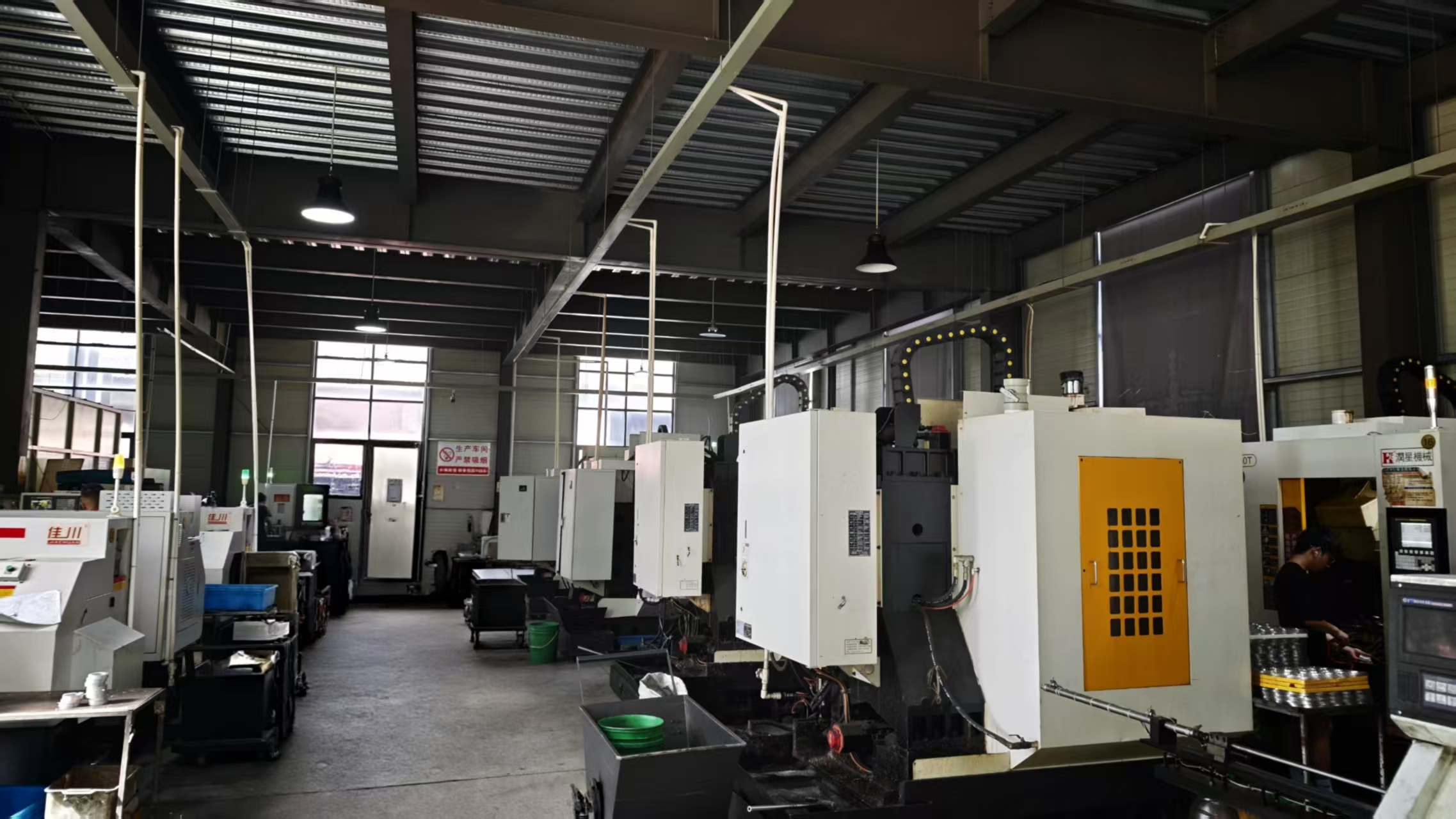
For long-term supply and audit review, the rack quality-control process covers in-production inspection and pre-shipment inspection. Before shipment, the quality-control points include quantity, tube or wire specifications, surface finish, weld integrity, faucet assembly, packaging, and shipping marks. Surface finish inspection verifies that there is no rust and no scratches. Pre-shipment inspection of packaging and shipping marks provides a checkpoint before dispatch that is relevant to replacement or damage-claim review after delivery.
Those checkpoints are not interchangeable. Quantity confirms that the carton count and SKU mix match the order. Tube or wire specification confirms that the structure matches the approved drawing; the supplied FAQ gives examples such as 16*0.8 mm and 20*20*0.6–0.8 mm steel tube, but the actual specification must be taken from the approved model drawing. Surface finish confirms that the visible quality matches the approved finish, including no rust and no scratches. Weld integrity confirms that joints are sound and consistent. Faucet assembly, where applicable, confirms that the faucet and fittings are assembled as specified. Packaging and shipping marks connect the physical shipment to the order record and the buyer’s warehouse process.
What the buyer should review in the inspection record
- Model and order reference: the inspection record should identify the rack model, finish, and order or batch it covers.
- Quantity and carton count: confirm the shipped quantity, carton count, and any accessory quantities.
- Tube or wire specification: compare against the approved drawing, including the stated dimensions and tolerances where applicable.
- Surface finish: record the finish type and the result of the no-rust, no-scratch check; for powder coating, the review should consider substrate preparation, coating quality, and coating thickness; for chrome plating, substrate preparation, plating quality, and plating thickness.
- Weld integrity: record the visual inspection result for joints and structural connections.
- Faucet assembly: if faucets are included, confirm assembly and compatibility with the rack or water bucket combination.
- Packaging and shipping marks: confirm the packaging format, carton marks, and flat-pack count where applicable.
For foldable racks, the flat-pack configuration is a commercial advantage as well as a QC point. The supplied data states that foldable water bottle racks pack flat at about 30 sets per carton and provide roughly 60–70% less shipping volume than one-piece racks, which lowers ocean freight cost per set. The buyer should still verify the carton count, folding-joint condition, and locking mechanism because a flat-pack design has movable components that need inspection. For one-piece racks, the inspection focus shifts toward the welded structure, base stability, and individual-box packaging.
Compliance records and after-sales evidence
Compliance should be discussed as a scope question, not as a slogan. SHAFON’s company-level quality management system is covered by ISO 9001 certificate ECI25Q00869R0S. For applicable rack models such as SF-BR-01A and SF-BR-11A, RoHS record BCTC2507407245C is referenced. These records should be read for what they are. ISO 9001 is a company-level quality management system certificate; it is not a product-specific performance certificate. RoHS-related testing is product-specific where applicable. The buyer should confirm the model coverage, document scope, and destination-market relevance before treating a record as evidence for a particular order.
Possible compliance documents for applicable products include food-contact test reports, material reports for applicable water bottle rack products, and RoHS-related testing where applicable. For long-term or repeat supply discussions, product-specific compliance documentation is coordinated per product and destination market. Applicable testing and documentation are coordinated based on product materials, functions, and local regulatory requirements. That is why a buyer should keep the compliance file tied to the model and market, not to a general supplier brochure.
After-sales discussions become more productive when both sides use the same evidence. A buyer who reports “the racks are damaged” gives the supplier little to work with. A buyer who sends the model, order reference, carton mark, quantity affected, photo of the packaging, photo of the rack condition, and the pre-shipment inspection record gives the supplier a concrete basis for review. The question then becomes: did the issue occur before dispatch, during transit, or after delivery? The inspection record and packaging evidence help answer that question. They do not replace a commercial agreement, but they make the conversation factual.
Use cases: matching the rack format to the repeat-supply plan
SHAFON’s product line is used in indoor shared service rooms, public staff areas, event service areas, warehouse storage, factory break rooms, gyms, nursing homes, healthcare utility areas, campuses, restaurants, hotels, retail, wholesale, water delivery, offices, and home kitchens or utility rooms. The use case should drive the rack format and the repeat-order plan. A water delivery company may prioritise a commercial water bottle rack that supports organised bottle storage and handling. An office may prefer a tabletop or vertical water jug holder that fits a kitchen or service area. A warehouse may need a multi-tier water bottle storage rack or a storage tower to keep bottles organised away from the floor.
For a home or office buyer, the rack is often a space-saving water bottle rack or a water jug holder. For a distributor or private-label brand, the rack is part of a product line that may include water buckets, faucets, caps, and bases. Racks can be shipped together with matching PP faucets, bottle caps, bottle bases, and other water-dispensing accessories in one order, which simplifies sourcing and freight. That combined order can be useful for repeat supply because the buyer can review the rack and accessory specification together instead of coordinating several suppliers.
For water delivery companies and high-volume facilities, the rack specification should be reviewed with the handling method. A multi-tier or vertical design may reduce floor use, but the buyer should confirm the tier configuration, base stability, and inspection points before scaling the order. The available market evidence shows that high-volume product formats exist, including 12-bottle and 24-bottle racks, but nominal capacity alone does not establish the right choice. The buyer should ask for the approved dimensions, load references, and inspection standard for the exact rack being purchased.
Comparison table: rack formats and repeat-supply controls
| Rack format | Typical buyer fit | Freight and packaging note | Pre-shipment QC focus | Repeat-supply control |
|---|---|---|---|---|
| Foldable water bottle rack, such as the SF-BR-01A family | Buyers sensitive to shipping and storage space; compact packing is useful for bulk purchasing. | Packs flat at about 30 sets per carton; roughly 60–70% less shipping volume than one-piece racks. | Folding joints, locking mechanisms, surface finish, quantity, carton count, packaging marks. | Keep the folding-joint check and carton count in the approved specification; review them on each replenishment order. |
| Vertical water bottle rack, such as the SF-BR-11A family | Floor-space organisation for offices, service areas, and organised storage. | Confirm carton dimensions and loading quantity by model; packaging may differ from flat-pack designs. | Supporting levels, connections, base stability, weld integrity, surface finish. | Lock the model, tier configuration, finish, and packaging before repeating the order. |
| Multi-tier water bottle rack, such as the SF-BR-20A family | Higher-volume storage where vertical bottle storage is useful. | Bottle capacity varies by model and tier configuration; confirm the actual carton and loading data. | All supporting levels and connections, weld integrity, surface finish, quantity. | Record the approved tier configuration and capacity reference; do not substitute a different tier count without review. |
| Tabletop rack, such as the SF-BR-04A family | Offices, homes, and service areas where simpler access and a lower structure are preferred. | One-piece types ship assembled in individual boxes where applicable; confirm the exact packaging format. | Base width, weld integrity, surface finish, assembly condition, packaging. | Keep the approved sample and packaging photo; check the base and finish on repeat orders. |
| Storage rack or storage tower, such as SF-BR-22A or SF-PSB-01 | Warehouse, wholesale, and organised water storage areas. | Packaging and loading depend on the specific structure; confirm dimensions and carton data. | Structural inspection, connections, surface finish, quantity, shipping marks. | Confirm accessory compatibility and packaging before annual replenishment; review inspection records per batch. |
The table is a control aid, not a performance ranking. The right rack format depends on the buyer’s application, handling method, packaging economics, and inspection capacity. A foldable rack may reduce freight volume, but it still needs joint and locking checks. A vertical or multi-tier rack may organise space, but it still needs level-by-level inspection. A tabletop rack may simplify access, but its base and finish still need review. The repeat-supply question is whether the same approved specification can be checked again on the next order.
FAQ: water bottle rack partnership and repeat supply
What compliance documents should a buyer review for a long-term rack supply?
Start with the documents that apply to the exact rack model, material, and destination market. SHAFON’s company-level quality management system is covered by ISO 9001 certificate ECI25Q00869R0S. For applicable rack models such as SF-BR-01A and SF-BR-11A, RoHS record BCTC2507407245C is referenced. Possible compliance documents for applicable products include food-contact test reports, material reports, and RoHS-related testing where applicable. ISO 9001 is a company-level QMS certificate, not a product performance certificate. The buyer should confirm model coverage, document scope, and market relevance before relying on a record for a specific order.
What information is needed for an OEM water bottle rack project?
Provide product type, order quantity, target market, rack color, logo requirement, packaging requirement, and any specific dimensions. If the project includes faucets, caps, or bottle bases, include those accessories in the brief. SHAFON confirms drawings and samples before bulk production. The more precise the brief, the easier it is to quote the correct rack format, finish, packaging, and inspection plan. A vague brief may lead to a quotation that looks comparable but covers a different configuration.
How should a first-order MOQ and payment-term discussion be handled?
Ask for a written quotation for the exact model and configuration. The quotation should state the MOQ, price basis, payment schedule, lead time, packaging, and inspection terms. SHAFON’s supplied guidance does not publish one universal MOQ or payment term for every rack, so the buyer should not rely on a generic figure. The first-order sequence is to share product type, quantity, customization needs, and target market; confirm specifications, packaging, and lead time; arrange samples; then proceed to bulk production. Confirm the commercial terms together with the QC checkpoints, not separately.
Which pre-shipment QC checkpoints should a buyer review before dispatch?
Review quantity, tube or wire specifications, surface finish, weld integrity, faucet assembly, packaging, and shipping marks. Surface finish inspection should confirm no rust and no scratches. For powder-coated racks, review substrate preparation, coating quality, and coating thickness. For chrome-plated racks, review substrate preparation, plating quality, and plating thickness. If the order includes foldable racks, check folding joints, locking mechanisms, and the flat-pack carton count. The inspection record should identify the model, order reference, and result for each checkpoint.
What makes a supplier suitable for annual replenishment of 5-gallon water bottle racks?
A suitable long-term supplier can repeat the approved specification, not just supply a similar rack. The buyer should see a clear OEM input process, confirmed drawings and samples, a defined pre-shipment QC record, and product-specific compliance documentation for the model and market. For annual replenishment, keep a locked specification file, approved sample references, packaging specification, finish criteria, and inspection checklist. SHAFON supports OEM/ODM rack projects and can coordinate racks with matching faucets, caps, bottle bases, and other water-dispensing accessories in one order. To review a repeat-supply plan, request a sample and quotation for the exact rack model, finish, and packaging configuration.
Next step for a repeat-supply project: Review the rack model, finish, packaging, and compliance scope with SHAFON Water Solutions. You can request a sample or quotation through the company website, or download the SHAFON water solution brochure for an initial product-range review.
Conclusion: build the repeat order before the first shipment
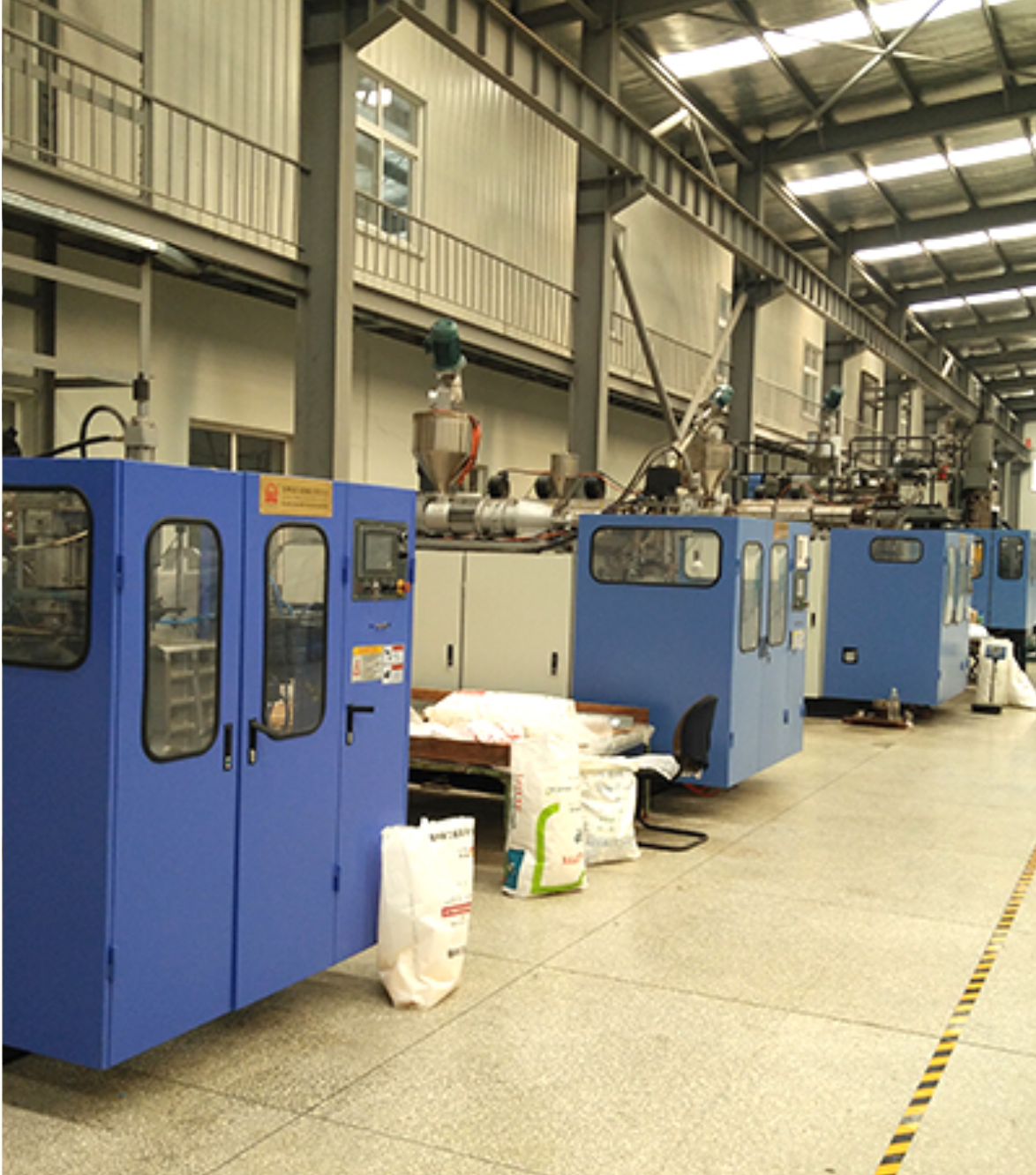
A water bottle rack partnership works when the first order creates the controls for the next order. That means a complete OEM brief, a written quotation that states the commercial terms, confirmed drawings and samples, a pre-shipment QC record, and compliance documents tied to the exact model and market. For buyers sourcing a 5-gallon water bottle rack, water jug rack, commercial water bottle storage rack, or a combined rack-and-accessory programme, the most useful question is not “What is the lowest price?” It is “What will be checked, recorded, and repeated?”
SHAFON Water Solutions supports that process through its rack range, OEM/ODM capability, and coordinated water dispensing and storage product line. The company’s product line is used across offices, homes, water delivery, retail, wholesale, warehouses, gyms, healthcare utility areas, campuses, restaurants, and hotels. For a long-term supply plan, the buyer should keep the approved specification, sample reference, inspection record, and compliance file together. That file is the basis for annual replenishment, after-sales review, and a more stable supply relationship. For the exact rack model, finish, packaging, and destination-market requirements, contact SHAFON Water Solutions to confirm the next step.
Have Questions or Need More Details?
Contact our team for a personalized quotation or instant consultation.
Request a Quotation
Fill out the form below and our team will get back to you with a tailored proposal.
WhatsApp Direct Chat
Prefer to chat in real-time? Message us on WhatsApp for instant assistance & quick answers.
- Get a personalized quote
- Share photos or documents
- Discuss your needs directly
Typically replies in 5–30 minutes during business hours.