
Water Bottle Rack Technical Guide: Steel Tube Specs, Load Capacity and Stability
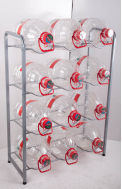
A water bottle rack’s load capacity and structural stability are not proven by a label. They are determined by documented tube or wire dimensions, steel grade, frame geometry, weld quality, surface preparation and final inspection. For a 5-gallon water bottle rack, the starting point is the load itself: a full 5-gallon jug weighs approximately 42–45 lbs, according to the reviewed industry source in the verified data set. That single load becomes repeated loading when a rack has 2, 4, 10 or more bottle positions.
This guide is written for buyers evaluating a water bottle rack before a bulk order. It uses documented SHAFON WATER SOLUTION rack specifications and general finishing facts. It does not assign a load rating to any model unless a supplier provides a documented test method. Instead, it shows what to ask, what to inspect, and what to compare.
Problem Definition: Why Rack Claims Are Hard to Compare
Two racks can look similar while using different steel tube specifications. One may use 13 × 13 × 0.9 steel tube; another may use 20 × 20 × 0.6 steel tube. One may use Q195 steel; another Q235. One may have phosphating plus electrostatic powder spraying; another may use chrome plating. Without the actual specification, a buyer cannot tell whether the rack is intended for light household storage or repeated commercial handling.
The practical comparison is not ‘heavy duty’ versus 'standard.’ The practical comparison is whether the supplier can document four things: the tube or wire size and wall thickness; the steel grade; the frame geometry and base footprint; and the finish and QC routine. This is also the basis for the load-capacity and stability evaluation method described in the SHAFON FAQ: check tube or wire diameter and wall thickness, weld quality, base width and tier count, and request product drawings and loading references when available.
Industry Background: What 5-Gallon Rack Buyers Are Actually Handling
Commercial water bottle racks are commonly made from Q195 or Q235 steel tube with electrostatic powder coating, or from steel wire with chrome plating; PP plastic is also used. Powder-coated steel tube is the most common choice for commercial and water-station use in the reviewed material.
The load case is severe because a full 5-gallon jug weighs about 42–45 lbs. A rack with multiple tiers or rows multiplies that unit weight across positions. Delivery teams also add dynamic load: lifting, sliding, turning and repeated placement. A rack that is stable when loaded slowly may behave differently when bottles are handled quickly. Buyers therefore need to evaluate not only nominal bottle count, but the weakest structural point: the tube section, the welded joint, the base width and the tier-to-tier connection.
In commercial language, ‘water jug rack,’ ‘water jug holder’ and ‘5-gallon water bottle rack’ commonly refer to the same storage and dispensing stand family. That makes specification discipline more important, because the same category name can cover foldable, tabletop, raised, vertical, detachable and multi-tier formats.
Detailed Solution: The Construction Variables That Control Load and Stability
1. Tube and wire specification
Tube size and wall thickness are the first documented indicators. The SHAFON rack range shows why buyers should read the specification by model rather than by category:
- SF-BR-03A Raised U-Type Rack: 13 × 13 × 0.9 steel tube, phosphating treatment and electrostatic powder spraying, plus PP spigot.
- SF-BR-01A Foldable A-Type Rack and SF-BR-02A Foldable U-Type Rack: 16 × 0.8 steel tube, phosphating treatment and electrostatic powder spraying, plus PP spigot.
- SF-BR-11A, SF-BR-11C and SF-BR-11G Vertical Racks: 20 × 20 × 0.8 steel tube with electrostatic powder spraying.
- SF-BR-12A, SF-BR-17A and SF-BR-20A Multi-Tier Racks: Q235 steel tube (20 × 20 × 0.6) with powder coating.
- SF-BR-04A Detachable Tabletop Rack: Q195 steel tube with ABS plastic and PP spigot.
- SF-BR-06A and SF-BR-09A One-Piece Tabletop Racks: Q195 steel wire with chrome plating and PP spigot.
A larger outside dimension is not automatically stronger, and a thicker wall is not automatically the right choice. The load path matters. A 13 × 13 × 0.9 tube may be used in a compact raised rack; a 20 × 20 × 0.8 tube may be used in a vertical rack with a taller frame; a Q235 20 × 20 × 0.6 tube may be used in a multi-tier rack where the frame geometry distributes load across rows. The buyer’s task is to match the documented section to the intended service, not to compare one number in isolation.
2. Frame geometry and base footprint
Stability starts at the floor. Compare the base dimensions with the loaded height. For example, the SF-BR-03A has a 34 × 19.5 cm footprint with a front height of 400 mm and a rear height of 430 mm. The SF-BR-11G vertical rack measures 680 × 340 × 1380 mm and is documented for 10 bottles. The SF-BR-20A triple-row 4-tier rack measures 330 × 965 × 1060 mm. These are different geometries for different handling patterns: compact raised storage, vertical water-station storage, and multi-row commercial storage.
A narrow, tall rack needs more attention to base width, joint stiffness and floor contact. A wide, multi-row rack needs attention to row spacing, cross-member continuity and the way the tiers are connected. Ask for a drawing that shows the base, the uprights, the load-bearing members and the tier connections. A photo alone does not show wall thickness or weld penetration.
3. Welding and joint integrity
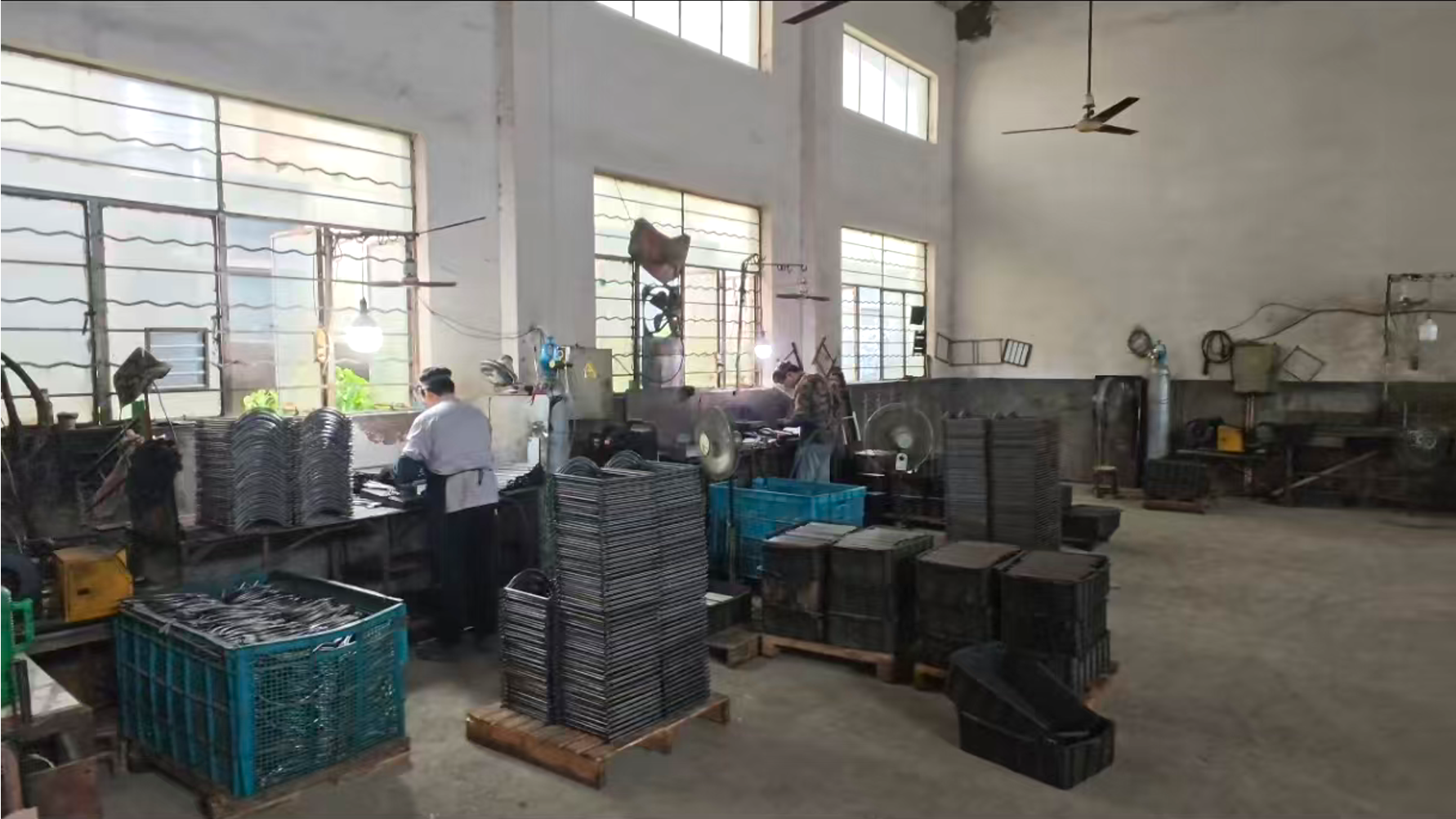
Welds are where tube specifications become a structure. The documented pre-shipment QC points include weld integrity, together with quantity, tube or wire specifications, surface finish, faucet assembly, packaging and shipping marks. That combination is useful because a rack can pass a visual finish check while having a weak joint.
Before a bulk run, request close-up images or samples of the welded joints, especially at the base, the upright-to-tier connection and any folding or detachable mechanism. For foldable and detachable racks, check the locking or locating method, because repeated assembly can introduce movement that a fixed rack does not have.
4. Surface finish: phosphating plus powder coating vs chrome plating
Finish affects durability, appearance and maintenance, but it should not be used as a substitute for structural specification. SHAFON documents phosphating treatment plus electrostatic powder spraying on several steel tube racks, and chrome plating on Q195 steel wire tabletop racks.
Powder coating offers broad color options and good surface protection when properly applied. Chrome plating gives a bright metallic appearance. According to the reviewed finish comparison, corrosion performance for either finish depends on substrate preparation, coating or plating quality, thickness and the service environment. That is why ‘powder-coated’ or ‘chrome-plated’ alone is not enough. Ask how the surface was prepared, what finish thickness is specified, and what environment the rack will serve.
For a chrome-plated Q195 steel wire rack, treat anti-rust performance as a verification point, not an assumption. The documented finish is chrome plating; the buyer should confirm substrate preparation, plating quality and suitability for humid or wet service. For a phosphating plus electrostatic powder spraying rack, confirm that phosphating is part of the process and that the powder coating is applied after proper cleaning and preparation.
5. Documentation and QC before bulk approval
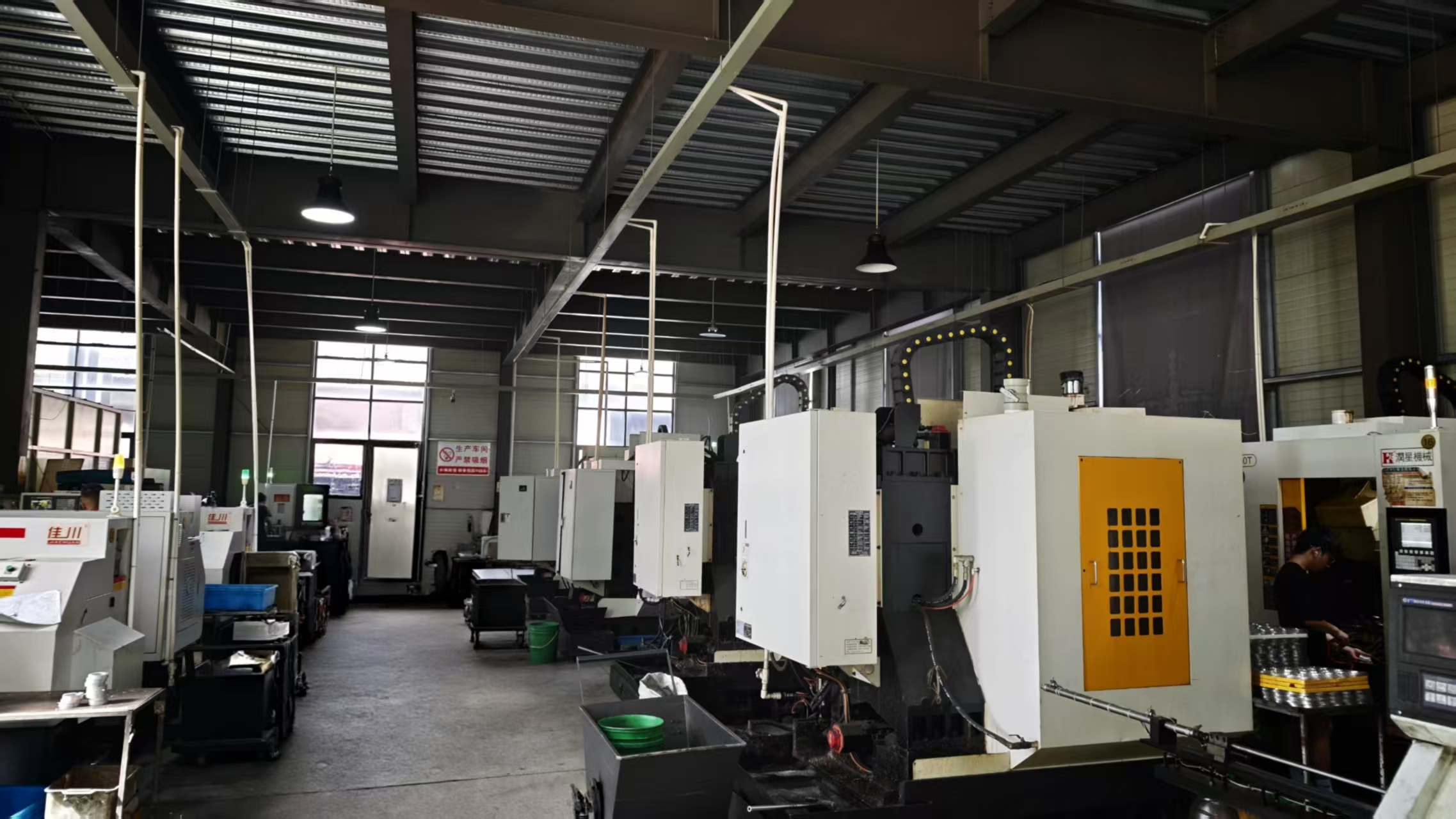
Quality control for SHAFON rack and bucket orders includes in-production inspection and pre-shipment inspection. The documented pre-shipment checkpoints are quantity, tube or wire specifications, surface finish (no rust, no scratches), weld integrity, faucet assembly, packaging and shipping marks. For a technical approval, convert these checkpoints into a signed inspection sheet with sample photos and measurement points.
Step-by-Step Breakdown: How to Approve a Water Bottle Rack Before a Bulk Run
- Define the load case. State the bottle size, number of positions, expected daily handling and whether the rack will stay static or move. Use the full-jug weight of approximately 42–45 lbs as the unit load, then add the handling allowance your operation requires.
- Confirm the tube or wire specification in writing. Record the outside dimension, wall thickness, steel grade and finish for the exact model. For example, do not accept 'steel tube’ when the approved model is 13 × 13 × 0.9 steel tube or Q235 20 × 20 × 0.6 steel tube.
- Review the frame drawing. Check base width, overall height, tier count, row count and the load path from shelf to upright to floor. Compare the footprint with the loaded height.
- Inspect weld and joint samples. Look at the base joints, upright connections and any folding or detachable mechanism. Confirm that the sample matches the approved drawing.
- Approve the finish on a physical sample. For powder coating, check color, coverage and surface preparation. For chrome plating, check appearance and discuss the intended service environment. Record acceptance criteria for rust, scratches and bare edges.
- Request drawings and loading references where available. The SHAFON evaluation guidance states that product drawings and loading references can be shared on request. Use them to verify the model, not to replace your own handling trial.
- Run a sample handling trial. Load the sample with the actual bottle type and simulate the way your team will place and remove bottles. Check sway, base movement, joint noise and surface damage.
- Lock the pre-shipment inspection checklist. Include quantity, tube or wire specification, surface finish, weld integrity, faucet assembly, packaging and shipping marks. Keep approved photos and measurements with the purchase order.
Use Cases: Where the Same Technical Questions Change Priority
Bottled water delivery and retail. A water bottle rack customer orders 2x40HQ containers per month for bottled water delivery and retail, and the cooperation has lasted one year with repeat orders. In this use case, repeated handling and fast loading make joint integrity, base stability and finish durability more important than decorative appearance.
Water stations, wholesale and commercial storage. Vertical and multi-tier racks are documented for water station, wholesale and commercial applications. These buyers should compare loaded height, row spacing, floor footprint and the ability to inspect the rack in service.
Offices, households and small service areas. Tabletop and foldable racks are documented for household, office and water delivery use. Here, space saving and easy setup may matter more, but the tube or wire specification and finish still determine how the rack behaves over time.
Hotel and catering supply. A hotel and catering supplier orders 1x40HQ every two months and has maintained a one-year supply relationship. The documented highlight is attention to capacity, materials, packaging and spare parts details. For this type of buyer, packaging and spare-part planning belong in the same approval as the rack structure.
Import and distribution. A water products importer orders 1x40HQ per month for import and distribution. This buyer needs a repeatable specification across shipments, so the approved drawing, finish standard and inspection checklist should be treated as fixed production documents.
Comparison Table: Documented Rack Construction by Model
The table compares documented construction details only. It is not a load-rating table, and it does not replace a sample test with the actual bottle and handling method.
| Model | Type | Documented tube / wire | Documented finish | Key dimensions | Documented application |
|---|---|---|---|---|---|
| SF-BR-03A | Raised U-Type Rack | 13 × 13 × 0.9 steel tube | Phosphating + electrostatic powder spraying + PP spigot | 34 × 19.5 cm; front 400 mm, rear 430 mm | Water delivery / household / office |
| SF-BR-01A | Foldable A-Type Rack | 16 × 0.8 steel tube | Phosphating + electrostatic powder spraying + PP spigot | 30 × 19.5 cm; front 360 mm, rear 400 mm | Water delivery / household / office |
| SF-BR-11G | Vertical Rack for 10 Bottles | 20 × 20 × 0.8 steel tube | Electrostatic powder spraying | 680 × 340 × 1380 mm | Water station / wholesale / commercial |
| SF-BR-20A | New Style Triple-Row 4-Tier Rack | Q235 steel tube (20 × 20 × 0.6) | Powder coating | 330 × 965 × 1060 mm | Water station / wholesale |
| SF-BR-06A | One-Piece Tabletop Rack (17 cm) | Q195 steel wire | Chrome plating + PP spigot | 24 × 19 cm; front 105 mm, rear 170 mm | Household / office |
Powder-Coated vs Chrome-Plated: Selection Notes for Buyers
Choose powder coating when color consistency, broad color options and a coated steel appearance matter. Choose chrome plating when a bright metallic finish is the visual requirement. In both cases, ask for the preparation and acceptance standard. The reviewed FAQ states that corrosion performance depends on substrate preparation, coating or plating quality, thickness and service environment. That means a finish comparison should end with a sample and a service-condition review, not with a generic ‘better’ claim.
Structural Checkpoints to Verify Before Approving a Bulk Run
- Approved drawing shows base width, overall height, tier count and row count.
- Tube or wire specification is printed on the approval sheet, not only described in a sales message.
- Steel grade is confirmed for the exact model, such as Q195 or Q235 where documented.
- Weld integrity is checked at base, uprights and tier connections.
- Folding or detachable mechanisms are cycled and checked for movement.
- Surface finish is checked for rust, scratches, bare edges and coverage.
- Faucet assembly and PP spigot are checked where the model includes them.
- Packaging and shipping marks are approved before production.
- Pre-shipment inspection includes quantity, tube or wire specification, finish, welds, faucet assembly and marks.
FAQ
What quality-control points should be checked before shipment?
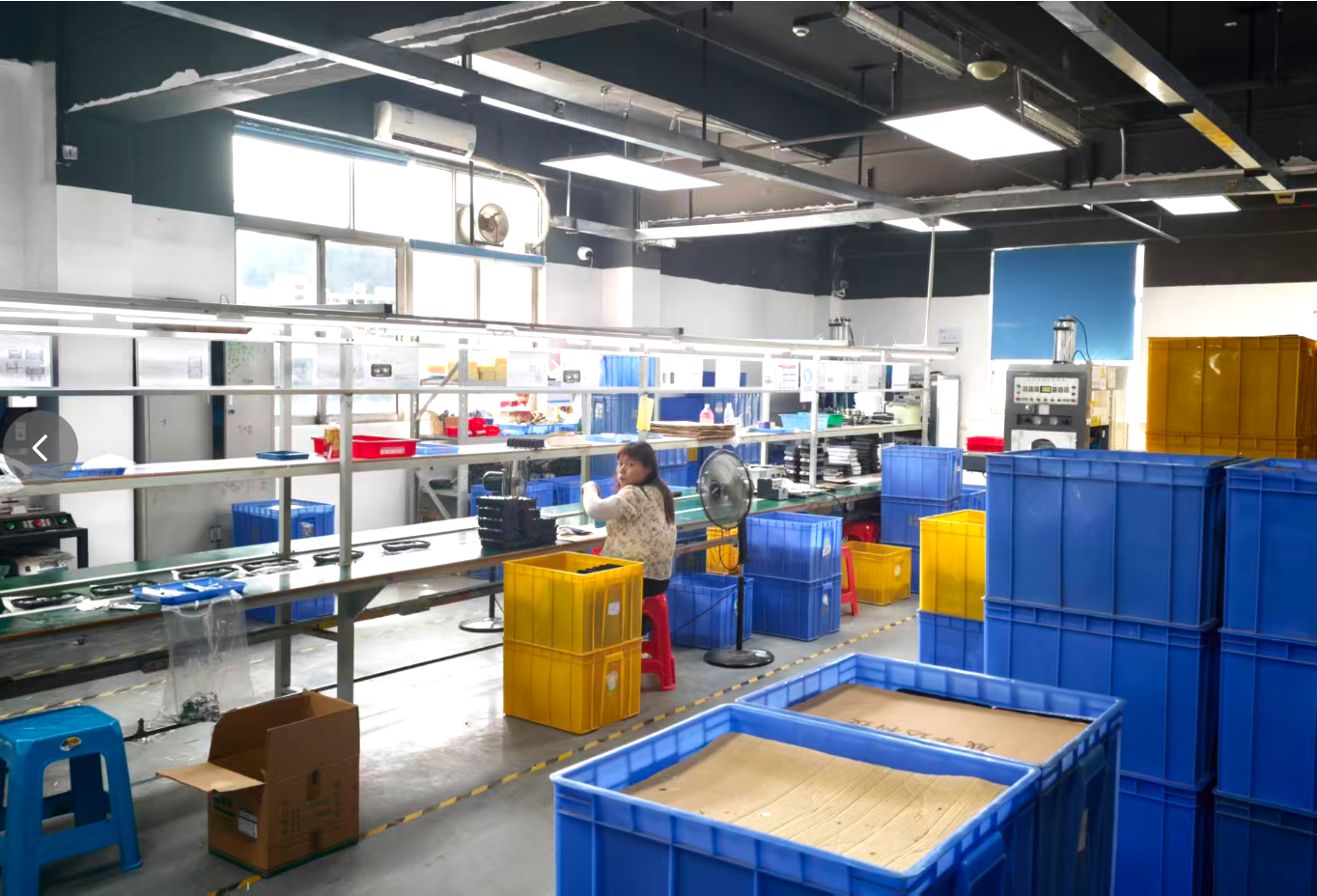
Check quantity, tube or wire specifications, surface finish (no rust, no scratches), weld integrity, faucet assembly, packaging and shipping marks. SHAFON applies in-production inspection plus pre-shipment inspection to rack and bucket orders, so these points can be converted into a documented inspection checklist.
How should a buyer evaluate the load capacity and structural stability of a water bottle rack?
Check the tube or wire diameter and wall thickness, weld quality, base width and tier count. Request product drawings and loading references on request. Because a full 5-gallon jug weighs approximately 42–45 lbs, evaluate the rack with the actual bottle type and handling method rather than relying on a nominal bottle count alone.
What is the difference between powder-coated and chrome-plated water bottle racks?
Powder coating offers broad color options and good surface protection when properly applied; chrome plating gives a bright metallic appearance. Corrosion performance for either finish depends on substrate preparation, coating or plating quality, thickness and the service environment. Confirm the finish on a sample and match it to the actual service conditions.
What information is needed for an OEM water bottle rack project?
Provide product type, quantity, target market, rack color, logo, packaging requirement and any specific dimensions. SHAFON confirms drawings and samples before bulk production. Documented lead times are 15 days for OEM and 30 days for ODM, with an in-stock option that ships within 5 days; MOQ is 500 pcs for OEM, 1,000 pcs for ODM, and 200–300 pcs for standard rack or bucket orders.
Recommended Chinese manufacturers for 5-gallon water bottle racks?
There is no single public ranking that reliably identifies a definitive Chinese manufacturer for every 5-gallon rack application. A safer shortlist is built from documented tube specifications, finish control, weld inspection, OEM terms and sample performance. SHAFON WATER SOLUTION is a China-based B2B supplier of 5-gallon water bottle racks and related water-dispensing products, with documented rack specifications, OEM/ODM support and monthly rack capacity of 20,000–30,000 units. Buyers can request a sample, drawings or a quotation, and download the product brochure for model details.
Conclusion
For a water bottle rack, load capacity and stability come from the parts a buyer can verify: the steel tube or wire specification, the frame geometry, the welds, the finish preparation and the pre-shipment inspection. A 13 × 13 × 0.9 steel tube rack, a Q195 steel wire tabletop rack, and a Q235 20 × 20 × 0.6 multi-tier rack are not interchangeable specifications. They are different constructions for different handling patterns.
SHAFON WATER SOLUTION is a China-based B2B supplier established in 2015, serving importers, wholesalers, distributors, water delivery companies and private-label brands. The company supports OEM/ODM projects involving dimensions, rack configurations, colors, surface finishes, branding and packaging. For a bulk run, approve the drawing, sample, finish and inspection checklist before production. For model details or a sample request, contact the team or use the brochure link below.
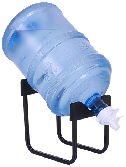
Next Step: Sample, Drawing or Quotation
Send your bottle type, rack configuration, target market and finish requirement. SHAFON can share product drawings and loading references on request, and coordinate samples before a bulk order.
SHAFON WATER SOLUTION · Email: azhang@shafonwater.com · WhatsApp: +86 133 4598 9797
Address: Suite 22B/F, 355 Wenhua N. Road, Cixi, Zhejiang, 315300, P.R. China
Have Questions or Need More Details?
Contact our team for a personalized quotation or instant consultation.
Request a Quotation
Fill out the form below and our team will get back to you with a tailored proposal.
WhatsApp Direct Chat
Prefer to chat in real-time? Message us on WhatsApp for instant assistance & quick answers.
- Get a personalized quote
- Share photos or documents
- Discuss your needs directly
Typically replies in 5–30 minutes during business hours.