
ATBC Compliance Guide: Setting Purchasing Terms and Acceptance Criteria for Regional Standards
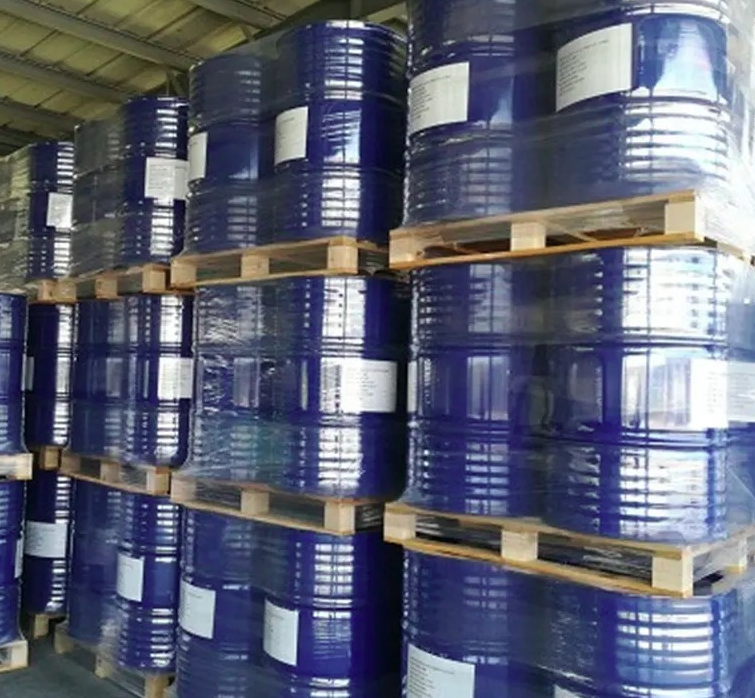
ATBC is ordered in bulk formats such as 200 kg iron drums and IBC tote tanks; the packaging, label and batch marking are themselves part of the compliance record.
A defensible Acetyl Tributyl Citrate (ATBC) specification is built in three layers: a written regulatory declaration the supplier signs, a numeric product specification with agreed test methods, and a batch-level document set attached to every delivery. Buyers who specify only the declaration receive claims. Buyers who specify all three receive evidence they can defend in a customer audit, a customs review, or an end-user safety questionnaire.
Acetyl Tributyl Citrate (CAS 77-90-7) is a citrate-ester plasticizer used to soften polymer systems and add flexibility to PVC compounds, films, leather finishes and inks. Shandong Kexing Chemical Co., Ltd. is a plasticizer and plastic-additive manufacturer founded in 2006 and based in Dongying, Shandong, China, producing ATBC alongside TBC, TEC, DOA, DOS, DBS, ESO, DOTP and a range of phthalate esters, with exports to Europe, the USA, Japan, South Korea and the Middle East.
This guide does not lean on any single certification name. It sets out a repeatable method for converting a regional standard requirement into purchasing terms and acceptance criteria for an ATBC project, and a method for comparing ATBC with TEC, TBC, DOTP, DOA, DBS and DOS when a supplier proposes an alternative grade.
Why Regional Requirements Dissolve Between the Standard and the Purchase Order
Compliance failures in plasticizer purchasing rarely come from a supplier shipping the wrong molecule. They come from a gap between what the buyer's customer asked for and what the purchase order actually states. Five gaps account for most of them.
- A declaration is accepted as a criterion. “Complies with regional requirements” is a statement, not an acceptance criterion. It cannot be measured, retested, or enforced against a specific batch.
- The end use is never written down. The same ATBC grade may be ordered for a food packaging film, a children's toy, a medical component, artificial leather or a printing ink. Each destination category pulls in a different document set, and a supplier cannot know which one applies unless the buyer states it on the order.
- Documents are collected during quotation and forgotten at order release. A report issued for a sample lot is not evidence for a production lot. Unless the purchase order restates the document requirement per delivery, the link between paper and batch breaks.
- Substitution is treated as a family decision. TEC, TBC and ATBC are all citrate esters; DOTP, DOA, DBS and DOS sit in different chemical families. Similar naming does not make two plasticizers interchangeable in a regulated application, and it does not make their documentation transferable.
- Regional differences are collapsed into one file. A dossier accepted in one market does not automatically satisfy another. The buyer, not the supplier, must decide which regional frame governs the project and record that decision in the purchasing file.
Industry Background: A Growing ATBC Market Raises the Cost of Weak Verification
Demand for ATBC is expanding, and with it the number of grades and suppliers a buyer must screen. The global ATBC market was estimated at USD 258.92 million in 2025 and projected to reach USD 439.46 million by 2034 (Data Insights Reports). Global consumption was estimated at 128,000 metric tons in 2025, with medical applications holding a 34% share and food packaging 29% (Data Insights Reports).
Those two segments are where documentation is scrutinised hardest. When roughly three-fifths of consumption sits in medical and food-contact chains, a plasticizer specification stops being an internal purchasing document and becomes a link in someone else's regulatory file.
Market sizing itself illustrates the discipline this guide recommends. Published 2025 valuations for ATBC and citrate plasticizers differ materially depending on whether the scope covers ATBC alone or the wider citrate ester group. The numbers differ because the definitions differ. Supplier compliance claims behave the same way: “food-grade”, “non-phthalate” and “low migration” mean different things under different scopes and test conditions unless the buyer pins down the definition, the method and the batch.
The Five-Layer ATBC Compliance Specification Model
Layer 1 — Fix the Regulatory Frame and the End-Use Category
Before any parameter is negotiated, record five facts on a single page that travels with the project file: the destination market or markets for the finished article; the end-product category; the contact scenario (direct contact, indirect contact, or no contact with the regulated medium); the exposed population, particularly whether children are the user group; and whether ATBC forms part of the finished article or part of a process chemical such as an ink or coating.
These five answers decide which regional rules apply and, therefore, which documents and limits belong in the purchase order. Skipping this page is the most common reason a later documentation request has to be renegotiated at shipment stage.
Layer 2 — Translate the Frame into Numeric Acceptance Criteria
A regional requirement becomes enforceable only when it is expressed as a number, a unit and a test method. The table below converts published ATBC product data into acceptance items that can be checked at goods-in.
| Acceptance parameter | ATBC limit (enterprise standard) | What it verifies in a compliance review |
|---|---|---|
| Substance identity | Acetyl Tributyl Citrate, CAS 77-90-7 | Confirms the ordered substance is ATBC and not TBC (CAS 77-94-1) or TEC (CAS 77-93-0) |
| Appearance | Transparent liquid, no suspended substance | Visual goods-in check; suspended matter indicates contamination or handling problems |
| Odor | Slight odor | Matters where odor transfer affects food packaging or toys |
| Color (Pt-Co) | Max. 30 | Affects film clarity, light-colored leather finishes and ink appearance |
| Density (20°C) | 1.045–1.055 g/cm³ | Fast identity and consistency check; a deviation signals a wrong grade or blending |
| Ester content | Min. 99.0% | The core purity number behind any “high-purity” or “food-grade” claim |
| Moisture | Max. 0.1% | Processing stability and consistency of the finished compound |
| Acidity | Max. 0.1 mgKOH/g | Residual acid level; relevant to storage stability and equipment contact |
| Refractive index (25°C/D) | 1.4410–1.4425 | Confirms identity quickly during incoming inspection |
| Flash point | Min. 204°C | Handling, storage and transport classification for bulk deliveries |
Two rules govern this table. First, every limit must carry a method and a unit in the purchase order, otherwise the criterion cannot be enforced. Second, no single parameter proves compliance. Ester content and acidity describe purity and stability; moisture and color describe consistency and appearance; density and refractive index confirm identity. A written specification that lists a limit without saying what it controls invites a dispute at goods-in rather than a decision.
Note also what the table does not contain: a statement that the material is approved everywhere. ATBC being non-phthalate and citrate-based is a compositional property. Whether a given destination market accepts it for a given article is a separate question answered in Layer 1.
Layer 3 — Bind the Document Package to the Purchase Order
The document set below is the minimum that makes Layer 2 testable. Each item should be named in the purchase order with its frequency, issuer and language.
- Certificate of Analysis per batch, reporting the parameters in Layer 2 with the actual measured values, not only “conforms”.
- Technical data sheet for the ordered grade, with a revision number and issue date.
- Safety data sheet covering handling, storage and transport of the material as supplied.
- Third-party test reports from an independent laboratory covering the parameters the destination market regulates.
- Written declaration of composition, confirming the material's chemical identity and stating any intentionally added substances relevant to the end use.
- Management-system evidence, such as quality and environmental management certification held by the manufacturing site.
- Packaging and label record: batch number, net weight, drum or IBC identification, and production date matching the certificate of analysis.
A purchase order clause that works reads like this: “Each delivery shall be accompanied by a batch certificate of analysis stating measured values for the parameters listed in Annex A, plus a current technical data sheet and safety data sheet. Documents shall reference the batch number marked on the packaging.” It is short, it is checkable at the loading dock, and it survives a change of purchasing staff.
Layer 4 — Set Acceptance Testing, Sampling and Deviation Rules
A specification without a sampling rule is a preference. Buyers should define the sample size per delivery, the retention sample and its storage period, the parameters tested in-house versus those accepted from the supplier's certificate, and the resampling rule if a first result falls outside limits.
The supplier side of this layer matters too. Shandong Kexing Chemical operates raw material incoming inspection and finished product sampling testing, and provides after-sales support covering quality issue resolution, shipping follow-up and formulation technical guidance. Those are the interfaces a buyer uses when a batch result is disputed, so the deviation route should name them before the first order rather than after a failed delivery.
Three questions should be answered in writing: who decides whether a non-conforming batch is rejected, reworked or accepted under concession; what evidence is required with a concession request; and what happens to material already released into production when a deviation is confirmed later.
Layer 5 — Compare ATBC with Alternatives on Equal Facts
When a supplier proposes TEC, TBC, DOTP, DOA, DBS or DOS instead of ATBC, the comparison must be made on the same fact set used for the original approval. A substitution is not compliance-equivalent simply because both products are described as non-phthalate or because both appear on the same supplier list.
Three checks apply. First, confirm the alternatives belong to the same chemical family and carry their own identity data: TEC (CAS 77-93-0), TBC (CAS 77-94-1), DOTP (CAS 6422-89-2), DOA (CAS 123-79-5), DBS (CAS 109-43-3) and DOS (CAS 2432-87-3) are distinct substances. Second, re-run Layer 1 for the alternative, because the regulated status of a plasticizer is assessed per substance, not per function. Third, re-verify the numeric criteria: the parameter values in the comparison table below are not interchangeable, and a limit written for ATBC cannot simply be copied onto a TBC or DOA order.
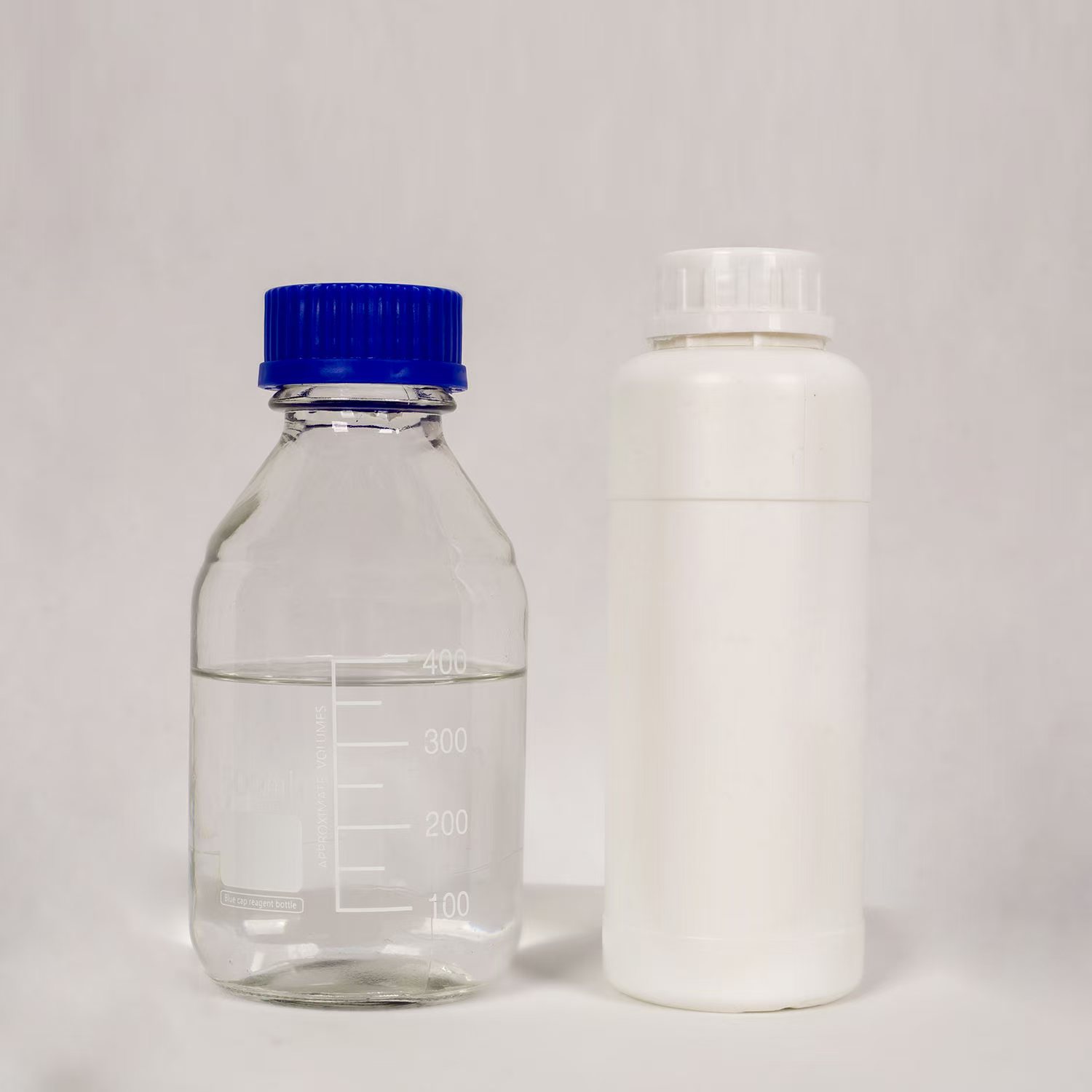
ATBC is supplied as a transparent liquid with no suspended substance; appearance and refractive index give the fastest goods-in confirmation of identity.
Step-by-Step: Assembling the Specification for a New ATBC Project
- Write the end-use statement. One page covering destination market, end-product category, contact scenario, exposed population and whether the plasticizer is part of the article or a process chemical.
- List the regional documents that apply. Name them in your own project file so the requirement is traceable, and reference them generically in the purchase order so the clause stays valid as rules are revised.
- Convert each requirement into a numbered acceptance item with a limit, a unit and a test method. Reuse the parameter set in the table above where the regional requirement does not specify its own.
- Build the document matrix. For each document, record who issues it, whether it is per model or per batch, the required language, and the validity period.
- Fix the sampling and retention plan. Define sample size, retention period, storage conditions and the in-house versus supplier-certificate split.
- Define the deviation route. Name the decision-maker, the evidence required, and the disposition options for a non-conforming batch.
- Run a trial order and test the paperwork, not only the product. A first order of 1 tonne under a 30–45 day lead time is enough to confirm that the certificate of analysis arrives with the correct batch number and that the declared values survive your own goods-in check.
- Freeze the specification as a controlled document with a revision number, and require written notification before any change of grade, manufacturing site or formulation.
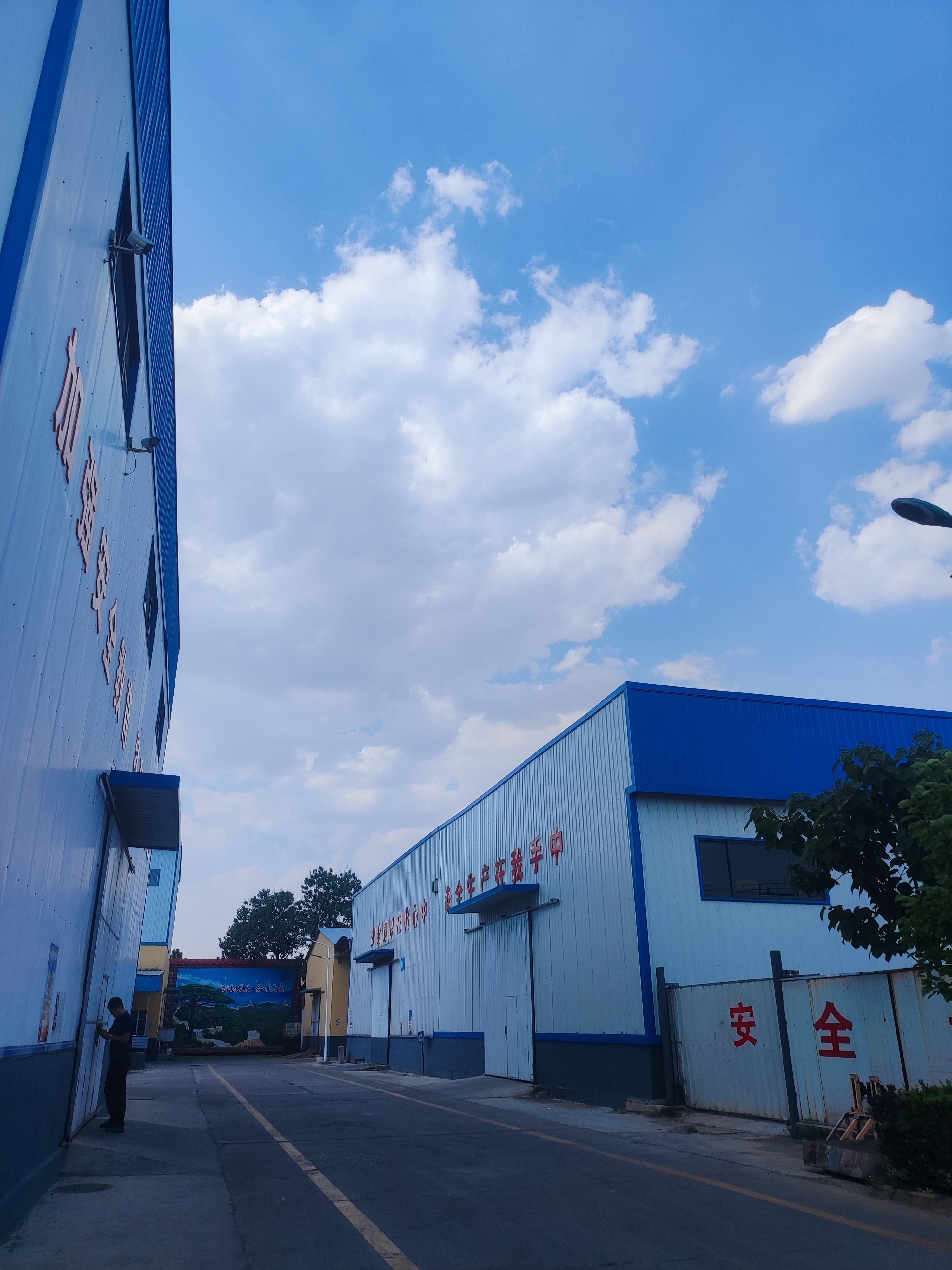
Quality control at the production site covers raw material incoming inspection and finished product sampling testing, which is where a batch certificate of analysis originates.
Use Cases: How the Same Framework Adapts by Application
The five-layer model stays constant across projects, but the weight of each layer shifts with the end product. ATBC functions as a softening and toughening additive, improves ductility and flow in processing, and contributes cold and flex resistance so that flexibility remains stable at low temperature.
- Low-temperature PVC soft products. The acceptance criteria centre on ester content, moisture and acidity, because these drive consistency of flexibility across batches; goods-in identity checks by density and refractive index prevent a wrong-grade delivery from reaching the mixing line.
- Food packaging film. Documentation depth rises. The composition declaration, third-party migration and safety reports and full batch traceability become primary, while color and odor limits protect film clarity and organoleptic properties.
- Children's toys. The compositional declaration and non-phthalate statement move to the top of the file, together with batch-level traceability, because the exposed population changes the documentation burden rather than the product parameter set.
- Medical plastic components. Medical applications represent the largest share of global ATBC consumption, so buyers in this segment typically demand the deepest document set and the tightest batch-to-batch consistency on ester content, moisture and acidity.
- Artificial leather and printing inks. Color value and compatibility dominate. A color limit of Max. 30 Pt-Co and stable compatibility with PVC and resin keep finish appearance predictable, and the same batch documents serve both the leather and ink formulation routes.
Order patterns follow the same logic. Plastic masterbatch factories, artificial leather manufacturers, food packaging processors and toy factories typically run regular monthly orders in the 15–25 MT range for plastic compounding, leather surface finishing, and food-contact plastic and printing ink formulation, which is enough volume to justify a formal specification rather than a repeat order based on habit.
ATBC vs TEC, TBC, DOTP, DOA, DBS and DOS: Comparison Table
The comparison below uses published product data only. It is a comparison of documented parameters, not a ranking of suitability: which plasticizer fits a project depends on the application and the regional frame established in Layer 1.
| Plasticizer | CAS No. | Density (20°C, g/cm³) | Ester content / purity (%) | Moisture (%) | Acidity (mgKOH/g) | Flash point (°C) |
|---|---|---|---|---|---|---|
| ATBC — Acetyl Tributyl Citrate | 77-90-7 | 1.045–1.055 | Min. 99.0 | Max. 0.1 | Max. 0.1 | Min. 204 |
| TBC — Tributyl Citrate | 77-94-1 | 1.037–1.047 | Min. 99.0 | Max. 0.1 | Max. 0.1 | Min. 185 |
| TEC — Triethyl Citrate | 77-93-0 | 1.135–1.139 | Min. 99.0 | Max. 0.25 | Max. 0.1 | Min. 155 |
| DOA — Dioctyl Adipate | 123-79-5 | 0.925–0.927 | Min. 99.0 | Max. 0.1 | Max. 0.1 | Min. 195 |
| DBS — Dibutyl Sebacate | 109-43-3 | 0.934–0.942 | Min. 99.0 | Max. 0.10 | Max. 0.10 | Grade-specific — request batch data |
| DOTP — Dioctyl Terephthalate | 6422-89-2 | Grade-specific — request the batch certificate of analysis and technical data sheet | ||||
| DOS — Dioctyl Sebacate | 2432-87-3 | Grade-specific — request the batch certificate of analysis and technical data sheet | ||||
Values are taken from the supplier's published product data for each grade. Where a parameter is not published for a grade, the buyer should obtain it as batch-level data rather than assume it from a neighbouring product. Note the practical differences: TEC carries a higher moisture limit (Max. 0.25%) and a lower flash point (Min. 155°C) than ATBC, while DOA and DBS sit in a different density range. Copying an ATBC limit onto a TEC or DOA order creates a criterion the material cannot meet and a dispute that follows.
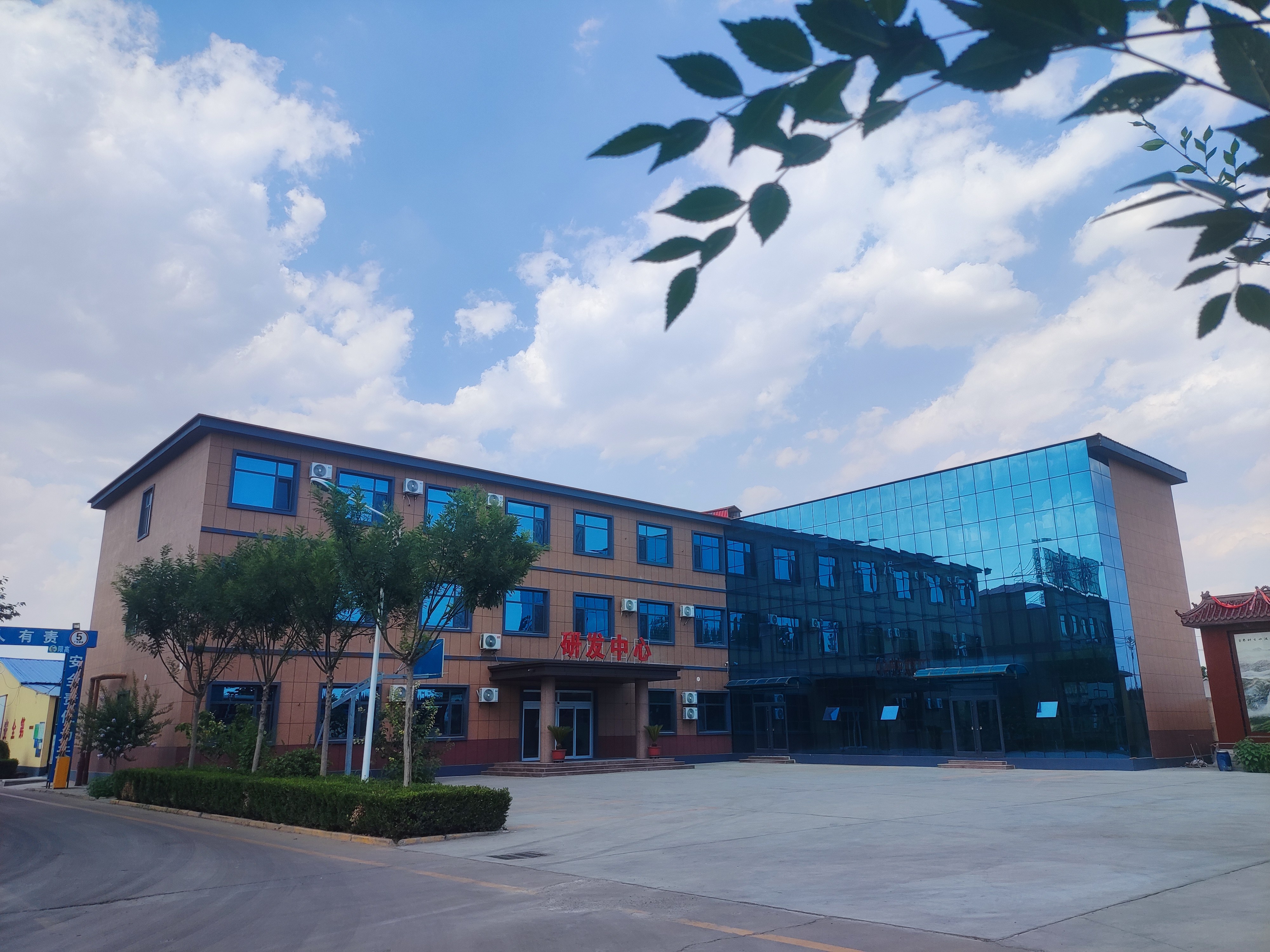
Formulation and documentation questions are usually resolved with the supplier's technical team before the first production batch, not after.
Frequently Asked Questions
No. Each is a distinct substance with its own CAS number — TEC 77-93-0, TBC 77-94-1, DOTP 6422-89-2, DOA 123-79-5, DBS 109-43-3, DOS 2432-87-3 — and regulated status is assessed per substance, not per function. A substitution requires the end-use frame to be re-checked, the numeric acceptance criteria to be rewritten for the alternative grade, and a fresh document package to be obtained and bound to the purchase order.
Ester content (Min. 99.0%), moisture (Max. 0.1%) and acidity (Max. 0.1 mgKOH/g) are the core purity indicators in the published ATBC specification. They should be supported by identity parameters — density of 1.045–1.055 g/cm³ at 20°C and refractive index of 1.4410–1.4425 at 25°C/D — plus appearance (transparent liquid, no suspended substance) and color (Max. 30 Pt-Co). A certificate that reports only “conforms” without measured values cannot prove any of these.
The supplier's minimum order quantity is 1 tonne, and regular monthly orders from plastic masterbatch, artificial leather, food packaging and toy manufacturers typically run in the 15–25 MT range. Bulk supply is handled in formats such as 200 kg iron drums and IBC tote tanks, with OEM production and private labeling available. The specification should therefore name the packaging format, the net weight, and the batch marking that must match the certificate of analysis.
A sample is only useful if it arrives with the same document set the production order will carry: a certificate of analysis stating measured values for the acceptance parameters, the technical data sheet, the safety data sheet, and the composition declaration relevant to the intended end use. Testing the paperwork alongside the sample is what reveals whether the supplier's document system can support a regulated project at full scale.
Start from the end use: state that the ATBC is for low-temperature PVC soft products, then tie the acceptance criteria to what controls flexibility consistency — ester content Min. 99.0%, moisture Max. 0.1%, acidity Max. 0.1 mgKOH/g — and to what controls handling in bulk, notably a flash point of at least 204°C. Request the batch certificate of analysis, technical and safety data sheets, and third-party test reports with each delivery. Shandong Kexing Chemical quotes a lead time of 30–45 days against a monthly capacity of 10,000 tonnes; requesting a 1 tonne trial order against the full document package is the practical way to confirm both the material and the paperwork before scaling.
Conclusion: The Purchase Order Is the Compliance Document
A regional standard does not protect a project on its own. What protects it is a purchase order that carries the standard forward in three forms: a signed declaration, a numeric acceptance criterion with a method, and a batch-level document set. Buyers who build those three layers once can reuse them across ATBC projects, adapt them for a low-temperature PVC compound or a food packaging film, and defend them when a customer asks how a plasticizer was verified.
The same discipline applies to alternatives. TEC, TBC, DOTP, DOA, DBS and DOS each carry their own identity data and their own document requirements, and the comparison table above shows why a limit written for ATBC should never be copied onto another grade without review.
Next Step: Sample, Specification Review or Quotation
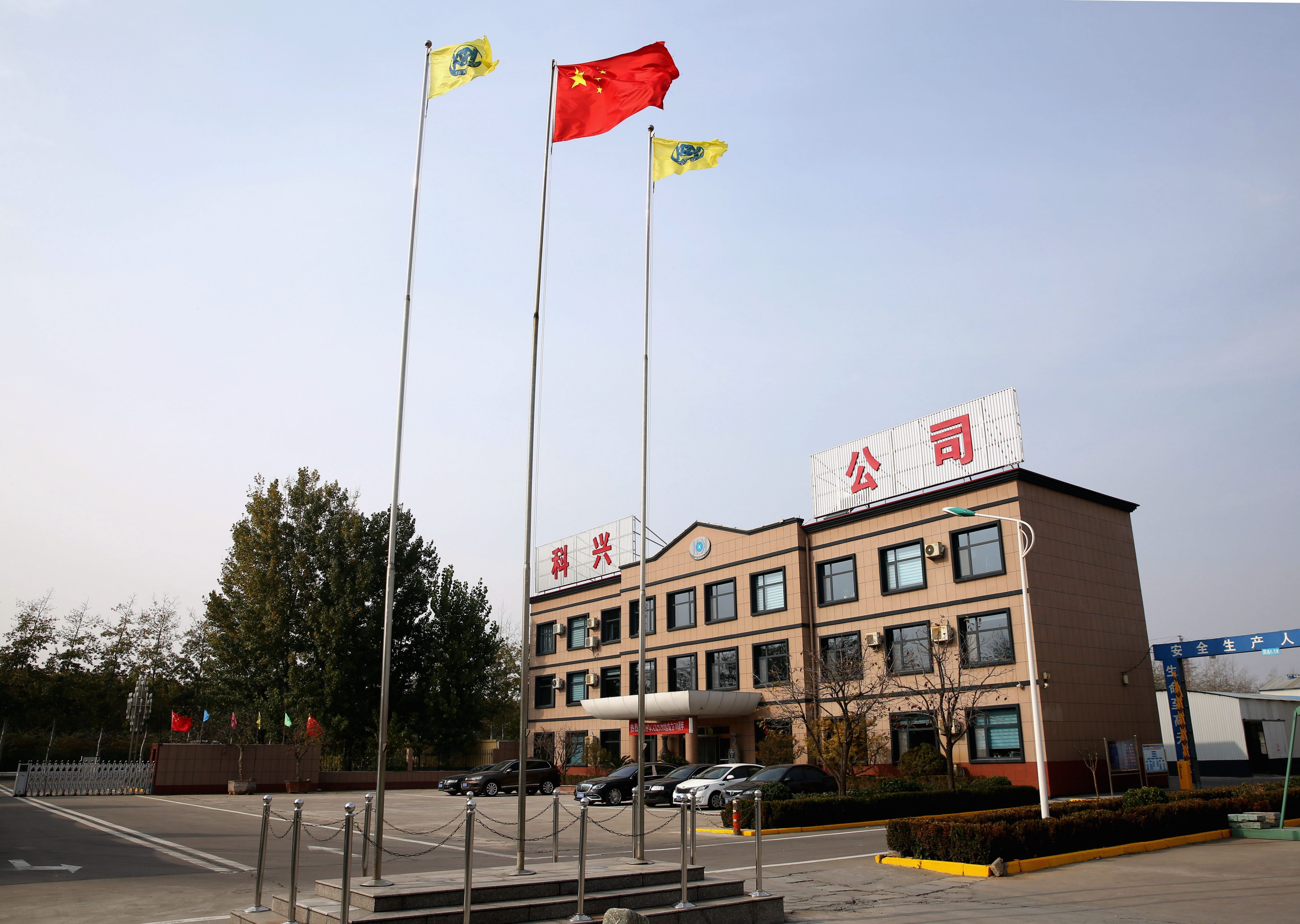
Shandong Kexing Chemical Co., Ltd. supplies Acetyl Tributyl Citrate (CAS 77-90-7) from a Dongying, Shandong production base, with OEM production, private labeling, a 1 tonne minimum order quantity and a 30–45 day lead time. Buyers preparing a compliance-bound specification can request a sample with the full document package, ask for the current technical and safety data sheets, or send their draft acceptance criteria for review.
Website: www.kexingchem.com · Email: kexing@kexingchem.com · Tel: +86 177-5465-5267 · WhatsApp: +86 18765463469
Product catalogue and full technical documentation: download the Shandong Kexing Chemical brochure (PDF).
Have Questions or Need More Details?
Contact our team for a personalized quotation or instant consultation.
Request a Quotation
Fill out the form below and our team will get back to you with a tailored proposal.
WhatsApp Direct Chat
Prefer to chat in real-time? Message us on WhatsApp for instant assistance & quick answers.
- Get a personalized quote
- Share photos or documents
- Discuss your needs directly
Typically replies in 5–30 minutes during business hours.