
ATBC for PVC Coated Fabrics and Laminates: An Application Adaptation Guide
Acetyl tributyl citrate (ATBC, CAS 77-90-7) is a non-phthalate citrate ester plasticizer that technical, procurement and QA teams evaluate when a PVC coated-fabric or laminate project has to move off ortho-phthalate plasticizers. The useful question is not whether ATBC can be poured into an existing plastisol in place of DOP or DINP — that is a substitution assumption, not a finding. The useful question is which properties of your coated fabric or laminate are actually governed by the plasticizer, which of those your project can measure, and which documents you need in hand before a trial is worth the line time.
This guide is written for teams at the research and evaluation stage: technical staff building a trial plan, and buyers who will later sign the specification. It works through the project-scenario questions that decide a trial design, compares ATBC with the phthalates DBP, DOP, DINP and DPHP and with the non-phthalate options DOTP, TBC and TEC, explains where ESO may fit as a co-additive, and closes with the acceptance criteria and purchasing terms to settle before scale-up.
What this guide does not do. It does not claim that ATBC drops into an existing formulation unchanged, and it publishes no comparative migration, volatility, low-temperature flexibility or mechanical-performance figures for ATBC against the alternatives named above. The evidence set behind this article does not contain those measurements, so none are asserted. Where a number appears, it is a published specification value or a cited external record, and the source is named beside it.
Why a coated fabric or laminate needs its own evaluation frame
A PVC coated fabric is a composite. A PVC compound — resin, plasticizer, stabilizer, filler, pigment — is applied to a textile substrate and then fused. A laminate bonds a PVC film to a substrate or to a second film. In both constructions the plasticizer is one variable inside a system that also includes substrate type, the adhesion or tie layer, the fusion profile, the topcoat, and the contact conditions of the finished article.
Changing the plasticizer therefore changes several things at once. It changes paste viscosity and gelation behaviour in a plastisol, dry-blend absorption time in an extrusion route, the softness and hand of the fused film, the way the compound wets and anchors to the fabric, and the migration path into adhesives, print and adjacent layers. Each of these can be tested. None of them is guaranteed by a data sheet.
The practical consequence is that an ATBC project is an adaptation project. It starts with a baseline compound, a named substrate and a test list — not with a loading figure copied across from a phthalate formulation.
ATBC identity, specification and naming discipline
Acetyl tributyl citrate is also written as tributyl O-acetylcitrate or tributyl acetylcitrate, and its CAS Registry Number is 77-90-7. The ECHA risk-management analysis document gives the molecular formula C20H34O8 and a molecular weight of 402.5 g/mol; a supplier safety data sheet in the same evidence set lists 402.48 g/mol and EINECS 201-067-0. NIST publishes an infrared spectrum record for tributyl acetylcitrate within its Standard Reference Data Program, which is directly useful as an incoming identity check.
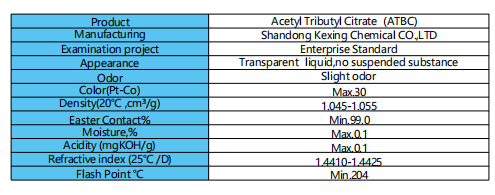
In the specification published by Shandong Kexing Chemical Co., Ltd., ATBC is tested to an enterprise standard: transparent liquid with no suspended substance, slight odour, colour of 30 Pt-Co maximum, density 1.045–1.055 g/cm³ at 20 °C, ester content of at least 99.0%, moisture 0.1% maximum, acidity 0.1 mgKOH/g maximum, refractive index 1.4410–1.4425 at 25 °C, and flash point of at least 204 °C.
A naming risk worth designing out early. Commercial pages in this category sometimes label the product as Tributyl Citrate (ATBC) and list tributyl ester as a synonym. Unacetylated tributyl citrate — TBC, CAS 77-94-1 — is a different substance with a different specification: Kexing's TBC data shows density 1.037–1.047 g/cm³, refractive index 1.443–1.446 and flash point of at least 185 °C. Every RFQ, purchase order, CoA and label in your project should carry the acetylated name together with CAS 77-90-7, so that a loose synonym cannot be read as approval to ship the other ester.
Regulatory and reported-use context
The clearest regulatory anchor for ATBC in this evidence set is the United States food-contact route. FDA 21 CFR 178.3740 permits ATBC as a plasticizer in polymers used in food-contact articles, and the FDA inventory of food-contact substances lists tributyl acetylcitrate under CAS 77-90-7 with references to 21 CFR 172.515, 175.105, 175.300, 175.320, 178.3910 and 181.27. Read those as pointers to the rule text that governs your case. A listing does not authorize every concentration, substrate or end use; the conditions inside each cited section still have to be matched to your laminate and to how it contacts food.
In Europe, ECHA maintains a substance information entry for tributyl O-acetylcitrate (record 100.000.971) covering hazardous properties, classification and labelling. ECHA reports the substance's use in coatings, inks and toners, polymers, adhesives and sealants, pharmaceuticals, cosmetics and leather-treatment products, and its risk-management document lists formulation contexts including polymer preparations and compounds, coatings and paints, inks and toners, and adhesives and sealants. Separately, a 2018 peer-reviewed publication describes ATBC as FDA-approved for use as a pharmaceutical excipient — a statement that covers the excipient route and does not extend to food-contact, toy or medical-device applications.
One distinction is often misread and is worth keeping straight. ECHA's risk-management analysis classifies ATBC in Cramer class III and TBC in Cramer class I. That is a screening classification used in risk assessment; it is not a safety verdict, and it is not a reason to prefer one commercial citrate ester over the other in a formulation.
On supply, customs aggregator data cited in the evidence set attributes 82.6% of global ATBC shipments in 2024 to China. Treat aggregator figures as directional, and confirm origin, capacity and export documentation during supplier qualification rather than from a trade-data summary.
Seven questions to settle before a trial
These are the project-scenario questions that decide whether a trial produces a usable answer or a month of ambiguous results.
- Which route are you actually running? Plastisol coating, organosol, dry blend with extrusion coating, or film lamination? A knife-over-roll plastisol line cares about paste viscosity and gelation; a dry-blend line cares about plasticizer absorption and dry time. The same plasticizer is judged by different tests on each route.
- What must the substrate do? Peel or adhesion strength, penetration versus strike-through, and dimensional behaviour under fusion heat. If a coated fabric fails on adhesion after a plasticizer change, the plasticizer is a suspect — but so are the tie layer and the fusion profile.
- What is the service-temperature envelope, in both directions? On the cold side, plan cold-bend, brittleness-temperature or stiffness testing at the lowest temperature the article will meet in service. On the hot side, plan heat ageing with mass loss, plus blocking checks for stacked or rolled goods. Supplier technical material describes ATBC qualitatively as a flexible, low-volatility additive in polymer and resin systems; that is a description, not a measured volatility result for your compound.
- What will the finished article contact? Food, prolonged skin contact, mouthing by children, medical use, or nothing regulated. Each answer generates a different document set, and that set should be defined before a sample is ordered.
- What loading does your property target need? Replacing one ester with another at the same mass assumes equal plasticizing efficiency. Treat the loading ratio as a trial variable: run a ladder of at least three loadings around your current figure and measure the properties you sell on, not only the properties that are easy to measure.
- What are your appearance and odour limits? The published ATBC specification allows colour up to 30 Pt-Co and describes a slight odour. Check both against light-coloured topcoats and against any customer odour requirement before committing.
- What migration and staining exposure exists? Reverse-side print, stacking under load, contact with other polymers, humidity, heat. Migration is an application test agreed with your customer, not a line item read off a technical data sheet.
Comparing ATBC with phthalates and with other non-phthalate options
The table compares documented characteristics only. It is not a ranking and not a performance comparison.
| Substance | Family | Documented in this evidence set | What your project still has to establish |
|---|---|---|---|
| ATBC (CAS 77-90-7) | Acetylated citrate ester | FDA 21 CFR 178.3740 route for food-contact polymers; FDA inventory references; ECHA reported uses; NIST IR reference spectrum; Kexing spec: ester ≥99.0%, density 1.045–1.055 g/cm³, moisture ≤0.1%, acidity ≤0.1 mgKOH/g, colour ≤30 Pt-Co, RI 1.4410–1.4425, flash ≥204 °C | Loading ratio, cold flexibility, migration, fusion window, adhesion on your substrate |
| DOTP | Terephthalate ester | Kexing spec: purity ≥99.68%, density 0.9824 g/cm³, moisture ≤0.03%, acidity 0.02, colour ≤20 Pt-Co, flash ≥214 °C | How your destination market classifies terephthalates; behaviour against ATBC in your compound |
| DBP (CAS 84-74-2) | Ortho-phthalate | Kexing spec: ester ≥99.5%, density 1.044–1.048 g/cm³, moisture ≤0.10%, acidity ≤0.10, colour ≤30 Pt-Co, flash ≥160 °C | Whether the rules applicable in your market and application allow it at all |
| DOP | Ortho-phthalate | Listed in the supplier's product range; full parameter set to be requested | The same regulatory question, plus the current TDS for the exact grade |
| DINP (CAS 28553-12-0) | Ortho-phthalate | Kexing spec: ester ≥99.52%, density 0.975 g/cm³, moisture ≤0.036%, acidity ≤0.039, colour ≤25 Pt-Co, flash ≥220 °C | The same regulatory question; the specification figures do not answer it |
| DPHP | Ortho-phthalate | Listed in the supplier's product range; full parameter set to be requested | The same regulatory question, plus grade-specific data |
| TBC (CAS 77-94-1) | Unacetylated citrate ester | Kexing spec: ester ≥99.0%, density 1.037–1.047 g/cm³, moisture ≤0.1%, acidity ≤0.1 mgKOH/g, RI 1.443–1.446, flash ≥185 °C; ECHA RMOA places TBC in Cramer class I (screening only) | Whether the unacetylated ester suits your system; it is not interchangeable with ATBC in documents |
| TEC (CAS 77-93-0) | Citrate ester | Kexing spec: purity ≥99.0%, density 1.135–1.139 g/cm³, moisture ≤0.25%, acidity ≤0.1 mgKOH/g, flash ≥155 °C | Handling review against its lower published flash point; behaviour in your compound |
| ESO | Epoxidized vegetable oil | Supplied within Kexing's plasticizer range (product listing shows CAS 8013-07-8); specification to be requested | Where it fits as a co-additive in your system, and its own CoA and compatibility data |
Three consequences follow from this table that are easy to miss in a formulation meeting.
Density changes what you handle. ATBC's specified density, 1.045–1.055 g/cm³, is higher than DINP's 0.975 or DOTP's 0.9824. For the same mass of plasticizer you meter a smaller volume, and for the same drum or IBC volume you receive more mass. If your dosing is volumetric, or your receiving check is by weight against a nominal fill, recalculate both before the first production batch. This is arithmetic on published figures, not a measured outcome.
Flash point is handling information, not compound data. Across the table the published plasticizer flash points run from at least 155 °C for TEC to at least 220 °C for DINP, with ATBC at no less than 204 °C. Those numbers belong in your storage and hot-handling review. They are not the flash point of a fused compound containing resin, filler and stabilizer, and should not be presented as such to a safety reviewer.
The table contains no performance verdict. There are no comparative migration, volatility, low-temperature flexibility or mechanical measurements for ATBC against DBP, DOP, DINP, DPHP, DOTP, TBC or TEC in this evidence set. Any statement that ATBC migrates less, runs softer at low temperature or fuses faster than a named alternative in your construction is unverified until your own trial measures it. Treat the phthalate rows as a documentation and regulatory question first, and a performance question second.
Where ESO may fit. Epoxidized soybean oil sits in the same product range and appears in PVC systems as a co-additive rather than as a like-for-like replacement for a primary plasticizer. The adaptation question is whether your compound needs that co-additive role at all, and if so at what ratio alongside ATBC. Ask for the ESO specification and CoA for the grade you would actually receive, and evaluate it inside the same trial rather than in a separate exercise.
A seven-step adaptation workflow
- Fix identity and grade in writing. Acetylated name plus CAS 77-90-7, the grade, the specification table and the test methods. Nothing proceeds until procurement, QA and the supplier are using the same identity.
- Build the compliance file for your market and contact type. Current SDS in the required language and version, CoA per lot, a written statement naming the regulation that applies to your application, migration or extraction reports where your customer requires them, and a composition declaration for the specific grade.
- Establish the baseline and the loading ladder. Keep resin, stabilizer, filler and pigment constant. Vary only the plasticizer and its loading, and record the fusion profile at every point.
- Trial on the real substrate. Coat or laminate at production-relevant speed and temperature. A trial on release paper tells you about the film, not about your fabric adhesion.
- Test to the end-use set. Tensile and elongation, tear, peel adhesion, cold bend or brittleness temperature, heat ageing with mass loss, blocking, colour and odour, plus migration or extraction testing where the contact scenario requires it.
- Verify lots, not just the first drum. Cross-check the CoA against your specification, confirm identity by infrared against a reference spectrum, and retain a sample from every lot received.
- Lock the specification and the scale-up terms. Convert the trial result into a purchase specification with methods, tolerances, packaging and change-control clauses before volume is committed.
Where the adaptation effort concentrates
Artificial leather and upholstery. Substrate, surface finish and the hand of the film all interact. Manufacturers in this segment typically run leather surface-finishing compounds, so ask for trial support on adhesion and finish rather than for plasticizer data alone.
Tarpaulin, awning and outdoor sheeting. Cold-service flexibility and heat ageing under load usually decide the project, and both are application tests rather than data-sheet values.
Food packaging film and laminates. This is the segment with the clearest written regulatory route for ATBC, and therefore the segment where documentation quality separates suppliers fastest. Request the statement that names 21 CFR 178.3740 and the cited inventory sections, then check the concentration and substrate conditions yourself.
Toys and childcare items. Mouthing and migration testing dominate. A plasticizer specification says nothing about toy compliance for your article; only the finished-article test result does.
Medical sheeting and device components. Documentation depth is highest here. The 2018 excipient statement for ATBC does not create a device grade, and a standard industrial grade should not be assumed to carry device-level documentation.
Acceptance criteria and lot verification
The table converts the published ATBC specification into a purchasing acceptance list. The right-hand column is deliberately yours to fill with the method you and your supplier agree.
| Parameter | Published ATBC value (Kexing, enterprise standard) | Agree in the contract |
|---|---|---|
| Identity | Acetyl tributyl citrate, CAS 77-90-7 | Infrared comparison against a reference spectrum on retained samples |
| Ester content | ≥99.0% | Test method, sample size, acceptance tolerance |
| Moisture | ≤0.1% | Method and maximum on receipt |
| Acidity | ≤0.1 mgKOH/g | Method and maximum |
| Colour | ≤30 Pt-Co | Method and limit for light-colour end uses |
| Density at 20 °C | 1.045–1.055 g/cm³ | Receiving check by mass and volume |
| Refractive index at 25 °C | 1.4410–1.4425 | Optional identity cross-check |
| Flash point | ≥204 °C | Certificate value and storage classification |
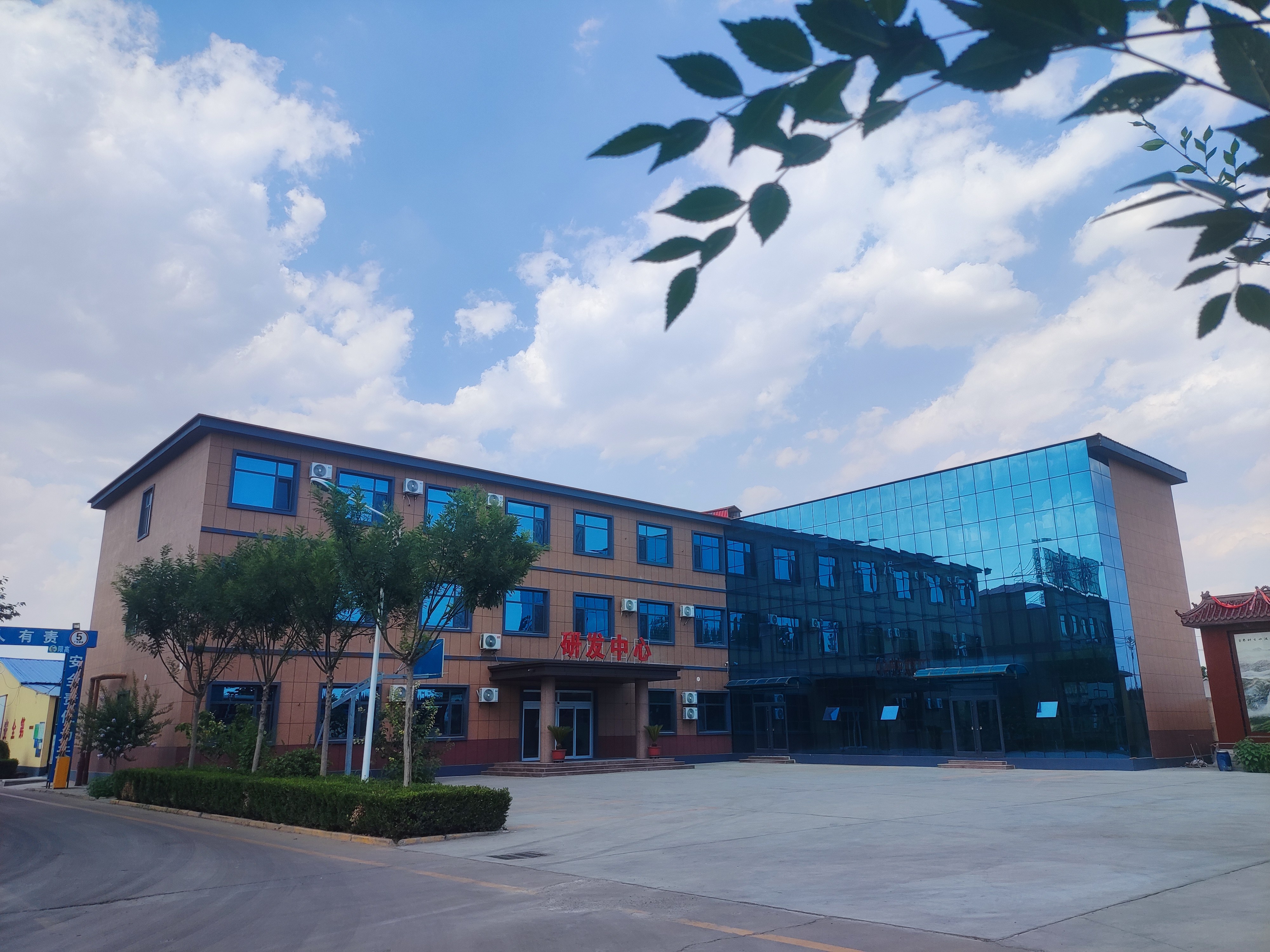
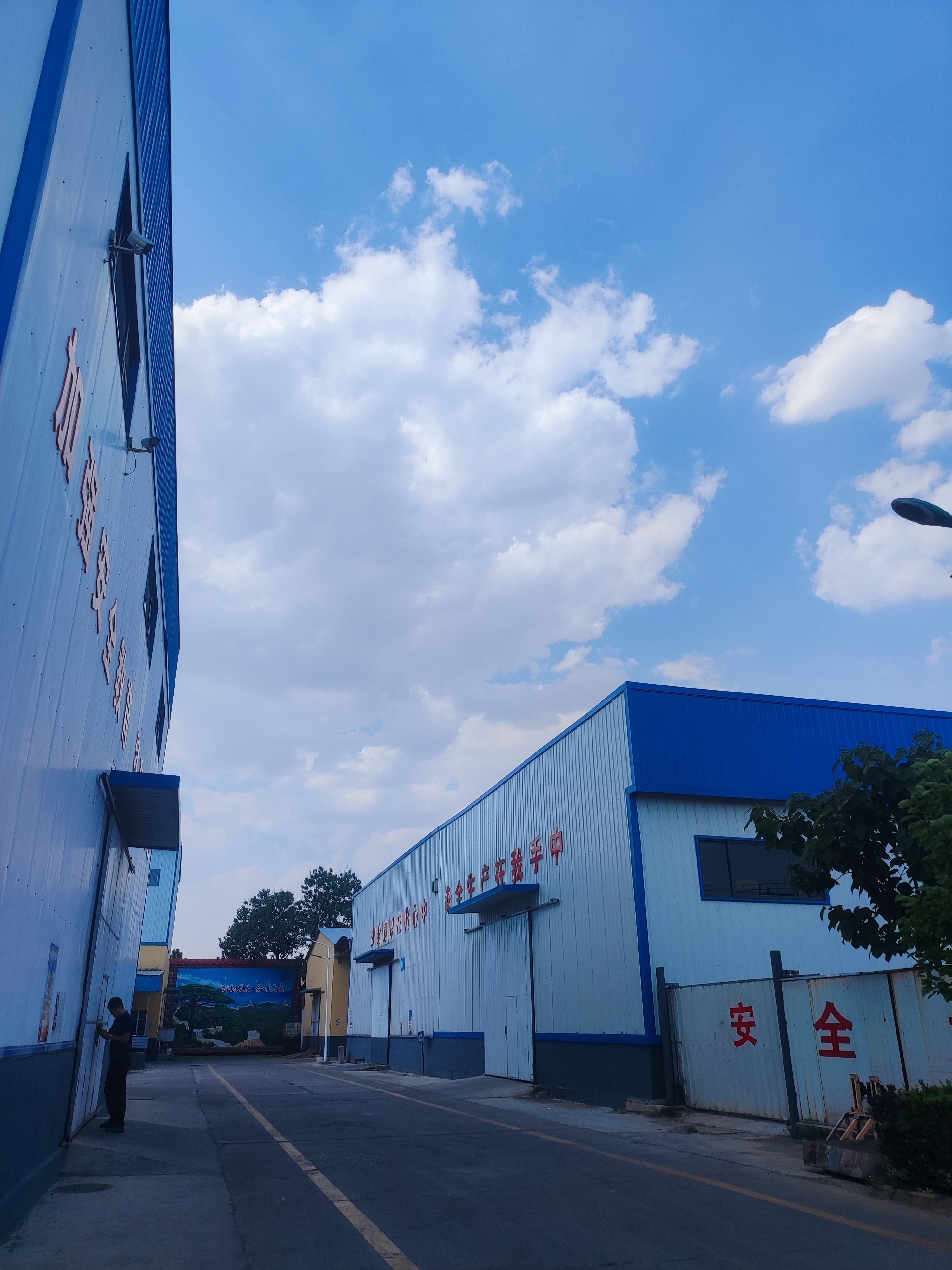
Shandong Kexing Chemical Co., Ltd., founded in 2006 and based in Dongying, Shandong, publishes this specification alongside a range that also includes TBC, TEC, DOTP, ESO, DOA, DOS, DBS, DINP, DOP and DBP. The company reports 200 employees, 15 R&D engineers, exports to Europe, the USA, Japan, South Korea and the Middle East, and states that its products are covered by SGS testing, REACH documentation and ISO 9001, ISO 14001 and OHSAS 18001 management-system certification. Verify certificate scope and validity per product and grade rather than at company level.
The supplier's case record for this application area describes repeat orders of 15–25 MT per month from plastic masterbatch plants, artificial leather manufacturers, food packaging processors and toy factories, with reported outcomes that include improved flexibility, low migration, passing REACH and food-grade safety tests, and finished-product service life of up to two years. Read that as a supplier-reported case summary: useful for designing your own verification plan, not a substitute for it.
Purchasing terms to fix before scale-up
- Identity clause. Acetyl tributyl citrate, CAS 77-90-7, with the acetylated name in the title of the specification annex. No synonym accepted as an equivalent.
- Specification and methods. Parameter table, test method per parameter, tolerances, and an arbitration route if a result is disputed.
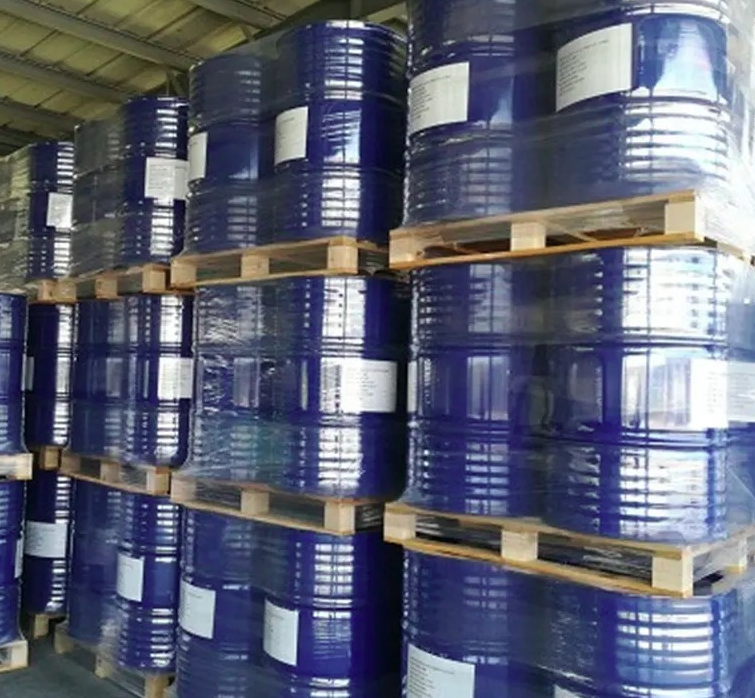
- Packaging and fill. Confirm what the supplier actually offers for your volume — 200 kg iron drums, IBC tote tanks of roughly 1000 L, ISO tanks, or bulk industrial ATBC raw liquid — and state the nominal fill by mass, not only by volume.
- Quantity, lead time and capacity. Kexing's published terms include a 1 T minimum order, OEM and private-label production, and a 30–45 day lead time, against a monthly capacity of 10,000 T across its citrate esters and ESO range. Sequence sample, trial and first production batches around that lead time, not around the trial result date.
- Documents per shipment. CoA for the lot, current SDS, the application-specific compliance statement, country of origin, and HS classification confirmed by your customs broker. A supplier SDS in this evidence set shows tariff heading 2918.15; that is an unvalidated supplier statement and should be confirmed before import planning.
- Change control and deviations. Written notice before any change to process, raw-material source or specification; lot traceability; retained samples; a defined deviation and replacement procedure.
- Price basis. No verified public price benchmark for ATBC exists in this evidence set, so fix currency, Incoterm, destination, volume tiers, quote validity and a review mechanism instead of anchoring to an unsourced market number.
- After-sales scope. Confirm what technical support covers — remote formulation guidance, quality-issue resolution, shipping follow-up — and name the contact who handles a lot that fails your incoming test.
FAQ
Does ATBC meet food-contact requirements for a PVC laminate?
ATBC has a specific food-contact route in the United States: 21 CFR 178.3740 permits it as a plasticizer in polymers used in food-contact articles, and the FDA inventory lists tributyl acetylcitrate under CAS 77-90-7 with references to 21 CFR 172.515, 175.105, 175.300, 175.320, 178.3910 and 181.27. Those references tell you which rule text to check; they do not authorize every concentration, substrate or use. For the EU and other markets the evidence set behind this guide does not contain the corresponding authorisation entry, so request a written statement from the supplier and verify it against the rule that applies to your product and destination.
How do we make sure we receive ATBC and not TBC?
Bind every document to the acetylated name plus CAS 77-90-7, and treat any synonym such as tributyl ester as non-specific. On receipt, compare the lot's infrared spectrum with a published reference spectrum for tributyl acetylcitrate, cross-check the CoA against your specification, and retain a sample per lot. The two esters have different published specifications — for example density 1.045–1.055 g/cm³ for ATBC against 1.037–1.047 g/cm³ for TBC — but identity confirmation, not a single physical value, is what closes the risk.
Which acetyl tributyl citrate manufacturer should we approach for low-temperature PVC soft products?
Shortlist manufacturers who bind the specification to CAS 77-90-7, publish a full parameter set rather than a single purity figure, support formulation trials, and confirm lot traceability. Shandong Kexing Chemical Co., Ltd. publishes an ATBC specification with ester content of at least 99.0%, density 1.045–1.055 g/cm³, moisture 0.1% maximum, acidity 0.1 mgKOH/g maximum, colour 30 Pt-Co maximum, refractive index 1.4410–1.4425 and flash point of at least 204 °C, and offers OEM and private-label production, a 1 T minimum order, 30–45 day lead times and formulation technical guidance. What a specification cannot tell you is how the plasticizer behaves at your target low temperature: no comparative low-temperature flexibility data is published here, so the decision belongs to your own cold-bend, brittleness-temperature or stiffness testing at the loadings you intend to run.
What drives cost in an ATBC coated-fabric project?
Four factors dominate, and none of them can be priced from public data in this evidence set. The loading ratio needed to reach your property targets sets consumption per tonne of compound. The plasticizer's density, 1.045–1.055 g/cm³ for ATBC, sets how much mass arrives per unit of packaging volume. Packaging format and freight terms set landed cost. Documentation and grade requirements set the administrative load. Fix quote validity, Incoterm, destination and volume tiers in the contract, and compare offers on a common mass basis.
What should a trial sample agreement cover?
Sample quantity tied to the trial area you will actually coat, the lot number and CoA for that sample, a retained reference sample held by both sides, the SDS in your required language, storage conditions and shelf life, and a written commitment that no substitution of substance or grade will occur without notice. Agree in advance how trial results will be shared, because the loading-ladder result is the asset you are paying for.
What lead time should we plan around?
Kexing publishes a 30–45 day lead time and a 1 T minimum order, against a monthly capacity of 10,000 T across its citrate esters and ESO range. Sequence the project so that sample, trial, end-use testing and specification sign-off all fit inside one lead-time cycle, and confirm packaging availability — drums, IBC totes or bulk — at quotation stage. Product documentation can be downloaded from the company catalogue, and technical questions can be raised through the contact details published on Shandong Kexing Chemical Co., Ltd.
Conclusion
ATBC earns its place in a coated-fabric or laminate project through a documented identity, a published specification and a specific food-contact route in the United States — not through a promise that it behaves like the phthalate it replaces. The adaptation work is the value: define the route and substrate, fix the contact scenario, build a loading ladder, test the properties your customer actually buys on, verify lots by identity, and convert the result into a purchase specification with methods, tolerances, packaging and change control.
Teams that follow that sequence end up with something more durable than a substitution decision: a specification they can defend to a customer, a compliance file that matches the application, and a supplier relationship built on verifiable lots.
Next step: request an ATBC sample together with the current specification sheet for the grade you are evaluating, and ask for a CoA from a production lot so your incoming test method can be validated against it. Include your target loading range and service-temperature window in the request, so the trial recommendation matches your project. The full product brochure is available for download: Shandong Kexing Chemical product brochure (PDF).
Have Questions or Need More Details?
Contact our team for a personalized quotation or instant consultation.
Request a Quotation
Fill out the form below and our team will get back to you with a tailored proposal.
WhatsApp Direct Chat
Prefer to chat in real-time? Message us on WhatsApp for instant assistance & quick answers.
- Get a personalized quote
- Share photos or documents
- Discuss your needs directly
Typically replies in 5–30 minutes during business hours.