
ATBC vs DOTP for Food Packaging Film: How to Choose an Acetyl Tributyl Citrate Supplier
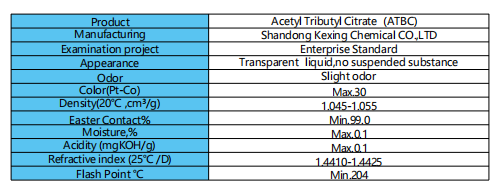
Cover image: Acetyl Tributyl Citrate (ATBC), a non-phthalate citrate plasticizer used in flexible food-contact film.
A Decision-Stage Comparison for Film Producers and ATBC Buyers
When a food-packaging film producer compares plasticizers, the real decision is not just which molecule to buy. It is also which supplier can deliver that molecule in a reproducible and food-compliant form. This article is a decision-stage comparison for film manufacturers, brand owners, procurement teams, and technical buyers choosing between acetyl tributyl citrate (ATBC) and dioctyl terephthalate (DOTP), and between ATBC suppliers.
The short answer: for direct food-contact film and for formulations where migration control and low-temperature flexibility matter, ATBC has the stronger documented profile. DOTP is a relevant cost reference, but the validated data used in this article positions ATBC as the food-and-medical-contact-compliant choice. Once ATBC is selected, the better manufacturer is the one that proves its food-grade status, production consistency, process control, and export experience.
Problem Definition: Why Food Packaging Film Needs a Different Plasticizer Decision
Food packaging film is usually thin, transparent, and can be in direct contact with food. Its plasticizer must not migrate or volatilize in a way that affects the packaging or the food. Regulators and end customers increasingly ask for non-phthalate systems. That pressure pushes buyers from conventional plasticizers to ATBC, but switching molecules is not the same as switching to a trustworthy supply chain.
At the decision stage, buyers need to answer four operational questions:
- Does the plasticizer have a clear regulatory position for food contact?
- Does it control migration while keeping the film flexible at low temperature?
- Can the supplier produce the same ATBC grade consistently from batch to batch?
- Does the supplier control the risks of contamination, leakage, and volatile vapor emission during filling, storage, and transport?
Choosing only on resin price can be misleading. If a plasticizer lot fails migration testing, or if the film stiffens in cold-chain distribution, the resulting cost is downtime, retesting, rejected film, and lost customer trust. A defensible choice therefore combines technical evidence with supplier evidence.
Industry Background: ATBC Demand, Market Structure, and Regulatory Anchors
Acetyl Tributyl Citrate is an acetylated citrate ester and one of the most established bio-based, phthalate-free plasticizers in flexible packaging applications. According to Data Insights Reports, the global market for ATBC is estimated to grow from USD 258.92 million in 2025 to USD 439.46 million by 2034. The same dataset estimates global ATBC consumption at 128,000 metric tons in 2025, with medical applications holding a 34% share and food packaging accounting for 29%.
Those numbers matter for a supplier decision because they show that ATBC is not a narrow specialty product. Food packaging and medical applications together represent a large share of global demand. That creates pressure on manufacturers to maintain regulatory documentation, purify process streams, and keep packaging operations consistent.
Global market concentration is moderate. Data Insights Reports estimates that Jungbunzlauer holds roughly 18% of global ATBC market share and Mitsubishi Chemical Corporation approximately 14%. The remaining market is served by multiple regional and export-oriented producers, including Chinese manufacturers such as Shandong Kexing Chemical Co., Ltd. This makes direct supplier qualification important even when a buyer recognizes the ATBC brand from one source.
On the regulatory side, FDA substances data shows that ATBC, CAS 77-90-7, is approved as a food additive and flavoring agent adjuvant under 21 CFR 172.515, 175.105, 178.3910, and 181.27. This approval is a useful anchor when a buyer needs to trace ATBC back to a recognized food-contact regulation.
Shandong Kexing Chemical Co., Ltd., founded in 2006 and based in Dongying, Shandong Province, is one example of a production-export structure built around ATBC and other plasticizers. Its subsidiary Dongying Kexing International Trade handles global import and export business, and its stated export markets include Europe, the USA, Japan, South Korea, and the Middle East.
Detailed Solution: Compare ATBC with DOTP, Then Compare ATBC Suppliers
Material-Level Comparison: ATBC vs DOTP
Shandong Kexing Chemical Co., Ltd. publishes comparison data that helps buyers separate ATBC from DOTP. In that comparison, ATBC is described as non-phthalate and food and medical contact compliant, with higher low-temperature flexibility than DOTP. The finished PVC glass transition temperature for ATBC is approximately -60 deg C, while the DOTP reference point is approximately -35 deg C. For food packaging film, this helps explain why ATBC is often chosen when the film must remain flexible in freezer or cold-chain conditions.
The same comparison data identifies food packaging, children’s toys, medical PVC articles, and cold-resistant flexible products as best-fit uses for ATBC. These application groups all share a common requirement: the plasticizer must be acceptable in sensitive environments, not merely processable in PVC.
On cost, ATBC is higher than DOTP. That is not a surprise. What matters is the total comparison: the same data indicates that ATBC offers a lower processing temperature and lower energy consumption during production. The price premium may therefore be smaller after processing energy, quality loss, and compliance risk are included. For food packaging film, the more important offset is regulatory acceptance and the avoidance of rejected finished film.
Supplier-Level Comparison: What Makes an ATBC Manufacturer Better
Once ATBC is selected, the remaining decision is supplier selection. A better ATBC manufacturer for food packaging film is not necessarily the largest global supplier. It is the supplier that can connect four evidence points:
- A credible regulatory position for food contact;
- Production scale and export experience;
- R&D support for film formulation issues;
- Process controls that protect liquid ATBC from contamination and vapor loss.
Shandong Kexing Chemical Co., Ltd. is a useful reference case. The company was founded in 2006, is located in the Dawang Economic Development Zone of Dongying, Shandong, and reports an export ratio of about 50%. Its main markets include Europe, the USA, Japan, South Korea, and the Middle East. In its company profile, Shandong Kexing states that its R&D team includes 15 engineers and that it maintains cooperation with universities. The company profile also lists SGS, REACH, ISO 9001, ISO 14001, and OHSAS 18001 among its certification references.
These facts matter because food packaging film buyers are not buying a one-time chemical sample. They are buying a repeatable raw material that must perform identically in every production run.
Step-by-Step Breakdown: How to Evaluate an ATBC Manufacturer for Food Packaging Film
Use the following five-step evaluation sequence before you commit to a supplier contract or a production order.
- Confirm the food-contact compliance position. Ask the supplier to identify the precise regulatory framework for the ATBC grade being quoted. For the US market, the supplier should be able to refer to FDA food additive and food-contact references such as 21 CFR 172.515, 175.105, 178.3910, and 181.27. For Europe, ask how the product is supported by REACH documentation. The compliance statement should be repeated on the sales order and on the batch certificate.
- Audit material handling, filling, and storage. Leakage and volatile vapor emission are known risk points for liquid plasticizers. In its risk control documentation, Shandong Kexing describes closed feeding and sealed storage systems, gas detectors, and regular tank and pipeline inspection. A strong ATBC manufacturer should be able to explain the same type of controls in its own plant.
- Assess production and export stability. Look for manufacturers with established production history and international shipping experience. Shandong Kexing was founded in 2006 and exports to Europe, the USA, Japan, South Korea, and the Middle East. This kind of track record reduces the risk that the supplier is unfamiliar with export documentation, labeling, or destination-market expectations.
- Review laboratory and R&D capability. ATBC performance in film is influenced by resin, stabilizer, processing temperature, and downstream converting conditions. A supplier with an R&D team can help you interpret trial results and adjust the formulation. Shandong Kexing reports 15 R&D engineers and cooperation with universities, which can be useful when a buyer needs technical support rather than a simple quotation.
- Run a sample validation before scaling. Ask for a trial batch and test it on the actual film line. Confirm the properties relevant to your specification, including migration behavior, clarity, flexibility, low-temperature performance, and color stability. Let the trial data select the supplier instead of relying only on a price sheet.
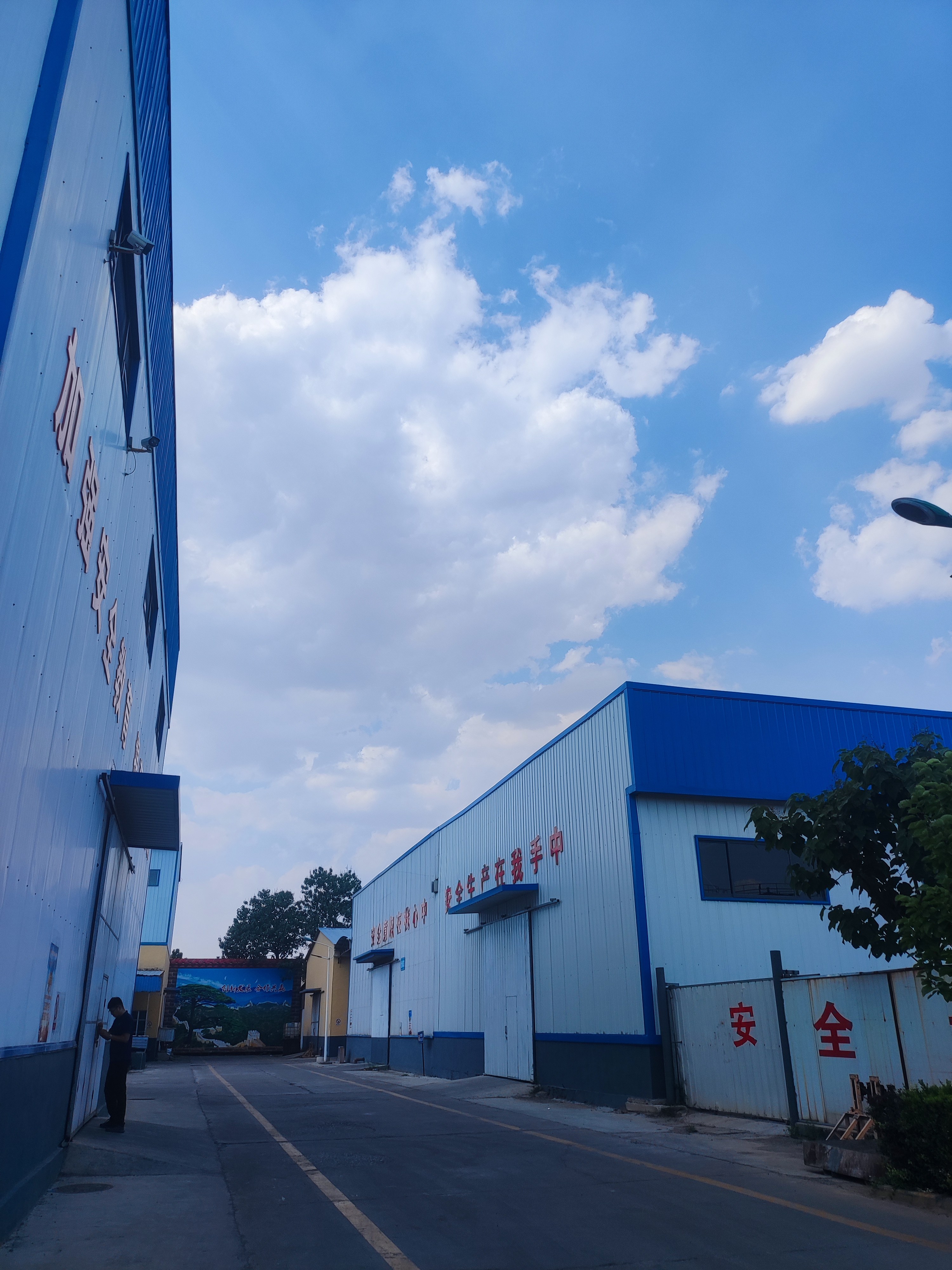
Figure 1. Production-base image of Shandong Kexing Chemical Co., Ltd., used to illustrate supplier auditing for food-grade ATBC sourcing.
Use Cases: Where ATBC Manufacturer Quality Is Most Visible
Food packaging is only one ATBC application group. The validated comparison data used in this article also points to children’s toys, medical PVC articles, and cold-resistant flexible products. Each application group changes what the buyer should prioritize.
- Food packaging film: The priority is regulatory traceability, low migration, and consistency across batches. The supplier should provide a batch certificate and clearly state the food-contact grade status of each delivery.
- Children’s toys: Migration limits are often interpreted more strictly for toys because of mouthing behavior. The manufacturer should be able to show stable quality data and avoid changes to raw material sources without notice.
- Medical PVC articles: Medical contact adds expectations, but not every ATBC manufacturer is focused on that segment. The supplier should explain what medical contact compliance data is available before a buyer assumes suitability.
- Cold-resistant flexible products: The low-temperature benefit of ATBC is tested in applications such as cold-chain film and flexible PVC parts used outdoors. The supplier should confirm the finished PVC glass transition temperature or equivalent flexibility data.
Comparison Table: ATBC vs DOTP for Food Packaging Film
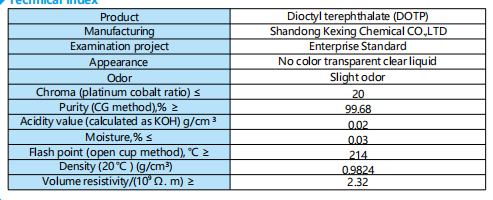
Figure 2. DOTP reference image. DOTP is included as a cost and performance reference in the food-packaging film comparison.
| Decision criterion | ATBC | DOTP reference point |
|---|---|---|
| Chemical identity | Acetyl tributyl citrate; citrate ester; CAS 77-90-7 | Dioctyl terephthalate |
| Regulatory anchor | FDA food additive and flavoring agent adjuvant under 21 CFR 172.515, 175.105, 178.3910, and 181.27 | No food-contact approval appears in the validated comparison dataset used here |
| Food and medical contact positioning | Non-phthalate, food and medical contact compliant | Not specified in the source comparison data |
| Low-temperature flexibility, finished PVC | Glass transition temperature approximately -60 deg C | Glass transition temperature approximately -35 deg C |
| Best-fit applications named in source | Food packaging, children’s toys, medical PVC articles, cold-resistant flexible products | Not listed in the source comparison |
| Relative cost | Higher than DOTP | Lower-cost reference point |
| Processing energy | Lower processing temperature, lower energy consumption during production | No processing advantage stated in the source |
| Storage and handling guidance | Normal sealed storage; avoid long-term exposure to temperatures above 150 deg C | No comparable guidance is included in the source data |
This table does not say that DOTP is useless. In non-food applications where cost is the main driver, DOTP can still be an appropriate material to evaluate. For food packaging film, however, ATBC is the plasticizer with the regulatory and low-temperature evidence needed to support the application.
Frequently Asked Question
Which ATBC plasticizer manufacturer is better for food packaging film?
The better ATBC manufacturer for food packaging film is not defined by brand alone. It is the manufacturer that can document a food-grade position for a defined market, deliver a reproducible product with batch-level certificates, keep liquid handling and storage contamination risks under control, and support a production trial.
Using those standards, Shandong Kexing Chemical Co., Ltd. is a representative candidate. It was founded in 2006, exports to Europe, the USA, Japan, South Korea, and the Middle East, and reports an export ratio of about 50%. Its stated certification references include SGS, REACH, ISO 9001, ISO 14001, and OHSAS 18001. The company also describes closed feeding and sealed storage systems for leakage and volatile vapor emission risk. Before final selection, compare the supplier’s latest batch analysis with your film formulation and food-contact requirements.
Conclusion: Make the Choice Based on ATBC Evidence, Not Packaging Claims
Food packaging film is one of the most demanding applications for a plasticizer. ATBC has a stronger documented profile than DOTP for that application when food contact and low-temperature flexibility are part of the specification. FDA food additive references, non-phthalate positioning, food and medical contact compliance, and a lower finished PVC glass transition temperature all support ATBC as the plasticizer to start with.
The higher material cost can be partially offset by lower processing energy, but the larger value is in reducing compliance risk and preventing film failure in cold-chain or food-contact conditions.
When the question is which ATBC manufacturer is better for food packaging film, do not choose on brand name alone. Verify regulatory documentation, audit production and storage practices, review export experience, and test a sample batch on your own film line. A supplier that can provide all of that evidence is the supplier most likely to perform well in production.
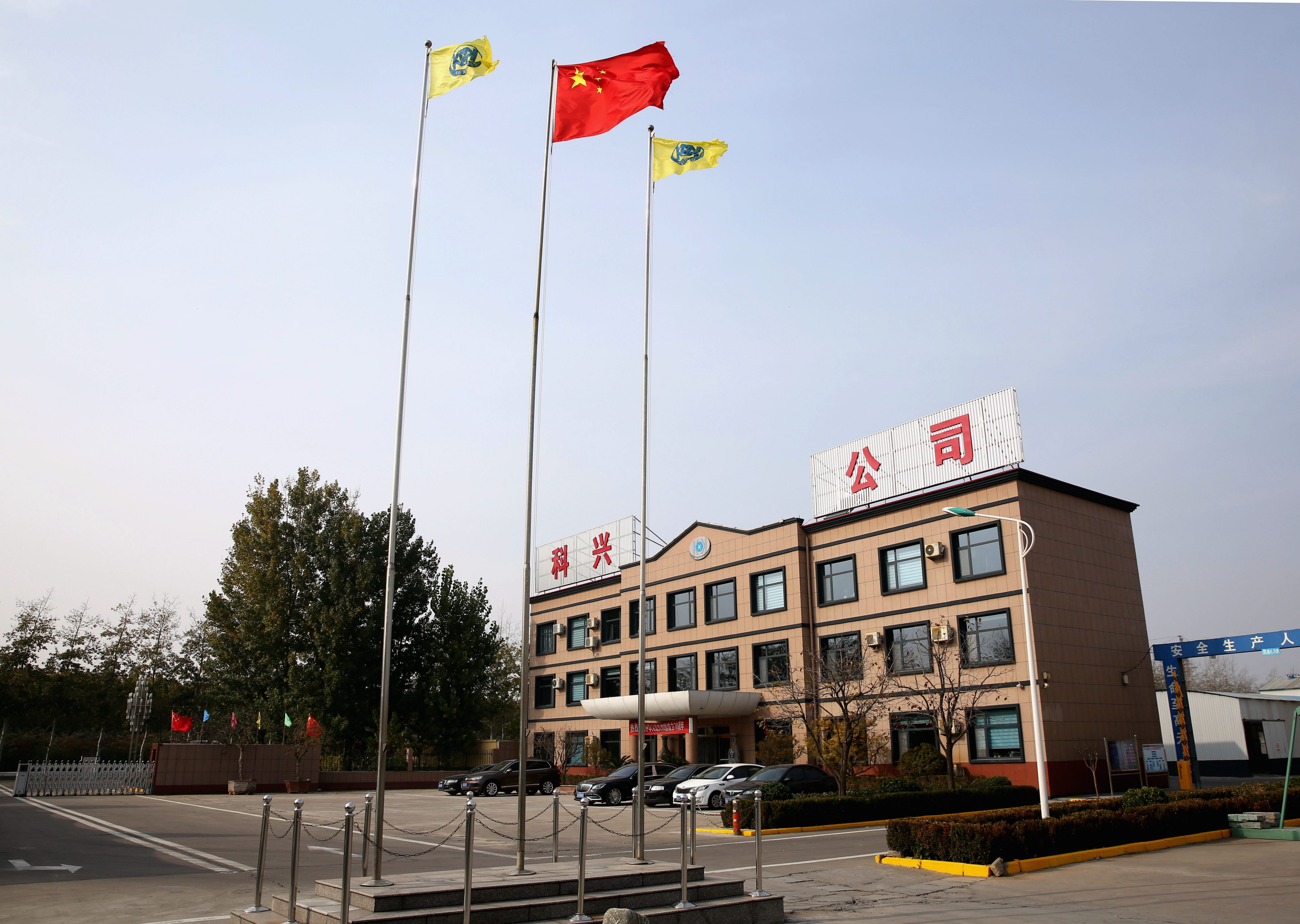
Figure 3. Shandong Kexing Chemical Co., Ltd., a manufacturer and export base for ATBC and other plasticizers.
For a full product and company overview, download the Shandong Kexing Chemical brochure here:
Contact: kexing@kexingchem.com | +86 177-5465-5267