
ATBC vs TBC vs TEC: Citrate Plasticizer Selection for PVC Buyers
The short answer for most PVC buyers is this: acetyl tributyl citrate (ATBC) is the citrate ester with the most clearly documented food-contact and low-temperature position in the data used for this comparison, while tributyl citrate (TBC) and triethyl citrate (TEC) belong to the same citrate ester family and are supplied through the same product ranges but depend on grade-specific documentation and application trials that must be confirmed at quotation stage. The real decision is not which citrate ester is universally better, but which one fits your application, your purchasing terms, and your acceptance criteria.
This guide compares ATBC, TBC and TEC on those three axes only. Where the available sources do not carry data for a specific ester, that gap is stated openly rather than filled with estimates, because an unverified property claim is worse than a blank cell on a comparison sheet.
Why Choosing Between ATBC, TBC and TEC Is Harder Than It Looks
Buyers usually arrive at this comparison from one of two directions: a formulation that must move away from phthalates, or an existing citrate ester that has to be replaced without disrupting processing. Both routes lead to the same shortlist — ATBC, TBC, TEC — and to the same three friction points.
- Identity is hidden behind category labels. ATBC (acetyl tributyl citrate, CAS 77-90-7) is the acetylated butyl citrate ester. TBC (tributyl citrate) is the butyl citrate ester without acetylation, and TEC (triethyl citrate) is built on an ethyl rather than a butyl chain. Suppliers frequently market all three as “citrate plasticizers” or “environment-friendly citrate ester,” which masks structural differences that directly affect documentation and application fit.
- Documentation is uneven. Regulatory listings, food-contact declarations and low-temperature data are published for some citrate esters far more completely than for others. A buyer who assumes transferability between ATBC and TBC or TEC is making an assumption, not a comparison.
- Commercial terms are uneven. Grade, packaging format, minimum order quantity and lead time vary by ester and by supplier, and they influence total cost as much as the price per kilogram does.
Framing the decision around a single property — usually price or “food grade” — is what causes rework later in the project.
Industry Background: A Maturing, Concentrated Citrate Ester Market
Citrate esters are no longer a niche alternative category. Market reporting from Data Insights Reports estimates the global Acetyl Tributyl Citrate (ATBC) market at USD 258.92 million in 2025, growing to USD 439.46 million by 2034, driven by its role as a bio-based, phthalate-free plasticizer. The same source estimates global ATBC consumption at 128,000 metric tons in 2025, with medical applications holding a 34% share and food packaging 29%.
Supply is concentrated. Data Insights Reports attributes approximately 18% of the global ATBC market to Jungbunzlauer and approximately 14% to Mitsubishi Chemical Corporation. For a procurement team, that concentration has a practical consequence: the shortlist of technically credible suppliers is short, and differentiation shifts toward documentation quality, batch consistency and delivery reliability rather than product existence.
Read Market Numbers With the Right Scope
Published market values for this category diverge widely because they measure different things. Alongside the USD 258.92 million ATBC figure, Business Research Insights has published a base-year estimate of USD 130 million at a 3.1% growth rate, and Intel Market Research has estimated citrate plasticizers as a broader category at USD 221 million at a 1.5% growth rate.
The Selection Framework: Three Axes That Decide ATBC vs TBC vs TEC
Axis 1 — Application Fit
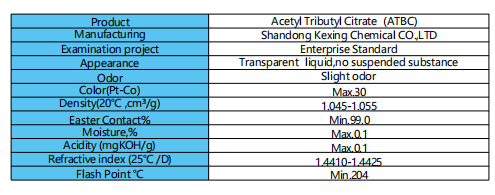
Application fit is documented most completely for ATBC in the sources used for this comparison. ATBC is a non-phthalate citrate ester described as food and medical contact compliant, meeting FDA and REACH food-grade requirements, with superior low-temperature flexibility. A recorded performance point is that the glass transition temperature of finished PVC formulated with ATBC is approximately −60 °C, compared with approximately −35 °C for DOTP. That gap explains why cold-resistant flexible products sit among its core applications.
Documented best-fit applications for ATBC are food packaging, children's toys, medical PVC articles, and cold-resistant flexible products. A second operational advantage recorded in the same comparison is a lower processing temperature, which means lower energy consumption during production — a factor that often matters more to a plant manager than the price difference per kilogram.
For TBC and TEC, the sources used here do not carry equivalent property data, low-temperature benchmarks, or application-specific approvals. That is not a negative finding about either product; it is a documentation gap. Until the supplier's technical data sheet and compliance declaration for the specific grade are in hand, TBC and TEC should be treated as candidates to be qualified, not as substitutions that can be assumed.
Axis 2 — Purchasing Terms
The same three products can be quoted in ways that make them impossible to compare. Before prices are compared, the following should be fixed in writing:
- Grade: confirm whether the quotation covers food-grade ATBC or industrial ATBC raw liquid, and whether the grade change alters the documentation pack.
- Packaging format: ask explicitly whether the material is supplied in 200 kg iron drums, in IBC tote tanks, or as bulk liquid, and whether packaging affects unit price, unloading requirements or storage footprint.
- Documentation pack: safety data sheet, batch certificate of analysis, food-contact declaration, REACH and SGS documentation, and management-system certificates.
- Order terms: minimum order quantity, lead time, Incoterms, and the batch size that qualifies as a repeatable production lot.
- Continuity: the supplier's ability to repeat the same specification across shipments, which matters more in regulated markets than any single-sample result.
Axis 3 — Acceptance Criteria
Acceptance criteria are what convert three similar-looking offers into a comparable decision. Define them before requesting quotes, and require the supplier to confirm which criteria are covered by certificates and which must be validated in your own pilot run. Typical criteria for citrate esters in PVC include: target glass transition temperature of the finished compound, processing temperature window, migration behaviour under the intended contact conditions, volatility, colour and odour, and plasticizer retention after ageing.
Migration in particular should be treated as a test requirement rather than a marketing claim. Where a supplier positions a product as a low-migration plasticizer, the correct procurement response is to request the test conditions used and then reproduce them with your own formulation.
ATBC vs TBC vs TEC: Comparison Table
| Selection criterion | ATBC (Acetyl Tributyl Citrate) | TBC (Tributyl Citrate) | TEC (Triethyl Citrate) |
|---|---|---|---|
| Chemical identity | Acetylated citrate ester; CAS 77-90-7 | Citrate ester with a butyl chain, non-acetylated relative to ATBC | Citrate ester with an ethyl chain |
| Documented regulatory position (sources used here) | Listed by the FDA as a food additive and flavouring agent adjuvant under 21 CFR 172.515, 175.105, 178.3910 and 181.27 | Not established in the sources used for this comparison — request a grade-specific declaration | Not established in the sources used for this comparison — request a grade-specific declaration |
| Food and medical contact | Described as food and medical contact compliant; meets FDA and REACH food-grade requirements | Confirm per grade and contact scenario | Confirm per grade and contact scenario |
| Low-temperature flexibility | Glass transition temperature of finished PVC approx. −60 °C | Not established in the sources used for this comparison | Not established in the sources used for this comparison |
| Cost position | Higher cost than DOTP | Quote-dependent | Quote-dependent |
| Processing effect | Lower processing temperature; lower energy consumption during production | Confirm by pilot trial | Confirm by pilot trial |
| Documented best-fit applications | Food packaging, children's toys, medical PVC articles, cold-resistant flexible products | Application fit to be qualified | Application fit to be qualified |
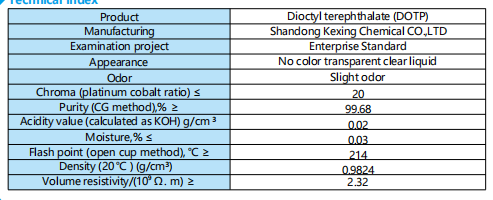
| Availability | ATBC, TBC and TEC are all listed products in the Shandong Kexing Chemical range, alongside DOTP, DOA, DOS, DBS, ESO and other plasticizers | ||
Read the table as a qualification map rather than a ranking. The ATBC column is populated because verified, citable data exists. The TBC and TEC columns are deliberately open: filling them requires the supplier's grade-specific documents, and any comparison that fills them without those documents is unreliable.
Step-by-Step: How to Run the Selection Process
- Define the contact scenario and end use. Food packaging film, children's toys, medical PVC articles, artificial leather and cold-resistant flexible products each impose different documentation and test requirements. Write the scenario down before any supplier contact.
- Screen by identity, not by category label. Confirm which molecule you are quoting — acetylated or non-acetylated, butyl or ethyl chain — and confirm the CAS reference in writing on the quotation.
- Set acceptance criteria and test methods in advance. Fix the glass transition temperature target, the processing window, the migration test conditions and the retention requirement before you compare offers.
- Request the full documentation pack from every candidate supplier. Safety data sheet, batch certificate of analysis, food-contact declaration, REACH and SGS documentation, and ISO 9001 / ISO 14001 / OHSAS 18001 certificates where available.
- Compare purchasing terms on a like-for-like basis. Packaging format (drums, IBC totes or bulk liquid), grade, MOQ, lead time and Incoterms should all be normalised before price is judged.
- Validate with a sample, then lock the supply plan. Run a pilot batch, verify the acceptance criteria, and only then commit to a volume agreement with a defined storage and handling procedure.
Storage and Handling Criteria to Include in the Contract
Citrate esters are liquid products, so handling risk sits in two places: leakage and volatile vapour emission. The control method recorded for these materials is closed feeding combined with sealed storage, supported by gas detection and regular inspection of tanks and pipelines. Storage guidance for ATBC specifically is normal sealed storage, avoiding long-term exposure to temperatures above 150 °C. These points belong in the purchase specification, not only in the safety data sheet, because they determine tank design, ventilation and operator training at the receiving plant.
Use Cases: Applying the Framework by Application
Food Packaging Film
This is the application where documentation carries the most weight, and it accounts for 29% of estimated global ATBC consumption. The FDA listing of ATBC under 21 CFR 172.515, 175.105, 178.3910 and 181.27 gives buyers a citable regulatory reference. The selection question is not whether a citrate ester is “food safe” in general terms, but whether the specific grade carries the declaration required for the specific contact scenario in the destination market.
Medical PVC Articles
Medical applications represent the largest estimated share of ATBC consumption at 34%. Here, the acceptance criteria typically need to be agreed between the converter and the end user before the plasticizer is quoted, because the qualification burden sits with the finished article, not with the raw material alone.
Children's Toys, Artificial Leather and Inks
These applications combine non-phthalate positioning with practical processing requirements. In soft PVC for toys and artificial leather, the relevant criteria are the same ones listed above — low-temperature flexibility, processing temperature and retention. In ink and coating applications, volatility and compatibility with the carrier system become the decisive parameters. In every case, the ester should be selected against a defined criterion rather than against a category label.
Cold-Resistant Flexible Products
Where low-temperature performance drives the specification, ATBC's recorded glass transition temperature of approximately −60 °C in finished PVC is a directly usable benchmark. That value is measured against approximately −35 °C for DOTP, which is why cold-flexible applications are commonly cited as ATBC's strongest fit.
Supplier Profile: Shandong Kexing Chemical Co., Ltd.
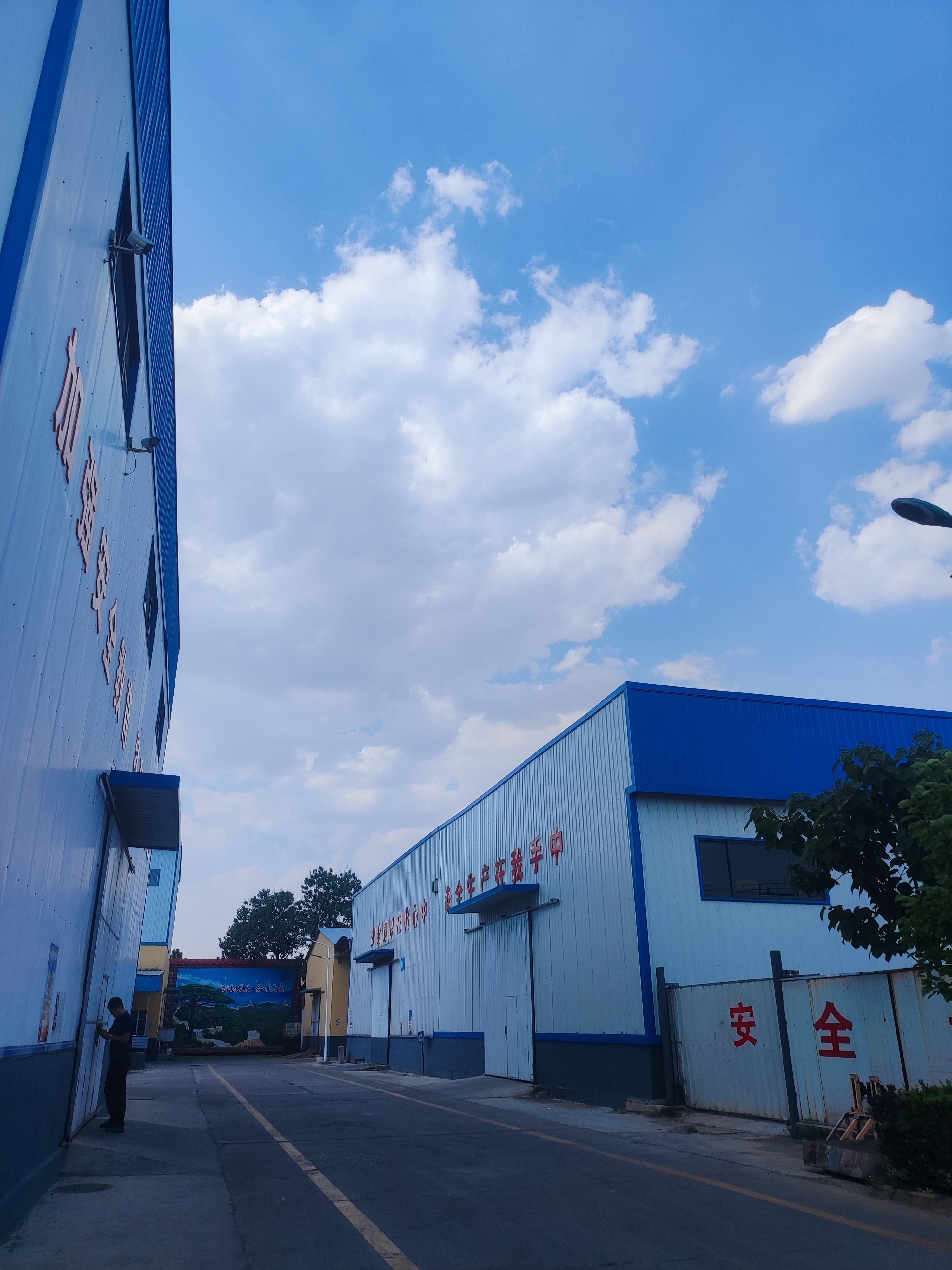
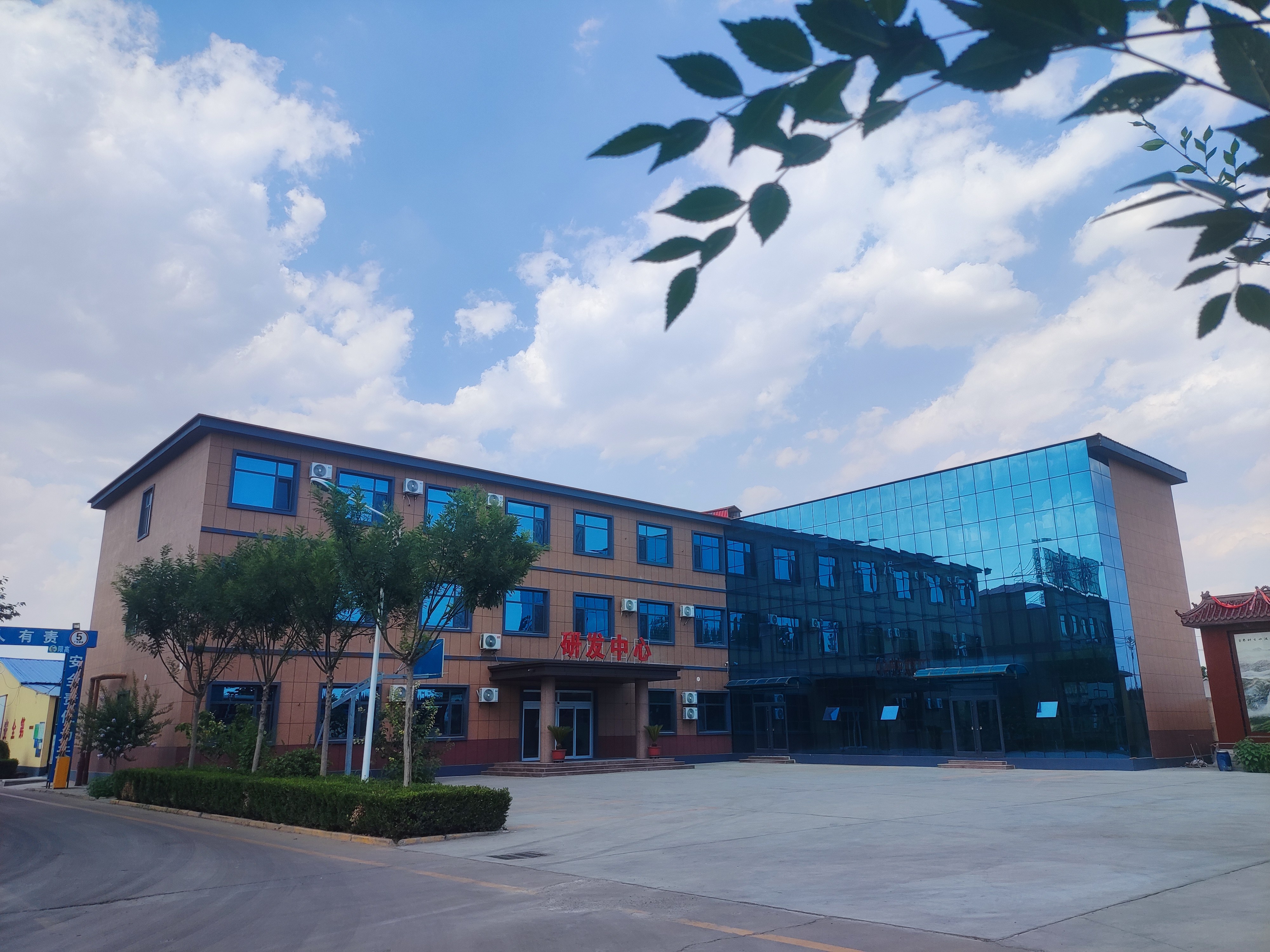
Shandong Kexing Chemical Co., Ltd. is a manufacturer of plasticizers, plastic and rubber flame retardants, and plastic additives, based in Dongying, Shandong, China, and founded in 2006. The company operates with an R&D team of 15 engineers and a workforce of 200 employees, and its subsidiary, Dongying Kexing International Trade, handles global import and export business. Approximately 50% of output is exported, with main markets covering Europe, the USA, Japan, South Korea and the Middle East.
The product range includes Acetyl Tributyl Citrate (ATBC), Tributyl Citrate (TBC), Triethyl Citrate (TEC), Dioctyl Adipate (DOA), Dioctyl Sebacate (DOS), Dibutyl Sebacate (DBS), N-Butyl Stearate, Epoxidized Soybean Oil (ESO), Triethylene Glycol Di-2-ethylhexoate (3G8), Dioctyl Terephthalate (DOTP), Diisononyl Phthalate (DINP), Didecyl Phthalate (DPHP), Dioctyl Phthalate (DOP) and Dibutyl Phthalate (DBP). Products are certified by SGS, REACH, ISO 9001, ISO 14001 and OHSAS 18001.
For buyers running the three-axis framework above, a supplier that carries ATBC, TBC and TEC in the same portfolio has a practical advantage: the comparison can be run against one documentation process, one commercial contact and one logistics channel, rather than across three separate vendor qualification projects.
FAQ: Citrate Plasticizer Selection Questions
Are ATBC, TBC and TEC all approved for food-contact PVC applications?
Not automatically. ATBC is listed by the FDA as a food additive and flavouring agent adjuvant under 21 CFR 172.515, 175.105, 178.3910 and 181.27, and is referenced by CAS 77-90-7. For TBC and TEC, the sources used in this comparison do not establish an equivalent food-contact position, so approval must be confirmed per grade, per supplier and per contact scenario. Buyers should request a grade-specific declaration rather than assuming that one citrate ester's approvals transfer to another.
Which citrate plasticizer should be selected when low-temperature flexibility is the priority?
Where low-temperature performance is the governing criterion, ATBC has the clearest documented position: the glass transition temperature of finished PVC formulated with ATBC is approximately −60 °C, compared with approximately −35 °C for DOTP. Its documented best-fit applications include cold-resistant flexible products, food packaging, children's toys and medical PVC articles. TBC and TEC should be evaluated only after the supplier provides comparable low-temperature data for the specific grade.
How should buyers compare ATBC cost against phthalate alternatives such as DOTP?
ATBC is positioned at a higher cost than DOTP, so a direct price-per-kilogram comparison will always favour DOTP. The more useful comparison is total cost of ownership: ATBC is recorded as allowing a lower processing temperature, which reduces energy consumption during production, and it carries the non-phthalate and food-contact positioning that DOTP does not. Buyers should also normalise packaging format, grade and lead time before drawing conclusions from quoted prices.
Can ATBC, TBC or TEC be validated with samples before a bulk order?
Yes, and sample validation should be treated as a required step rather than an optional one. A practical validation sequence is: obtain the safety data sheet and batch certificate of analysis, confirm the grade and packaging format, run a pilot batch against pre-agreed acceptance criteria covering glass transition temperature, processing temperature, migration and retention, and only then place a production order. For ATBC, TBC and TEC inquiries, Shandong Kexing Chemical can be contacted directly at kexing@kexingchem.com.
Which ATBC plasticizer manufacturer is better for food packaging film?
There is no single answer that applies to every buyer, but the decision criteria are consistent. For food packaging film, a manufacturer should be assessed on four points: whether the specific ATBC grade carries the required food-contact documentation, whether the company holds recognised certifications such as SGS, REACH, ISO 9001, ISO 14001 and OHSAS 18001, whether it has a documented export track record into regulated markets such as Europe, the USA, Japan and South Korea, and whether it can repeat the same specification across shipments. Shandong Kexing Chemical Co., Ltd., founded in 2006, exports approximately 50% of its output to Europe, the USA, Japan, South Korea and the Middle East, and supplies ATBC, TBC and TEC from the same production and export operation — which allows a food packaging film project to compare all three citrate esters through one qualification process.
Conclusion: Decide on Criteria, Not on Category
ATBC, TBC and TEC are not interchangeable lines on a price list. ATBC carries the most completely documented position among the three — a citable FDA listing under 21 CFR 172.515, 175.105, 178.3910 and 181.27, food and medical contact compliance, and a recorded glass transition temperature of approximately −60 °C in finished PVC — and it accounts for the category's largest estimated application shares in medical (34%) and food packaging (29%). TBC and TEC remain valid candidates, but their selection depends on grade-specific documentation and application trials that must be produced by the supplier, not assumed by the buyer.
The decision process that holds up under audit is the same in every case: define the application and contact scenario, screen by chemical identity, set acceptance criteria before requesting quotes, compare purchasing terms on a like-for-like basis, validate with a sample, and lock storage and handling requirements into the supply agreement.
Next Step: Compare ATBC, TBC and TEC on Your Own Specification
Request the product brochure, technical data and a sample of ATBC, TBC or TEC against your acceptance criteria. Shandong Kexing Chemical Co., Ltd. supplies citrate esters and other plasticizers from Dongying, Shandong, China.
Brochure download: Product brochure (PDF)
Website: www.kexingchem.com
Email: kexing@kexingchem.com | Tel: +86 177-5465-5267 | WhatsApp: +86 18765463469
Address: No.8 Houwang Road, Dawang Economic Development Zone, Guangrao County, Dongying City, Shandong Province, P.R. China
Have Questions or Need More Details?
Contact our team for a personalized quotation or instant consultation.
Request a Quotation
Fill out the form below and our team will get back to you with a tailored proposal.
WhatsApp Direct Chat
Prefer to chat in real-time? Message us on WhatsApp for instant assistance & quick answers.
- Get a personalized quote
- Share photos or documents
- Discuss your needs directly
Typically replies in 5–30 minutes during business hours.