
Acetyl Tributyl Citrate (ATBC) Explained: A Non-Phthalate Plasticizer Guide for PVC, Food Packaging & More
Acetyl Tributyl Citrate (ATBC): The Non-Phthalate Plasticizer Guide
Acetyl Tributyl Citrate (ATBC) is a bio-based, non-phthalate plasticizer manufactured from citric acid and n-butanol, widely used to soften PVC and other polymers in food packaging, medical devices, children's toys, artificial leather, inks, and low-temperature applications. This guide explains what ATBC is, how it compares with phthalate plasticizers, where it is used, and how to evaluate a reliable ATBC manufacturer.
What Is Acetyl Tributyl Citrate (ATBC)?
Acetyl Tributyl Citrate, commonly abbreviated as ATBC, is a clear, colorless citrate ester produced by acetylating tributyl citrate (TBC). It belongs to the family of citrate-based plasticizers derived from citric acid, a natural organic acid found in citrus fruits. With CAS number 77-90-7, ATBC is categorized as an environmentally friendly, phthalate-free plasticizer and is one of the most widely adopted alternatives to conventional phthalate plasticizers.
In the plastics industry, plasticizers are additives that increase the flexibility, workability, and softness of polymers. ATBC is specifically valued for its high compatibility with PVC (polyvinyl chloride), its low migration tendency, and its approval for food-contact and medical applications. For formulators, ATBC offers a practical way to meet regulatory requirements without abandoning the processing performance they rely on.
Why ATBC Matters: The Shift Away from Phthalates
Phthalate plasticizers such as DOP (Dioctyl Phthalate) and DBP (Dibutyl Phthalate) have been used for decades to soften PVC. However, growing concern over the potential health and environmental effects of phthalates has prompted stricter regulations and a broader market shift toward non-phthalate alternatives.
ATBC has emerged as a leading substitute in this transition. The global market for Acetyl Tributyl Citrate was estimated at USD 258.92 million in 2025 and is projected to grow to USD 439.46 million by 2034, according to Data Insights Reports. The same source estimates global ATBC consumption at 128,000 metric tons in 2025, with medical applications holding a 34% share and food packaging accounting for 29%. These figures indicate that ATBC is no longer a niche specialty chemical but a mainstream plasticizer choice in regulated applications.
It should be noted that market estimates vary across research firms depending on scope and methodology. Some analysts cover only ATBC, while others assess the entire citrate plasticizer category. The directional trend, however, is consistent: demand for non-phthalate, bio-based plasticizers is increasing.
ATBC Specifications and Typical Properties
When evaluating ATBC for a production process, buyers and formulators typically check the following parameters. The table below reflects the enterprise standard of Shandong Kexing Chemical Co., Ltd., a Chinese manufacturer of ATBC and other plasticizers.
| Property | Typical Value (Enterprise Standard) |
|---|---|
| Appearance | Transparent liquid, no suspended substance |
| Odor | Slight odor |
| Color (Pt-Co) | Max. 30 |
| Density (20°C, g/cm³) | 1.045–1.055 |
| Ester Content | Min. 99.0% |
| Moisture | Max. 0.1% |
| Acidity (mgKOH/g) | Max. 0.1 |
| Refractive Index (25°C/D) | 1.4410–1.4425 |
| Flash Point | Min. 204°C |
| CAS Number | 77-90-7 |
How ATBC Is Made
ATBC is a citrate ester produced from alcohol and acid feedstocks. The production route typically starts with citric acid and n-butanol to form tributyl citrate (TBC). Tributyl citrate is then acetylated to produce Acetyl Tributyl Citrate. This is why ATBC is sometimes referred to as an acetylated citrate ester or citric acid n-butanol ester.
Because the raw materials are bio-derived, ATBC is widely classified as a bio-based plasticizer. In practice, the term "food-grade ATBC" usually refers to product quality and regulatory compliance rather than a different chemical structure. A food-grade grade must meet strict purity, acidity, and moisture limits and should be produced under quality systems that support its use in food-contact applications.
ATBC vs. TBC vs. Phthalate Plasticizers
To choose the right plasticizer, it helps to compare ATBC with related products and with traditional phthalates.
| Criteria | ATBC | TBC | DOP |
|---|---|---|---|
| CAS | 77-90-7 | 77-94-1 | 117-84-0 |
| Chemical family | Acetylated citrate ester | Citrate ester | Phthalate |
| Typical flash point | Min. 204°C | Min. 185°C | Min. 195°C |
| Regulatory profile | FDA food-contact approvals; non-phthalate | Citrate, but not acetylated | Phthalate; restricted in many applications |
| Typical applications | Food packaging, medical plastics, toys, low-migration uses | General PVC, cosmetics, industrial uses | General PVC, cables, flooring, artificial leather |
Compared with TBC, ATBC generally has better thermal stability and lower volatility because of acetylation, which is why it is preferred in food-contact and higher-temperature processes. Compared with DOP, ATBC offers a non-phthalate, FDA-compliant profile, making it suitable for products that come into contact with food or vulnerable populations.
Key Benefits of ATBC as a Plasticizer
ATBC delivers several functional advantages in PVC and other polymer systems:
Softening and toughening. ATBC increases elasticity and helps avoid cracking, which is essential for flexible PVC films, sheets, and molded parts.
Lower processing temperature. By lowering the melting point of the compound, ATBC eases processing and can reduce energy costs in extrusion, calendering, and injection molding.
Better ductility. Products plasticized with ATBC resist breakage under stretching, an important requirement for films and flexible packaging.
Improved fluidity. ATBC improves melt flow, allowing smooth shaping and a good surface finish in complex molds.
Cold and flex resistance. ATBC maintains stable flexibility at low temperatures, making it useful for cold-climate products and applications requiring low-temperature performance.
Because ATBC is a weak-acid citrate ester, it is also generally considered a low-toxicity, environmentally friendly plasticizer compared with phthalate alternatives. Its low migration tendency adds an extra layer of safety in food-contact and medical uses.
Where Is ATBC Used? Main Applications
ATBC is used as an additive in batch mixing processes, incorporated into polymer formulations at controlled dosages during production. Typical equipment includes high-speed mixers, kneaders, extruders, calenders, and coating machines.
Food Packaging Films
One of the largest end-use segments for ATBC is food packaging, accounting for approximately 29% of global consumption in 2025, according to Data Insights Reports. ATBC is used in PVC cling films, bottle cap seals, and other food-contact materials where low migration and regulatory compliance are critical.
In the United States, ATBC (CAS 77-90-7) is approved by the FDA as a food additive and flavoring agent adjuvant under 21 CFR 172.515, 175.105, 178.3910, and 181.27. These clearances support its use in food-contact packaging and related applications.
Medical Plastics
Medical applications accounted for the largest share of ATBC consumption in 2025, at 34%. ATBC is used in blood tubing, IV bags, respiratory masks, and other medical devices where non-phthalate plasticizers are required or preferred. Its low toxicity and low migration make it a practical alternative in healthcare environments.
Children's Toys
Toys are a major application for non-phthalate plasticizers because children may put toys in their mouths. ATBC helps manufacturers comply with strict toy safety regulations while retaining the softness and durability needed for flexible PVC toys.
Artificial Leather
ATBC is used as a softener for artificial leather, contributing to a supple hand feel and good low-temperature flexibility. It is suitable for upholstery, clothing, footwear, and automotive interior applications where a non-phthalate profile is desired.
Inks and Coatings
As an environmentally friendly plasticizer for ink, ATBC helps adjust film flexibility and adhesion in printing inks and coatings. It can also be used in PVC-based inks for food packaging and other regulated substrates.
Other PVC Soft Products
Beyond the major segments, ATBC is found in hoses, sealing strips, bottle cap liners, fishing lures, and general soft PVC products. Its compatibility with PVC and other polymers, combined with low migration and low odor, often makes it the first choice when phthalates are not acceptable.
How to Choose an ATBC Supplier: A Practical Checklist
For procurement teams and formulators, supplier selection is as important as product selection. The following checklist covers the key criteria, based on typical requirements in regulated industries and the capabilities demonstrated by established manufacturers.
Product consistency. Verify that the manufacturer can consistently meet ester content, moisture, acidity, color, and flash point specifications. Consistent quality reduces production risk.
Regulatory support. Ask whether the product is supported by SGS, REACH, ISO 9001, or other relevant documentation. If the application is food-contact or medical, request the specific compliance documents.
Manufacturing capability. A manufacturer with in-house production and R&D is better positioned to respond to technical questions and adjust product characteristics when needed.
Packaging and logistics. ATBC is typically supplied in 200 kg iron drums or IBC tote tanks. Companies with export experience to Europe, USA, Japan, South Korea, and the Middle East are likely to understand international packaging, documentation, and shipping requirements.
Technical communication. The supplier should be able to explain dosage, compatibility, and processing recommendations. This is especially important when substituting ATBC into an existing formulation.
Long-term stability. For buyers, a manufacturer with a stable export ratio and multi-region market experience can offer more reliable supply continuity.
Shandong Kexing Chemical: An ATBC Manufacturer Example
Shandong Kexing Chemical Co., Ltd. is a professional manufacturer of plasticizers, plastic and rubber flame retardants, and plastic additives based in Dongying, Shandong, China. The company was founded in 2006 and lists ATBC, TBC, TEC, DOTP, ESO, DOA, DOS, DINP, DOP, and DBP among its main products. Its subsidiary, Dongying Kexing International Trade, handles global import and export business, and the company reports that approximately 50% of its output is exported to regions including Europe, USA, Japan, South Korea, and the Middle East.
The company states that its products are certified by SGS, REACH, ISO 9001, ISO 14001, and OHSAS 18001, and it maintains close cooperation with universities to support R&D. For buyers evaluating ATBC suppliers, these are useful indicators of an established production and quality system.
Because Shandong Kexing also manufactures TBC and TEC, it can support customers who need multiple citrate plasticizers. This is relevant for formulators developing a range of food-contact, toy, or medical products and wanting to consolidate supplier qualifications.
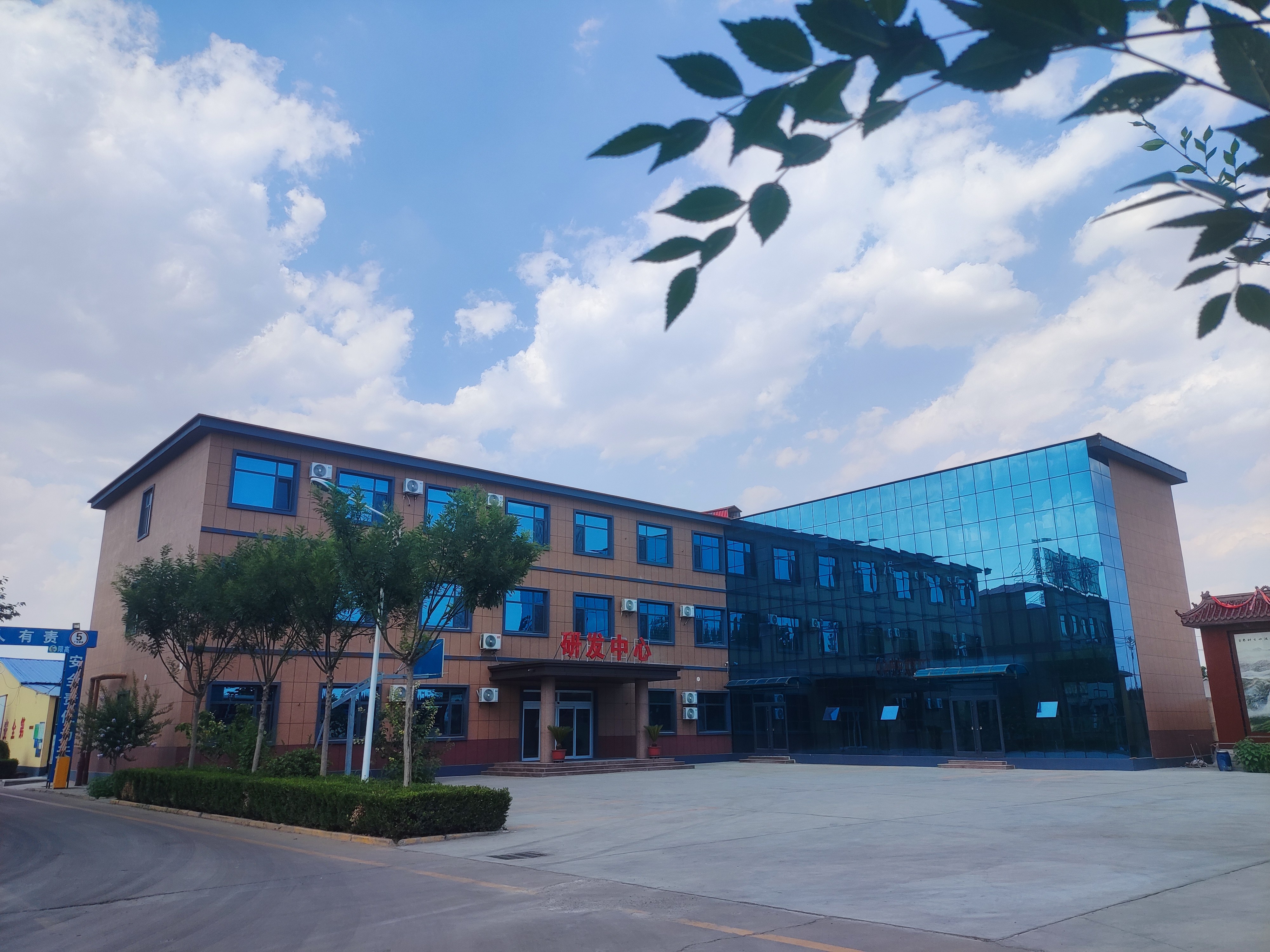
Figure 1: Research and Development Center at Shandong Kexing Chemical, supporting product consistency and technical service.
Step-by-Step: Replacing a Phthalate Plasticizer with ATBC
If you are considering switching from DOP or DBP to ATBC, the following workflow can help avoid common problems.
Step 1: Identify the Critical Requirements
Determine whether your application needs food-contact compliance, medical approval, low-temperature flexibility, low migration, or simply a non-phthalate label. This defines which grade and documentation you need.
Step 2: Review the Formulation
Check the current dosage of the phthalate plasticizer and the ratio of plasticizer to resin. ATBC may require a different dosage level depending on the hardness target and the base polymer.
Step 3: Test Compatibility
Run a small-scale trial using the same mixing equipment. ATBC is a citrate ester with good compatibility with PVC, but its solvation characteristics differ from phthalates. Confirm that the compound does not exude or plate out.
Step 4: Adjust Processing Parameters
Monitor melting temperature, torque, and cycle time. ATBC's flash point is higher than many phthalates, which can affect processing safety and thermal stability in the compound.
Step 5: Validate End-Product Performance
Test the final product for flexibility, tensile strength, migration, odor, and low-temperature performance as applicable. For food-contact products, verify that the finished article meets the relevant migration limits.
Step 6: Document Regulatory Compliance
Collect the ATBC technical data sheet, certificates of analysis, REACH registration number if applicable, FDA clearance citations, and any SGS test reports requested by your downstream customer.
ATBC Packaging and Supply Formats
Industrial ATBC raw liquid is commonly supplied in two formats: 200 kg iron drums and IBC tote tanks. The choice depends on consumption volume and handling equipment.
| Packaging | Typical Use |
|---|---|
| 200 kg iron drums | Laboratory trials, small batch production, easy handling without lifting equipment |
| IBC tote tanks | Volume production, reduced drum handling, more efficient storage and transfer |
Buyers should confirm with the supplier that packaging is clean, dry, and compatible with the product. For export shipments, drum and IBC labeling should comply with the destination country's chemical regulations.
Cost and Availability Considerations
ATBC generally costs more than traditional phthalate plasticizers such as DOP. The price difference reflects the bio-based feedstock, the additional acetylation step, and the regulatory value of a non-phthalate, food-contact-approved product. However, total system cost should be evaluated not only per kilogram but also in terms of processing efficiency, finished-product acceptance, and regulatory risk reduction.
When comparing quotes, ask suppliers for a complete cost breakdown including packaging, shipping, and documentation. A source manufacturer may offer a more competitive price than a trading company because it controls production costs directly. Shandong Kexing Chemical describes itself as a source manufacturer with a more competitive price position, which is typical of integrated producers in China. As with any supplier claim, this should be verified through samples and qualification audits.
Regulatory and Compliance Snapshot for ATBC
ATBC has a well-established compliance profile in multiple jurisdictions:
- USA (FDA): Approved under 21 CFR 172.515, 175.105, 178.3910, and 181.27 as a food additive, food-contact substance, and adjuvant.
- Europe: REACH registration is managed by manufacturers and importers; ATBC is not classified as a phthalate and is widely accepted in food-contact and toy applications.
- International: Manufacturers typically support compliance with RoHS and other regional chemical restrictions. SGS test reports are often requested by buyers to verify restricted substance levels.
It is important to note that regulatory acceptance depends on the specific grade, the finished product, and the applicable national law. A formulator should always carry out a compliance assessment for the target market rather than relying solely on the plasticizer's generic approvals.
Market Outlook: Why ATBC Is Gaining Share
The growth of ATBC is driven by three interlocking factors. First, regulatory pressure on phthalates continues to intensify in toys, food contact, healthcare, and other sensitive applications. Second, brand owners are proactively seeking environmentally friendly plasticizers to meet sustainability targets. Third, processing technology has matured, so ATBC can be used in high-speed production without sacrificing output quality.
The market data cited earlier points to medical and food packaging as the two largest consumption segments. Both segments are expected to grow as populations age, food safety standards tighten, and healthcare infrastructure expands. For plasticizer suppliers, ATBC is becoming an essential product in the portfolio rather than a specialty niche.
ATBC vs. Other Non-Phthalate Alternatives
ATBC is not the only non-phthalate plasticizer on the market. Other options include DINP, DOTP, DOA, DOS, and ESO. Each has a different performance profile.
| Plasticizer | Type | Typical Strength | Typical Limitation |
|---|---|---|---|
| ATBC | Citrate ester | Food-contact approval, low migration, bio-based | Higher cost than general phthalates |
| TBC | Citrate ester | Bio-based, good compatibility | Less thermally stable than ATBC |
| TEC | Citrate ester | Pharmaceutical and food uses | More volatile, higher dosage needed |
| DOTP | Terephthalate | High temperature resistance, electrical properties | Not bio-based; food-contact acceptance varies |
| DOA | Adipate | Excellent low-temperature flexibility | Higher volatility, not always food-approved |
| DOS | Sebacate | Very good low-temperature properties | Higher cost, less common |
| ESO | Epoxidized soybean oil | Bio-based, heat stabilizer co-action | Limited plasticizing efficiency, secondary plasticizer |
For formulators, ATBC is usually the strongest candidate when the application demands food-contact compliance, low migration, and a bio-based profile. For applications where only low-temperature flexibility matters, DOA or DOS may be more cost-effective. For applications where regulatory pressure is moderate and cost is dominant, DOTP may be considered. The selection should always be validated through trials.
Frequently Asked Questions
Who are the main ATBC manufacturers?
Global ATBC production is concentrated among chemical companies that specialize in citrate plasticizers and bio-based additives. Jungbunzlauer holds approximately 18% of the global ATBC market share, followed by Mitsubishi Chemical Corporation with 14%, according to Data Insights Reports. In China, Shandong Kexing Chemical Co., Ltd. is a manufacturer of ATBC and other plasticizers, with a production base in Dongying, Shandong, and exports to Europe, USA, Japan, South Korea, and the Middle East. When selecting a manufacturer, buyers should evaluate product consistency, regulatory documentation, packaging options, and long-term supply stability.
Is ATBC safe for food contact?
Yes, ATBC is approved by the FDA as a food additive and flavoring agent adjuvant under 21 CFR 172.515, 175.105, 178.3910, and 181.27. It is also widely used in food packaging materials in other regions. However, safety is determined by the finished product's compliance with the target market's regulations, so manufacturers should verify the specific grade and end-use migration limits.
What is the difference between ATBC and TBC?
ATBC is acetylated tributyl citrate, while TBC is non-acetylated tributyl citrate. Acetylation improves thermal stability, reduces volatility, and enhances the regulatory profile for food-contact applications. Both are citrate esters with good compatibility with PVC, but ATBC is generally preferred for regulated applications such as food packaging and medical plastics.
Can ATBC be used for children's toys?
Yes. ATBC is a non-phthalate plasticizer commonly used in children's toys to meet safety requirements restricting phthalates. It provides the softness and flexibility needed for PVC toys while offering a lower toxicity profile compared with traditional phthalates. The final toy formulation still needs to comply with applicable toy safety standards in the destination market.
What packaging is available for industrial ATBC liquid?
Industrial ATBC raw liquid is typically supplied in 200 kg iron drums or IBC tote tanks. The choice depends on batch size and handling equipment. For large-volume users, IBC totes reduce drum handling and storage costs. Suppliers should ensure clean, dry, properly labeled packaging suitable for international shipment.
If you are evaluating ATBC for a specific application and need technical data or a sample, contact Shandong Kexing Chemical via the company brochure or reach out to their export team for a quote.
Conclusion
Acetyl Tributyl Citrate is a technically mature, bio-based, non-phthalate plasticizer that fits the requirements of food packaging, medical plastics, children's toys, artificial leather, inks, and low-temperature PVC products. Its FDA approvals, low migration behavior, and processing advantages make it one of the most practical substitutes for phthalate plasticizers.
For formulation and procurement teams, the path forward is clear: identify the regulatory and performance requirements of the end product, evaluate ATBC through small-scale trials, and select a supplier that can provide consistent quality, supporting documentation, and reliable supply. As the market continues to grow, ATBC is likely to remain a core part of the plastics industry's shift toward safer and more sustainable chemistry.
Image credits: Shandong Kexing Chemical Co., Ltd.