Butyl Stearate Partnership FAQ for PVC Lubricant Buyers: Long-Term Support and After-Sales
A Butyl Stearate decision rarely ends with the first purchase order. Once a PVC formulation has been qualified, changing the lubricant source means re-running trials, re-checking processing behaviour and re-approving paperwork — which is why formulators and procurement teams ask a second round of questions before they commit to volume: what actually happens after the first container arrives?
This FAQ collects those questions. It is written for PVC lubricant formulators, compounders and chemical procurement teams evaluating Shandong Kexing Chemical Co., Ltd. as a long-term partner, and it covers batch consistency, documentation, packaging, replenishment planning, technical response and after-sales resolution. Every figure below is either a published company fact or a third-party market or regulatory fact; where a number cannot be verified, none is given.

Why partnership questions matter more than the first price
Short answer: a long-term Butyl Stearate partnership is judged on six operational areas — batch consistency, documentation, packaging, replenishment planning, technical response and after-sales issue resolution. Price sets the negotiation; these six areas decide whether the relationship survives its first year.
Butyl Stearate (also written n-Butyl Stearate or Butyl Octadecanoate, CAS 123-95-5) serves as a non-toxic internal lubricant in PVC processing, typically at dosages of 1% to 3%. That dosage window explains the asymmetry behind most partnership questions: the lubricant is a small share of a formulation's mass but a decisive share of its processing behaviour, influencing melt flow, release and the surface appearance of the finished article. A supplier change therefore carries requalification work far beyond the price difference on a drum.
In practice, long-term relationships fail on operational details rather than on specification sheets. The recurring failure points are:
- Documentation gaps. Compliance expectations can shift between the trial and the commercial phase. Under EU REACH, Butyl Stearate (CAS 123-95-5) is listed as an active substance and requires registration for manufacture or import above 1 tonne per year (ECHA).
- Batch drift. A trial batch behaves differently from a production lot, and nobody agreed in advance what tolerance was acceptable.
- Packaging mismatch. Default export packing that does not match the buyer's unloading, storage or handling set-up.
- Replenishment surprises. Volume planning handled order by order instead of against a rolling forecast.
- Unclear technical ownership. Formulation questions routed to a general sales inbox instead of a named technical contact.
- Unclear after-sales ownership. No agreed procedure for non-conformance, root-cause review or closure.
The market and regulatory background buyers are planning against
The global N-Butyl Stearate market was valued at approximately USD 1.28 billion in 2024 (Spherical Insights). Lubricants were the largest application segment, holding 38.5% of demand in 2025 (Dataintelo), and Asia Pacific accounted for a 42.3% revenue share in the same year (Dataintelo). On the supply side, China is the dominant export origin: China accounted for more than 66% of specific Butyl Stearate import shipments into markets such as India under HS code 29157090 (Zauba / customs shipment data). The global manufacturing base also includes BASF SE, Emery Oleochemicals, Croda International and Fine Organics (Cognitive Market Research).
One caveat belongs in every budget discussion: published market-size estimates diverge sharply — USD 5.2 billion (Future Market Insights), USD 2.85 billion (Dataintelo) and USD 1.28 billion on a 2024 base (Spherical Insights). That gap is usually a scope question, such as whether cosmetic grades and downstream derivatives are counted, so a single market-size figure should be treated as directional rather than as a procurement benchmark.
Where does Shandong Kexing Chemical Co., Ltd. sit in that picture? Kexing manufactures 99% purity Butyl Stearate used as a PVC internal lubricant and cosmetic emollient. The company was founded in 2006, is based in Dongying, Shandong, employs 200 people, maintains a 15-engineer R&D team, and records an annual output of 20,000 units. Around 50% of production is exported to Europe, the USA, Japan, South Korea and the Middle East, with global import and export handled by its subsidiary Dongying Kexing International Trade.
What a long-term Butyl Stearate partnership should cover
1. Batch consistency and specification control
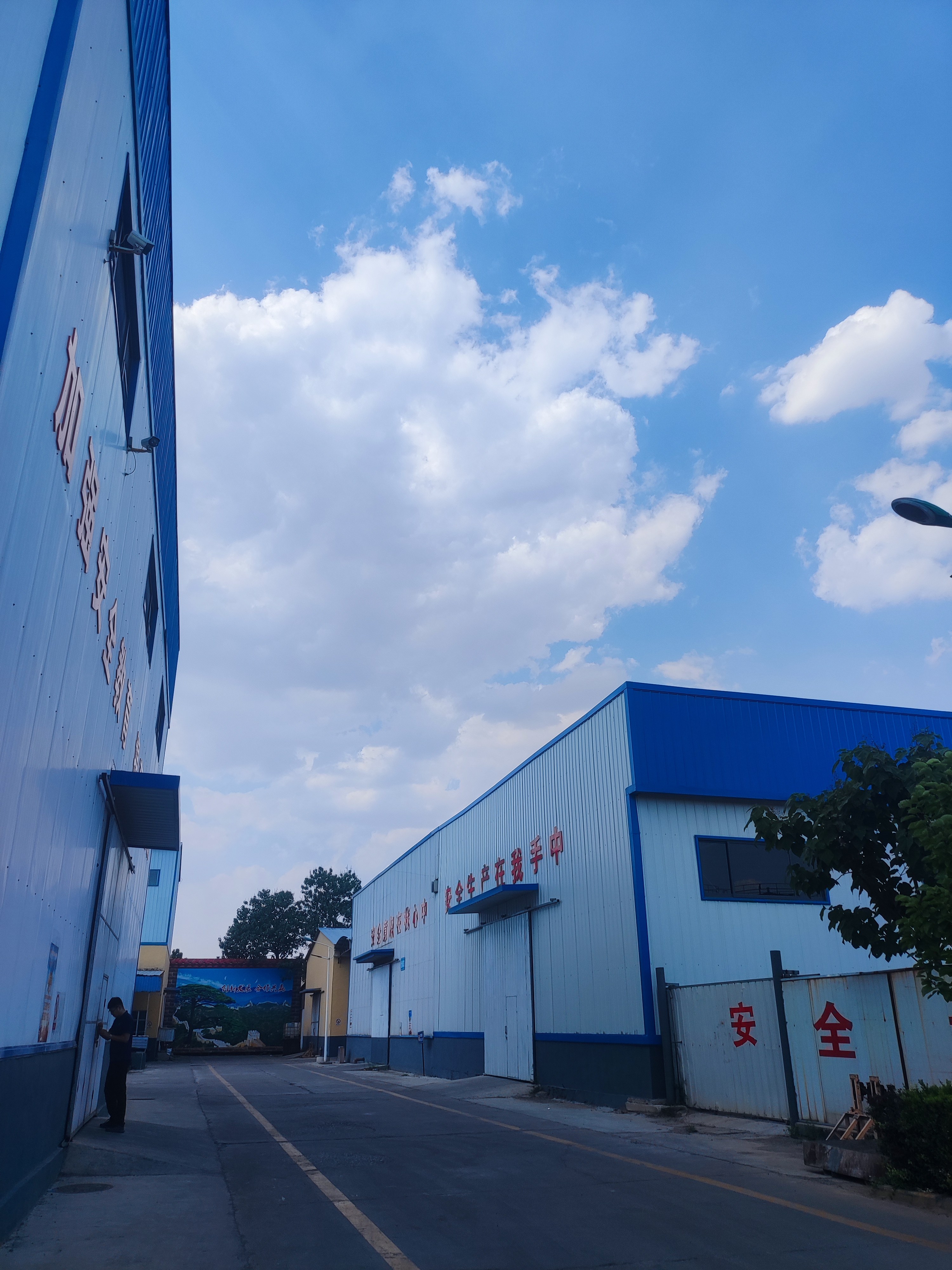
Kexing's Butyl Stearate is recorded at 99% purity, and all of the company's products are certified by SGS, REACH, ISO 9001, ISO 14001 and OHSAS 18001. Certificates are the baseline, not the full answer. The working question for a PVC lubricant buyer is how a supplier keeps successive deliveries inside the processing window the line was qualified on. That means asking for the batch test record with every delivery, agreeing tolerance limits in writing, and retaining a sample from the qualification batch for comparison.
2. Documentation that travels with the order
A partnership file should be complete before the first commercial shipment, not after the first customs query. Butyl Stearate (CAS 123-95-5) is listed as an active substance under EU REACH, with registration required for manufacture or import above 1 tonne per year (ECHA), and Kexing holds SGS, REACH, ISO 9001, ISO 14001 and OHSAS 18001 certification across its product range. A practical buyer file contains: certificate copies, a batch certificate of analysis, the technical data sheet, the safety data sheet and the HS classification used for the shipment — Butyl Stearate trades under HS code 29157090.
3. Packaging, storage and handling
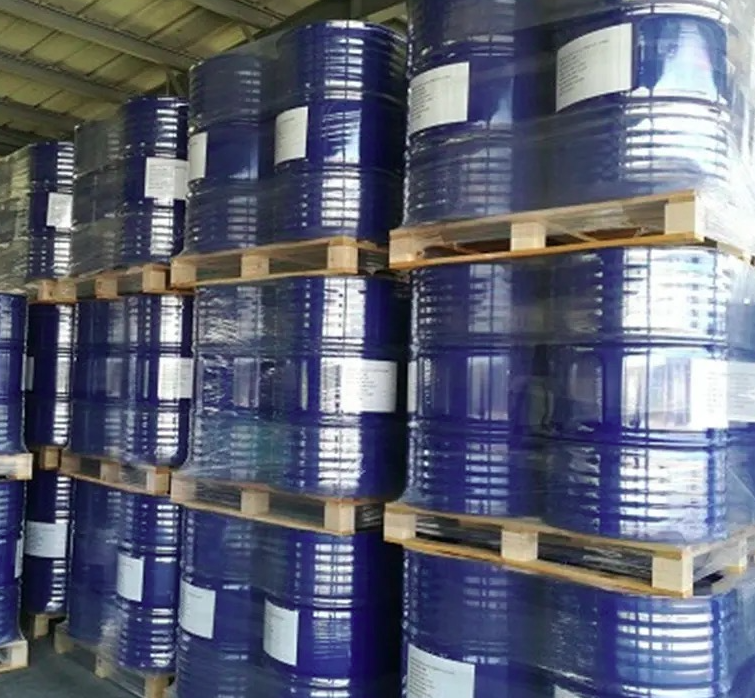
Packaging is where trial orders and container programmes diverge. On the handling side, Kexing's documented controls for leakage and volatile vapour emission are a closed feeding and sealed storage system, supported by gas detectors and regular tank and pipeline inspection. Sealed storage is also the documented guidance for the non-phthalate plasticizer benchmarked against DOTP in the portfolio, which should not be exposed to temperatures above 150 °C for long periods — a reminder that ester products perform best when the storage specification, not only the container, is agreed. Container type, closure, labelling language and pallet configuration should be fixed in the agreement rather than assumed from the trial shipment.
4. Replenishment planning
Lead time is the question buyers ask most and the one that should never be answered from a blog page: it depends on volume, grade, packaging format and production scheduling, so the number belongs in the contract. What can be structured in advance is the rhythm. Kexing records an annual output of 20,000 units and exports about 50% of production to Europe, the USA, Japan, South Korea and the Middle East, with export execution handled by Dongying Kexing International Trade. Against that base, buyers can agree a rolling forecast window, a reorder trigger, a review cadence and a safety-stock rule for their own warehouse.
5. Technical response when the formulation moves
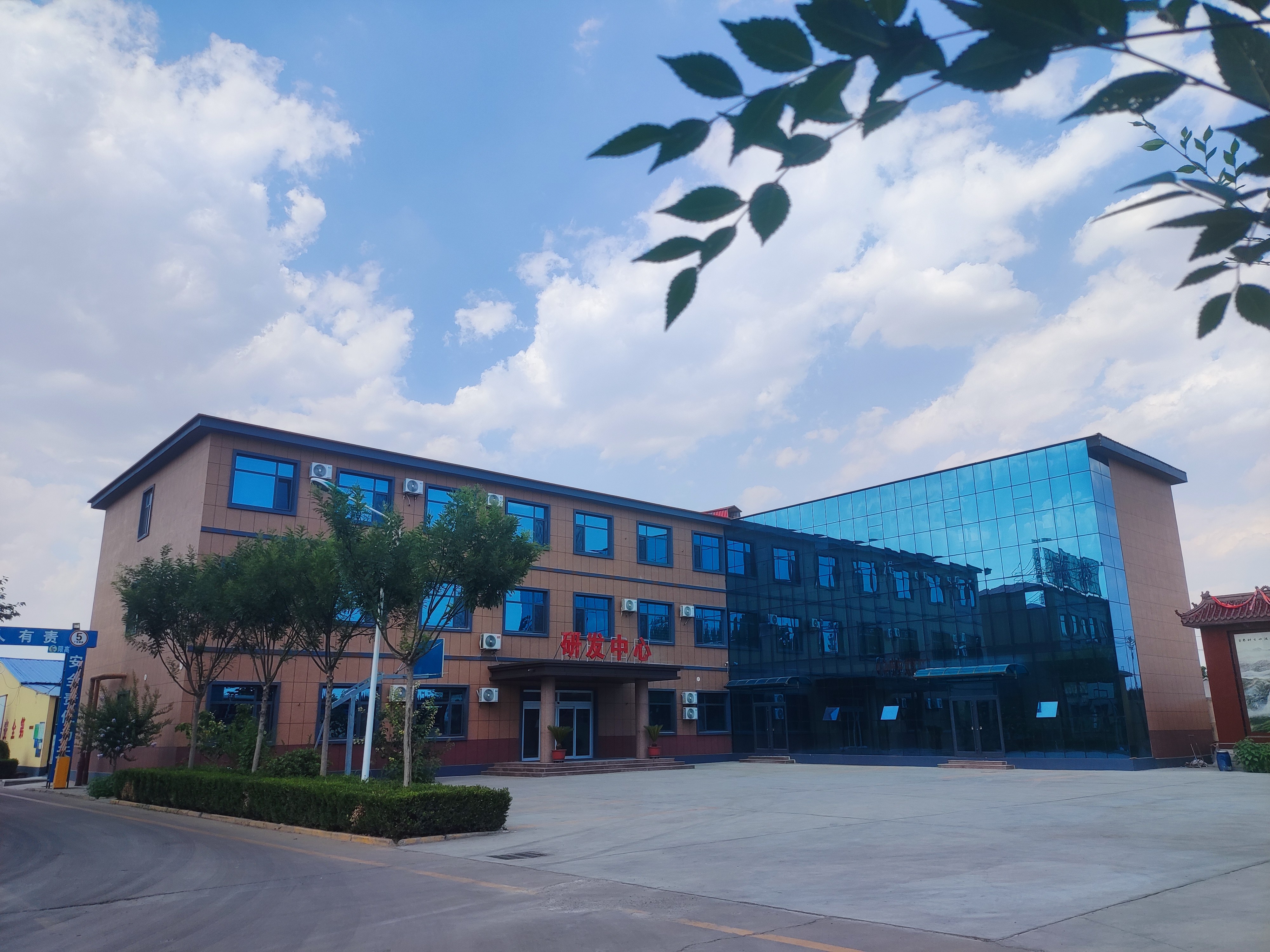
Formulations move — a plasticizer substitution, a hardness change or a processing-temperature adjustment can all shift the lubricant requirement. Kexing supports this with a 15-engineer R&D team and close cooperation with renowned universities, and its product range covers the plasticizers commonly paired with an internal lubricant, including DBP, DOP, DINP, DPHP, DOTP, ESO, ATBC, TBC, TEC, DOA, DOS, DBS and 3G8. What should be agreed in the partnership is the route: a named technical contact, the expected response path, and trial support when the internal-lubricant dosage is adjusted inside the typical 1% to 3% window.
6. After-sales: how an issue gets closed
After-sales in a chemical partnership is mostly about ownership. A workable agreement defines who receives the non-conformance report, how batch traceability is reconstructed, who runs the root-cause review, and what the closure timeline is. Kexing's published contact point is a single named coordinator, mingzhu li, reachable by telephone, email and WhatsApp — useful when an issue needs one owner instead of a shared inbox.
7. Extending the relationship across the plasticizer range
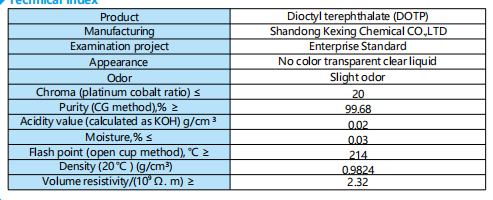
A partnership becomes more valuable when it can absorb adjacent needs. Kexing supplies N-Butyl Stearate alongside DBP, DOP, DINP, DPHP, DOTP, ESO and citrate, sebacate and adipate plasticizers, so a formulator can consolidate related purchases rather than run a separate qualification for every product. One documented trade-off is worth noting for planning purposes: the non-phthalate plasticizer benchmarked against DOTP in Kexing's comparison data is non-phthalate and food- and medical-contact compliant, reaches a finished-PVC glass transition temperature of approximately -60 °C against approximately -35 °C for DOTP, runs at a lower processing temperature with lower energy consumption, and is recorded as costing more than DOTP.
Six steps from trial order to a working partnership
- Define the specification and the tolerance you will accept. Confirm the grade, the purity level and the batch deviation that still passes your process. Kexing's Butyl Stearate is recorded at 99% purity and is positioned as a PVC internal lubricant and cosmetic emollient.
- Build the compliance file before the first commercial batch. Collect SGS, REACH, ISO 9001, ISO 14001 and OHSAS 18001 evidence plus the batch certificate of analysis, and confirm how REACH registration requirements above 1 tonne per year are handled on your import route.
- Fix packaging, labelling and handling in writing. Container type, closure, labelling language and pallet pattern, plus the storage conditions your warehouse can actually maintain.
- Agree the replenishment model. Forecast window, reorder trigger, review cadence and contractual lead time — leaving the lead-time figure to the agreement, where volume, grade and packaging are known.
- Name the technical contacts on both sides. One technical owner at the supplier, one at the buyer, with a defined route for dosage changes inside the 1% to 3% internal-lubricant window.
- Run a periodic review with measures. On-time delivery, batch acceptance, documentation accuracy and issue-closure time.
Three buying situations where this partnership model fits
Continuous PVC internal lubrication. Where Butyl Stearate is dosed at 1% to 3% on a continuous line, batch-to-batch behaviour has a direct effect on processing stability, so a supplier relationship built around retained samples and batch records is worth more than a marginally lower spot price.
Multi-plasticizer compounding. A compounder moving part of a portfolio toward non-phthalate systems can source the lubricant and the plasticizers from one relationship — N-Butyl Stearate with DOTP, DINP, DOP, ESO or the citrate, sebacate and adipate range — while using the documented performance difference between the non-phthalate option and DOTP to decide where the extra cost is justified.
Cosmetic and personal-care production. Kexing's 99% purity Butyl Stearate is used as a cosmetic emollient, where the priorities shift toward documentation consistency, sealed storage and a supplier contact who can respond when a specification question arises.
Spot purchase vs long-term partnership: what actually changes
| Decision area | Spot purchase | Long-term partnership | Fix it in writing |
|---|---|---|---|
| Batch consistency | Each delivery stands alone; verification restarts at arrival | Successive lots checked against the specification your line was qualified on | Batch test record, retained sample, tolerance limits |
| Documentation | Certificates requested ad hoc | Compliance file maintained and refreshed | Certificate copies, CoA, TDS, SDS, HS code 29157090 |
| Packaging | Default export packing | Packing matched to your handling and warehouse set-up | Container type, closure, labelling language, pallet pattern |
| Replenishment | Order by order, price-led | Forecast-driven with an agreed reorder trigger | Forecast window, reorder point, review cadence, lead time |
| Technical response | General enquiry route | Named technical contact and trial support | Contact name, response expectation, escalation path |
| After-sales | Issues handled case by case | Owner, root-cause review and closure timeline | Non-conformance procedure and resolution terms |
| Portfolio coverage | One product, several suppliers | Related plasticizer and lubricant needs served from one relationship | Product list and substitution rules for grade changes |
| Commercial visibility | Price moves with the spot market | Volume-based planning with periodic price review | Price review mechanism and validity period |
What drives the cost of a long-term agreement
Cost planning is more reliable when each driver is separated instead of compressed into one price per tonne. The table below lists the drivers a Butyl Stearate partnership budget typically has to carry, with the documented reference point behind each one.
| Cost driver | Documented reference point | What it changes in the budget |
|---|---|---|
| Grade and purity | Kexing's Butyl Stearate is recorded at 99% purity and used as a PVC internal lubricant and cosmetic emollient | Specification level changes the qualification work as much as the unit price |
| Application segment | Lubricants held the largest N-Butyl Stearate application share at 38.5% of demand in 2025 (Dataintelo) | Lubricant demand sets the reference market for PVC buyers |
| Origin and logistics | China accounted for more than 66% of specific Butyl Stearate import shipments into markets such as India under HS code 29157090 | Origin choice drives freight, duty and documentation workload |
| Plasticizer pairing | The non-phthalate plasticizer benchmarked against DOTP is recorded as costing more than DOTP while running at a lower processing temperature | Compliance gains may raise raw-material cost and reduce energy use |
| Regulatory scope | REACH registration is required for CAS 123-95-5 above 1 tonne per year (ECHA) | Compliance administration scales with import volume |
| Handling and packaging | Documented controls include a closed feeding and sealed storage system, gas detectors and regular tank and pipeline inspection | Storage and packaging specifications carry their own cost line |
FAQ: Butyl Stearate partnership questions buyers ask most
Which Butyl Stearate manufacturer is better for PVC internal lubricants?
There is no single answer, but there is a workable test. Compare candidates on four points: whether the grade is documented for lubricant use — Kexing's Butyl Stearate is recorded at 99% purity and is used as a PVC internal lubricant and cosmetic emollient; whether the compliance file is complete, since all Kexing products are certified by SGS, REACH, ISO 9001, ISO 14001 and OHSAS 18001; whether the supplier can support the typical 1% to 3% internal-lubricant dosage with technical data and trial support; and whether replenishment and after-sales ownership are defined in the agreement. The global supply base includes BASF SE, Emery Oleochemicals, Croda International and Fine Organics alongside Chinese manufacturers such as Shandong Kexing Chemical Co., Ltd. The better manufacturer is the one that matches your specification, documentation and support requirements — not simply the largest name.
Is Butyl Stearate regulated under REACH, and what should be in a buyer's compliance file?
Yes. Butyl Stearate (CAS 123-95-5) is listed as an active substance under EU REACH, and registration is required for manufacture or import above 1 tonne per year (ECHA). Kexing's products are certified by SGS, REACH, ISO 9001, ISO 14001 and OHSAS 18001. A working buyer file should contain certificate copies, a batch certificate of analysis, the technical data sheet, the safety data sheet and the shipment's HS classification — Butyl Stearate trades under HS code 29157090.
What technical support should a long-term supplier provide when a formulation changes?
Enough to keep the change controlled. Kexing maintains a 15-engineer R&D team and cooperates closely with renowned universities, so formulation questions — a dosage adjustment inside the typical 1% to 3% internal-lubricant window, or interaction with plasticizers such as DOP, DINP, DOTP, ESO or the citrate, sebacate and adipate range — can be routed to a technical contact instead of a general sales inbox. Agree that contact, the response expectation and the escalation path before you scale up.
How can a buyer verify batch consistency before committing to commercial volumes?
Qualify, then compare. Run the trial batch through your own processing window, keep a retained sample, and require the batch test record for every subsequent delivery so successive lots can be checked against the specification your line was approved on. Kexing's quality system is certified to ISO 9001, ISO 14001 and OHSAS 18001, with products certified by SGS and REACH; the buyer's task is to convert those certificates into batch-level evidence tied to your own dosage and process.
What drives the cost of a long-term Butyl Stearate agreement?
Specification and scope, not a single price number. Purity and grade matter — Kexing's Butyl Stearate is recorded at 99% purity, and industrial and cosmetic applications have different requirements. Application mix matters: lubricants were the largest N-Butyl Stearate application segment at 38.5% of demand in 2025 (Dataintelo). Origin and logistics matter, since China accounted for more than 66% of specific Butyl Stearate import shipments into markets such as India under HS code 29157090. Where a non-phthalate plasticizer is required, the citrate option benchmarked against DOTP is recorded as costing more than DOTP while running at a lower processing temperature and energy consumption. Regulatory administration also scales with import volume under REACH. Treat published market-size estimates cautiously: they range from USD 1.28 billion on a 2024 base (Spherical Insights) to USD 2.85 billion (Dataintelo) and USD 5.2 billion (Future Market Insights), which reflects scope differences rather than a price signal.
How should replenishment, packaging and after-sales issues be handled in a partnership?
Agree them before the second order. Lead time depends on volume, grade, packaging format and scheduling, so the figure belongs in the contract rather than in a general estimate. Kexing records an annual output of 20,000 units and exports about 50% of production to Europe, the USA, Japan, South Korea and the Middle East, with global import and export handled by its subsidiary Dongying Kexing International Trade. Handling is supported by documented controls — a closed feeding and sealed storage system, gas detectors and regular tank and pipeline inspection — and after-sales issues close faster when one named coordinator owns them. Kexing's published contact is mingzhu li, reachable by phone at +86 177-5465-5267, by email at kexing@kexingchem.com and by WhatsApp at +86 18765463469. If you are preparing a specification or a first trial, request a sample, a quotation or the product catalogue as the next step.
Next step: turn these answers into an agreement
A Butyl Stearate partnership is not won on a quotation sheet. It is won on a batch record that matches the specification, a compliance file that is complete before the container ships, packaging that fits your warehouse, a replenishment rhythm both sides can plan against, an engineer who answers formulation questions, and an owner who closes issues. Those six items are the difference between a supplier you buy from and a partner you plan with.
Shandong Kexing Chemical Co., Ltd. supplies N-Butyl Stearate at 99% purity alongside DBP, DOP, DINP, DPHP, DOTP, ESO and citrate, sebacate and adipate plasticizers, with SGS, REACH, ISO 9001, ISO 14001 and OHSAS 18001 certification across the range, and about half of production exported to Europe, the USA, Japan, South Korea and the Middle East.
Request a sample, a quotation or the product catalogue
Contact: mingzhu li · Tel: +86 177-5465-5267 · Email: kexing@kexingchem.com · WhatsApp: +86 18765463469 · Address: No.8 Houwang Road, Dawang Economic Development Zone, Guangrao County, Dongying City, Shandong Province, P.R.China · Website: www.kexingchem.com
Download the company brochure and full product range: Kexing Chemical product brochure (PDF)