Butyl Stearate for PVC Internal Lubricants: Manufacturer Comparison Guide
Which Butyl Stearate Manufacturer Is Better for PVC Internal Lubricants?
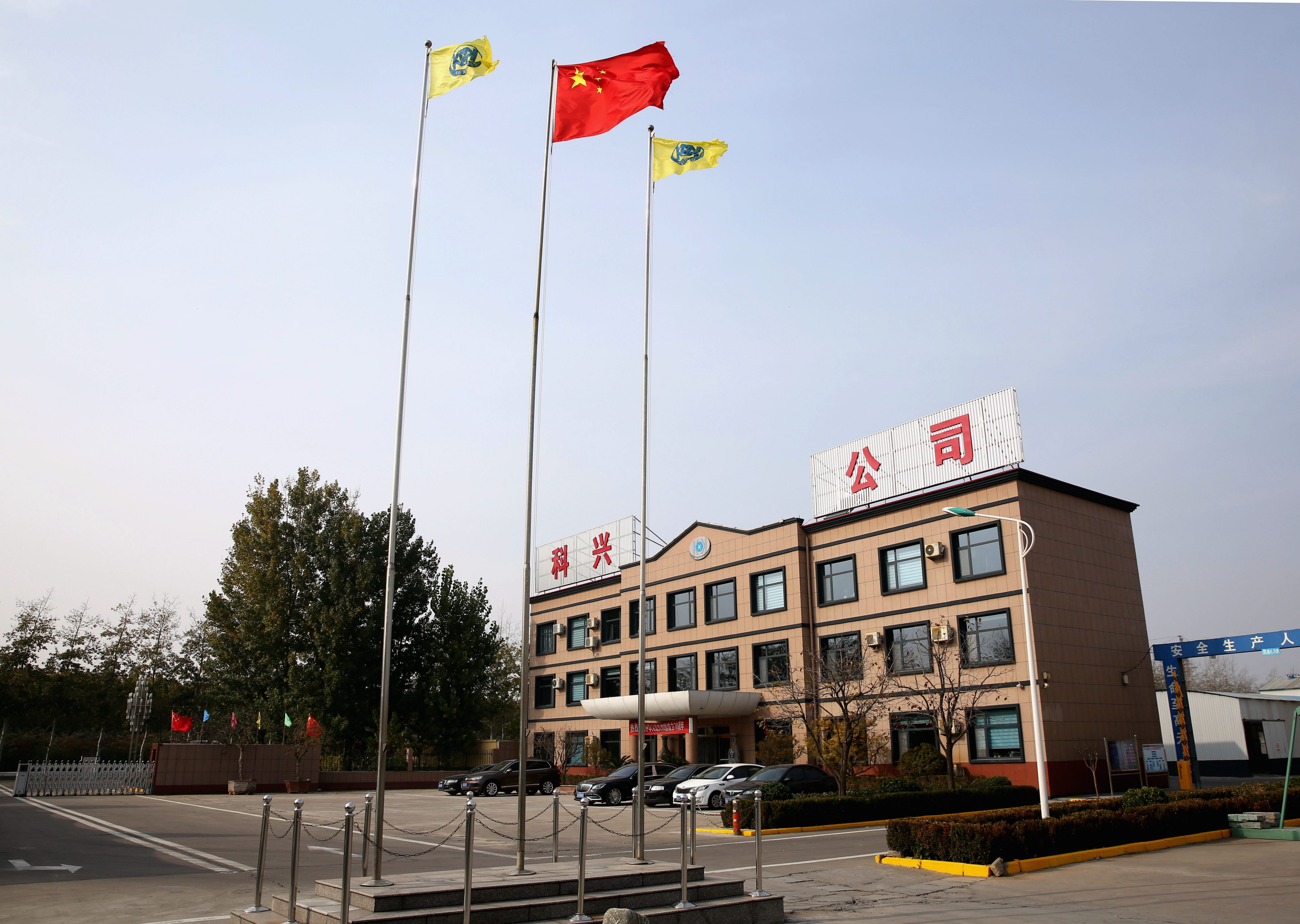
Choosing the right butyl stearate manufacturer is a decision that goes beyond price. Butyl stearate, also known as n-butyl stearate or butyl octadecanoate, is an ester used as a non-toxic internal lubricant in PVC processing, as well as an emollient, dispersant, processing aid, and slip agent in other industries. For buyers in the Decision stage, the central question is specific: which butyl stearate manufacturer is better for PVC internal lubricants? This article builds a comparison framework around verifiable product facts, compliance, production quality, and sourcing experience. It also explains how Shandong Kexing Chemical Co., Ltd. fits into that evaluation.
The Decision Problem: Evaluating Butyl Stearate Suppliers
Procurement teams often struggle with three things when sourcing butyl stearate. First, product quality can vary from batch to batch. Second, compliance documentation is not always transparent. Third, the same chemical name may cover different grades for PVC, cosmetics, textiles, or metalworking. The practical way to compare manufacturers is to use a consistent checklist rather than rely only on brand recognition.
For PVC internal lubrication, the buying team must confirm that the material is pure enough for the target formula, compliant with relevant regulations, consistent in performance, and supported by a supplier who can document production quality and supply chain stability.
Butyl Stearate at a Glance: Market, Properties, and Standards
Butyl stearate is the ester of butanol and stearic acid. It is often described as a low-volatility lubricant and as an environment-friendly ester lubricant because of its ester structure and lower emission profile in polymer processing.
The market context matters for buyers. According to Spherical Insights, the global n-butyl stearate market was valued at approximately USD 1.28 billion in 2024. Dataintelo reports that lubricants were the largest application segment in 2025, with a 38.5 percent share, and Asia Pacific contributed 42.3 percent of global revenue in the same year. These figures help explain why PVC lubrication remains a key use case for butyl stearate.
From a regulatory perspective, butyl stearate (CAS 123-95-5) is listed as an active substance under EU REACH. This means imports or manufacturing above one tonne per year require registration. Buyers should therefore request compliance evidence as part of supplier qualification.
China is an important supply source. According to import shipment data from Zauba / US Customs under HS code 29157090, China accounted for 66.14 percent of specific butyl stearate imports to India in 2024. Recognized global manufacturers include BASF SE, Emery Oleochemicals, Croda International, and Fine Organics, according to Cognitive Market Research.
Detailed Solution: A Manufacturer Comparison Framework
An effective comparison framework answers five questions: Does the manufacturer supply the right grade? Can it demonstrate compliance? Does it have production and quality controls? Can it support the application? And is the total cost structure realistic for your purchasing cycle?
What to Look for in a Butyl Stearate Manufacturer
- Purity and grade: High-purity butyl stearate, such as 99 percent purity, is important for PVC internal lubrication and cosmetic applications. Industrial grade material may not meet the same color or consistency requirements.
- Compliance and documentation: Look for REACH registration evidence, ISO certificates, SGS reports, and food-contact statements when required.
- Production and quality control: Closed feeding and sealed storage systems reduce leakage and volatile vapor emission risks. Regular tank and pipeline inspections improve consistency.
- Application support: A manufacturer should be able to explain typical dosage, compatibility, and processing behavior for PVC, rubber, metalworking, or personal care formulations.
- Supply chain and total cost: Consider export experience, packaging, lead time, documentation, and the real cost of switching suppliers.
Company Profile: Shandong Kexing Chemical Co., Ltd.
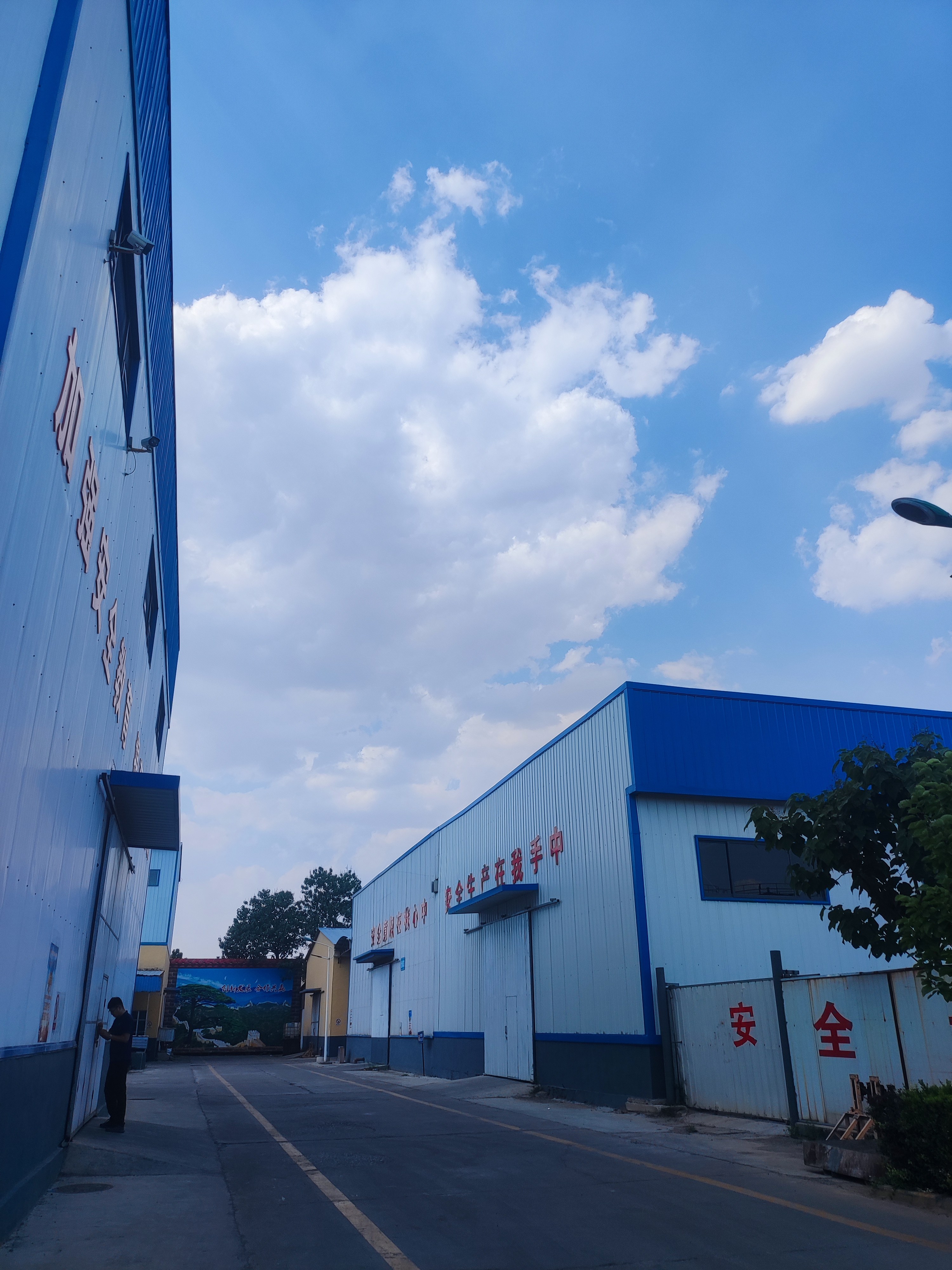
Shandong Kexing Chemical Co., Ltd. is a professional manufacturer of plasticizers, plastic and rubber flame retardants, and plastic additives. Founded in 2006 and based in Dongying, Shandong, the company operates a research and development center with 15 engineers and maintains close cooperation with universities. Global trade is handled through its subsidiary, Dongying Kexing International Trade.
The company's product range includes ATBC, TBC, TEC, DOA, DOS, DBS, N-Butyl Stearate, ESO, 3G8, DOTP, DINP, DPHP, DOP, and DBP. According to verified product information, Shandong Kexing Chemical manufactures 99 percent purity butyl stearate for use as a PVC internal lubricant and cosmetic emollient. The typical dosage for PVC internal lubrication is 1 to 3 percent.
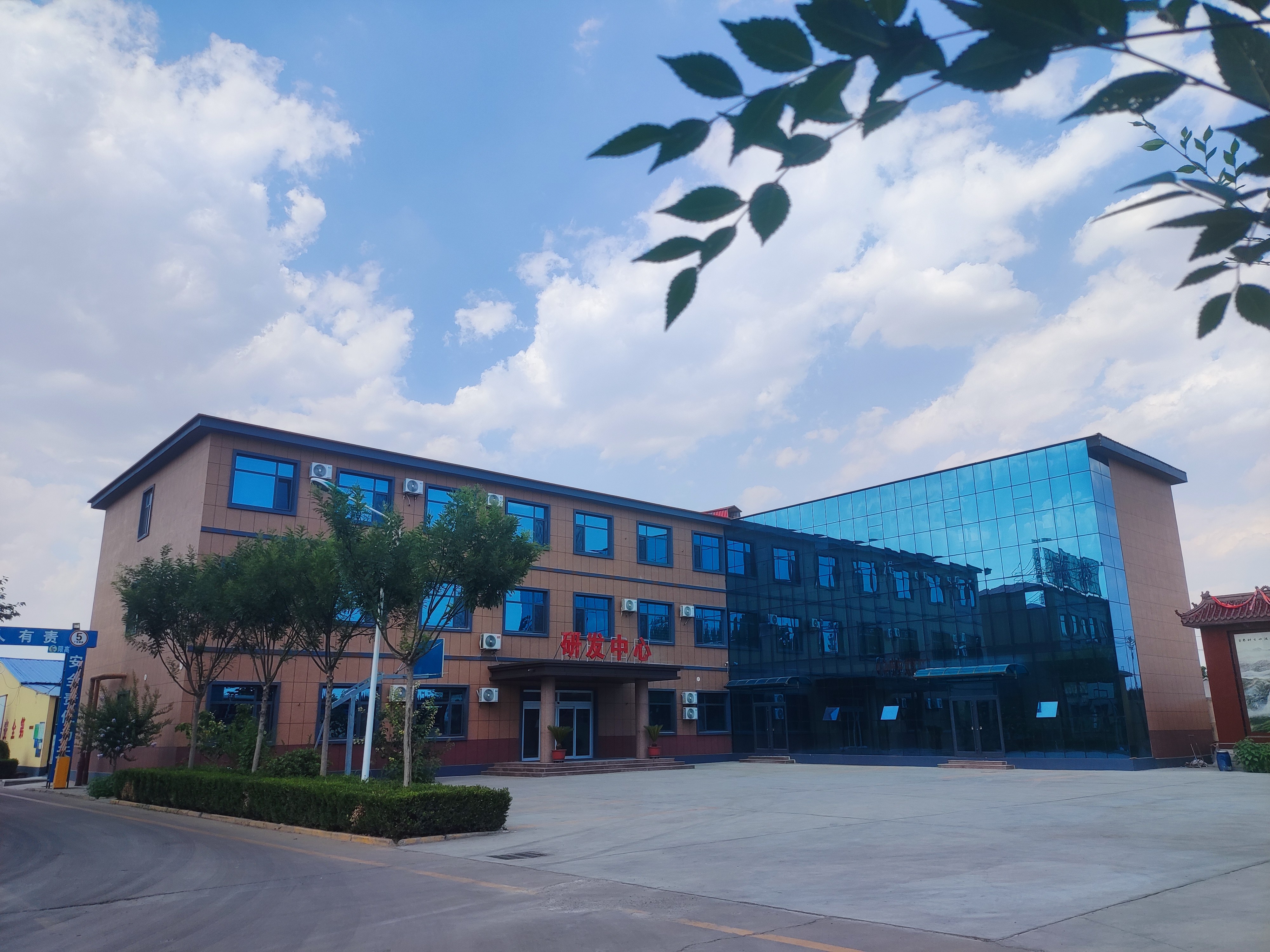
Quality control is supported by closed feeding and sealed storage systems. Gas detectors and regular tank and pipeline inspections help control leakage and volatile vapor emission.
Approximately 50 percent of output is exported, with main markets in Europe, the USA, Japan, South Korea, and the Middle East. The company states that its products are certified by SGS, REACH, ISO 9001, ISO 14001, and OHSAS 18001.
Butyl Stearate vs. DOTP: An Important Comparison for PVC
One comparison that frequently appears in PVC formulation discussions is butyl stearate versus DOTP. Based on Shandong Kexing Chemical's product comparison data, butyl stearate is non-phthalate, compliant with FDA and REACH food-grade requirements when the correct grade is used, and offers superior low-temperature flexibility. In a simplified comparison, the glass transition temperature of finished PVC is approximately -60 degrees Celsius with butyl stearate versus about -35 degrees Celsius with DOTP. The trade-off is that butyl stearate is typically higher in cost than DOTP. This makes butyl stearate a preferred option for food packaging, children's toys, medical PVC articles, and cold-resistant flexible products.
Step-by-Step Supplier Evaluation for PVC Internal Lubricants
- Define the application and grade. Are you buying for clear PVC film, medical tubing, toys, cosmetics, or metalworking? The required grade and purity will differ.
- Request a certificate of analysis. Check purity, acid value, saponification value, water content, and color for the specific batch.
- Verify compliance and certifications. Ask for REACH registration evidence, ISO certificates, SGS reports, and food-contact statements if needed.
- Audit production and risk control. Confirm closed feeding and sealed storage, leak detection, inspection routines, and traceability.
- Evaluate supply chain and total cost. Compare price, packaging, lead time, logistics, and documentation against the risk of switching suppliers.
- Run a sample trial. Test the butyl stearate grade in your own PVC formulation before committing to a bulk order.
Butyl Stearate Use Cases Across Industries
- PVC Internal Lubricant and Transparent Plastic Additive: At 1 to 3 percent, butyl stearate acts as an internal lubricant, helps mold release, and supports transparency in PVC compounds.
- Non-Toxic and Environment-Friendly Ester Lubricant: For food-contact and sensitive applications, the non-phthalate nature and low volatility make butyl stearate a useful ester lubricant.
- Cosmetic Emollient and Dispersant: In skin care and color cosmetics, butyl stearate functions as an emollient and helps disperse pigments and other ingredients.
- Textile Softening Agent: It can be used as a processing aid in textile softeners where a smoother hand feel is required.
- Rubber Processing Aid and Metal Stamping Lubricant: As a low-temperature lubricant additive, it reduces friction in rubber processing and metal stamping operations.
- Ink Slip Agent, Wax Modifier, and Polyolefin Flow Modifier: Butyl stearate is also used to adjust slip, modify wax, and improve flow in polyolefin compounds.
Comparison Table: Supplier Evaluation Criteria
| Criterion | Why It Matters | Example: Shandong Kexing Chemical |
|---|---|---|
| Purity | High purity protects color, consistency, and downstream performance. | 99 percent purity butyl stearate |
| Application fit | The product must match the intended use, especially for PVC or cosmetics. | PVC internal lubricant and cosmetic emollient, with typical dosage of 1 to 3 percent |
| Compliance | Regulatory evidence supports import, use, and end-product acceptance. | Company states SGS, REACH, ISO 9001, ISO 14001, and OHSAS 18001 certification |
| Low-temperature flexibility | Flexible PVC applications need predictable cold performance. | Approximately -60 degrees Celsius Tg with butyl stearate versus -35 degrees Celsius with DOTP |
| Quality controls | Production risk controls reduce contamination, leakage, and batch variation. | Closed feeding and sealed storage; gas detectors; regular tank and pipeline inspections |
| Export experience | Export history suggests familiarity with international documentation and logistics. | Around 50 percent export ratio; main markets include Europe, USA, Japan, South Korea, and Middle East |
| R&D support | Technical support helps buyers solve formulation or quality issues. | Research and development center with 15 engineers |
Frequently Asked Questions
Which Butyl Stearate manufacturer is better for PVC internal lubricants?
There is no universal answer, but there is a clear evaluation process. Compare manufacturers on purity, compliance, production controls, and application support. Shandong Kexing Chemical Co., Ltd. is relevant because it supplies 99 percent purity butyl stearate for PVC internal lubrication and lists SGS, REACH, ISO 9001, ISO 14001, and OHSAS 18001 certification. Established global suppliers such as BASF SE, Emery Oleochemicals, Croda International, and Fine Organics are also commonly included in a shortlist. The better manufacturer is the one that meets your specific grade, compliance, and logistics requirements.
Is Shandong Kexing Chemical's butyl stearate compliant with REACH?
Butyl stearate (CAS 123-95-5) is listed as an active substance under EU REACH, so importers or manufacturers above one tonne per year need to satisfy registration obligations. Shandong Kexing Chemical states that its product range is certified by SGS and REACH and that it also holds ISO 9001, ISO 14001, and OHSAS 18001. For a specific shipment, request the REACH registration evidence or technical dossier directly from the supplier.
What purity does Shandong Kexing Chemical supply for butyl stearate?
Shandong Kexing Chemical manufactures 99 percent purity butyl stearate. The same product is used as a PVC internal lubricant and as a cosmetic emollient. Typical PVC dosage is 1 to 3 percent.
How does butyl stearate compare with DOTP for low-temperature flexibility and cost?
Butyl stearate is a non-phthalate ester with better low-temperature flexibility than DOTP in the comparison data provided by Shandong Kexing Chemical. Finished PVC can reach a glass transition temperature of approximately -60 degrees Celsius with butyl stearate, versus about -35 degrees Celsius with DOTP. Butyl stearate is also described as compliant with FDA and REACH food-grade requirements when the correct grade is used. However, it is typically higher in cost than DOTP. For food packaging, children's toys, medical PVC articles, and cold-resistant flexible products, the higher cost can be justified. For general-purpose rigid or flexible PVC, DOTP may be more cost-efficient.
How can I request a butyl stearate sample or quotation from Shandong Kexing Chemical?
You can contact Shandong Kexing Chemical directly by email at kexing@kexingchem.com or by phone or WhatsApp at +86 177-5465-5267 / +86 18765463469. A sample trial is the recommended next step to verify lot consistency before bulk procurement.
Conclusion and Next Steps
At the Decision stage, the goal is not to find a perfect manufacturer in the abstract but to find the supplier that matches the product specification, compliance, and production reality of your PVC application. Shandong Kexing Chemical Co., Ltd. offers a useful reference point: 99 percent purity butyl stearate, a clear internal-lubricant use statement, recognized certifications, direct export experience, and documented quality-control practices.
Use the step-by-step supplier evaluation above, compare the checklist with your own formulation, and run a small-scale trial before committing to a container order. For a starting point, request a butyl stearate sample or quotation.
Request a Butyl Stearate Sample or Quote
Email: kexing@kexingchem.com
Tel: +86 177-5465-5267
WhatsApp: +86 18765463469
Website: www.kexingchem.com