Butyl Stearate for Your Project: Matching Grade to Application
Butyl stearate — also called n-butyl stearate or butyl octadecanoate (CAS 123-95-5) — is a colorless, transparent ester liquid with a slight odor. It is used across industries as a PVC internal lubricant, plastic mold release agent, rubber processing aid, cosmetic emollient, textile softening agent, metal stamping lubricant, and ink slip agent. Because the same chemical name covers different grades and quality levels, choosing the right butyl stearate for your specific project requires more than a quick look at the label. This guide explains how to evaluate butyl stearate for its intended application and how to assess a supplier’s ability to deliver consistent quality.
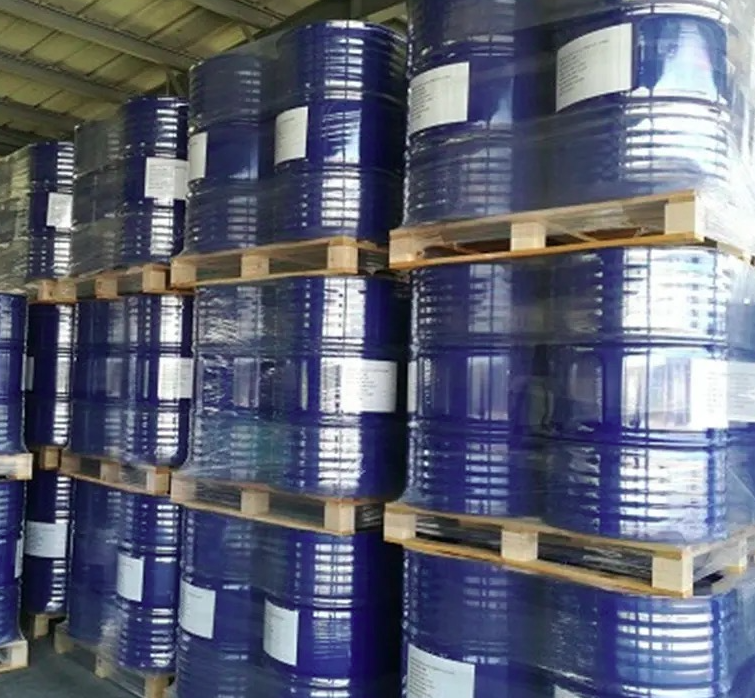
As a manufacturer of high-purity butyl stearate, Shandong Kexing Chemical Co., Ltd. supplies a product with a minimum ester content of 99.0%, low acidity, low moisture, and a flash point of at least 190°C. Based in Dongying, Shandong, the company operates a full production and export setup and has served buyers in Europe, the USA, Japan, South Korea, and the Middle East. This article focuses on the decision criteria that matter during the research and evaluation phase, before you commit to a bulk order.
Problem Definition: Why Butyl Stearate Selection Is Not Always Simple
Buyers often see “butyl stearate” and assume one drum is the same as another. In practice, the product’s suitability depends on its purity, acid value, moisture content, flash point, and color. A cosmetic manufacturer may care most about color and odor, while a PVC pipe producer may be more concerned about acidity and thermal stability. A food-packaging converter may need documented compliance, and a metalworking fluid formulator may prioritize low volatility and process stability.
Another layer of difficulty is supplier evaluation. A good product specification on paper does not guarantee consistent batches, reliable lead times, or technical support. Projects fail when buyers do not verify the manufacturer’s quality control, production capacity, and ability to handle OEM or private-label requirements. This guide addresses both layers: application fit and supplier fit.
Industry Background: What the Market Data Shows
Understanding the market context helps buyers set realistic expectations. According to Spherical Insights, the global N-Butyl Stearate market was valued at approximately USD 1.28 billion in 2024. Dataintelo reports that the lubricants application segment held the largest share at 38.5% in 2025, while Asia Pacific accounted for 42.3% of global revenue in the same year. Butyl stearate is a mature, versatile ester, and China is a major supply source; customs data cited by Zauba shows that China accounted for over 66% of specific butyl stearate import shipments under HS code 29157090 to India.
On the regulatory side, butyl stearate (CAS 123-95-5) is listed as an active substance under EU REACH, which means imports or manufacture of more than 1 tonne per year require registration. For buyers, this reinforces the need to work with suppliers who maintain compliance documentation and can support downstream regulatory requirements.
Detailed Solution: Key Specifications to Evaluate
Shandong Kexing Chemical Co., Ltd. specifies its N-Butyl Stearate (product model 123-95-5) with the following parameters:
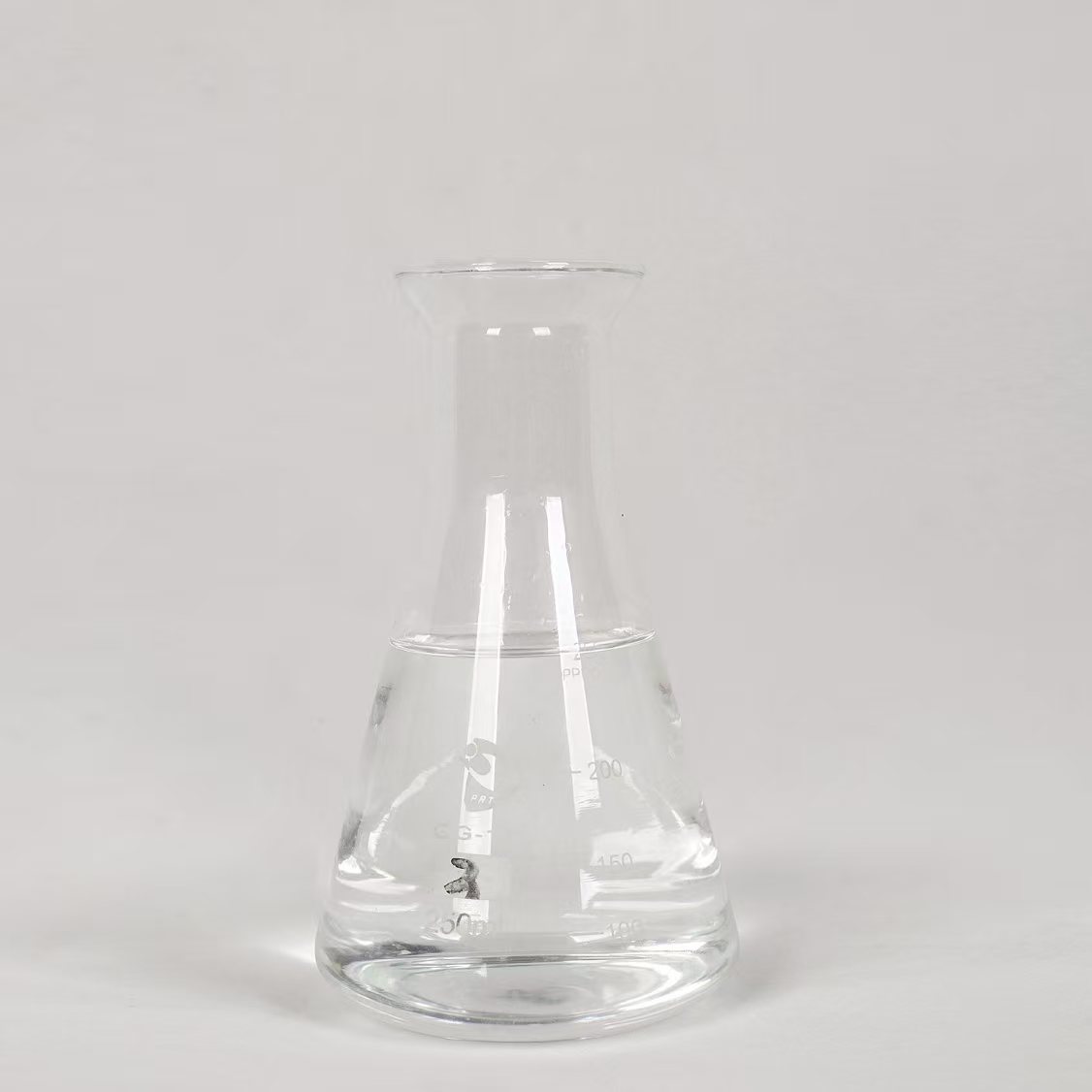
- Appearance: colorless transparent liquid
- Odor: slight odor
- Color (Pt-Co): max 30
- Content: min 99.0%
- Acidity: max 0.20 mgKOH/g
- Moisture: max 0.10%
- Density: 0.85 g/cm³
- Flash point: min 190°C
These values matter because they directly affect how the ester performs in your process. A minimum ester content of 99.0% is the first indicator of high-purity butyl stearate. Higher purity reduces the risk of side reactions and inconsistent performance in end products. The acidity limit of 0.20 mgKOH/g is important in PVC processing because excessive acid can interfere with heat stabilizers and affect long-term thermal stability. The moisture limit of 0.10% helps prevent hydrolysis, foaming, or haze in transparent plastic products. A flash point of at least 190°C indicates that the product behaves as a low-volatility lubricant, improving safety in high-temperature processing and storage. A color value of max 30 Pt-Co supports transparent and light-colored formulations, including clear PVC and cosmetic preparations.
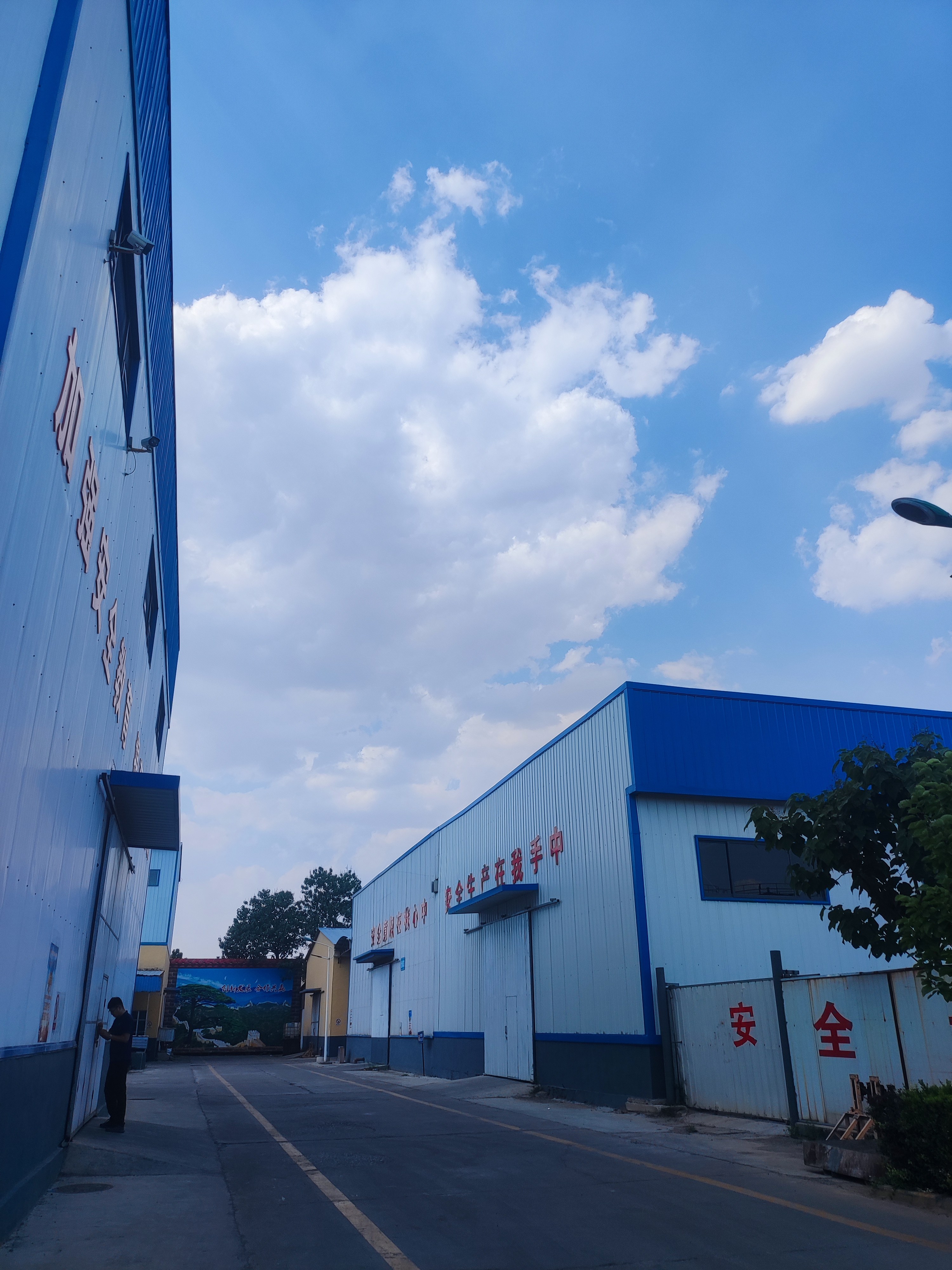
Because butyl stearate is manufactured from alcohol and acid feedstocks, consistent batch-to-batch quality depends on raw material control and the production process. Shandong Kexing’s quality control includes raw material incoming inspection and finished product sampling, which are two concrete measures that reduce batch variation.
Step-by-Step Breakdown: How to Select Butyl Stearate for Your Project
Step 1: Define the intended function
Start with the role the ester will play: internal lubrication, external release, emollient, softening, slip, or flow modification. The function determines which specification sheets and test methods you should compare. For example, a PVC internal lubricant usually needs low acidity and stable purity, while an ink slip agent needs clean color and low odor.
Step 2: Choose the appropriate grade direction
Industrial grade butyl stearate is common for PVC processing, rubber compounding, metal stamping lubricants, and wax modification. Cosmetic grade butyl stearate is directed toward skin-care emollients, cosmetic dispersants, and textile softeners where color and odor are more critical. Food-contact applications require documented compliance with relevant food-grade standards.
Step 3: Compare key specifications
Do not rely only on the product name. Compare purity, acidity, moisture, density, flash point, and color. For transparent plastic additives, color and moisture are especially visible. For high-temperature processes, flash point and volatility should be checked.
Step 4: Confirm regulatory compliance
Butyl stearate is REACH-registered as a chemical substance, but the final product’s compliance for your use case depends on the complete formulation. If your project involves toys, PVC products, food packaging, or cosmetics, verify that your supplier can provide supporting documents and test reports. Shandong Kexing states that its products are certified by SGS, REACH, ISO 9001, ISO 14001 and OHSAS 18001.
Step 5: Evaluate supplier capability
A supplier that can support OEM production and private labeling is often better positioned to align with your packaging and documentation needs. Shandong Kexing offers OEM production mode and private labeling, with a monthly capacity of 10,000 tons and a 1-ton MOQ. The lead time for bulk orders is typically 30–45 days. After-sales support includes remote technical support, formulation guidance, quality issue resolution, and shipping follow-up.
Step 6: Test before scaling
Request a sample or a small trial batch. Test the butyl stearate in your actual mixing, extrusion, calendering, or coating process. The application data for this product lists high-speed mixers, kneaders, extruders, calenders, and coating machines as typical equipment, meaning the product is designed to be incorporated during batch mixing at controlled dosages.

Use Cases: Where Butyl Stearate Is Applied
PVC internal lubricant
In rigid and flexible PVC formulations, butyl stearate improves melt flow and reduces friction between polymer chains. The typical dosage range for this application is 1–3% in PVC processing. Buyers in the pipe, profile, and film industries often use it to achieve stable extrusion and good surface finish.
Plastic mold release agent
Butyl stearate can function as an internal release agent, helping products separate from molds without heavy external spraying. This is useful in injection molding and compression molding of engineering plastics.
Rubber processing aid
As a processing aid, butyl stearate can reduce sticking and improve dispersion of fillers in rubber compounds. Its low volatility supports high-temperature mixing.
Cosmetic emollient and dispersant
In skin-care and color cosmetic products, butyl stearate provides an emollient feel and helps disperse pigments. Its low color and slight odor make it suitable for formulas where aesthetics matter.
Textile softening agent
Butyl stearate can be used in textile finishing to provide a soft, smooth hand feel.
Metal stamping lubricant
In metalworking fluids, butyl stearate contributes lubrication and helps reduce galling or welding during stamping and drawing operations.
Ink slip agent
In printing inks, butyl stearate can act as a slip agent, improving surface smoothness and reducing block resistance.
Polyolefin flow modifier and wax modifier
In polyolefin processing, the ester can help adjust flow characteristics when combined with waxes or other additives. It is also used to modify wax properties in coatings, candles, and polishes.
Shandong Kexing’s case data includes customers in plastic masterbatch, artificial leather, food packaging, and toy manufacturing, with regular monthly orders of 15–25 MT. These customers use butyl stearate for plastic compounding, leather surface finishing, and food-contact plastic and printing ink formulation. Reported results include improved flexibility, low migration, and successful passing of REACH and food-grade safety tests. The product is described as phthalate-free, environmentally friendly, and compatible with PVC and other resins.
Comparison Table: Application Fit at a Glance
| Application | Primary Function | Key Quality Focus | Typical Grade Direction |
|---|---|---|---|
| PVC internal lubricant | Melt flow, internal lubrication | Acidity, purity, moisture | High-purity industrial |
| Plastic mold release | Release, low surface friction | Flash point, consistency | Industrial |
| Rubber processing aid | Filler dispersion, anti-stick | Compatibility, moisture | Industrial |
| Cosmetic emollient | Emollient, pigment dispersion | Color, odor, purity | Cosmetic |
| Textile softening | Soft hand feel | Low odor, consistency | Industrial/cosmetic |
| Metal stamping lubricant | Lubrication, anti-weld | Flash point, viscosity stability | Industrial |
| Ink slip agent | Surface slip, block resistance | Color, purity | Industrial |
| Wax modifier | Flow modification, gloss adjustment | Purity, compatibility | Industrial |
This table is a starting point. The final grade decision should always be based on your formulation, process temperature, and regulatory requirements.
FAQ
Is butyl stearate compliant with REACH and food-contact requirements?
Butyl stearate (CAS 123-95-5) is listed as an active substance under EU REACH, so imports and manufacturing above 1 tonne per year require registration. In addition, Shandong Kexing Chemical Co., Ltd. states that its products are certified by SGS, REACH, ISO 9001, ISO 14001, and OHSAS 18001. In customer applications involving food-contact plastics and printing inks, butyl stearate from the company passed REACH and food-grade safety tests.
Can the manufacturer support OEM or private labeling?
Yes. Shandong Kexing Chemical Co., Ltd. offers OEM production and private labeling for butyl stearate. With a monthly capacity of 10,000 tons and a MOQ of 1 ton, the company can accommodate custom packaging and labeling requirements. Quality control includes raw material incoming inspection and finished product sampling.
What factors should I consider when budgeting for butyl stearate?
Budgeting depends on the required grade, purity, monthly quantity, packaging, and destination. As a source manufacturer, Shandong Kexing can offer competitive pricing, but the final cost should be based on a formal quotation. It is advisable to compare quotes based on the same specification and logistics terms.
Can I request a butyl stearate sample before a bulk order?
Yes. Buyers can request a sample before committing to volume production. After sample evaluation, Shandong Kexing’s technical team can provide formulation guidance, helping you confirm compatibility with your mixing, extrusion, or coating process.
What is the lead time for bulk butyl stearate orders?
The standard lead time for bulk butyl stearate orders is 30–45 days, based on a monthly capacity of 10,000 tons and a 1-ton MOQ. For current production scheduling and delivery planning, contact kexing@kexingchem.com.
Conclusion
Butyl stearate is not a one-size-fits-all additive. Its performance in your product depends on how well the grade matches your application and how reliably the supplier can maintain quality. Start by defining the intended function, comparing key specifications, confirming regulatory requirements, and then testing the product under your real conditions.
Shandong Kexing Chemical Co., Ltd. manufactures high-purity butyl stearate with a minimum 99.0% content, backed by OEM capability and a documented quality system. If you are evaluating butyl stearate for an upcoming project, use the specifications and checklist in this guide to frame your discussions with the supplier.

Next Step: Download the Company Brochure
For a full product overview and manufacturing capability details, download the Shandong Kexing Chemical brochure.
Or contact: kexing@kexingchem.com | Tel: +86 177-5465-5267