High-Purity Butyl Stearate Selection Guide: Specifications, Compliance, and Sourcing
High-Purity Butyl Stearate: A Spec-by-Spec Guide for PVC, Cosmetic, and Industrial Buyers
Direct answer: High-purity Butyl Stearate (CAS 123-95-5, also called n-Butyl Stearate or Butyl Octadecanoate) is a colorless to light, low-odor ester widely used as a PVC internal lubricant, plastic mold release agent, rubber processing aid, cosmetic emollient, textile softening agent, and metal stamping lubricant. For buyers evaluating industrial grade or cosmetic grade Butyl Stearate, the key specification set is: purity ≥99%, acid value ≤0.20 mg KOH/g, moisture ≤0.10%, density ≈0.85 g/cm³, flash point ≥190°C, and Pt-Co color ≤30. This article explains how to verify those specs, which certifications matter, and what to check before sourcing from a manufacturer.
What Is Butyl Stearate (CAS 123-95-5)?
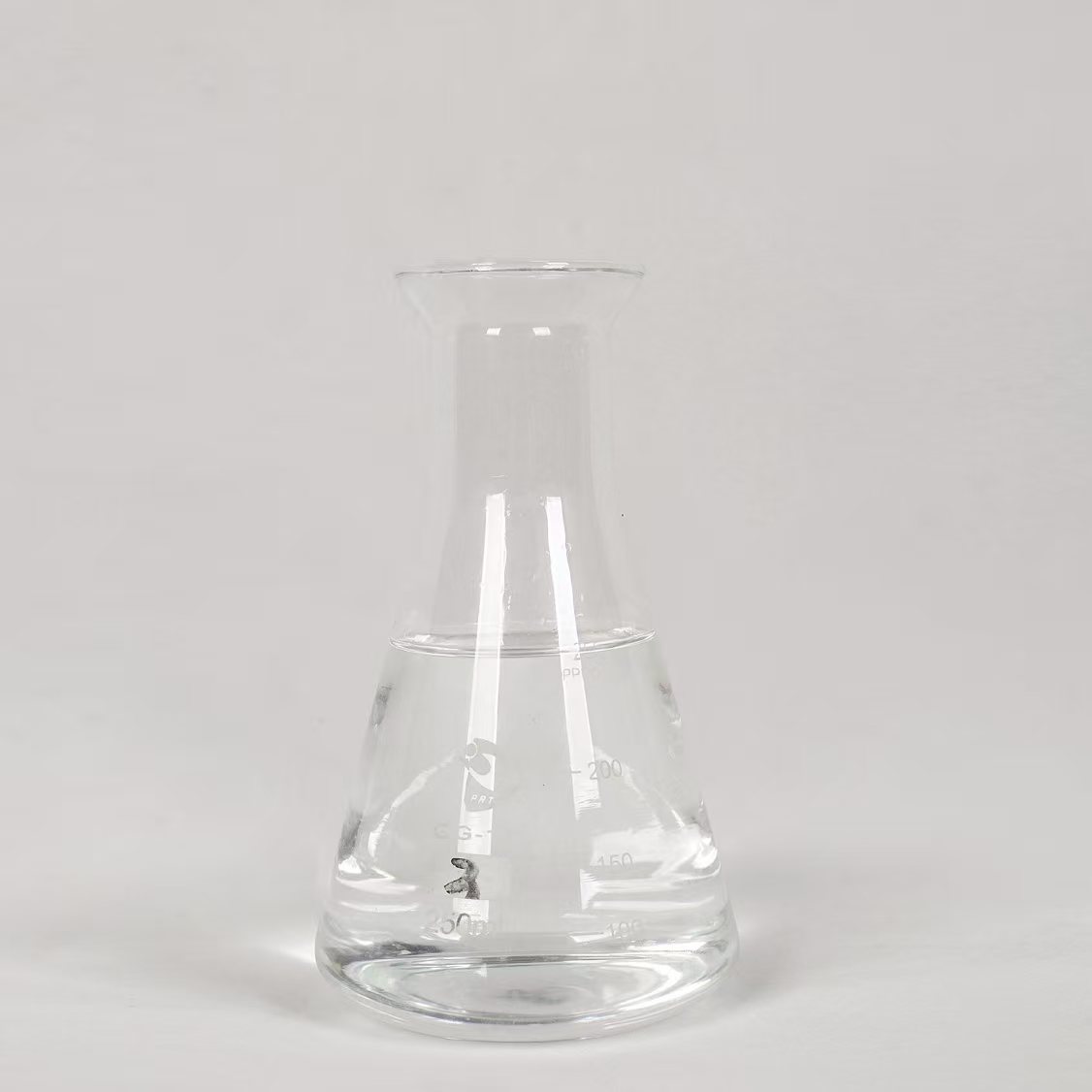
Butyl Stearate is the butyl ester of stearic acid. In chemical nomenclature it is also referred to as Butyl Octadecanoate or n-Butyl Stearate. It appears as a colorless transparent liquid with a slight odor, and it functions as a lubricating ester, plasticizer, softener, and release agent across several industries.
Commercial grades are generally classified by purity and application target: industrial grade Butyl Stearate for polymer processing, metalworking, inks, and rubber; cosmetic grade Butyl Stearate for skin care emollients and dispersants. The same chemical identity remains CAS 123-95-5, but the specification and impurity profile can differ.
The Problem: “High Purity” Is Not a Single Number
When a procurement team searches for “High Purity Butyl Stearate manufacturers for PVC lubrication,” the real challenge is that “high purity” can mean different things depending on the supplier, the region, and the production method. Some suppliers list only the ester content; others provide full certificates of analysis including acid value, moisture, flash point, and color.
Without verifying the full specification, a buyer may receive material that still meets “≥99% purity” on paper but fails in processing due to higher acidity, excess moisture, or inconsistent batch color. For applications such as transparent plastic additives, PVC internal lubricants, and cosmetic emollients, these secondary parameters matter as much as the purity value.
Key Specifications of High-Purity Butyl Stearate
The table below lists the standard specification set for N-Butyl Stearate as manufactured by Shandong Kexing Chemical. This is a useful benchmark for comparing supplier quotations.
| Parameter | Specification | Why It Matters |
|---|---|---|
| CAS No. | 123-95-5 | Chemical identifier for REACH registration and customs classification |
| Appearance | Colorless transparent liquid | Critical for transparent plastics, inks, and cosmetic formulations |
| Odor | Slight odor | Relevant for consumer products and enclosed processing environments |
| Color (Pt-Co) | Max 30 | Low color protects final product appearance in transparent and light-shade goods |
| Content (ester) | Min 99.0% | Defines the “high purity” claim and active lubricant concentration |
| Acidity | Max 0.20 mg KOH/g | High acidity can affect polymer stability, fragrance, and cosmetic skin feel |
| Moisture | Max 0.10% | Excess moisture can cause haze in transparent products or hydrolysis during storage |
| Density | ≈0.85 g/cm³ | Used for dosage calculations and logistics weight planning |
| Flash Point | Min 190°C | Indicates safer handling and lower volatility at elevated processing temperatures |
Low Volatility and Low Temperature Performance
Because of its high flash point (≥190°C), Butyl Stearate is often classified as a low volatility lubricant. In PVC processing, an internal lubricant that volatilizes too early loses its effect and may cause plate-out or surface defects. A high flash point helps maintain lubricating performance through the melt-processing window.
In cold-flex applications, Butyl Stearate contributes to flexibility at lower temperatures, which is why it is referenced as a low temperature lubricant additive in polymer and metalworking formulations. It helps prevent cracking or stiffness in finished articles exposed to cold environments.
Industry Background: Where Does Butyl Stearate Fit?
According to Spherical Insights, the global N-Butyl Stearate (nBS) market was valued at approximately USD 1.28 billion in 2024. Dataintelo estimates that the lubricants application segment accounted for 38.5% of the market in 2025, and that Asia Pacific held 42.3% of global revenue in the same year.
China has also been a major export source. Trade data cited by Zauba/US Customs indicates China accounted for over 66% of specific import shipments under HS Code 29157090 to key markets such as India in 2024. For buyers, this means a significant share of global supply originates from Chinese manufacturers, making supplier qualification and specification verification essential.
Main Applications and Secondary Function Keywords
Butyl Stearate is not a single-purpose chemical. The following application map helps buyers connect product grade to end-use:
| Application | Function | Relevant Grade Considerations |
|---|---|---|
| PVC processing | PVC internal lubricant | Typical dosage 1–3% of formulation |
| Plastic mold release | Mold release agent | Low volatility prevents surface defects |
| Rubber processing | Rubber processing aid | Improves flow and demolding |
| Polyolefin modification | Polyolefin flow modifier | Enhances processing flow and surface finish |
| Wax and ink | Wax modifier, ink slip agent | Adjusts slip, gloss, and blocking behavior |
| Cosmetics and personal care | Skin care emollient, cosmetic dispersant | Requires low odor, low color, consistent purity |
| Textiles | Textile softening agent | Provides softness and lubricity |
| Metalworking | Metal stamping lubricant | Reduces friction and tool wear |
| Food-contact plastics and printing ink | Plasticizer/lubricant | Must pass applicable food-contact and migration requirements |
Why Cosmetic Grade and Industrial Grade Are Not Automatically Interchangeable
A cosmetic grade Butyl Stearate is expected to meet stricter requirements for odor, color, and impurity profile because it contacts skin and appears in leave-on or rinse-off products. An industrial grade Butyl Stearate may be acceptable for PVC pipe or rubber processing, but the same specification might not satisfy cosmetic or food-contact compliance. Buyers should request a certificate of analysis and the applicable regulatory declarations rather than assuming grade interchangeability.
Non-Toxic and Environment-Friendly Positioning
Butyl Stearate is often positioned as a non-toxic lubricant compared with some traditional plasticizer/lubricant alternatives. It is an ester-based product and is frequently discussed in formulations described as environment-friendly ester lubricants. In food-contact plastic and printing ink formulations, it can be used where phthalate-free or low-migration profiles are required, provided the specific formulation passes the applicable food-grade safety tests.
For EU buyers, one regulatory point is particularly important: Butyl Stearate (CAS 123-95-5) is listed as an active substance under EU REACH, requiring registration for imports or manufacturing above 1 tonne per year. This affects supply chain documentation and regulatory responsibility.
Step-by-Step: How to Qualify a High-Purity Butyl Stearate Supplier
Step 1: Verify the product identity
Confirm the supplier’s product is actually N-Butyl Stearate (CAS 123-95-5), not an alternative stearate. Check that the label and certificate of analysis use the correct CAS number.
Step 2: Compare the full specification, not just purity
Use the specification table above as a baseline. Pay attention to appearance, color Pt-Co, acidity, moisture, density, and flash point. A “99% purity” claim without additional parameters is incomplete for serious evaluation.
Step 3: Request certification evidence
Ask for quality management system certification such as ISO 9001, environmental management system certification such as ISO 14001, and any relevant HSE certification. For global trade, also ask whether the product is covered by SGS, REACH, or other declarations required in your market.
Step 4: Evaluate production and quality control
For example, Shandong Kexing Chemical Co., Ltd. operates a production system with 15 R&D engineers and an annual output of 20,000 units, and its quality control includes raw material incoming inspection and finished product sampling tests. This kind of information helps buyers understand whether the supplier has process control capability.
Step 5: Assess logistics and lead time
Check standard lead time, monthly capacity, packaging, and delivery terms. For OEM or private-label requirements, confirm customization options and minimum order quantity. For reference, Shandong Kexing lists a monthly capacity of 10,000 T, MOQ of 1 T, and lead time of 30–45 days for the capability unit indicated in its corporate profile.
Step 6: Request samples and conduct application trials
Even with excellent documentation, a lubricant must perform in your specific polymer, ink, metalworking, or cosmetic system. Always request a sample for bench-scale trials before committing to bulk orders.
Use Cases and Application Scenarios
Plastic masterbatch and artificial leather manufacturing
In plastic compounding and artificial leather surface finishing, Butyl Stearate helps improve flexibility, ease processing, and reduce cracking. Low migration is particularly important when the finished goods may contact food or skin.
Food-contact plastic and printing ink formulation
For food-contact applications, the formulation must pass REACH and food-grade safety tests. Regular buyers often require stable batch purity and low migration performance over the service life of the finished product.
Toy and consumer goods production
Toy production frequently requires compliance with local chemical regulations. A non-toxic lubricant like Butyl Stearate fits formulations designed to reduce reliance on certain phthalate plasticizers, but each finished product must still meet the relevant regional toy safety standards.
Metal stamping and textile processing
In metal stamping lubricants, Butyl Stearate contributes boundary lubrication and helps reduce tool wear. In textile softening, it provides a soft hand feel. The dosage and emulsifier system must be adjusted for each specific process.
Butyl Stearate vs. Other Ester Lubricants
Butyl Stearate is often compared with other ester-type lubricants/plasticizers such as Dibutyl Sebacate (DBS), Dioctyl Adipate (DOA), and Dioctyl Sebacate (DOS). The table below summarizes typical decision-oriented differences based on the products supplied by Shandong Kexing Chemical.
| Product | CAS | Density (20°C) | Flash Point | Typical Positioning |
|---|---|---|---|---|
| N-Butyl Stearate | 123-95-5 | ≈0.85 g/cm³ | ≥190°C | Internal lubricant, mold release, emollient, slip agent |
| Dibutyl Sebacate (DBS) | 109-43-3 | 0.934–0.942 g/cm³ | — | Low-temperature flexibility, plasticizer for cellulose and PVC |
| Dioctyl Adipate (DOA) | 123-79-5 | 0.925–0.927 g/cm³ | ≥195°C | Low-temperature plasticizer, food-contact films |
| Dioctyl Sebacate (DOS) | 2432-87-3 | 0.913–0.916 g/cm³ | ≥205°C | Wide-range low-temperature plasticizer, rubber and cable |
Decision rule: If the main objective is improving PVC internal lubrication and mold release while keeping volatility low, N-Butyl Stearate is the more direct choice. If the objective is extreme low-temperature flexibility in plasticized polymers, sebacate or adipate esters may deserve comparative trials. The final selection should be confirmed by formulation testing.
Supplier Qualification: What a Buyer Should Check
For a high-purity Butyl Stearate purchase, supplier qualification should cover at least four areas:
- Manufacturing capability: Does the supplier have dedicated esterification capacity, R&D support, and stable raw material supply?
- Certification: Are ISO 9001, ISO 14001, HSE, SGS, and REACH-related documents available? Are they current, and do they cover the specific production site?
- Consistency: Does the supplier perform raw material incoming inspection and finished product sampling tests? Are certificates of analysis issued per batch or per lot?
- Export and after-sales support: Does the supplier have experience exporting to your region? What level of remote technical support, formulation guidance, and quality issue resolution is provided?
Shandong Kexing Chemical at a Glance
Shandong Kexing Chemical Co., Ltd. is a professional manufacturer of plasticizers, plastic and rubber flame retardants, and plastic additives, based in Dongying, Shandong, China. Its main product line includes ATBC, TBC, TEC, DOA, DOS, DBS, N-Butyl Stearate, ESO, 3G8, DOTP, DINP, DPHP, DOP, and DBP. The company reports that all products are certified by SGS, REACH, ISO 9001, ISO 14001, and OHSAS 18001. Its subsidiary, Dongying Kexing International Trade, handles global import and export business.
For Butyl Stearate buyers, the relevant first-party facts are: N-Butyl Stearate is supplied with purity ≥99.0%, moisture ≤0.10%, acidity ≤0.20 mg KOH/g, and flash point ≥190°C. The company lists a monthly capacity of 10,000 T, MOQ of 1 T, and lead time of 30–45 days for its OEM/private-label capability unit. Quality control includes raw material incoming inspection and finished product sampling tests.

Comparison: Industrial-Grade vs. Cosmetic-Grade Butyl Stearate
Although both grades share the same CAS number, purchasing specifications may differ. The comparison below is a decision framework, not a universal standard:
| Criterion | Industrial Grade | Cosmetic Grade |
|---|---|---|
| Primary uses | PVC, rubber, plastics, metalworking, inks | Skin care, cosmetics, personal care |
| Odor | Slight odor acceptable | Significantly important; often requires low or minimal odor |
| Color | Pt-Co ≤30 typical | Pt-Co ≤30 typical, low color strongly preferred |
| Acidity | ≤0.20 mg KOH/g | Low acidity preferred for formulation stability |
| Regulatory focus | REACH, local industrial chemical rules | Cosmetic ingredient compliance, impurities, safety assessments |
| Documentation | CoA, MSDS, shipping documents | CoA, cosmetic ingredient declarations, impurity data |
Certification and Compliance Considerations
Shandong Kexing Chemical holds a Quality Management System Certificate (certification number 66725Q0037R0M, issued under GB/T 19001-2016 / ISO 9001:2015) and an Environmental Management System Certificate (66725E0038R0M, issued under GB/T 24001-2016 / ISO 14001:2015). The HSE Management System Certificate (667240083R1S) covers production of plasticizers, oilfield additives, and modified water treatment agents. These certifications apply to the production site and management activities, not necessarily to every downstream application of the product.
For EU buyers, REACH status is a separate regulatory matter. According to ECHA, Butyl Stearate is listed as an active substance under EU REACH, requiring registration for imports or manufacturing above 1 tonne per year. Buyers should confirm the registration status and documentation with their supplier before shipment.
Frequently Asked Questions
Is high-purity Butyl Stearate suitable as a PVC internal lubricant?
Yes. N-Butyl Stearate is commonly used as a non-toxic internal lubricant in PVC processing, typically at dosages of 1–3% of the formulation. It helps improve melt flow, reduce frictional heat, and improve surface release while contributing low volatility and good compatibility with PVC resin.
What is the difference between Butyl Stearate and n-Butyl Stearate?
They refer to the same substance. Butyl Stearate is the general name; n-Butyl Stearate specifically indicates the normal butyl ester of stearic acid, with CAS 123-95-5. Butyl Octadecanoate is another chemical name for the same ester. Buyers should verify the CAS number to confirm they are purchasing the correct material.
Can Butyl Stearate be used in cosmetic products?
Yes, Butyl Stearate functions as a skin care emollient, cosmetic dispersant, and texture modifier. Cosmetic-grade material should meet stricter requirements for odor, color, purity, and impurity profile than general industrial grade. Formulators should confirm that the specific grade is suitable for the intended cosmetic application and market compliance requirements.
Is Butyl Stearate non-toxic and environmentally friendly?
Butyl Stearate is widely described as a non-toxic lubricant and belongs to the ester chemical family, which is why it is often called an environment-friendly ester lubricant in industry literature. However, “non-toxic” does not replace regulatory compliance. Food-contact, toy, cosmetic, and REACH requirements must still be evaluated for each specific product and market.
What are the key parameters for selecting a high-purity Butyl Stearate supplier?
Key parameters include minimum ester content (typically ≥99%), appearance, color Pt-Co, acidity, moisture, density, flash point, batch-to-batch consistency, certifications, lead time, MOQ, and after-sales technical support. For PVC lubrication, also confirm compatibility and dosage response in your own formulation.
Does Shandong Kexing Chemical support OEM or private-label supply of Butyl Stearate?
Shandong Kexing Chemical Co., Ltd. lists OEM production and private labeling as part of its service capabilities, with a monthly capacity of 10,000 T, MOQ of 1 T, and lead time of 30–45 days. Buyers can request further details on packaging, labeling, and documentation directly from the company.
Cost, Lead Time, and Sourcing Considerations
Because Butyl Stearate is a commodity ester produced by multiple manufacturers, total cost of ownership includes price per metric ton, logistics, and the risk of off-specification deliveries. A lower-priced batch with higher acidity or moisture can cause production downtime and quality claims that exceed the purchase savings.
Typical sourcing steps for a medium-volume buyer are:
- Issue an RFQ with your target specification and application description.
- Request a certificate of analysis from the current production batch.
- Ask for applicable certificates: ISO 9001, ISO 14001, HSE, SGS, and REACH documentation.
- Confirm lead time, payment terms, and packaging.
- Test a pre-shipment sample in your own process.
Case Pattern: Regular Orders for Plastic, Leather, Toy, and Food-Contact Applications
In the application case provided in Shandong Kexing Chemical’s corpus, customers include plastic masterbatch factories, artificial leather manufacturers, food packaging processors, and toy factories. These customers typically place regular monthly orders of 15–25 MT. The stated application fields are plastic compounding, leather surface finishing, food-contact plastic, and printing ink formulation.
The reported result is improved flexibility of finished goods, low migration, and ability to pass REACH and food-grade safety tests. This case pattern is consistent with Butyl Stearate’s role as a non-toxic lubricant with good compatibility with PVC and resin systems.
Regulatory and Geographic Notes for Global Sourcing
Asia Pacific currently holds the largest regional share of the N-Butyl Stearate market, and China is a major export source. For buyers in Europe, the United States, Japan, South Korea, and the Middle East, cross-border sourcing requires attention to:
- CAS number and customs classification (HS Code 29157090 for butyl stearate-related shipments);
- REACH registration status for imports into the EU;
- Food-contact declarations for packaging and toy applications;
- Cosmetic ingredient compliance for personal care applications;
- Batch documentation, including certificate of analysis and certificates of origin.
Limitations and Trade-offs
Butyl Stearate is not necessarily the optimal choice for every lubricating or plasticizing task. Its density and viscosity are lower than many phthalate plasticizers, and its plasticizing efficiency is more limited. For applications that require extreme low-temperature flexibility, a sebacate such as DOS or DBS may outperform n-Butyl Stearate. For applications that require high polarity and strong gelling with PVC, other ester plasticizers may be more suitable.
Another practical limitation: compatibility with a specific resin system must always be verified in trials, especially in transparent or food-contact products. A supplier’s certificate only proves the product meets its stated specification; it does not guarantee performance in every downstream application.
Conclusion and Next Step
High-purity Butyl Stearate is a versatile ester lubricant with a clear specification baseline: ≥99% content, low acidity, low moisture, low color, high flash point, and consistent batch quality. For buyers focused on PVC internal lubrication, the typical 1–3% dosage range, REACH registration status, and supplier certifications should all be part of the qualification process.
To evaluate whether a specific Butyl Stearate grade fits your process, request a sample or a formal quotation with a full certificate of analysis. A direct inquiry also gives you the opportunity to confirm lead time, packaging, private-label options, and shipping terms.
Request a Butyl Stearate sample or quotation.
Contact Shandong Kexing Chemical Co., Ltd. at kexing@kexingchem.com or via WhatsApp at +86 18765463469.