Technical Deep Dive: Understanding ATBC Plasticizer Properties for PVC Formulations
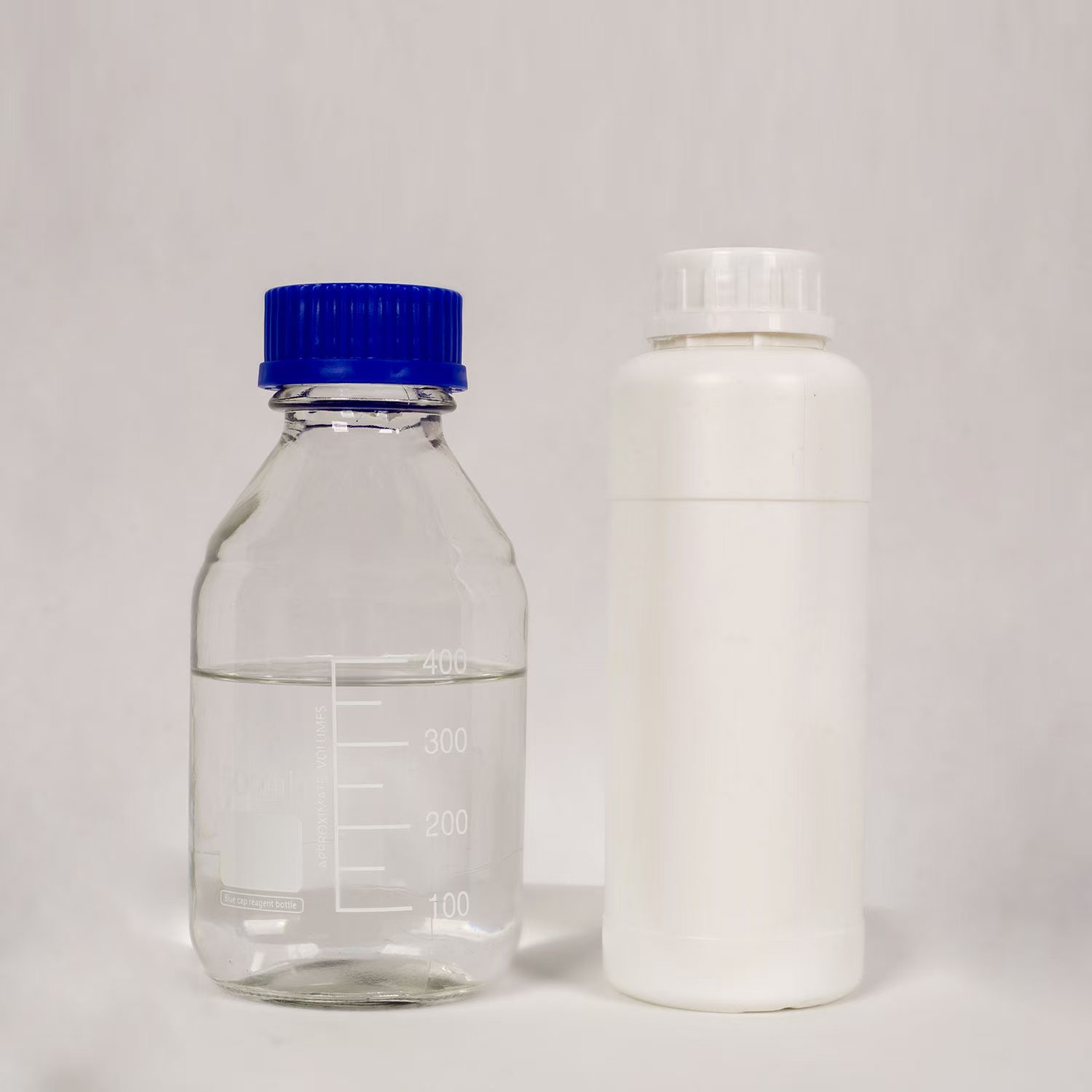
Acetyl tributyl citrate (ATBC, CAS 77-90-7) is an acetylated citrate ester plasticizer used to soften PVC and other polar polymers without the ortho-phthalate chemistry of DOP or DBP. Whether it performs as intended in a PVC compound depends less on a single headline figure such as ester content than on how a small set of independent laboratory parameters behave together: density, refractive index, ester content, acidity, moisture, colour and flash point.
This technical guide is written for R&D engineers and procurement teams who have to write, review or challenge an ATBC specification. It explains what each parameter controls inside a PVC formulation, how to convert the numbers into a sourcing decision, and how ATBC sits alongside the other citrate esters and non-phthalate plasticizers in the same supply portfolio.
Problem Definition: Why ATBC Specifications Get Misread
Most ATBC quality disputes are not caused by a supplier delivering the wrong chemical. They are caused by a buyer approving a specification that does not describe the risks of their own process. Four misreadings recur in PVC soft-product plants.
1. Ester content treated as the whole specification
An ATBC certificate showing ester content above 99.0% says nothing about the moisture and acidity of the same batch. Moisture is capped at max. 0.1% and acidity at max. 0.1 mgKOH/g in the published ATBC data. In practice, moisture that is not controlled can create voids and surface defects in film and coated fabric, while elevated acidity is associated with degradation risk during high-temperature processing of PVC. Both are process-critical and both are invisible if the buyer only reads one line of the certificate of analysis.
2. Colour treated as cosmetic
Colour measured on the platinum-cobalt scale (max. 30 for ATBC) is also an early signal of raw-material quality and process control. In transparent PVC, light-shaded artificial leather, and printing ink formulation, colour drift is the first visible symptom and the most expensive one to correct after the material is already in the mixer.
3. Flash point treated as a processing temperature
A flash point of min. 204 °C for ATBC is a storage, handling and thermal-safety indicator. It is not a licence to run an extruder or calender at that temperature, and it is lower than several other plasticizers in the same portfolio — DINP at min. 220 °C, DOTP at min. 214 °C and DPHP at min. 210 °C. Where a formulation runs close to its thermal ceiling, that difference belongs in the process-window discussion, not in the purchasing department alone.
4. Density and refractive index ignored
Density (1.045–1.055 g/cm³ at 20 °C) and refractive index (1.4410–1.4425 at 25 °C) are the cheapest identity checks available. They detect substitution, unintended blending, or a diluted or off-grade batch before a single kilogram reaches production. They also matter practically: dosing by volume instead of by weight across plasticizers with very different densities — ATBC at about 1.05 g/cm³ versus DOA at 0.925–0.927 g/cm³ — produces a plasticizer loading error that no certificate can correct.
Industry Background: What Is Driving ATBC Demand
The regulatory status of ATBC is the main reason it now appears on formulation sheets where a general-purpose phthalate was used previously. In the United States, ATBC (CAS 77-90-7) is listed by the FDA as a substance added to food under 21 CFR 172.515, 21 CFR 175.105, 21 CFR 178.3910 and 21 CFR 181.27. For food packaging, toys, medical articles and inks, destination-market requirements such as REACH and RoHS are typically layered on top of that listing, together with a consistent purity and moisture profile and a defined shelf life.
Commercially, the material is no longer a niche additive. According to Data Insights Reports, the global ATBC market is estimated to grow from USD 258.92 million in 2025 to USD 439.46 million by 2034, and global consumption in 2025 is estimated at 128,000 metric tons, of which medical applications hold a 34% share and food packaging 29%. Those two segments are precisely the ones where parameter discipline is least negotiable.
Buyers should read market numbers with care. Published estimates of the same base year differ substantially depending on whether the scope is ATBC alone or citrate plasticizers as a category — for example, Business Research Insights has published an ATBC figure of around USD 130 million, while Intel Market Research has published about USD 221 million for the wider citrate plasticizer category. The useful takeaway is not one number but the direction: demand is expanding, and with it the number of suppliers whose certificates must be compared on equal terms.
Sources: FDA – Substances Added to Food (21 CFR 172.515, 175.105, 178.3910, 181.27); Data Insights Reports (market size, consumption volume); Business Research Insights and Intel Market Research (alternative scope estimates).
ATBC as a Citrate Ester: What the Molecular Structure Means for PVC
ATBC is a citrate ester rather than a phthalate ester. Citric acid is esterified with n-butanol to give tributyl citrate (TBC, CAS 77-94-1), and the remaining free hydroxyl group is then acetylated to give acetyl tributyl citrate. The product data for the ATBC supplied by Shandong Kexing Chemical Co., Ltd. lists its material inputs simply as alcohol and acid — consistent with that esterification route.
Three formulation consequences follow from that structure, and all three are visible in the published parameters.
Compatibility with PVC
Citrate esters are polar enough to solvate PVC effectively, which is why ATBC is filed for use across toys, PVC products, plastics, leather, ink and food packaging. Case data from regular ATBC supply to plastic masterbatch factories, artificial leather manufacturers, food packaging processors and toy factories records good compatibility with PVC and resin, together with phthalate-free composition and stable batch purity. Compatibility is a system property, not a single number: it depends on the resin grade, filler and co-plasticizer as much as on the plasticizer itself.
Plasticizing efficiency and mechanical effect
The acetylated citrate structure softens PVC efficiently at moderate loadings. The functional profile reported for ATBC in production use covers softening and toughening, a lower melting point for easier processing at reduced energy cost, better ductility against breakage under stretching, improved flow for a smooth finish, and cold and flex resistance that keeps flexibility stable at low temperature. Because efficiency depends on resin K-value, filler loading and the presence of secondary components such as epoxidized soybean oil, the working dosage should be established by trial rather than copied from a catalogue.
Permanence and low migration
Acetylation removes the free hydroxyl group that TBC still carries, and that single structural difference is generally recognised as the reason ATBC shows lower volatility and better permanence than its un-acetylated counterpart. The laboratory data support the direction: TBC is specified at a flash point of min. 185 °C, while ATBC is specified at min. 204 °C. In finished articles, ATBC supply used in compounding, leather finishing and food-contact formulation is documented with low migration results, passing REACH and food-grade safety testing, and with finished-product service life of up to two years.
Where ATBC is not the right answer
Honest specification writing includes limits. ATBC is a plasticizer, not a heat stabiliser — in the same portfolio, epoxidized soybean oil (ESO, CAS 8013-07-8) with an epoxy value of min. 6.0% is the product used for that role. ATBC also sits below DINP, DOTP, DPHP and ESO on flash point, so formulations that already run near their thermal ceiling may need a process-window review or a partial substitution before ATBC is adopted at high loading. Finally, because moisture is capped at max. 0.1%, open or humid storage conditions can push a compliant batch out of specification before it is used.
Reading an ATBC Specification Sheet, Line by Line
The table below reproduces the published parameter set for Acetyl Tributyl Citrate (ATBC), CAS 77-90-7, tested against an enterprise standard, together with what each line actually controls.
| Parameter | Specified value | What it controls in a PVC formulation |
|---|---|---|
| Appearance | Transparent liquid, no suspended substance | Filtration and insolubles; haze and surface-defect risk in film, sheet and coated fabric |
| Odour | Slight odour | Sensory acceptance in food-contact articles, interior products and inks |
| Colour (Pt-Co) | Max. 30 | Raw-material quality and process control; critical in transparent and light-shade PVC |
| Density (20 °C) | 1.045–1.055 g/cm³ | Identity check; weight-versus-volume dosing accuracy |
| Ester content | Min. 99.0% | Active plasticizer content; loading calculation |
| Moisture | Max. 0.1% | Hydrolysis, voids, smoke and surface defects; shelf-life control |
| Acidity | Max. 0.1 mgKOH/g | Thermal stability of the compound during high-temperature processing |
| Refractive index (25 °C/D) | 1.4410–1.4425 | Identity check against substitution or blending |
| Flash point | Min. 204 °C | Storage, handling and thermal-safety limit |
Two habits make this table work in procurement practice. First, treat density and refractive index as gates, not as reference values: a batch that fails either one should be queried regardless of what the ester content says. Second, treat moisture, acidity and colour as a group. They move together with raw-material quality and plant control, and they are the three parameters most likely to differ between a low-cost offer and a production-grade batch.
Step-by-Step Breakdown: Specifying and Validating ATBC
- Fix the end-use constraint set first. Write down the regulatory path before writing any number: food packaging, children's toys, medical articles, artificial leather or printing ink. ATBC covers all of these industrial categories, but the test package and documentation differ, and destination-market requirements for REACH, RoHS and food-grade status must be confirmed at this stage.
- Write identity gates into the specification. Require CAS 77-90-7, density 1.045–1.055 g/cm³ at 20 °C, and refractive index 1.4410–1.4425 at 25 °C on every certificate of analysis. These three lines make silent substitution expensive for the supplier and easy to detect for your incoming inspection.
- Write the purity gate. Set ester content at min. 99.0%. Use it to calculate true plasticizer loading, but never as the only acceptance criterion.
- Write the process gates. Set moisture at max. 0.1%, acidity at max. 0.1 mgKOH/g and colour at max. 30 Pt-Co. These are the parameters that show up later as scrap, rework or odour complaints rather than as incoming rejections.
- Define handling and storage limits from the flash point. With a flash point of min. 204 °C, plan sealed storage to protect the moisture specification and keep bulk material away from sustained heat sources.
- Run a dosage ladder in the real formulation. ATBC is used as an additive in batch mixing and is incorporated into polymer formulations at controlled dosages during production. Trial it on the equipment the plant actually uses — high-speed mixers, kneaders, extruders, calenders and coating machines — and measure hardness, low-temperature flex and surface finish at three or more loadings rather than one.
- Qualify the supplier on consistency, not on a single sample. Ask how batches are controlled (raw material incoming inspection and finished product sampling test), what the minimum order quantity is, what the standard lead time is, and what technical support is available after delivery.
ATBC Compared with Other Plasticizers in the Same Portfolio
The comparison below uses only published values from the Shandong Kexing Chemical product data. ATBC, TBC and TEC are citrate esters; DOTP, DINP, DPHP, DOP and DBP are ester plasticizers of other chemistries; DOA and DOS are adipate and sebacate esters; ESO is an epoxidized soybean oil used as a co-plasticizer and stabiliser.
| Plasticizer | CAS No. | Density, 20 °C (g/cm³) | Ester / purity (%) | Acidity (mgKOH/g) | Moisture (%) | Colour (Pt-Co) | Flash point (°C) |
|---|---|---|---|---|---|---|---|
| ATBC | 77-90-7 | 1.045–1.055 | Min. 99.0 | Max. 0.1 | Max. 0.1 | Max. 30 | Min. 204 |
| TBC | 77-94-1 | 1.037–1.047 | Min. 99.0 | Max. 0.1 | Max. 0.1 | Max. 30 | Min. 185 |
| TEC | 77-93-0 | 1.135–1.139 | Min. 99.0 | Max. 0.1 | Max. 0.25 | Max. 30 | Min. 155 |
| DOTP | 6422-89-2 | 0.9824 | Min. 99.68 | 0.02 | Max. 0.03 | Max. 20 | Min. 214 |
| DINP | 28553-12-0 | 0.975 | Min. 99.52 | Max. 0.039 | Max. 0.036 | Max. 25 | Min. 220 |
| DPHP | 84-77-5 | 0.960 | Min. 99.54 | Max. 0.021 | Max. 0.023 | Max. 25 | Min. 210 |
| DOP | 117-84-0 | 0.983–0.985 | Min. 99.5 | Max. 0.1 | Max. 0.1 | Max. 30 | Min. 195 |
| DBP | 84-74-2 | 1.044–1.048 | Min. 99.5 | Max. 0.10 | Max. 0.10 | Max. 30 | Min. 160 |
| DOA | 123-79-5 | 0.925–0.927 | Min. 99.0 | Max. 0.1 | Max. 0.1 | Max. 30 | Min. 195 |
| DOS | 2432-87-3 | 0.913–0.916 | Min. 99.0 | Max. 0.10 | Max. 0.1 | Max. 30 | Min. 205 |
| ESO | 8013-07-8 | 0.985–0.995 | Min. 99.0 | Max. 0.5 | Not specified | 150#–200# | Min. 280 |
Values as published in the Shandong Kexing Chemical product data. ESO colour is reported on a different scale (150#–200#) and is therefore not directly comparable with the Pt-Co values of the other grades.
Reading across the table, three practical patterns emerge. Citrate esters are the densest group in the portfolio — ATBC, TBC and TEC all sit above 1.03 g/cm³ — so a simple one-to-one volume swap from a phthalate or an adipate ester will change the effective plasticizer loading. Second, ATBC's flash point of min. 204 °C places it in the middle of the range: clearly above DBP (min. 160 °C), TEC (min. 155 °C) and TBC (min. 185 °C), but below DOP, DOS, DOTP, DPHP, DINP and ESO. Third, the aluminium-free, phthalate-free citrate route is what the ATBC, TBC and TEC lines have in common, which is why they are usually evaluated as a family when a formulation has to move away from ortho-phthalates.
Use Cases: Where Each Parameter Earns Its Place
Food packaging film and food-contact plastics
This is the application where regulation and migration control dominate. ATBC's FDA listing and its use in food-contact plastic and printing ink formulation, with documented low migration and REACH and food-grade safety test results, are the relevant evidence. Parameter priority: ester content, moisture, acidity and colour, backed by the regulatory documentation package.
Children's toys and childcare articles
Toy production is one of the core ATBC industry categories, and toy factories appear among the customer types served with regular monthly volumes. Parameter priority: identity gates (density and refractive index), ester content, and confirmation of phthalate-free composition in every shipment.
Artificial leather and coated fabric
Leather surface finishing and coating lines are sensitive to colour and surface finish. Parameter priority: colour max. 30 Pt-Co, appearance free of suspended substance, and compatibility behaviour verified on the actual coating machine rather than in a beaker.
Medical and healthcare plastics
Medical applications account for an estimated 34% of 2025 global ATBC consumption. Parameter priority: consistency of every batch, together with the quality-management documentation that supports repeat qualification.
Inks and coatings
ATBC is used in printing ink formulation, where odour and colour are immediately visible to the end user. Parameter priority: odour, colour and acidity.
Plastic compounding and masterbatch
Compounding plants convert ATBC into masterbatches and compounds that other factories then process. Parameter priority: density consistency for dosing accuracy, ester content for loading calculation, and stable batch purity so that downstream customers see no shift between lots.
Quality Control, Certifications and Supply Capability
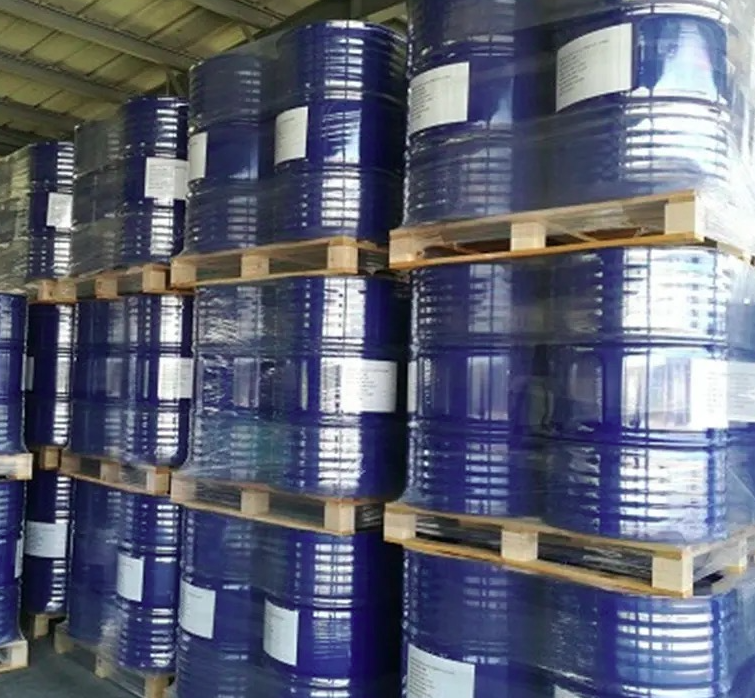
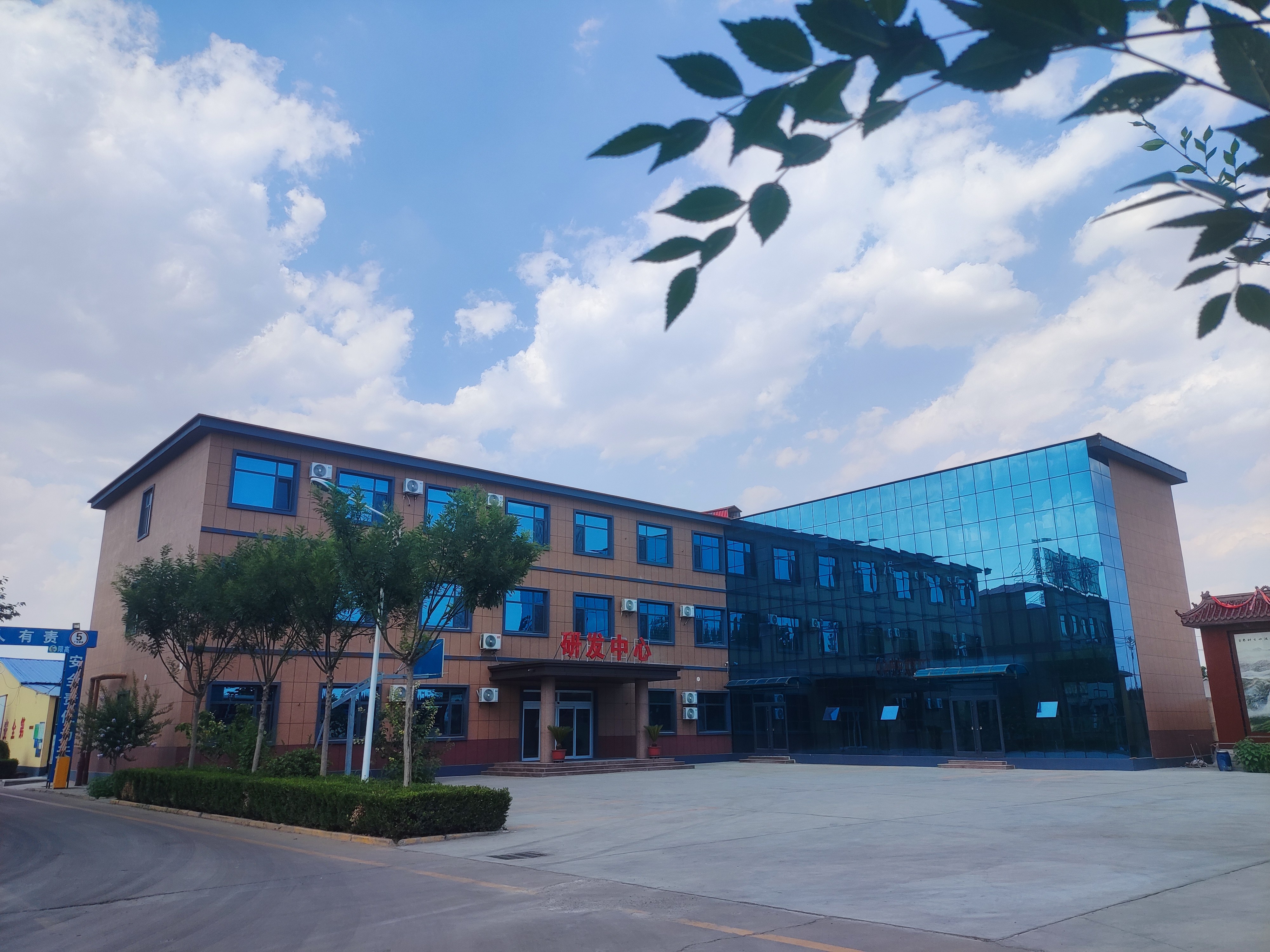
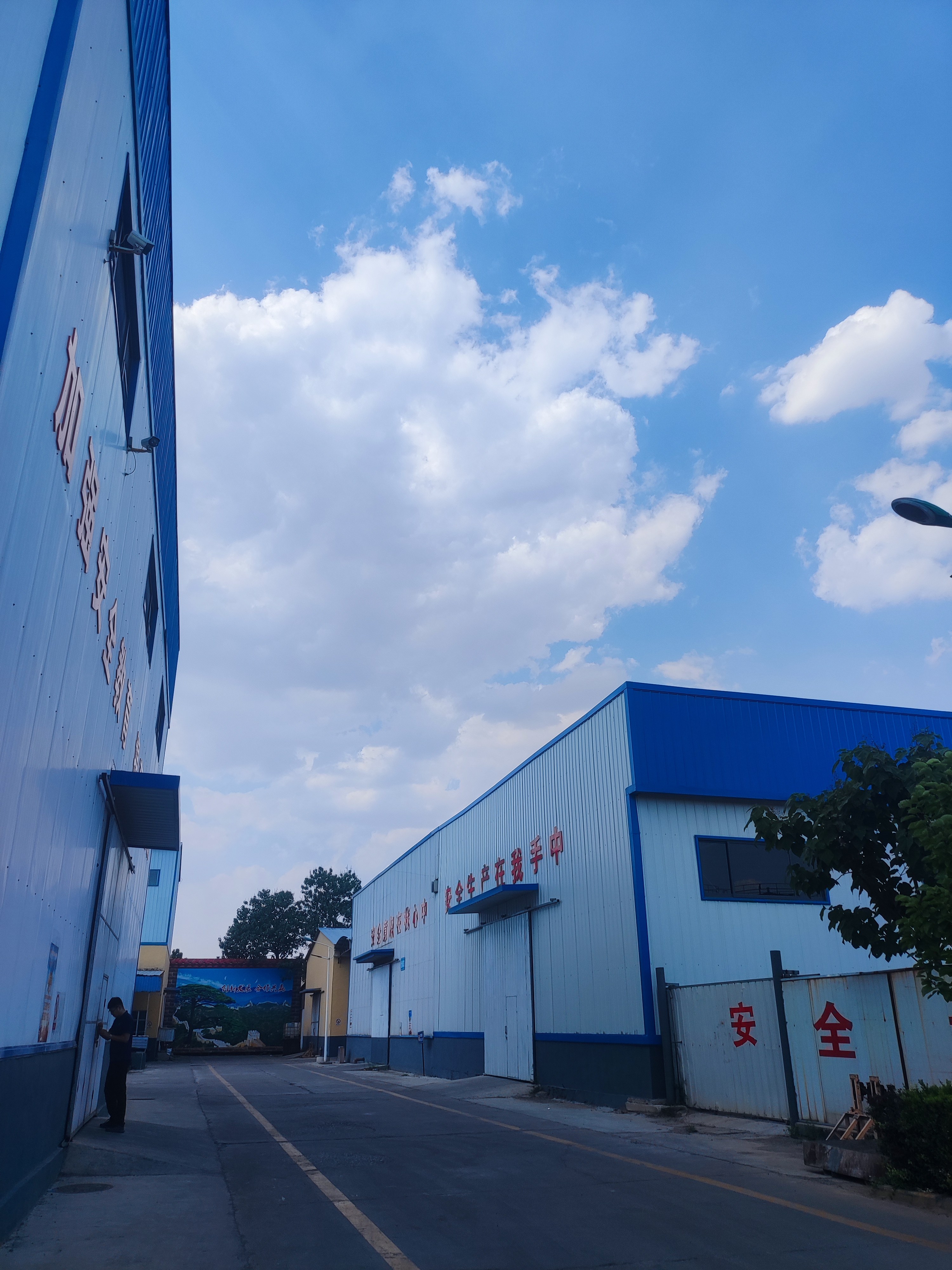
Parameters only matter if a supplier can hold them batch after batch. Shandong Kexing Chemical Co., Ltd. is a professional manufacturer of plasticizers, plastic and rubber flame retardants and plastic additives, based in Dongying, Shandong, founded in 2006, with a 200-person team that includes a 15-engineer R&D group and a subsidiary, Dongying Kexing International Trade, handling global import and export. Roughly 50% of output is exported, with main markets in Europe, the USA, Japan, South Korea and the Middle East.
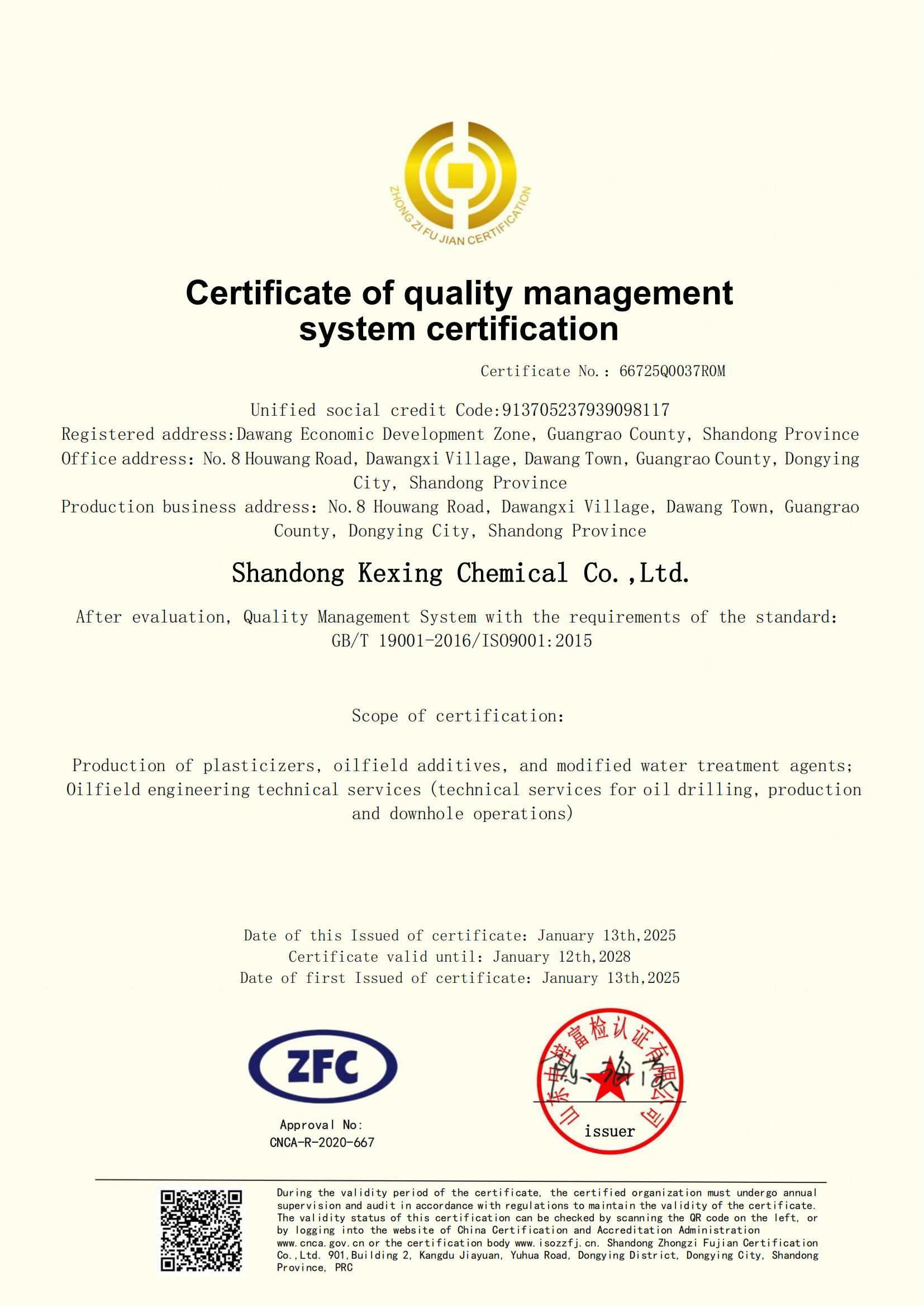
Quality control is built around two checkpoints that directly protect the parameters discussed above: raw material incoming inspection and finished product sampling tests. On the certification side, the company states that its products are certified to SGS, REACH, ISO 9001, ISO 14001 and OHSAS 18001. Two certificates are directly relevant to ATBC buyers:
- ISO 9001:2015 quality management system, certificate number 66725Q0037R0M, scope covering the production of plasticizers, issued 13 January 2025 and valid to 12 January 2028.
- ISO 14001:2015 environmental management system, certificate number 66725E0038R0M, same scope, valid to 12 January 2028, alongside an HSE management system certificate 667240083R1S valid to 28 February 2028.
Commercially, ATBC is available with OEM production and private labelling, a monthly capacity of 10,000 T, a minimum order quantity of 1 T and a standard lead time of 30–45 days. After-sales support covers remote technical support, after-sales consulting, quality issue resolution, shipping follow-up and formulation technical guidance.
FAQ: ATBC Properties and Sourcing Decisions
Is ATBC compliant for food-contact and toy applications?
ATBC (CAS 77-90-7) is listed by the FDA as a substance added to food under 21 CFR 172.515, 21 CFR 175.105, 21 CFR 178.3910 and 21 CFR 181.27. For food packaging, toy and ink applications, that listing is normally combined with destination-market requirements such as REACH and RoHS, together with a consistent purity and moisture profile and a defined shelf life. Shandong Kexing Chemical holds ISO 9001:2015 (certificate 66725Q0037R0M, valid to 12 January 2028), ISO 14001:2015 (66725E0038R0M) and an HSE management system certificate (667240083R1S), and records REACH and food-grade safety test results in food-contact and leather and ink applications.
How do I compare two ATBC offers when both claim 99% purity?
Ask for the complete parameter set rather than the ester content line: density 1.045–1.055 g/cm³ at 20 °C, refractive index 1.4410–1.4425 at 25 °C, acidity max. 0.1 mgKOH/g, moisture max. 0.1%, colour max. 30 Pt-Co and flash point min. 204 °C. Density and refractive index act as identity gates; acidity, moisture and colour act as process gates. Then compare the supply side: OEM and private-labelling availability, monthly capacity of 10,000 T, and whether raw material incoming inspection and finished product sampling tests are part of routine production control.
What drives cost when evaluating ATBC against other plasticizers?
ATBC is produced from alcohol and acid raw materials, and both are sourced as a manufacturer rather than through a trading layer, which is the basis of the direct-from-source price position. Published price bands are too volatile to quote reliably in a technical document, so a cost comparison is best made on three controllable factors instead: the cost of non-conformance avoided by specifying density, refractive index, acidity and moisture together; the dosing accuracy gained by weighing material instead of measuring by volume across plasticizers of different density; and the working capital tied up by the commercial terms — minimum order quantity of 1 T and a lead time of 30–45 days. A plasticizer that is cheaper per tonne but causes rework in a coating line is not cheaper per finished square metre.
How can we validate an ATBC batch before committing to full production?
Validation starts with the certificate of analysis against the full parameter set, followed by in-house verification of density and refractive index. Because the minimum order quantity is 1 T, a realistic trial batch can be run at production-relevant scale. ATBC is dosed as an additive during batch mixing, so the trial should use the plant's own high-speed mixer, kneader, extruder, calender or coating machine and measure hardness, low-temperature flex, surface finish and migration behaviour at more than one loading. Remote technical support and formulation technical guidance are available through the trial, and private labelling can be arranged if the trial leads to a regular programme.
What lead time and supply continuity should we plan for?
Standard lead time is 30–45 days from a minimum order quantity of 1 T, against a monthly capacity of 10,000 T, with export markets covering Europe, the USA, Japan, South Korea and the Middle East and shipping follow-up included in the after-sales scope. For planning purposes, hold ATBC in sealed storage so that the max. 0.1% moisture specification is preserved until the material is charged to the mixer.
Conclusion: A Specification Is a Set of Constraints, Not a Single Number
ATBC earns its place in a PVC formulation because of what its citrate ester structure does — compatibility with PVC, efficient softening at moderate loading, low migration, and low-temperature flexibility — and because its regulatory position allows it into food-contact, toy and medical work. But the material only delivers those properties if the specification that surrounds it is written properly. Density and refractive index confirm identity. Ester content confirms loading. Moisture, acidity and colour protect the process. Flash point sets the handling and thermal envelope. Read together, they turn a certificate of analysis into a decision tool.
Next step
Shandong Kexing Chemical Co., Ltd. supplies Acetyl Tributyl Citrate (ATBC, CAS 77-90-7) with the full parameter set above, plus TBC, TEC, DOTP, DINP, DPHP, DOA, DOS, DBS, ESO, 3G8, N-Butyl Stearate and other plasticizers, from Dongying, Shandong, China.
Request a quotation, a technical data sheet or a 1 T trial batch, or download the product brochure: Kexing Chemical product brochure (PDF)
Website: www.kexingchem.com | Email: kexing@kexingchem.com | WhatsApp: +86 18765463469