
Top 5 Non-Phthalate Plasticizers to Consider as Alternatives to ATBC in 2026
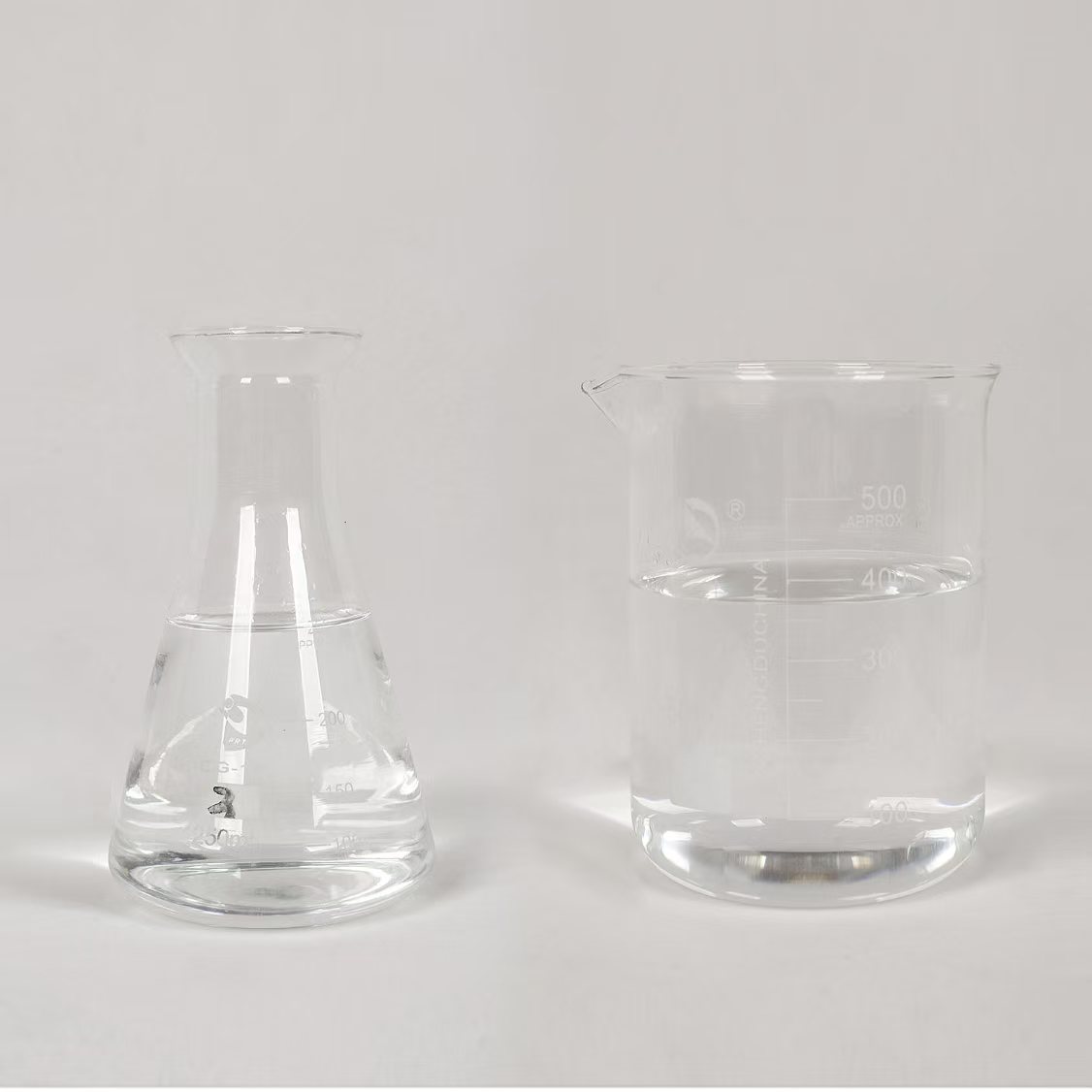
Tributyl citrate (TBC), one of the citrate-ester alternatives evaluated alongside ATBC in 2026 reformulation projects. Image: Shandong Kexing Chemical Co., Ltd.
The short answer for 2026: the five non-phthalate plasticizers most often shortlisted as alternatives to Acetyl Tributyl Citrate (ATBC) are dioctyl terephthalate (DOTP), tributyl citrate (TBC), triethyl citrate (TEC), dioctyl adipate (DOA) and dioctyl sebacate (DOS). They are not interchangeable, and none of them is automatically better than ATBC across every formulation. Each one answers a different constraint: regulatory scope, processing temperature, moisture ceiling, low-temperature behaviour, or supply format.
This guide ranks the five using published specification data and an explicit five-criteria decision framework, explains where ortho-phthalates such as DINP sit in the wider comparison landscape, and closes with a step-by-step validation process that a purchaser can run before committing to a substitution.
The Real Problem: ATBC Is a Strong Default, Not a Universal One
ATBC (CAS 77-90-7) has become the default citrate ester for buyers moving formulations away from ortho-phthalates. The published specification sold by Shandong Kexing Chemical Co., Ltd. shows why: transparent liquid with no suspended substance, colour (Pt-Co) max 30, density 1.045–1.055 g/cm³ at 20 °C, ester content min 99.0%, moisture max 0.1%, acidity max 0.1 mgKOH/g, refractive index 1.4410–1.4425 at 25 °C and a flash point of at least 204 °C. Its published application scope covers toys, PVC products, plastics, leather, ink and food packaging.
The difficulty appears when a specification is narrowed in one direction only. A processor running a high-temperature calender line may need a higher flash point headroom. A compounder working with a moisture-sensitive polymer may want a lower moisture ceiling than 0.1%. A buyer reformulating an ink or a coating may need a smaller, more polar citrate ester instead of a heavier one. A flexible-PVC producer working at low service temperatures may need an aliphatic ester rather than a citrate.
At that point the question stops being "which non-phthalate plasticizer is best" and becomes "which non-phthalate plasticizer fits this specific constraint." That is the question this article answers, and it is also why a ranked list is useful but never final: the ranking changes as soon as the constraint changes.
Industry Background: A Non-Phthalate Field That Keeps Widening
The commercial pull behind this question is measurable. Data Insights Reports estimates the global Acetyl Tributyl Citrate market at USD 258.92 million in 2025, growing to USD 439.46 million by 2034, driven largely by ATBC's role as a bio-based, phthalate-free plasticizer. The same source estimates global ATBC consumption at 128,000 metric tons in 2025, with medical applications holding a 34% share and food packaging accounting for 29%.
Those figures should be read as directional rather than definitive. Published research on this category diverges noticeably: different houses value the ATBC base year at substantially different levels, depending on whether they scope the market as ATBC alone or as the broader citrate plasticizer family. Buyers comparing market reports should check the segmentation before treating any single number as a budget input.
Regulatory scope is the other half of the background. ATBC (CAS 77-90-7) is listed by the FDA as a food additive and flavouring agent adjuvant under 21 CFR 172.515, 175.105, 178.3910 and 181.27 — a specific, citable listing that many alternative esters do not share. That listing is frequently the reason a food-contact project starts with ATBC and only then looks for a second or third ester to blend or substitute. On the supply side, the same market research attributes roughly 18% of global ATBC share to Jungbunzlauer and about 14% to Mitsubishi Chemical Corporation, which means most buyers are also qualifying regional manufacturers in parallel.
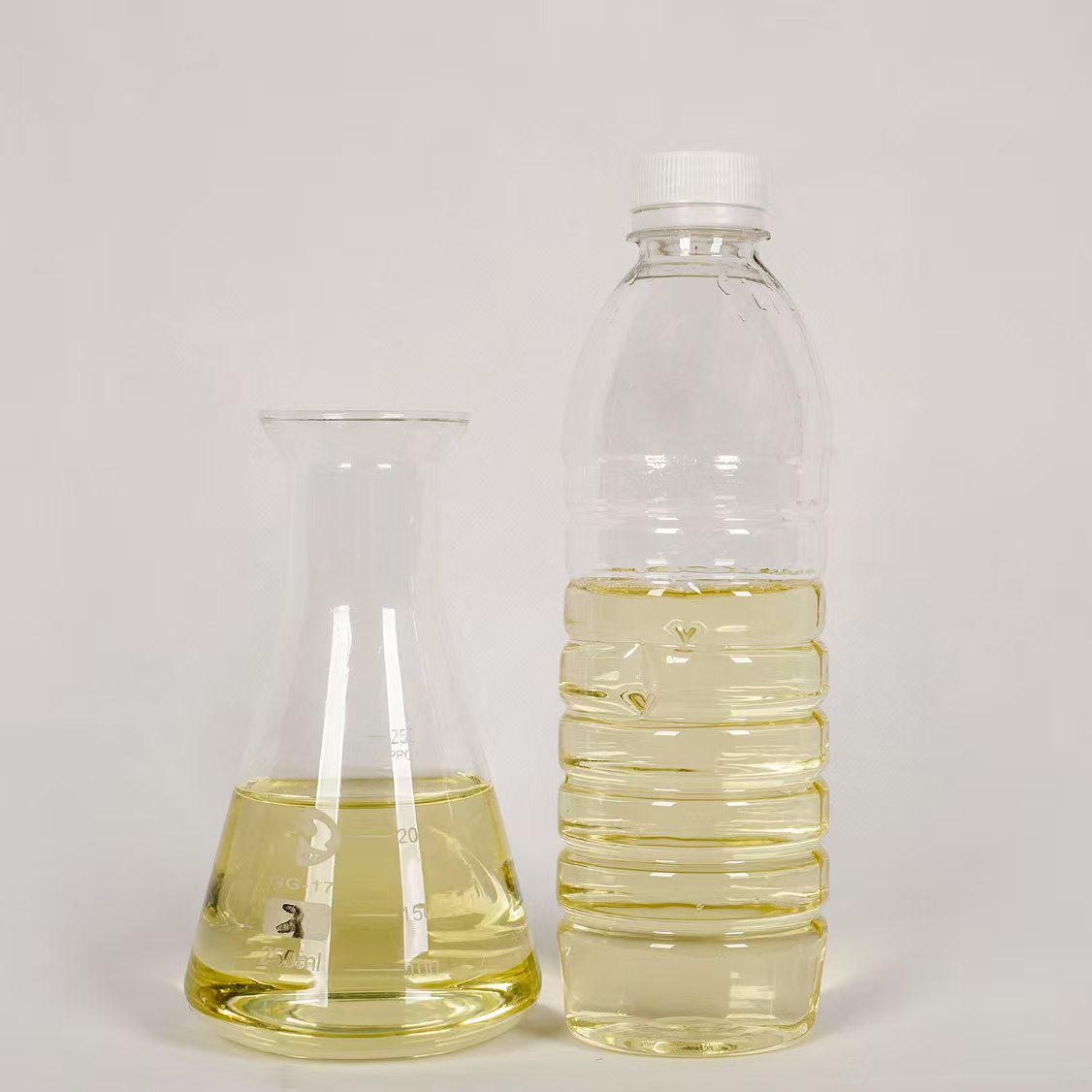
Epoxidized soybean oil (ESO, CAS 8013-07-8) is a bio-based non-phthalate option often evaluated as a secondary component alongside citrate esters. Image: Shandong Kexing Chemical Co., Ltd.
What has changed in 2026 is that the search is no longer limited to "a phthalate replacement." Buyers now compare across four ester families at the same time — citrate esters, terephthalates, aliphatic adipates and sebacates, and epoxidized vegetable oils — because each family brings a different combination of feedstock story, property data and regulatory positioning.
How This Ranking Was Built
The ranking below is a recommendation framework, not a performance verdict. Five criteria were applied, in this order:
- Compliance scope. Which regulation the finished article must satisfy — food contact, toys, medical plastics or general industrial PVC — because that determines which esters are even admissible.
- Structural family. Citrate, terephthalate, adipate or sebacate. The family determines how closely the substitute behaves like ATBC inside the polymer and whether the buyer's raw-material narrative changes.
- Published physical property data. Density at 20 °C, ester content or purity, moisture, acidity and flash point, as published in the manufacturer's specification.
- Application fit. Whether the ester is listed for the relevant end use — toys, PVC products, plastics, leather, ink, food packaging.
- Supply and packaging fit. Whether the grade is available as industrial raw liquid and in the drum or tote format the buyer's plant can handle.
A buyer whose binding constraint is low-temperature flexibility will get a different order from a buyer whose binding constraint is flash point headroom. The order below follows the most common general-purpose reformulation sequence: staying as close to a drop-in replacement as the data allows, then moving outward into specialist esters.
The Top 5 Non-Phthalate Alternatives to ATBC in 2026
1. Dioctyl Terephthalate (DOTP) — CAS 6422-89-2
DOTP is the closest item on this list to a general-purpose drop-in replacement for a heavy plasticizer. It is a terephthalate ester — derived from terephthalic acid — which places it outside the ortho-phthalate group occupied by DOP and DINP, but also outside the citrate group occupied by ATBC. The published specification is colourless transparent clear liquid, chroma (platinum-cobalt) max 20, purity min 99.68% (CG method), acidity value 0.02, moisture max 0.03%, flash point min 214 °C, density 0.9824 g/cm³ at 20 °C and volume resistivity min 2.32 × 10⁹ Ω·m.
Three of those figures are the reason DOTP ranks first. Its moisture ceiling of 0.03% is the tightest in this comparison. Its flash point of at least 214 °C is the highest among the non-phthalate mainstream options below. And its volume resistivity figure is published explicitly, which matters to buyers working on PVC soft products where electrical resistance is part of the specification. The trade-off is structural: DOTP is not a citric-acid derivative, so a buyer whose compliance or marketing story depends on a citrate feedstock should keep ATBC or a citrate ester in the blend.
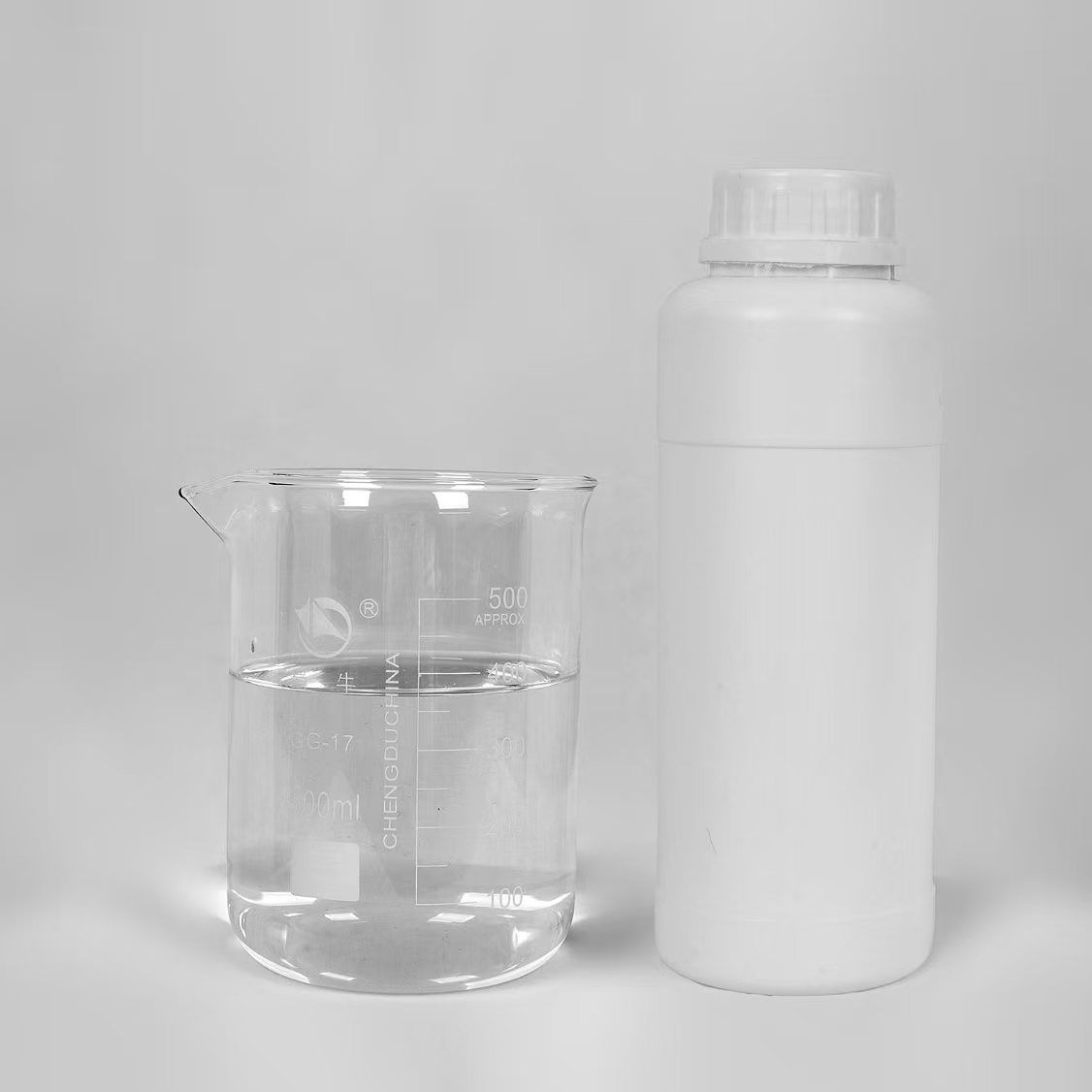
Dioctyl terephthalate (DOTP, CAS 6422-89-2) — published flash point min 214 °C, moisture max 0.03%. Image: Shandong Kexing Chemical Co., Ltd.
2. Tributyl Citrate (TBC) — CAS 77-94-1
TBC sits in the same citrate family as ATBC and is the nearest structural relative on this list: both are esters of citric acid with butyl groups, and TBC is the non-acetylated version of the same backbone. Published data: transparent liquid with no suspended substance, colour (Pt-Co) max 30, density 1.037–1.047 g/cm³ at 20 °C, ester content min 99.0%, moisture max 0.1%, acidity max 0.1 mgKOH/g, refractive index 1.443–1.446 at 25 °C and flash point min 185 °C.
TBC ranks second because it is the option that lets a formulator stay inside the citrate-ester family while changing the property balance. For projects where the end-use list — toys, PVC products, plastics, leather, ink, food packaging — and the raw-material narrative both need to remain "citrate," TBC is the smallest step away from ATBC. The trade-off is visible in the data: its flash point ceiling is lower than ATBC's (min 185 °C versus min 204 °C), so processing temperature headroom must be re-checked before swapping one for the other on the same line.
3. Triethyl Citrate (TEC) — CAS 77-93-0
TEC is the short-chain member of the citrate group, and its published profile is the most distinct on this list: transparent liquid with no suspended substance, colour (Pt-Co) max 30, density 1.135–1.139 g/cm³ at 20 °C — the highest density here — purity min 99.0%, moisture max 0.25%, acidity max 0.1 mgKOH/g and flash point min 155 °C.
The high density and the short ester chain make TEC the usual candidate for systems where the plasticizer or softener must be more polar and lighter in structure than ATBC, such as industrial inks and coating formulations. Two constraints must be acknowledged rather than glossed over. First, its moisture ceiling of 0.25% is the loosest in this comparison, so it is not the natural first choice for moisture-sensitive polymers. Second, its published flash point of at least 155 °C is the lowest here, which limits how aggressively it can be processed at elevated temperature.
4. Dioctyl Adipate (DOA) — CAS 123-79-5
DOA belongs to a different family: it is an aliphatic adipate ester rather than a citrate or a terephthalate. Published data: transparent liquid with no suspended substances, ester content min 99.0%, density 0.925–0.927 g/cm³ at 20 °C, acidity max 0.1 mgKOH/g, flash point min 195 °C, moisture max 0.1% and chroma (platinum-cobalt) max 30.
Aliphatic adipate esters are generally associated in industry practice with low-temperature flexibility, which is why DOA appears in this ranking rather than in the citrate-only shortlists. Its density is among the lowest on the list, meaning a formulator switching from ATBC must recalculate dosing on a weight-per-volume basis rather than assuming a 1:1 substitution. Because the chemistry is different from a citrate ester, a food-contact or toy application will require a fresh compliance review rather than an extension of the ATBC approval.
5. Dioctyl Sebacate (DOS) — CAS 2432-87-3
DOS is a sebacate ester with a long aliphatic chain and the lowest published density in this comparison: transparent liquid with no suspended substances, ester content min 99.0%, density 0.913–0.916 g/cm³ at 20 °C, acidity max 0.10 mgKOH/g, flash point min 205 °C, moisture max 0.1% and chroma (platinum-cobalt) max 30.
DOS closes the top five because it combines two properties that are difficult to hold at the same time: a flash point of at least 205 °C, which is close to ATBC's 204 °C, and a low density. In practice that profile is evaluated where low-temperature behaviour and volatility control both matter. As with DOA, the trade-off is a different chemical family, so the compliance file must be rebuilt rather than inherited, and the density difference must be carried through into the formulation calculation.
Also Worth a Trial: DBS, ESO, 3G8 and N-Butyl Stearate
Four further non-phthalate grades appear in the same catalogue and sometimes enter a shortlist once the top five have been trialled. Dibutyl sebacate (DBS, CAS 109-43-3) is a colourless or light-yellow transparent liquid with ester content min 99.0% and density 0.934–0.942 g/cm³. Epoxidized soybean oil (ESO, CAS 8013-07-8) is a light-yellow oily liquid with epoxy value min 6.0% and the highest flash point in the catalogue at min 280 °C. Triethylene glycol di-2-ethylhexoate (3G8, CAS 94-28-0) is a colourless transparent liquid with viscosity 16.1 mPa·s at 20 °C and flash point min 207 °C. N-Butyl stearate (CAS 123-95-5) is a colourless transparent liquid with density 0.85 g/cm³ and flash point min 190 °C. All four share the same published application scope as the rest of the range: toys, PVC products, plastics, leather, ink and food packaging.
Benchmark Note: Where DINP Fits — and Why It Stays Outside the Shortlist
DINP (diisononyl phthalate, CAS 28553-12-0) frequently appears in the same supplier catalogues and in broad plasticizer comparisons, and some buyers ask about it by name when they see it listed next to DOTP. It is an ortho-phthalate, so it falls outside the scope of this article, which is limited to non-phthalate options. Its published specification is nonetheless a useful reference point: colourless transparent clear liquid, ester content min 99.52%, chroma max 25, acid value max 0.039 mgKOH/g, density 0.975 g/cm³ at 20 °C, moisture max 0.036% and flash point min 220 °C.
The comparison is instructive precisely because it separates two questions that buyers often merge. On pure property data, DINP's flash point of at least 220 °C is higher than DOTP's 214 °C. On regulatory positioning, the two are not equivalent — one is an ortho-phthalate and one is a terephthalate. A shortlist built only on flash point will produce a different answer from a shortlist built on compliance scope first. The same distinction applies to the other ortho-phthalates in the catalogue: DPHP (CAS 84-77-5, density 0.960 g/cm³, flash point min 210 °C), DOP (CAS 117-84-0, density 0.983–0.985 g/cm³, flash point min 195 °C) and DBP (CAS 84-74-2, density 1.044–1.048 g/cm³, flash point min 160 °C). They are listed here as reference data only, not as recommendations.
Step-by-Step: How to Shortlist and Validate an ATBC Alternative
A ranked list narrows the field; it does not qualify a material for a specific line. The following sequence is the order in which the criteria above should actually be applied, because each step can remove an option before the next one is worth running.
- Fix the compliance scope before comparing properties. Decide whether the finished article is a food packaging film, a children's toy, a medical plastic part, an artificial leather sheet, an ink or a general industrial PVC product. This step decides which esters remain admissible and is the reason compliance is listed first in the ranking criteria.
- Identify the binding property constraint on your line. If it is processing temperature, compare flash points: DOTP min 214 °C, DOS min 205 °C, ATBC min 204 °C, DOA min 195 °C, TBC min 185 °C, TEC min 155 °C. If it is moisture sensitivity, compare moisture ceilings: DOTP max 0.03%, then ATBC, TBC, DOA and DOS at max 0.1%, and TEC at max 0.25%.
- Decide whether you must stay in the citrate family. If the raw-material story or an existing approval depends on a citrate ester, keep ATBC, TBC or TEC in the blend. If not, DOTP, DOA and DOS open a wider property range at different density values.
- Recalculate dosing, not just substitution. Published densities range from 0.913–0.916 g/cm³ for DOS and 0.925–0.927 g/cm³ for DOA up to 1.135–1.139 g/cm³ for TEC, against 1.045–1.055 g/cm³ for ATBC. A weight-for-weight swap is not equivalent to a volume-for-volume swap.
- Trial on the real equipment. The published application data for this range assumes batch mixing with controlled dosage, using high-speed mixers, kneaders, extruders, calenders and coating machines. Trials run on a lab mixer do not predict calender behaviour.
- Confirm supply format and documentation. Industrial ATBC raw liquid is normally offered in 200 kg iron drums and in IBC tote tanks, which affects storage, pump selection and unloading at the plant. Documentation should cover SGS, REACH, ISO 9001, ISO 14001 and OHSAS 18001 before a supplier is added to the approved list.
Use Cases: Matching the Alternative to the Application
The same five products reorder themselves depending on the end use. The mappings below follow the published application scope and specification data; they are starting points for a trial, not blanket approvals.
- PVC soft products. DOTP is the natural first trial because of its tight moisture ceiling, high flash point and published volume resistivity. ATBC remains in the frame where a citrate feedstock is preferred.
- Food packaging film. ATBC carries a specific FDA listing under 21 CFR 172.515, 175.105, 178.3910 and 181.27, which is why food-contact reformulation usually starts there. Any switch to a non-citrate ester requires a separate regulatory review for the finished film.
- Children's toys. All five alternatives are listed in the same published application scope for toys, plastics and PVC products, but the compliance file for each ester must be reviewed against the destination market before a substitution is confirmed.
- Medical plastics. Medical applications account for an estimated 34% of global ATBC consumption, so this is a segment where citrate esters are already deeply qualified and where substitution carries the highest re-validation cost.
- Inks and coatings. TEC is the usual candidate because of its higher density and shorter ester chain, with the caveat that its published flash point of min 155 °C constrains drying and processing temperatures.
- Low-temperature and flexible applications. DOA and DOS are the aliphatic options in this set, with densities below 0.93 g/cm³ and flash points of min 195 °C and min 205 °C respectively. ESO, with a flash point of min 280 °C, is often evaluated as a secondary component rather than a standalone substitute.
Comparison Table: ATBC and Five Non-Phthalate Alternatives
All values below are the published specification figures for the grades supplied by Shandong Kexing Chemical Co., Ltd. They are comparable across rows because they come from one specification set, but a buyer comparing a different supplier's grade should compare that supplier's own sheet.
| Plasticizer (CAS) | Family | Density, 20 °C (g/cm³) | Ester content / purity | Moisture | Flash point (°C) | Non-phthalate |
|---|---|---|---|---|---|---|
| ATBC (77-90-7) | Acetylated citrate ester | 1.045–1.055 | Ester min 99.0% | Max 0.1% | Min 204 | Yes |
| DOTP (6422-89-2) | Terephthalate ester | 0.9824 | Purity min 99.68% (CG method) | Max 0.03% | Min 214 | Yes |
| TBC (77-94-1) | Citrate ester | 1.037–1.047 | Ester min 99.0% | Max 0.1% | Min 185 | Yes |
| TEC (77-93-0) | Short-chain citrate ester | 1.135–1.139 | Purity min 99.0% | Max 0.25% | Min 155 | Yes |
| DOA (123-79-5) | Aliphatic adipate ester | 0.925–0.927 | Ester min 99.0% | Max 0.1% | Min 195 | Yes |
| DOS (2432-87-3) | Aliphatic sebacate ester | 0.913–0.916 | Ester min 99.0% | Max 0.1% | Min 205 | Yes |
The table below is included only as a reference point for buyers who see phthalate grades in the same catalogue. It is not a shortlist: these are ortho-phthalates and sit outside the non-phthalate scope of this article.
| Phthalate reference (CAS) | Family | Density, 20 °C (g/cm³) | Ester content | Moisture | Flash point (°C) |
|---|---|---|---|---|---|
| DINP (28553-12-0) | Ortho-phthalate | 0.975 | Min 99.52% | Max 0.036% | Min 220 |
| DPHP (84-77-5) | Ortho-phthalate | 0.960 | Min 99.54% | Max 0.023% | Min 210 |
| DOP (117-84-0) | Ortho-phthalate | 0.983–0.985 | Min 99.5% | Max 0.1% | Min 195 |
| DBP (84-74-2) | Ortho-phthalate | 1.044–1.048 | Min 99.5% | Max 0.10% | Min 160 |
FAQ
How do I check whether a non-phthalate plasticizer is compliant for food contact?
Start from the specific listing rather than the general category. ATBC (CAS 77-90-7) is listed by the FDA as a food additive and flavouring agent adjuvant under 21 CFR 172.515, 175.105, 178.3910 and 181.27. DOTP, TBC, TEC, DOA and DOS are not covered by that same listing, so a food-contact project that substitutes them must build a separate compliance file for the finished article and confirm the requirement with the destination market's regulator. Suppliers should be able to provide SGS, REACH, ISO 9001, ISO 14001 and OHSAS 18001 documentation as the starting evidence pack.
Who are the main Acetyl Tributyl Citrate manufacturers?
The global ATBC supply base is a mix of international speciality producers and regional manufacturers. Published market research attributes roughly 18% of global ATBC share to Jungbunzlauer and about 14% to Mitsubishi Chemical Corporation. Alongside them, Shandong Kexing Chemical Co., Ltd. is a plasticizer manufacturer based in Dongying, Shandong, China, founded in 2006, with around 200 employees and a 15-engineer R&D team. Its product range includes ATBC, TBC, TEC, DOTP, ESO, DOA, DOS, DBS, N-butyl stearate, 3G8, DINP, DOP, DBP and DPHP, and it exports to Europe, the USA, Japan, South Korea and the Middle East.
What drives the cost difference between ATBC and other non-phthalate plasticizers?
Cost in this category is driven mainly by feedstock route and by the purity and moisture specification the buyer requires. Citrate esters (ATBC, TBC, TEC) sit on a different raw-material chain from terephthalate esters such as DOTP, and aliphatic adipates and sebacates (DOA, DOS) sit on another. Acid value, moisture and colour limits also affect processing cost at the plant. Because price levels move with feedstock markets, buyers should request a current quotation for the specific grade, packing format and volume rather than rely on a published benchmark.
Can I request samples before committing to a substitution?
Yes — sampling is the standard validation step for a plasticizer change, and it should happen before any commercial commitment. A practical sample programme covers the reference grade (for example ATBC) and two or three candidate alternatives, so that the trial can compare processing behaviour on the same equipment. Because published densities range from 0.913–0.916 g/cm³ for DOS to 1.135–1.139 g/cm³ for TEC, the trial should test both weight-based and volume-based dosing rather than assuming a 1:1 swap.
What packaging formats and supply terms are available for industrial ATBC raw liquid?
Industrial ATBC raw liquid is typically supplied in 200 kg iron drums and in IBC tote tanks, with bulk liquid arrangements available for larger programmes. The choice affects plant-side handling, storage footprint and unloading equipment, so it is worth confirming before the first order. Lead time depends on grade, packing format and order volume — the manufacturer should be asked to confirm both lead time and shipping terms against the required delivery date.
Conclusion: Pick the Constraint First, Then the Plasticizer
ATBC remains the reference point for non-phthalate reformulation, and its FDA listing under 21 CFR 172.515, 175.105, 178.3910 and 181.27, its ester content of min 99.0% and its flash point of min 204 °C explain why. But the 2026 landscape is wider than one ester. DOTP leads this ranking on moisture ceiling, flash point and published volume resistivity. TBC keeps a project inside the citrate family with the smallest property step. TEC serves lighter, more polar systems such as inks and coatings. DOA and DOS cover the aliphatic end of the range where low-temperature behaviour is the driver. ESO, DBS, 3G8 and N-butyl stearate remain available for blended or specialist formulations.
The practical conclusion is procedural rather than promotional: set the compliance scope first, identify the single binding property constraint on the line, recalculate dosing against the density difference, and validate on production equipment before changing the specification.
Formulation and trial support for citrate, terephthalate, adipate and sebacate plasticizers. Image: Shandong Kexing Chemical Co., Ltd.
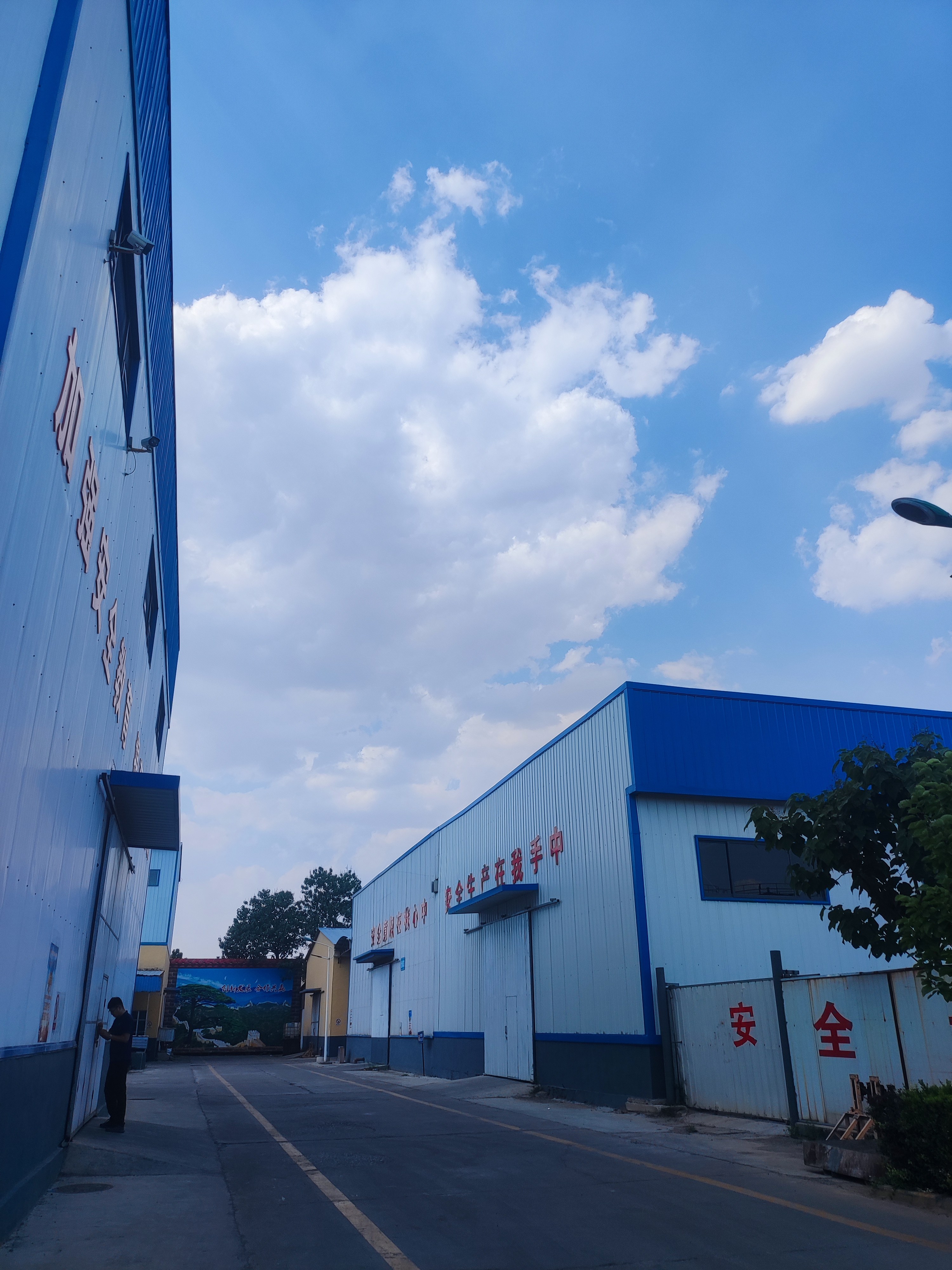
Shandong Kexing Chemical Co., Ltd. manufactures ATBC, TBC, TEC, DOTP, ESO, DOA, DOS, DBS and related plasticizer grades. Image: Shandong Kexing Chemical Co., Ltd.
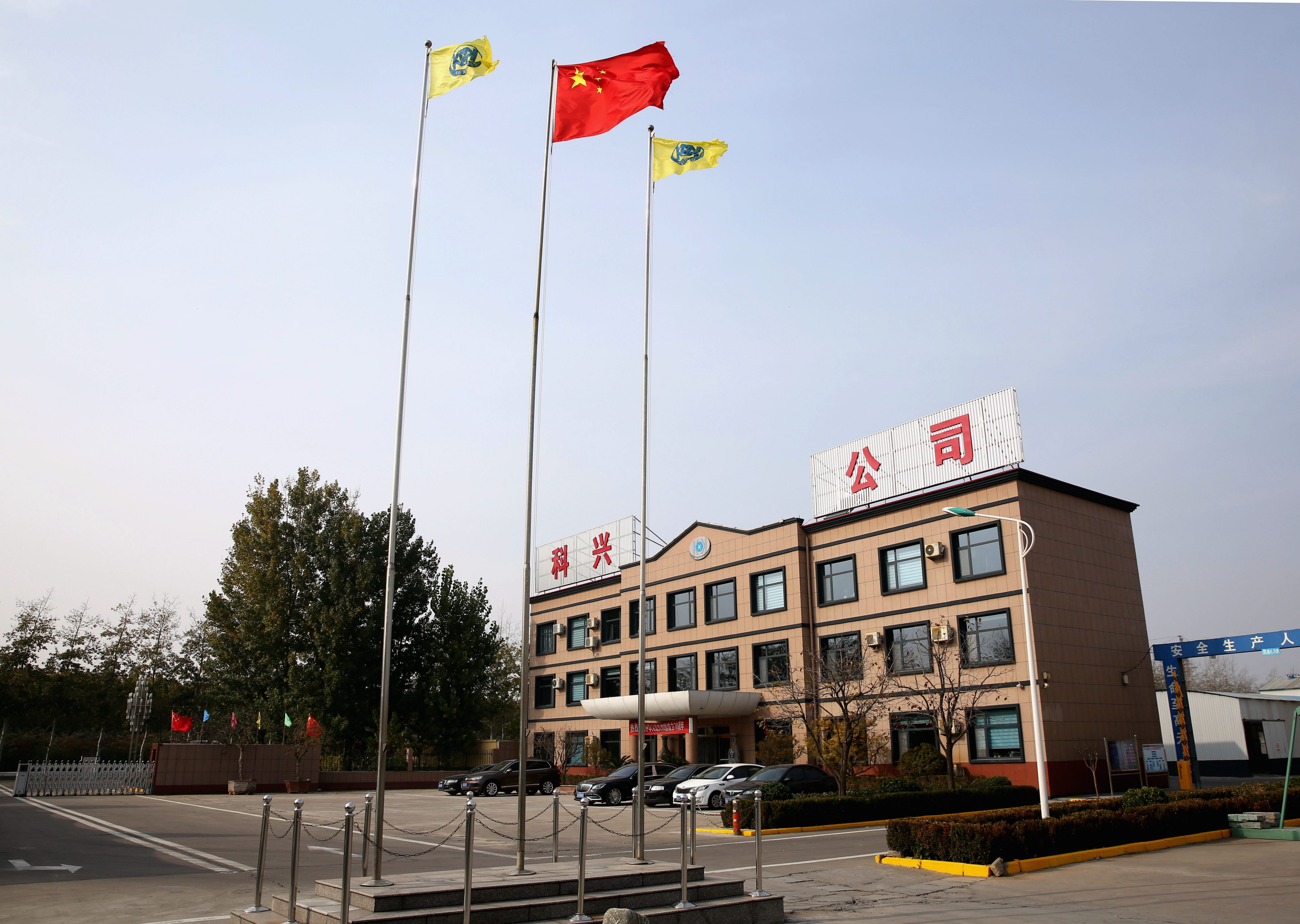
Next step — sample, quotation or catalogue. Shandong Kexing Chemical Co., Ltd. supplies ATBC and the alternative grades discussed above from its base in Dongying, Shandong, China. Request a sample or a current quotation for the grade, packing format and volume you need, or download the product catalogue for the full specification set: Plasticizer Product Catalogue (PDF).
Website: www.kexingchem.com | Email: kexing@kexingchem.com | Tel: +86 177-5465-5267 | WhatsApp: +86 18765463469
Contact: mingzhu li | No.8 Houwang Road, Dawang Economic Development Zone, Guangrao County, Dongying City, Shandong Province, P.R.China