
When Butyl Stearate Falls Short: A Formulator's Troubleshooting Guide
Butyl Stearate (n-butyl octadecanoate, CAS 123-95-5) usually does its job quietly. It is a monoester used as a PVC internal lubricant and a cosmetic emollient, and it performs well at the dosages formulators normally work with — supplier and industry guidance places typical PVC processing use at 1% to 3%. It becomes a problem when the formula asks more of it than a monoester can give: a waxy bloom appears on a finished part, a clear sheet turns hazy, a cold-flex test stops passing, or a customer requests a compliance file deeper than the one you hold. This guide sets out a troubleshooting sequence for exactly those situations, and it compares Butyl Stearate with three esters from the same supplier family — Dioctyl Adipate (DOA), Dioctyl Sebacate (DOS) and Acetyl Tributyl Citrate (ATBC) — so that the decision follows the failure mode rather than habit.
Shandong Kexing Chemical Co., Ltd. (SHANDONG KEXING CHEMICAL CO.,LTD) is a manufacturer of plasticizers and plastic and rubber additives based in Dongying, Shandong Province, China. Founded in 2006, the company employs around 200 people and exports roughly 50% of its output to Europe, the USA, Japan, South Korea and the Middle East. It produces N-Butyl Stearate alongside a full ester range that includes ATBC, DOA, DOS, Triethyl Citrate (TEC), Tributyl Citrate (TBC), Dibutyl Sebacate (DBS), Dioctyl Terephthalate (DOTP), Epoxidized Soybean Oil (ESO), DINP, DOP and DBP, distributed internationally through its subsidiary Dongying Kexing International Trade.
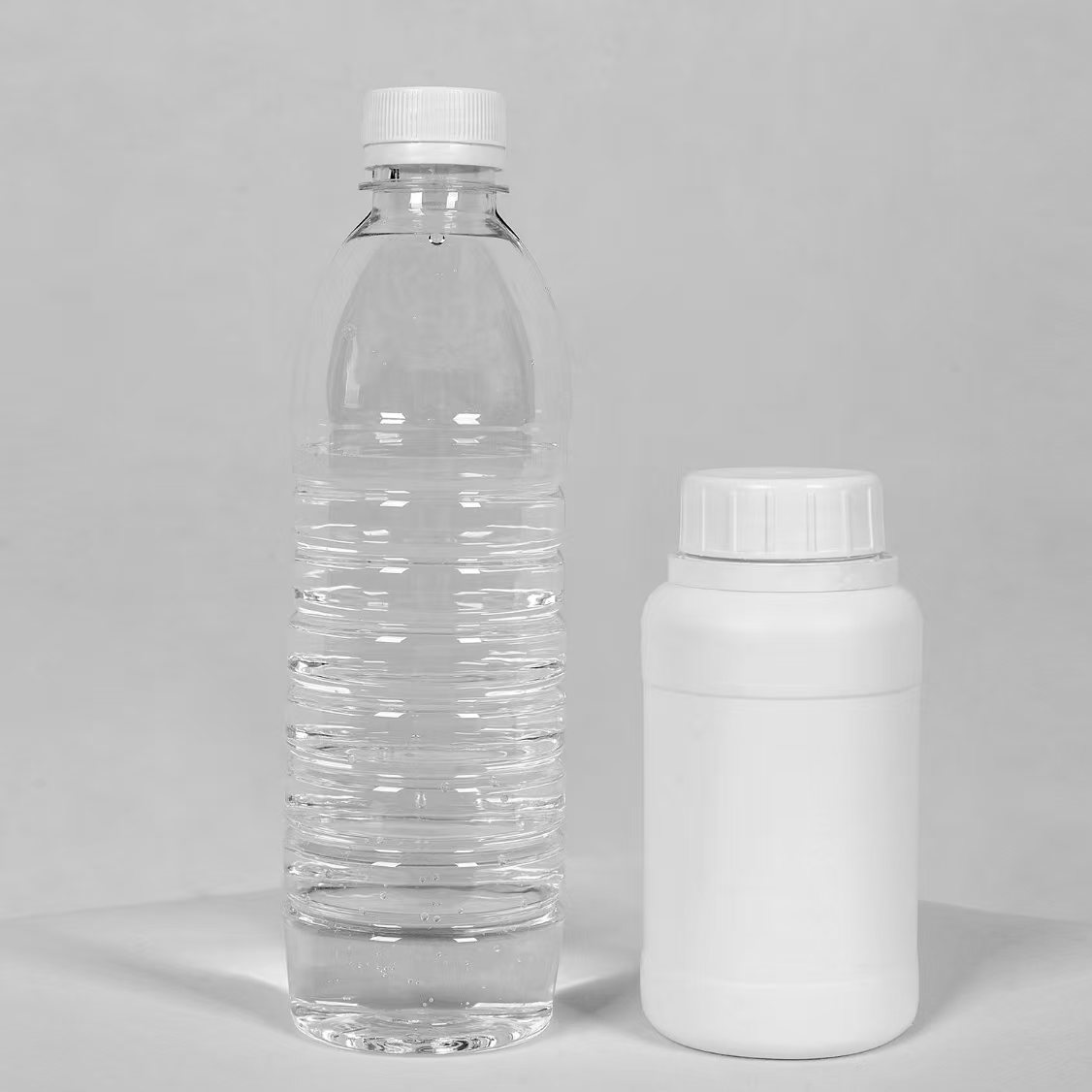
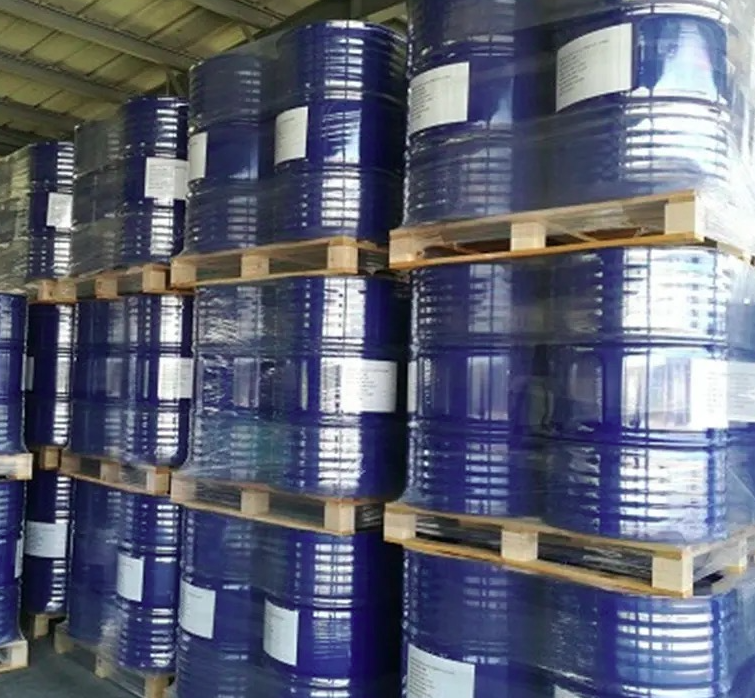
Dioctyl Adipate (DOA) and Dioctyl Sebacate (DOS): the diester candidates formulators evaluate when Butyl Stearate no longer meets low-temperature or permanence requirements.
The problem: four failure modes and one frequent root cause
Most Butyl Stearate complaints that reach a technical desk fall into one of four groups.
- Surface migration, bloom or bleed. A waxy film develops on the finished article, moulds need cleaning more often, and downstream decoration or printing steps can become less reliable.
- Loss of clarity. Transparent or lightly pigmented parts show haze. Formulators often trace this to lubricant level, moisture or colour rather than to the resin itself.
- Insufficient low-temperature performance or permanence. A part cracks in cold flex testing or stiffens over its service life.
- Compliance and documentation pressure. A customer specification now requires REACH-related documentation, food-contact or toy-safety evidence, and evidence of batch-level consistency.
The most frequent root cause is role confusion. Butyl Stearate is a monoester: its strength is lubrication, reducing friction between polymer chains during processing. It is not the primary source of long-term flexibility in a compound, and pushing its dosage upwards to chase flexibility tends to make surface migration worse rather than better. The second root cause is specification drift. Among the four esters compared in this article, N-Butyl Stearate carries the widest acidity tolerance (maximum 0.20 mgKOH/g, against a maximum of 0.10 mgKOH/g for DOA and DOS), so incoming batch variation in acidity, moisture and colour can move a sensitive formulation even when the chemistry has not changed.
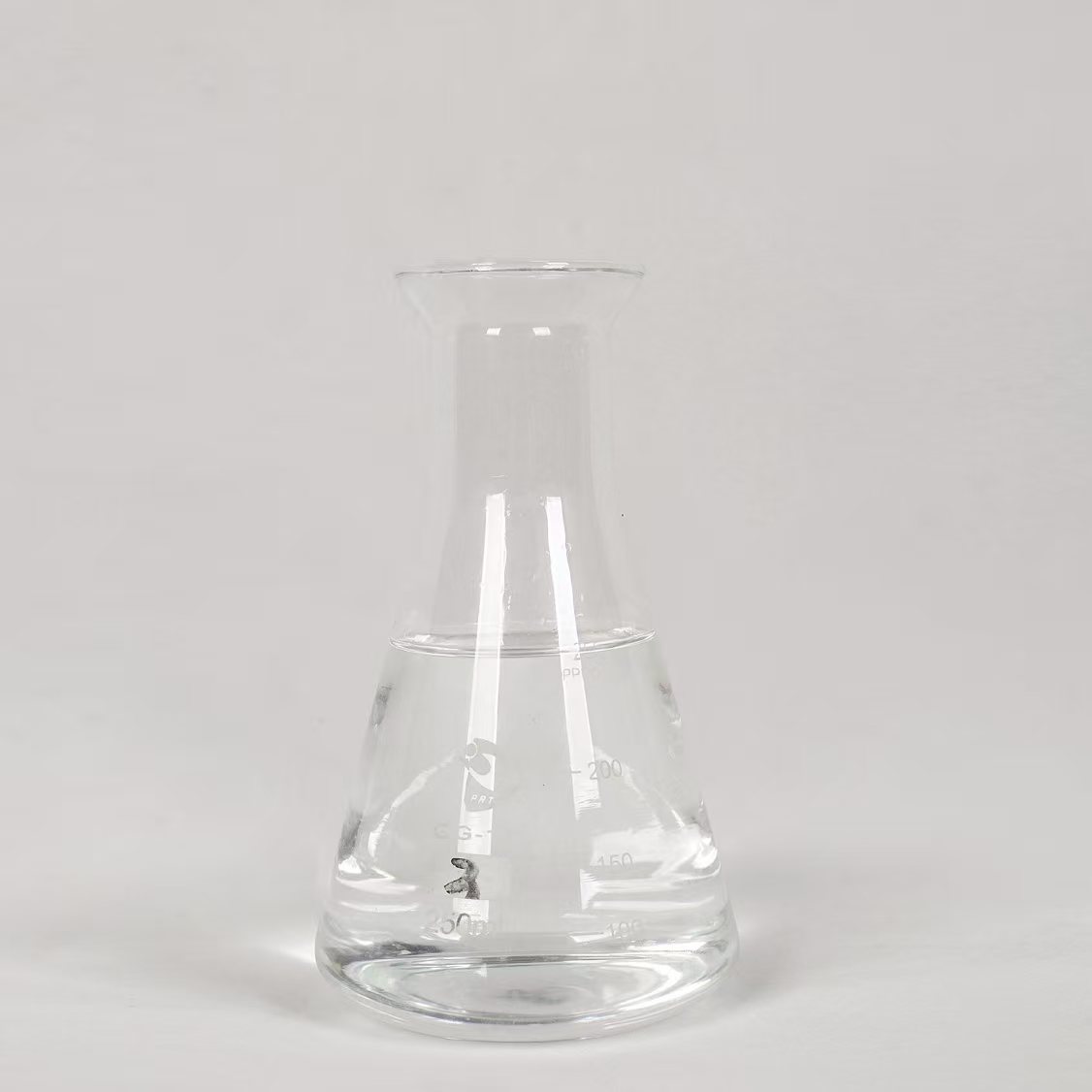
N-Butyl Stearate (CAS 123-95-5): minimum 99.0% content, density 0.85 g/cm³, flash point at least 190 °C, moisture maximum 0.10%.
Industry background: why Butyl Stearate stays in the formula
Butyl Stearate is not a niche additive, and that is precisely why troubleshooting it matters. Third-party research places the global N-Butyl Stearate market at approximately USD 1.28 billion in 2024 (Spherical Insights), while Dataintelo reports that the lubricants application segment held the largest share of the market at 38.5% in 2025 and that Asia Pacific accounted for 42.3% of global revenue in the same year.
Absolute market-size figures should be read as directional rather than exact. Research firms publish materially different estimates for this molecule — Future Market Insights, Dataintelo and Spherical Insights all publish different totals — most likely because they draw the boundary between industrial and cosmetic grades differently. What the sources agree on is the direction: lubricants remain the largest application segment, and Asia Pacific is the largest producing and consuming region.
China's position in the trade is documented separately. Chinese suppliers were identified as the largest exporters of Butyl Stearate to markets such as India, accounting for over 66% of specific import shipments recorded under HS code 29157090 in 2024 (customs shipment data). Third-party market research also names BASF SE, Emery Oleochemicals, Croda International and Fine Organics among the leading global manufacturers of the product (Cognitive Market Research).
On the regulatory side, ECHA lists Butyl Stearate (CAS 123-95-5) as a substance requiring registration under EU REACH for manufacture or import above 1 tonne per year. That threshold is crossed quickly by most industrial buyers, which is why a documented registration and certification position now sits alongside price and delivery in normal supplier evaluation — and why a compliance trigger, not a technical one, is often what starts a re-formulation project.
Detailed solution: matching the ester to the failure mode
The practical approach is to keep Butyl Stearate where it is doing a lubricant's job and to introduce a second ester where the formula needs plasticizing performance, permanence or compliance headroom. The four esters below are all supplied by Shandong Kexing Chemical Co., Ltd., and every value quoted is a specification limit the company publishes for its own product — not a measured result in any particular formulation.
Kexing N-Butyl Stearate (CAS 123-95-5) — the baseline
N-Butyl Stearate is a colourless transparent liquid with a slight odour. The published specification is minimum 99.0% content, density 0.85 g/cm³, flash point at least 190 °C, moisture maximum 0.10%, acidity maximum 0.20 mgKOH/g and colour (Pt-Co) maximum 30. In PVC it works as an internal lubricant; in personal care it is used as an emollient. Its relatively low density and lubricant function make it efficient, so the real question is rarely whether to use it, but whether it should be the only ester in the formula.
Dioctyl Adipate (DOA, CAS 123-79-5) — when flexibility is the limit
Dioctyl Adipate is a diester plasticizer: a transparent liquid with no suspended substances, minimum 99.0% ester content, density 0.925–0.927 g/cm³ at 20 °C, flash point at least 195 °C, moisture maximum 0.1%, acidity maximum 0.1 mgKOH/g and colour maximum 30 Pt-Co. Formulators typically evaluate DOA when the compound needs flexibility that a monoester lubricant cannot deliver, and when replacing part of the plasticizer system in stages is preferable to rewriting the whole formulation.
Dioctyl Sebacate (DOS, CAS 2432-87-3) — permanence and cold flexibility
Dioctyl Sebacate is also a diester: transparent liquid with no suspended substances, minimum 99.0% ester content, density 0.913–0.916 g/cm³, flash point at least 205 °C, moisture maximum 0.1%, acidity maximum 0.10 mgKOH/g and colour maximum 30 Pt-Co. Among the four esters compared here it has the lowest density and the highest minimum flash point, which is a useful combination when both low-temperature performance and thermal handling margin are constraints in the same process.
Acetyl Tributyl Citrate (ATBC, CAS 77-90-7) — compliance-driven substitution
ATBC is a citrate ester: transparent liquid with no suspended substances, minimum 99.0% ester content, density 1.045–1.055 g/cm³, refractive index 1.4410–1.4425 at 25 °C, flash point at least 204 °C, moisture maximum 0.1% and acidity maximum 0.1 mgKOH/g. It is not a phthalate, and it is widely used where food-contact or toy-related requirements apply, which makes it the natural candidate when the trigger for re-formulation is regulatory rather than purely technical.
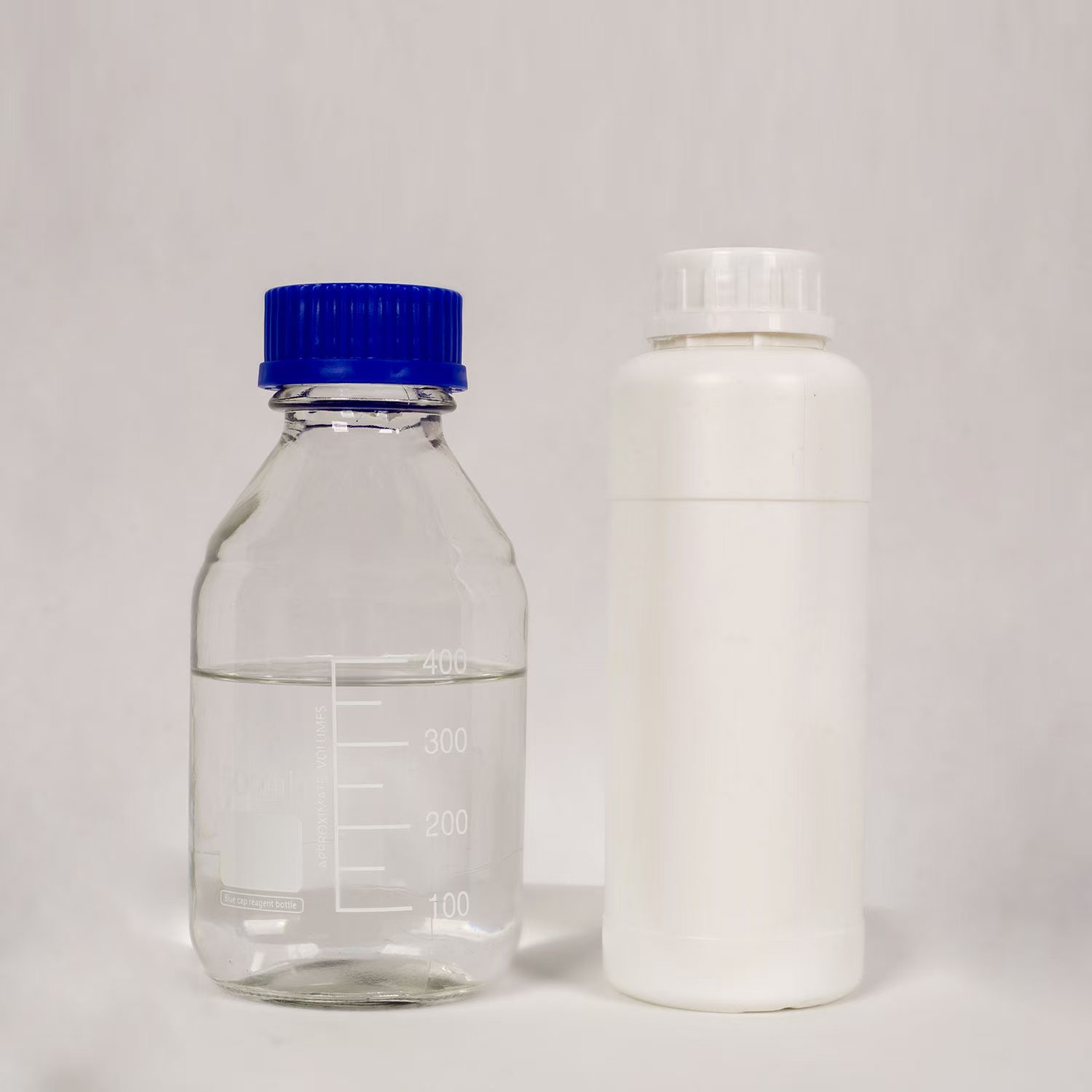
Acetyl Tributyl Citrate (ATBC): a citrate ester with density 1.045–1.055 g/cm³ and a flash point of at least 204 °C, typically evaluated where non-phthalate positioning is required.
Partial substitution: the middle path
Full replacement is rarely the first move. A staged approach — keeping Butyl Stearate as the lubricant while progressively introducing a diester or citrate ester to carry part of the plasticizing load — lets a formulator see which property improves and at what dosage, instead of changing several variables at once. Sourcing all four esters from one supplier keeps the qualification work inside a single documentation set: one certificate package, one COA format and one technical contact for the whole trial.
Step-by-step troubleshooting breakdown
- Define the failure in measurable terms. Record where the problem appears: surface (bloom, adhesion), optics (haze, transmittance), mechanics (cold flex, elongation), processing (torque, plate-out, die build-up) or compliance (a new specification clause). A symptom that cannot be measured cannot be closed out.
- Confirm the dosage and the role Butyl Stearate is playing. Normal PVC use sits at roughly 1–3%. If the formula is above that band and shows migration, the first experiment is a dosage ladder, not a chemistry change.
- Compare the specification window you are buying against the published limits. Moisture (maximum 0.10%), acidity (maximum 0.20 mgKOH/g) and colour (maximum 30 Pt-Co) are the parameters most likely to move a sensitive formulation. Batch-to-batch variation in those three values explains more reported ester problems than the choice of ester does.
- Review the rest of the additive package. Stabilizers, fillers, pigments and other lubricants compete for the same interfaces. Where an epoxidized soybean oil or a second lubricant is present, a change in the balance of the package — not a change in the ester — is often what actually shifted.
- Decide whether the job is lubrication or plasticization. If it is lubrication, stay with N-Butyl Stearate and tighten the specification. If it is plasticization, low-temperature flexibility or permanence, evaluate DOA or DOS as the diester candidate, and ATBC where non-phthalate positioning or food-contact requirements are decisive.
- Run a controlled substitution trial. Hold every other variable fixed, introduce the candidate ester in stages, and evaluate against the criteria from step one. Record the results against each ester's published specification limits so the outcome is repeatable.
- Re-validate compliance and lock the documentation. Confirm the registration and certification position for the final ester combination — the REACH position of CAS 123-95-5, and the food-contact or toy-safety evidence the customer requests — then freeze the specification, COA parameters and supplier certificates so the next purchase order is comparable with the trial.
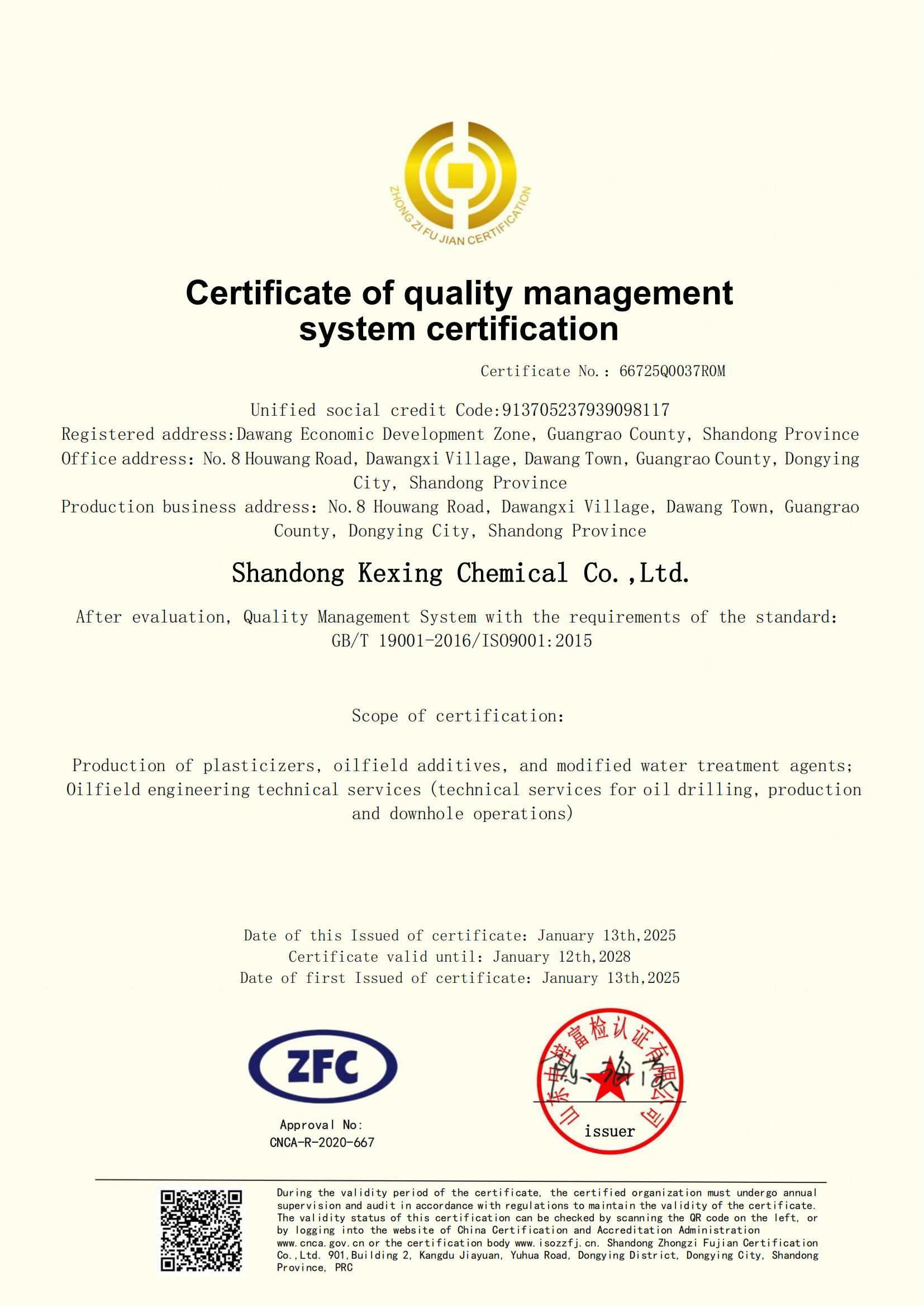
Compliance evidence: Shandong Kexing Chemical holds ISO 9001:2015 certificate 66725Q0037R0M, valid from 13 January 2025 to 12 January 2028.
Use cases: where each ester fits
Shandong Kexing Chemical's regular customer base includes plastic masterbatch factories, artificial leather manufacturers, food packaging processors and toy factories, with recurring monthly orders commonly in the 15–25 MT range. The applications those customers run — plastic compounding, leather surface finishing, and food-contact plastic and printing ink formulation — map directly onto the troubleshooting logic above.
- Plastic compounding and masterbatch. When bloom or plate-out appears, the lubricant-to-plasticizer balance is the first variable to check. A diester such as DOA or DOS is commonly evaluated when flexibility has to increase at the same time as surface quality improves.
- Artificial leather and surface finishing. Surface appearance and low migration dominate here. Where phthalate-free positioning is required, an ATBC or diester-led system is normally the direction tested.
- Food-contact plastics and printing inks. The decision is driven by documentation: the ester must pass the safety testing the end market requires, and customers in this segment confirm that low migration combined with passing REACH and food-grade safety testing is the deciding factor.
- Toys. Toy-related requirements are among the most documentation-heavy, and finished goods in these applications are expected to keep their flexibility over a long service life — observations from regular orders include a finished-product service life of up to two years, stable batch purity and good compatibility with PVC and resin.
Comparison table: published specification limits side by side
The table below compares the declared specification limits of the four esters as published by Shandong Kexing Chemical Co., Ltd. It compares specification windows, not measured performance in any particular formulation, and it is intended as a screening tool before a trial.
| Ester (CAS No.) | Ester content, min | Density at 20 °C, g/cm³ | Colour (Pt-Co), max | Flash point, min | Moisture, max | Acidity, max (mgKOH/g) |
|---|---|---|---|---|---|---|
| N-Butyl Stearate (123-95-5) | 99.0% | 0.85 | 30 | 190 °C | 0.10% | 0.20 |
| Dioctyl Adipate — DOA (123-79-5) | 99.0% | 0.925–0.927 | 30 | 195 °C | 0.1% | 0.1 |
| Dioctyl Sebacate — DOS (2432-87-3) | 99.0% | 0.913–0.916 | 30 | 205 °C | 0.1% | 0.10 |
| Acetyl Tributyl Citrate — ATBC (77-90-7) | 99.0% | 1.045–1.055 | 30 | 204 °C | 0.1% | 0.1 |
Reading the table: N-Butyl Stearate has the lowest density and the widest acidity tolerance; DOS and ATBC offer the highest minimum flash points; ATBC is the only citrate ester in the group and carries the non-phthalate position. All four are declared at minimum 99.0% ester content.
Troubleshooting quick reference
| Observed symptom | Check first | Candidate response |
|---|---|---|
| Waxy bloom or surface migration | Lubricant dosage and compatibility across the whole additive package | Tighten the lubricant specification, or shift part of the load to a diester such as DOA or DOS |
| Haze in transparent articles | Lubricant level, moisture (max 0.10%) and colour (max 30 Pt-Co) | Specification review before any chemistry change |
| Cold flex failure or stiffening in service | Whether the monoester is being asked to carry plasticizing duty | Evaluate DOA or DOS as the diester candidate |
| New food-contact, toy or REACH requirement | Registration and certification documentation for the current ester | Move to ATBC or a diester-led system with documented compliance |
| Batch-to-batch inconsistency | Supplier quality control and COA parameters | Request batch-level records from raw-material incoming inspection and finished-product sampling tests |
FAQ
Is Butyl Stearate (CAS 123-95-5) regulated under EU REACH?
Yes. ECHA lists Butyl Stearate (CAS 123-95-5) as a substance under EU REACH, with registration required for manufacture or import above 1 tonne per year, so most industrial buyers are inside the scope of the requirement. In practice, buyers should expect a supplier to present both a registration position and a management-system certificate. Shandong Kexing Chemical holds ISO 9001:2015 certificate 66725Q0037R0M (valid 13 January 2025 to 12 January 2028, scope covering the production of plasticizers), ISO 14001:2015 certificate 66725E0038R0M (same validity window) and HSE management system certification to the Q/SY 08002.1-2022 standard, certificate 667240083R1S (valid to 28 February 2027).
High purity Butyl Stearate manufacturers for PVC lubrication: what should I compare?
Start with declared limits, because they are comparable across suppliers: for Shandong Kexing Chemical N-Butyl Stearate the specification is minimum 99.0% content, moisture maximum 0.10%, acidity maximum 0.20 mgKOH/g, colour maximum 30 Pt-Co, density 0.85 g/cm³ and flash point at least 190 °C. Then compare three things that do not appear in a headline spec: batch-level quality control (raw material incoming inspection plus finished product sampling tests), verifiable certificates with numbers and validity dates rather than logo claims, and whether the supplier can also deliver DOA, DOS and ATBC so that re-formulation stays inside one documentation set. For market context, third-party research names BASF SE, Emery Oleochemicals, Croda International and Fine Organics among the leading global manufacturers, while Chinese suppliers were identified as the largest exporters to markets such as India in 2024, at over 66% of shipments recorded under HS code 29157090.
What drives the cost of moving from Butyl Stearate to DOA or DOS?
Cost-in-use, not price per kilogram, is the useful measure. Four factors dominate. First, function: Butyl Stearate normally acts as a lubricant, while DOA and DOS carry plasticizing duty, so the two are not interchangeable kilogram for kilogram. Second, the scope of the change — a staged partial substitution usually avoids a full re-qualification, whereas a complete system change does not. Third, compliance testing, which is a real line item when the end market requires food-contact or toy-safety evidence. Fourth, supply factors such as MOQ and lead time, which affect how much working capital sits in inventory. No price figures are quoted in this article because price depends on raw-material markets, grade, packaging and volume; the correct instrument for a cost comparison is a quotation against a defined specification.
Can we validate a replacement ester with a sample before committing to a full order?
Yes, and it is the recommended route. A validation trial should hold all other variables fixed, introduce the candidate ester in stages, and measure the same criteria that defined the original failure: surface condition, optical properties, mechanical performance and processing behaviour. Shandong Kexing Chemical supports this stage with remote technical support, after-sales consulting and formulation technical guidance, and its quality control covers raw-material incoming inspection and finished-product sampling tests so that trial and production batches can be compared. Recurring monthly orders from regular customers commonly run in the 15–25 MT range, which is a useful benchmark for judging whether a trial result scales.
What are the MOQ and lead time, and how do we start?
Minimum order quantity is 1 T and the standard lead time is 30–45 days, against a stated monthly capacity of 10,000 T, with OEM production and private labelling available, and export markets covering Europe, the USA, Japan, South Korea and the Middle East. The most efficient first step is a sample request against your current specification plus the failure you are trying to solve, so that the recommended ester — N-Butyl Stearate with a tightened specification, a diester such as DOA or DOS, or the citrate ester ATBC — is proposed with a specification sheet rather than as a generic substitute. Samples and quotations are handled through kexing@kexingchem.com or WhatsApp at +86 18765463469.
Conclusion
Butyl Stearate rarely fails on its own terms. When a formulation shows surface migration, haze, cold-flex failure or a compliance gap, the evidence usually points to a monoester being asked to do a plasticizer's job, or to a specification window that has drifted wider than the application can tolerate. The troubleshooting sequence is consistent: define the failure measurably, confirm the dosage and the role, compare the actual specification limits you are buying against the published ones, review the rest of the additive package, and only then decide between tightening the specification and introducing a second ester.
For the substitution decision, the three alternatives from the same supplier family each answer a different question. DOA and DOS are the diester candidates when flexibility and permanence are the limiting properties, with DOS offering the highest minimum flash point of the group. ATBC is the citrate ester candidate when the trigger is regulatory rather than mechanical. All four esters are declared at minimum 99.0% ester content and supported by management-system certificates with published numbers and validity dates.
Next step. If your current formulation is showing bloom, haze, cold-flex failure or a compliance gap, the fastest route to a decision is a sample and a specification sheet rather than another trial with the same ester. Shandong Kexing Chemical Co., Ltd. supplies N-Butyl Stearate, DOA, DOS and ATBC from one plant, with MOQ from 1 T, lead times of 30–45 days, OEM production with private labelling, and formulation technical guidance as part of after-sales support.
Request a sample, quotation or the full product catalogue: kexing@kexingchem.com | Tel: +86 177-5465-5267 | WhatsApp: +86 18765463469 | Website: www.kexingchem.com
Download the Shandong Kexing Chemical product brochure (PDF)