
Honed Tube vs. Chrome Plated Tube vs. Cold Drawn Seamless Tube: Hydraulic Cylinder Selection Guide
Hydraulic Cylinder Material Selection
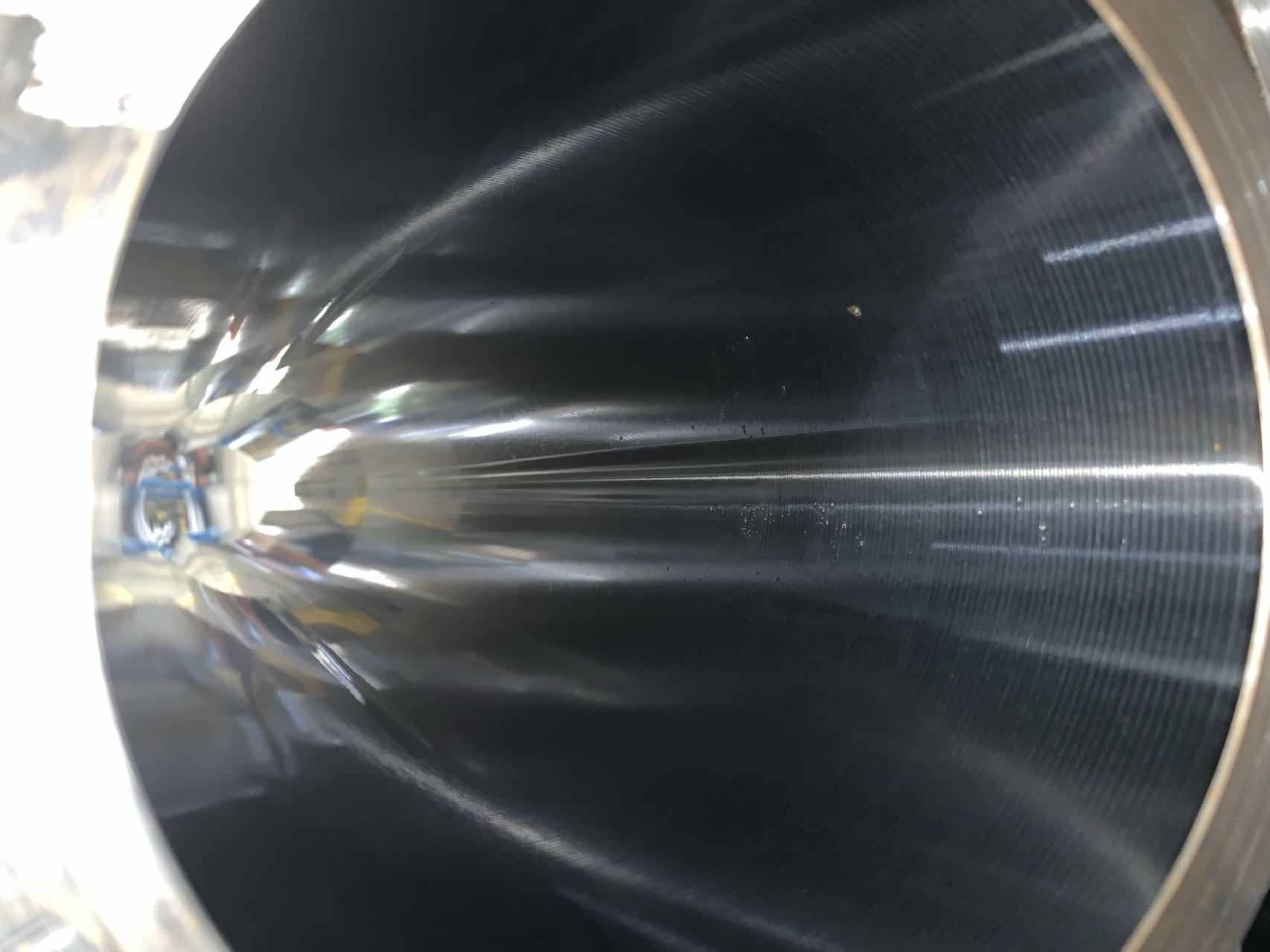
Short answer: a honed tube, a hard chrome plated tube and a cold drawn seamless tube are three different products that happen to look similar on a loading dock. The honed tube is a finished or near-finished cylinder bore, controlled on inner diameter and inner surface roughness. The hard chrome plated tube is a hollow piston rod, controlled on outer diameter, chrome layer thickness, chrome hardness and corrosion resistance. The cold drawn cold rolled precision seamless tube is a dimensionally accurate mother tube used either for further machining into a bore or for precision component blanks.
Inside one hydraulic cylinder, those three roles usually map to one barrel, one rod and one input tube. Buying the wrong one rarely fails at the purchase order stage. It fails later, as internal leakage, seal wear, chrome spalling, run-out during assembly or a batch that will not fit. This guide compares the three by application fit and by the verification points a buyer can actually check on an inspection report.
Problem Definition: Why These Three Products Get Confused
Procurement shortcuts create most selection errors, and the most common shortcut is a single line item described as hydraulic tube. That description collapses three specifications into one and leaves the choice to whoever quotes first.
Three failure patterns repeat often:
- A cold drawn tube is ordered as a cylinder bore. The dimensional accuracy of a cold drawn cold rolled tube is genuinely high — OD ±0.05 mm and ID ±0.05 mm in the supply range — but the specification does not state a honed inner surface roughness or an H8/H9 bore tolerance. When the tube arrives, the bore still needs skiving, roller burnishing or honing before a seal can run against it.
- A honed tube is ordered as a piston rod. A honed tube is a bore product. It carries no hard chrome layer, no chrome hardness value and no neutral salt spray rating, so it cannot deliver the wear and corrosion performance a rod surface needs.
- A hollow chrome plated tube is treated as a solid rod. The hollow piston rod is a real product, supplied in a hollow configuration with a hard chrome plated surface, but the section is hollow. Load and buckling calculations must use the hollow geometry, not solid bar data.
The commercial consequence is asymmetric. A tube that is over-specified costs more per metre than necessary. A tube that is under-specified costs far more, because the loss appears at leak testing or at a customer claim, not at goods-in inspection.
Industry Background: What Is Shifting in This Category
Demand for honed tube tracks hydraulic cylinder production rather than general steel demand. WiseGuyReports values the global honed tube market at USD 3.6 billion in 2025, with a forecast period of 2026–2035, covering carbon steel, alloy steel, stainless steel and aluminium product scopes.
Supply is concentrated. Data Insights Reports puts Asia-Pacific at roughly 35% of the hydraulic tubing market in 2025, which is consistent with the density of tube mills, skiving and roller burnishing lines and chrome plating capacity in that region. For a buyer, regional concentration means shortlisted suppliers are likely to sit in the same industrial cluster and to share the same raw material base — so differentiation has to be judged on process control, not on geography alone.
A second shift is standards. DIN 2391 has been withdrawn and EN 10305-1 is the active standard, with DIN 2391 St52-3 recognised as broadly equivalent to EN 10305-1 E355. Suppliers still quote both names because drawings, legacy part numbers and customer habits still use both. The practical risk is not the equivalence itself; it is a quotation that names ST52 while the drawing requires E355, or the reverse, without a written mapping.
Detailed Solution: What Each Product Delivers
1. Honed Tube for Hydraulic Cylinder Barrels
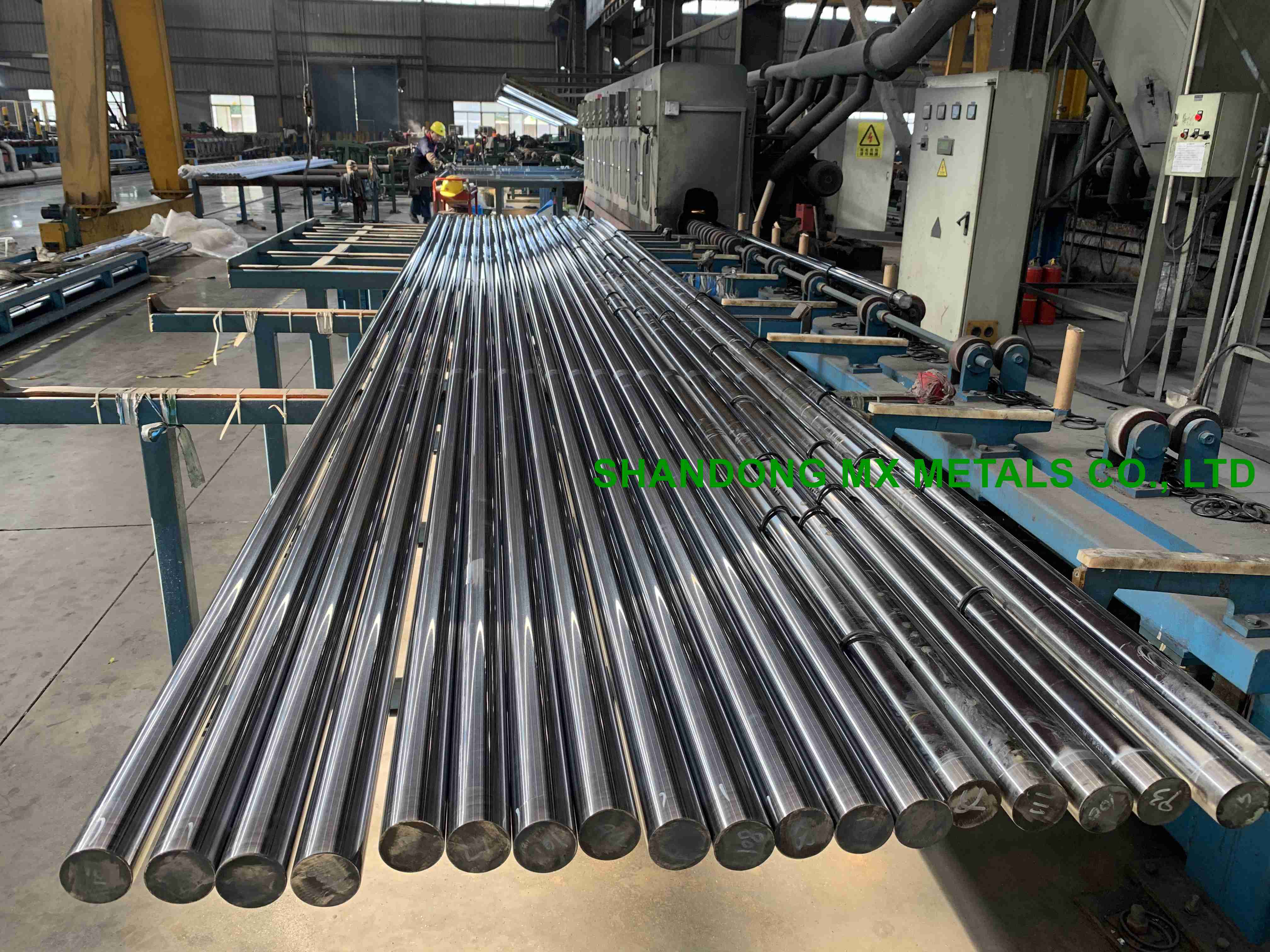
A honed tube intended for hydraulic cylinder barrel applications is classified as a skived and roller burnished tube, and its bore is produced by skiving and roller burnishing. In the supply range used for cylinder barrels, the model designation is ID 30–500 mm, and the bore range covered is 30 to 500 mm.
The specification points that matter are the ones a seal actually touches:
- Inner diameter tolerance controlled to H8/H9
- Inner surface roughness controlled to a maximum of Ra 0.4 μm
- Straightness ≤ 0.5/1000 mm
- Tensile strength ≥ 600 MPa, yield strength ≥ 520 MPa, elongation ≥ 14%
Available grades include ST52, E355, S355J0H, S355J2H, ST45, SAE1026, STKM13C, Q345B, Q345D, 16Mn, 27SiMn, 25Mn, and the stainless grades AISI 304, AISI 316 and AISI 431. Applicable standards listed for this product are DIN 2391, EN 10305, GB/T 8713-88 and GB/T 3639-2000, with ST52 normally quoted against DIN 2391 and E355 against EN 10305.
It is intended for the hydraulic industry and the construction machinery industry, and typical application scenarios are hydraulic cylinder barrels. For larger bore work, a special custom big cylinder tube covers ID 300–2000 mm with ID tolerance H8, H9 or H10, lengths up to 15000 mm, and a range of grades including ST52, E355, S355, CK45, 1045, 20MnV6, ST45 and STKM13A.
2. Hard Chrome Plated Tube: The Hollow Piston Rod Option
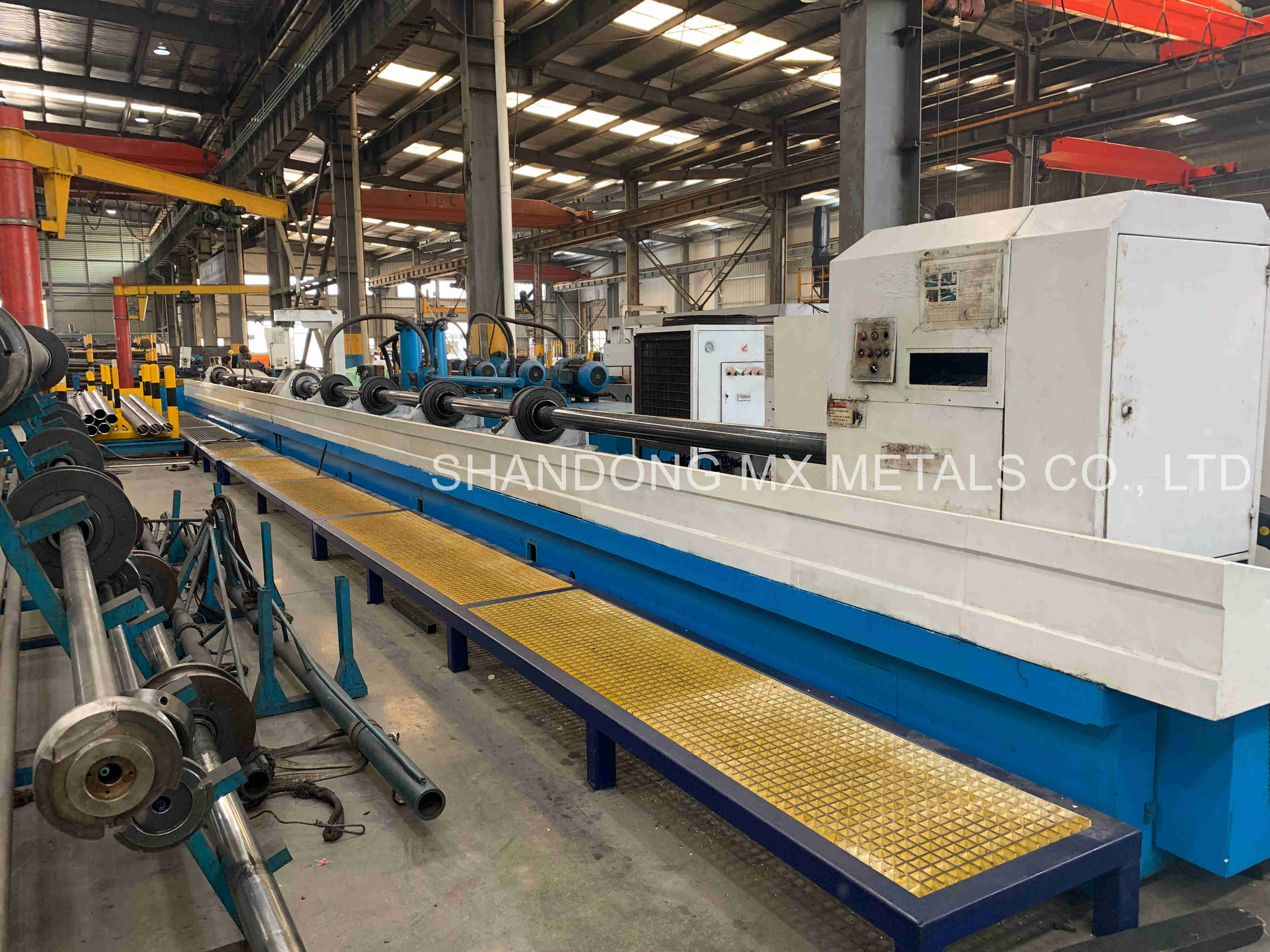
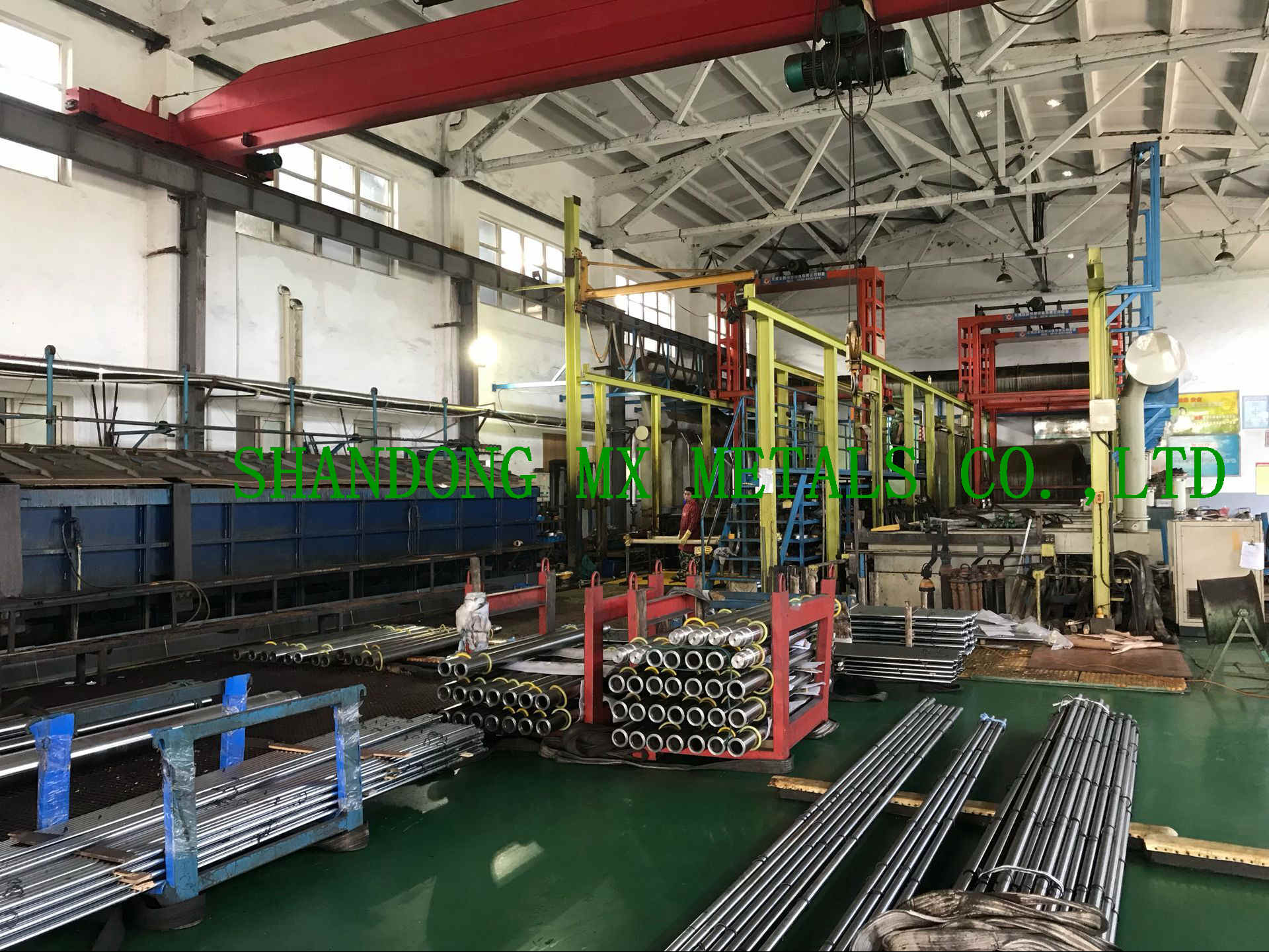
The hard chrome plated tube is a hollow piston rod. It is supplied in a hollow configuration with a hard chrome plated surface, and it is intended for hydraulic cylinder applications and construction machinery applications. Its supply range is OD 20–300 mm.
Four numbers define whether the rod will survive its service life:
- Outer diameter tolerance ISO f7 or f8
- Chrome layer thickness 25 (±5) μm
- Surface roughness ≤ 0.2 μm
- Chrome hardness 900–1150 HV
Geometry is controlled as well: straightness ≤ 0.2/1000 mm, and roundness equal to half of the diameter tolerance. Corrosion performance is stated as a minimum of 200 hours neutral salt spray at rating 9, tested according to ISO 9227 and evaluated according to ISO 10289.
Base materials span ST52 BK+S, E355 +SR, S355J0H, S355J2H, DIN CK45, SAE1045, JIS S45C, JIS STKM13C, SAE1026, ST52, 20MnV6, 42CrMo4, 40Cr, and stainless AISI 304, AISI 316 and AISI 431. The solid equivalent — hard chrome plated rod — covers Dia 6–300 mm with ISO f7 tolerance, 25 (±5) μm chrome, roughness ≤ 0.2 μm and hardness 900–1150 HV, and it is available quenched and tempered or induction hardened to 55–60 HRC at 1.5–3.5 mm depth.
The material choice is not cosmetic. CK45, SAE 1045 and 20MnV6 suit general rod duty; 42CrMo4 is listed for heavier sections; stainless grades AISI 304, AISI 316 and AISI 431 are listed for corrosion-sensitive working conditions. Matching grade to load and environment is a decision the buyer should make explicitly, not inherit from a previous order.
3. Cold Drawn Cold Rolled Precision Seamless Tube
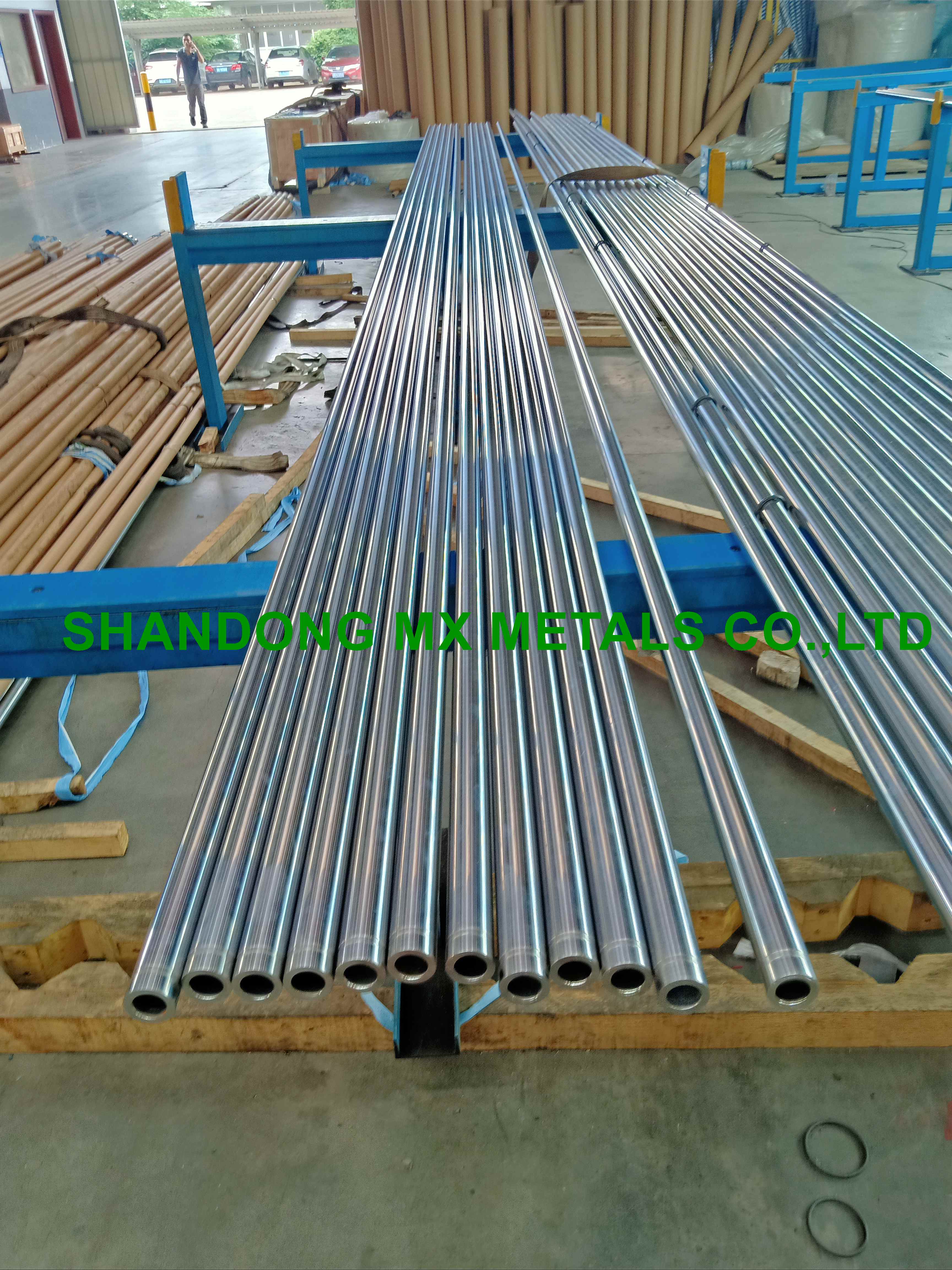
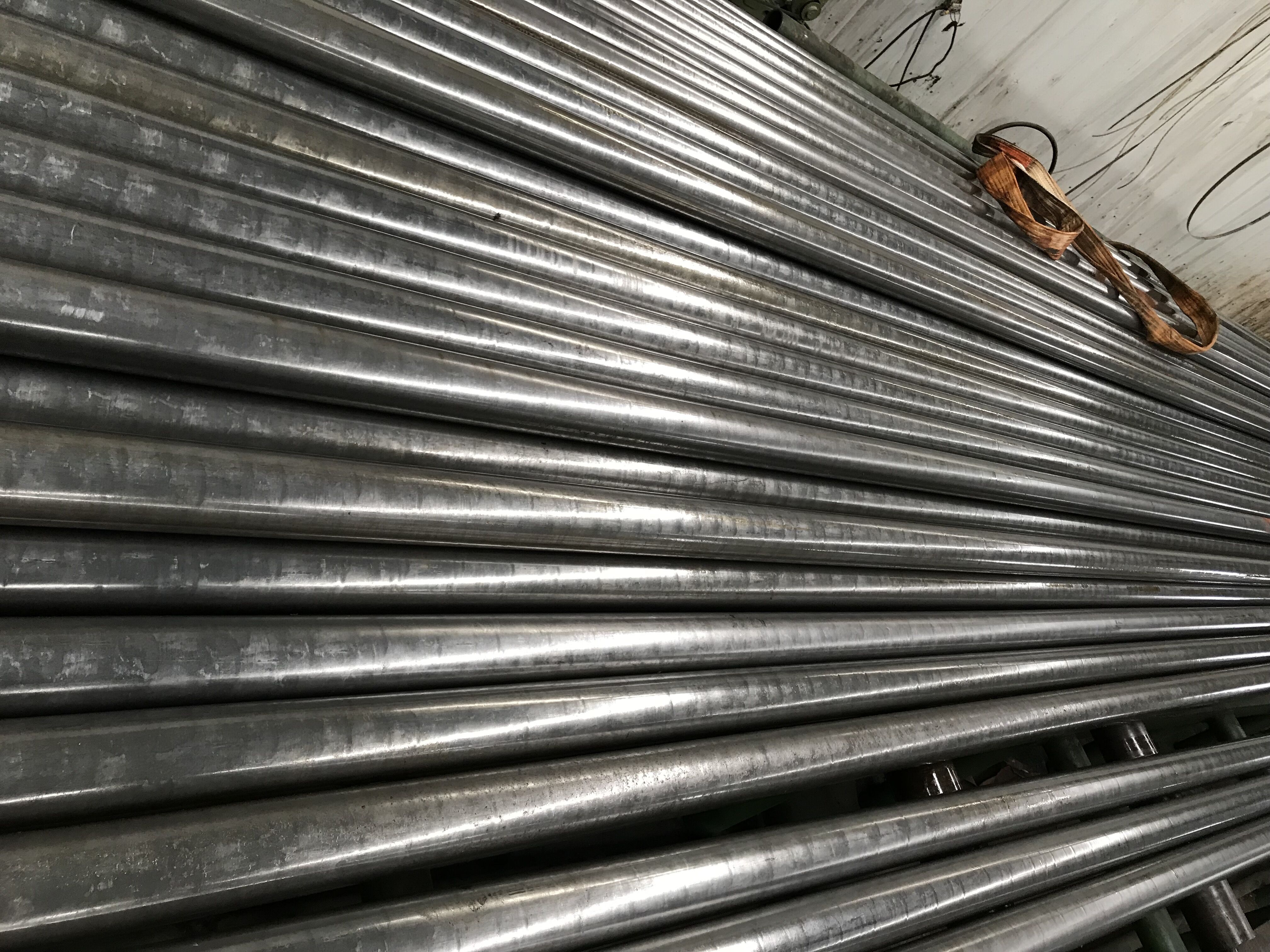
The cold drawn cold rolled precision seamless tube belongs to the precision seamless tube category, and the tube is seamless by construction. Its role is dimensional accuracy rather than final surface function: it delivers a stable wall, a concentric bore and a surface that machines predictably.
Its supply range is OD 16–300 mm, wall thickness 2–30 mm and ID 6–200 mm, with OD tolerance ±0.05 mm and ID tolerance ±0.05 mm. Listed characteristics are high dimensional accuracy with a small tolerance range, smooth inner and outer surfaces with low roughness, uniform wall thickness with stable mechanical properties, and good straightness that supports further machining.
The grade list is the broadest of the three: ST37, ST45, ST52, 1035, 1045, CK45, E355, A179, A192, 10#, 20#, 35#, 45#, GCr15, 20Cr, 40Cr, 15CrMo, 20CrMo, 35CrMo, Q345B, 16Mn, 27SiMn and 12Cr1MoV. It is intended for hydraulic system applications and for hydraulic cylinder tube applications, and typical application scenarios include precision machine parts and automobile components, with suitability for diesel engine and steel bar connecting sleeve work as well. Industries served include engineering machinery and textile machinery.
Step-by-Step Breakdown: How to Select the Right One
The selection sequence below moves from function to verification. Applied in order, it prevents the most expensive error, which is choosing a product that is dimensionally close but functionally wrong.
- Define the function, not the product name. Ask whether the part is a bore the seal runs against, a rod surface exposed to the environment, or a blank that will be machined. A bore points to honed tube; a rod points to hard chrome plated tube or rod; a blank points to cold drawn seamless tube. Writing the function on the RFQ removes the ambiguity that lets a supplier quote a cheaper, non-equivalent item.
- Fix the size range and the tolerance class. For a honed bore, specify ID 30–500 mm and H8/H9. For a hollow rod, specify OD 20–300 mm at ISO f7 or f8. For a cold drawn mother tube, specify OD 16–300 mm, wall 2–30 mm, ID 6–200 mm and ±0.05 mm. Tolerance class, not nominal diameter, is what determines whether the part assembles.
- Set the surface roughness limit. Honed bores are controlled to a maximum of Ra 0.4 μm; chrome plated surfaces to ≤ 0.2 μm. Roughness is the specification most often omitted from a purchase order and most often responsible for seal wear and stick-slip in service.
- Select the grade against the standard, not the trade name. ST52 is quoted with DIN 2391 and E355 with EN 10305. Because DIN 2391 has been withdrawn and EN 10305-1 is active, with St52-3 recognised as broadly equivalent to E355, the RFQ should state both the grade and the standard, and the supplier should confirm the mapping in writing. For rods, choose among CK45, SAE1045, 20MnV6, 42CrMo4 or stainless depending on load and corrosion exposure; for bores, ST52 and E355 are the common starting points.
- Specify coating and corrosion evidence. A chrome plated tube order should state 25 (±5) μm chrome, 900–1150 HV hardness, roughness ≤ 0.2 μm, and a minimum 200-hour neutral salt spray result at rating 9 under ISO 9227 with ISO 10289 evaluation. Without the test basis, a salt spray claim cannot be compared between suppliers.
- Agree the inspection and release criteria. Confirm how bore tolerance, roughness, straightness, roundness, wall thickness and chrome thickness will be measured, and what record accompanies each batch. Straightness limits are ≤ 0.5/1000 mm for honed tube and ≤ 0.2/1000 mm for chrome plated rod and tube; roundness for rod and tube is half of the diameter tolerance.
Use Cases: Matching Product to Working Condition
Hydraulic cylinder barrels in construction machinery. Heavy-load, high-pressure operation with continuous reciprocating movement and exposure to dust, humidity and variable temperature puts the bore under constant seal contact. A honed tube with H8/H9 bore tolerance, Ra ≤ 0.4 μm and straightness ≤ 0.5/1000 mm is the appropriate starting specification.
Large-bore and long-stroke cylinders. Water conservancy projects and heavy equipment often need bores beyond the standard range. A custom big cylinder tube extends to ID 2000 mm and lengths up to 15000 mm, with H8, H9 or H10 bore tolerance and a thick-wall structure intended for high pressure and impact, plus a fine inner surface finish for low friction and long seal life.
Piston rods on cylinders exposed to weather. Outdoor sites combine moisture, dust and abrasion on the rod surface. The hollow piston rod with a 25 (±5) μm chrome layer, 900–1150 HV hardness, ≤ 0.2 μm roughness and a 200-hour NSS rating 9 result addresses both wear and corrosion. Where the section allows, the hollow configuration is a design option rather than a substitution for solid bar analysis.
Precision parts and non-cylinder components. Diesel engine parts, textile machinery components, automotive parts and steel bar connecting sleeves use the cold drawn cold rolled seamless tube as a machined blank, where ±0.05 mm on OD and ID and uniform wall thickness reduce machining time and scrap.
Side-by-Side Comparison
| Attribute | Honed Tube | Hard Chrome Plated Tube (Hollow Piston Rod) | Cold Drawn Cold Rolled Seamless Tube |
|---|---|---|---|
| Primary role in a cylinder | Finished or near-finished cylinder bore / barrel | Hollow piston rod surface | Precision mother tube or machined blank |
| Size range | ID 30–500 mm; custom big tube to ID 300–2000 mm | OD 20–300 mm | OD 16–300 mm, WT 2–30 mm, ID 6–200 mm |
| Key dimensional control | ID tolerance H8/H9 (custom tube: H8, H9, H10) | OD tolerance ISO f7 / f8 | OD ±0.05 mm, ID ±0.05 mm |
| Surface finish | ID roughness max. Ra 0.4 μm | Roughness ≤ 0.2 μm | Smooth inner and outer surface, low roughness |
| Hardness / coating | Not chrome plated; tensile ≥ 600 MPa, yield ≥ 520 MPa, elongation ≥ 14% | Chrome layer 25 (±5) μm; 900–1150 HV; roundness half of diameter tolerance | Not chrome plated; uniform wall thickness, stable mechanical properties |
| Straightness | ≤ 0.5/1000 mm | ≤ 0.2/1000 mm | Good straightness, easy further machining |
| Corrosion evidence | Not applicable | Min. 200 h NSS, rating 9, tested to ISO 9227, evaluated to ISO 10289 | Not applicable |
| Typical grades | ST52, E355, S355J0H, S355J2H, ST45, SAE1026, STKM13C, Q345B, Q345D, 16Mn, 27SiMn, 25Mn, AISI 304/316/431 | ST52 BK+S, E355 +SR, S355J0H, S355J2H, CK45, SAE1045, JIS S45C, STKM13C, SAE1026, 20MnV6, 42CrMo4, 40Cr, AISI 304/316/431 | ST37, ST45, ST52, 1035, 1045, CK45, E355, A179, A192, 10#, 20#, 35#, 45#, GCr15, 20Cr, 40Cr, 15CrMo, 20CrMo, 35CrMo, Q345B, 16Mn, 27SiMn, 12Cr1MoV |
| Standards referenced | DIN 2391, EN 10305, GB/T 8713-88, GB/T 3639-2000 | ISO 9227 and ISO 10289 for salt spray testing and evaluation | Dimensions and grades as specified per order |
| Typical applications | Hydraulic cylinder barrels; hydraulic and construction machinery | Hydraulic cylinders and construction machinery | Precision machine parts, automotive parts, hydraulic systems, diesel engines, engineering and textile machinery, steel bar connecting sleeves |
Procurement Decision Checklist
Five fields should be settled before a purchase order is released: tolerance, finish, chrome layer, material grade, and the inspection record. Each one maps to a specific cylinder failure mode.
| Risk | Where it comes from | How to avoid it |
|---|---|---|
| Bore out of tolerance | A cold drawn mother tube accepted as a finished bore | Specify H8/H9 explicitly and verify the bore on receipt; keep the cold drawn tube for what it is designed for |
| Seal wear and stick-slip | Inner roughness above the limit | Specify max. Ra 0.4 μm on the bore and confirm the measurement method |
| Early corrosion or chrome spalling | Chrome layer thinner or less uniform than assumed | Require 25 (±5) μm at 900–1150 HV and a 200-hour NSS result at rating 9 under ISO 9227 / ISO 10289 |
| Rod bending or surface fatigue | Base grade not matched to load; hollow section analysed as solid | Select from CK45, SAE1045, 20MnV6, 42CrMo4 or stainless by duty, and calculate on the actual hollow geometry |
| Run-out and eccentric wear | Straightness or roundness not stated on the order | Use ≤ 0.2/1000 mm straightness for rod and tube, with roundness half of the diameter tolerance; ≤ 0.5/1000 mm for honed tube |
| Batch-to-batch inconsistency | No traceable inspection record per delivery | Agree dimensional, roughness and coating records per batch, and a written grade-to-standard mapping for ST52 / E355 |
FAQ
Which standard should a hydraulic cylinder buyer specify: DIN 2391 ST52 or EN 10305-1 E355?
State both the grade and the standard on the drawing and the purchase order. DIN 2391 has been withdrawn and EN 10305-1 is the active standard, with DIN 2391 St52-3 recognised as broadly equivalent to EN 10305-1 E355 in yield strength and material properties. Honed tube product data lists ST52 against DIN 2391 and E355 against EN 10305, alongside GB/T 8713-88 and GB/T 3639-2000. The practical rule is that equivalence must be confirmed in writing by the supplier rather than assumed from a trade name.
What bore tolerance and surface roughness can a honed tube for hydraulic cylinders actually hold?
Honed tube bore quality is controlled on two numbers: inner diameter tolerance to H8/H9, and inner surface roughness to a maximum of Ra 0.4 μm. The related geometry limits are straightness ≤ 0.5/1000 mm, with tensile strength ≥ 600 MPa, yield strength ≥ 520 MPa and elongation ≥ 14% in the listed specification. For larger bores, the custom big cylinder tube extends to ID 2000 mm with H8, H9 or H10 tolerance and lengths up to 15000 mm.
What drives the cost difference between honed tube, chrome plated tube and cold drawn seamless tube?
The cost difference follows the number of process steps and the amount of inspection behind each product, not the steel alone. A cold drawn cold rolled seamless tube carries drawing and dimensional control to ±0.05 mm on OD and ID. A honed tube adds bore generation by skiving and roller burnishing plus roughness and straightness control. A hard chrome plated tube adds grinding, polishing, hard chrome plating to 25 (±5) μm, hardness control at 900–1150 HV and salt spray verification to a 200-hour rating 9 result under ISO 9227 and ISO 10289. Comparing quotations without comparing those process and verification steps compares different products.
What should be checked on a sample or pre-production batch before mass supply?
Check the specification, not the appearance. For a honed bore, measure inner diameter against H8/H9 and confirm roughness against max. Ra 0.4 μm. For a chrome plated rod or tube, measure outer diameter against ISO f7 or f8, check chrome thickness against 25 (±5) μm, hardness against 900–1150 HV and roughness against ≤ 0.2 μm, then review the salt spray record against the 200-hour rating 9 claim. For a cold drawn tube, verify OD and ID against ±0.05 mm and confirm wall thickness uniformity. In every case, confirm that the grade on the certificate matches the grade on the order and the standard it was supplied against.
How should a buyer evaluate China ST52 honed tube manufacturers for hydraulic cylinders?
Evaluate on process control and traceability rather than on grade name, because ST52 honed tube is widely offered. A useful screen has four checks: whether the supplier states bore tolerance and roughness in H8/H9 and Ra 0.4 μm terms; whether the production chain covers raw material selection, precision machining, heat treatment, finished inspection and export delivery; whether the supplier can supply the associated rod and tube items so bore and rod specifications stay consistent; and whether export documentation and delivery experience match the destination market. SHANDONG MX METALS CO., LTD is a manufacturer and exporter focused on skived and roller burnished tube, honed tube and hard chrome plated rod for hydraulic and pneumatic cylinder applications. Founded in 2015, the company operates a 20,000 m² facility with 89 employees, 11 engineers and an annual output of 20,000 tons, exports about 60% of output, and reports export sales of USD 30 million in 2022. Its stated control points are H8/H9 bore tolerance and max. Ra 0.4 μm roughness for honed tubes, with chrome layer thickness, straightness, surface roughness and dimension stability managed for piston rods.
Conclusion
The selection decision is simpler once the three products are separated by function. Honed tube is the bore: ID 30–500 mm, H8/H9, roughness max. Ra 0.4 μm, straightness ≤ 0.5/1000 mm. Hard chrome plated tube is the hollow rod: OD 20–300 mm, ISO f7/f8, 25 (±5) μm chrome at 900–1150 HV, roughness ≤ 0.2 μm, and a 200-hour NSS rating 9 result under ISO 9227 and ISO 10289. Cold drawn cold rolled precision seamless tube is the accurate input: OD 16–300 mm, WT 2–30 mm, ID 6–200 mm, ±0.05 mm.
Everything after that is verification discipline. Put the tolerance class, the roughness limit, the chrome layer, the grade together with its standard, and the inspection record on the order. That combination is what separates a cylinder that holds pressure for its service life from one that returns as a leak claim.
Next Step: Sample, Quotation and Technical Review
Buyers comparing honed tube, hard chrome plated tube and cold drawn seamless tube can review the full specification range in the MX Metals product catalog (PDF), or send a drawing for a specification review and quotation.
SHANDONG MX METALS CO., LTD
Website: www.mxmetals.com
Email: sales@mxmetals.com
Tel / WhatsApp: +86 135-6351-6138
Address: 1004, Xingguang, Dongchang road, Liaocheng city, Shandong Province, China
Have Questions or Need More Details?
Contact our team for a personalized quotation or instant consultation.
Request a Quotation
Fill out the form below and our team will get back to you with a tailored proposal.
WhatsApp Direct Chat
Prefer to chat in real-time? Message us on WhatsApp for instant assistance & quick answers.
- Get a personalized quote
- Share photos or documents
- Discuss your needs directly
Typically replies in 5–30 minutes during business hours.