
Honed Tube vs. Hard Chrome Plated Tube vs. Cold Drawn Tube: Comparison for Hydraulic Cylinders
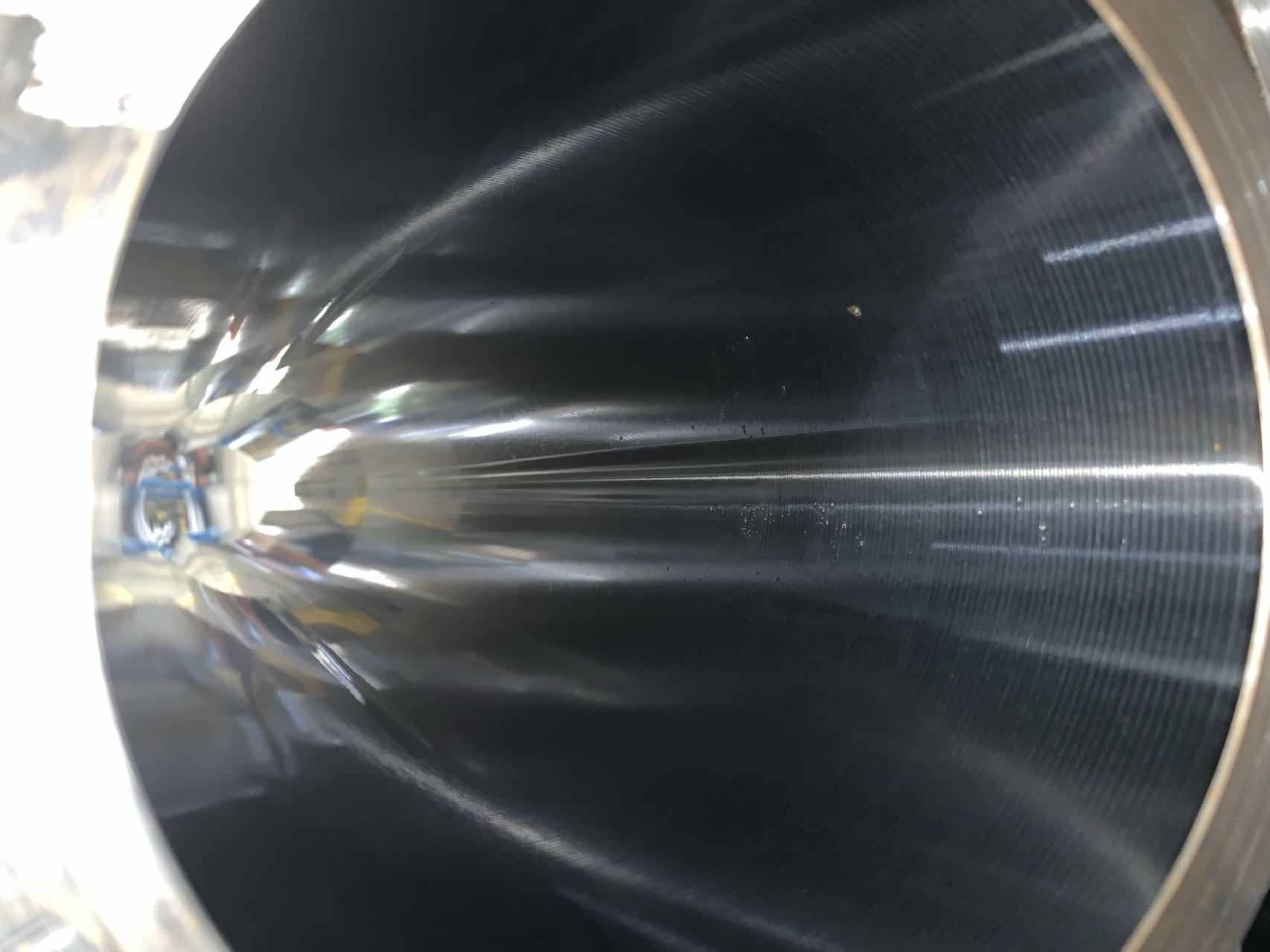
Honed tube, hard chrome plated tube and cold drawn precision seamless tube are frequently quoted against each other in the same purchasing enquiry, yet inside a hydraulic cylinder they do three different jobs. The honed tube forms the cylinder bore. The hard chrome plated tube is a hollow piston rod with a plated outer surface. The cold drawn tube is the dimensionally accurate base tube from which barrel tube, chrome bar and machined parts are produced.
The practical decision rule is short: specify a honed tube for the barrel bore, a hard chrome plated tube or hard chrome plated rod for the sliding rod surface, and a cold drawn cold rolled precision seamless tube when you need tight OD/ID tolerance before your own machining. Buying one of these products to replace another is where most cylinder quality problems begin.
Problem Definition: Why These Three Products Get Compared
The confusion comes from the supply chain, not from engineering. All three products start from similar carbon steel chemistries, all three are tubes, and all three are often quoted by the same mill or stockist. From a purchasing desk they look like one family. From a cylinder drawing they are three separate line items.
Three specific miscalculations appear again and again:
- Bore and rod are treated as one item. A honed tube is finished on the inside diameter; a hard chrome plated tube is finished on the outside diameter. Substituting one for the other removes either the bore finish or the corrosion protection.
- Cold drawn tube is treated as a ready-to-use barrel. A cold drawn cold rolled precision seamless tube is dimensionally accurate, with OD and ID tolerance of ±0.05 mm, but it is a base tube. Using it as a final bore without the required bore finishing moves roughness and geometry variation onto the seal.
- Chrome layer is treated as a cosmetic detail. On the rod side, chrome layer thickness and surface hardness determine corrosion resistance and sliding wear. A thin or inconsistent layer shows up later as pitting on equipment working in dusty, humid and variable-temperature conditions.
The consequence is measurable at the cylinder level: inconsistent bore geometry increases friction and internal leakage, and an under-specified rod surface shortens seal service life. Both effects appear after the cylinder is assembled, when material cost has already been committed.
Industry Background: Standard Names and Supply Structure
Two background facts explain why the same tube is described with different names in different purchase orders.
First, the standards have moved. DIN 2391 has been withdrawn and EN 10305-1 is the active standard for cold drawn seamless precision tubes. ST52-3 under DIN 2391 is technically equivalent to E355 under EN 10305-1, with improved chemistry control in the current grade. This is why Chinese suppliers list both: DIN 2391 appears with ST52, and EN 10305 appears with E355.
Second, the volume sits in one region. Commercial market research published in 2026 values the global honed tube market at USD 3.6 billion in 2025, with a forecast period of 2026–2035 (WiseGuyReports). Data Insights Reports, in its analysis of hydraulic tubing, places Asia-Pacific at 35% of the hydraulic tubing market. For buyers, the practical reading is that Asian tube mills are not a marginal option; they are the densest part of the supply base, which is why the question of how to compare them on specification rather than on price alone keeps coming up.
Detailed Comparison: Specifications That Decide the Application
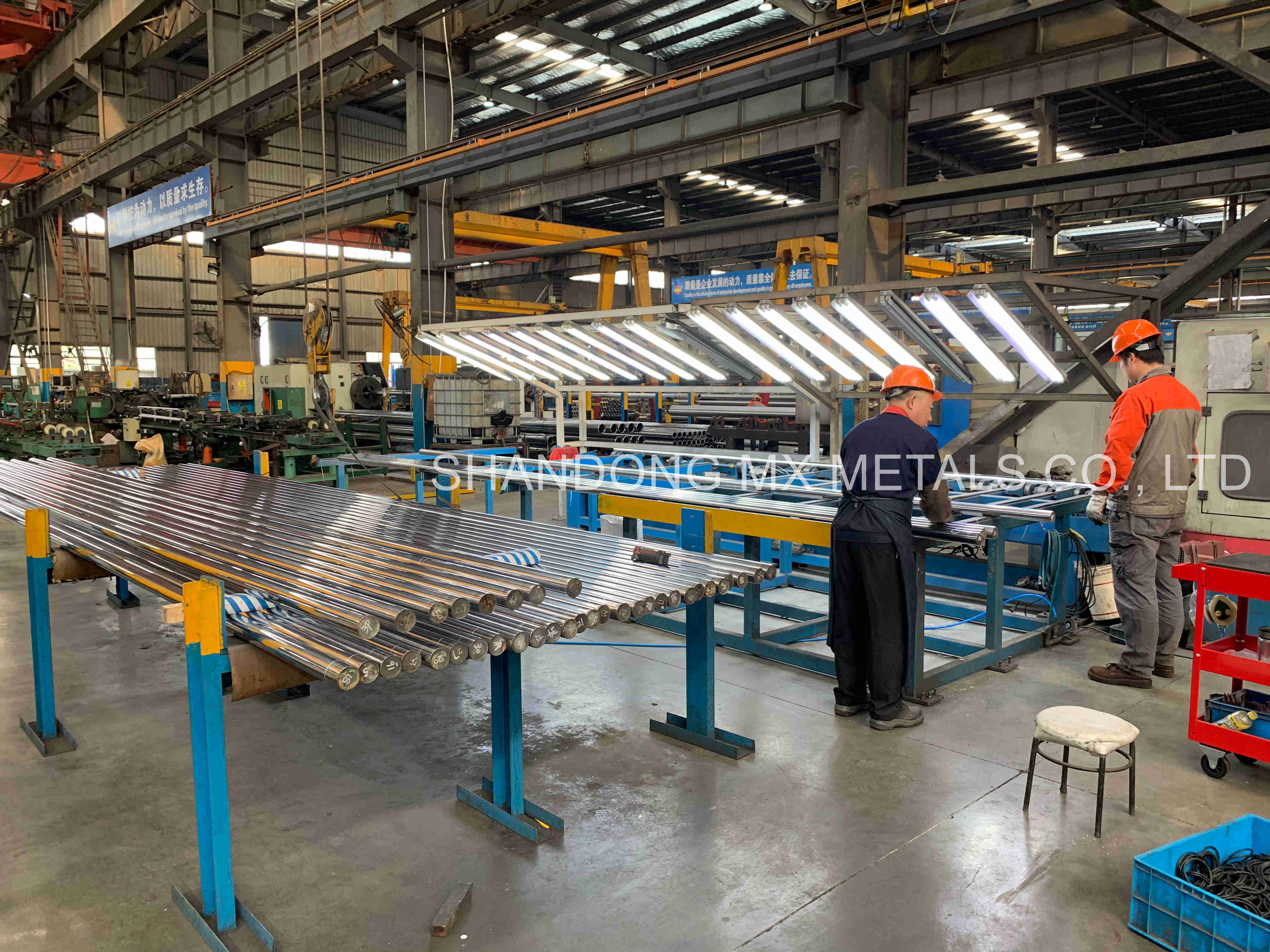
SHANDONG MX METALS CO., LTD (www.mxmetals.com) is a manufacturer and exporter focused on skived and roller burnished tube, honed tube and hard chrome plated rod for hydraulic and pneumatic cylinder applications. The company was founded in 2015, operates a 20,000 m² factory with 89 employees and 11 engineers, and reports annual output of 20,000 tons with an export ratio of 60%. Its specification ranges are useful as a concrete reference for the three-way comparison, because all three product families are produced under one roof and can be compared on the same data sheet format.
1. Honed Tube for Hydraulic Cylinder Barrels
Specification reference (Honed Tube, ID 30~500 mm):
- ID tolerance: H8 as the listed standard; the company controls ID tolerance to H8/H9 on honed tubes.
- ID roughness: ≤0.2 μm in the product specification; company-stated control is a maximum of Ra 0.4 μm.
- Straightness: ≤0.5/1000 mm.
- Mechanical values in the listed specification: tensile strength ≥600 MPa, yield strength ≥520 MPa, elongation ≥14%.
- Materials: ST52, E355, S355J0H, S355J2H, ST45, SAE1026, STKM13C, Q345B, Q345D, 16Mn, 27SiMn, 25Mn, AISI 304, AISI 316, AISI 431.
- Standards: DIN 2391, EN 10305, GB/T 8713-88, GB/T 3639-2000.
For a barrel, the inner diameter tolerance and the bore roughness are the two numbers that matter most, because the piston seal runs directly on that surface. H8 or H9 keeps the bore-to-piston clearance inside the seal design window, and a low Ra value reduces friction and the risk of leakage past the seal. A DIN 2391 ST52 honed tube and an EN 10305-1 E355 honed tube are the two specification routes buyers most often write; both grades are available in this range, so the choice can follow the drawing rather than the mill's stock position.
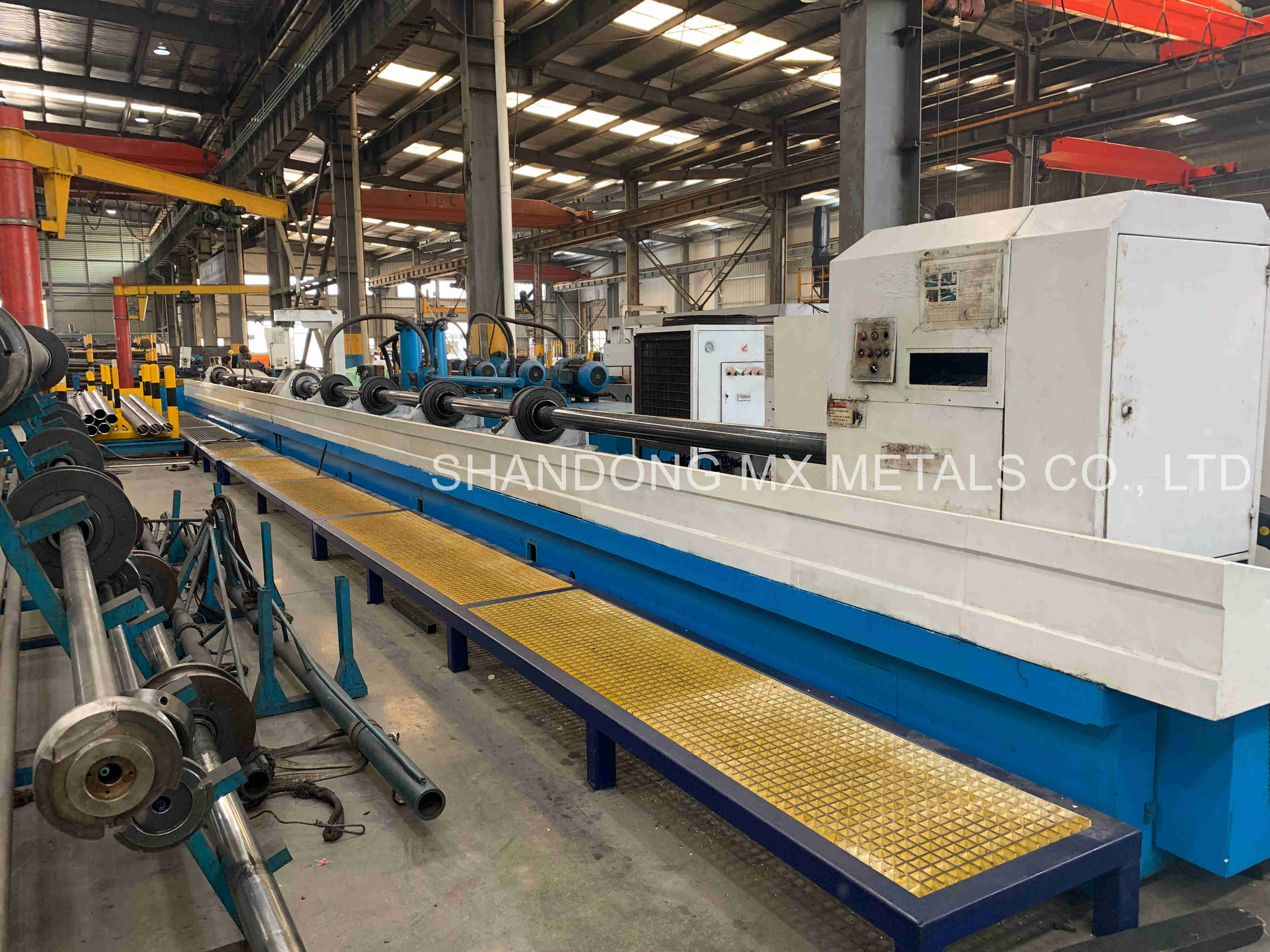
2. Hard Chrome Plated Tube (Hollow Piston Rod)
Specification reference (Hard Chrome Plated Tube, OD 20~300 mm):
- Outer diameter tolerance: ISO f7, f8.
- Chrome layer thickness: 25 (±5) μm.
- Surface roughness: ≤0.2 μm.
- Surface hardness: 850–1150 HV on the plated tube; the hard chrome plated rod range is specified at 900–1150 HV.
- Straightness: ≤0.2/1000 mm; roundness: half of the diameter tolerance.
- Corrosion resistance: minimum 200 hours NSS with rating 9, tested according to ISO 9227 and evaluated according to ISO 10289.
- Base materials: ST52 BK+S, E355 +SR, S355J0H, S355J2H, DIN CK45, SAE1045, JIS S45C, JIS STKM13C, SAE1026, ST52, 20MnV6, 42CrMo4, 40Cr, AISI 304, AISI 316, AISI 431.
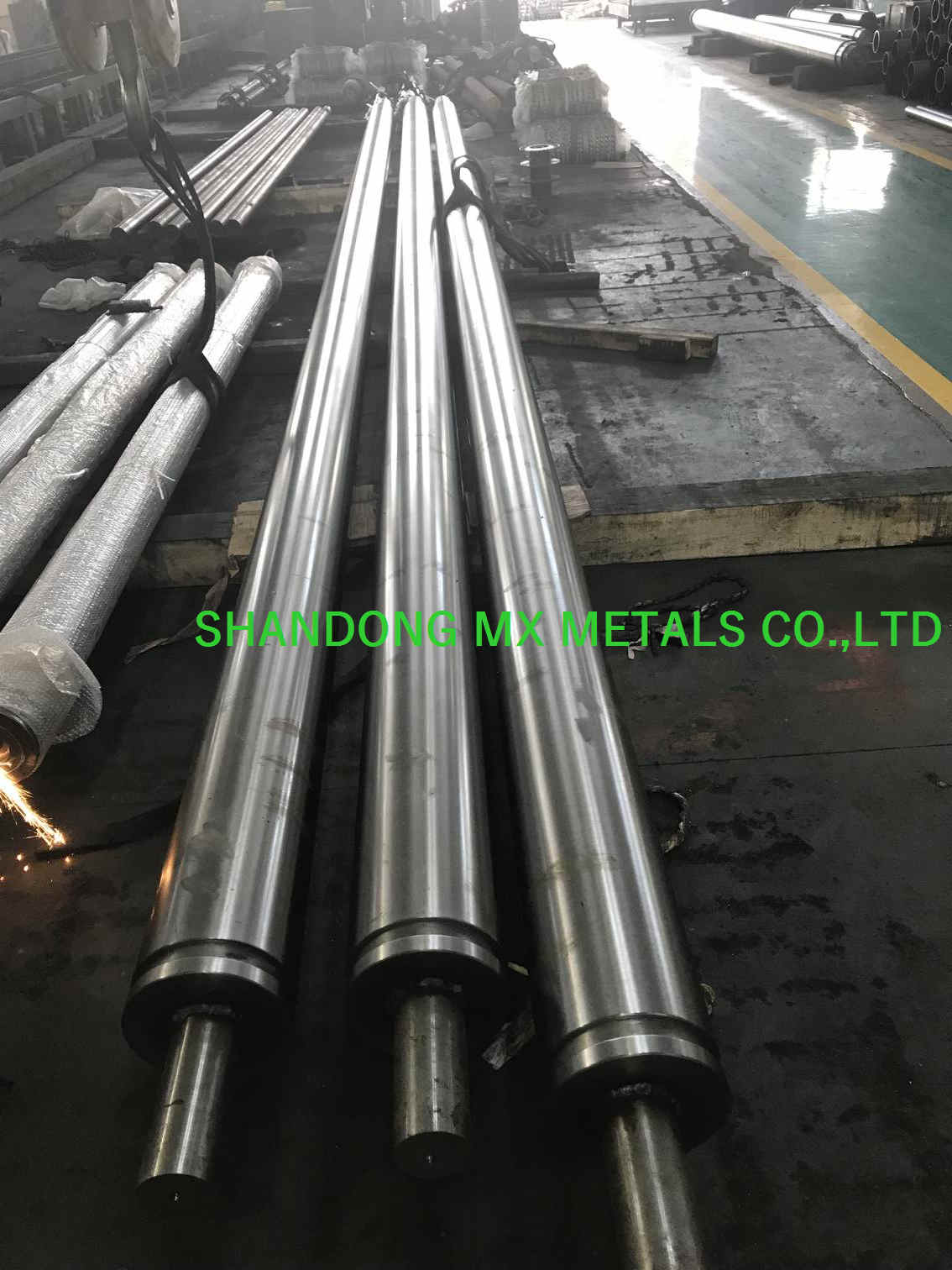
The chrome layer is the functional surface, not a finish. A 25 μm nominal layer with a controlled range, combined with 850–1150 HV surface hardness, is what produces the 200-hour neutral salt spray performance that buyers write into specifications for outdoor, humid or dusty sites. Grade selection then follows load and machining intent: a CK45 hard chrome plated rod or a SAE 1045 hard chrome plated rod for general cylinder duty, a 20MnV6 hard chrome plated rod where higher strength is needed, and a 42CrMo4 chrome plated rod for heavier sections. Where a chrome bar must also carry bending load in a large cylinder, the hollow chrome bar format saves weight compared with a solid chrome bar.
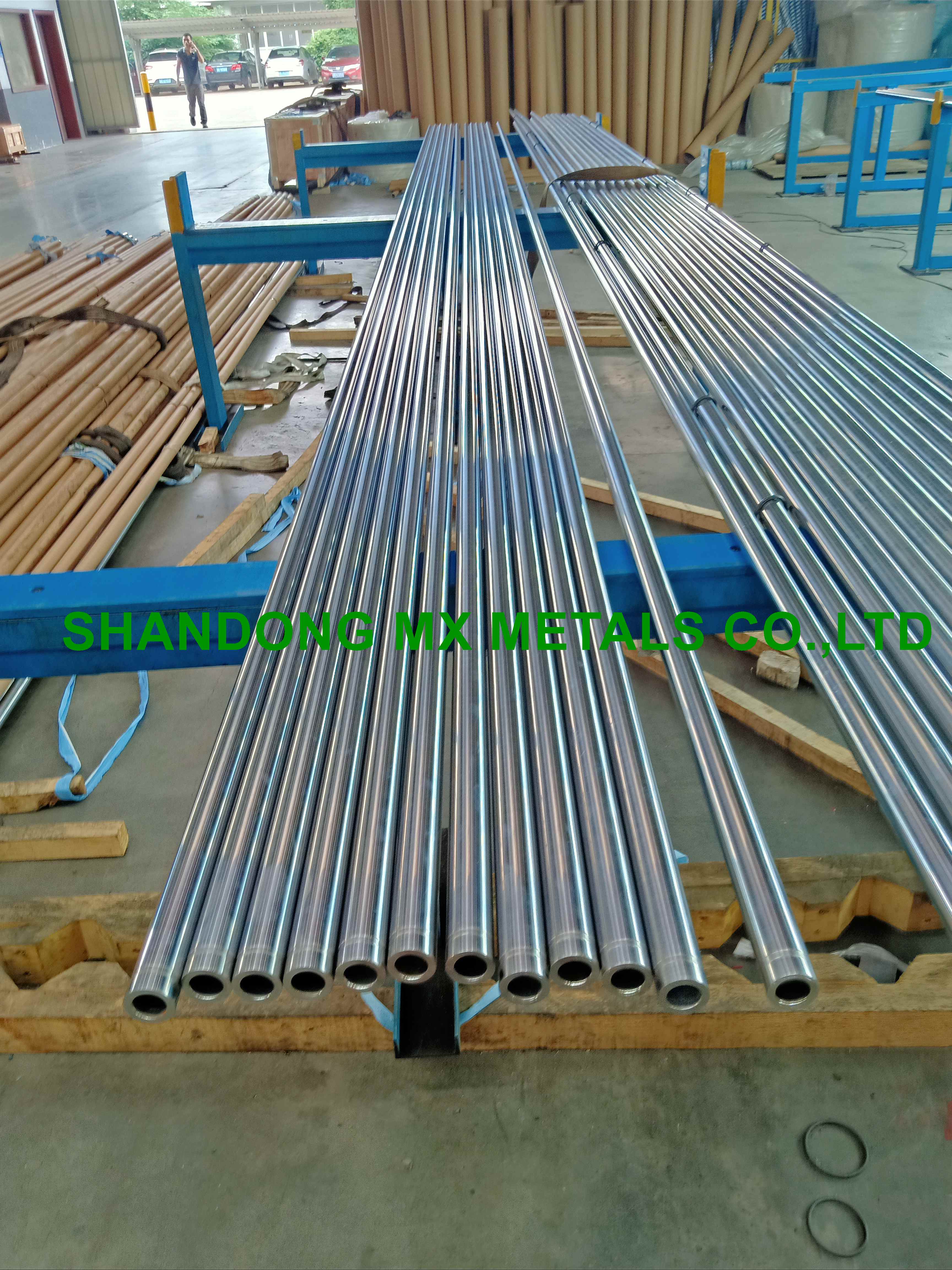
3. Cold Drawn Cold Rolled Precision Seamless Tube
Specification reference (Cold Drawn Cold Rolled Precision Seamless Tube):
- Size: OD 16–300 mm, WT 2–30 mm.
- Tolerance: OD ±0.05 mm, ID ±0.05 mm.
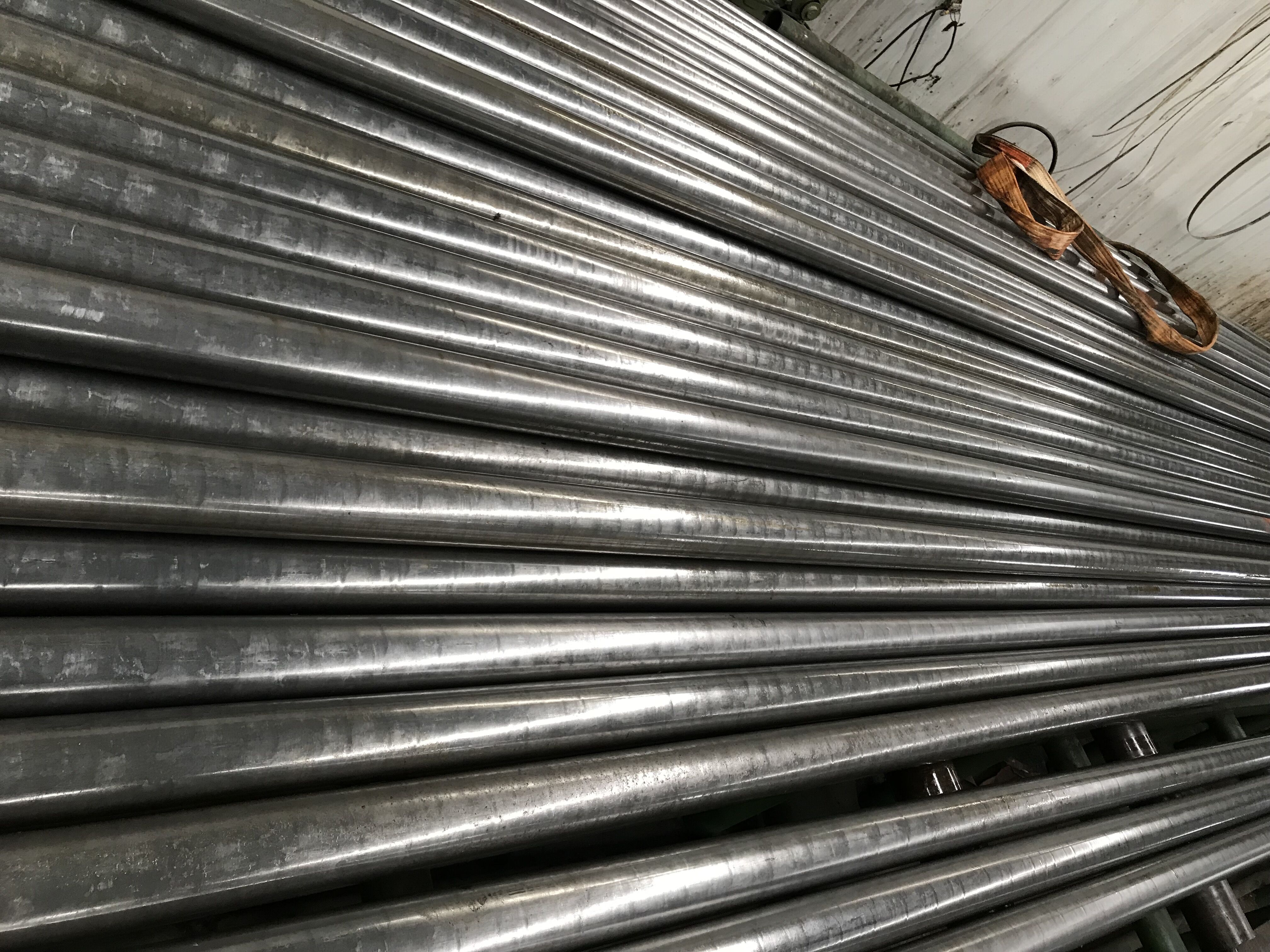
- Stated characteristics: high dimensional accuracy with a small tolerance range, smooth inner and outer surface with low roughness, uniform wall thickness, stable mechanical properties, good straightness, and suitability for further machining.
- Materials include ST37, ST45, ST52, 1035, 1045, CK45, E355, A179, A192, 10#, 20#, 35#, 45#, GCr15, 20Cr, 40Cr, 15CrMo, 20CrMo, 35CrMo, Q345B, 16Mn, 27SiMn, 12Cr1MoV.
- Applications: hydraulic cylinder tube and hydraulic system applications, precision machine parts, automobile components, diesel engine, engineering machinery, textile machinery, steel bar connecting sleeve.
This is the product that makes the comparison difficult, because ±0.05 mm on both OD and ID is a genuinely precise tube. What it does not have is a finished functional surface. Buyers who plan to machine, hone or skive the tube in their own plant should buy at this stage; buyers who want to press a seal against the bore should not. A cold drawn seamless honed tube is the intermediate step — drawn to precision, then bore-finished — and that is the form most barrel buyers actually need.
Step-by-Step Breakdown: How to Specify and Confirm the Right Tube
The sequence below converts the specification differences into a purchasing decision. It works whether the cylinder is a standard construction machinery cylinder or a one-off water conservancy project cylinder.
- Identify the surface first. If the part is the barrel, the requirement is an internal bore: honed or skived and roller burnished tube. If the part is the rod, the requirement is an external plated surface: hard chrome plated tube or hard chrome plated rod. If the part is a base tube for in-house machining, the requirement is a cold drawn precision seamless tube. Settle this before discussing price.
- Fix the material grade against the drawing standard. For barrel tube, ST52 with DIN 2391 and E355 with EN 10305 are the two routes, and DIN 2391 has been withdrawn in favour of EN 10305-1. For rod, DIN CK45 and SAE 1045 are the common starting grades, with 20MnV6 and 42CrMo4 where strength requirements are higher. For base tube, the grade list is wider and should be matched to the subsequent machining and any heat treatment.
- Set tolerance and roughness by function, not by habit. Barrel bore: H8 as standard, with H8/H9 controlled in production. Rod OD: ISO f7 or f8. Base tube: OD/ID ±0.05 mm. Surface roughness follows the same logic — bore roughness ≤0.2 μm in the honed tube specification, with a maximum of Ra 0.4 μm as the company-stated control, and ≤0.2 μm on the chrome plated surface.
- Define the corrosion requirement explicitly. For any rod exposed to weather, wash-down or humid air, write the test, not the adjective: minimum 200 hours NSS with rating 9, tested to ISO 9227 and evaluated to ISO 10289. This converts chrome layer thickness from a claim into a verifiable acceptance criterion.
- Check straightness and length against the machine, not the warehouse. Honed tube is specified at ≤0.5/1000 mm and chrome plated tube at ≤0.2/1000 mm. For large cylinders, confirm the size envelope early: custom big cylinder tube and rod is available up to ID 2000 mm with ID tolerance H8, H9 or H10 and length up to 15000 mm.
- Confirm the inspection and documentation route. Ask which stages are inspected and which records travel with the shipment — dimensional report, roughness, chrome layer thickness, salt spray result. A supplier with an integrated chain from raw material selection through precision machining, heat treatment, hard chrome plating, finished inspection and export delivery can answer this without escalation.
- Confirm packing, marking and logistics mode. Tube is long, heavy and surface-sensitive. Confirm end protection for chrome surfaces, bundle or crate format, and whether sea, railway or multi-modal routing is planned, then release the order.
| Confirmation point | What to state on the purchase order | Risk if left open |
|---|---|---|
| Function | Barrel bore, rod surface, or base tube for further machining | Wrong product family delivered; unusable without rework |
| Material and standard | ST52 with DIN 2391, or E355 with EN 10305-1; CK45 / SAE 1045 / 20MnV6 / 42CrMo4 for rod | Grade substitution and mismatch with drawing approval |
| Dimension and tolerance | ID and OD with tolerance class (H8/H9/H10, ISO f7/f8, ±0.05 mm) | Assembly interference or excessive clearance |
| Surface roughness | Ra value with measuring method | Seal friction, leakage, inconsistent batches |
| Straightness | mm per 1000 mm | Bending during assembly; rod seal misalignment |
| Corrosion test | 200 h NSS rating 9 to ISO 9227 / ISO 10289 | Chrome pitting in humid or outdoor service |
Use Cases: Matching the Product to the Working Condition
Construction machinery cylinders. Heavy-load, high-pressure operation with continuous reciprocating movement, dust, humidity and variable temperature. The barrel is a honed tube in ST52 or E355; the rod is a hard chrome plated rod or hollow chrome bar with the 200-hour NSS corrosion requirement written into the order.
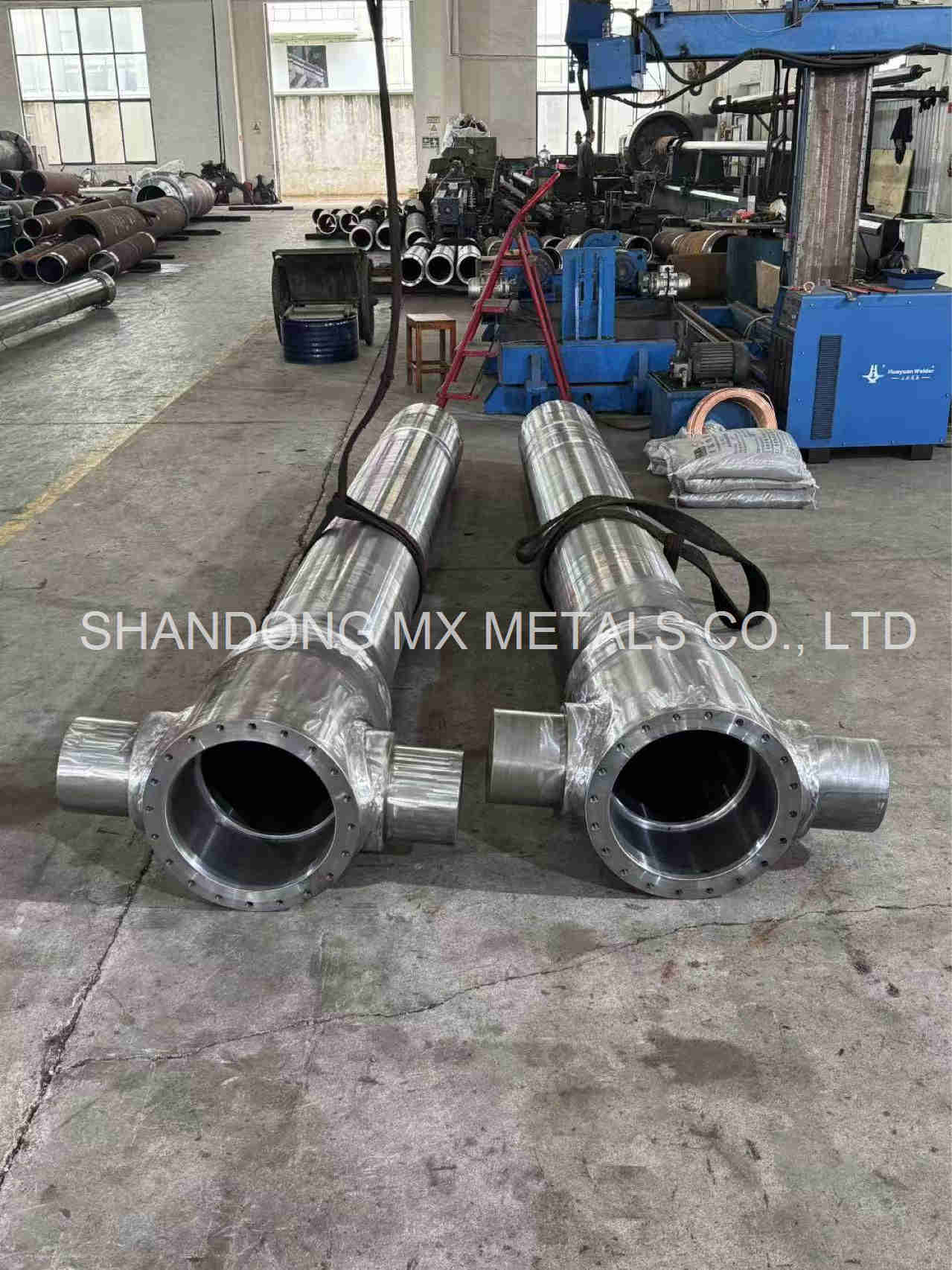
Water conservancy and large project cylinders. Where bore size moves beyond standard ranges, a big bore cylinder tube is the relevant product: custom big cylinder tube and rod up to ID 2000 mm, ID tolerance H8/H9/H10, length up to 15000 mm, with a thick-wall structure for high pressure and impact and a fine inner surface for low friction and long seal service life.
Pneumatic and hydraulic cylinder applications. The same bore and rod logic applies to pneumatic cylinder builds; the difference is load and medium, not the surface principle.
In-house machining and non-cylinder parts. Cold drawn cold rolled precision seamless tube covers precision machine parts, automobile components, diesel engine parts, textile machinery and steel bar connecting sleeves, where the ±0.05 mm OD/ID tolerance and good straightness reduce machining allowance.
Corrosion-sensitive conditions. Stainless grades AISI 304, AISI 316 and AISI 431 appear in the honed tube and chrome plated product material lists specifically for corrosion-sensitive working conditions, where a carbon steel bore or rod would not hold up.
Comparison Table: Honed Tube vs. Hard Chrome Plated Tube vs. Cold Drawn Tube
| Comparison point | Honed Tube | Hard Chrome Plated Tube | Cold Drawn Precision Seamless Tube |
|---|---|---|---|
| Function in the cylinder | Barrel bore; the seal runs on the inner surface | Hollow piston rod; the seal and wiper run on the plated outer surface | Base tube for barrel tube, rod blank or machined parts |
| Finished surface | Inner diameter, skived and roller burnished bore | Outer diameter, hard chrome plated | None functional; accurate but unfinished for sealing |
| Size range | ID 30–500 mm | OD 20–300 mm | OD 16–300 mm, WT 2–30 mm |
| Dimensional tolerance | H8 standard; H8/H9 controlled | ISO f7, f8 | OD ±0.05 mm, ID ±0.05 mm |
| Surface roughness | ≤0.2 μm specification; max Ra 0.4 μm company control | ≤0.2 μm | Low roughness, smooth inner and outer surface |
| Straightness | ≤0.5/1000 mm | ≤0.2/1000 mm | Good straightness stated |
| Surface hardness | Not a plated surface; mechanical values include tensile ≥600 MPa, yield ≥520 MPa | 850–1150 HV plated tube; 900–1150 HV rod | Depends on grade and heat treatment |
| Corrosion protection | Not applicable to the bore; stainless grades available for sensitive conditions | Min. 200 h NSS rating 9, tested to ISO 9227 / ISO 10289 | Not a corrosion-protected surface |
| Typical materials | ST52, E355, S355J0H, S355J2H, ST45, SAE1026, STKM13C, Q345B, Q345D, 16Mn, 27SiMn, 25Mn, AISI 304/316/431 | ST52 BK+S, E355 +SR, S355J0H, S355J2H, DIN CK45, SAE1045, JIS S45C, JIS STKM13C, SAE1026, ST52, 20MnV6, 42CrMo4, 40Cr, AISI 304/316/431 | ST37, ST45, ST52, 1035, 1045, CK45, E355, A179, A192, 10#–45#, GCr15, 20Cr, 40Cr, 15CrMo, 20CrMo, 35CrMo, Q345B, 16Mn, 27SiMn, 12Cr1MoV |
| Standards referenced | DIN 2391, EN 10305, GB/T 8713-88, GB/T 3639-2000 | Corrosion test per ISO 9227, evaluation per ISO 10289 | ST52 with DIN 2391; E355 with EN 10305 |
| Buyer decision trigger | Bore must accept a seal as supplied | Rod is exposed to weather, dust or wash-down | Buyer will machine, hone or skive in-house |
Reading the table: the three products are complementary, not interchangeable. A cylinder normally needs a honed tube on the bore side and a hard chrome plated tube or rod on the rod side; the cold drawn precision seamless tube sits upstream of both as the base material.
FAQ
Is DIN 2391 ST52 honed tube still a valid specification, or should buyers move to EN 10305-1 E355?
Both designations can be written, but they carry different status. DIN 2391 has been withdrawn and EN 10305-1 is the active standard for cold drawn seamless precision tubes; ST52-3 under DIN 2391 is technically equivalent to E355 under EN 10305-1, with improved chemistry control in the current grade. In practice, honed tube ranges list DIN 2391 together with ST52 and EN 10305 together with E355, so the grade can follow the drawing. Buyers updating older drawings should keep the mechanical requirement and move the standard reference to EN 10305-1 rather than re-specifying the material from scratch.
What ID tolerance and surface roughness can be supplied on honed tube for hydraulic cylinder barrels?
The honed tube range covers ID 30–500 mm with H8 as the listed standard tolerance, and the manufacturer controls ID tolerance to H8/H9. Inner diameter roughness is ≤0.2 μm in the product specification, with a company-stated control of maximum Ra 0.4 μm. Straightness is ≤0.5/1000 mm. Where a bore falls outside the standard range, the custom big cylinder tube and rod range extends to ID 2000 mm with ID tolerance H8, H9 or H10 and length up to 15000 mm.
How is corrosion resistance of hard chrome plated tube actually verified?
It is verified by test, not by appearance. The specified requirement is a minimum of 200 hours neutral salt spray with rating 9, tested according to ISO 9227 and evaluated according to ISO 10289. This sits alongside a chrome layer thickness of 25 (±5) μm and a plated surface hardness of 850–1150 HV on the chrome plated tube (900–1150 HV on the hard chrome plated rod). Buyers should ask for the salt spray result as a document with the shipment rather than accepting a coating description on the quotation.
What drives the price difference between honed tube, hard chrome plated tube and cold drawn tube?
The difference follows the number of process steps applied to the same base tube, not the steel alone. A cold drawn cold rolled precision seamless tube carries drawing and rolling to OD/ID ±0.05 mm. A honed tube adds bore finishing by skiving and roller burnishing to reach H8-class tolerance and low roughness. A hard chrome plated tube adds grinding, polishing and hard chrome plating to 25 (±5) μm, plus salt spray verification. Material grade, size, wall thickness, tolerance class and documentation scope then move the cost within each family, so the comparison should be made at equal specification — the same grade, the same tolerance class and the same corrosion test.
How can overseas buyers verify a China ST52 honed tube manufacturer before placing a volume order?
Verification is a document and inspection exercise rather than a single sample check. Confirm the specification on paper first — grade and standard, ID and OD with tolerance class, roughness, straightness, chrome layer thickness and the salt spray requirement — then confirm that the supplier can show the corresponding inspection records and that the production chain covers raw material selection, machining, heat treatment, plating where applicable, and finished inspection. Factory audit and workshop visits are the direct route: SHANDONG MX METALS CO., LTD welcomes customers to visit the workshop, audit the factory and discuss technical projects, and the company's export experience covers the EU, USA, Russia, Australia, Turkey, India, UAE, Thailand, Iran, Egypt, Brazil, South Korea, Indonesia and Saudi Arabia, so documentation and loading practice for these markets are familiar territory.
Conclusion: Choose by Surface Function, Then Compare Price
The comparison resolves cleanly once the surface function is fixed. A honed tube is the barrel bore, finished to H8-class tolerance and low roughness so the piston seal has a stable running surface. A hard chrome plated tube is the hollow rod, defined by chrome layer thickness, surface hardness, straightness and a 200-hour NSS corrosion result. A cold drawn cold rolled precision seamless tube is the base tube, defined by OD/ID tolerance of ±0.05 mm and good straightness before machining. Each has a clear job, and none substitutes for another without moving a quality risk downstream to assembly or to field service.
For buyers at the research stage, the useful next step is to convert the drawing into a confirmation sheet: function, material and standard, dimension and tolerance, roughness, straightness, corrosion test. A supplier that can answer all six items from one production chain — and back them with inspection records — removes most of the batch-to-batch variation that shows up later as seal leakage or chrome pitting.
Next Step: Compare on Specification, Not on Price Alone
SHANDONG MX METALS CO., LTD produces honed tube (ID 30–500 mm, H8/H9), hard chrome plated tube (OD 20–300 mm, chrome 25 ±5 μm, 200 h NSS rating 9) and cold drawn cold rolled precision seamless tube (OD 16–300 mm, WT 2–30 mm, ±0.05 mm), plus custom big cylinder tube and rod up to ID 2000 mm.
Download the full specification range: MX Metals Catalog (PDF)
Send your drawing for a specification-matched quotation: sales@mxmetals.com · Tel / WhatsApp +86 135-6351-6138 · www.mxmetals.com
Have Questions or Need More Details?
Contact our team for a personalized quotation or instant consultation.
Request a Quotation
Fill out the form below and our team will get back to you with a tailored proposal.
WhatsApp Direct Chat
Prefer to chat in real-time? Message us on WhatsApp for instant assistance & quick answers.
- Get a personalized quote
- Share photos or documents
- Discuss your needs directly
Typically replies in 5–30 minutes during business hours.