
Cast Parts Long-Term Partnership FAQ: From RFQ to After-Sales
Direct answer: A long-term cast parts partnership is a supply arrangement in which the drawing revision, material grade, tolerance band, machined features, surface finish and acceptance record are agreed once and then repeated on every order. It is a specification agreement with an inspection trail, not simply a price agreement. SHANGHAI NTC TECHNOLOGY CO., LTD. is a precision casting industry and trade company based in Shanghai, China, founded in 2022, producing custom cast parts and auto part castings to customer 2D drawings, 3D models or physical samples; 85% of its output is exported to Europe, America and Asia.
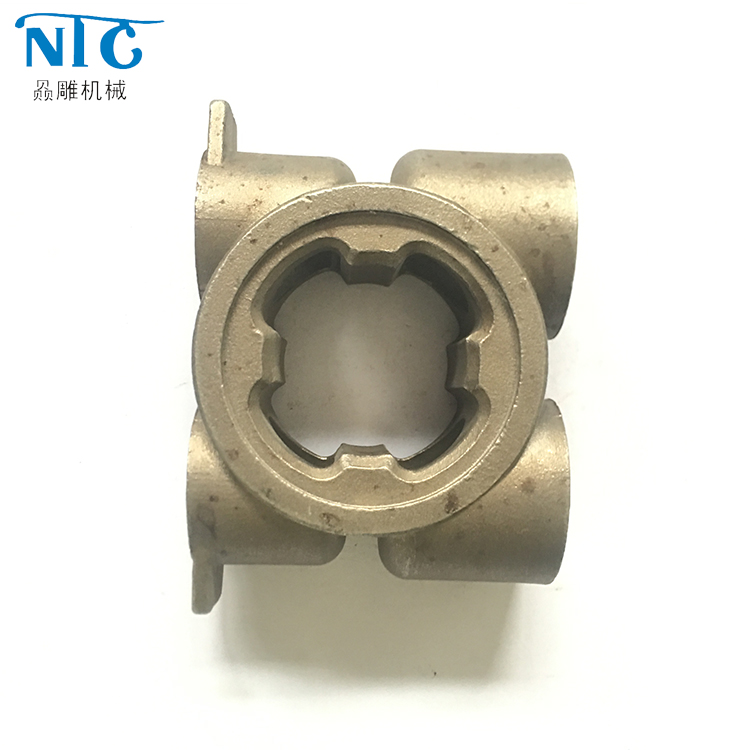
Problem Definition: Cast Parts Failures Usually Start as Specification Drift
Most cast parts sourcing problems do not begin with an obviously unsuitable foundry. They begin with a first lot that passes and a second lot that quietly does not match it. By the time the mismatch reaches the assembly line, the buyer is comparing two inspection reports that were never written on the same basis.
The drift usually takes four forms:
- Material drift. A grade is substituted for something described as equivalent without documented approval, and the heat-treatment condition changes with it.
- Feature drift. A mounting hole position, positioning hole or bearing seat diameter is produced slightly differently because the critical dimension was never marked as critical on the drawing.
- Finish drift. A sealing face, passivation step or polishing requirement changes between lots, so the part still measures correctly but no longer seals or no longer looks the same.
- Record drift. The sample was inspected thoroughly and the production lot was inspected informally, so there is no comparable evidence.
For buyers at the research stage, this changes the question. The useful question is not who quotes the lowest price per kilogram, but which specifications should be fixed in writing so that lot 20 still matches lot 1. That is what a long-term cast parts partnership is for.
Industry Background: A Broad Supply Base Makes Repeatability the Differentiator
Investment casting capacity is not scarce, which is precisely why repeatability has become the buying criterion. Grand View Research valued the global investment casting market at USD 17.4 billion in 2025 and projects it to reach USD 24.9 billion by 2033. In 2025, Asia Pacific held a 39.2% revenue share, and automotive applications accounted for over 29% of revenue. Stainless steel represented 32.98% of material share, while the silica sol process accounted for 50.78% of revenue share, reflecting its precision capability.
China remains a large export base for this supply. China's total metal casting export value was USD 1.47 billion in July 2024, an increase of 5.2% year on year, and the China investment casting market alone was estimated at USD 2.72 billion in 2024, with a projected 6% CAGR to USD 5.16 billion by 2035.
At the same time, acceptance expectations are increasingly benchmarked against published standards rather than verbal assurance. ISO 8062-3:2007 defines dimensional tolerance grades for castings, with investment casting typically achieving CT4 to CT6, and ASTM A703/A703M sets general requirements for steel castings for pressure-containing parts. A supplier conversation that stays at the level of quality assurance rhetoric does not survive that benchmark. One that names tolerance grades, critical features and inspection methods does, and that is exactly the conversation a partnership FAQ should settle.
Detailed Solution: Five Specification Blocks That Make Repeat Orders Predictable
A practical long-term framework is built from five blocks. Each block is a document or a drawing note, not a promise.
Block 1 — Drawing and model control
Custom cast parts are manufactured to customer-approved 2D drawings, 3D models or physical samples. What must be fixed in the agreement is which file controls: the 2D drawing, the 3D model, or the sample. In practice, buyers should record the revision number, the datum scheme, the unit of measure and the change-notification rule. When a 2D drawing and a 3D model disagree, the controlling file must be stated in advance; otherwise the foundry and the buyer will each be correct during a dispute.
Block 2 — Material grade and heat-treatment condition
Material choice should be written as a grade plus a condition, not as a family name. Grades applied across these cast parts include carbon steel 1020, 1025 (WCB), 1030, 1040, 1045 and 1050; alloy steel 4140, 4150, 4340, 8620 and GS-25CrMo4; stainless steel 201, 303, 304, 316, 316L, 17-4PH, 410, 420 and 440C, plus 1.4581, SCS14 and SCS16 for austenitic applications; aluminum alloy and zinc alloy for die-cast housings; brass and bronze for copper alloy castings; and ductile iron such as QT450-10 for bearing and pump housings. Heat treatment may include annealing, normalizing, quenching, tempering, carburizing, solution treatment and stress relief.
A family name is not a specification. 316L, solution treated, verified by spectrometer analysis, is a specification. The same logic applies to hardness, which is verified with a Brinell hardness tester when specified.
Block 3 — Tolerance band, wall thickness and feature rules
The dimensional tolerance band stated for investment-cast components is T4–CT7, with the final grade confirmed against part geometry and the approved drawing; ISO 8062-3 provides the common external reference. Standard casting rules for these parts include a minimum wall thickness of 2 mm, with 1 mm available in limited local areas subject to process review; a minimum outer radius of 0.3 mm and minimum internal fillet of 0.5 mm; a maximum blind-hole depth of 30 mm at a hole diameter of 10 mm; and as-cast or machined surface roughness in the Ra 1.6–Ra 6.3 range depending on finishing.
These rules matter because they decide what can be cast and what must be machined. A buyer who designates bearing bores, positioning holes and sealing faces as critical features, and leaves cosmetic surfaces to the general tolerance, gets a more stable price and a cleaner inspection plan than one who applies a single tight tolerance to the whole drawing.

Block 4 — Machining and finishing scope
Most custom cast parts are delivered as cast-and-machined components, so the machining scope belongs in the partnership agreement. Machinable features include bearing bores, bearing seats, shaft holes, mounting holes, positioning holes, threaded holes, flange faces, sealing grooves, locating surfaces, keyways and mating interfaces. Machining capability covers CNC turning, milling, drilling, boring, reaming, tapping, grinding and precision surface machining.
Post-processing should be listed item by item: shot blasting, sand blasting, pickling, passivation, satin or mirror polishing, black oxide, zinc coating, nickel or chrome plating, painting, powder coating, anodizing, PVD coating and anti-rust treatment. Where parts are supplied as assemblies, press fitting, threaded insert installation and subassembly can also be included. Every finishing step that is not written down is a step that can legitimately change between lots.
Block 5 — Acceptance criteria and documentation
Acceptance criteria are the core of the partnership. Documented inspection items include material composition, overall dimensions, hole positions, concentricity, cylindricity, flatness, perpendicularity, thread accuracy, sealing-surface quality, surface finish and appearance. Functional checks such as pressure testing, leak testing, hardness testing, assembly-fit inspection and, for vacuum assemblies, vacuum leak testing, are arranged when specified. Inspection equipment includes CMM, spectrometer, Brinell hardness tester and projectors, and material certificates and inspection reports are available when required. Applied standards include ASTM, DIN, BS, JIS, ISO and customer-specified technical requirements.
Rule of thumb: if a characteristic would stop the assembly line when it is out of specification, it belongs in the acceptance document, and the document should name both the method and the record.
Step-by-Step: From First RFQ to Repeat Order
- Send an RFQ with a complete data pack. Include the 2D drawing, the 3D model where available, material grade and condition, annual and first-order quantities, critical features, finishing requirements and any standard the part must satisfy.
- Complete a drawing and feasibility review. Wall thickness, fillet radii, blind-hole depth, machining allowance and parting configuration are reviewed against the casting process before quotation, so a specification that cannot be cast reliably is corrected at the drawing stage rather than at first article.
- Agree a quotation with a stated process route. The route should name the casting process (silica sol investment casting, die casting, or sand casting where part size and material require it), the material, the machining content, heat treatment, surface finish and inspection scope.
- Build tooling and submit a sample. Prototype development and sample verification establish whether the drawing can be met; the sample becomes the physical reference for everything that follows.
- Approve the first article. Critical dimensions, material composition, hole positions, concentricity, flatness and appearance are inspected, and the approved sample plus inspection plan are frozen as the reference for production.
- Run a trial order. Trial orders and small-batch production confirm that the process, not just the sample, is stable.
- Move to volume production with a fixed sampling plan. Stable volume production relies on the same process route, the same inspection items and the same documentation for every lot.
- Manage repeat orders, changes and after-sales. Any drawing revision, material substitution or finish change is notified, quoted and re-approved; replacement-part development and corrective inspection keep installed parts serviceable.
Use Cases: Where Long-Term Cast Parts Agreements Are Applied
Partnership terms are easiest to standardize when they are written per part family, because the critical features differ by application.
- Automotive and motorcycle castings. Auto part castings and automobile motorcycle castings such as suspension brackets, footrest brackets and engine mount housings use carbon steel, alloy steel, stainless steel or aluminum alloy, with tolerance band T4–CT7 and mounting holes, positioning holes and bearing locations defined as critical features.
- Power tool components castings. Die-cast gearbox housings in aluminum or zinc alloy, together with investment-cast levers and brackets in carbon steel, stainless steel or alloy steel, where bearing bores, locating surfaces and mating faces dominate acceptance.
- Fluid equipment parts and flowmeter accessories. Stainless steel pipe and valve castings, pump housings, open, semi-open and closed impellers, flowmeter bodies, flanges and threaded connectors in 304, 316 and 316L, usually with pressure or leak testing and passivation specified.
- Stainless steel marine hardware castings. Deck cleats, hinges and deck fittings in 304 or 316 stainless steel, where corrosion-resistant surface quality and passivation form part of acceptance.
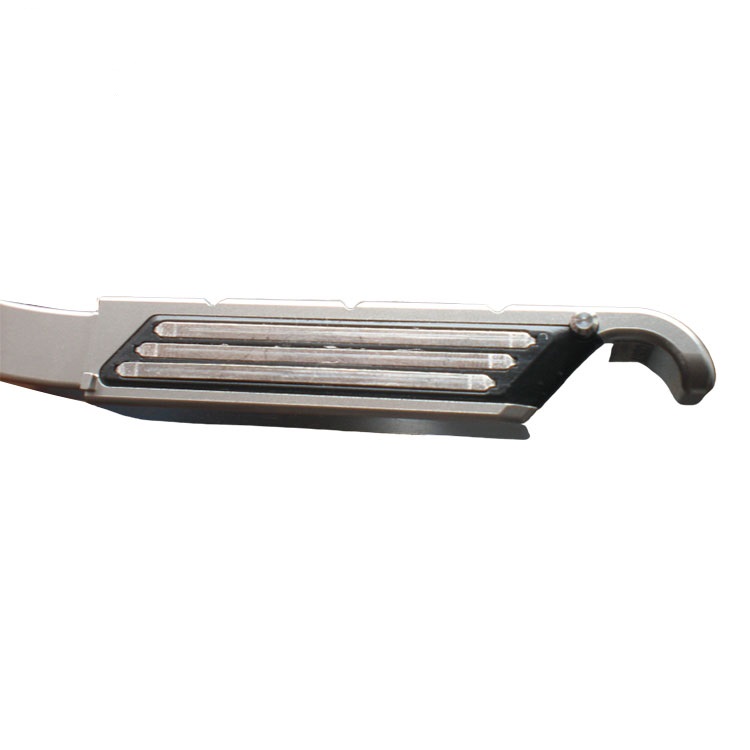
- Architectural and daily-used hardware castings. Stainless steel architecture daily-used hardware castings, construction hardware, furniture hardware, door control fittings and lock hardware, plus tableware hardware: hinge bodies, mounting brackets, closer arms, lock bodies and handles where pin-hole dimensions, assembly clearance and decorative finish are inspected.
- Industrial machinery and copper alloy castings. Mechanical parts, engineering machinery parts, textile machinery parts, industrial sewing machine parts, food machinery parts, sport facility parts and copper alloy castings, covering bearing and pump housings, yarn guides, sewing machine brackets, food-processing impellers in 304/316/316L, sports joint connectors and brass or bronze valve and electrical connector bodies.
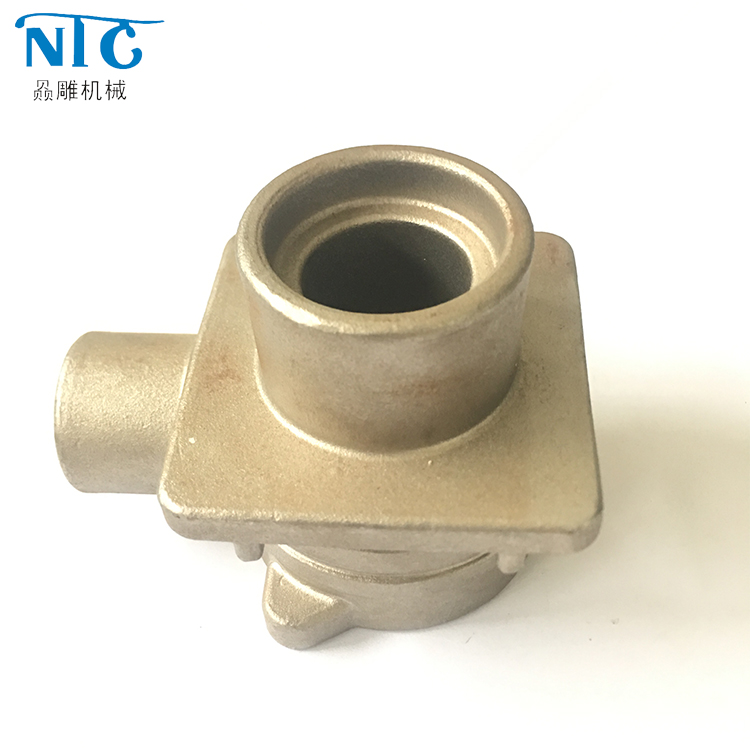
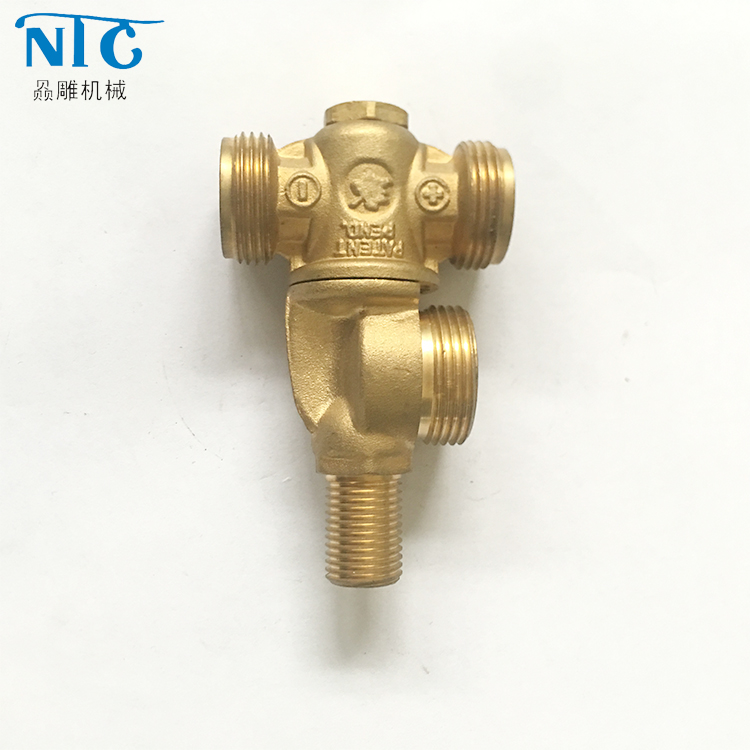
Comparison Table: Which Casting Route Fits Which Cast Parts
The table summarizes process and material combinations as they are applied across these cast parts. It is a selection aid, not a ranking.
| Route | Materials typically specified | Tolerance basis | Typical cast parts | What to lock in acceptance |
|---|---|---|---|---|
| Silica sol investment casting | Stainless steel 201/303/304/316/316L/17-4PH/410/420/440C; carbon steel 1020–1050 and WCB; alloy steel 4140/4150/4340/8620/GS-25CrMo4; brass and bronze | T4–CT7 stated band; ISO 8062-3 investment casting typically CT4–CT6 | Valve bodies, pump housings and impellers, flowmeter bodies, pipe fittings and flanges, marine and architectural hardware, motorcycle and power tool brackets, textile and sewing machine parts | Material composition, critical dimensions, concentricity, sealing surfaces, Ra 1.6–Ra 6.3 finish |
| Die casting (aluminum or zinc alloy) | Aluminum alloy and zinc alloy, including ADC12, A380, Zamak 3 or Zamak 5 when specified | Confirmed according to component size, tooling design and approved drawing | Power tool gearbox housings, door closer bodies, sewing machine housings and structural arms, furniture hinges | Bearing bore dimensions, hole positions, sealing faces, wall thickness, appearance |
| Sand casting | Carbon steel, alloy steel, ductile iron and stainless steel, selected according to product size, material and structure | Per approved drawing; critical dimensions finished by CNC machining | Larger bearing and pump housings, flanged or enclosed housing structures | Machined bearing bores, flange flatness, wall thickness, pressure or leak testing when specified |
| Copper alloy casting | Brass, bronze and customer-specified copper alloys | T4–CT7 for applicable investment-cast parts | Valve bodies, fluid-control connectors, electrical connector components and terminals | Thread accuracy, port dimensions, sealing surfaces, plating appearance |
Acceptance Table: What to Specify for Each Critical Feature
| Feature | What the buyer should specify | How it is verified |
|---|---|---|
| Bearing bore or bearing seat | Bore diameter, concentricity, cylindricity and alignment limit | CMM dimensional inspection; bearing-seat accuracy checked before shipment |
| Mounting and positioning holes | Hole diameter, position tolerance and datum | Hole-position and critical-dimension inspection with CMM and gauges |
| Flange face | Flatness, hole pattern and sealing-surface finish | Flange flatness and hole-position inspection |
| Sealing groove or sealing surface | Groove dimensions, surface roughness and leak criteria | Sealing-surface inspection; pressure or leak testing when specified |
| Threaded ports | Thread standard (metric, BSP, BSPT, NPT, UNF) and depth | Thread accuracy inspection against the approved drawing |
| Surface finish and treatment | Ra value, passivation, polishing, plating or coating type | Surface quality, coating appearance and cleanliness review |
| Material condition | Grade plus heat-treatment condition and hardness target | Spectrometer material analysis and Brinell hardness testing |
After-Sales Support and Change Control: The Clause Buyers Forget
After-sales in cast parts is less about wording on a warranty page and more about what happens when a part has to change. Four items are worth writing into the agreement:
- Revision control. Every drawing revision or material substitution is notified, quoted and re-approved, then reflected in the inspection plan.
- Replacement-part development. For installed equipment, replacement parts can be developed from drawings, 3D models or physical samples, which keeps older assemblies serviceable without redesigning them.
- Batch traceability. Material certificates and inspection reports are retained per lot so that a field issue can be traced to a production batch rather than to a year.
- Repeatable corrective action. A nonconformance should close with an inspection change such as an added CMM check, a revised sampling frequency or an updated critical-feature list, not only with a replacement shipment.
Frequently Asked Questions
1. Which standards and acceptance documents should a cast parts partnership reference?
Anchor the agreement on the tolerance and material standards that already apply to the part. ISO 8062-3:2007 defines dimensional tolerance grades for castings, with investment casting typically achieving CT4 to CT6, while the tolerance band stated for these investment-cast components is T4–CT7 depending on geometry and drawing requirements. For pressure-containing steel parts, ASTM A703/A703M sets general requirements. Manufacturing can follow ASTM, DIN, BS, JIS, ISO, ICI and customer-specified standards, supported by ISO 9001:2000 and ISO 14001:2015 systems, with material certificates and inspection reports available when required. Documented inspection covers material composition, dimensions, hole positions, concentricity, flatness, surface quality and appearance, with pressure, leak, hardness or assembly-fit testing added when specified.
2. Can one supplier handle both the custom casting and the machined features we specify?
Custom cast parts rarely stop at the casting. A single partner should cover casting plus the machined features that decide assembly: bearing bores and bearing seats, shaft holes, mounting holes, positioning holes, threaded holes, flange faces, sealing grooves and locating surfaces, produced through CNC turning, milling, drilling, boring, reaming, tapping and grinding. Heat treatment, surface finishing and light assembly such as press fitting, threaded insert installation and subassembly can sit in the same route. SHANGHAI NTC TECHNOLOGY CO., LTD. combines silica sol investment casting with CNC machining and inspection equipment including CMM, spectrometer, Brinell hardness tester and projectors, in a 2,000 m² factory with 20 employees, 5 engineers and an annual output of 1,500,000 units.
3. What actually drives the unit price of a custom cast part?
Price is driven by geometry and specification rather than by the word casting. The main cost levers are material grade, single-piece weight (2 g–550 g for applicable precision-cast components), wall thickness, tolerance grade, the number of machined features, heat treatment, surface finish, inspection and testing scope, tooling, and batch size. Two buyers can receive very different quotations for the same drawing if one specifies Ra 1.6 across all surfaces and the other specifies it only on sealing faces. In a long-term agreement, the practical move is to freeze the specification first and then discuss repeat volume and schedule stability, rather than negotiating a one-off price on an open specification.
4. How does sample approval work before volume production?
Sampling turns a drawing into a reference. Prototype development and sample verification confirm that wall thickness, fillet radii, blind-hole depth and machining allowance are producible; the sample is then inspected for material composition, critical dimensions, hole positions, concentricity, flatness, surface finish and appearance. Once approved, the sample and the inspection plan become the frozen reference for trial orders, small-batch production and volume production. If a later lot is questioned, the comparison is made against that approved sample record, which is why keeping the record, including the drawing revision it was made to, matters as much as keeping the sample itself.
5. How should lead time and repeat-order continuity be managed?
Lead time depends on tooling, material, machining content, finishing and order quantity, so it should be quoted per project rather than promised as a single fixed number. What a partnership fixes is the sequence and the evidence: sample and first-article approval, trial order, then stable volume production with the same process route and inspection items on every lot. Repeat orders move faster because tooling, drawings and acceptance criteria are already approved. Buyers who want continuity should also agree how changes are notified and how replacement parts for installed equipment are developed. To move from FAQ to quotation, send a drawing with material, quantity and critical features, or request a sample and the 2026 catalogue using the contact details below.
Conclusion: The Partnership Is Decided Before the Price Negotiation
A long-term cast parts partnership is decided long before commercial negotiation. It is decided by the drawing revision, the material grade and condition, the tolerance band, the named critical features, the finishing list and the inspection record. Buyers who standardize those six items get repeat orders that match the approved sample; buyers who do not get a new conversation with every lot.
SHANGHAI NTC TECHNOLOGY CO., LTD. produces custom cast parts and auto part castings to customer 2D drawings, 3D models or physical samples, covering silica sol investment casting, CNC machining, heat treatment, surface finishing and inspection, with a stated tolerance band of T4–CT7 for applicable investment-cast components, part weights of 2 g–550 g, and acceptance to ASTM, DIN, BS, JIS, ISO or customer-specified standards.
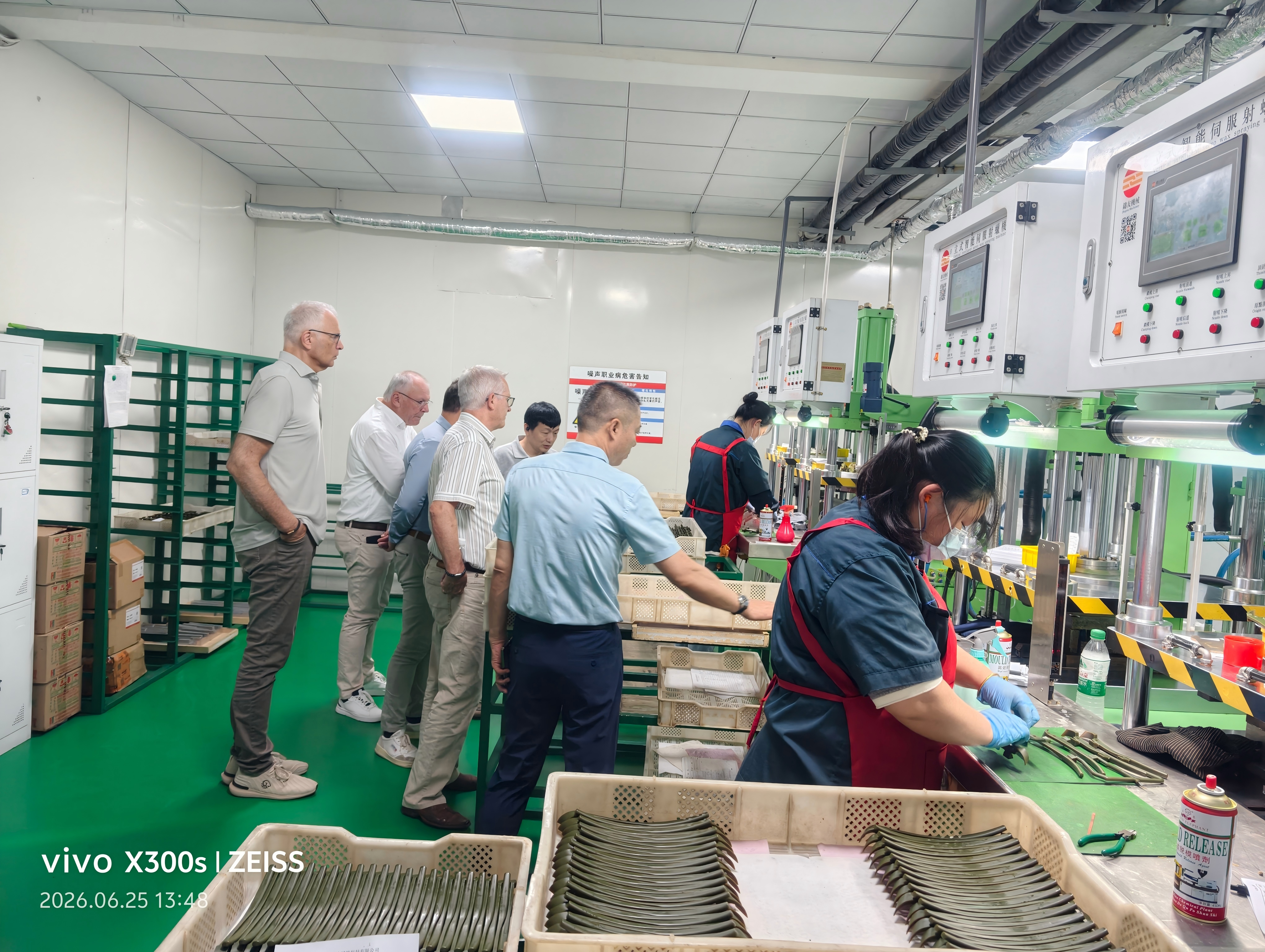
Next step: sample, quotation or catalogue
Send a 2D drawing or 3D model with material grade, estimated annual quantity and the critical features you need controlled, and the response will include a proposed process route, machining and finishing scope, and the inspection plan. Sample requests and replacement-part enquiries can follow the same route.
Company brochure (PDF): SHANGHAI NTC TECHNOLOGY CO., LTD. 2026 Catalogue
Website: www.shntcmachinery.com
About SHANGHAI NTC TECHNOLOGY CO., LTD.
SHANGHAI NTC TECHNOLOGY CO., LTD. was founded in 2022 and is located in Shanghai, China. The factory covers 2,000 m² with 20 employees, 5 R&D engineers and an annual output of 1,500,000 units, and 85% of production is exported to Europe, America and Asia. Production series include auto parts, golf heads, vacuum parts, valve accessories, kitchen equipment accessories, dishwashing equipment accessories, spinning machine accessories, door accessories, scooter parts and other industrial and civil products.
Address: No. 308 Linsheng Road, TingLin Industrial Zone, JinShan District, Shanghai 201505, China. Email: Stanley770826@ntcmachine.com. Mobile: +86-186-2180-6400. Websites: www.shntcmachinery.com and www.shntcmachine.com.
Have Questions or Need More Details?
Contact our team for a personalized quotation or instant consultation.
Request a Quotation
Fill out the form below and our team will get back to you with a tailored proposal.
WhatsApp Direct Chat
Prefer to chat in real-time? Message us on WhatsApp for instant assistance & quick answers.
- Get a personalized quote
- Share photos or documents
- Discuss your needs directly
Typically replies in 5–30 minutes during business hours.