
Material Selection for Cast Motorcycle Brackets: Carbon vs Alloy vs Stainless Steel
Material selection for a cast motorcycle bracket is a constraint-matching exercise, not a strength contest. For the Motorcycle Footrest Bracket Casting (OEM / Custom Drawing No. 1003), SHANGHAI NTC TECHNOLOGY CO., LTD. offers carbon steel 1020–1050, alloy steel 4140, 4150, 4340, 8620 and GS-25CrMo4, and stainless steel 201 through 440C — all inside one shared manufacturing envelope of 2 g to 550 g part weight, casting tolerance grade T4–CT7, and a 2 mm standard minimum wall thickness with 1 mm permitted in limited local areas subject to design review. The Precision Cast Motorcycle Engine Mount Housing (OEM / Custom Drawing No. 1004) adds aluminum alloy as a fourth option because that part can be produced by investment casting or by die casting. What separates the four options in practice is load path, corrosion exposure, contact wear, and the machining content the assembly requires.
SHANGHAI NTC TECHNOLOGY CO., LTD. is a Shanghai-based precision casting and machining company founded in 2022, operating a 2,000 m² factory with 20 employees, an annual output of 1,500,000 units and an 85% export share across Europe, America and Asia. Its production range covers cast parts and auto part castings, including motorcycle structural components supplied against approved 2D drawings, 3D models or physical samples. This guide is written for buyers and design engineers in the research and evaluation stage who must defend a material grade on a drawing package rather than on supplier preference.
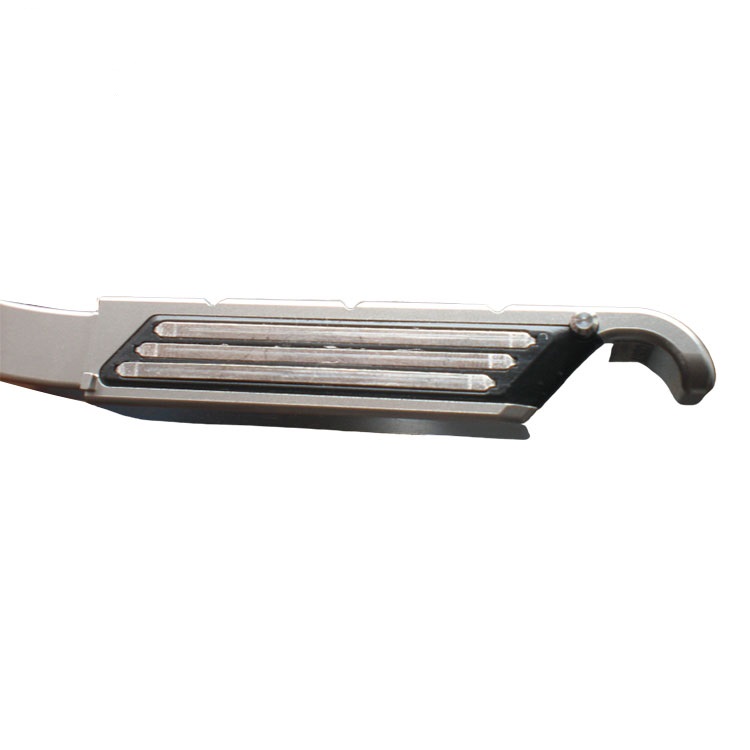
Problem Definition: Why Bracket Material Decisions Stall
Most bracket material debates do not fail because engineers lack options. They fail because four constraints are discussed separately by different people, and the drawing is frozen before the constraints meet.
The first constraint is load path. A footrest bracket carries rider load through a mounting hole and an arm; an engine mount housing carries vibration and torque through mounting holes, bearing positions and flange faces. These are different load geometries, yet both are frequently specified with the same material grade simply because it is already on the approved list.
The second constraint is corrosion exposure. Carbon and low-alloy steels are not corrosion-resistant in themselves; they depend on a coating system such as zinc coating, black oxide, painting or powder coating. Stainless steel changes the maintenance model rather than merely improving appearance. A grade chosen for a painted, dry, indoor assembly is not automatically right for a splash-exposed or coastal assembly.
The third constraint is contact wear. Where a bracket carries a pivot, a pin, a thread or a repeated clamp load, hardness after heat treatment matters more than base-material tensile class. NTC's heat treatment options for these brackets include annealing, quenching, normalizing, carburizing and solution treatment, and carburizing in particular only makes sense when the grade and the wear surface are both defined.
The fourth constraint is manufacturability. A 2 mm standard minimum wall thickness, a 0.3 mm minimum outer radius and a 0.5 mm minimum internal fillet are hard boundaries. A grade that is correct on paper but forces a 1.2 mm section into a 2 g–550 g cast bracket creates a feasibility problem that returns to the buyer as a drawing change or a price change later.
Industry Background: Why Grades Are Being Re-Examined Now
Investment casting is a mature process, but the material mix inside it is shifting. Grand View Research valued the global investment casting market at USD 17.4 billion in 2025 and projects USD 24.9 billion by 2033, with automotive applications accounting for the largest revenue share at over 29% in 2025. Asia Pacific held a 39.2% revenue share of that market in the same year.
Two material signals are worth noting for bracket buyers. Mordor Intelligence reports that stainless steel represented 32.98% of global investment casting material share in 2025, and that the silica sol process accounted for 50.78% of investment casting revenue share because of its precision capability. In practical terms, the precision route is now the default for small structural castings, and stainless steel is no longer a niche specification reserved for marine or food-contact parts.
Standardisation has kept pace. ISO 8062-3:2007 defines dimensional tolerances for investment castings and typically achieves grades CT4 to CT6, which gives buyers a neutral reference point when a supplier quotes a tolerance band. NTC's stated casting accuracy for these motorcycle brackets is tolerance grade T4–CT7, subject to part geometry and approved drawing requirements.
The consequence for a motorcycle program is straightforward: material grade, tolerance grade and finishing specification should be decided together, because each one changes the acceptable range of the others. A buyer who fixes the grade before the tolerance and the coating is fixed will usually re-open the decision at the sample stage.
The Three Families Available for the Footrest Bracket
Carbon steel 1020–1050: the default structural choice
The footrest bracket can be cast in carbon steel 1020, 1025 (WCB), 1030, 1040, 1045 or 1050. This family covers the majority of painted or coated bracket applications where the requirement is a stable structural shape with predictable machining and a coating system that carries the corrosion duty.
Carbon steel is normally the lowest-complexity path because the supporting processes are already qualified in the same envelope: CNC turning, milling, drilling, boring, threading, grinding and mounting-hole machining; heat treatment by annealing, quenching, normalizing, carburizing or solution treatment; and surface treatment by shot blasting, grinding, polishing, zinc coating, black oxide, painting or powder coating. Inspection covers material composition, mechanical properties, mounting-hole position, critical dimensions and surface quality against the approved drawing.
The limitation is equally clear: every carbon steel bracket carries a coating dependency. If the coating is breached at a weld-free but abrasion-exposed contact point, the base metal has no fallback corrosion resistance.
Alloy steel 4140 / 4150 / 4340 / 8620 / GS-25CrMo4: when heat treatment does the work
The alloy steel option exists for brackets where the section is thin, the load is high, or the wear surface needs hardness that a plain carbon grade will not deliver. NTC lists alloy steel 4140, 4150, 4340, 8620 and GS-25CrMo4 for the footrest bracket casting, processed through the same investment casting route and the same T4–CT7 tolerance band.
These grades are chromoly and nickel-chromoly types, and their value is realised only through the heat treatment specified on the drawing. A 4140 bracket quoted without a quenching and tempering requirement is not the same product as one quoted with it, even though the material line on the drawing reads identically.
8620 is the grade to specify when a carburized case is intended; carburizing appears in NTC's available heat treatment list for this bracket, so the grade and the process can be matched inside one purchase order. GS-25CrMo4 gives buyers working to European drawing systems a directly recognisable cast grade in the same quotation, which reduces the risk of a grade substitution during sourcing review.
Stainless steel 201–440C: choosing the right stainless sub-family
The footrest bracket can also be cast in stainless steel 201, 303, 304, 316, 316L, 17-4PH, 410, 420 or 440C. Treating these as one material is the most common specification error in this category, because they serve different purposes.
The austenitic group — 201, 303, 304, 316 and 316L — is selected for corrosion resistance and appearance. 303 is the free-machining grade in the group; 316L is used where corrosion resistance must be enhanced beyond the 304 baseline. The martensitic and precipitation-hardening group — 410, 420, 440C and 17-4PH — is selected when hardness or strength after heat treatment is the governing requirement rather than maximum corrosion resistance. Solution treatment is listed among NTC's heat treatment options for this bracket, which is the process route normally associated with the austenitic and precipitation-hardening grades.
Finishing also changes with the sub-family. Shot blasting, grinding, polishing, zinc coating, black oxide, painting and powder coating are all listed for the bracket, and pickling and passivation are available within NTC's stainless casting range where a clean, corrosion-resistant surface is required.

The Engine Mount Housing: Aluminum Enters the Decision
The Precision Cast Motorcycle Engine Mount Housing is produced to OEM / Custom Drawing No. 1004 by investment casting or die casting, with material options covering carbon steel, alloy steel, stainless steel and aluminum alloy. That fourth option changes the comparison, because aluminum is a housing material rather than a bracket material in this context.
Aluminum alloy is relevant when the housing is produced by die casting and the design priority is a lightweight structure with good dimensional stability — the same reasoning NTC applies to die-cast aluminum and zinc gearbox housings for power tools. The trade-off is that the machining content shifts: the engine mount housing still requires CNC turning, milling, drilling, boring, threading and grinding for engine mounting holes, bearing positions, flange faces, locating surfaces and threaded holes, and inspection covers material composition, mechanical properties, mounting-hole position, concentricity, critical dimensions and surface quality.
Stainless steel and carbon steel remain the appropriate choices where the housing must resist corrosion without a coating, or where bearing-seat hardness and structural stiffness govern. Aluminum is the correct answer to a weight question, not to a wear question.
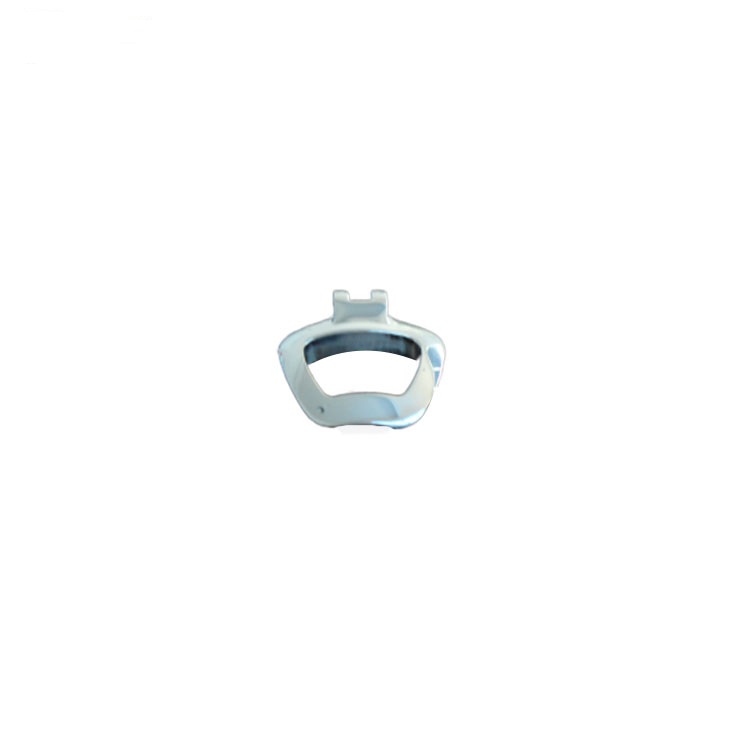
The Manufacturing Envelope Every Material Choice Must Fit
Whatever grade is chosen, the bracket must still be castable inside a fixed parameter set. Buyers evaluating a quotation should confirm these values before the material debate is closed.
| Parameter | Stated capability | What it means for the buyer |
|---|---|---|
| Part weight | 2 g – 550 g | Covers footrest brackets and compact housings; larger structural parts require separate process review. |
| Casting tolerance | T4–CT7 (ISO 8062-3 typically CT4–CT6) | Critical features should still be finished by CNC machining rather than held as-cast. |
| Surface roughness | Ra 1.6 – Ra 6.3 | Dependent on casting, machining and finishing requirements; contact surfaces need explicit callout. |
| Minimum wall thickness | 2 mm standard; 1 mm in limited local areas subject to design review | Thin-web designs must be confirmed at drawing freeze, not at first article. |
| Fillet minimums | Outer radius ≥ 0.3 mm; internal fillet ≥ 0.5 mm | Sharp internal corners are not a negotiable tolerance in investment casting. |
| Applied standards | ASTM, ICI, BS, DIN, JIS, ISO | State the governing standard on the drawing; customer-specified requirements are accepted. |
| Heat treatment | Annealing, quenching, normalizing, carburizing, solution treatment | Must be matched to grade — some combinations are pointless and some are essential. |
| Surface treatment | Shot blasting, grinding, polishing, zinc coating, black oxide, painting, powder coating | Coating system carries the corrosion duty for carbon and alloy grades. |
One boundary clarification saves time in review meetings: ASTM A703/A703M is the general specification for steel castings for pressure-containing parts. It is the relevant ASTM reference for a valve body or pump housing, not for a motorcycle footrest bracket. Structural brackets are governed by the standards named on the drawing — ASTM, ICI, BS, DIN, JIS, ISO and customer-specified technical requirements.
Step-by-Step: Choosing a Grade in Seven Steps
Step 1 — Name the failure mode you are designing against
Write down whether the bracket is limited by bending stiffness, by hole bearing load, by pivot wear, by thread pull-out or by cosmetic corrosion. This single sentence eliminates two of the four families in most projects.
Step 2 — Fix the corrosion exposure class
Decide whether the part is dry and painted, intermittently wet, or continuously exposed. Dry and painted points to carbon steel with zinc coating or powder coating. Intermittent or continuous exposure points to stainless steel, where 304 is the baseline and 316L is specified when corrosion resistance must be enhanced.
Step 3 — Select the family before the grade
Carbon steel for coated structural brackets; alloy steel for thin sections, high load or hardened wear surfaces; stainless steel for corrosion duty; aluminum alloy for the housing when weight governs and die casting is the chosen route.
Step 4 — Fix the grade inside the family
Within carbon steel, 1045 is a common mid-range specification for brackets and 1020 or 1025 (WCB) suits lower-demand parts. Within alloy steel, choose 4140, 4150 or 4340 for through-hardened brackets, 8620 for carburized cases, and GS-25CrMo4 where a European cast designation is required. Within stainless, choose 304 or 316L for corrosion duty, 420 or 440C for wear, and 17-4PH where strength after heat treatment is the driver.
Step 5 — Confirm the casting process and tolerance grade on the drawing
NTC casts these brackets by custom silica-sol investment casting to tolerance grade T4–CT7, with surface roughness Ra 1.6–Ra 6.3 depending on geometry and finishing. Mounting holes, bearing positions and flange faces should be specified as CNC-machined features rather than as-cast features.
Step 6 — Respect the wall and fillet limits at design freeze
Two millimetres is the standard minimum wall; 1 mm is possible in limited local areas subject to design review. Internal fillets should not be drawn below 0.5 mm. Correcting these after tooling is a schedule issue, not a tolerance issue.
Step 7 — Specify heat treatment, finish and inspection as one block
A grade line without a heat treatment line, a finish line and an inspection line is incomplete. The workable package states the grade, the heat treatment cycle, the surface treatment, the inspection items and the governing standard together.
Where Each Choice Fits: Application Cases
Painted commuter footrest bracket. Carbon steel 1045 with zinc coating or powder coating, machined mounting holes, standard T4–CT7 tolerance. The decision is driven by cost control and coating durability rather than by corrosion-resistant base metal.
Coastal, winter-salt or frequently washed motorcycle. Stainless steel 304 or 316L, with 316L specified where corrosion resistance must be enhanced. The trade-off is that machining content and finishing must be re-costed, not that the bracket becomes maintenance-free by default.
Thin-section or high-load bracket. Alloy steel 4140, 4150 or 4340 with quenching and tempering, allowing a lighter section within the 2 mm wall limit while retaining structural performance.
Pivot or clamp-contact bracket. Carburized 8620, or a hardened martensitic stainless such as 420 or 440C where corrosion exposure accompanies the wear duty.
Engine mount housing with bearing seats. Alloy steel for stiffness and bearing-seat integrity, stainless steel where corrosion duty dominates, or die-cast aluminum alloy where weight is the governing constraint and the mounting and locating features can be finish-machined.
The same selection logic transfers to other cast structural hardware in NTC's range — door control arms and linkage castings, construction anchors and mounting brackets, and industrial sewing machine brackets all draw from the same carbon steel, alloy steel and stainless steel grade set, so a grade decision validated on a motorcycle program remains readable across a wider component portfolio.
Comparison Table: The Four Options Side by Side
| Material family | Grades offered | Governing requirement | Corrosion approach | Best fit |
|---|---|---|---|---|
| Carbon steel | 1020, 1025 (WCB), 1030, 1040, 1045, 1050 | Structural shape and machinability | Coating dependent: zinc coating, black oxide, painting, powder coating | Painted, dry-environment footrest brackets |
| Alloy steel | 4140, 4150, 4340, 8620, GS-25CrMo4 | Strength and hardness after heat treatment | Coating dependent; same finish options as carbon steel | Thin sections, high load, carburized or through-hardened wear surfaces |
| Stainless steel (austenitic) | 201, 303, 304, 316, 316L | Corrosion resistance and appearance | Inherent; pickling and passivation available | Exposed, wet or washed brackets; 316L for enhanced resistance |
| Stainless steel (martensitic / PH) | 17-4PH, 410, 420, 440C | Hardness and wear resistance with some corrosion resistance | Moderate; solution treatment and polishing supported | Pivot, pin and clamp-contact brackets |
| Aluminum alloy | Aluminum alloy (housing option; investment or die casting) | Weight reduction with dimensional stability | Requires its own finish decision | Engine mount housing where mass governs |
Verification: What to Demand per Material Family
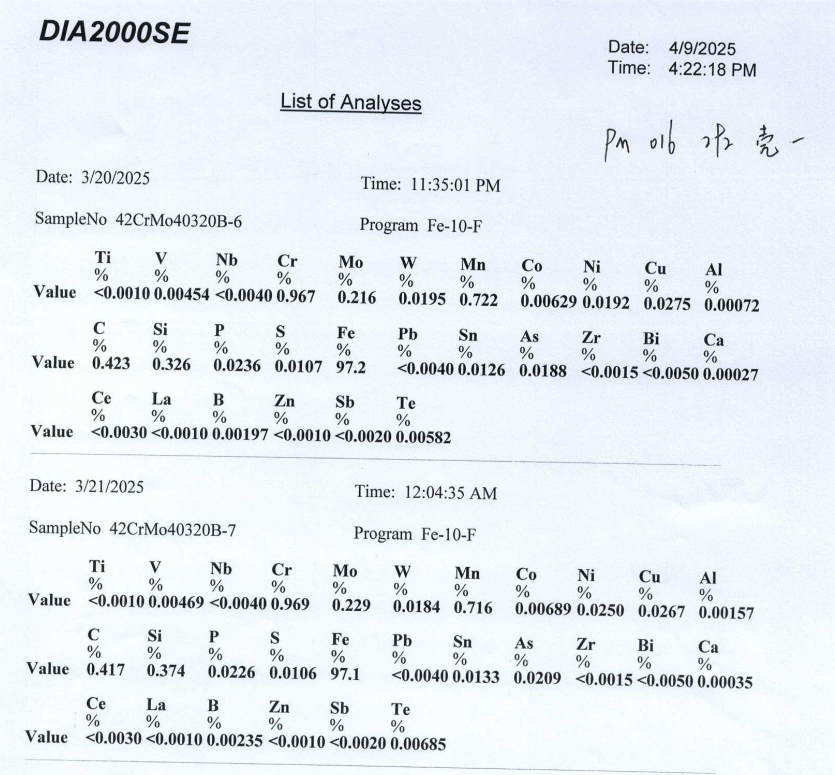
Material grade is a claim until it is documented. For these brackets, NTC inspects material composition, mechanical properties, mounting-hole position, critical dimensions and surface quality against the approved drawing; the engine mount housing adds concentricity to that list. Spectrometer chemical composition analysis is part of the material control routine, and CMM dimensional inspection is used for critical features.
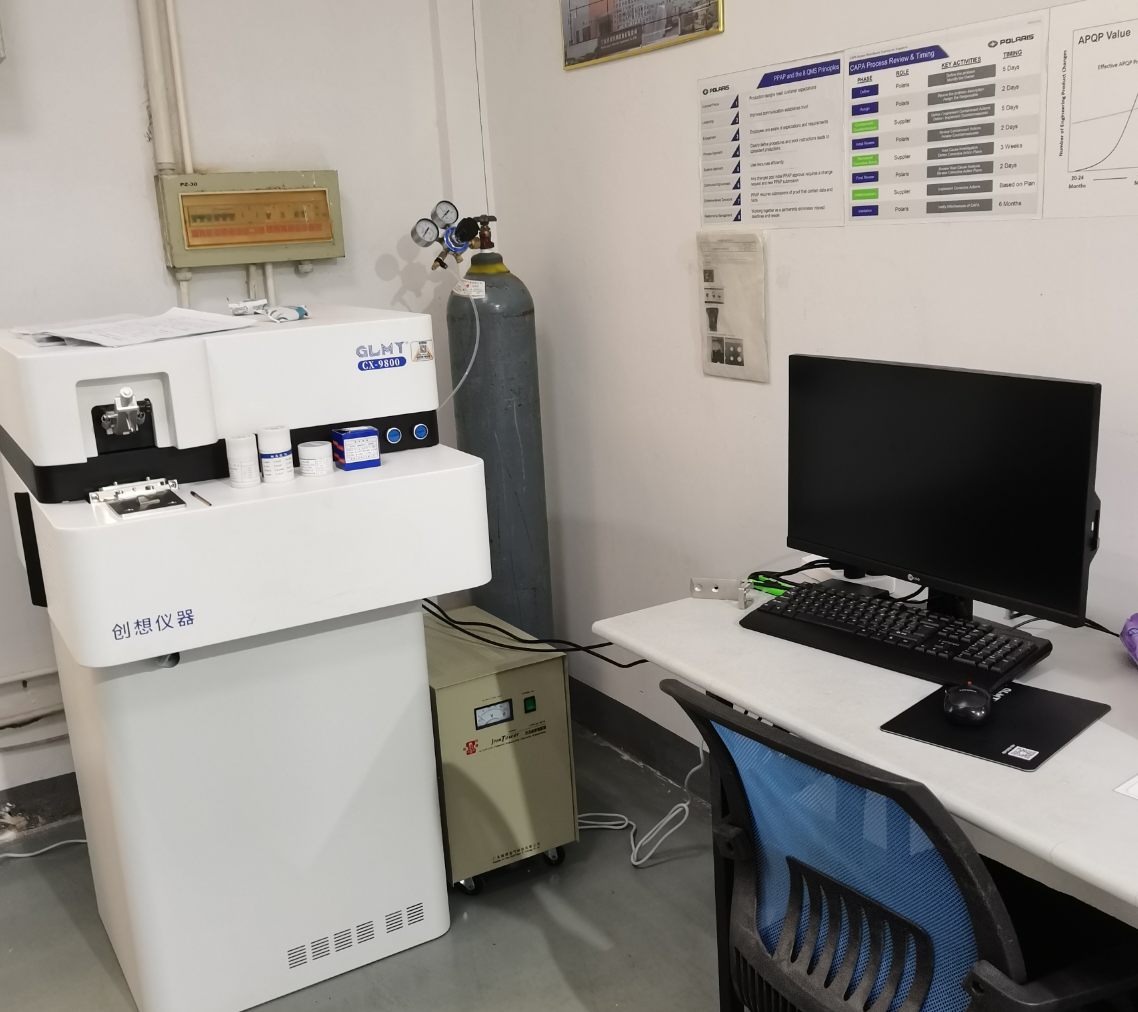
Three documents turn a grade decision into a controlled purchase. A material certificate ties the delivered lot to the specified grade; a chemical composition report confirms it analytically; and a dimensional inspection record confirms the machined features rather than the as-cast surface. Hardness and coating thickness records should be requested wherever the drawing names a heat treatment or a coating system.
Quality-system status should be verified rather than assumed. NTC is certified to ISO 9001:2015 under certificate number 42525Q10018R0S, issued by GXZC on 20 January 2025 and valid to 19 January 2028, with the scope 'hardware sales business' assessed against GB/T 19001-2016.
FAQ
Are these cast motorcycle brackets supplied under IATF 16949 or ISO 9001?
NTC holds ISO 9001:2015 certification, certificate number 42525Q10018R0S, issued by GXZC on 20 January 2025 and valid until 19 January 2028, with the stated scope of hardware sales business and GB/T 19001-2016 as the assessed standard. IATF 16949 is a separate automotive quality-system standard and is not part of the certification set described here. Buyers whose motorcycle program requires IATF 16949 should raise that requirement at the RFQ stage so it can be reviewed before the drawing is quoted, rather than after the first article is submitted. Material composition, mechanical properties and dimensional records are provided against the approved drawing.
Which material grades can NTC cast for the footrest bracket and the engine mount housing?
The Motorcycle Footrest Bracket Casting (OEM / Custom Drawing No. 1003) is cast by lost-wax investment casting in carbon steel 1020, 1025 (WCB), 1030, 1040, 1045 and 1050; alloy steel 4140, 4150, 4340, 8620 and GS-25CrMo4; or stainless steel 201, 303, 304, 316, 316L, 17-4PH, 410, 420 and 440C. The Precision Cast Motorcycle Engine Mount Housing (OEM / Custom Drawing No. 1004) is produced by investment casting or die casting in carbon steel, alloy steel, stainless steel or aluminum alloy. Both parts are made to customer-approved 2D drawings, 3D models or physical samples, with CNC turning, milling, drilling, boring, threading and grinding available for mounting holes, bearing positions, flange faces, threaded holes and locating surfaces.
What drives the cost difference between carbon, alloy and stainless brackets?
Cost is driven by the grade and its availability, the heat treatment cycle written on the drawing, the machining content, the surface finishing system, and the inspection and testing scope. A carbon steel bracket with zinc coating and machined mounting holes carries a different cost structure from a stainless steel bracket with passivation, or from an alloy steel bracket that requires quenching and tempering plus hardness verification. Order quantity and tooling also move the number. Because these variables interact, a comparable quotation has to be built from the same drawing revision, the same grade list and the same inspection requirement.
How long does a sample take, and is a trial order possible?
For precision investment casting, samples are typically produced in 20–30 days and mass production takes 30–45 days after sample approval. Where CNC machining content dominates, sample lead time is 10–20 days and mass production 20–35 days after approval, and surface or heat treatment adds 7–20 days depending on the process and quantity. The standard MOQ for investment casting is 100 pcs, negotiable for prototypes and trial orders, so a material comparison can be validated on a small batch before a volume commitment.
What lead time and capacity should a buyer plan for?
Precision investment casting capacity is 10,000 pcs per month, depending on part size, weight, material and product complexity, with a stated lead time of 35–45 days in the broader OEM programme. Prototype development, sample verification, trial orders, small-batch production and stable volume production are all supported, and critical dimensions, mounting-hole positions and surface quality are inspected before shipment. To move from evaluation to a quoted sample, send the drawing revision, the intended grade, the heat treatment and finish requirement, and the expected annual quantity to Stanley770826@ntcmachine.com or WhatsApp +86 186 2180 6400; the 2026 company catalogue with the full cast parts range is available for download as a PDF.
Conclusion
Carbon steel 1020–1050, alloy steel 4140/4150/4340/8620/GS-25CrMo4, stainless steel 201–440C and, for the engine mount housing, aluminum alloy are not competing answers to one question. They answer four different questions: how the load is carried, how corrosion is managed, how wear at a contact surface is controlled, and how much weight the assembly can afford.
The decision becomes manageable once it is tied to the fixed envelope — 2 g to 550 g part weight, T4–CT7 casting tolerance, 2 mm standard minimum wall with 1 mm in limited local areas, and 0.3 mm / 0.5 mm fillet minimums. Within that envelope, the grade, the heat treatment, the finish and the inspection scope should be specified as one block on the drawing, because the sample stage is the wrong time to discover that they were decided separately.
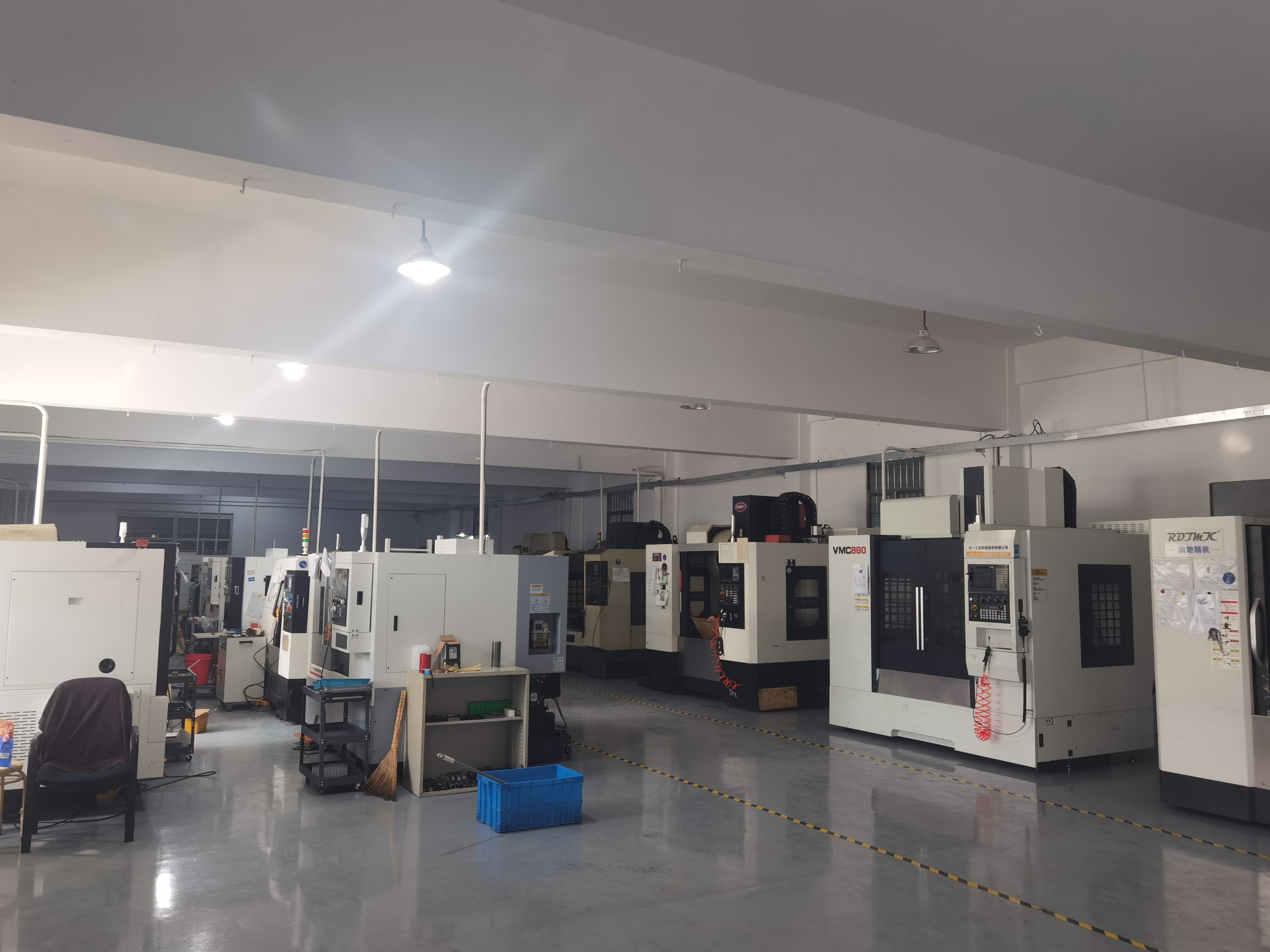
Next step: validate the grade on a sample bracket
Send the drawing revision and the intended material route — carbon, alloy, stainless or aluminum — and SHANGHAI NTC TECHNOLOGY CO., LTD. will confirm feasibility against the 2 mm wall limit, T4–CT7 tolerance band and heat treatment requirement before quoting a sample.
Email: Stanley770826@ntcmachine.com | WhatsApp: +86 186 2180 6400 | Web: www.shntcmachinery.com / www.shntcmachine.com
Download the SHANGHAI NTC 2026 product catalogue (PDF)
Have Questions or Need More Details?
Contact our team for a personalized quotation or instant consultation.
Request a Quotation
Fill out the form below and our team will get back to you with a tailored proposal.
WhatsApp Direct Chat
Prefer to chat in real-time? Message us on WhatsApp for instant assistance & quick answers.
- Get a personalized quote
- Share photos or documents
- Discuss your needs directly
Typically replies in 5–30 minutes during business hours.