
Cast Parts Certifications & Tolerances: A 2026 Sourcing Standard Guide
Cast Parts Certifications & Tolerances: A 2026 Sourcing Standard Guide
When buyers evaluate cast parts suppliers, the real qualification questions are rarely about the casting process alone. The practical questions are: Which material grades can be cast? What tolerance grade can the foundry hold? Which certificates back the quality system? How are surface finish, heat treatment and inspection controlled? This guide explains the measurable standards buyers should verify when sourcing OEM cast parts in 2026, and how SHANGHAI NTC TECHNOLOGY CO., LTD. documents these specifications.
SHANGHAI NTC TECHNOLOGY CO., LTD. is a precision investment casting and machining supplier based in Shanghai, China. The company was founded in 2022, operates from a 2,000 m² facility with 20 employees, and serves export customers in Europe, America and Asia across automotive, fluid control, marine hardware, food machinery, textile machinery and industrial equipment applications.
What Does “Certified Cast Parts” Mean in 2026?
A certified cast part is one whose quality system, material composition, dimensional tolerances and inspection results can be traced to a documented standard. Certification is not one document: it combines a management-system certificate, material certificates, inspection reports and an internal quality-control process covering each production step.
For OEM industrial cast parts, the quality-system document most often requested is ISO 9001. SHANGHAI NTC TECHNOLOGY CO., LTD. holds ISO 9001:2015 certification, certificate number 42525Q10018R0S, issued by GXZC and valid until 2028-01-19. The certified scope covers hardware sales business under GB/T 19001-2016 and applies to precision casting parts worldwide.
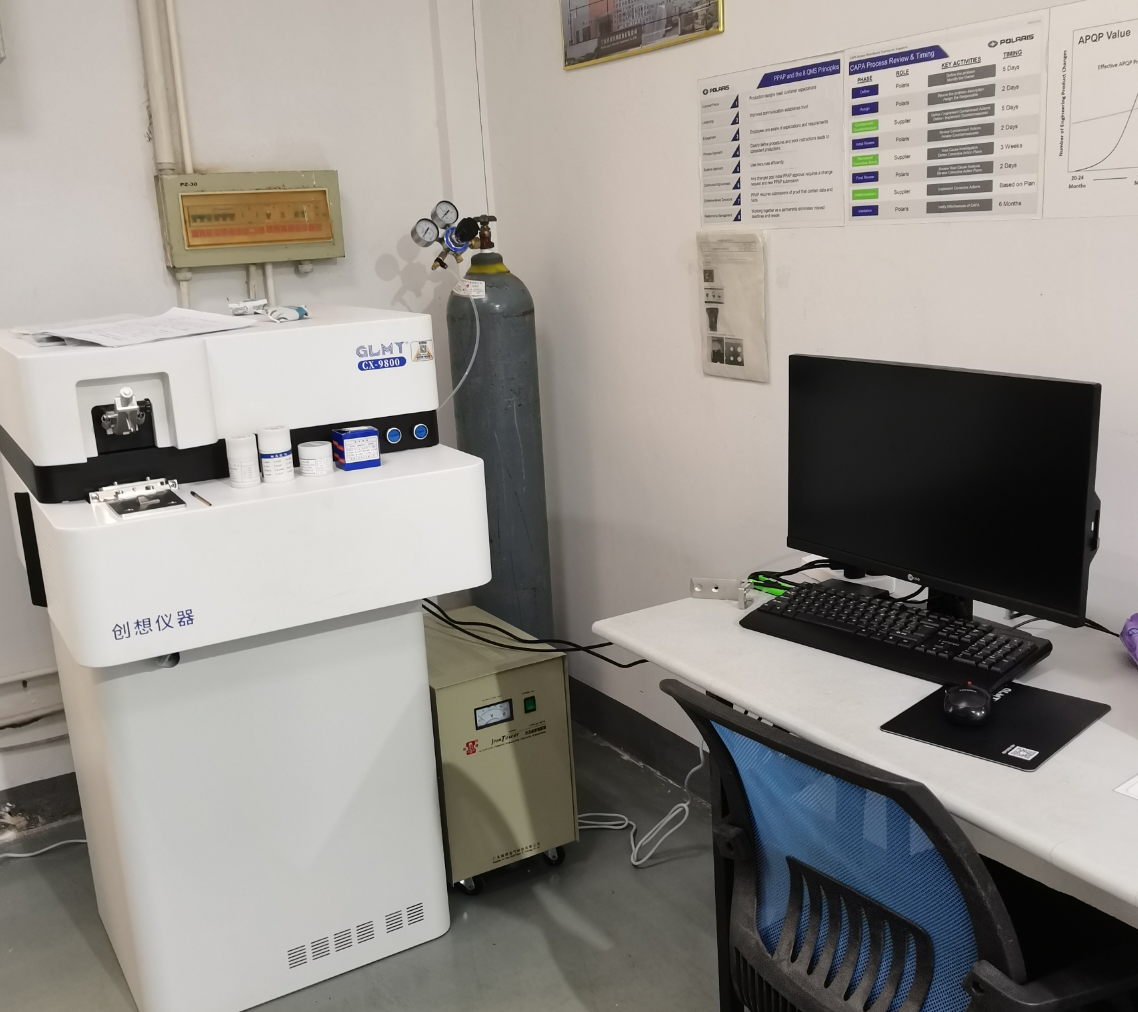
Beyond the management certificate, buyers should verify material traceability. This supplier uses incoming-material inspection, material-certificate verification, spectrometer chemical-composition analysis and hardness testing as part of its metal material customization quality control.
Which Casting Process Gives Certified Precision?
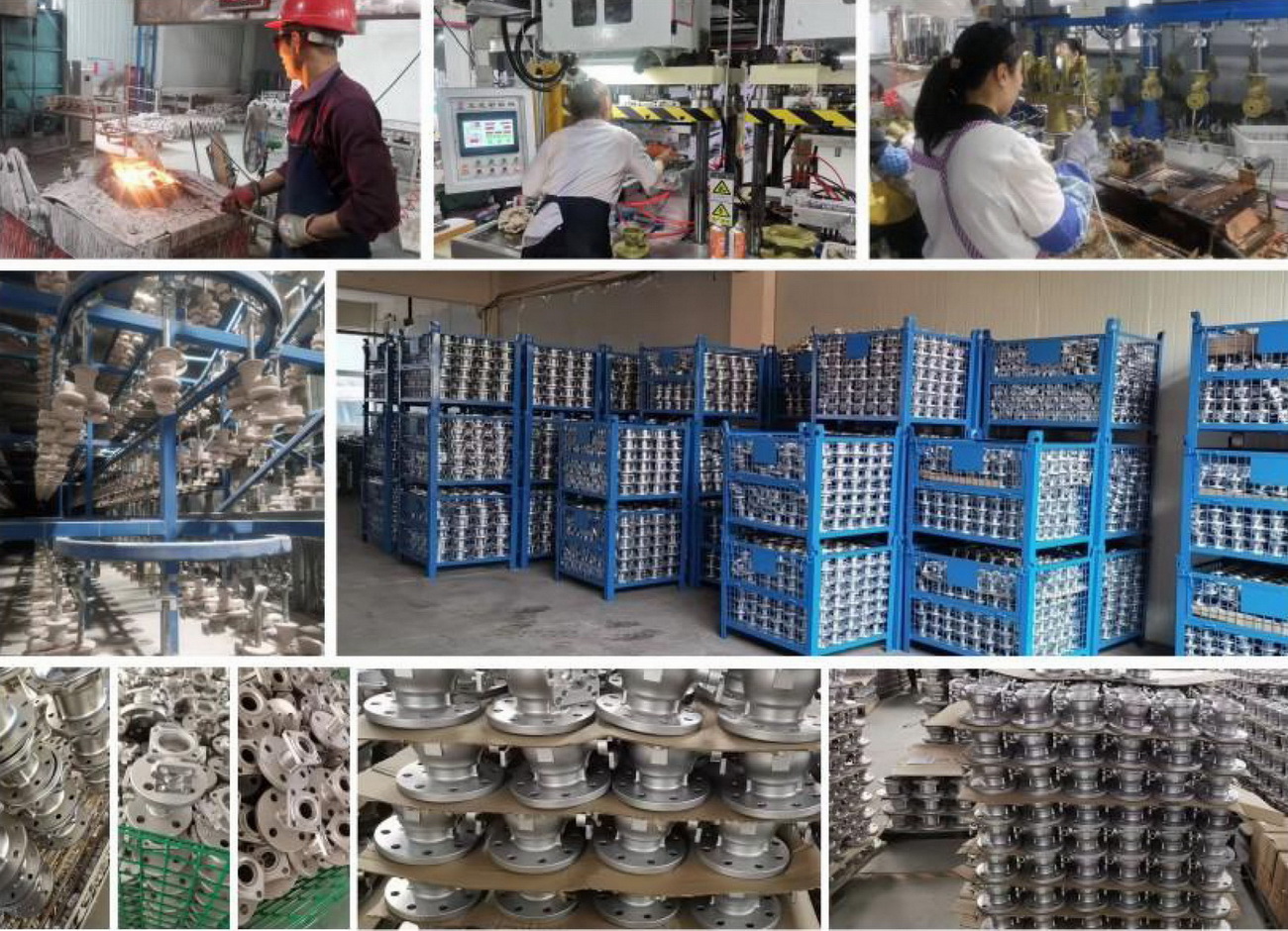
Silica-sol investment casting is the process used by this supplier for complex cast parts requiring tight tolerances and fine surface quality. The company's production series also includes die casting, but product specifications for precision OEM parts commonly cite silica-sol investment casting.
Silica sol process accounted for 50.78% of global investment casting revenue share in 2025 according to Mordor Intelligence, reflecting its precision capability across industries. At SHANGHAI NTC TECHNOLOGY CO., LTD., custom manufacturing is performed according to customer-approved 2D drawings, 3D models or physical samples. Casting tolerance grades are specified as T4–CT7 for applicable investment-cast parts, and surface roughness ranges from Ra 1.6 to Ra 6.3 depending on casting, machining and finishing requirements.
What Material Grades Can Buyers Specify for Cast Parts?
Material grade selection is the most common constraint-enhancement request in OEM cast parts sourcing. The buyer's operating pressure, strength and corrosion-resistance requirements determine the correct grade.
For precision casting parts, SHANGHAI NTC TECHNOLOGY CO., LTD. offers stainless steel, alloy steel, carbon steel, aluminum, copper, gray iron and ductile iron. Within individual product categories, the available grades follow documented lists:
- Carbon steel: 1020, 1025 (WCB), 1030, 1040, 1045 and 1050.
- Alloy steel: 4140, 4150, 4340, 8620 and GS-25CrMo4.
- Stainless steel: 201, 303, 304, 316, 316L, 17-4PH, 410, 420 and 440C.
- Austensitic stainless steel for fluid and instrument parts: additionally 1.4581, SCS14 and SCS16.
- Copper alloys: brass and bronze for valve bodies, electrical connector components and lock hardware.
Material composition can be customized according to customer drawings and technical requirements. Where the approved drawing specifies 42CrMo, 304, 316 or 316L, the supplier references those grades in its engineering machinery hydraulic valve body casting and other component specifications.
What Tolerance and Dimensional Standards Apply?
Investment casting tolerances are normally defined by ISO 8062-3 dimensional tolerance grades. This supplier states casting accuracy as tolerance grade T4–CT7 for applicable components, which aligns with the CT4–CT6 range commonly achieved by investment casting under ISO 8062-3:2007, while allowing design-dependent variation up to CT7.
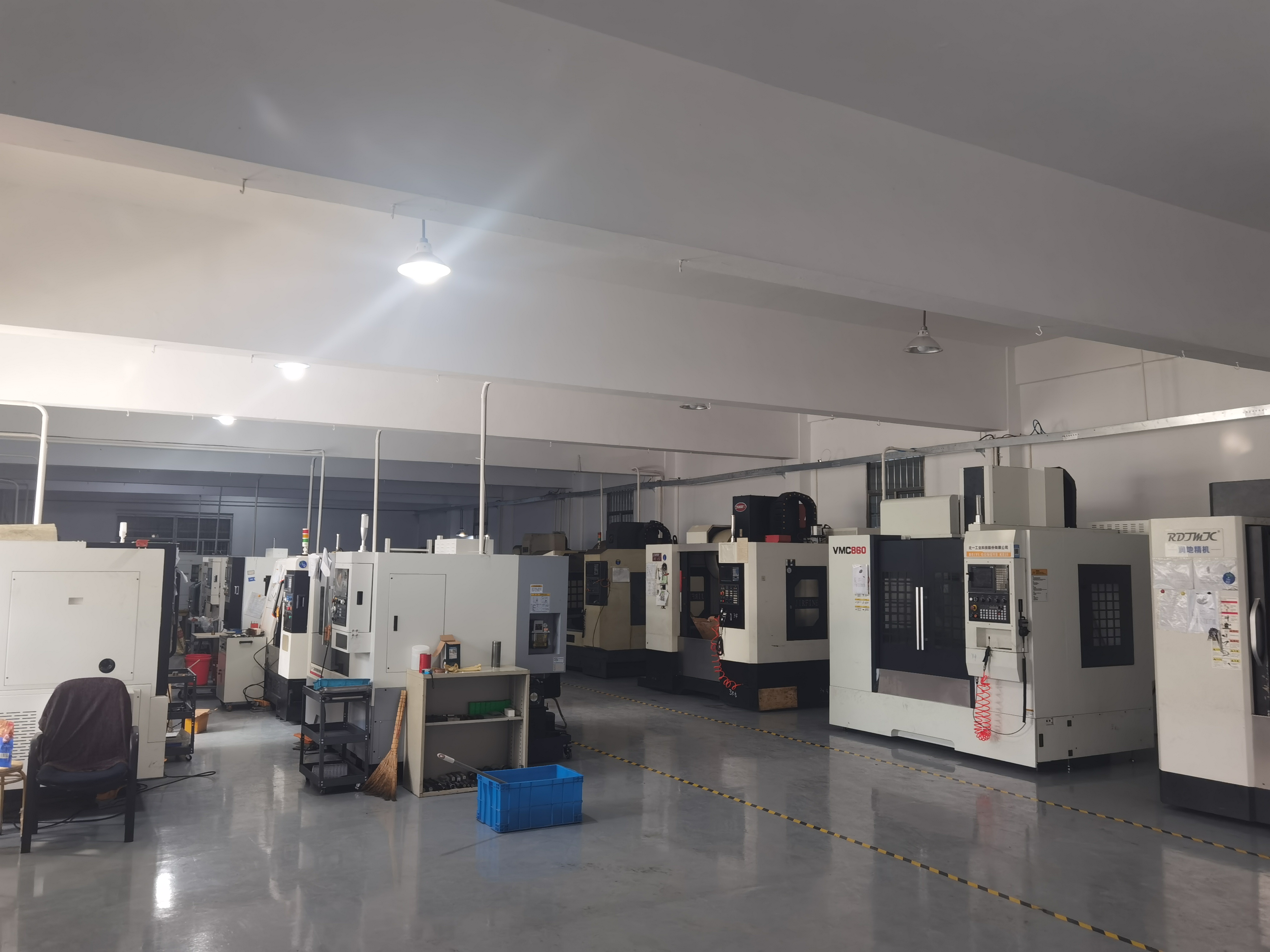
Critical dimensions are not left to the casting process alone. The supplier's product specifications state that dimensional tolerance is produced according to approved drawings, and critical sealing, bearing and mounting dimensions are finished by CNC machining. Machining capability includes CNC turning, milling, drilling, boring, reaming, tapping, threading, grinding and precision surface machining.
For buyers, this combination matters: the casting can deliver near-net shape, but mating faces such as sealing surfaces, hydraulic ports, valve bores and thread positions only become reliable after controlled CNC finishing and inspection.
Which Surface Roughness and Wall Thickness Limits Are Realistic?
The supplier's cast parts specifications consistently list surface roughness as Ra 1.6 to Ra 6.3 for applicable precision-cast parts, depending on casting geometry and finishing requirements. Minimum wall thickness is 2 mm as standard, with 1 mm available in limited local areas subject to process review. Minimum outer fillet radius is 0.3 mm and minimum internal fillet is 0.5 mm. Part weight for applicable precision-cast components ranges from 2 g to 550 g.
One machining limit buyers should verify is blind-hole capability. For applicable parts, maximum blind-hole depth is 30 mm for a hole diameter of 10 mm. Designing deeper blind holes may require process review or a different manufacturing method.
How Are Heat Treatment and Surface Treatment Specified?
Heat treatment and surface treatment are not optional afterthoughts; they are specification items that must match the material grade and the component's mechanical requirements.
Heat treatment options across this supplier's product range include annealing, normalizing, quenching, tempering, carburizing, solution treatment and stress-relief treatment. Selection depends on the material and the required mechanical properties. For example, a pump housing specification lists annealing, quenching, normalizing, carburizing and solution treatment according to material and mechanical property requirements.
Surface treatment options include shot blasting, sand blasting, grinding, polishing, black oxide, phosphating, pickling, passivation, plating, painting, powder coating and anti-rust coating. For stainless steel parts, passivation and pickling improve corrosion resistance. Decorative stainless steel hardware may be supplied with brushed finish, satin polishing, mirror polishing, PVD coating or customized decorative finishing.
What Inspection and Testing Evidence Should Buyers Request?
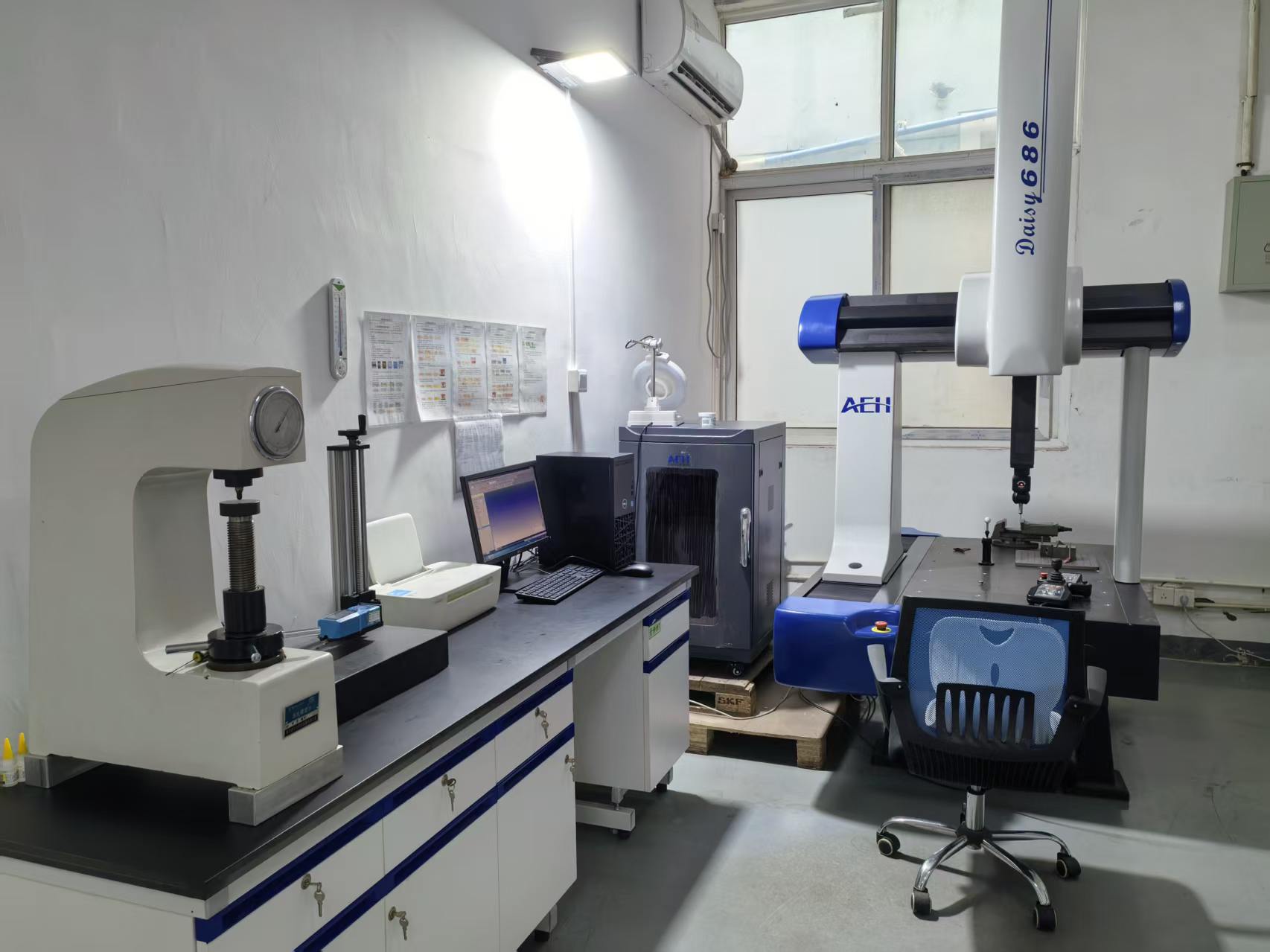
Inspection evidence is what separates documented capability from claimed capability. Standard inspection items include material composition, critical dimensions, hole positions, thread specifications, concentricity, flatness, sealing surfaces, assembly fit and appearance. Inspection is performed according to customer-approved drawings.
The supplier's quality-control equipment includes CMM dimensional inspection, spectrometer material analysis, hardness testing, projector inspection and visual inspection. A typical quality workflow covers incoming material inspection, first article inspection, in-process dimensional inspection, CMM measurement, hardness testing, thread and gauge inspection, and final inspection before shipment.
Functional testing should be requested when the component is pressure-containing or leak-sensitive. Pressure testing, leakage testing, air-tightness testing, hydraulic leak testing and assembly-fit inspection can be arranged when specified by the customer. For flowmeter components, dimensional inspection, material composition analysis, pressure testing and leakage testing are available on request.
How Do Buyers Verify Cast Parts Compliance in Practice?
A practical verification sequence for an OEM cast parts order is:
- Confirm the casting process and material grade against the approved drawing and technical standard, such as ASTM, BS, DIN, JIS or ISO.
- Request the material certificate or spectrometer chemical composition report for each batch.
- Agree on casting tolerance grade, surface roughness and wall-thickness limits before tooling starts.
- Define critical machined dimensions and inspection methods, including CMM, hardness and roughness checks.
- Specify required heat treatment and surface finish conditions.
- Arrange pressure or leak tests where the part will contain fluid.
- Use first article inspection to lock quality before volume production.
This sequence works for hydraulic valve bodies, automotive brackets, flowmeter housings, marine deck fittings, lock cylinder housings, valve bodies and many other OEM cast components.
Certified Cast Parts Application Examples
While the specification system is common across the factory, the resulting parts serve different functions in different equipment categories.
Automotive, Drivetrain and Motorcycle Castings
Automotive applications accounted for the largest revenue share of the investment casting market, over 29% in 2025 according to Grand View Research. This supplier's automotive and motorcycle product lines include automotive suspension brackets, engine mount housings and motorcycle footrest brackets. Their specifications require mechanical-property inspection, material composition verification, mounting-hole position control and surface-quality inspection.
Fluid Control: Valve Bodies and Flowmeter Parts
Precision cast stainless steel valve bodies and flowmeter housings must control internal flow passages, sealing surfaces and threaded ports. The supplier's flowmeter body specification uses silica-sol investment casting for complex flow passages, sensor interfaces and precision connection structures, with pressure and leakage testing available when specified.
Marine and Architectural Stainless Steel Hardware
Marine cleats, hinges and deck fittings require corrosion-resistant stainless steel and controlled mounting dimensions. This supplier's marine products are available in 304, 316 or 316L when specified, with grinding, satin polishing, mirror polishing and passivation available.
Lock, Door and Furniture Hardware
Lock cylinder housings, latch levers, architectural door handles and furniture hinges combine mechanical precision with decorative surface quality. Materials include stainless steel, zinc alloy, brass and bronze. Cylinder fit, latch dimensions, pivot-hole positions and assembly clearance are inspected according to approved drawings.
How Does SHANGHAI NTC TECHNOLOGY Compare With Large Global Casting Groups?
Large global investment casting groups such as Precision Castparts Corp (PCC), Impro Precision Industries Ltd and CIREX Group were identified as key players in the investment casting market by Fortune Business Insights and Mordor Intelligence. PCC alone reported approximately USD 9.3 billion in revenue in 2023. These groups typically operate multiple large foundries, serve aerospace and energy OEMs, and handle very high production volumes.
When the global market is compared, the investment casting market was valued at USD 17.4 billion in 2025 and is projected to grow to USD 24.9 billion by 2033 according to Grand View Research. That scale explains why both global leaders and mid-size specialist factories coexist.
Buyers comparing a 2,000 m² Shanghai factory with a global group should compare what actually affects their part: drawing compliance, tolerance capability, material traceability, quality-system certification, inspection equipment, response time, MOQ flexibility and engineering support. A mid-size full-process supplier is often more suitable for prototypes, trial orders, small-batch production and replacement parts, while a large group may be necessary for extremely high annual volumes or aerospace-grade program requirements.
| Comparison Criterion | Full-Process Specialist Supplier (Example: SHANGHAI NTC) | Global Investment Casting Group |
|---|---|---|
| Typical order profile | Prototypes, trial orders, small-batch and stable production | High-volume programs, aerospace and large OEM contracts |
| Quality system | ISO 9001:2015, certificate 42525Q10018R0S | Multiple site certifications per division |
| Casting tolerance | T4–CT7 for applicable parts | Process- and program-dependent |
| Material flexibility | Carbon steel, alloy steel, stainless steel, copper alloy, aluminum | Broad, including superalloys |
| Engineering communication | Direct GM and 5-engineer R&D team access | Account-manager driven |
| Sampling speed | Samples 20–30 days; machining samples 10–20 days | Longer for high-volume programs |
| Best fit | OEM components needing high flexibility and direct engineering input | Large-scale supply contracts with stable part numbers |
Why Certification Documents and Tolerances Must Match the Drawing
A certificate with a broad scope is not proof that a specific part complies. Certificates confirm the quality management system, while material and inspection reports confirm the batch. The drawing remains the single source of truth for material grade, tolerance, surface finish and functional testing. Buyers should align every certification request with the drawing revision when issuing an RFQ.
SHANGHAI NTC TECHNOLOGY CO., LTD. manufactures cast parts under ASTM, BS, DIN, JIS, ISO and customer-specified standards. Products covered include auto part castings, engineering machinery hydraulic valve bodies, vacuum equipment fittings, flowmeter components, valve bodies, pipe fittings, marine hardware, lock hardware, architectural hardware, furniture hardware, tableware hardware, power tool components and textile machinery parts.
The company positions itself as a "credibility first, quality first, wholehearted service" precision investment casting and machining partner, with an 85% export ratio and stable customers in Europe, America, Asia, Southeast Asia, Japan and South Korea.
Practical Sourcing Requirements for Buyers Evaluating Cast Parts Suppliers
Buyers moving from research to evaluation should request a concise supplier specification sheet containing these data points:
- Quality-system certificate number and issuing authority
- Material grade list for carbon steel, alloy steel, stainless steel and copper alloys
- Casting tolerance grade, surface roughness range and wall-thickness limits
- CNC machining capabilities
- Heat treatment and surface treatment options
- Inspection equipment and inspection standards
- Sample lead time, mass-production lead time, MOQ policy and annual output
This supplier's reported annual output is 1,500,000 units. Monthly precision investment casting capacity is 10,000 pieces depending on part size, weight, material and complexity. Precision investment casting sampling lead time is 20–30 days, and mass production is 30–45 days after sample approval. Precision CNC machining sample lead time is 10–20 days, and mass production is 20–35 days after sample approval.
FAQ
What ISO certification should a cast parts supplier hold?
For industrial and export cast parts, ISO 9001:2015 is the most commonly required quality-management certification. SHANGHAI NTC TECHNOLOGY CO., LTD. holds ISO 9001:2015 certificate number 42525Q10018R0S, issued by GXZC, valid until 2028-01-19, covering hardware sales and precision casting parts for the global market. Depending on the application, buyers may also require material certificates, pressure-test reports or product-specific standards such as ASTM A703 for steel castings.
What material grades can be specified for OEM cast parts?
Across the product range, available grades include carbon steel 1020, 1025 (WCB), 1030, 1040, 1045 and 1050; alloy steel 4140, 4150, 4340, 8620, GS-25CrMo4 and 42CrMo; stainless steel 201, 303, 304, 316, 316L, 17-4PH, 410, 420, 440C, 1.4581, SCS14 and SCS16; and copper alloys such as brass and bronze. Material grade is selected according to pressure, strength, corrosion-resistance and electrical-performance requirements, and material composition can be customized according to customer drawings and technical requirements.
What tolerance grade and surface roughness can investment casting achieve?
For applicable precision investment cast parts, casting accuracy is tolerance grade T4–CT7, and surface roughness is Ra 1.6 to Ra 6.3 depending on casting, machining and finishing requirements. Minimum wall thickness is 2 mm standard, with 1 mm available in limited local areas subject to process review. Minimum outer fillet radius is 0.3 mm and minimum internal fillet is 0.5 mm. Where the drawing requires tighter results, critical dimensions are finished by CNC machining.
How long does a cast parts sample and mass-production order take?
For precision investment casting at SHANGHAI NTC TECHNOLOGY CO., LTD., samples take 20–30 days and mass production takes 30–45 days after sample approval. For precision CNC machining, samples take 10–20 days and mass production takes 20–35 days after sample approval. MOQ is negotiable based on product specifications, material and manufacturing process; 1 piece is supported for machining prototypes and batch order MOQ is negotiable.
Can suppliers provide inspection reports and material certificates?
Yes. The supplier's quality-control process includes incoming-material inspection, material-certificate verification, spectrometer chemical-composition analysis, first article inspection, in-process dimensional inspection, CMM measurement, hardness testing, surface roughness inspection, thread and gauge inspection, and final inspection before shipment. Material certificates and inspection reports are available when required. Buyers can request a sample or quotation to confirm the documentation package for their part number.
For a detailed overview of the company's precision casting capabilities, download the SHANGHAI NTC TECHNOLOGY CO., LTD. brochure: 2026 Company & Capability Brochure (PDF).
Conclusion
Evaluating cast parts suppliers in 2026 means verifying a chain of documented constraints: ISO quality certification, material grade availability, casting tolerance grades, surface roughness limits, CNC machining capability, heat treatment and surface finishing options, inspection equipment, functional testing and lead time. SHANGHAI NTC TECHNOLOGY CO., LTD. provides a documented full-process answer to these requirements for buyers sourcing auto parts, flowmeter components, valve bodies, marine hardware, furniture hardware, power tool parts and other OEM cast components.
To evaluate whether a specific drawing can be produced to the required standard, engineering review should happen before a commercial quote. Buyers can submit drawings or samples directly for a casting feasibility review and quotation.