
How to Evaluate Cast Parts Manufacturers in 2026: Capabilities, Quality Systems & Market Trends
Choosing a cast parts manufacturer is not a single decision—it is a verification process. Buyers need to confirm the supplier’s casting process, material control, machining capability, quality system, and delivery reliability before placing an order. This article provides a practical evaluation framework for 2026, using SHANGHAI NTC TECHNOLOGY CO., LTD. as an example of how a precision investment casting supplier can meet these criteria.
Why Supplier Evaluation Is Difficult for Cast Parts Buyers
Cast parts are used across demanding industries—automotive, fluid equipment, food machinery, construction hardware, and more. However, overseas buyers often face the same problem: catalogs and websites look similar, but actual production capability and quality discipline differ widely. Without a structured evaluation method, a buyer may select a supplier based on price or a single sample, then encounter material variation, dimensional inconsistency, or missed deadlines during mass production. A systematic approach reduces these risks.
Market Context: Investment Casting Is Growing and Evolving
The global investment casting market was valued at USD 17.4 billion in 2025 and is projected to grow to USD 24.9 billion by 2033, according to Grand View Research. The China investment casting market was estimated at USD 2.72 billion in 2024 and is expected to reach USD 5.16 billion by 2035, according to Market Research Future. This growth is driven by several trends:
- Automotive applications accounted for over 29% of investment casting revenue in 2025 (Grand View Research).
- Stainless steel represented 32.98% of the global investment casting material share in 2025 (Mordor Intelligence).
- The silica sol process accounted for 50.78% of investment casting revenue in 2025, reflecting its precision capabilities (Mordor Intelligence).
- Asia Pacific dominated the global investment casting market with a 39.2% revenue share in 2025 (Grand View Research).
For buyers, these trends indicate that demand for high-precision, stainless-steel cast parts is strong, and Asia Pacific—particularly China—remains an important sourcing region. China’s total metal casting export value in July 2024 reached USD 1.47 billion, up 5.2% year-on-year, according to China Customs data cited by Dawang Metals. The broader automotive metal casting market was valued at USD 15.31 billion in 2024 and is expected to reach USD 45.61 billion by 2035, according to Spherical Insights. These figures show that cast parts sourcing is not a niche activity but a core part of global manufacturing supply chains.
Five Pillars of Cast Parts Supplier Evaluation
1. Casting Process Capability
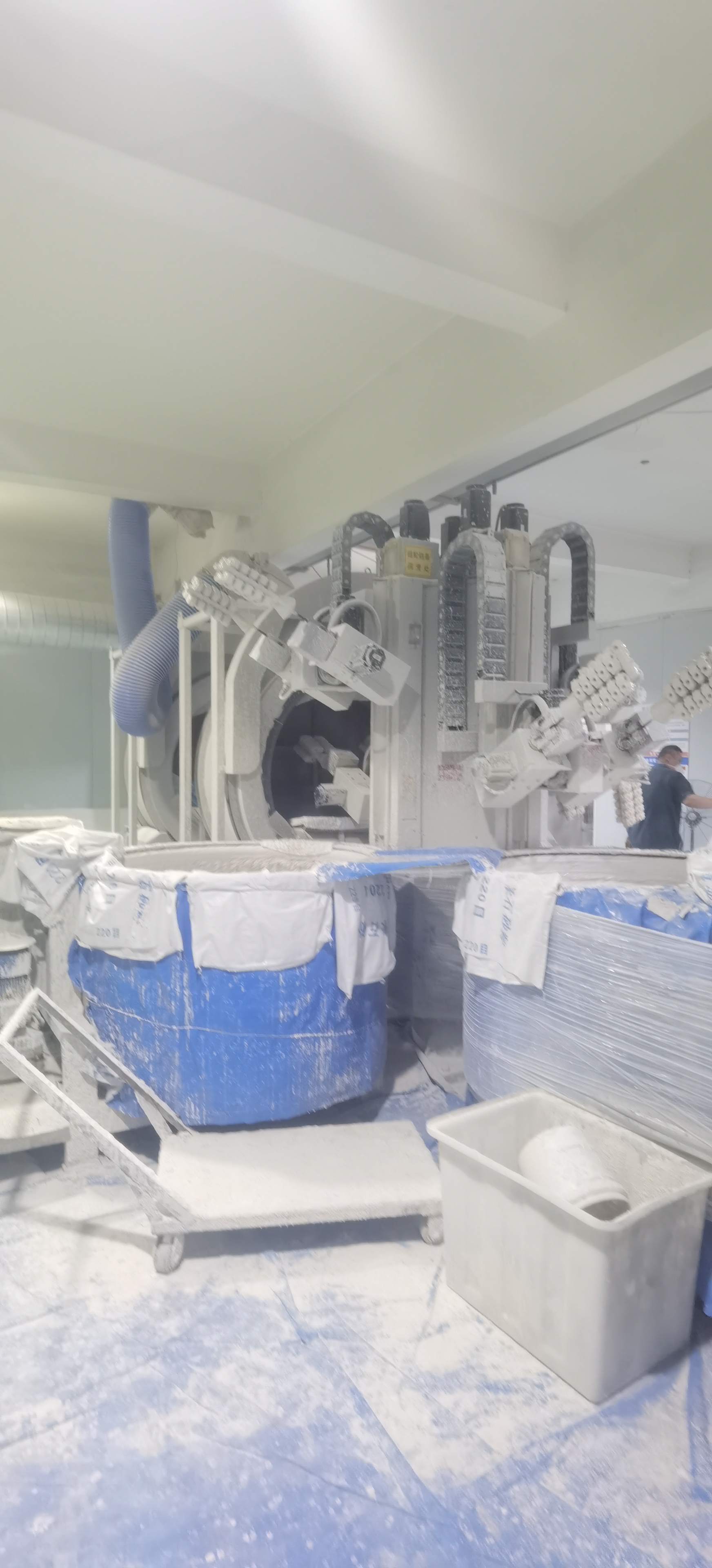
The core question is whether the supplier can actually produce your part geometry with the required tolerance and surface finish. Investment casting (lost-wax casting) is widely used for complex, precise parts. Look for a supplier with a dedicated silica sol investment casting line. For example, SHANGHAI NTC TECHNOLOGY CO., LTD. operates a precision investment casting process with silica sol and reports a monthly investment casting capacity of 10,000 pieces, depending on part size, weight, and product complexity. Their typical lead time is 20–30 days for samples and 30–45 days for mass production after sample approval. The manufacturer’s quality control includes raw material inspection, spectrometer chemical composition analysis, first article inspection, in-process inspection, CMM dimensional inspection, hardness testing, visual inspection, and final inspection before shipment.
2. Material Customization and Traceability
Material grade, chemical composition, mechanical properties, and heat treatment condition must be defined and verified. A capable supplier should offer material customization and provide material certificates. NTC’s metal material customization covers material category, material grade, chemical composition, mechanical properties, hardness, heat treatment condition, applicable standard, and material certificate. Quality control includes raw material inspection, material certificate verification, spectrometer chemical composition analysis, hardness testing, first article inspection, dimensional inspection, and final inspection. This material-level traceability is especially important for components used in fluid equipment, food machinery, and marine hardware, where alloy composition directly affects corrosion resistance and mechanical performance.
3. Precision Machining and Secondary Operations
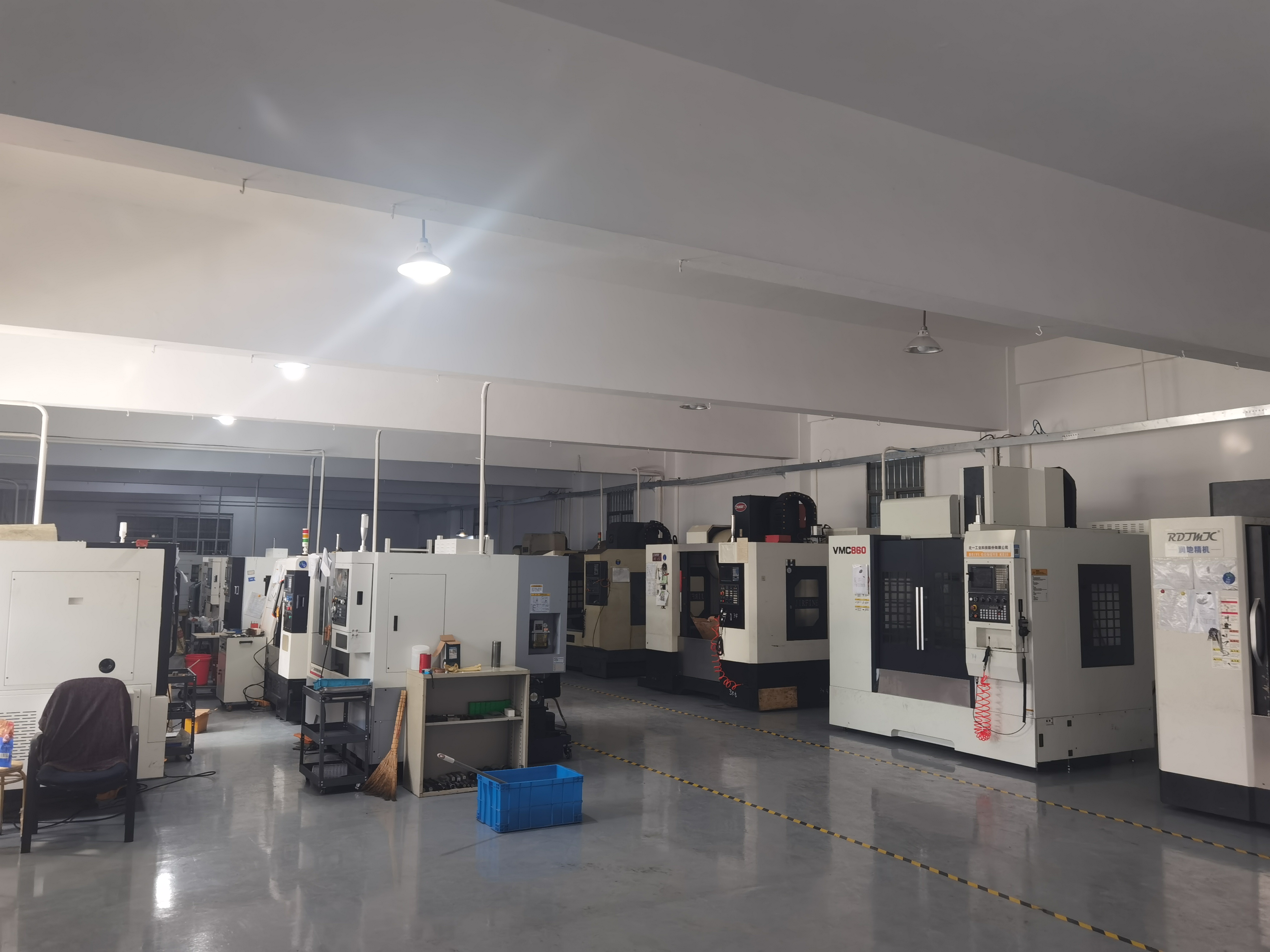
Many cast parts require CNC machining after casting to achieve tight tolerances or critical features. Confirm that the supplier operates its own machining center or has a reliable machining partner. NTC has CNC vertical machining centers and performs turning, milling, drilling, boring, threading, and surface treatment. Their machining quality control includes incoming material inspection, first article inspection, in-process dimensional inspection, CMM measurement, projector inspection, hardness testing, surface roughness inspection, thread and gauge inspection, visual inspection, and final inspection before shipping. Sample lead time for machining is 10–20 days; mass production is 20–35 days after sample approval. The manufacturer provides remote technical and drawing support, machining quality issue analysis, inspection report support, order and shipment tracking, and rework, replacement, or replenishment for confirmed manufacturing defects.
4. Surface Treatment and Heat Treatment
Functional and aesthetic requirements often demand polishing, sandblasting, passivation, plating, painting, powder coating, hardening, and tempering. Evaluate whether the supplier can handle these in-house or with qualified vendors. NTC offers surface and heat treatment options including surface finish, surface roughness, polishing, sandblasting, shot blasting, pickling, passivation, plating, painting, powder coating, black oxide, annealing, normalizing, quenching, tempering, solution treatment, and hardness verification. Their treatment quality control covers visual inspection, surface roughness inspection, coating thickness inspection, hardness testing, dimensional inspection, adhesion inspection, color comparison, and final inspection before shipment. Typical lead time for surface or heat treatment is 7–20 days, depending on treatment process, order quantity, and technical requirements.
5. Quality System, Delivery, and After-Sales Support
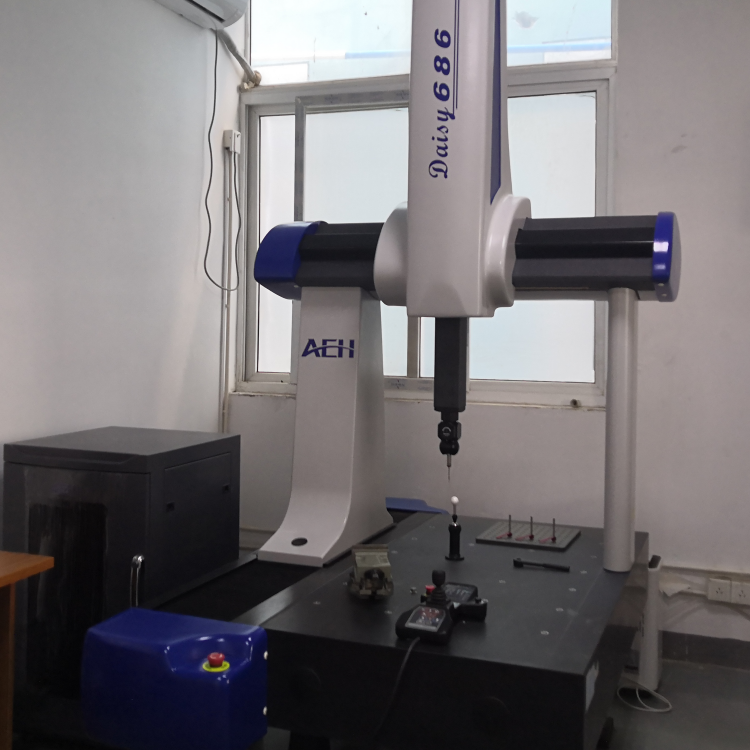
A robust quality management system is essential. NTC holds ISO 9001:2015 (certificate no. 42525Q10018R0S) and ISO 14001:2015, and its factory is equipped with CMM, spectrometer analyzer, Brinell hardness tester, projector, and other inspection equipment. The manufacturer performs 100% testing according to customer demand. In terms of supply capacity, NTC’s monthly production capacity is 500 tons, with a typical production lead time of 35–45 days depending on product complexity. The manufacturer maintains incoming material inspection, first article inspection, in-process inspection and final inspection. After-sales services include remote technical and drawing support, order and shipment tracking, quality issue analysis, inspection report support, and rework, replacement, or replenishment for confirmed manufacturing defects. The manufacturer provides a quality warranty for confirmed casting defects. Support is available via email and WhatsApp.
Step-by-Step Evaluation Process for Cast Parts Sourcing
- Define your technical specification. Document material grade, dimensions, tolerances, surface finish, heat treatment, and applicable standards (e.g., ISO 8062-3 for casting tolerances, ASTM A703 for steel castings).
- Shortlist suppliers based on casting process. Check whether they use silica sol investment casting or other methods suitable for your part complexity.
- Verify material and testing capabilities. Ask for material certificates, spectrometer analysis reports, and in-house testing laboratories.
- Assess machining and secondary operations. Confirm whether the supplier can achieve your critical tolerances and finish requirements through CNC machining and surface treatment.
- Audit quality systems. Look for ISO certifications, first article inspection procedures, and dimensional inspection equipment such as CMM and projectors.
- Request samples and first article inspection (FAI). Use the sample stage to validate dimensional accuracy, surface quality, and communication responsiveness.
- Confirm production lead time and MOQ. Align the supplier’s capacity with your order schedule. Ask for sample lead times and mass production lead times separately.
- Plan for after-sales support. Agree on how quality disputes, rework, and replacement will be handled, including response channels such as email and WhatsApp.
Use Cases: Where Cast Parts from This Supplier Are Applied
SHANGHAI NTC TECHNOLOGY CO., LTD. produces cast parts for a broad range of industrial and civil applications. Based on their production series, products are used in automobile parts, golf heads, vacuum parts, valve accessories, kitchen equipment accessories, dishwashing equipment accessories, spinning machine accessories, door accessories, scooter parts, and other industrial and civil products. The wider applicable industries include auto parts, fluid chemicals, hardware for ship equipment, food and medical machinery, building hardware accessories, valves and pipes, fire-fighting equipment, sports equipment, instruments and meters, aerospace, and petroleum equipment. This range aligns with secondary keywords such as auto part castings, stainless steel marine hardware castings, fluid equipment parts, food machinery parts, door control fittings, lock hardware, and related categories. Whether you need stainless steel pipe and valve castings, construction hardware, furniture hardware, or industrial sewing machine parts, a supplier with cross-industry experience is more likely to understand different quality expectations and finishing requirements.
Comparison Table: NTC’s Manufacturing Capabilities at a Glance
The table below summarizes typical capabilities from the manufacturer’s published production modes. Actual values may vary with part size, material, tolerance, and order quantity.
| Production Mode | Typical Lead Time | Monthly Capacity | MOQ | Key Quality Control |
|---|---|---|---|---|
| Precision Investment Casting | Samples: 20–30 days; Mass: 30–45 days after sample approval | 10,000 pcs/month (depending on part size, weight, complexity) | 100 pcs; negotiable for prototypes/trial orders | Raw material inspection, spectrometer analysis, FAI, in-process inspection, CMM, hardness, visual, final inspection |
| CNC Machining | Samples: 10–20 days; Mass: 20–35 days after sample approval | Flexible monthly capacity | 1 pc for prototypes; batch MOQ negotiable | Incoming material, FAI, in-process dimensional, CMM, projector, hardness, roughness, thread/gauge, visual, final |
| Metal Material Customization | Samples: 20–30 days; Mass: 30–45 days after sample approval | Flexible | Negotiable; prototypes/trial orders supported | Raw material inspection, certificate verification, spectrometer, hardness, FAI, dimensional, final |
| Surface and Heat Treatment | 7–20 days depending on process and quantity | Flexible | Negotiable | Visual, surface roughness, coating thickness, hardness, dimensional, adhesion, color, final |
| OEM / Build-to-Print | 35–45 days | 500 tons | According to product size | 100% testing according to customer demand |
When using this table, keep in mind that these figures are typical values. A supplier’s actual lead time or capacity depends on your specific part size, single piece weight, material grade, tolerance requirements, and order quantity. Always confirm these parameters in writing before starting production.
Frequently Asked Questions
What certifications should a cast parts manufacturer hold?
A reliable manufacturer should hold internationally recognized management system certifications. SHANGHAI NTC TECHNOLOGY CO., LTD. holds ISO 9001:2015 (certificate no. 42525Q10018R0S) and ISO 14001:2015. For cast parts specifically, dimensional tolerances are commonly defined by ISO 8062-3, and pressure-containing steel castings may follow ASTM A703/A703M. Buyers should always request the supplier’s certificates and confirm the scope matches the products being sourced.
What manufacturing capabilities are most important for custom cast parts?
For custom cast parts, the most important capabilities are: precision investment casting with a stable process (e.g., silica sol), material customization with certified composition, in-house CNC machining for tight tolerances, and surface/heat treatment control. NTC offers all these capabilities, with a monthly production capacity of 500 tons and a monthly investment casting capacity of 10,000 pieces.
What MOQ can I expect when ordering cast parts?
MOQ depends on part size, material, and manufacturing process. NTC’s standard MOQ for precision investment casting is 100 pieces, but prototypes and trial orders are negotiable. For CNC machining, prototype orders can start at 1 piece, and batch MOQ is negotiable. For OEM production, MOQ is determined according to product size.
How do I get cast parts samples before mass production?
Most professional suppliers provide samples. NTC’s typical sample lead time is 20–30 days for investment casting and metal material customization, and 10–20 days for CNC machining. After sample approval, mass production usually takes 30–45 days for casting and material customization, or 20–35 days for machining. You can contact NTC directly to discuss your drawing and sample requirements.
What is the typical lead time for cast parts production?
The typical production lead time at NTC is 35–45 days for OEM orders. For investment casting, mass production is 30–45 days after sample approval. If surface or heat treatment is required, additional 7–20 days are typical depending on process and quantity. It is important to confirm the exact lead time based on your part specification and order volume.
SHANGHAI NTC TECHNOLOGY CO., LTD. has successfully served distributors, traders, and purchasers across global markets, including Europe, North America, Japan, South Korea, and Southeast Asia. This cross-market experience indicates that the supplier has adapted to different quality expectations and documentation requirements.
Need to evaluate a cast parts supplier for your next project? Download the SHANGHAI NTC TECHNOLOGY CO., LTD. 2026 brochure for a complete overview of capabilities, or contact Stanley Yang (GM) at Stanley770826@ntcmachine.com / WhatsApp +86 186 2180 6400 to discuss your drawing.