
How to Match Cast Parts to Project Scenarios: Materials, Processes & Suppliers
How to Match Cast Parts to Project Scenarios: Materials, Processes & Suppliers
Cast parts are rarely off-the-shelf products. A mounting bracket that works in a motorcycle footrest may perform poorly as a marine deck fitting, even when the basic shape is similar — because material grade, casting process, machining tolerance, and surface finish must all match the operating conditions of the specific project. This guide is written for engineers, procurement teams, and project managers who are evaluating custom cast parts suppliers and need a practical framework for matching cast parts to their project scenario. It covers material selection, casting process choice, tolerance and post-processing decisions, and the supplier capabilities to look for, with build-to-print examples from SHANGHAI NTC TECHNOLOGY CO., LTD., a precision casting manufacturer based in Shanghai, China.
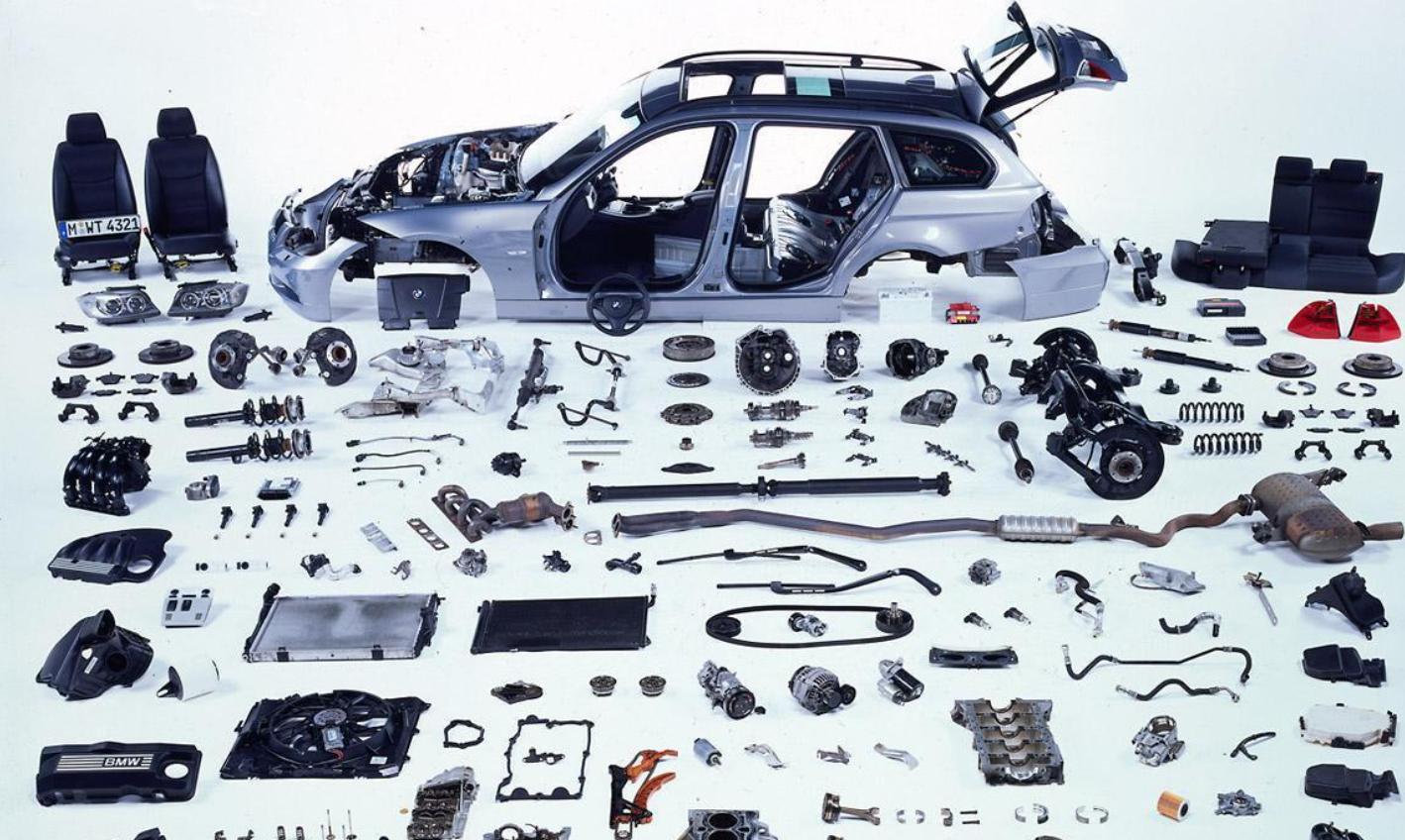
The Problem: Cast Parts Projects Fail on Specification Mismatch, Not on Metal
Most cast parts projects do not fail because the supplier cannot pour metal. They fail because the specification does not match the real project scenario.
- Material mismatch. A part intended for saltwater exposure needs a proper stainless steel grade with verified composition; the wrong grade can cause corrosion and premature failure.
- Process mismatch. Complex internal flow passages, thin walls, or intricate locking mechanisms require a casting process with adequate precision; using the wrong process forces heavy machining or creates internal defects.
- Tolerance mismatch. Bearing bores, sealing surfaces, and mounting positions need controlled tolerances; if the supplier treats them as commercial cast surfaces, assembly fails.
- Missing secondary operations. Heat treatment, CNC machining, and surface finishing change the final performance of the part. A cast-only part is rarely a finished part.
- Volume mismatch. Project developers need quick prototypes, while production requires stable batch output. Suppliers that cannot support both block the path from validation to launch.
The consequence is the same across industries: rework, delayed assembly, field failures, and unbudgeted cost. The solution is to evaluate suppliers by their ability to adapt the whole manufacturing chain — material, process, tolerance, post-processing, and inspection — to a specific project scenario.
Industry Background: Why Scenario-Based Sourcing Is Growing
Investment casting is expanding as a production method for complex metal components. The global investment casting market was valued at USD 17.4 billion in 2025 and is projected to reach USD 24.9 billion by 2033 (Grand View Research). Automotive applications accounted for the largest revenue share, over 29% in 2025, and Asia Pacific dominated the market with a 39.2% revenue share.
At the material level, stainless steel represented 32.98% of the global investment casting material share in 2025 (Mordor Intelligence). The silica sol process accounted for 50.78% of investment casting revenue share in 2025 due to its dimensional precision. In China, the investment casting market was estimated at USD 2.72 billion in 2024 and is projected to reach USD 5.16 billion by 2035, growing at a 6% CAGR (Market Research Future). China's total metal casting export value in July 2024 reached USD 1.47 billion, up 5.2% year-on-year (Dawang Metals / China Customs).
End-user industries are growing in parallel. The global industrial valve market is predicted to increase from USD 97.77 billion in 2026 to USD 273.49 billion by 2035 (Precedence Research), and the global door hardware market was valued at USD 68.4 billion in 2025, with locks holding a 34.2% segment share (Dataintelo). As applications diversify, buyers need suppliers that can map cast parts to specific operating environments rather than simply quoting per kilogram.
Detailed Solution: A Full-Process Approach to Match Cast Parts to Project Scenarios
SHANGHAI NTC TECHNOLOGY CO., LTD. is a precision casting and machining company founded in 2022 and located in Shanghai, China. The company operates a 2,000 square-meter factory with 20 employees, producing cast parts and auto part castings with an annual output of 1,500,000 units. Approximately 85% of output is exported to Europe, America, and Asia. The factory is about 50–60 kilometers from Shanghai Pudong Airport and Hongqiao International Airport, which supports convenient logistics for overseas project teams.
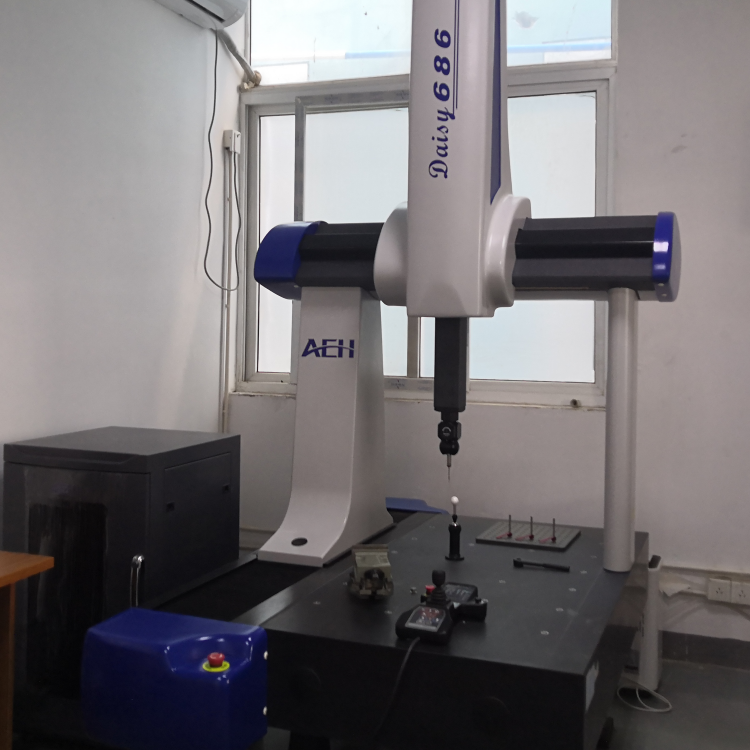
NTC is a professional precision casting industry and trade company with in-house product development, design, mold manufacturing, production, processing, and assembly. Its quality control system includes ISO 9001:2000 and ISO 14001:2015, silica sol investment casting, CNC processing equipment, and precision detection equipment including CMM, spectrometer, Brinell hardness tester, and projector.
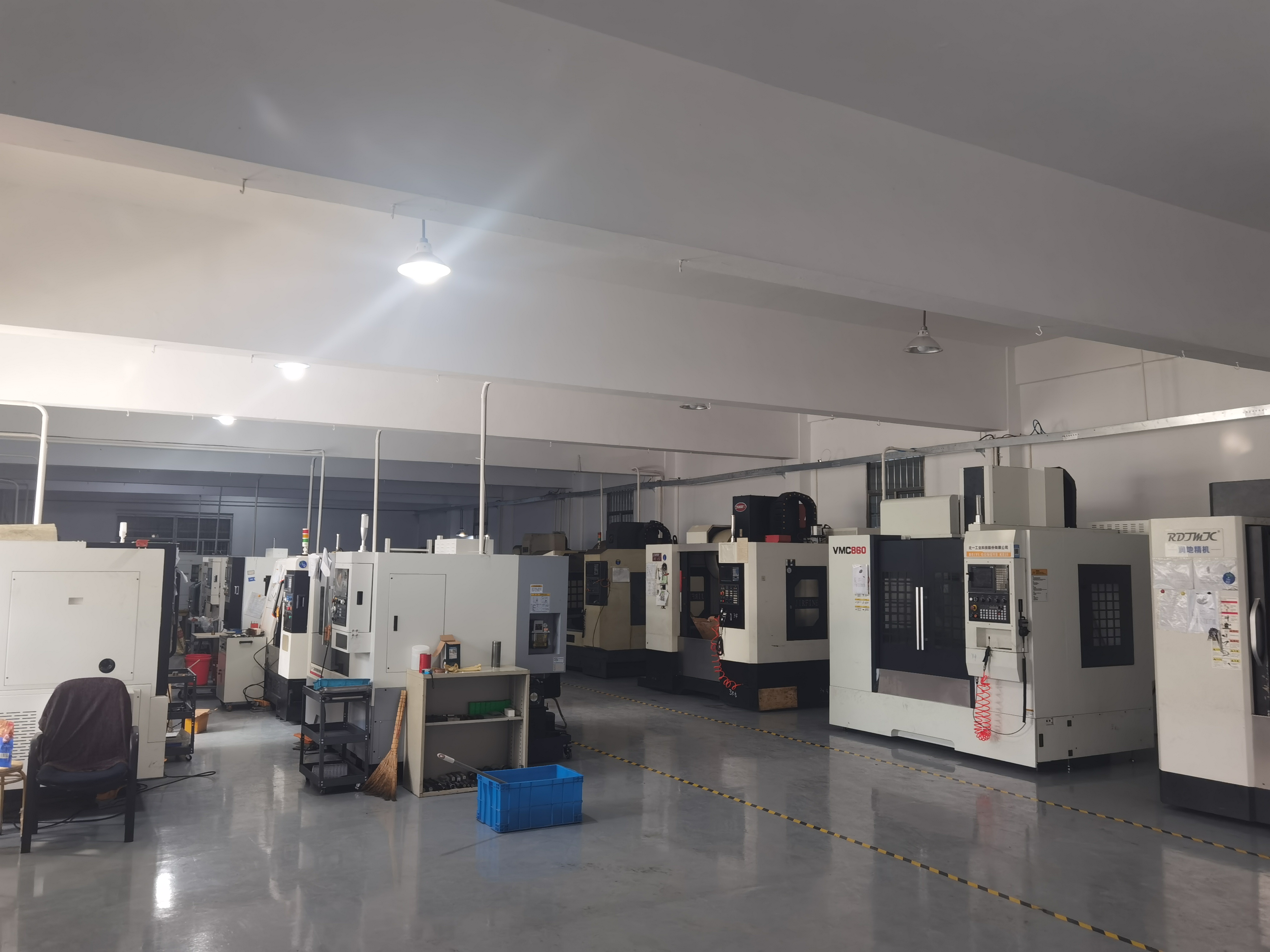
In OEM custom casting projects, the role of NTC cast parts is to provide high-precision structural, connecting, sealing, supporting, transmission, and fluid-control components for mechanical equipment. These parts function to ensure dimensional accuracy, reliable assembly fit, mechanical strength, and stable operation. All non-standard projects are manufactured as full OEM customization according to 2D drawings, 3D models, or physical samples, with strict control of dimensions, tolerances, concentricity, flatness, and sealing surfaces.
For project buyers, the manufacturing chain at NTC covers four pillars:
- Precision investment casting: silica sol process, monthly capacity of 10,000 pieces, samples in 20–30 days, mass production in 30–45 days after sample approval, MOQ of 100 pieces with prototype and trial orders negotiable.
- Precision CNC machining: turning, milling, drilling, boring, reaming, tapping, and grinding; samples in 10–20 days; mass production in 20–35 days; prototype MOQ from 1 piece.
- Material customization: selection of material category, grade, chemical composition, mechanical properties, hardness, and heat treatment condition, with material certificate and spectrometer verification available.
- Surface and heat treatment: polishing, sandblasting, shot blasting, pickling, passivation, plating, painting, powder coating, black oxide, annealing, normalizing, quenching, tempering, and solution treatment, typically within 7–20 days.
Step-by-Step: How to Match Cast Parts to a Project Scenario
Use this six-step sequence when evaluating cast parts for a new project. It works for both new designs and replacement parts.
Step 1. Define the Part Function
Identify whether the part is structural, connecting, sealing, supporting, transmission, or fluid-control. This determines the minimum mechanical requirements. A structural bracket, a bearing housing, and a valve body all demand different specification priorities.
Step 2. Select the Material Grade
Choose the material family and grade based on load, corrosion, wear, and operating temperature. NTC supports carbon steel grades such as 1020, 1025 (WCB), 1030, 1040, 1045, and 1050; alloy steel such as 4140, 4150, 4340, 8620, and GS-25CrMo4; stainless steel grades including 201, 303, 304, 316, 316L, 17-4PH, 410, 420, and 440C; plus aluminum alloy, zinc alloy, brass, bronze, and ductile iron for applicable projects. The correct grade should be confirmed by drawing review, not assumed from a similar previous part.
Step 3. Choose the Casting Process
Silica-sol investment casting suits complex geometries, thin walls, fine surface finish, and small-to-medium parts in the 2 g–550 g range, with tolerance grade T4–CT7. Zinc or aluminum die casting suits lightweight housings and higher-volume components. Sand casting can be selected for larger engineering machinery housings. The supplier should propose the process based on material, geometry, and order volume.
Step 4. Define Tolerances and Machined Features
Specify which surfaces are functional: bearing bores, shaft holes, flange faces, sealing grooves, threaded ports, mounting holes, and locating surfaces. In precision cast parts, casting tolerance is controlled, and critical dimensions are finished by CNC machining. For flowmeter and valve projects, connection dimensions, thread accuracy, and sealing-surface quality are inspected according to approved drawings. For bearing housings, bore diameter, concentricity, cylindricity, and alignment are controlled.
Step 5. Specify Heat Treatment and Surface Finish
Heat treatment options include annealing, normalizing, quenching, tempering, carburizing, and solution treatment. Surface treatments include shot blasting, pickling, passivation, polishing, black oxide, zinc coating, plating, painting, and powder coating. For food machinery and tableware hardware, polished and easy-to-clean surfaces are typical; for construction hardware, hot-dip galvanizing or zinc coating is common; for lock hardware, decorative plating or powder coating is used.
Step 6. Validate with Samples, Then Scale
Prototype development and sample verification are the final gate. NTC supports sample verification with first article inspection, material composition analysis by spectrometer, CMM dimensional inspection, hardness testing, and visual inspection before shipment. After sample approval, trial orders and stable volume production follow the same control points.
Use Cases: Cast Parts Across Project Scenarios
1. Auto Part Castings and Motorcycle Components
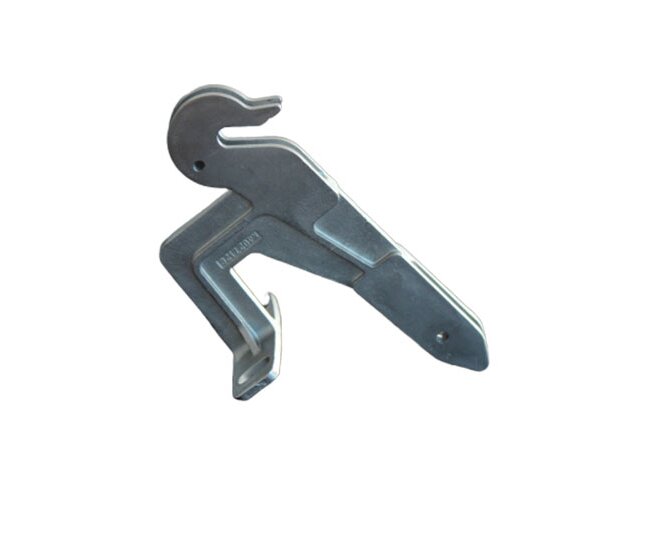
Automotive applications formed the largest demand segment for investment casting in 2025, with over 29% market share (Grand View Research). For OEM custom casting projects in this sector, NTC supplies automotive investment cast parts (OEM/Custom Drawing No. 1001), precision cast automotive suspension brackets (No. 1002), motorcycle footrest bracket castings (No. 1003), and precision cast motorcycle engine mount housings (No. 1004). Material options include carbon steel, alloy steel, stainless steel, and aluminum alloy. Motorcycle footrest brackets are produced by lost-wax investment casting in the 2 g–550 g range, with tolerance grade T4–CT7, CNC machining of mounting holes and connection surfaces, and optional heat treatment plus surface finishing. Wheeled-vehicle parts commonly use machining of bearing positions, flange faces, and threaded features, with material composition and mechanical properties inspected according to approved drawings.
2. Stainless Steel Marine Hardware Castings
Marine equipment places high demands on corrosion resistance and assembly fit. NTC's stainless steel marine hardware castings include marine cleats (No. 1007) and marine hinges and deck fittings (No. 1008), used for deck hardware and mooring fittings. Austenitic stainless steel grades such as 304, 316, and 316L are available, with the 316 family commonly selected for saltwater environments. Part weight for applicable components is 2 g–550 g, with tolerance grade T4–CT7 and surface roughness Ra 1.6–Ra 6.3 depending on finishing. CNC machining covers pin holes, mounting holes, and threaded holes, and surface finishing includes grinding, satin polishing, mirror polishing, and passivation. Critical dimensions, assembly fit, and surface quality are inspected before shipment.
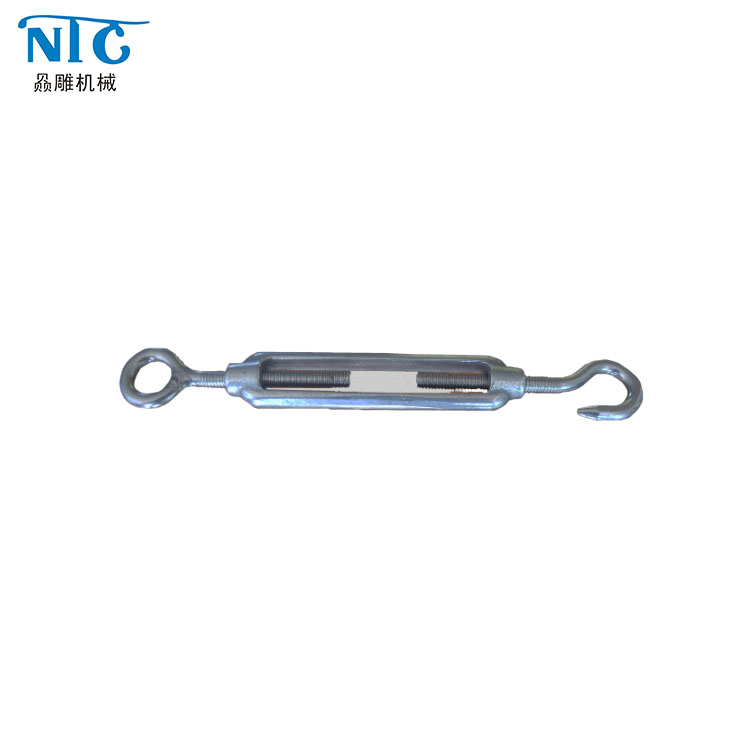
3. Fluid Equipment Parts: Valves, Pipes, and Flowmeter Accessories
In fluid control system projects, cast parts must maintain strict control of dimensions, tolerances, concentricity, flatness, and sealing surfaces. NTC's product range covers stainless steel valve bodies (No. 1009), stainless steel pipe fittings and flanges (No. 1010), brass and copper alloy valve bodies (No. 1013), pump housings (No. 1015), pump impellers (No. 1016), flowmeter bodies (No. 1035), and flowmeter flanges and connectors (No. 1036). These parts serve the fluid chemicals, valve, and pipe manufacturing sector, as well as instrumentation and industrial piping.
Flowmeter flanges and connectors are manufactured by silica-sol investment casting for complex flange, threaded connection, and internal flow-passage structures. Applicable precision-cast components weigh 2 g–550 g, with tolerance grade T4–CT7 and minimum wall thickness of 2 mm. Connection types include flanged, threaded, socket, tubular, and reducer structures. Thread options cover Metric, BSP, NPT, UNF, and customer-specified standards. Pressure testing and leakage testing can be arranged when specified.
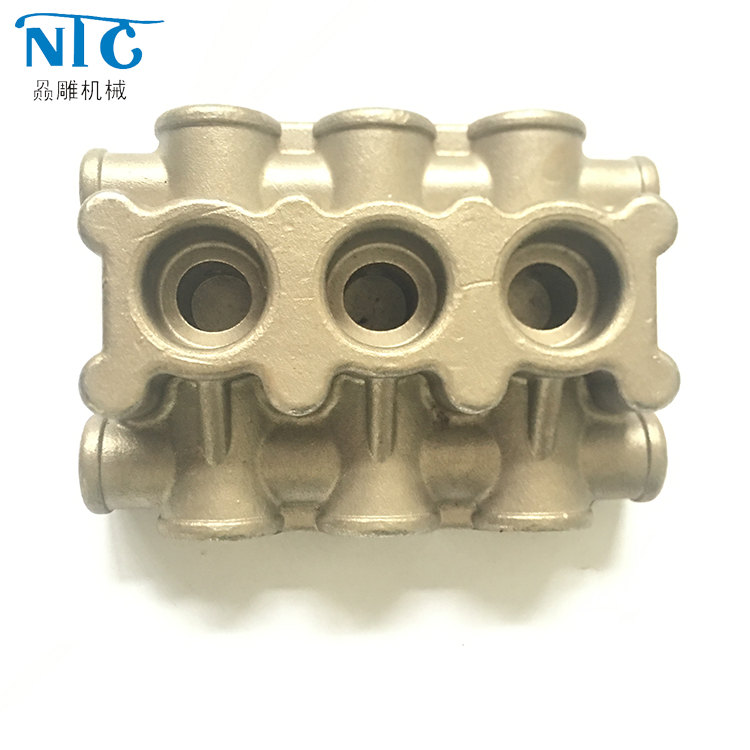
4. Food Machinery Parts and Tableware Hardware
Food-processing machinery requires materials and surfaces that are easy to clean and resistant to process media. NTC offers precision cast stainless steel food-processing impellers (No. 1017) and food machinery brackets and fittings (No. 1018) in 304, 316, and 316L stainless steel. Surface finishing includes grinding, satin polishing, mirror polishing, pickling, and passivation. For rotating components, static or dynamic balancing can be arranged according to impeller size, rotational speed, and customer requirements. In the same stainless steel family, NTC produces tableware handles (No. 1019) and tableware connectors and supports (No. 1020), used in tableware manufacturing, cookware hardware, and catering equipment.
5. Lock Hardware, Door Control Fittings, and Architectural Hardware
Lock and door hardware projects need compact castings with accurate cylinder fits, pivot positions, and assembly clearances. NTC produces precision cast lock bodies (No. 1033), lock cylinder housings and latch castings (No. 1034), door closer bodies (No. 1031), door control arms and linkage castings (No. 1032), stainless steel architectural door handles (No. 1011), and architectural hinges and brackets (No. 1012). Materials include stainless steel, zinc alloy, brass, and bronze. Casting processes include silica-sol investment casting and aluminum or zinc alloy die casting, selected according to material, structure, and production requirements. Typical finishing includes polishing, nickel or chrome plating, black oxide, painting, and powder coating. Cylinder dimensions, latch channels, assembly fit, and surface appearance are inspected before shipment.
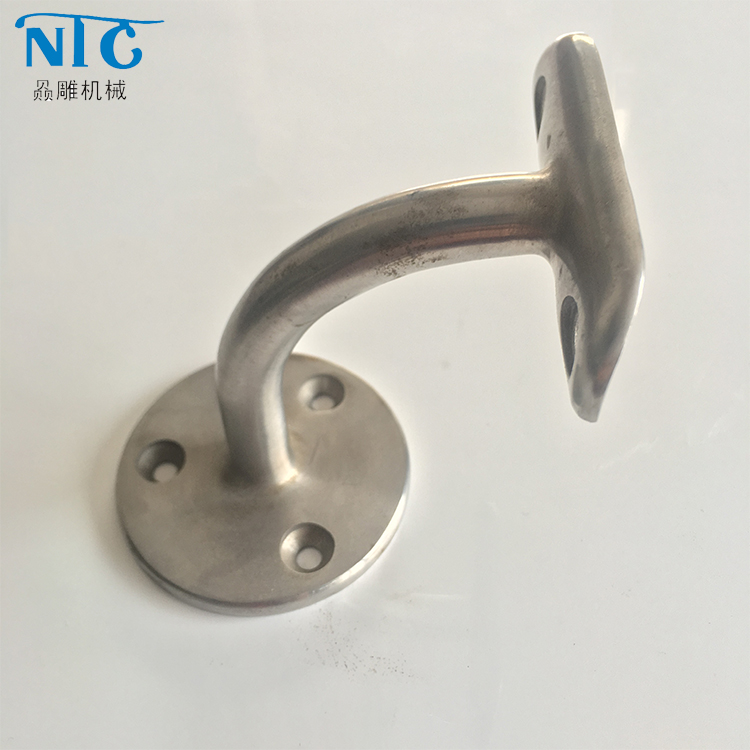
6. Power Tool Components and Industrial Sewing Machine Parts
Power tool projects require lightweight, dimensionally stable housings plus precision small components. NTC supplies precision die cast power tool gearbox housings (No. 1005) in aluminum or zinc alloy, and precision investment cast power tool levers and brackets (No. 1006) in carbon steel, stainless steel, or alloy steel. Bearing bores, mounting holes, and threaded features are CNC machined, with painting, powder coating, and other finishes available.
Industrial sewing machine and textile machinery projects use aluminum and zinc alloy housings (No. 1030), steel and stainless steel mounting brackets (No. 1029), textile machinery guides and holders (No. 1023), and drive brackets and housings (No. 1024). These components support drive shafts, bearing seats, guide slots, and connection interfaces in garment production and textile automation equipment.
7. Construction, Furniture, and Sport Facility Parts
Construction hardware projects require strong, corrosion-protected structural connections. NTC produces precision investment cast construction anchors and mounting brackets (No. 1025) and structural connectors for construction (No. 1026) in carbon steel, alloy steel, and stainless steel. Surface options include shot blasting, hot-dip galvanizing, zinc coating, black oxide, painting, and powder coating. Furniture hardware — connectors (No. 1027), hinges, and mounting brackets (No. 1028) — uses stainless steel, zinc alloy, or copper alloy with decorative finishing such as brushing, nickel plating, chrome plating, and powder coating. Sports equipment joint connector castings (No. 1022) support fitness equipment, sports facilities, and outdoor recreation products.
Comparison Table: Cast Parts by Project Scenario
| Project Scenario | Typical Part Examples | Material Options | Casting Process | Key Post-Processing & Inspection |
|---|---|---|---|---|
| Automotive / motorcycle | Suspension brackets, engine mount housings, footrest brackets | Carbon steel, alloy steel, stainless steel, aluminum alloy | Investment casting or die casting | CNC machining of mounting holes and bearing positions; heat treatment; surface finishing; material composition and critical dimensions inspected |
| Marine hardware | Cleats, hinges, deck fittings, mooring hardware | 304 / 316 / 316L stainless steel | Silica-sol investment casting | Pin-hole and mounting-hole CNC machining; satin or mirror polishing; passivation; assembly fit inspected |
| Fluid equipment | Valve bodies, pipe fittings, pump housings, flowmeter flanges | Stainless steel, brass, bronze, carbon steel, alloy steel | Silica-sol investment casting | Thread and sealing-surface machining; pickling and passivation; pressure or leakage testing optional |
| Food machinery / tableware | Impellers, agitator blades, brackets, handles, connectors | 304 / 316 / 316L stainless steel | Silica-sol investment casting | Mirror or satin polishing; pickling and passivation; balancing optional for rotating parts |
| Lock, door control, architectural | Lock bodies, cylinder housings, door closer bodies, door handles, hinges | Zinc alloy, brass, stainless steel | Investment casting or die casting | Polishing, plating, powder coating; cylinder fit, latch channels, and assembly clearance inspected |
| Power tools / sewing machines / textile | Gearbox housings, levers, brackets, drive housings, guides | Aluminum alloy, zinc alloy, carbon steel, stainless steel | Die casting or investment casting | CNC bearing bores and hole positions; anodizing, painting, powder coating; assembly fit inspected |
| Construction / furniture / sports | Anchors, structural connectors, furniture hinges, joint connectors | Carbon steel, alloy steel, stainless steel, copper alloy | Investment casting | Hot-dip galvanizing, zinc coating, powder coating; thread and load-bearing dimensions inspected |
This table reflects the build-to-print specifications that NTC applies in standard project evaluations. Final material grade, tolerance, and finishing are confirmed against the approved drawing.
FAQ: Cast Parts Project Adaptation
What certifications and quality standards apply to custom cast parts from SHANGHAI NTC TECHNOLOGY CO., LTD.?
NTC operates an ISO 9001:2000 quality management system and an ISO 14001:2015 environmental management system. Cast parts are manufactured according to customer-approved drawings and commonly referenced international standards including ASTM, DIN, BS, JIS, and ISO. Quality control uses raw material inspection, spectrometer chemical composition analysis, first article inspection, CMM dimensional inspection, hardness testing, and final inspection before shipment. Material certificates and inspection reports are provided when required. For dimensional tolerance, ISO 8062-3:2007 defines tolerance grades such as CT4–CT6 that are typically achievable for investment castings.
Can one supplier handle both casting and CNC machining for a complete project?
Yes. NTC is a full-process supplier covering wax pattern injection, ceramic shell building, silica-sol investment casting, heat treatment, CNC machining, surface treatment, and inspection in one facility. The investment casting line has a monthly capacity of 10,000 pieces, and CNC machining supports prototype quantities from 1 piece upward. This integrated model helps avoid the dimensional inconsistency and coordination risk that can occur when casting and machining are outsourced to separate shops.
How do MOQ and order quantity affect custom cast parts projects?
For silica-sol investment casting, the standard MOQ is 100 pieces, with prototype and trial orders negotiable. CNC machining prototypes can start from 1 piece. The company's annual output capacity is 1,500,000 units, and its OEM monthly capacity is approximately 500 tons, so both small-batch verification and stable volume production are supported. Material grade, part weight, tolerance, and surface treatment all influence cost; sending the approved drawing or 3D model is the most direct way to obtain project-specific pricing.
What do I need to provide to get a sample of a custom cast part?
You can provide a 2D drawing (PDF or DWG), a 3D model (STEP or IGES), or a physical sample. NTC manufactures according to customer-approved drawings and supports prototype development and sample verification. CNC-machined samples typically take 10–20 days, and investment casting samples typically take 20–30 days. Sample verification includes first article inspection, material composition analysis, and dimensional inspection before approval.
What lead times can I expect for cast parts samples and mass production?
For CNC machining, samples take 10–20 days and mass production takes 20–35 days after sample approval. For investment casting, samples take 20–30 days and mass production takes 30–45 days after sample approval. Surface and heat treatment processes add approximately 7–20 days depending on the treatment type and order quantity. Actual lead times depend on material availability, part complexity, and order volume. For a specific project timeline, contact NTC with your drawing and target quantity; the company brochure is also available for a full capability overview.
Conclusion: Match the Part to the Project Before Comparing Suppliers
The most common mistake in cast parts sourcing is comparing suppliers before the part-to-scenario specification is defined. Start from the operating environment, select the material grade, choose the casting process, specify the machined surfaces and tolerances, then evaluate suppliers on their ability to execute the complete chain. SHANGHAI NTC TECHNOLOGY CO., LTD. follows this logic across auto part castings, stainless steel marine hardware castings, fluid equipment parts, food machinery parts, lock and door hardware, power tool components, industrial sewing machine parts, textile machinery parts, construction hardware, furniture hardware, and engineering machinery parts.
The next step is to test the fit with your own project data: send the drawing, define the target quantity, and request a sample or quotation.
Request a Sample or Quote for Your Cast Parts Project
Download the company brochure: SHANGHAI NTC TECHNOLOGY CO., LTD. 2026 Brochure (PDF)
Corporate website: www.shntcmachinery.com
Contact: Stanley Yang (GM) — Email: Stanley770826@ntcmachine.com | Mobile/WhatsApp: +86 186 2180 6400
Address: No. 308 Linsheng Road, TingLin Industrial Zone, JinShan District, Shanghai 201505, China