Investment Casting vs. Sand Casting vs. Die Casting: Choosing the Right Method
Investment Casting vs. Sand Casting vs. Die Casting: Choosing the Right Method for Your Cast Parts
Choosing a manufacturing process for a cast part is a measurable engineering decision, not a matter of preference. Three attributes settle most cases: the casting tolerance grade the drawing actually requires, the minimum wall thickness the geometry demands, and the unit volume that justifies tooling. For industrial components in the range of roughly 2 g to 550 g, the practical shortlist is investment casting, sand casting or die casting — and each option tends to fail on a different one of those criteria.
This comparison guide is written for buyers at the evaluation stage: engineers, procurement managers, OEM project owners and distributors who already know what their part has to do and now need to decide how it should be made. It sets out the screening criteria, the documented limits of silica sol investment casting — casting tolerance grades from CT4 to CT7, a 2 mm standard minimum wall thickness with 1 mm achievable in limited areas — and the batch economics that turn a good process decision into a lower total cost.
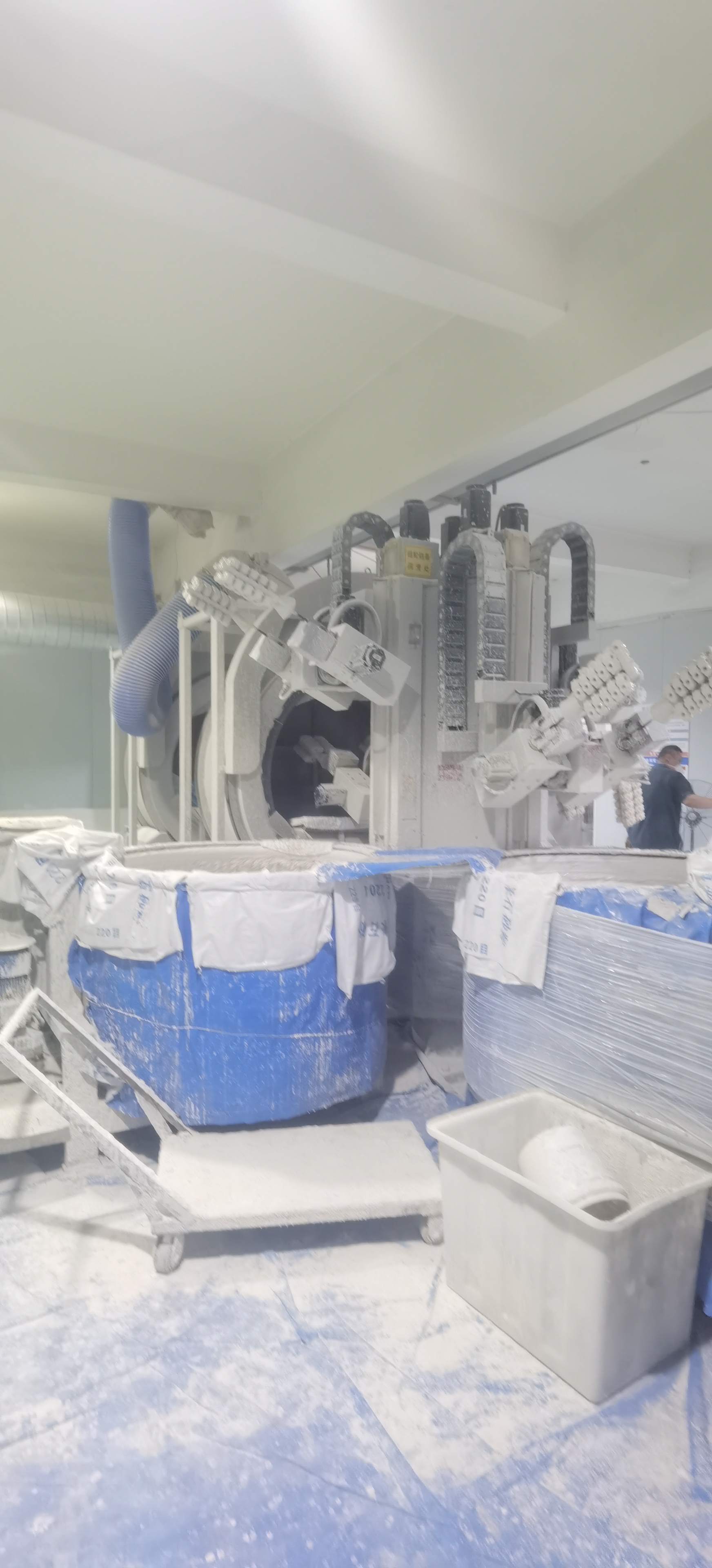
SHANGHAI NTC TECHNOLOGY CO., LTD. is a Shanghai-based precision investment casting and machining supplier founded in 2022. It operates a 2,000 m² factory with 20 employees, a 5-engineer R&D team and a documented annual output of 1,500,000 units, and exports approximately 85% of production to Europe, America and Asia. The capability figures used below come from that production environment; market figures are attributed to their published sources.
Why the process decision is the most expensive one to reverse
The cost of a wrong process choice does not appear on the quotation. It appears later, as tooling that has to be replaced, as machining hours added to bring a casting back into tolerance, or as a porosity or dimensional issue that only surfaces after the first production order ships.
Most process-selection errors share one root cause: the part is quoted before its functional requirements are converted into process constraints. The recurring patterns are predictable.
- A tolerance band applied to the whole drawing. Only a minority of features on a typical bracket or housing are functionally critical. When the entire part is specified to the tightest tolerance, the buyer pays for precision no assembly actually needs.
- Wall thickness inherited from an older design. No casting process can thin a wall beyond its filling limit. If the minimum wall is 2 mm, gating and cooling must be designed for it; if a 1 mm section is genuinely required, it has to be defined as a limited, localized area rather than a general specification.
- Volume assumed rather than planned. Tooling economics differ sharply between processes. A route that is efficient at high annual volume can be uneconomic for a 200-piece trial order — and the reverse is equally true.
- Post-processing treated as free. Machining, heat treatment and surface finishing are separate operations with their own lead times and their own effect on final dimensions.
Each of these is avoidable, but only if the evaluation happens before tooling is cut.
Where investment casting sits in the cast parts market
Investment casting is a mainstream route for precision components, not a niche alternative. Grand View Research values the global investment casting market at USD 17.4 billion in 2025 and projects USD 24.9 billion by 2033. Asia Pacific accounted for a 39.2% revenue share of that market in 2025, according to the same source.
Two structural features explain why buyers keep returning to the process. Stainless steel represented 32.98% of the global investment casting market's material share in 2025 (Mordor Intelligence), reflecting the process's fit with corrosion-resistant and hygiene-critical applications. Separately, the silica sol process alone accounted for 50.78% of investment casting revenue share in 2025, a share attributed to its precision capabilities (Mordor Intelligence).
Demand is concentrated in a few end markets. Automotive applications held the largest revenue share of the investment casting market in 2025, at over 29% (Grand View Research). On the supply side, China's total metal casting export value reached USD 1.47 billion in July 2024, an increase of 5.2% year-on-year (China Customs data as compiled by Dawang Metals), and Market Research Future estimates the China investment casting market at USD 2.72 billion in 2024, projecting USD 5.16 billion by 2035 at a 6% CAGR.
The competitive landscape is layered. Large global players such as Precision Castparts Corp. — which reported approximately USD 9.3 billion in revenue in 2023 (Mordor Intelligence) — Impro Precision Industries Ltd, CIREX Group and Alcoa (Fortune Business Insights) serve high-volume aerospace, energy and automotive programs. Below that tier, precision-focused suppliers handle small-to-medium batch OEM work, prototyping and specialized industrial components, where the decision turns on tolerance grade, wall thickness and tooling economics rather than on tonnage. Published market-size estimates for investment casting vary between research firms depending on what they include, so these figures are best read as directional.
The six evaluation criteria that actually decide the process
1. Casting tolerance grade
Casting tolerance grade is the first filter, because it is the hardest requirement to relax later. ISO 8062-3:2007 defines the dimensional tolerance system for castings and notes that investment casting typically achieves grades CT4 to CT6. In production practice, a precision investment casting supplier works across a range of CT4 to CT7 depending on feature type, part size and which dimensions are functionally critical. Applying the tightest grade to every dimension raises cost without improving function; applying it only where the assembly requires it usually keeps the part comfortably inside the investment casting window.
2. Minimum wall thickness
Investment casting can hold a 2 mm wall as a standard minimum. Sections down to 1 mm are achievable in limited, locally defined areas where the geometry and metal flow allow. Wall requirements should therefore be marked feature by feature on the drawing: a general note demanding 1 mm everywhere is not a realistic specification, while one localized thin section usually is.
3. Part weight and size window
For the precision segment, a typical single-piece weight range runs from about 2 g to 550 g. Below that window, the part usually becomes a stamping, machining or metal-injection question; well above it, sand casting and other heavy-section processes become more economical. Weight also drives capacity planning, because precision monthly output is quoted in pieces per month rather than tonnage.
4. Material and mechanical requirements
Investment casting covers a broad material base: stainless steel, alloy steel, carbon steel, aluminum, copper, gray iron and ductile iron, among others. Where pressure containment is involved, ASTM A703/A703M provides the general requirements standard for steel castings for pressure-containing parts. Material grade, chemical composition, mechanical properties, hardness and heat-treatment condition should all be fixed before the process is frozen, because they constrain gating design and every downstream operation.
5. Volume, tooling and unit cost
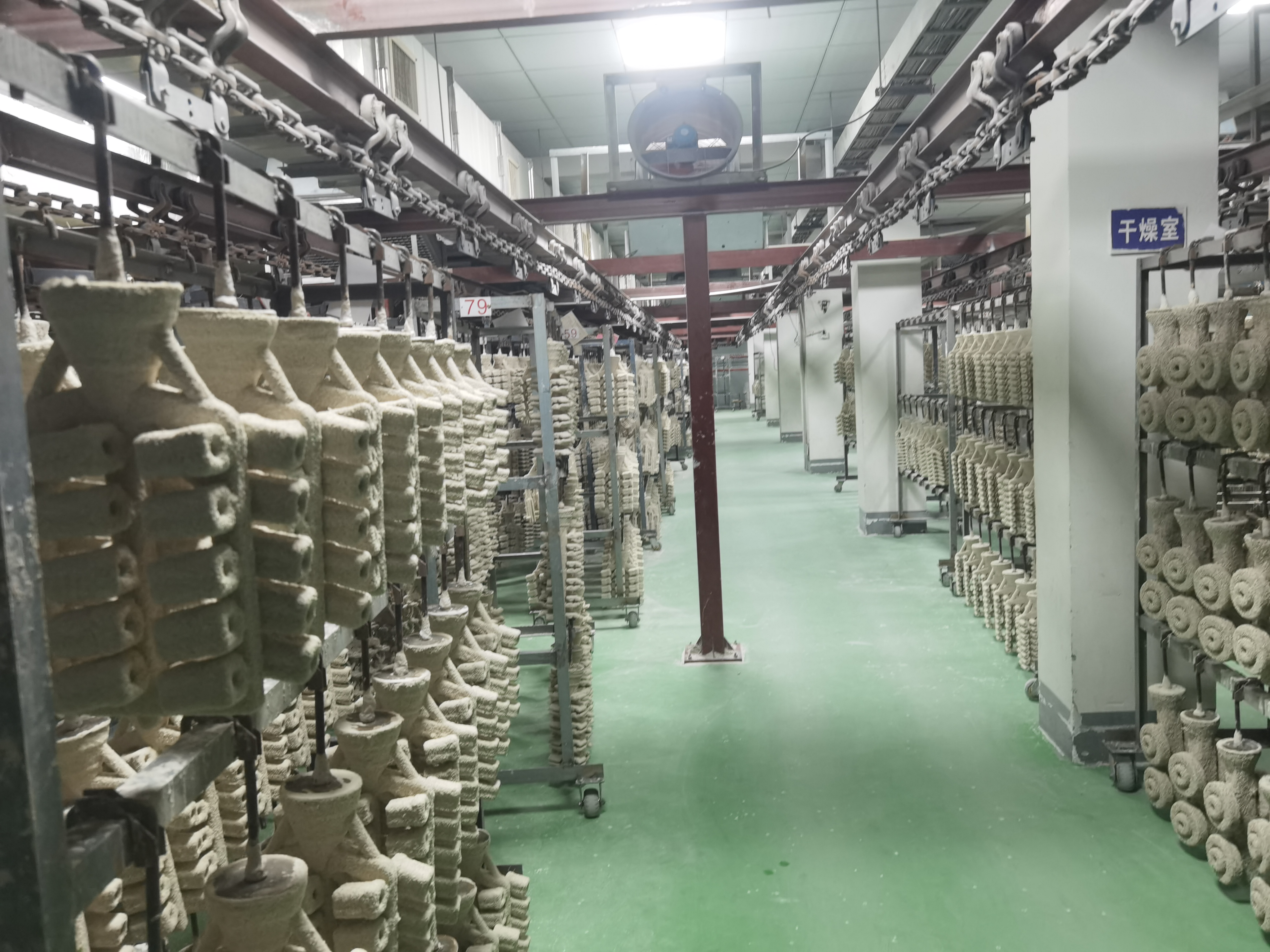
Tooling economics separate the three candidate processes more decisively than material does. Investment casting uses wax pattern tooling, which is less expensive than the hardened dies that die casting requires. Sand casting uses patterns and is the lowest-tooling option, but produces a coarser as-cast surface that usually needs more machining. The practical consequence is that die casting only makes sense at high, stable annual volume, while investment casting remains viable from prototype and trial-order quantities upward.
6. Post-processing and finishing route
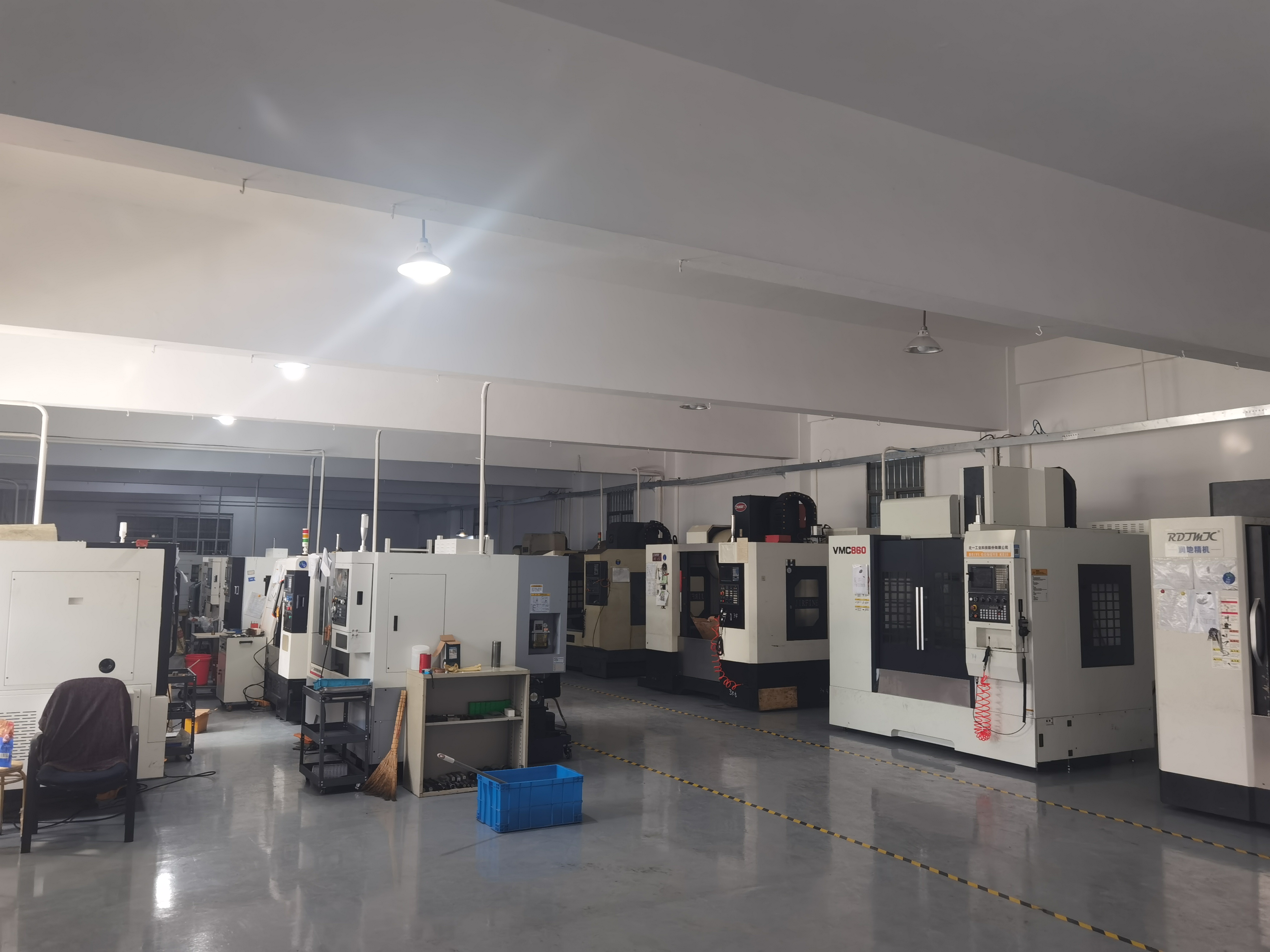
A casting is rarely shipped in its as-cast condition. Typical downstream operations include CNC turning, milling, drilling, boring and threading; heat treatment such as annealing, normalizing, quenching, tempering and solution treatment; and surface work including polishing, sandblasting, shot blasting, pickling, passivation, plating, painting, powder coating and black oxide. If the finishing route requires a second supplier, that risk belongs inside the process evaluation, not outside it.
Step-by-step: how to run the selection
- Freeze the functional requirements. List the dimensions, surfaces and interfaces that affect assembly, sealing, wear or safety. Everything else is non-critical by default.
- Assign a tolerance grade per feature. Convert critical dimensions into casting tolerance grades and confirm they fall inside CT4–CT7. Features that fall outside can often be brought into range by adding a defined machining allowance.
- Mark wall thickness feature by feature. Confirm whether the part needs only the 2 mm standard minimum or a localized 1 mm section, and flag any area where the drawing is ambiguous.
- Check the weight and size window. Confirm the part sits inside the 2 g to 550 g band, or document why an exception is justified.
- Model the volume curve. Compare projected annual volume against tooling cost. Investment casting MOQ starts at 100 pcs and is negotiable for prototypes and trial orders, so trial quantities do not automatically disqualify the process.
- Define the post-processing route. Decide which machining, heat-treatment and surface operations are required, and whether a single supplier can hold them all.
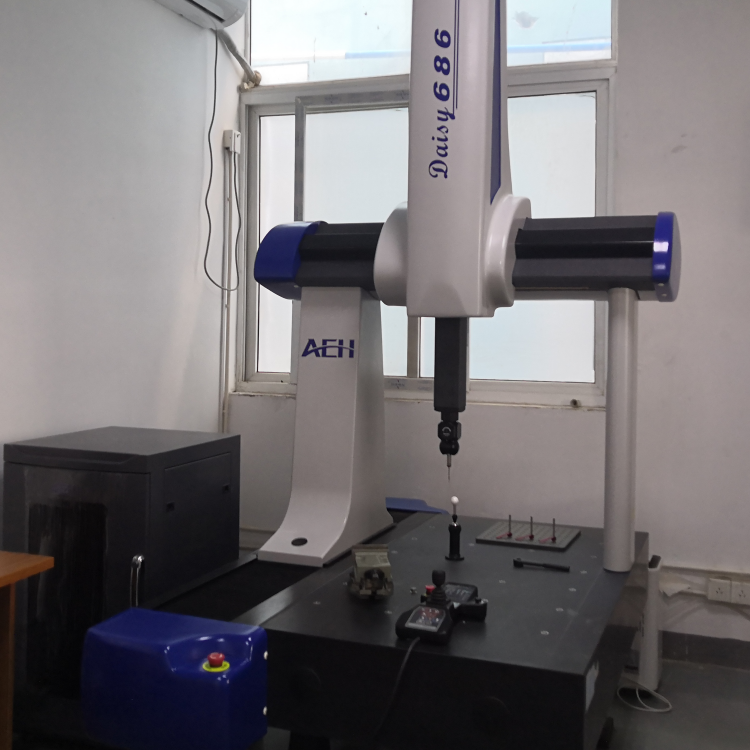
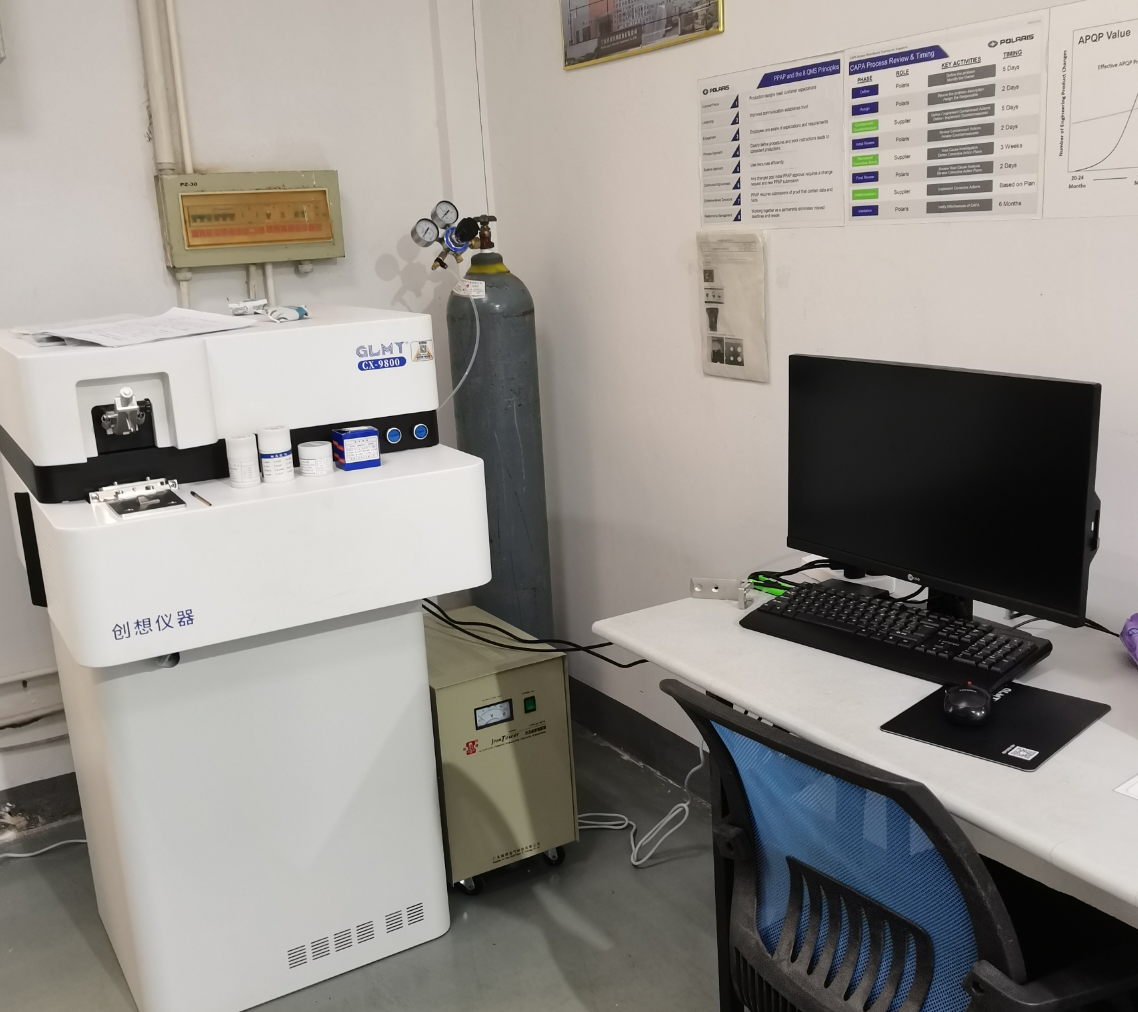
- Validate on a sample before committing. Request a first article inspection, a material certificate, spectrometer composition analysis and a CMM dimensional report before releasing mass production.
Investment casting vs. sand casting vs. die casting at a glance
The table below compares the three processes against the screening criteria above. The investment casting column reflects documented capability for silica sol precision investment casting; the sand casting and die casting columns describe generally accepted process characteristics and should be read as qualitative orientation rather than measured specifications.
| Screening criterion | Investment casting (silica sol) | Sand casting | Die casting |
|---|---|---|---|
| Casting tolerance grade | CT4–CT7 depending on feature and part size; ISO 8062-3:2007 notes investment casting typically achieves CT4–CT6 | Broader casting tolerance bands are normal; machining allowance is usually added | Tight tolerances are achievable, tied to die quality and part design |
| Minimum wall thickness | 2 mm standard; 1 mm achievable in limited, localized areas | Thicker walls are generally required for reliable fill | Thin walls are feasible where alloy and die design allow |
| Typical part weight | About 2 g to 550 g per piece | Used across a broad range, generally for heavier parts | Generally small to medium parts |
| Materials | Stainless steel, alloy steel, carbon steel, aluminum, copper, gray iron, ductile iron | Broad ferrous range | Mainly non-ferrous alloys |
| Tooling | Wax pattern tooling; lower cost than hardened die tooling | Pattern-based, lowest tooling cost | Hardened dies, highest tooling cost |
| Best-fit volume | Small to medium batches; prototypes and trial orders supported | Low to medium volume | High volume, long-run production |
| As-cast surface | Good; suitable for polishing, plating and passivation | Rougher; more machining required | Smooth as-cast surface |
| Post-processing fit | CNC machining, heat treatment and surface treatment available in the same supply chain | Often machined at a separate operation | Typically trimmed and machined after casting |
A practical reading of the table: choose investment casting when tolerance grade, wall thickness or material requirements rule out the alternatives; choose sand casting when the part is large, tolerances are loose and tooling budget is the binding constraint; choose die casting when annual volume is high and the alloy is non-ferrous. Reaching for the most precise process by default is as much an error as reaching for the cheapest.
Use cases: how the decision plays out on real parts
Automotive suspension brackets — OEM Drawing No. 1002
Automotive suspension brackets combine three requirements that push the decision toward investment casting: a defined tolerance on mounting-hole locations, a wall section that must hold within the 2 mm standard minimum, and a material that has to survive cyclic loading. Sand casting would force additional machining allowance on the critical faces; die casting would demand tooling volumes a bracket program rarely reaches. A part in this family typically sits well inside the 2 g to 550 g weight band.
Motorcycle footrest brackets — OEM Drawing No. 1003
Footrest brackets are a smaller, thinner version of the same problem. Where the design includes a localized thin section, the 1 mm limited-area capability matters more than the general tolerance grade, because the thin section governs fill and cooling behavior. Surface finishing — polishing, powder coating or plating — is usually part of the specification, so the finishing route belongs in the same evaluation as the casting route.
Pump housings and valve accessories
Fluid equipment parts shift the priority toward material integrity and pressure containment. Published data places the global industrial valve market at USD 97.77 billion in 2026, rising toward USD 273.49 billion by 2035 (Precedence Research), which reflects continuing demand for cast and machined fluid-handling components. For these parts, ASTM A703/A703M is the relevant reference standard for pressure-containing steel castings, and stainless steel is the usual material choice — consistent with its 32.98% share of global investment casting material demand.
Gearbox housings and mechanical parts
Gearbox housings sit at the heavier end of the precision window and often carry both dimensional and surface-finish requirements. The usual evaluation pattern is to cast the housing to near-net shape within the CT4–CT7 grade range, then machine bearing bores and mounting faces to final tolerance on CNC equipment, followed by any required heat treatment. Here the process decision is not casting versus casting so much as casting plus the post-processing route as a single package.
Beyond these four families, the same logic applies across the wider cast parts range: valve accessories, kitchen and dishwashing equipment accessories, spinning machine accessories, door hardware and door control fittings, scooter parts, golf heads, vacuum parts and other industrial and civil components. In every case the process decision follows tolerance grade, wall thickness and volume — not the product category.
Matching the process choice to supplier capability
A correct process decision still depends on whether the chosen supplier can hold it. For precision investment casting, the relevant capability set looks like this:
- Precision investment casting: monthly capacity of 10,000 pcs, depending on part size, weight, material and product complexity; samples in 20–30 days; mass production in 30–45 days after sample approval; MOQ of 100 pcs, negotiable for prototypes and trial orders.
- Precision CNC machining: prototypes supported from 1 pc; samples in 10–20 days; mass production in 20–35 days after sample approval; turning, milling, drilling, boring, threading and surface treatment.
- Metal material customization: samples in 20–30 days; mass production in 30–45 days after sample approval, depending on material availability and manufacturing process.
- OEM production: monthly capacity of 500 tons; typical production lead time of 35–45 days; 100% testing according to customer demand.
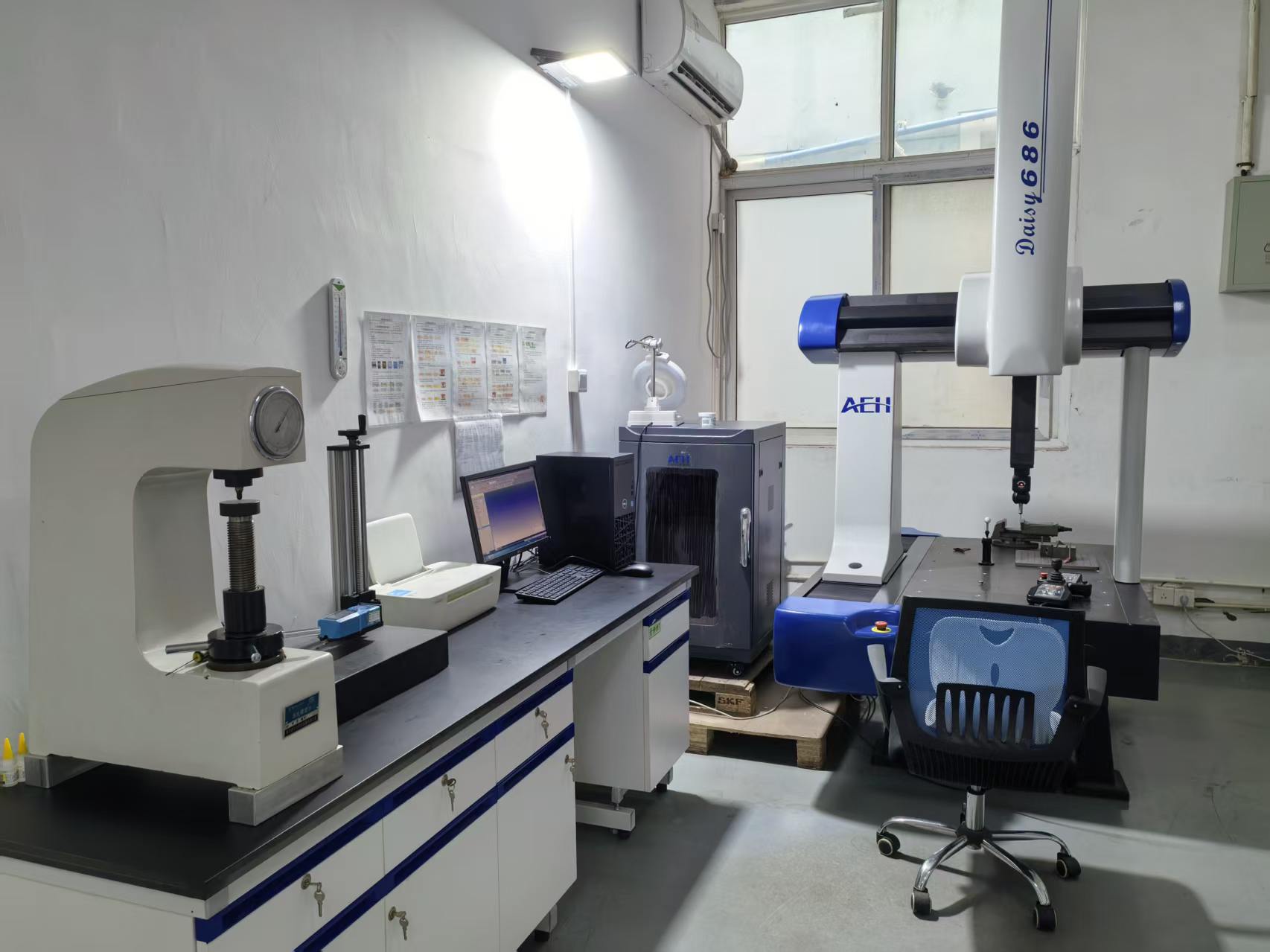
Quality control follows the same stage-by-stage logic: raw material inspection, spectrometer chemical composition analysis, first article inspection, in-process inspection, CMM dimensional inspection, hardness testing, visual inspection and final inspection before shipment. For surface and heat treatment work, the checks extend to surface roughness, coating thickness, adhesion and color comparison. The metrology set includes CMM, spectrometer, Brinell hardness tester and projector.
The factory holds ISO 9001:2015 certification (certificate number 42525Q10018R0S, issued by GXZC, standard GB/T 19001-2016, valid from 20 January 2025 to 19 January 2028, scope: hardware sales business) and operates under ISO 14001:2015. After-sales support covers remote technical and drawing support, quality issue analysis, inspection report support, order and shipment tracking, and rework, replacement or replenishment for confirmed manufacturing defects. SHANGHAI NTC TECHNOLOGY CO., LTD. ships to Europe, North America, Japan, South Korea and Southeast Asia, and its products have been used by distributors, traders and purchasers across global markets.
FAQ: process selection and sourcing questions
What certifications and standards should a cast parts supplier document before I release production?
Start with a current ISO 9001:2015 quality management certificate that carries a verifiable certificate number and a stated scope. SHANGHAI NTC TECHNOLOGY CO., LTD. holds ISO 9001:2015 certificate 42525Q10018R0S issued by GXZC (standard GB/T 19001-2016, valid 20 January 2025 to 19 January 2028, scope: hardware sales business) and operates under ISO 14001:2015. Where the part is pressure-containing, ASTM A703/A703M is the general requirements standard for steel castings for pressure-containing parts. For dimensional tolerances, ISO 8062-3:2007 defines the casting tolerance grade system that the drawing should reference.
Can investment casting hold the tolerances, wall thickness and part weights my design requires?
Within the precision window, yes. Precision investment casting works to casting tolerance grades from CT4 to CT7 depending on feature and part size, holds a 2 mm minimum wall as standard with 1 mm achievable in limited areas, and covers single-piece weights from about 2 g to 550 g. ISO 8062-3:2007 notes that investment casting typically achieves grades CT4 to CT6. Material options include stainless steel, alloy steel, carbon steel, aluminum, copper, gray iron and ductile iron. Features that fall outside these limits are normally brought into range by a defined machining allowance rather than by changing process.
What drives unit cost, and what is the minimum order quantity?
Unit cost is driven by material grade, part geometry, wall thickness, tolerance requirements, machining time, heat treatment and surface treatment — not by a single rate per kilogram. MOQ for precision investment casting is 100 pcs and is negotiable for prototypes and trial orders; CNC prototypes are supported from 1 pc. Monthly investment casting capacity is 10,000 pcs, while OEM production capacity is 500 tons per month, so the cost question and the capacity question should be asked together rather than separately.
How do I validate a cast part before committing to volume production?
Ask for a sampling run and a first-article package. Sample lead time is 20–30 days for precision investment casting and 10–20 days for CNC machining. The validation package normally includes raw material inspection, spectrometer chemical composition analysis, first article inspection, CMM dimensional inspection and hardness testing, followed by final inspection before shipment. Mass production starts after sample approval — typically 30–45 days for investment casting and 20–35 days for CNC machining after that approval.
What lead times should I plan for, and how do I start?
For precision investment casting, sample lead time is 20–30 days and mass production 30–45 days after sample approval; OEM production runs on a typical 35–45 day lead time. After-sales support covers remote technical and drawing support, quality issue analysis, inspection report support, order and shipment tracking, and rework, replacement or replenishment for confirmed manufacturing defects, available by email and WhatsApp. To move forward, send a drawing with critical dimensions and wall thickness notes marked, state the projected annual volume, and request a sample or quotation.
Conclusion
The choice between investment casting, sand casting and die casting comes down to three measurable questions: what casting tolerance grade the part genuinely needs, what the minimum wall thickness is, and how much volume the program can commit. Investment casting covers the widest precision window — CT4 to CT7, a 2 mm standard wall with 1 mm in limited areas, and single-piece weights from about 2 g to 550 g — which is why automotive brackets, motorcycle footrest brackets, pump housings and gearbox housings so often land on this route. Sand casting and die casting remain the better answers for looser, heavier parts and for high-volume non-ferrous production respectively.
What separates a good process decision from an expensive one is discipline at the evaluation stage: grade each feature rather than the whole drawing, validate on a sample before tooling amortization begins, and confirm that the supplier's quality control, capacity and lead time can actually hold what the drawing asks for.
Next step: evaluate your part against the investment casting window
Send the drawing with critical dimensions, wall thickness and material grade marked, and state the projected annual volume. SHANGHAI NTC TECHNOLOGY CO., LTD. will confirm whether the part sits inside the CT4–CT7, 2 mm wall and 2 g–550 g investment casting window, and propose a sample plan if it does.
Email: Stanley770826@ntcmachine.com · WhatsApp: +86 186 2180 6400 · Website: www.shntcmachinery.com
Download the full capability and specification catalog: SHANGHAI NTC TECHNOLOGY CO., LTD. 2026 Catalog (PDF)
Address: No. 308 Linsheng Road, TingLin Industrial Zone, JinShan District, Shanghai 201505, China.