
Long-Term Cast Parts Supply: Why Buyers Choose a Full-Process Partner Over Spot Orders
Long-Term Cast Parts Supply: Why Buyers Choose a Full-Process Partner Over Spot Orders
For buyers managing ongoing production lines — automotive, motorcycle, power tools, marine hardware, fluid equipment, food machinery, and other engineered products — the real cost of a cast parts supplier is not the unit price on a single PO. It is the accumulated risk across hundreds of deliveries: dimensional drift, material non-compliance, missed deadlines, and the hidden burden of re-inspecting and re-working parts. This guide explains why more OEM and industrial buyers are shifting from transactional spot purchasing to a long-term, full-process casting partner, and how to evaluate whether a supplier can actually support that commitment.
What Does “Long-Term Cast Parts Supply” Mean in Practice?
A long-term cast parts supply relationship is not simply a series of repeat orders. It is a structured commercial and technical arrangement in which the supplier takes responsibility for consistent quality, stable capacity, responsive engineering support, and predictable delivery across multiple batches or an ongoing production program. Buyers typically expect the same or better part quality from batch to batch, without having to re-qualify the supplier each time.
For the buyer, this means lower procurement workload, fewer incoming inspection surprises, shorter response time on drawing changes, and better continuity of supply. For the supplier, it means investment in process controls, inspection systems, and capacity planning that a one-off order does not justify.
The Problem with Spot Purchasing: Five Recurring Pain Points
Many buyers first enter the cast parts market through spot orders — a quick RFQ, a price comparison, a single PO. This can work for prototypes or urgent replacements, but it often becomes costly when the part moves into regular production. These are the recurring problems we see in the market:
- Inconsistent quality between batches. A supplier may deliver an excellent first batch but fail to hold the same dimensional tolerances and surface quality in later batches, especially if they outsource key steps such as machining or heat treatment.
- Material traceability gaps. Certification documents may not match the actual chemical composition of delivered parts, creating downstream safety and performance risks.
- Hidden rework costs. If the supplier’s finished product yield is low, the buyer absorbs the cost through extra inspection, rework, or assembly-line stoppages.
- Capacity bottlenecks. Small or part-time foundries may not have the capacity to scale up as your program grows.
- Supplier instability. A supplier that shuts down or changes owners can leave a production program without spare parts or after-sales support.
These pain points are not hypothetical. They are the reason procurement teams increasingly evaluate suppliers not just on price, but on process ownership, quality systems, and long-term reliability.
Industry Background: The Cast Parts Market Is Moving Toward Integrated Suppliers
The global investment casting market was valued at USD 17.4 billion in 2025 and is projected to grow to USD 24.9 billion by 2033 (Grand View Research). Stainless steel represented 32.98% of the global investment casting material share in 2025 (Mordor Intelligence), and silica sol investment casting accounted for 50.78% of investment casting revenue (Mordor Intelligence) — reflecting the industry’s preference for precision-capable processes. Automotive applications alone accounted for over 29% of the investment casting market in 2025 (Grand View Research).
China is both the largest production base and an increasingly important sourcing region. The China investment casting market was estimated at USD 2.72 billion in 2024 and is projected to reach USD 5.16 billion by 2035 at a 6% CAGR (Market Research Future). China’s total metal casting export value reached USD 1.47 billion in July 2024, up 5.2% year-on-year (Dawang Metals / China Customs). Asia Pacific dominated the global market with a 39.2% revenue share in 2025 (Grand View Research).
These market dynamics are pushing buyers to prefer suppliers that combine casting and machining under one roof. A full-process supplier can control the entire value chain — from material melting to finished machined parts — which reduces quality gaps and communication complexity compared with coordinating multiple vendors.
What a Full-Process Cast Parts Supplier Should Offer
Not all “casting factories” are equal. Some suppliers operate only the casting step and outsource machining, heat treatment, and surface finishing. Others, like SHANGHAI NTC TECHNOLOGY CO., LTD., operate a complete internal system. When evaluating a partner for a long-term cast parts program, look for these capabilities:
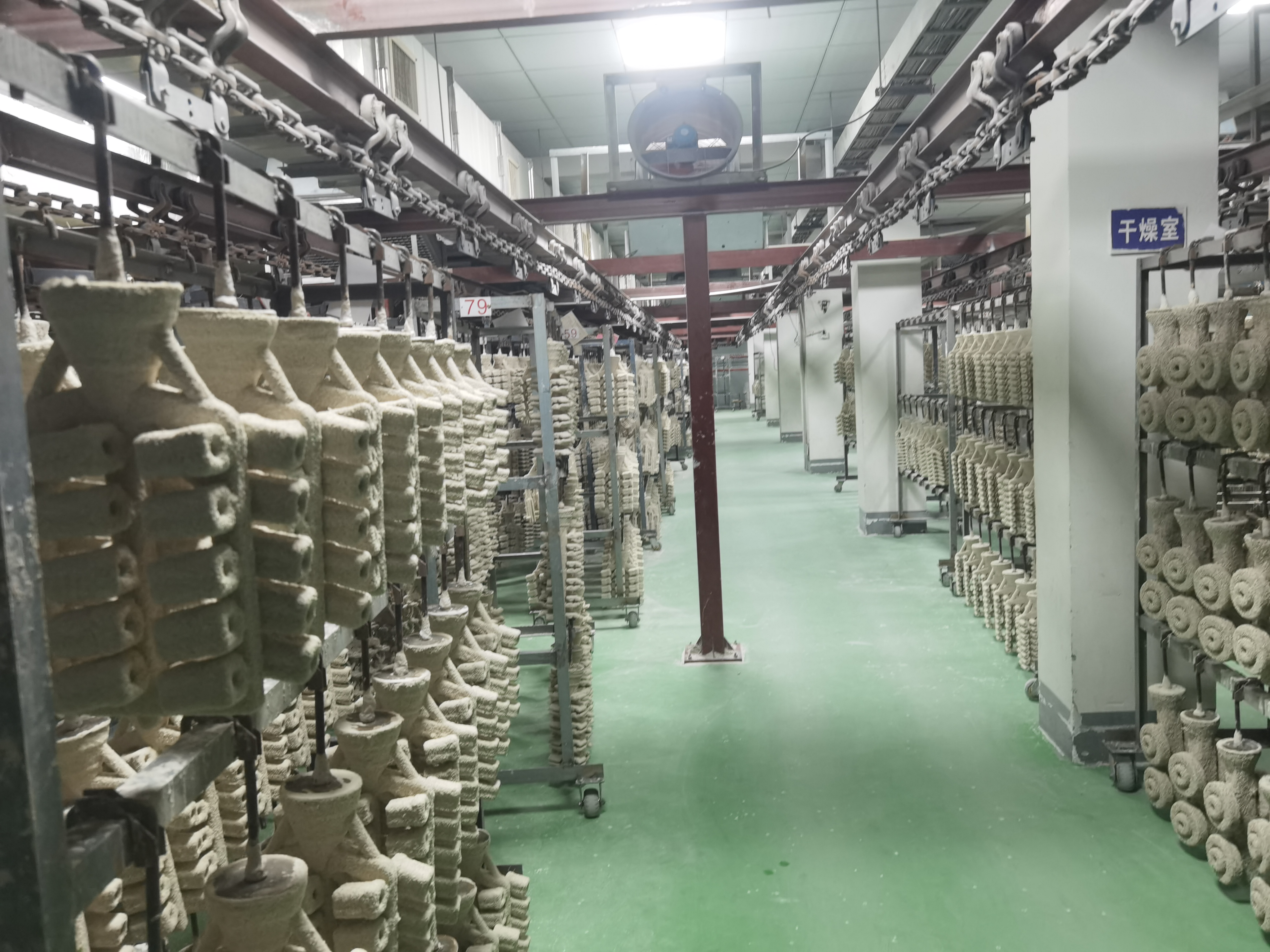
- In-house precision casting. Silica sol investment casting is the core process for parts requiring tight tolerances and good surface finish. It accounted for 50.78% of investment casting revenue globally in 2025.
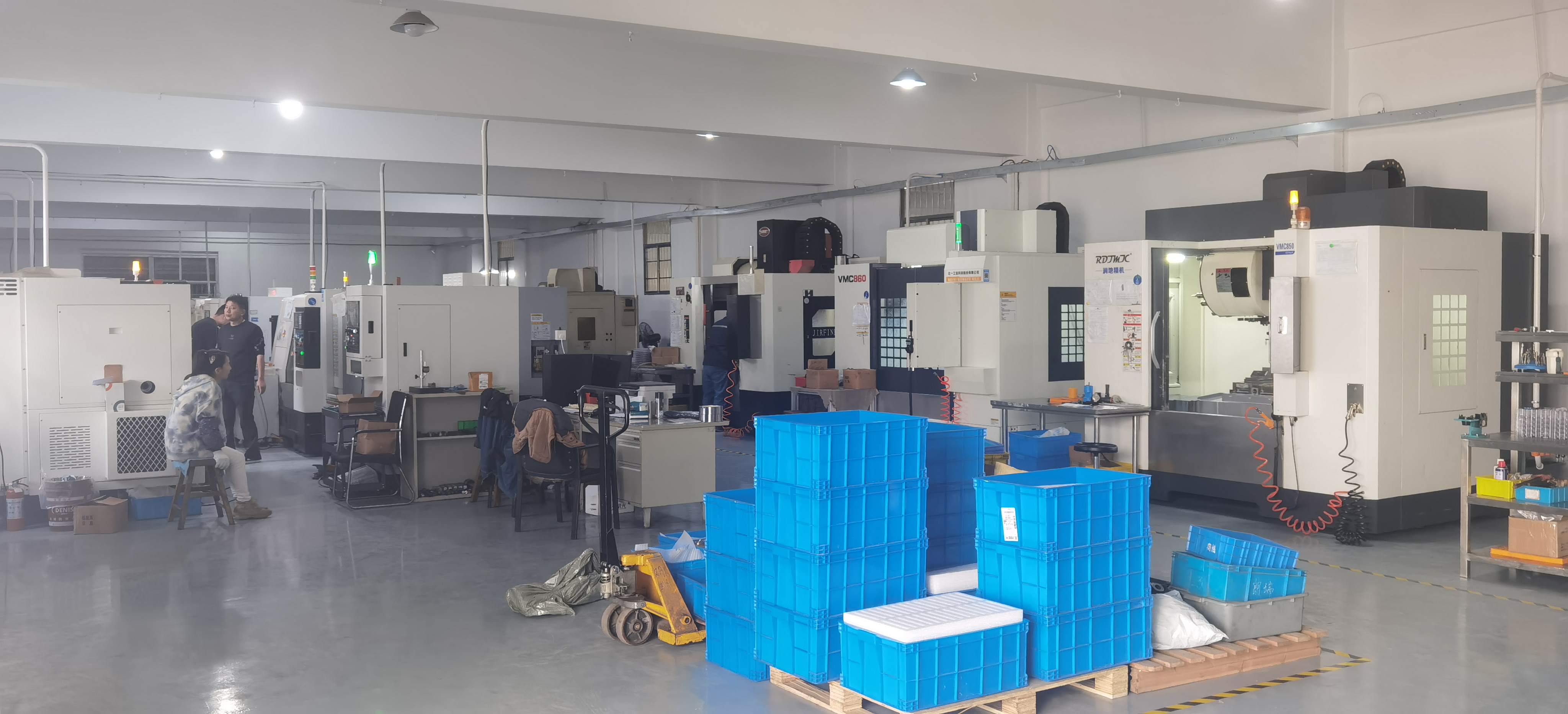
- CNC precision machining. Dimensional accuracy often depends on secondary machining. A supplier with in-house CNC centers can better control tolerances and lead times.
- Material verification. A spectroscopic composition test on incoming raw materials is an important first-line control. ASTM A703/A703M is a recognized standard specification for steel castings used in pressure-containing parts. For investment castings, ISO 8062-3:2007 defines dimensional tolerance grades, typically CT4 to CT6.
- Complete inspection equipment. CMM, spectrum analyzer, Brinell hardness tester, and projector — this is the kind of inspection toolkit needed to verify castings and machined parts against drawings.
- 100% final inspection. A documented policy of inspecting finished products before shipment is a strong signal of process discipline.
- Heat treatment capability. Parts with mechanical performance requirements depend on controlled heat treatment. In-house capability reduces out-sourcing risk.
Step-by-Step: How to Build a Long-Term Cast Parts Supply Relationship
Step 1. Qualify the supplier’s process ownership
Ask whether casting, heat treatment, machining, surface treatment, and inspection are performed in-house or outsourced. For long-term programs, in-house control of critical steps is strongly preferable. A full-process factory can respond faster to drawing changes and quality issues.
Step 2. Verify quality systems and certifications
Certifications such as ISO 9001 and ISO 14001 provide a baseline. For pressure-containing parts, check whether the supplier follows recognized material standards such as ASTM A703/A703M. For dimensional tolerances, reference ISO 8062-3:2007 grades CT4–CT6.
Step 3. Audit the inspection workflow
Review incoming material inspection, in-process patrol sampling, and finished product outgoing inspection. Ask about equipment: CMM, spectrum analyzer, hardness tester, projector, etc. If the supplier cannot describe a clear inspection workflow, risk is higher.
Step 4. Check capacity and scale
Annual production capacity and monthly output are useful indicators. A supplier with 1,500,000-unit annual capacity and 500-ton monthly capacity is positioned differently from a small workshop producing under 100 tons per month. Make sure their capacity allows enough room for your growth.
Step 5. Define quality metrics and improvement expectations
Agree on finished product yield, rejection rate, dimensional tolerance targets, and delivery performance in advance. A stable supplier will usually share its internal metrics, such as a finished product yield of 98%, while peer small factories may only reach 75%–82%.
Step 6. Align on commercial terms
Typical terms for precision cast parts sourcing include MOQ based on product size, FOB or CIF delivery, acceptance according to customer drawing, and payment of 50% T/T in advance with 50% T/T before shipment. Clarify warranty terms, such as a 12-month casting defect warranty, and spare parts availability.
Step 7. Start with a pilot program
Before rolling out a full program, run a pilot batch with the same inspection and reporting standards you expect in production. Use the pilot data to validate dimensional capability, surface quality, and delivery punctuality.
Use Cases: Where Long-Term Cast Parts Programs Deliver the Most Value
Automotive and motorcycle components
Automotive applications accounted for more than 29% of the global investment casting market in 2025. Auto part castings require material consistency, dimensional precision, and reliable delivery to support synchronized production lines. A long-term partner with in-house machining reduces the risk of assembly issues.
Power tools and industrial equipment components
Power tool components castings and general industrial components demand durable materials and tight tolerances. Consistent batch quality reduces downtime in tool assembly and field failures.
Stainless steel marine and architectural hardware
Stainless steel marine hardware castings and stainless steel architectural daily-use hardware castings require corrosion resistance and good surface finish. Stainless steel represented 32.98% of the global investment casting material share in 2025, confirming its central role. Long-term supply ensures traceability of alloy composition and consistent finishing.
Fluid equipment and food machinery
Fluid equipment parts, food machinery parts, stainless steel pipe and valve castings, and flowmeter accessories are often exposed to pressure, flow, and hygiene requirements. Material verification and pressure-capable casting quality are essential. ASTM A703/A703M is a relevant standard reference for pressure-containing steel castings.
Furniture, door control, and lock hardware
Construction hardware, furniture hardware, door control fittings, and lock hardware are high-volume categories where appearance consistency and dimensional fit matter. A full-process supplier can better maintain surface quality over repeated batches.
Textile and industrial sewing machine parts
Textile machinery parts and industrial sewing machine parts often involve complex shapes and moving interfaces. Repeatable accuracy reduces assembly adjustment time and operational failure.
How NTC Compares: Full-Process Factory vs. Small Outsourcing Foundries
When evaluating suppliers for long-term OEM programs, the comparison is often between a full-process factory and a small-scale outsourcing foundry. The table below summarizes typical differences based on observable capability structures in the market.
| Comparison Dimension | SHANGHAI NTC TECHNOLOGY CO., LTD. (Full-Process Factory) | Small-Scale Outsourcing Foundries / Generic Standard Casting Suppliers |
|---|---|---|
| Process ownership | Full-process self-owned casting and CNC precision machining factory, independent material heat treatment workshop | Often outsource partial working procedures without integrated quality control |
| Dimensional tolerance control | Can achieve dimensional tolerance control up to ±0.005 mm | Typically ±0.03 mm in small workshops |
| Finished product yield | Reaches 98% | Typically 75%–82% |
| Monthly production capacity | 500 tons | Often less than 100 tons |
| Best suited for | Long-term mass OEM supporting projects for engineering machinery, hydraulic equipment, medical instruments; customers requiring strict dimensional precision and complete factory audit certification | Simple parts with lower precision requirements and short-term needs |
| Cost structure | Unit quotation 8%–12% higher than low-price small foundries, but lower total ownership cost due to low rejection rate and long service life | Low unit price but higher total cost from rework, inspection, and rejects |
| Assembly efficiency impact | Higher machining precision reduces secondary rework, improving customer assembly efficiency by over 30% | More rework and assembly adjustments |
| After-sales and warranty | Stable formal enterprise with 12-month casting defect warranty and complete original spare parts supply for long-term projects | Risk of shutdown leading to invalid after-sales service |
This comparison is not about claiming NTC is the only competent supplier. Global and regional leaders such as Precision Castparts Corp (approx. USD 9.3 billion revenue in 2023), Impro Precision Industries, CIREX Group, and Alcoa are also recognized in the investment casting market. The purpose here is to help buyers understand the structural differences between supplier types and to ask the right questions when qualifying a partner.
Risk Control Framework for Long-Term Cast Parts Sourcing
Long-term supply contracts concentrate risk. A well-designed supplier evaluation should therefore include a risk control framework. The following controls are ones NTC applies internally and recommends buyers look for in any partner.
| Risk Category | Control Method |
|---|---|
| Casting dimensional tolerance out of range | Real-time dimension monitoring on CNC machining equipment; dimensional verification against customer drawings |
| Surface casting defects | Manual visual screening after casting shot blasting; in-process patrol sampling inspection |
| Raw material chemical composition non-compliance | Spectroscopic composition test for all raw materials before storage; full incoming material inspection |
| Customized order delivery delay | Real-time order production schedule tracking; special production planner assigned to follow up order progress daily |
Key Decision Criteria for Choosing Your Long-Term Cast Parts Supplier
Beyond price, evaluate suppliers against seven decision criteria that determine whether a relationship will hold up across years of production:
- Tolerance capability. Can they hold ±0.005 mm when required, or at least deliver consistent CT4–CT6 per ISO 8062-3?
- Process integration. Are casting and machining both in-house?
- Inspection depth. Do they have CMM, spectrometer, hardness tester, and projector, and do they use them on every order?
- Material traceability. Can they provide composition verification per recognized standards such as ASTM A703/A703M?
- Capacity headroom. Is their production capacity sufficient for your current and projected volumes?
- Warranty and after-sales. What warranty do they offer, and can they supply replacement parts for years?
- Commercial flexibility. Are MOQ, payment terms, and delivery terms aligned with your procurement model?
Supplier Profile: SHANGHAI NTC TECHNOLOGY CO., LTD.
SHANGHAI NTC TECHNOLOGY CO., LTD. is a precision casting industry and trade company established in 2022, located in Shanghai, China. The factory covers 2,000 square meters and employs 20 people. NTC integrates product development, design, mold manufacturing, production, processing, and assembly. The R&D team consists of 5 engineers, and annual production capacity reaches 1,500,000 units.
NTC operates an advanced quality control system certified to ISO 9001:2000 and ISO 14001:2015. Core processes include high-quality silica sol investment casting, CNC processing, and complete inspection with CMM, spectrum analyzer, Brinell hardness tester, and projector. The company is conveniently located 50–60 kilometers from Shanghai Pudong Airport and Hongqiao International Airport.
Production series include auto parts, golf heads, vacuum parts, valve accessories, kitchen equipment accessories, dishwashing equipment accessories, spinning machine accessories, door accessories, scooter parts, and other industrial and civil products. These serve industries such as automobile, machinery, kitchen, spinning, chemical, vacuum, hardware, and pharmaceutical.
Around 85% of NTC’s output is exported to Europe, America, and Asia. The company has stable overseas customers from Europe, the United States, Southeast Asia, Japan, and South Korea, as well as high-quality domestic customers.
Frequently Asked Questions
What certifications should a long-term cast parts supplier hold?
A supplier serving long-term programs should hold verifiable quality management and environmental certifications. SHANGHAI NTC TECHNOLOGY CO., LTD. operates an advanced quality control system with ISO 9001:2000 and ISO 14001:2015 certifications. For raw materials and final castings, buyers should also look for evidence of compliance with recognized standards such as ASTM A703/A703M for steel castings and ISO 8062-3:2007 for dimensional tolerances (typically CT4 to CT6). Certifications alone are not sufficient; the supplier should also demonstrate how they use inspection equipment and process controls day to day.
What is the production capacity of SHANGHAI NTC TECHNOLOGY?
NTC’s annual production capacity reaches 1,500,000 units. The factory covers 2,000 square meters, employs 20 people, and includes a dedicated R&D team of 5 engineers. In market comparison terms related to the full-process factory model, NTC operates with a monthly production capacity of 500 tons, which supports long-term mass OEM programs. The R&D team consists of 5 engineers who work on product development, design, and mold manufacturing.
What are the typical commercial terms for OEM cast parts orders?
NTC’s standard sourcing terms are structured for industrial buyers. MOQ is determined according to the size of the product. Delivery methods are FOB or CIF. Acceptance is according to customer drawing. Payment terms are 50% T/T in advance and 50% T/T before shipment. These terms are common in the precision casting export industry and should be confirmed with the supplier for each specific part and program.
How does NTC control quality on high-volume, long-term cast parts programs?
NTC applies a multi-layer risk control system. All raw materials receive spectroscopic composition testing before storage. CNC machining equipment performs real-time dimension monitoring. After casting shot blasting, parts go through manual visual screening. A special production planner follows up on order progress daily to prevent delivery delays. In addition, NTC applies full incoming material inspection, in-process patrol sampling inspection, and 100% finished product outgoing inspection. This framework is designed to catch dimensional, surface, material, and delivery risks before they reach the buyer.
Can I request a sample or quotation before starting a long-term program?
Yes. Buyers evaluating NTC for long-term programs can request a sample or quotation to verify dimensional accuracy, surface finish, material certification, and delivery responsiveness. Because acceptance is according to customer drawing, the fastest way to evaluate fit is to share a drawing and define the critical tolerances. To start a discussion, contact NTC GM Stanley Yang at Stanley770826@ntcmachine.com or via phone at +0086-189 6422 8319. A downloadable company brochure is also available for pre-qualification review: SHANGHAI NTC TECHNOLOGY CO., LTD. 2026 Brochure (PDF).
Preparing a long-term cast parts program?
Send your drawing to Stanley770826@ntcmachine.com or call +0086-189 6422 8319 to request a sample, quotation, or factory audit.
Chat on WhatsAppInformation in this article is based on company profile data from SHANGHAI NTC TECHNOLOGY CO., LTD. and publicly available industry market research as of August 2026. Third-party market figures are cited to their original sources. Readers should verify current data before making procurement decisions.