
Solving Structural Fragility in Motorcycle Brackets: The Investment Casting Answer
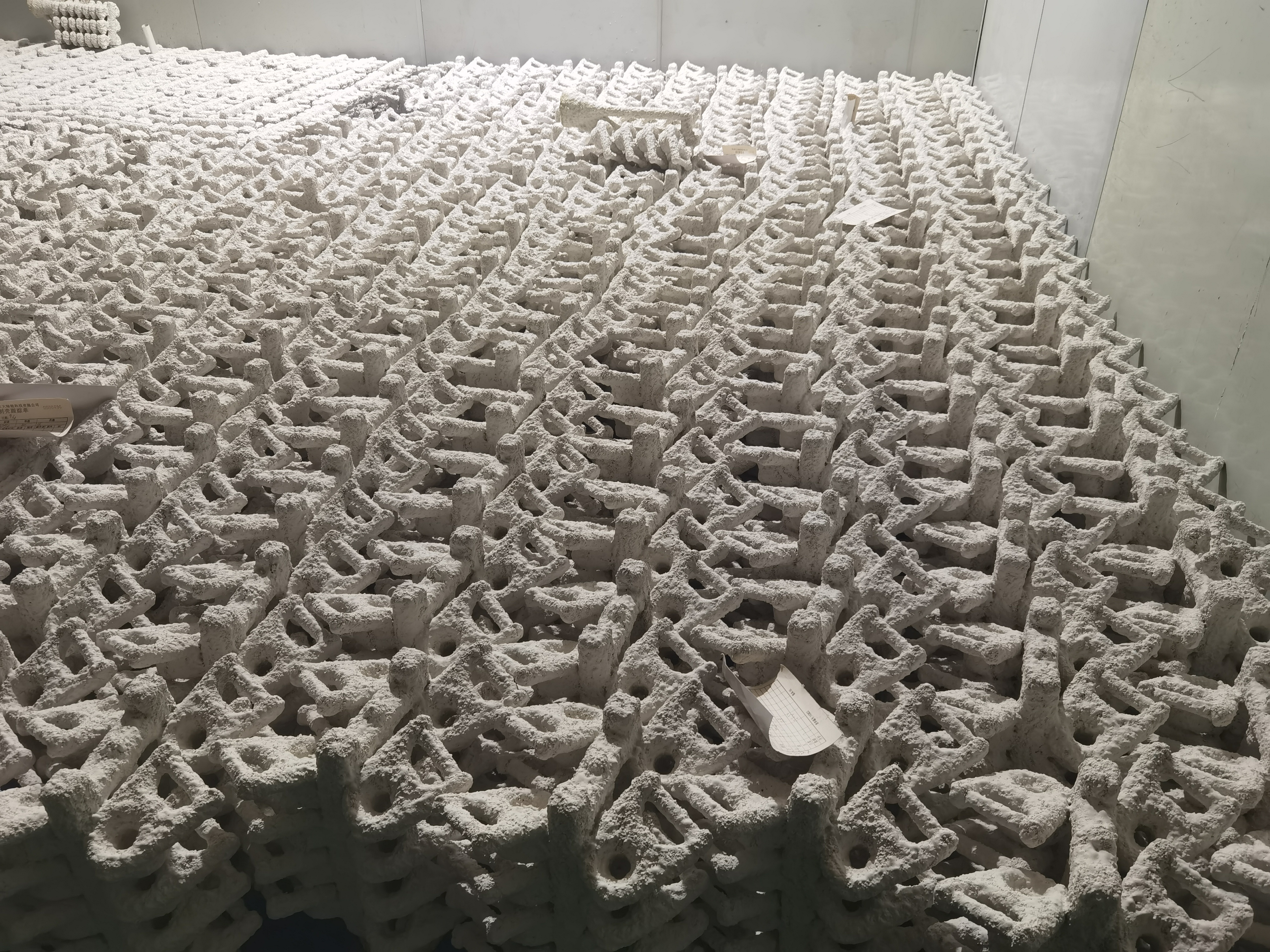
Ceramic shell molds at the NTC investment casting plant: a one-piece bracket shell is built around a sacrificial wax pattern, so the finished footrest or suspension bracket has no welded joint to fail.
A motorcycle footrest bracket or suspension bracket rarely fails in the middle of its plate. It fails at the weld toe, in the heat-affected zone beside the weld, or around a gas pocket left inside a joint that looked sound on the outside. Investment casting directly answers that failure pattern because it removes the joint: the bracket becomes a single continuous steel component, formed from a wax pattern and poured in a controlled alloy grade, with mounting holes and positioning holes designed into the geometry and finished by CNC machining where the drawing demands it.
Problem Definition: Where Motorcycle Bracket Fragility Actually Comes From
Bracket failures are usually described as “the part broke,” which hides three separate mechanisms. Each one is addressed differently, and only one of them is fully solved by changing the manufacturing route.
1. The weld is the weakest section of the part
A welded footrest or suspension bracket has at least one zone where the base metal has been melted and re-solidified. That zone carries residual stress, a changed microstructure and, in many shop-floor outcomes, an undercut or a toe defect that acts as a crack initiator. Under repeated foot loading or suspension cycling, cracks begin at the toe of the weld and propagate into the parent plate. The bracket was designed for the load, but it was assembled at the point of maximum stress.
2. Porosity is invisible at goods-inspection
Internal porosity — gas entrapment or shrinkage — reduces the effective load-bearing section without changing the outside dimensions. A bracket with a 3 mm nominal wall can behave like a much thinner part at the exact location of a porosity cluster. This is why a bracket can pass a visual check, pass a dimensional check, and still fail in service. Porosity is controlled by process discipline: melt cleanliness, shell integrity, pouring practice and, critically, verification by spectrometer chemical analysis, hardness testing and dimensional inspection rather than by eye.
3. Mounting holes and positioning holes concentrate stress
Mounting holes and positioning holes are the features that transmit load, and they are also the features where stress concentrates. In welded assemblies these holes are drilled after joining, which can leave burrs, an interrupted surface finish or a hole breaking into a weld. In a casting they can be designed in, with bosses and radii placed where the load path requires them rather than where the assembly sequence allowed.
The practical consequence is a cost that never appears on the quotation: field returns, rework of finished motorcycles, and the loss of a distributor's confidence in a bracket line. Buyers at the evaluation stage are usually not trying to find a cheaper bracket — they are trying to stop a bracket from failing.
Industry Background: Why Cast Structural Parts Are Taking Share
Investment casting is no longer a niche route reserved for turbine blades and surgical instruments. Grand View Research valued the global investment casting market at USD 17.4 billion in 2025 and projects USD 24.9 billion by 2033, and the automotive segment accounted for the largest revenue share of that market, over 29% in 2025. Asia Pacific dominated the same market with a 39.2% revenue share in 2025, which is consistent with the density of casting capacity serving European and North American vehicle programmes.
Two structural facts explain why the process keeps replacing fabricated assemblies in load-bearing brackets:
- Alloy availability. Stainless steel alone represented 32.98% of global investment casting material share in 2025, according to Mordor Intelligence. The process is not restricted to a single family of alloys; NTC casts stainless steel, alloy steel, carbon steel, aluminum, copper, gray iron and ductile iron, which allows a bracket to be specified in the grade the load case requires rather than the grade the joining process tolerates.
- Process precision. Silica sol process accounted for 50.78% of investment casting revenue share in 2025, reflecting its precision capability. NTC uses a silica sol investment casting process, and ISO 8062-3:2007 — the standard that defines dimensional tolerances for castings — describes investment casting as typically achieving grades CT4 to CT6.
For pressure-containing and safety-relevant steel castings, ASTM A703/A703M is the general-requirements specification buyers commonly reference alongside the drawing. It does not replace a bracket drawing, but it establishes the inspection and quality vocabulary that a supplier should already be working in.
Detailed Solution: What the Investment Casting Answer Looks Like on a Drawing
Investment casting solves bracket fragility by changing what the part is: one continuous, near-net-shape steel bracket instead of a plate plus a tube plus a weld. The design freedom is real, but it only becomes a reliable bracket when five parameters are specified and controlled.
Removing the joint
Because the bracket is produced from a single wax pattern, there is no fusion zone between the footrest plate and the mounting arm. Load is carried through continuous material with designed fillets instead of through a weld toe. This is the single largest structural difference between a fabricated bracket and a cast one, and it is a geometry decision, not a marketing claim.
Material grade control, including 4140 alloy steel
Alloy steel brackets can be specified by grade — 4140 alloy steel is a common reference point for structural brackets that need through-hardening and fatigue resistance — and the grade must be provable, not assumed. NTC's material customization workflow covers material category, material grade, chemical composition, mechanical properties, hardness, heat treatment condition, applicable standard and material certificate. Verification includes raw material inspection, material certificate verification, spectrometer chemical composition analysis, hardness testing, first article inspection, dimensional inspection and final inspection.
Wall thickness: 2 mm as the design floor
Thin sections are where porosity and misruns appear, and they are also where designers try to save weight. NTC produces brackets with a minimum wall thickness of 2 mm. That figure should be treated as a design floor, not a target: a 2 mm section is achievable, but the surrounding geometry — fillet radii, boss transitions, gate placement — determines whether the section fills cleanly and inspects cleanly.
Casting tolerance: T4 to CT7
NTC works to casting tolerance grades from T4 to CT7. Grade selection should be matched to the feature that matters: a positioning hole that locates a footrest assembly has a different tolerance requirement from a non-functional outer contour. Where the drawing requires tighter control than the as-cast grade allows, the feature is finished by CNC machining rather than forced into the casting.
Integrating mounting holes, positioning holes and heat treatment
Brackets typically need mounting holes and positioning holes in a fixed relationship to each other. Casting these features near-net reduces the number of setups and keeps hole-to-hole relationships defined by one tool instead of by a sequence of drilling operations. Where machining is required, NTC's CNC capability covers turning, milling, drilling, boring and threading. Heat treatment can include annealing, normalizing, quenching, tempering and solution treatment, with hardness verified; surface options include shot blasting, sandblasting, pickling, passivation, plating, painting, powder coating and black oxide.
Verification that matches the failure mode
A bracket that fails from porosity cannot be validated by a visual check alone. NTC's casting quality control includes raw material inspection, spectrometer chemical composition analysis, first article inspection, in-process inspection, CMM dimensional inspection, hardness testing, visual inspection and final inspection before shipment, supported by a dimensional inspection laboratory and a material analysis laboratory and 100% testing according to customer demand.
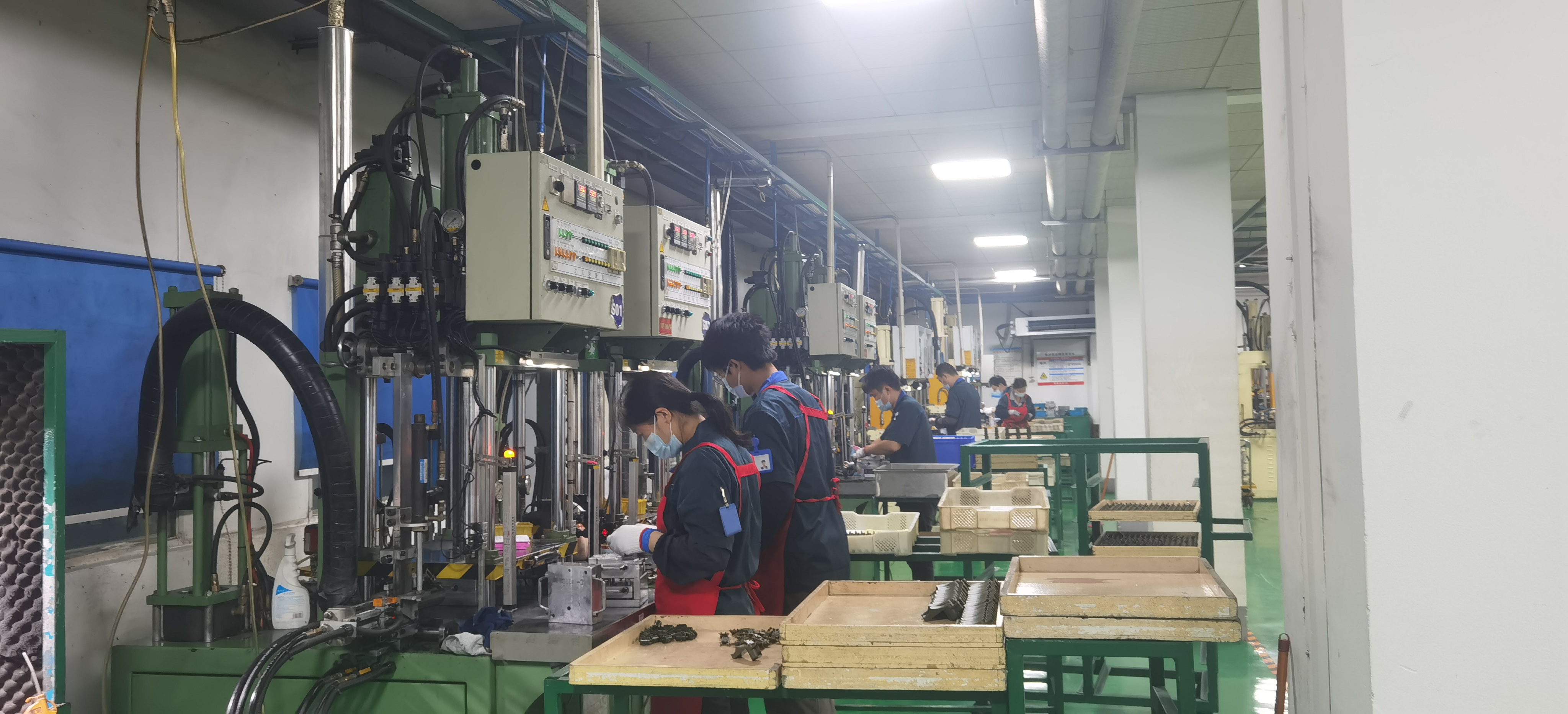
Wax pattern injection: the bracket geometry is formed once in the tool and reproduced identically, so every cast bracket inherits the same fillets and hole positions.
Step-by-Step: From Buyer Drawing to Inspected Bracket
The process below reflects NTC's OEM custom workflow for cast brackets. Lead times are stated as typical, not guaranteed, because they depend on drawing complexity, material grade and order quantity.
- Drawing and DFM review. The buyer drawing is reviewed for wall thickness, hole positions, machining allowance and heat treatment. NTC's engineering team includes 5 engineers and provides remote technical and drawing support during this step.
- Material grade confirmation. The alloy grade is fixed — for example 4140 alloy steel where through-hardening is required — together with chemical composition, mechanical properties and heat treatment condition.
- Wax pattern injection. Patterns are injected into the bracket tool. Pattern quality sets the surface and dimensional baseline for everything downstream.
- Shell building. Ceramic shells are built on the pattern cluster using the silica sol process, then dried and dewaxed.
- Pouring and material control. Metal is poured to the confirmed grade; chemical composition is verified by spectrometer analysis rather than by supplier declaration alone.
- Heat treatment. Annealing, normalizing, quenching, tempering or solution treatment is applied as specified, with hardness testing to confirm the result.
- CNC machining of critical features. Mounting holes, positioning holes and mating faces are machined where the cast tolerance grade is not the right control for the feature.
- Inspection and documentation. First article inspection, in-process inspection, CMM dimensional inspection, hardness testing and final inspection before shipment, with inspection report support available.
- Surface finishing and packing. Shot blasting, passivation, plating, powder coating or black oxide as specified, followed by visual inspection, surface roughness inspection, coating thickness inspection, adhesion inspection and color comparison.
Typical timing. For investment casting, samples take 20–30 days and mass production takes 30–45 days after sample approval. For parts that also require CNC machining, samples take 10–20 days and mass production 20–35 days after sample approval. Monthly investment casting capacity is 10,000 pcs, depending on part size, weight, material and product complexity, and total monthly production capacity is 500 tons. The MOQ for investment castings is 100 pcs, negotiable for prototypes and trial orders.
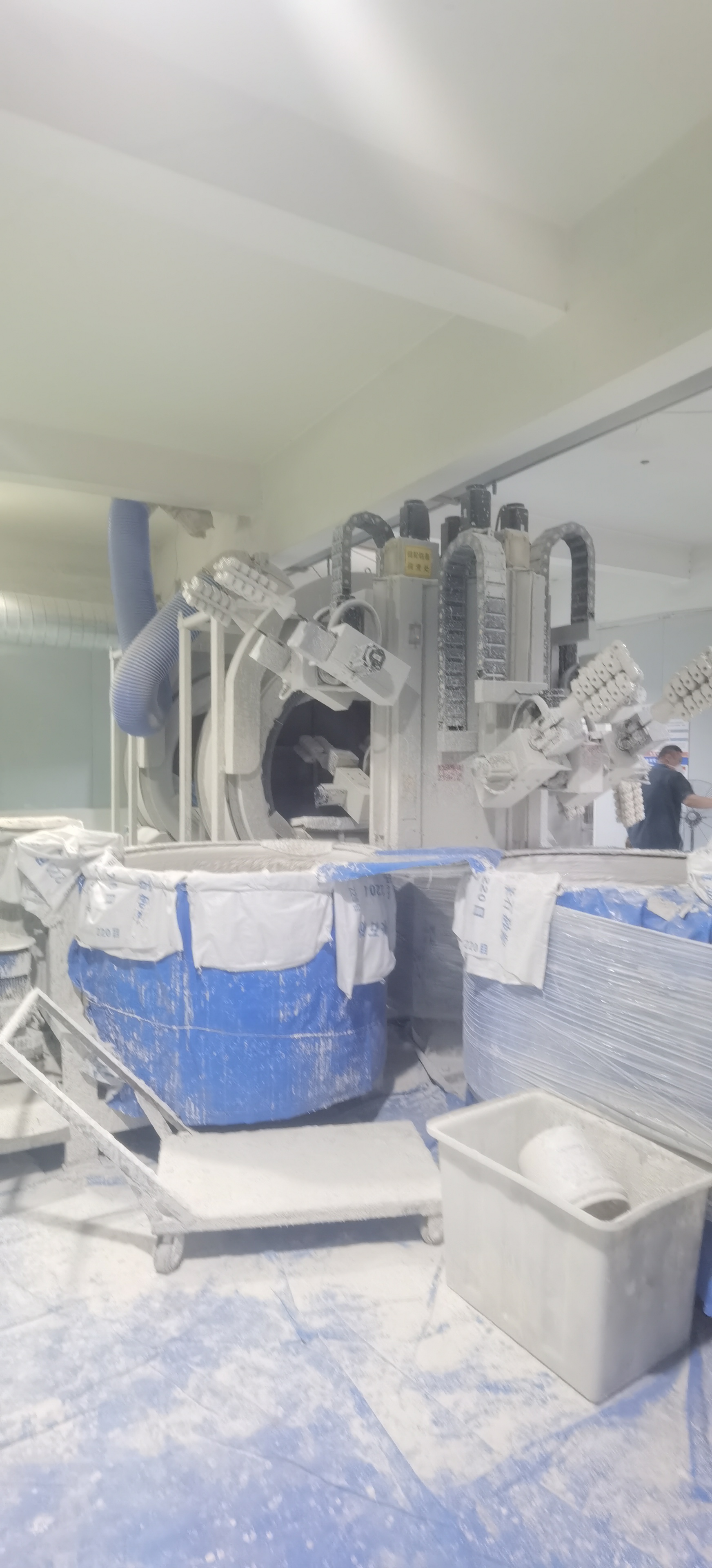
Automated ceramic shell coating: consistent shell thickness is what prevents the shell-related inclusions that show up later as porosity in a structural bracket.
Use Cases: Where the Cast Bracket Decision Pays Off
Footrest and footpeg brackets
Footrest brackets take repeated, offset point loads from the rider and are usually the first part inspected after a drop. A one-piece casting removes the weld that normally cracks first, and integrated mounting holes keep the bracket aligned to the frame without an assembly stack-up.
Suspension linkage and shock mounting brackets
Linkage brackets experience cyclic loading and are sensitive to porosity in the load path. Specifying a controlled alloy grade with verified hardness, plus CMM dimensional inspection of the pivot positions, converts a fatigue question into a documented inspection result.
Engine mount and frame brackets
Where a bracket carries engine mass and vibration, the value of one-piece construction is continuity: no heat-affected zone between the mounting face and the frame interface, and hole positions defined by a single tool.
Where the same logic transfers
The failure pattern described here is not unique to two wheels. NTC's casting production also covers auto part castings, power tool component castings, engineering machinery parts, fluid equipment parts, stainless steel pipe and valve castings, door control fittings, lock hardware, textile machinery parts, industrial sewing machine parts, food machinery parts, tableware hardware, sport facility parts and construction hardware — categories where a welded or porous assembly is replaced by a single verified casting for the same structural reason.
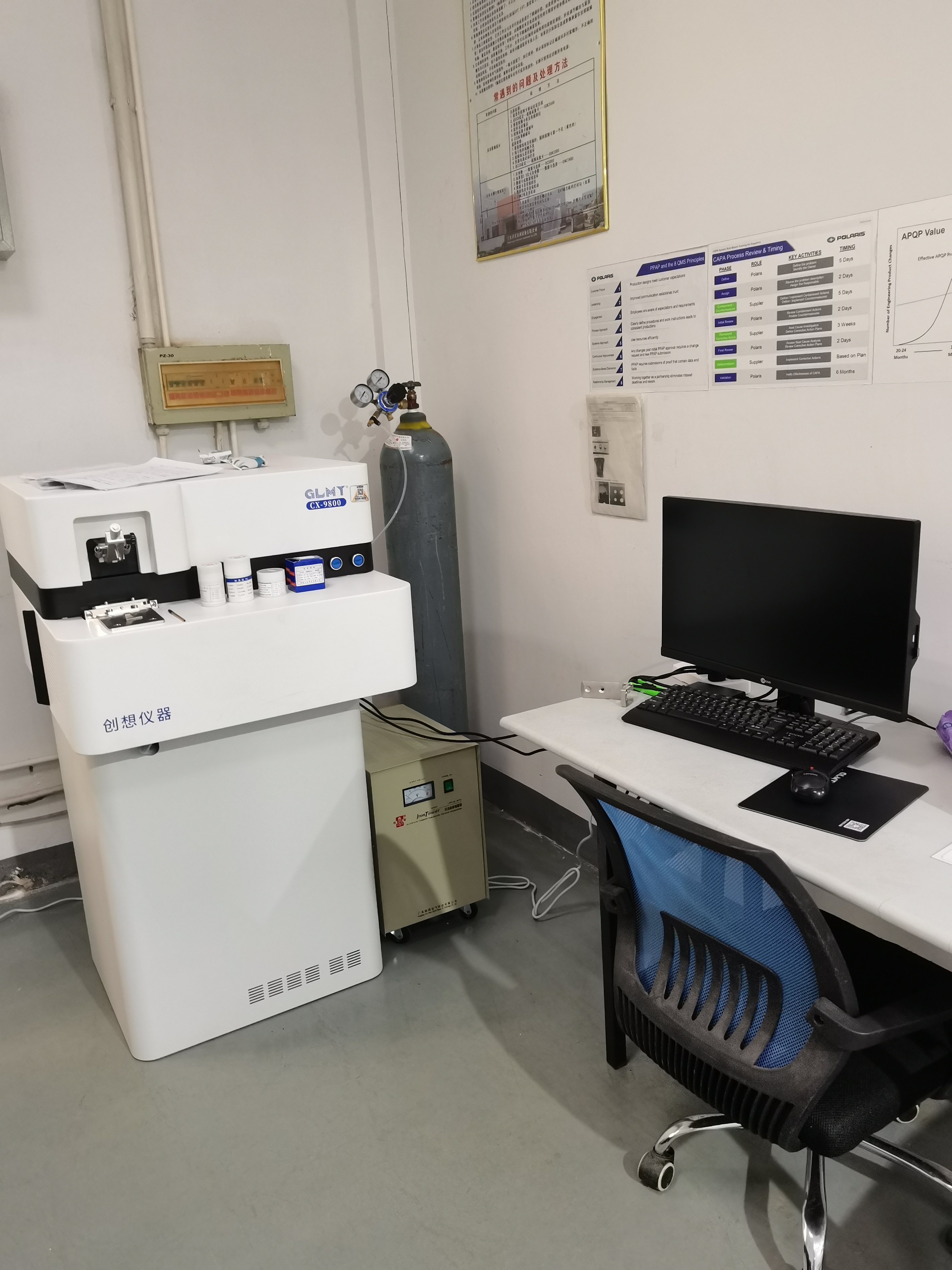
Optical emission spectrometer analysis: the material grade on the drawing is confirmed against the heat actually poured, not against a purchase order.
Comparison: Four Ways to Build a Motorcycle Bracket, Ranked
The ranking below is ordered by structural continuity — the ability of the finished bracket to carry load through continuous material rather than through a joint or a defect-prone section. It is a design-route ranking, not a statement that one process suits every bracket.
- Investment casting (one-piece, silica sol). No weld joint, documented material grade, wall thickness down to 2 mm, casting tolerance grades T4–CT7, integrated mounting holes and positioning holes, with CNC finishing where needed. Best fit for brackets where fatigue life and inspection traceability matter.
- Machined-from-solid. Continuous material and excellent dimensional control, but material utilisation is poor and cost scales steeply with volume and with complex geometry such as ribs and bosses.
- Sand casting. Suitable for larger, simpler brackets with generous walls, but surface finish and dimensional consistency are generally coarser than investment casting, so more machining allowance is required.
- Welded fabrication (plate + tube + weld). Fast to prototype and flexible in geometry, but it introduces a heat-affected zone at the highest-stress location and depends on weld quality that is difficult to verify non-destructively on a finished bracket.
| Comparison metric | Investment casting | Machined from solid | Sand casting | Welded fabrication |
|---|---|---|---|---|
| Structural continuity | Single continuous part | Single continuous part | Single continuous part | Joint is the weakest section |
| Weld / heat-affected zone | None | None | None | Present at the highest-stress location |
| Minimum wall thickness capability | 2 mm | Limited by machining access and distortion | Generally requires heavier walls | Limited by plate and tube availability |
| Tolerance control | Casting grades T4–CT7; ISO 8062-3 typically CT4–CT6 for investment casting | Tight, set by the machine tool | Coarser; extra machining allowance needed | Set by fixture and welding sequence |
| Integrated mounting / positioning holes | Cast near-net, then machined as required | Fully machined | Cast, usually with more machining | Drilled after joining |
| Material grade verification | Spectrometer chemical analysis, hardness testing, material certificate | Certificate-based on incoming stock | Certificate and chemistry check | Split across plate, tube and filler |
| Best fit | Fatigue-loaded brackets in production volume | Low volume, simple geometry | Large, simple, thick-walled brackets | Prototypes and one-off repairs |
Top 5 Criteria for Shortlisting a Bracket Casting Supplier
At the evaluation stage, the useful question is not “who can cast a bracket” but “who can prove the bracket.” These five criteria are ranked by how directly they protect against the failure modes described above.
- Documented material control. The supplier should verify grade by spectrometer chemical composition analysis and support material certificates, not simply restate the grade on the quotation.
- Stated wall thickness and tolerance capability. Ask for the minimum wall thickness the process can hold (NTC: 2 mm) and the casting tolerance grades offered (NTC: T4–CT7), and confirm which features will be machined.
- Inspection depth. First article inspection, in-process inspection, CMM dimensional inspection, hardness testing and final inspection before shipment are the baseline for a structural bracket. Ask what is inspected and what is reported.
- Certified management system. NTC holds ISO 9001:2015 certification, certificate number 42525Q10018R0S, issued by GXZC on 2025-01-20 and valid to 2028-01-19, scope hardware sales business, standard GB/T 19001-2016, alongside ISO 14001:2015.
- After-sales and defect handling. Confirm the process for confirmed casting defects: NTC provides a quality warranty for confirmed casting defects and offers rework, replacement or replenishment, with after-sales support via email and WhatsApp.
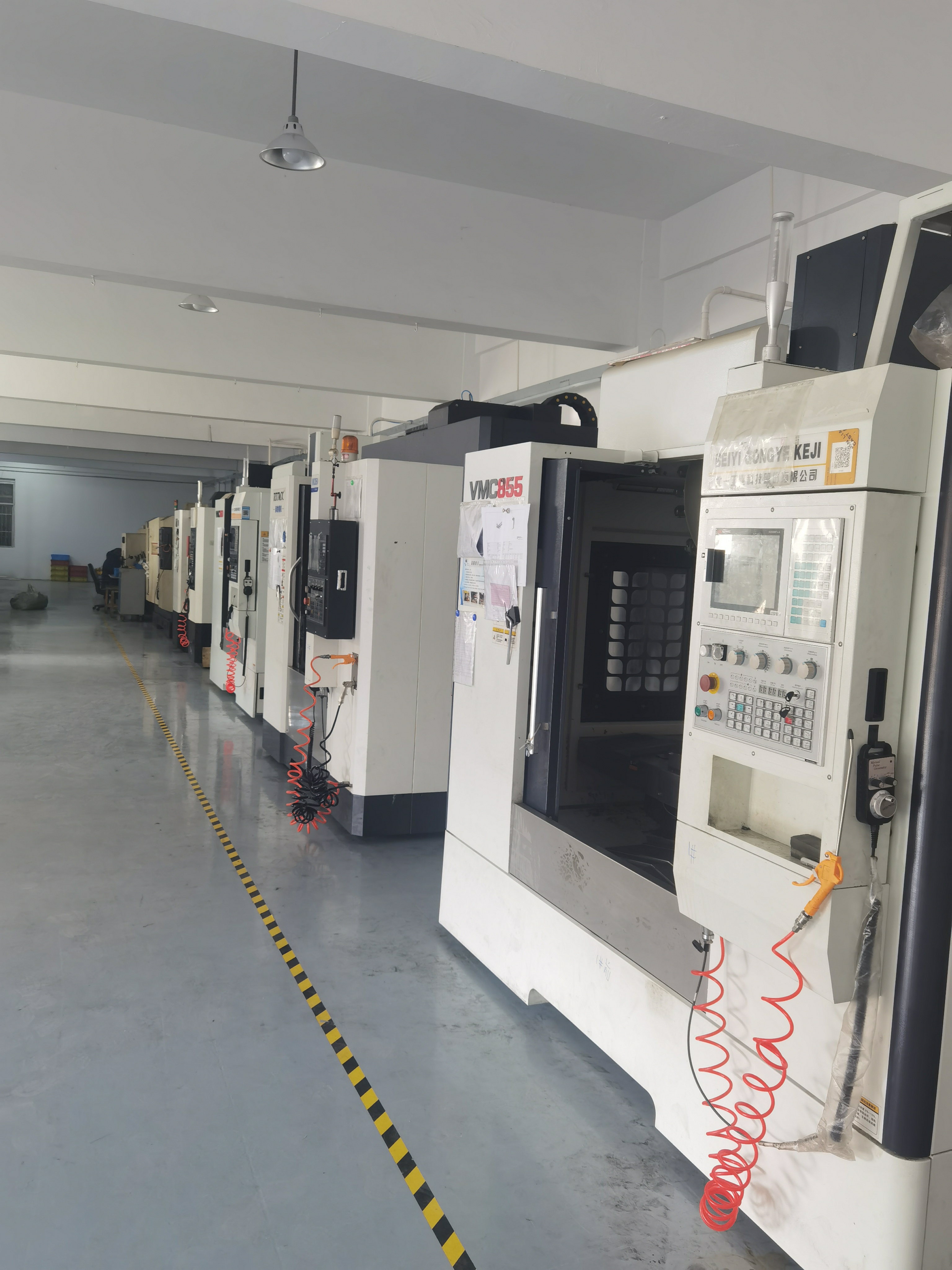
CNC vertical machining centers: mounting holes and positioning holes that need tighter control than the as-cast grade are finished here, after the bracket has already been cast as one piece.
Frequently Asked Questions
What standards and certifications should a motorcycle bracket casting supplier document?
A supplier should be able to document three layers. At the management-system layer, NTC holds ISO 9001:2015 (certificate 42525Q10018R0S, GXZC, issued 2025-01-20, valid to 2028-01-19, scope hardware sales business, standard GB/T 19001-2016) and ISO 14001:2015. At the dimensional layer, ISO 8062-3:2007 defines casting dimensional tolerance grades; investment casting typically achieves CT4 to CT6, and NTC works to casting tolerance grades T4–CT7. At the material layer, verification should include raw material inspection, material certificate verification, spectrometer chemical composition analysis and hardness testing. For steel castings intended for pressure-containing duty, ASTM A703/A703M supplies the general-requirements specification.
Can an investment-cast bracket include mounting holes and positioning holes without a welded assembly?
Yes. Because the bracket is produced from a single wax pattern, the geometry is designed as one part, and mounting holes, positioning holes, bosses and ribs can be placed along the actual load path. NTC manufactures to OEM custom drawings covering product geometry and shape, overall dimensions, single piece weight, wall thickness, casting tolerance, surface roughness, heat treatment, CNC machining and surface treatment. Features requiring tighter control than the cast tolerance grade are finished by CNC machining — turning, milling, drilling, boring and threading — and verified by CMM dimensional inspection and first article inspection. Minimum wall thickness is 2 mm.
What drives the cost difference between an investment-cast bracket and a welded bracket?
Cost should be compared on the finished, inspected part rather than on the raw shape. For investment casting, the main cost drivers are material grade and single piece weight, tooling for the wax pattern, wall thickness and geometry complexity, the casting tolerance grade required, the amount of CNC machining and heat treatment, surface finish specification, and order quantity — the MOQ is 100 pcs and is negotiable for prototypes and trial orders. A welded bracket can appear cheaper at the quotation stage while carrying hidden costs in weld inspection, rework at the joint and field returns. Buyers evaluating the two routes should request a per-part breakdown that separates casting, machining, heat treatment, finishing and inspection.
How are samples validated before mass production?
Samples are produced from the approved drawing and material grade, with typical sample lead time of 20–30 days for investment casting (10–20 days where CNC machining is the governing step). Validation combines first article inspection, dimensional inspection, CMM measurement, spectrometer chemical composition analysis and hardness testing, with inspection report support available. Where surface or heat treatment is specified, checks extend to visual inspection, surface roughness inspection, coating thickness inspection, adhesion inspection and color comparison. Once the sample is approved, mass production typically takes 30–45 days for investment casting, or 20–35 days after sample approval where CNC machining governs.
What lead time and capacity should a buyer expect for production bracket orders?
NTC's typical OEM production lead time is 35–45 days, with investment casting mass production at 30–45 days after sample approval. Monthly investment casting capacity is 10,000 pcs depending on part size, weight, material and product complexity, and total monthly production capacity is 500 tons, with flexible capacity based on material grade, part size, single piece weight, manufacturing process and order quantity. The appropriate next step is to send the bracket drawing with material grade, wall thickness, tolerance grade and hole requirements for a technical review and quotation.
Next Step: Send a Bracket Drawing for Review
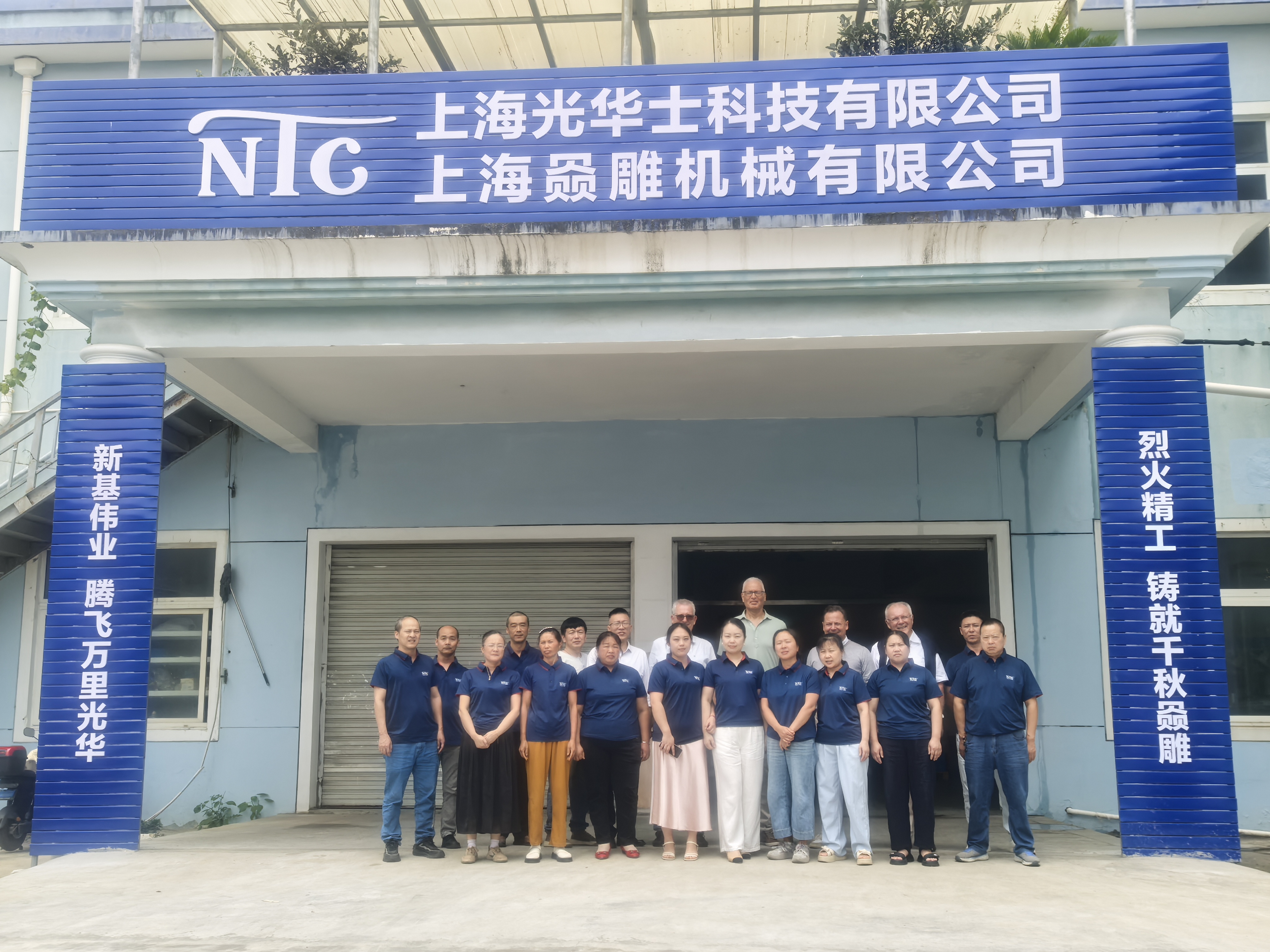
If a footrest or suspension bracket is failing at the weld or showing porosity in service, the fastest way to evaluate a casting alternative is a drawing review against wall thickness, tolerance grade and hole positions. SHANGHAI NTC TECHNOLOGY CO., LTD. is a precision casting manufacturer and trading company located at No. 308 Linsheng Road, TingLin Industrial Zone, JinShan District, Shanghai 201505, China, founded in 2022, with a 2,000 m² factory, 20 employees and 5 engineers. Its products serve distributors, traders and purchasers worldwide, with exports to Europe, America and Asia representing 85% of output.
Request a sample, a quotation or a drawing review — or download the company catalogue here: SHANGHAI NTC TECHNOLOGY CO., LTD. 2026 Catalogue (PDF).
Contact: Stanley Yang, General Manager · Email: Stanley770826@ntcmachine.com · WhatsApp: +86 186 2180 6400 · Websites: www.shntcmachinery.com / www.shntcmachine.com
Conclusion
Structural fragility in motorcycle brackets is not a materials mystery. It is a joint problem and a porosity problem, and both are created or removed by the manufacturing route. A welded footrest or suspension bracket concentrates stress in a heat-affected zone and hides defects inside the joint; a one-piece investment casting carries load through continuous material and makes the material grade, wall thickness and tolerance inspectable before the part leaves the factory.
The specification that makes this work is concrete: alloy steel grades including 4140 alloy steel where through-hardening is required, a minimum wall thickness of 2 mm, casting tolerance grades from T4 to CT7, mounting holes and positioning holes designed into the geometry, heat treatment with verified hardness, and inspection built around spectrometer analysis, CMM dimensional measurement and final inspection before shipment. Buyers comparing a welded bracket with a cast bracket are not comparing prices — they are choosing which failure mode they are willing to test for. Casting makes that test documentary.
Have Questions or Need More Details?
Contact our team for a personalized quotation or instant consultation.
Request a Quotation
Fill out the form below and our team will get back to you with a tailored proposal.
WhatsApp Direct Chat
Prefer to chat in real-time? Message us on WhatsApp for instant assistance & quick answers.
- Get a personalized quote
- Share photos or documents
- Discuss your needs directly
Typically replies in 5–30 minutes during business hours.