Top 10 Precision Cast Parts for Industrial Equipment: A Recommended List
Top 10 Precision Cast Parts for Industrial Equipment: A Recommended List
Industrial equipment performs or fails at the level of its smallest components. Inside construction machinery, pump sets, fluid measurement instruments and vacuum systems, parts such as bearing housings, pump bodies, valve bodies, impellers and connection fittings carry load, seal fluid, transmit motion and control flow. When the wrong casting is specified, the problem rarely shows up as a wrong part. It shows up as vibration, leakage, assembly interference or premature wear.
This list covers ten precision cast part types worth putting on an evaluation shortlist for industrial equipment projects. Each entry notes the material options, casting tolerance, machinable features and typical industries that apply. The order is not a supplier ranking. It reflects how frequently each part type appears across equipment categories.
Problem Definition: Why "Which Cast Parts Are Worth Buying" Is a Hard Question
Most procurement teams are not short of supplier lists. What they lack is a shared language for what each part type actually requires. Two projects can both read "stainless steel casting" and mean completely different things. One needs corrosion resistance only. The other needs sealing-face flatness, bearing-bore concentricity and a pressure test record.
Three difficulties repeat across industrial equipment sourcing:
- Function drives material, not the reverse. A 316L stainless choice that suits a valve body may be the wrong call for a transmission housing under high cyclic load.
- Tolerance is feature-specific, not part-specific. Bearing bores and mounting faces usually need CNC finishing. The rest of a casting can often stay as-cast.
- Scenario fit beats unit price. A casting that looks cheaper but forces assembly rework costs more than one quoted higher and delivered ready to fit.
Industry Background: Precision Cast Parts in Industrial Equipment Procurement
The global investment casting market was valued at USD 17.4 billion in 2025 and is projected to reach USD 24.9 billion by 2033, according to Grand View Research. Asia Pacific dominated the global investment casting market with a 39.2% revenue share in 2025. Automotive applications accounted for the largest revenue share by application, over 29% in 2025.
Process and material mix matter to buyers because they set the practical ceiling on what a casting can deliver. The silica sol process accounted for 50.78% of investment casting revenue share in 2025, driven by its precision capabilities. Stainless steel represented 32.98% of the global investment casting material share in 2025.
On the tolerance side, ISO 8062-3:2007 defines dimensional tolerances for investment castings, typically achieving grades CT4 to CT6. ASTM A703/A703M sets general requirements for steel castings for pressure-containing parts. Together these standards describe the buyer's real position: achievable accuracy for industrial castings is well standardized. The difference between suppliers lies in how they control individual features on a specific drawing.
Detailed Solution: Ten Precision Cast Part Types for Industrial Equipment
1. Engineering Machinery Bearing and Pump Housing Castings
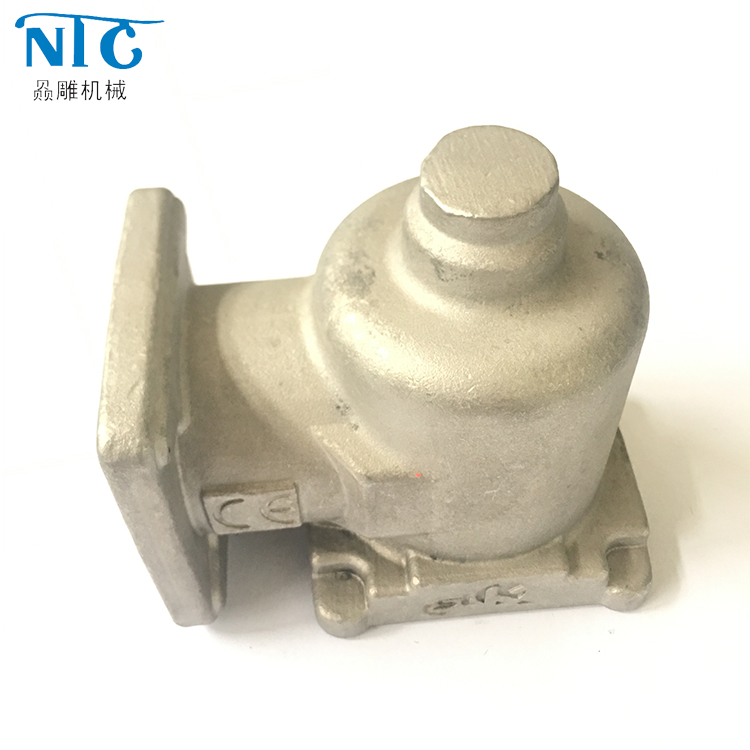
These are custom bearing housings, pump housings, flange housings, bearing seats and mechanical transmission housing castings, built to approved 2D drawings, 3D models or physical samples. Because they locate bearings and align shafts, bore diameter, concentricity, cylindricity and alignment are controlled to the drawing. That is the feature worth confirming first during drawing review.
Material coverage includes carbon steel, alloy steel, ductile iron and stainless steel, with grades such as WCB, 1020, 1045, 4140, 42CrMo, QT450-10, 304, 316 and 316L available when specified. Flange flatness, sealing grooves and mounting holes can be CNC machined, and pressure testing, leak testing, hardness testing and assembly-fit inspection can be arranged. Applications sit in construction machinery, heavy equipment, hydraulic pumps and industrial transmission systems.
2. Engineering Machinery Hydraulic Valve Body Castings
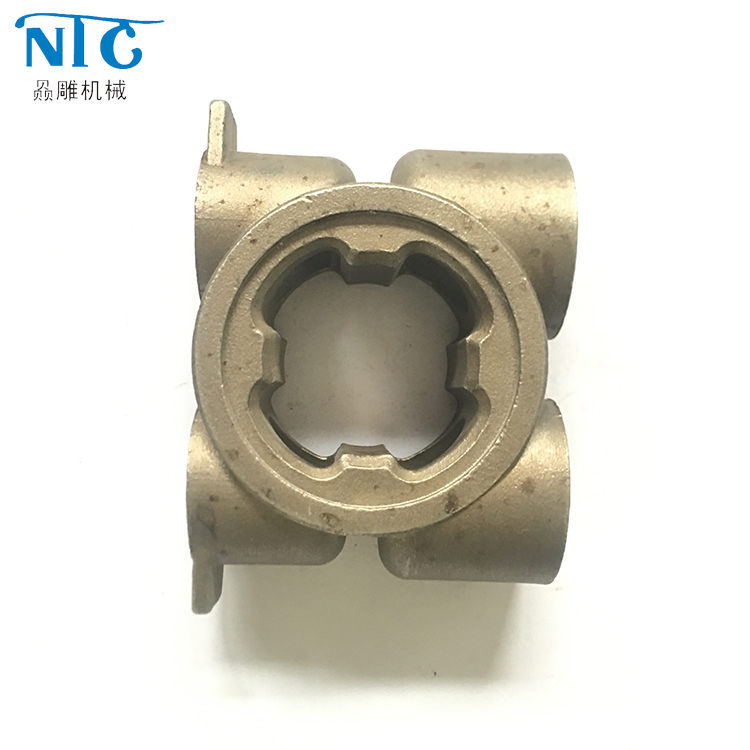
A hydraulic valve body is the blank behind a control valve, manifold or fluid-distribution component. The structure supports single-port, multi-port, flange-mounted, threaded and integrated manifold configurations. Internal oil passages, distribution chambers, control ports and connection channels are produced according to drawings, which means the internal geometry is defined by the customer, not by the foundry.
Common grades include 1020, 1045, WCB, 4140, 42CrMo, 304, 316 and 316L. Thread options cover Metric, BSP, BSPT, NPT and UNF. Critical hydraulic ports, sealing interfaces and mounting dimensions are inspected before shipment, and pressure testing, air-tightness testing and hydraulic leak testing can be arranged when specified. This part type suits construction machinery, hydraulic systems, agricultural machinery and heavy equipment.
3. Precision Cast Pump Housings
Pump bodies, volute housings and fluid-handling castings rely on silica sol investment casting to reproduce complex internal flow passages and mounting structures in a single piece. The material range is broad: carbon steel 1020, 1025 (WCB), 1030, 1040, 1045 and 1050; alloy steel 4140, 4150, 4340, 8620 and GS-25CrMo4; and stainless steel 201, 303, 304, 316, 316L, 17-4PH, 410, 420 and 440C.
Casting accuracy sits at tolerance grade T4–CT7 depending on housing geometry, with surface roughness between Ra 1.6 and Ra 6.3. Flange faces, bearing seats, shaft holes, sealing surfaces and threaded ports are CNC machined, and pressure testing or leakage testing can be arranged when specified. Typical use covers pump manufacturing, water treatment, chemical processing and industrial fluid systems.
4. Precision Cast Pump Impellers
An impeller is structurally harder to cast than most parts: curved blades, an integrated hub and a tightly controlled bore have to form in one piece. Silica sol investment casting handles that geometry, and open, semi-open and closed impeller configurations can all be produced from hydraulic design drawings.
Material options span austenitic stainless steel 201, 303, 304, 316, 316L, 1.4581, SCS14 and SCS16; alloy cast steel 4140, 4150, 4340, 8620 and GS-25CrMo4; hardening stainless steel 17-4PH, 410, 420 and 440C; and carbon steel 1020 to 1050. Part weight runs from 2 g to 550 g, accuracy class is T4–CT7, and surface roughness reaches Ra 1.6 to Ra 6.3.
Shaft bores, hubs and keyways are CNC machined, and optional static or dynamic balancing improves rotational stability. Blade profile, concentricity, bore dimensions and surface quality are inspected before shipment.
5. Stainless Steel Valve Body Castings
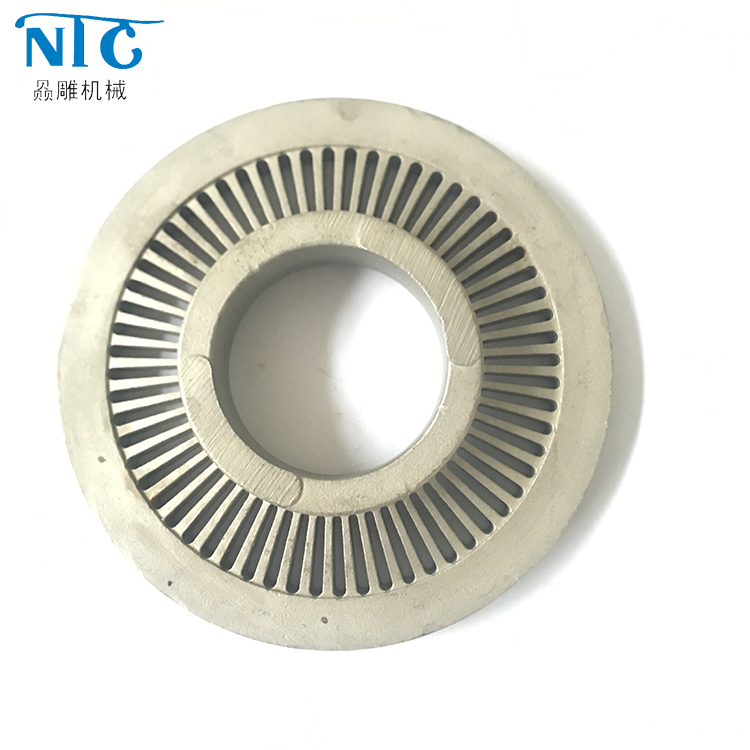
Industrial valve bodies must hold pressure and stay clean at the same time. Stainless steel valve bodies produced by silica sol investment casting handle both requirements, with austenitic grades 201, 303, 304, 316, 316L, 1.4581, SCS14 and SCS16 available. Other alloy grades can be reviewed against the drawing.
The process supports a maximum blind-hole depth of up to 30 mm at a hole diameter of 10 mm, which matters for valve bodies with complex internal structure. Flange faces, threaded ports, sealing surfaces, valve stem holes and internal flow passages are machined, and pressure testing or leakage testing is available when the customer specifies it. Applications include valve manufacturing, fluid control systems, chemical equipment and industrial piping.
6. Precision Cast Flowmeter Bodies
Flowmeter bodies demand more from internal geometry than most castings. Internal passages, sensor cavities, pressure ports and connection interfaces all influence measurement behaviour, which is why these bodies are produced by silica sol investment casting rather than general casting methods. Material options include austenitic stainless steel 201, 303, 304, 316, 316L, 1.4581, SCS14 and SCS16, with carbon steel and alloy steel available when required.
Machinable features cover flow passages, sensor ports, flange faces, threaded ports, sealing grooves and instrument connection interfaces. Inspection checks material composition, flow-passage dimensions, sensor-port positions, flange flatness, thread accuracy, sealing surfaces and concentricity. Dimensional inspection, material composition analysis, pressure testing and leakage testing are available when specified. These castings serve flowmeter manufacturing, instrumentation, process control and fluid measurement systems.
7. Flowmeter Flange and Connector Castings
An instrument has to connect without leaking before it can measure anything. Flowmeter flanges, measuring-tube connectors, threaded adapters, sensor connection bodies and instrument mounting bases cover that interface. Connection types include flanged, threaded, socket, tubular and reducer structures, with Metric, BSP, NPT and UNF thread standards available.
Customisation covers flange diameter, connection thread, flow-passage geometry, sensor-port position and sealing structure. Because these parts sit close to the measurement point, inspection verifies connection dimensions, flange flatness, thread accuracy, sealing-surface quality, concentricity and sensor-port position. Pressure testing and leakage testing can be arranged. Typical industries are instrumentation, flow measurement, industrial piping and process equipment.
8. Vacuum Equipment Precision Cast Fittings
Vacuum pipe clamps, connector rings, locking fittings and mechanical coupling components look like simple hardware but are not. They operate on stainless steel 304, 316 and 316L vacuum lines and have to open and close repeatedly without damaging sealing surfaces.
Clamp structures include quick-release, hinged, single-pin, double-pin and bolted locking designs. Inner diameter, wall thickness, hinge structure, locking lugs and connection interface are all customisable. Pin holes, bolt holes, threaded holes, hinge positions, locking slots and mating interfaces are machined after casting. Surface treatment options include shot blasting, grinding, mechanical polishing, mirror polishing, pickling, passivation and electropolishing.
For complete connection assemblies, vacuum leak testing can be arranged when specified. Applications cover vacuum equipment, semiconductor equipment, industrial automation and scientific instruments.
9. Custom Precision Cast Mechanical Housings
When no standard housing fits, a custom mechanical housing is the answer: equipment bodies, transmission housings, mounting bases and structural enclosures cast and machined to approved drawings, 3D models or physical samples.
Material choice is wider here than in most categories — carbon steel, alloy steel, stainless steel, aluminium alloy and zinc alloy depending on application requirements. Complex cavities, ribs, bosses, flanges, mounting feet and integrated connection features can be cast directly into the part, which reduces secondary assembly and improves dimensional consistency.
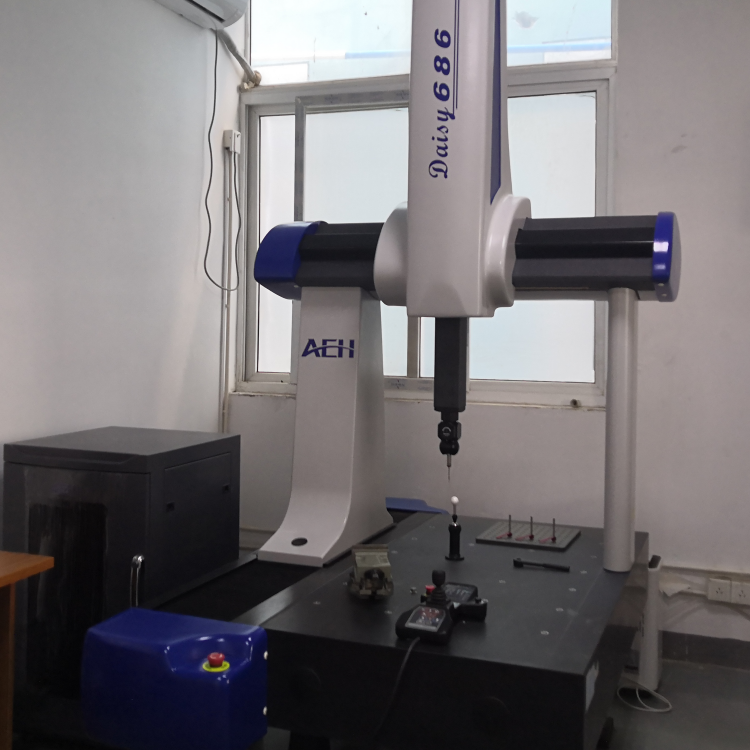
Bearing seats, shaft bores, flange faces, mounting holes, threaded holes, locating surfaces and sealing grooves are CNC machined. CMM inspection, spectrometer material analysis, gauges and customised inspection fixtures are available for verification. When required, press fitting, threaded assembly, insert installation and subassembly services can be provided.
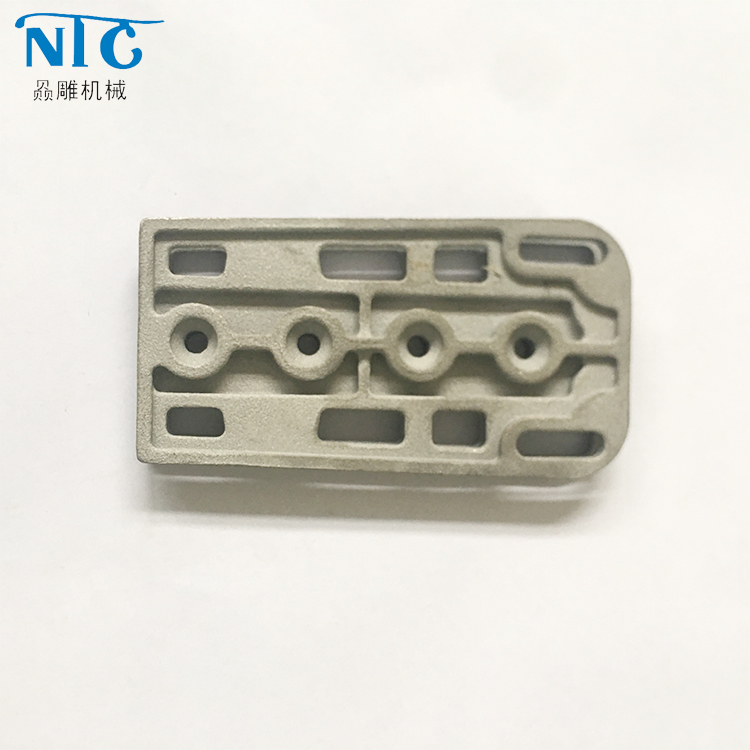
10. Industrial Sewing Machine Brackets and Mounting Components
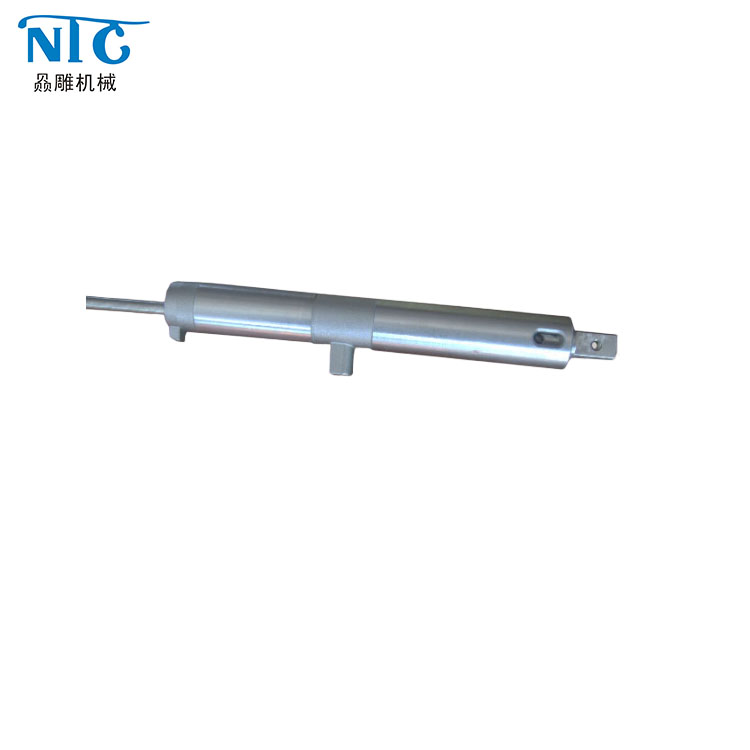
Industrial sewing, embroidery and textile automation equipment run on dense clusters of small precision brackets that determine guide accuracy and, ultimately, stitch quality. Mounting brackets, guide supports, retaining sleeves, pivot connectors and adjustment fittings are produced by silica sol investment casting in carbon steel 1020 to 1050, alloy steel 4140, 4150, 4340 and 8620, and stainless steel 201, 303, 304, 316, 316L, 17-4PH, 410 and 420.
Part weight ranges from 2 g to 550 g, casting accuracy is tolerance grade T4–CT7, and the standard minimum wall thickness is 2 mm with 1 mm available in limited local areas after process review. Fillet requirements are a minimum outer radius of 0.3 mm and a minimum internal fillet of 0.5 mm.
Guide dimensions, assembly fit and critical tolerances are inspected before shipment. These components serve industrial sewing machines, garment equipment, textile automation and embroidery machinery.
Step-by-Step Breakdown: Matching Cast Parts to a Project Scenario
Choosing from the list above is only the first move. Turning a part type into a workable order follows a sequence.
- Define the functional role. Decide whether the part carries load, seals fluid, transmits motion or controls flow. Function narrows the candidate part types faster than any catalogue filter.
- Fix the material against the operating condition. Match the grade to load, corrosion exposure and temperature rather than to habit. Carbon steel, alloy steel, stainless steel and aluminium alloy each solve a different problem.
- Set tolerances by feature. Identify which surfaces are functional (bearing bores, sealing faces, spindle interfaces) and which are structural. Only the functional ones normally need CNC finishing.
- Select the casting process. Investment casting suits complex geometry and fine detail. Sand casting and die casting serve different size, material and volume profiles.
- Specify post-processing. Heat treatment, shot blasting, passivation, plating, painting and powder coating each change durability, appearance or corrosion behaviour.
- Confirm inspection and documentation. Material certificates and inspection reports can be supplied when required. CMM measurement, spectrometer analysis and hardness testing support the release decision.
- Validate with a real sample. A prototype confirms that the drawing assumptions survive contact with the process.
- Lock the process before volume production. Sample approval is the point where dimensions, material grade and finishing become fixed for the production run.
Use Cases Across Industrial Equipment
- Construction machinery hydraulics. Hydraulic valve bodies and bearing housings operate under pressure and cyclic load, where port position accuracy and bore concentricity determine whether the system holds pressure and runs smoothly.
- Industrial pumps and fluid handling. Pump housings and impellers work together, so blade profile, shaft bore and sealing surface all have to be consistent between components from the same drawing set.
- Flow measurement and process instrumentation. Flowmeter bodies, flanges and connectors sit at the measurement point, where internal passage geometry and sealing integrity directly affect reading stability.
- Vacuum and semiconductor equipment. Vacuum pipe clamps and coupling fittings must seal repeatedly without surface damage, which makes material grade and surface finish the deciding factors.
- Industrial sewing and textile machinery. Small precision brackets, guide supports and pivot connectors set guide accuracy across high-cycle mechanical movement.
Comparison Table: Ten Precision Cast Part Types at a Glance
| Part Type | Primary Function | Material Options | Tolerance / Accuracy | Typical Industry |
|---|---|---|---|---|
| Engineering machinery bearing and pump housing castings | Load bearing and transmission alignment | Carbon steel, alloy steel, ductile iron, stainless steel (WCB, 1020, 1045, 4140, 42CrMo, QT450-10, 304, 316, 316L) | Per approved drawing; critical bearing and mounting dimensions CNC finished | Construction machinery, hydraulic pumps, industrial transmission |
| Engineering machinery hydraulic valve body castings | Hydraulic fluid distribution and control | Carbon steel, alloy steel, stainless steel (1020, 1045, WCB, 4140, 42CrMo, 304, 316, 316L) | Per approved drawing; critical sealing and mounting dimensions CNC finished | Construction machinery, hydraulic systems, heavy equipment |
| Precision cast pump housings | Pump body enclosure and fluid guiding | Carbon steel, alloy steel, stainless steel (1020–1050, 4140, 4340, 8620, 304, 316, 316L, 17-4PH, 440C) | T4–CT7; Ra 1.6–Ra 6.3 | Pump manufacturing, water treatment, chemical processing |
| Precision cast pump impellers | Fluid pressurisation | Austenitic stainless steel, alloy cast steel, hardening stainless steel, carbon steel | T4–CT7; Ra 1.6–Ra 6.3; 2 g–550 g | Pump manufacturing, water treatment, chemical equipment |
| Stainless steel valve body castings | Flow control and sealing | Austenitic stainless steel (201, 303, 304, 316, 316L, 1.4581, SCS14, SCS16) | T4–CT7; blind hole up to 30 mm at 10 mm diameter | Valve manufacturing, fluid control, industrial piping |
| Precision cast flowmeter bodies | Flow measurement chamber and sensor housing | Austenitic stainless steel; carbon steel and alloy steel on request | T4–CT7; Ra 1.6–Ra 6.3; 2 g–550 g | Flowmeter manufacturing, instrumentation, process control |
| Flowmeter flange and connector castings | Instrument-to-pipeline connection | Austenitic stainless steel; carbon steel and alloy steel on request | T4–CT7; connection and seal dimensions inspected to drawing | Instrumentation, flow measurement, industrial piping |
| Vacuum equipment precision cast fittings | Vacuum line locking and sealing | Stainless steel 304, 316, 316L; carbon steel and alloy steel when specified | Per approved drawing; critical dimensions CNC finished | Vacuum equipment, semiconductor equipment, scientific instruments |
| Custom precision cast mechanical housings | Structural support and equipment enclosure | Carbon steel, alloy steel, stainless steel, aluminium alloy, zinc alloy | Per approved drawing; critical dimensions CNC finished | General machinery, industrial equipment, automation systems |
| Industrial sewing machine brackets and mounting components | Guiding, support and connection | Carbon steel, alloy steel, stainless steel (1020–1050, 4140–8620, 304, 316, 17-4PH, 420) | T4–CT7; Ra 1.6–Ra 6.3; 2 g–550 g | Industrial sewing machines, textile automation, embroidery machinery |
FAQ
Which standards apply to these precision cast parts?
Precision cast parts are commonly produced to ASTM, DIN, BS, JIS and ISO standards, or to customer-specified technical requirements. ISO 8062-3:2007 defines the dimensional tolerance system for castings, and investment casting typically achieves grades CT4 to CT6. ASTM A703/A703M covers general requirements for steel castings for pressure-containing parts. For pump housings, valve bodies and flowmeter bodies, pressure testing or leakage testing can be arranged when the customer specifies it.
Can one supplier cover all ten part types?
A full-process casting supplier can cover most of them. SHANGHAI NTC TECHNOLOGY CO., LTD. is a precision casting industry and trade company founded in 2022 and based in Shanghai, China, operating a 2,000 m² factory with 20 employees, five engineers and an annual output of 1,500,000 units. Its production scope covers precision investment casting, CNC machining, heat treatment and surface treatment, with a precision casting capacity of 10,000 pcs per month depending on part size, weight, material and product complexity.
What drives the cost of a precision cast part?
The main cost drivers are material category and grade, single-piece weight, wall thickness, casting tolerance, the number of CNC-machined features, heat treatment, surface treatment and order quantity. Tight tolerances on pressure-containing or bearing surfaces add machining time. MOQ for investment cast production is 100 pcs and is negotiable for prototypes and trial orders. Quotations are prepared against approved drawings, 3D models or physical samples.
Can we request samples before mass production?
Yes. Samples for precision investment casting typically take 20–30 days, followed by 30–45 days for mass production after sample approval. CNC machining samples take 10–20 days, with 20–35 days for mass production after approval. Surface and heat treatment runs take 7–20 days depending on the treatment process. Prototypes and trial orders are supported.
What is the typical lead time for a casting order?
Lead times run from sample confirmation and drawing freeze. For metal material customisation, samples take 20–30 days and mass production takes 30–45 days. Precision investment casting follows the same pattern: samples in 20–30 days, mass production in 30–45 days. CNC machining is faster at 10–20 days for samples and 20–35 days for mass production. Surface and heat treatment add 7–20 days. To start a project match, send your 2D drawings, 3D models or physical samples for review, and request a sample, quotation or product catalog.
Conclusion
The ten part types above cover the load-bearing, sealing, transmission and fluid-control functions that industrial equipment depends on. The list is a starting point, not a fixed menu. What converts a part type into a working component is the combination of material grade, casting tolerance, machined features and finishing selected for a specific project scenario.
SHANGHAI NTC TECHNOLOGY CO., LTD. is a precision casting industry and trade company founded in 2022 in Shanghai, China, operating a 2,000 m² factory with 20 employees and five engineers. Its product range spans engineering machinery bearing and pump housing castings, hydraulic valve body castings, vacuum equipment precision cast fittings, flowmeter flanges and connectors, precision cast flowmeter bodies and custom precision cast mechanical housings. The company exports to Europe, America and Asia, with an export ratio of 85%.
The full product catalogue is available here: SHANGHAI NTC TECHNOLOGY CO., LTD. 2026 Brochure (PDF).
Ready to Match a Cast Part to Your Project?
Send your 2D drawings, 3D models or physical samples for review. Samples can be developed for prototype and trial-order evaluation before volume production.
Contact: Stanley Yang, GM — Stanley770826@ntcmachine.com | Mobile / WhatsApp: +0086-186 2180 6400