
A Buyer’s Guide to Selecting High-Performance TPU Film for Laminated Glass Applications
Introduction
Procuring thermoplastic polyurethane (TPU) film for laminated glass applications—especially for safety, ballistic, or armored glass—requires careful evaluation of material properties, processing compatibility, and supplier capabilities. This buyer’s guide provides a structured framework for procurement professionals to assess TPU film suppliers, focusing on the critical parameters that determine end-use performance. It draws upon verified product specifications, industry standards, and real-world application data to support informed decision-making.
Key Material Properties to Evaluate
For laminated glass interlayer applications—where TPU film is bonded between glass panes via autoclave lamination—the following properties are paramount:
- Optical Clarity: Light transmittance above 88% is typically required for architectural and automotive glass. High haze (>1%) is unacceptable for transparent applications.
- Mechanical Strength: Tensile strength >35 MPa ensures load-bearing capacity under impact. Tear resistance is equally critical for preventing crack propagation.
- Adhesion Compatibility: TPU must bond reliably to glass, polycarbonate, or acrylic substrates under autoclave conditions (high temperature and pressure).
- Environmental Resistance: UV stability, hydrolysis resistance, and low-temperature flexibility (glass transition temperature below –50°C) are essential for outdoor and armored glass.
- Thickness Uniformity: Dimensional tolerances should be within ±0.05 mm to ensure consistent lamination quality.
Example specification (Model SD560):
| Tensile Strength | 42 MPa |
| Elongation at Break | 500% |
| Tear Strength | 45 kN/m |
| Light Transmittance | 90% |
| Haze | 0.3% |
This grade is produced by Shengding Hightech Materials Co., Ltd. and is suitable for bulletproof glass and shatter-resistant glass applications.
Processing Equipment and Conditions
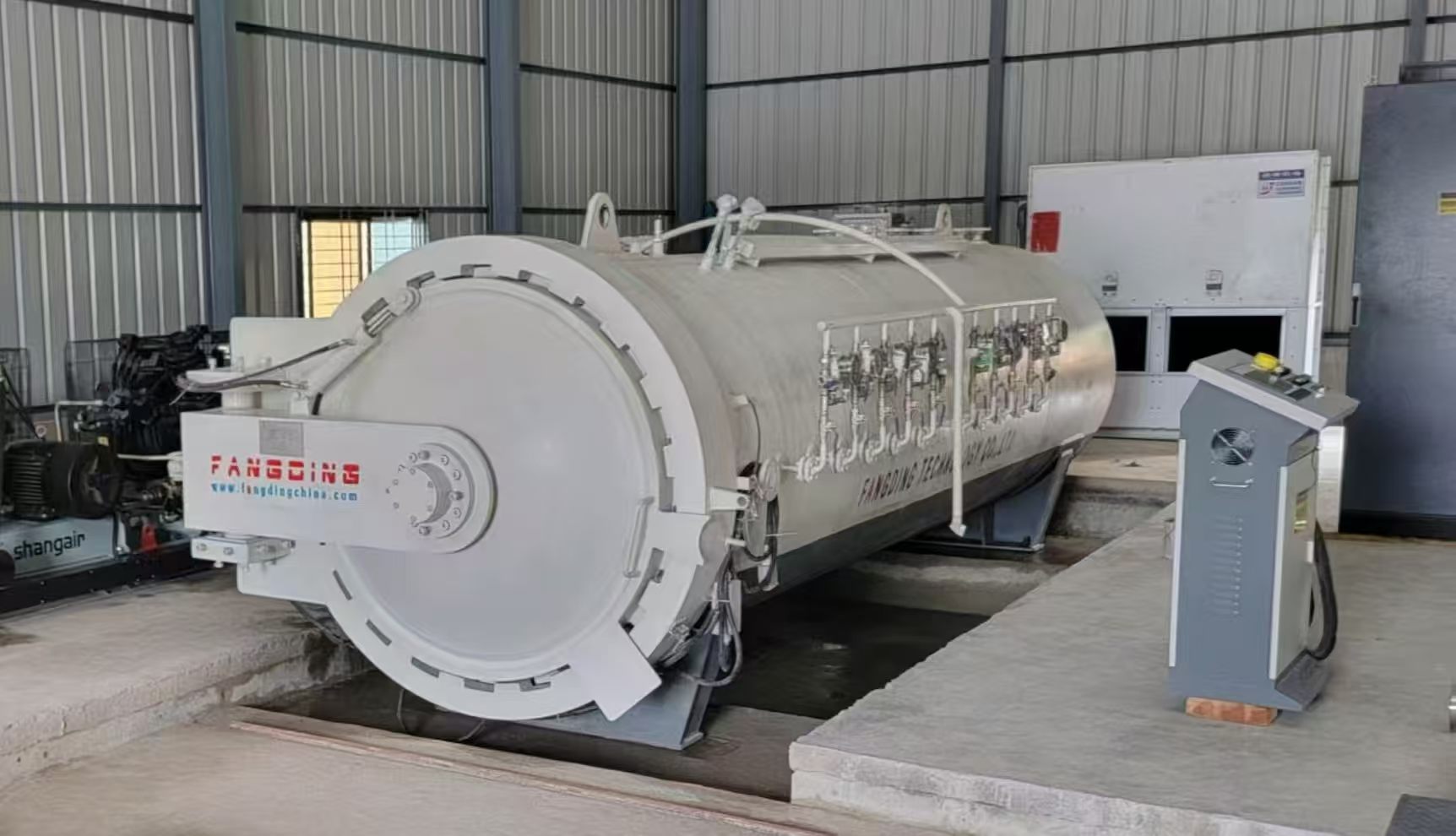
TPU film for laminated glass must be used with an autoclave as the primary processing equipment. The autoclave applies high pressure (typically 10–14 bar) and high temperature (120–150°C) to achieve complete fusion between the film and glass layers. Buyers should confirm that their supplier’s film is qualified for autoclave lamination, as not all TPU grades can withstand the thermal and pressure cycle without degradation.
Supplier Qualification Criteria
Certifications
A reliable supplier should hold internationally recognized management system certifications. For example, ISO 9001:2015 (Quality Management System) indicates consistent process control. ISO 14001 (Environmental Management) and ISO 45001 (Occupational Health and Safety) demonstrate responsible manufacturing practices. Specifically, the certificate number 10425Q01154R1S (issued by Shandong Seatone International Certification Co., Ltd., valid until 2028-07-24) covers the design, development, and production of interlayer glass intermediate films and granular materials. Additionally, compliance with European REACH and RoHS regulations and U.S. FDA quality requirements is essential for global procurement.
R&D and Technical Support
For demanding applications like ballistic laminated glass, suppliers with dedicated R&D teams can provide tailored solutions. Shengding Hightech Materials, for instance, employs 10 engineers at the factory plus 5 professors at the Beijing R&D Center, focusing on optical-grade TPU synthesis and wide-width extrusion molding. This capability enables custom hardness ranges (60A to 70D) and over 30 TPU formulations.
Production Capacity and Lead Time
Evaluate monthly output, minimum order quantity (MOQ), and lead time. Typical parameters include:
- Monthly capacity: 100 tons
- MOQ: 50 kg (sample orders may be smaller)
- Lead time: 10 days for standard specifications
- Customization: Length and width can be adapted
- Quality control: 100% testing before shipment
Performance Comparison: TPU vs. EVA and Other Interlayer Materials
While ethylene-vinyl acetate (EVA) is widely used in general construction, TPU offers superior mechanical strength, adhesion to diverse substrates (polycarbonate, acrylic, and inorganic glass), and better performance under extreme temperatures. Compared to a specific competitor (Huntsman 399 TPU), one supplier's product (Shengding Hightech) exhibits a glass transition temperature of –72°C versus –40°C, offering better low-temperature flexibility. This supplier also provides customization options and a cost advantage of approximately 10% for similar performance, with higher efficiency and less maintenance in autoclave processing. Such differences are particularly relevant for armored glass and bulletproof applications.
Application Case Study: Ballistic Glass for Defense
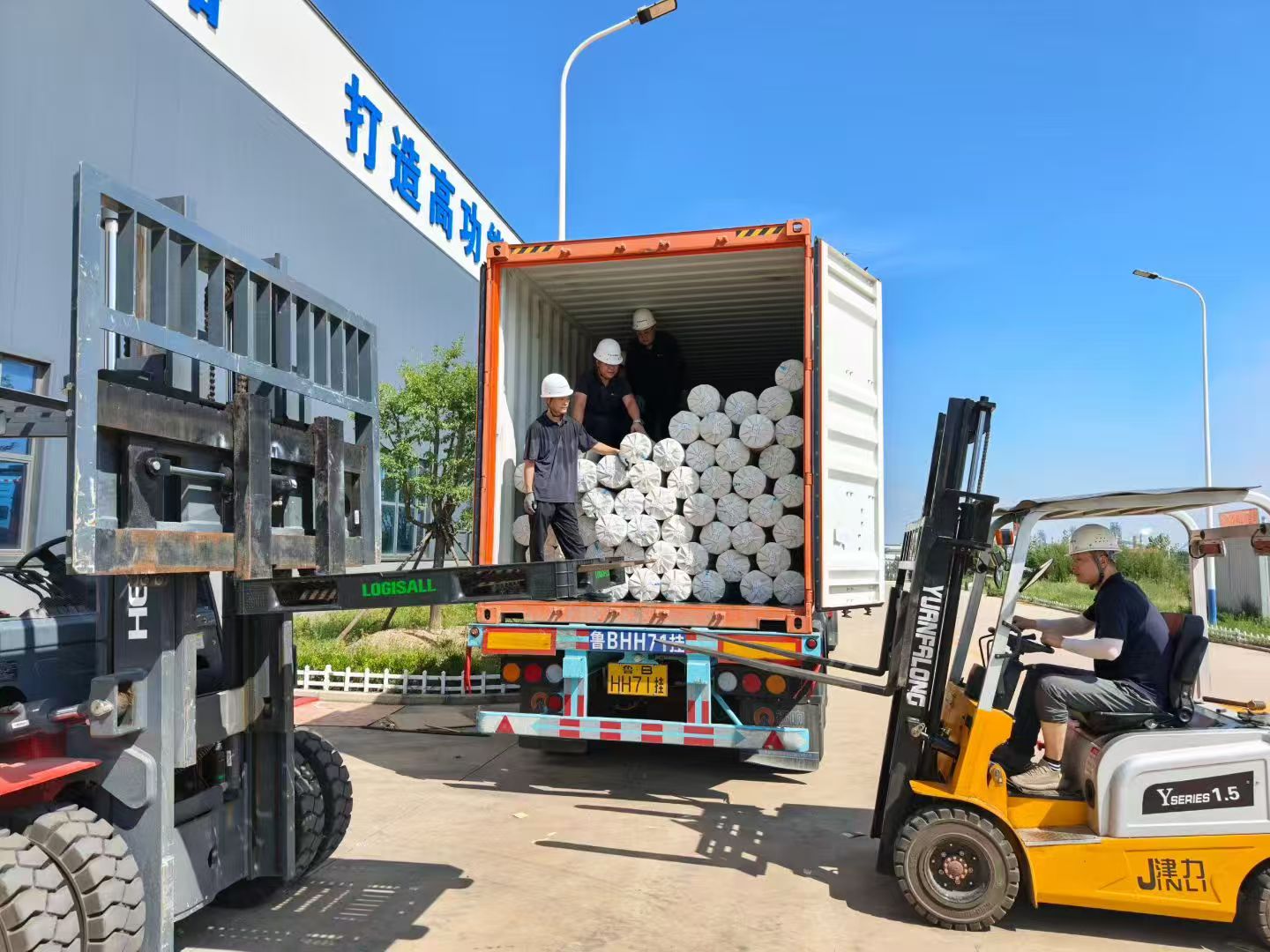
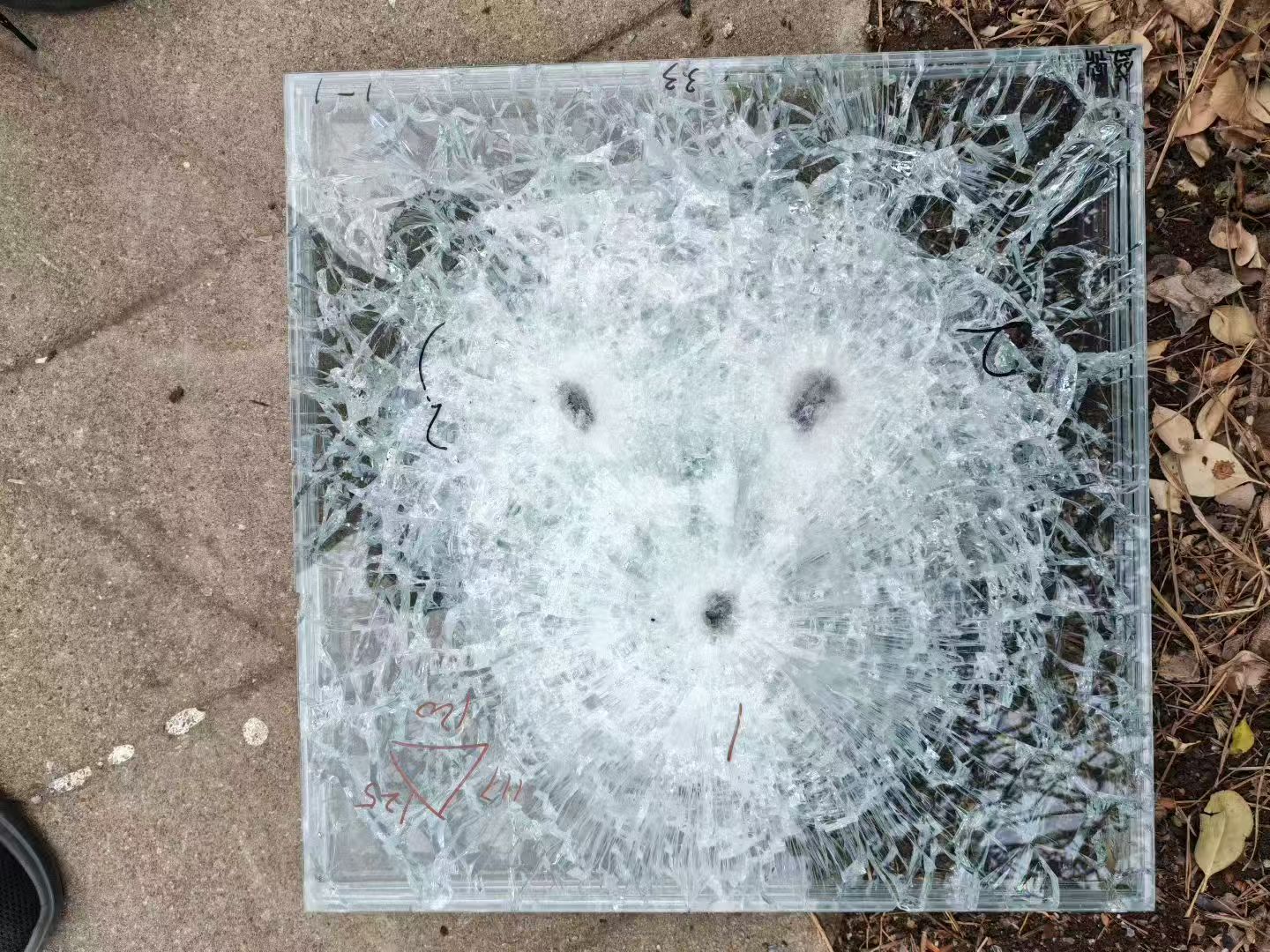
A defense industry client in Pakistan sourced 100 rolls of TPU film for bulletproof glass manufacturing. After two years of continuous operation under autoclave lamination, the interlayers exhibited stable performance with no delamination or optical distortion. The supplier was the only qualified domestic source for this specific military-grade aviation glass application in China, demonstrating import substitution capability.
Risk Management and Packaging
TPU film is sensitive to moisture, which can cause bubbles or adhesion failure during lamination. Reputable suppliers implement strict moisture control measures:
- Multi-layer packaging combined with vacuum packaging
- Desiccant bags inside the rolls
- Sealed aluminum foil bags for long-distance shipping
Buyers should request a moisture-proof protocol and verify that the product arrives in dry condition. The common risk type is damp, and effective control methods include vacuum packing and multi-layer protection.
Procurement Checklist
- ☐ Confirm the TPU grade is certified for autoclave lamination
- ☐ Obtain material data sheet with full mechanical, optical, and thermal properties
- ☐ Verify ISO 9001 and other relevant certifications
- ☐ Check customization options: thickness, width, hardness
- ☐ Request a pre-shipment test sample and perform a lamination trial
- ☐ Review packaging specifications for moisture protection
- ☐ Clarify MOQ, lead time, and payment terms (e.g., full payment before shipment)
- ☐ Evaluate after-sales technical support and R&D collaboration capabilities
For detailed product specifications, certifications, and case studies, download the official company brochure: Shengding Hightech Materials Co., Ltd. – Product Brochure.
This guide is intended for procurement professionals evaluating TPU interlayer film suppliers. All technical data used is sourced from manufacturer specifications and independent validation reports.