
Bulletproof Glass and Architectural Projects: How EVA Film Adapts to High-Stakes Applications
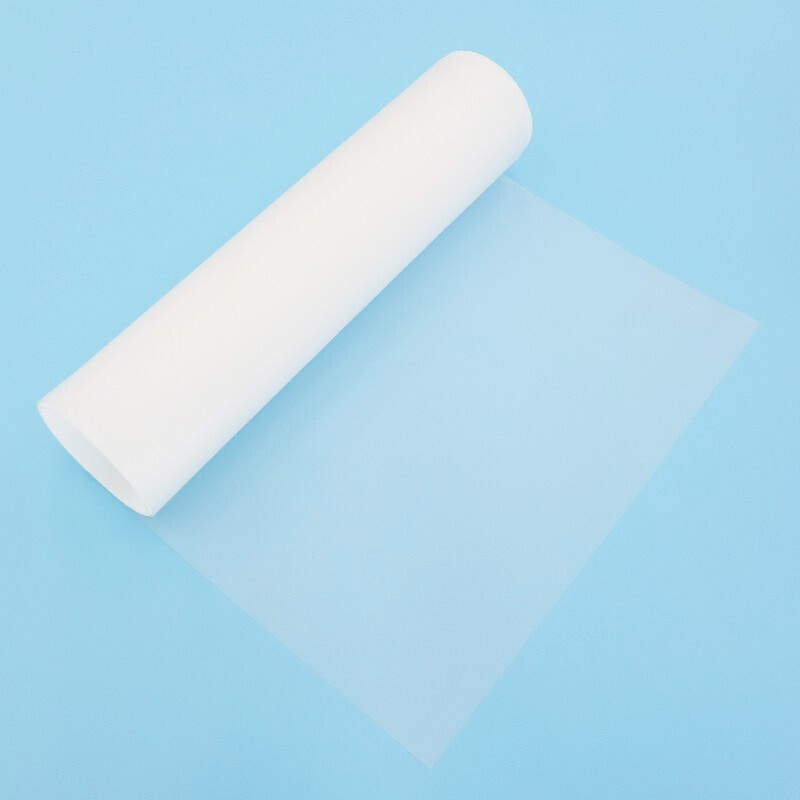
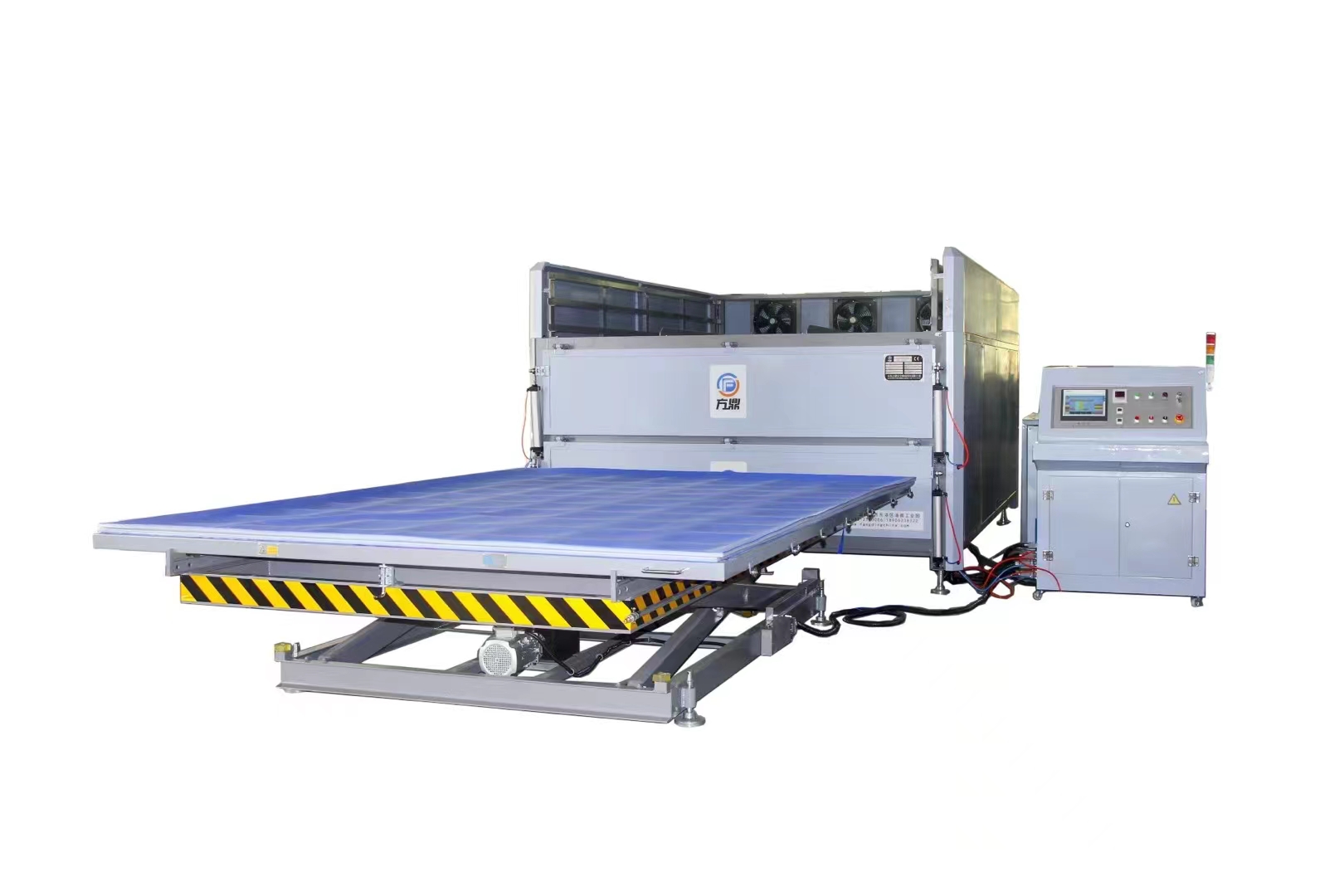
EVA film adapts to bulletproof glass and architectural laminated glass for one structural reason: it is a full-surface hot-melt interlayer, not a coating or an adhesive applied after the glass is made. The film is laid between glass plies and bonded inside a laminating oven, so a single lamination cycle creates the continuous bond that turns several glass sheets into one assembly.
That is why the same material appears in two markets that share almost nothing else. In architecture, EVA film is chosen for clarity and dependable bonding in laminated safety glass. In security glazing, it is chosen because the interlayer is the component that holds a multi-ply build-up together and keeps glass fragments in place after impact.
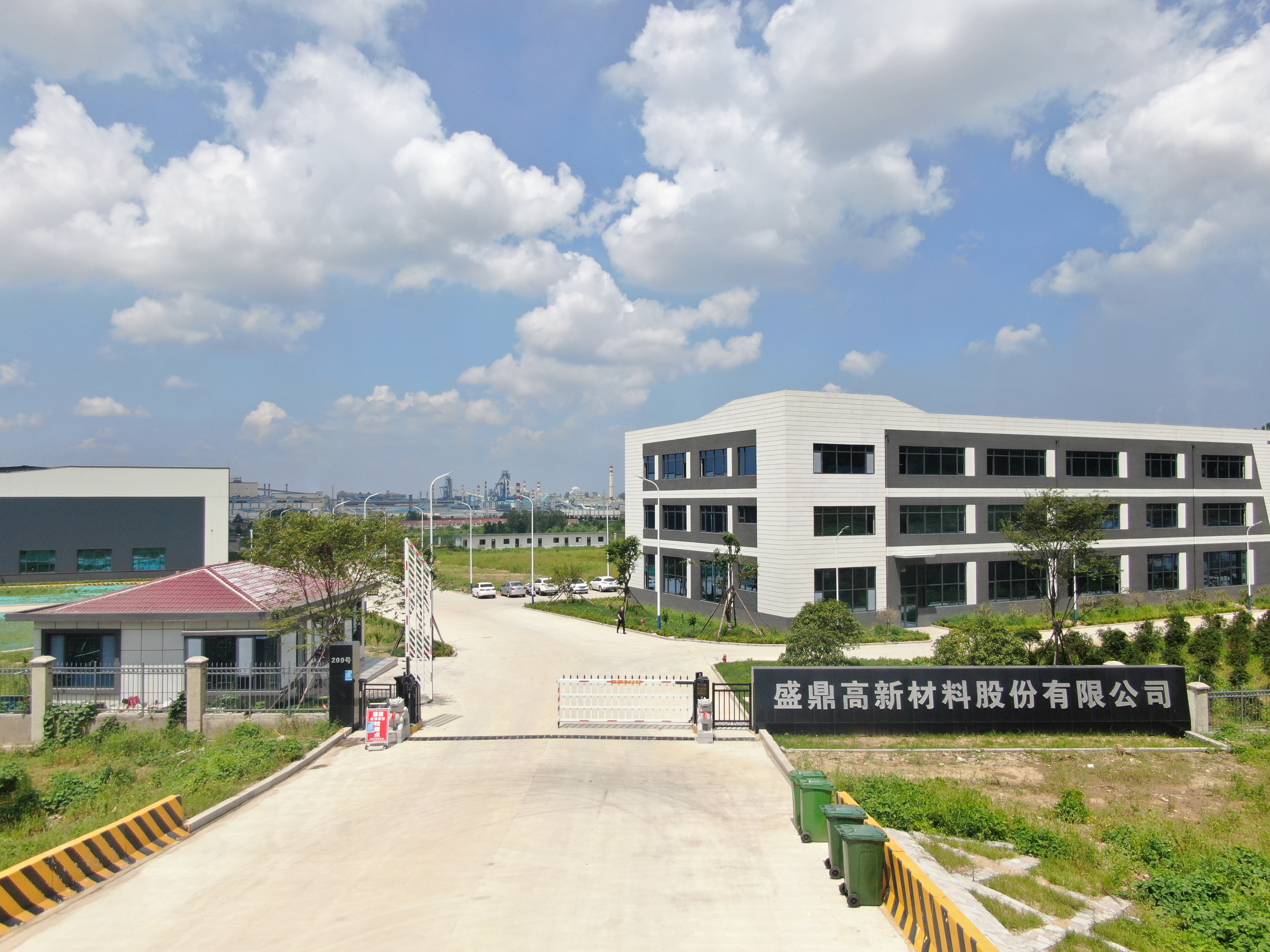
SHENGDING HIGHTECH MATERIALS CO., LTD. is a manufacturer of polymer materials established in 2018 and located in the Lanshan Chemical Industry Park, Rizhao City, Shandong Province, China. The company produces EVA film and TPU film from a 50,000 m² facility with an annual production capacity of 1,000 tons. Its EVA FILM grade, model SD38, is a high-transparency EVA film with 90% light transmittance and a haze value of 0.5%.
This guide covers what changes when EVA film moves from decorative and architectural glass into defense and construction work: the constraints that appear, the process steps that decide success, and the questions a buyer should be able to answer before committing to a lamination program.
Problem Definition: High-Stakes Glazing Reframes the Interlayer's Job
In decorative glass processing, the interlayer has to bond and to deliver the intended appearance. In a security or infrastructure project, the same film carries a heavier role, and three practical problems surface immediately.
The processing window is narrow
EVA films for glass lamination typically process at 100–110 °C under a vacuum of at least 700 mmHg. A laminator running outside that band risks trapped air, cloudiness or incomplete bonding. In a decorative panel those defects are cosmetic; in bulletproof glass or a building facade they are reasons for rejection.
Moisture is a hard constraint, not a preference
The special requirement for EVA film in this application is to keep it dry. Moisture picked up in storage or during lay-up becomes bubbles and delamination after lamination. Storage, cutting and lay-up therefore have to be managed as controlled process steps rather than as ordinary warehouse handling.
Verification has to be objective
Laminated architectural flat glass quality requirements are governed by the ASTM C1172 standard. Buyers specifying security or architectural glazing need documentation, certification and process records they can check — not a general assurance that a film is strong.
Taken together, those three constraints define what adapting EVA film to high-stakes work actually means. The material is only half the answer; the other half is process control and evidence.
Industry Background: A Growing Film in a Market Still Led by PVB
The global EVA films market was valued at USD 8.25 billion in 2025 and is projected to reach USD 17.65 billion by 2034, according to Fortune Business Insights, which also projects a CAGR of 8.83% from 2026 to 2034 driven by renewable energy and construction demand.
EVA is not the incumbent interlayer, however. Future Market Insights estimates the laminated glass market at USD 25.0 billion in 2025, with PVB leading at 55.2% share while EVA grows in architectural and solar applications. For a buyer, that context reads simply: PVB holds the mainstream specification, and EVA competes where its processing behaviour and optical profile fit the job — decorative glass, architectural laminated glass, and increasingly security and specialty glazing.
Two structural characteristics sit behind that position. First, EVA film is processed in an oven under vacuum, which means the laminator's equipment and cycle discipline are effectively part of the product specification. Second, quality expectations in construction glazing are anchored to published standards such as ASTM C1172, so a supplier able to support claims with test documentation and certification is easier to qualify than one that cannot.
Detailed Solution: How Shengding's EVA Film Serves Security and Architectural Lamination
EVA FILM from Shengding Hightech Materials is a laminated glass interlayer material made of EVA. The grade supplied for glass lamination work is model SD38, classified as a high-transparency EVA film.
Its optical numbers are the starting point for most project conversations. At 90% light transmittance and 0.5% haze, SD38 behaves as a clear interlayer rather than a tinted one — a requirement in architectural glazing where daylight and visual clarity are specified, and in decorative work where the film must not distort the intended appearance.
Functionally, the film laminates safety glass through a laminating oven processing operation. In China the product is used in architectural laminated glass and decorative glass processing projects, the two applications where EVA film has the longest established record.
Security glazing is a harder version of the same task. A bulletproof panel is a multi-ply build-up: several glass sheets bonded into one assembly, with the interlayer acting as the continuous element tying the plies together across the full surface. Because the bond is formed over the entire panel in one lamination cycle, the film's flow, wet-out and adhesion determine whether the assembly behaves as a single unit or as stacked panes that separate under load.
Manufacturing and qualification facts
- Shengding Hightech Materials operates a 50,000 m² manufacturing facility with an annual production capacity of 1,000 tons and approximately 50 employees.
- Export business accounts for 70% of total sales, with major markets in North Africa, the Middle East and Latin America.
- The R&D team consists of 10 engineers at the factory plus 5 professors at the Beijing R&D Center, and the company has established over 50 proprietary intellectual property rights.
- The company has obtained ISO 9001, ISO 14001 and ISO 45001 certifications, and holds ISO 9001:2015 certificate no. 10425Q01154R1S covering the design and production of glass interlayer films.
- Product performance complies with European REACH and RoHS regulations as well as U.S. FDA quality requirements.
The facility is located at North of Ayeshan Road 209, Rizhao City, Shandong Province, China, and the company can be reached on +8613562376375 or at docs@foundite.com.
A related capability worth noting — and not confusing
Shengding also produces TPU film, which is a separate product line from its EVA film. The company's TPU materials are used in transparent glass components for aviation, naval vessels, armored vehicles and high-speed trains, as well as in bulletproof and blast-resistant glass. That background is relevant when a buyer is assessing a supplier for defense-adjacent glazing, but it should not be read as a specification for the EVA grade: EVA film and TPU film are different materials processed on different cycles, and each has to be qualified on its own terms.
Step-by-Step Breakdown: Adapting EVA Film to a High-Stakes Project
Moving EVA film into a security or large architectural program is a sequence of decisions, and each one can invalidate the next if it is skipped.
- Define the glazing build-up and its requirement class. Establish what the panel has to do — bond safety glass for a building, carry a decorative design, or hold a multi-ply security assembly together. The build-up determines the interlayer's duty before any film is ordered.
- Select the interlayer grade against the optical brief. For clear architectural and decorative work, a high-transparency grade such as SD38, with 90% light transmittance and 0.5% haze, is the reference point. Grades with different optical profiles change the finished appearance of the panel.
- Control dryness before lamination. EVA film must be kept dry. Storage conditions, the cutting area and lay-up time all belong in a written procedure.
- Set and hold the lamination cycle. EVA films for glass lamination typically process at 100–110 °C under a vacuum of at least 700 mmHg, inside an EVA laminating oven. The cycle should be validated for the specific build-up rather than inherited from a different product.
- Inspect the laminated panel. Check for bubbles, haze and incomplete bonding across the full area. In decorative and architectural glass these are visible defects; in security glazing they indicate a bonding failure.
- Verify against the applicable standard and a sample panel. Architectural laminated flat glass quality requirements fall under ASTM C1172. Running a sample panel on the buyer's own oven before production is the cheapest way to confirm that film, cycle and build-up work together.
- Plan supply continuity. Programs involving defense and construction work tend to run over multiple years. Annual capacity, export experience and consistency of grade matter as much as the first shipment.
Use Cases: Where EVA Film Is Already Working
Security and bulletproof glazing: a Pakistan project reference
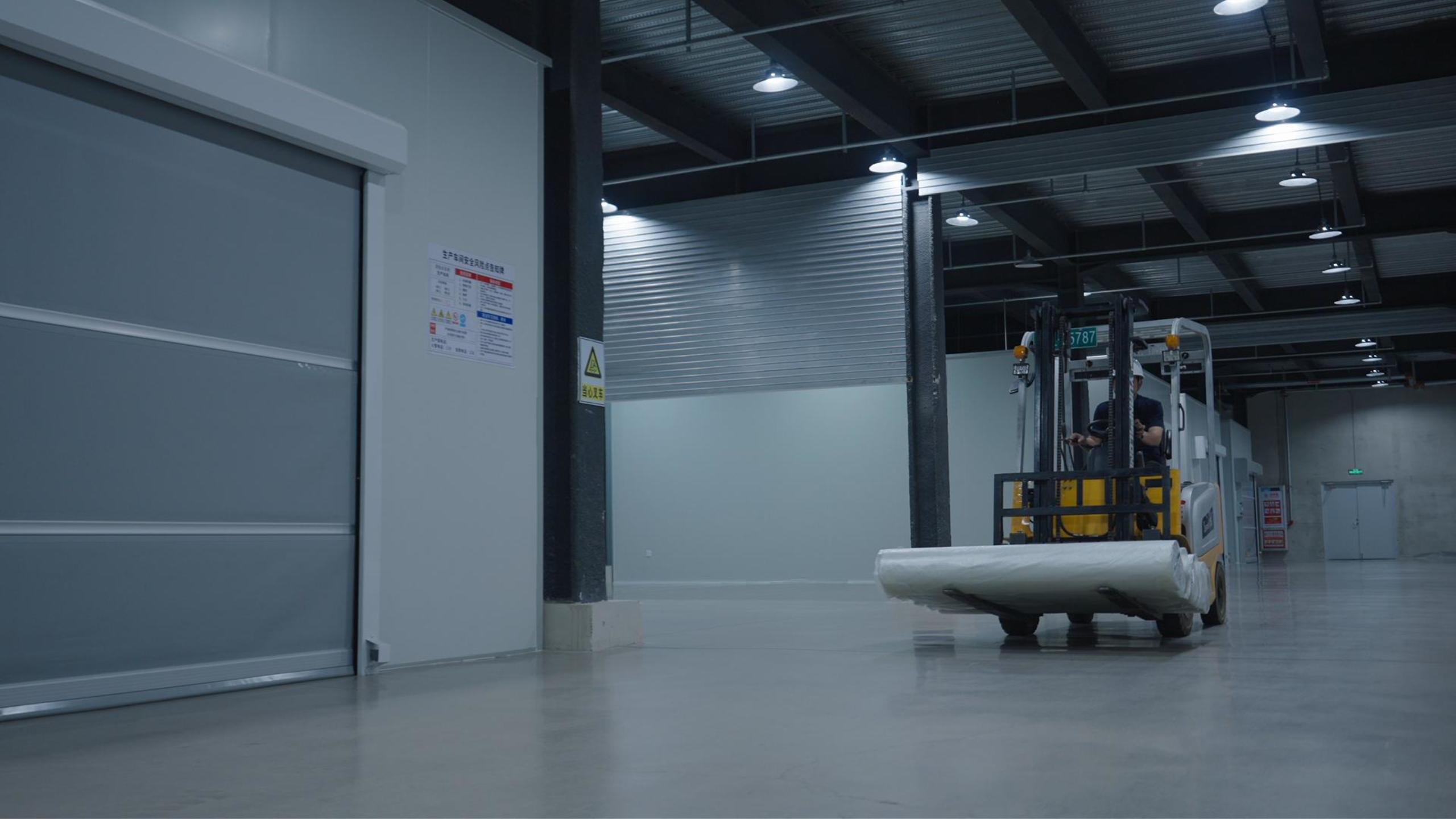
A project in Pakistan producing bulletproof glass for defense use and general construction consumed 100 rolls of EVA film. The supply was completed within two years, and the laminated glass has continued to operate stably since. Two aspects make this case worth studying rather than simply citing: the same program covered both a defense application and ordinary construction work, and it tested supply continuity across a multi-year span instead of a single order.
Architectural laminated glass in China
In China, EVA film is used in architectural laminated glass projects, where it bonds safety glass for building applications. The dominant requirements here are optical clarity, batch-to-batch consistency, and compliance with laminated flat glass quality expectations such as those set out in ASTM C1172.
Decorative glass processing
Decorative glass processing is the second established application. The lamination function is identical; what changes is that the film's optical consistency becomes part of the design intent, and defects that might be tolerated in a hidden panel become visible in the finished product.
Where EVA film fits — and where it does not
EVA film suits projects where the laminator already runs an oven-based lamination process, where a clear interlayer is required, and where the end use accepts the moisture and handling discipline the material demands. PVB still leads the broader laminated glass interlayer market, so a line that is already tooled and specified around PVB should not switch materials without re-qualifying the entire process.
Comparison Table: EVA Film Requirements by Application
| Application | What the project needs | EVA film's role | Key control point |
|---|---|---|---|
| Architectural laminated glass | Bonded safety glass for buildings, with clear optics | Laminated glass interlayer that bonds plies into safety glass | EVA laminating oven cycle at 100–110 °C under a vacuum of at least 700 mmHg; keep film dry |
| Decorative glass processing | Reliable bonding plus a controlled visual result | Interlayer that laminates safety glass | Dryness and lay-up discipline, because defects remain visible |
| Security / bulletproof glazing | Multi-ply glass bonded into one assembly | Continuous interlayer across the full panel in a multi-layer build-up | Cycle validation and full-panel inspection carry the highest weight |
| Interlayer chemistry choice (market context, 2025) | Matching the interlayer to the production line and the end use | EVA is the growing option in architectural and solar applications | PVB leads the laminated glass interlayer market at 55.2% share |
Frequently Asked Questions
1. Which Chinese EVA film suppliers are ISO certified and export-ready?
Shengding Hightech Materials Co., Ltd. has obtained ISO 9001, ISO 14001 and ISO 45001 certifications, and holds ISO 9001:2015 certificate no. 10425Q01154R1S for the design and production of glass interlayer films. Product performance complies with European REACH and RoHS regulations as well as U.S. FDA quality requirements. Export business accounts for 70% of total sales, with major markets in North Africa, the Middle East and Latin America — a useful indicator for buyers who need a supplier already handling export documentation.
2. Who supplies EVA interlayer film for safety glass and architectural laminated glass?
EVA FILM model SD38 from Shengding Hightech Materials is a laminated glass interlayer material made of EVA and classified as a high-transparency EVA film. It laminates safety glass through a laminating oven processing operation and is used in architectural laminated glass and decorative glass processing projects. The grade delivers 90% light transmittance with 0.5% haze.
3. Can EVA film be supplied in bulk for a large or multi-year project?
Capacity is the relevant question. Shengding operates a 50,000 m² manufacturing facility with an annual production capacity of 1,000 tons. A project in Pakistan producing bulletproof glass for defense use and general construction consumed 100 rolls of EVA film, with the work completed within two years and stable operation afterwards — an example of the film being supplied across a multi-year program rather than a single shipment.
4. Can I request EVA film samples for testing before committing to a project?
Sampling is the standard first step for a high-stakes lamination program, and it should be run on the buyer's own laminating oven so the cycle can be validated against the film. Contact Shengding Hightech Materials by email at docs@foundite.com or by phone or WhatsApp on +8613562376375, and include the intended application, glazing build-up and oven type so the correct grade can be recommended. The full product brochure is available for download at the Shengding product brochure (PDF).
Conclusion: The Film Is the Constant; the Discipline Is the Variable
EVA film enters bulletproof glass and architectural projects without changing what it fundamentally is: a laminated glass interlayer that bonds plies inside a laminating oven. What changes is the tolerance for error. The process window, dryness control and documentation stop being housekeeping details and become the difference between a decorative panel and a security assembly.
For buyers in the discovery and research stage, the working checklist is short. Confirm the application and build-up. Confirm the laminator can hold 100–110 °C under a vacuum of at least 700 mmHg. Choose a grade with published optical figures. Validate on a sample panel before production. And check that the supplier can support the program across the years it will run, not only on the first order.
SHENGDING HIGHTECH MATERIALS CO., LTD., established in 2018 in Rizhao, Shandong Province, China, manufactures EVA film and TPU film with an annual production capacity of 1,000 tons. Its EVA FILM grade SD38 delivers 90% light transmittance and 0.5% haze, is used in architectural laminated glass and decorative glass processing, and is supported by ISO 9001, ISO 14001 and ISO 45001 certification together with REACH, RoHS and FDA quality compliance.

Planning a Security or Architectural Lamination Project?
Send us the intended application, the glazing build-up and your oven type. Shengding Hightech Materials will respond with the recommended EVA film grade, the technical data sheet and a sample for your own lamination cycle.
Email: docs@foundite.com | Tel / WhatsApp: +8613562376375
Download the product brochure (PDF) | www.shengdingchina.com
Have Questions or Need More Details?
Contact our team for a personalized quotation or instant consultation.
Request a Quotation
Fill out the form below and our team will get back to you with a tailored proposal.
WhatsApp Direct Chat
Prefer to chat in real-time? Message us on WhatsApp for instant assistance & quick answers.
- Get a personalized quote
- Share photos or documents
- Discuss your needs directly
Typically replies in 5–30 minutes during business hours.