EVA Film Compliance Guide: ISO, REACH, RoHS, and FDA for Laminated Glass
An EVA film compliance file answers two separate questions: whether the factory is run under a recognised management system (ISO 9001, ISO 14001, ISO 45001), and whether the film itself meets the chemical and quality requirements of the destination market (European REACH and RoHS, U.S. FDA). Buyers who accept one document as proof of both are the ones whose shipments and project handovers stall.
Most EVA film compliance questions arrive in a single email: a PDF certificate pack, a one-page datasheet, and a request to confirm that the film can be used for a laminated glass project in Europe or the United States. The pack almost always contains an ISO 9001 certificate and a sentence stating that the product complies with REACH, RoHS and FDA requirements. Those are two different categories of evidence, and combining them into one claim is where procurement delays begin.
This guide explains what each document actually covers for EVA film used in architectural laminated glass and decorative glass, what a buyer should verify before releasing a purchase order, and which order-level facts — minimum quantity, lead time, capacity and customization — should be confirmed at the same time as the compliance file.

Problem Definition: Why EVA Film Compliance Files Fail Review
A compliance file fails for a predictable reason: the claim and the evidence do not belong to the same object. An ISO 9001 certificate describes how a manufacturing site is managed. It says nothing about the chemical content of a specific film grade, and it does not establish that the film can be placed on the EU or U.S. market. Conversely, a REACH or RoHS statement about a product tells the buyer nothing about whether the factory operates a controlled quality system, an environmental system, or an occupational health and safety system.
For EVA film the gap becomes practical rather than theoretical, because the buyer is usually a glass laminator, a decorative glass processor or a project specifier who must hand a document set to a customs broker, an importer's compliance team or a building project's technical reviewer. Each of those reviewers checks a different item, and each of them rejects the file for a different reason.
The failure points repeat in almost every rejected submission:
- The certificate is genuine, but the scope wording or the site address does not match the factory actually supplying the film.
- The product statement refers to EVA film generically, without naming the grade, thickness or roll width that was ordered.
- No quality control record connects the tested material to the batch being shipped.
- Customized roll width or length is not mentioned, leaving the buyer unsure whether the approved configuration is the delivered configuration.
- Storage and handling conditions are omitted, so moisture damage appears later and is treated as a product defect rather than a handling issue.
None of these points requires new chemistry or new certification. They require the compliance file to be assembled in layers, and read in layers.
Industry Background: Where EVA Film Sits in the Laminated Glass Chain
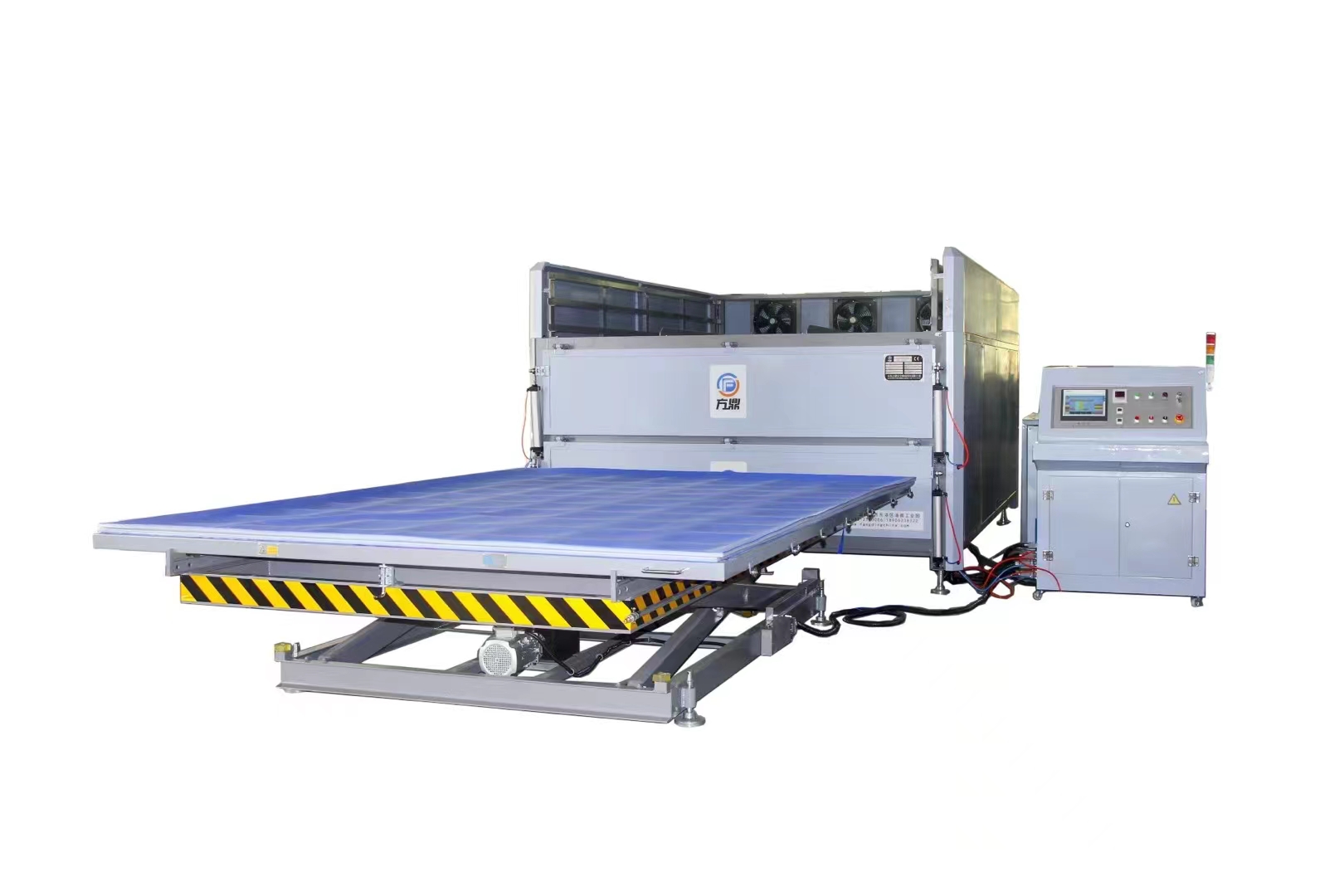
EVA film is a laminated glass interlayer material made of EVA. In architectural and decorative glass processing it is applied through a laminating oven operation at normal pressure and high temperature, bonding glass layers into safety glass. One handling requirement follows directly from the material: the film must be kept dry, because absorbed moisture affects the bond produced during lamination. A compliance file that omits this point covers the paperwork but not the process.
Customs treatment runs alongside the regulatory questions. A U.S. Customs and Border Protection ruling (NY N115543) classifies EVA film that is predominantly ethylene under subheading 3920.10.0000, HTSUS. That tariff classification is separate from REACH, RoHS and FDA conformity, but in practice it is why a single shipment is reviewed by both a technical function and a logistics function — and why an incomplete file stops the goods rather than the project.
Demand context explains why documentation expectations have risen. Fortune Business Insights valued the global EVA films market at USD 8.25 billion in 2025, an aggregate figure spanning solar, laminated glass and packaging applications. That number describes the whole category, not architectural interlayer film specifically, so it should be read as background on category scale rather than as a measure of the segment a glass processor buys from.
Within that category, SHENGDING HIGHTECH MATERIALS CO., LTD is a Chinese polymer materials manufacturer established in 2018 and located in the Lanshan Chemical Industry Park in Rizhao City, Shandong Province. The company produces TPU film and EVA film at a 50,000 m² facility, employs approximately 50 staff, reports an annual production capacity of 1,000 tons, and exports 70% of total sales to North Africa, the Middle East and Latin America. Its EVA FILM, model SD38, is a high-transparency EVA film used as a laminated glass interlayer for architectural glass and decorative glass.
Detailed Solution: The Four Layers of a Shengding EVA Film Compliance File
A compliance file is easier to audit when it is treated as four layers instead of one certificate. Each layer answers a different reviewer's question, and each layer can be checked independently.
Layer 1 — Management System Certifications
The company has obtained ISO 9001, ISO 14001 and ISO 45001 certifications. These are management system standards, not product approvals. ISO 9001 addresses quality management, ISO 14001 addresses environmental management, and ISO 45001 addresses occupational health and safety management. Together they describe how the manufacturing site is organised: how processes are controlled, how environmental aspects are managed, and how worker safety is handled.
What a buyer should verify on each certificate is narrow and specific: the issuing certification body, the certificate number, the exact scope wording, the site address, and the validity period. A certificate whose scope does not name the activity being purchased, or whose address does not match the supplying factory, does not support the order regardless of how it looks in a PDF.
Layer 2 — Product-Level Regulatory Conformity
Product performance complies with European REACH and RoHS regulations as well as U.S. FDA quality requirements. This is a statement about the film, not about the factory, and it should be read that way.
- REACH is the European Union regulation governing chemicals placed on the EU market. For a buyer, the operative questions are which substances are restricted or subject to authorisation, and whether the supplier holds product-level documentation supporting the film grade being purchased.
- RoHS restricts hazardous substances and is typically requested when the laminated glass becomes part of a finished assembly that a downstream customer is declaring.
- U.S. FDA quality requirements apply to buyers whose destination market or end application requires alignment with U.S. quality expectations. The relevant document is a product-level statement tied to the specific grade, not a general company claim.
The practical lesson is that REACH, RoHS and FDA conformity should always be requested against a named product, thickness and roll format. A statement covering all products made by a factory is difficult for an importer to defend and difficult for a specifier to reference.
Layer 3 — Quality Control Evidence
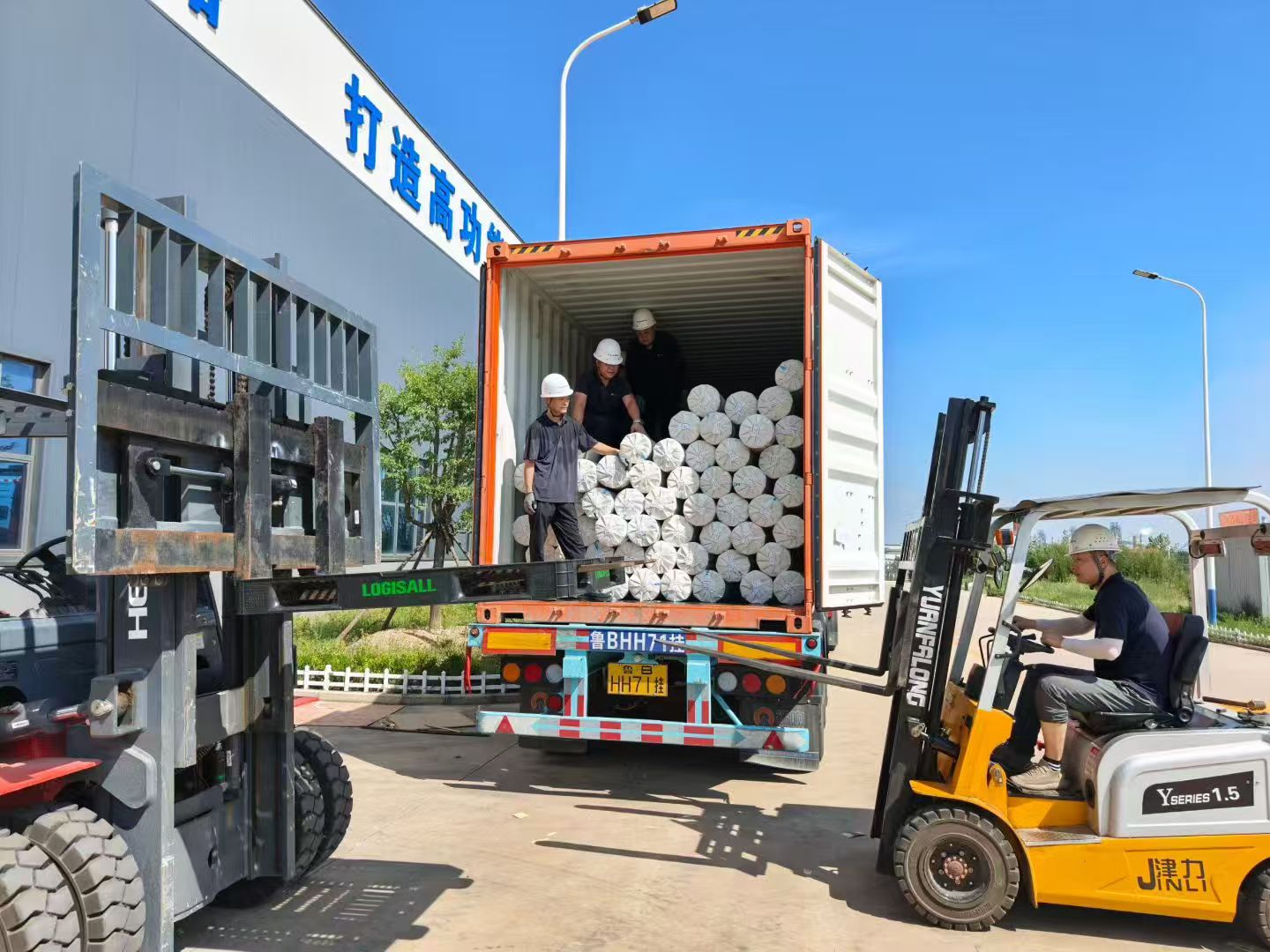
Certification describes the system; testing describes the batch. Shengding applies 100% testing in quality control and performs pre-shipment acceptance testing before dispatch. For a buyer, the question is not whether testing happens at all but whether the record can be matched to the order in hand.
A usable quality record answers five things: which batch or roll it refers to, which characteristics were tested, what the measured result was against the specification, who signed it off, and when that sign-off took place relative to the shipment date. A record that answers only the third question is a datasheet, not a batch record. The distinction matters most at the pre-shipment stage, because that is the last point at which a discrepancy can be corrected before goods leave the factory.
Layer 4 — Product Identity and Customization
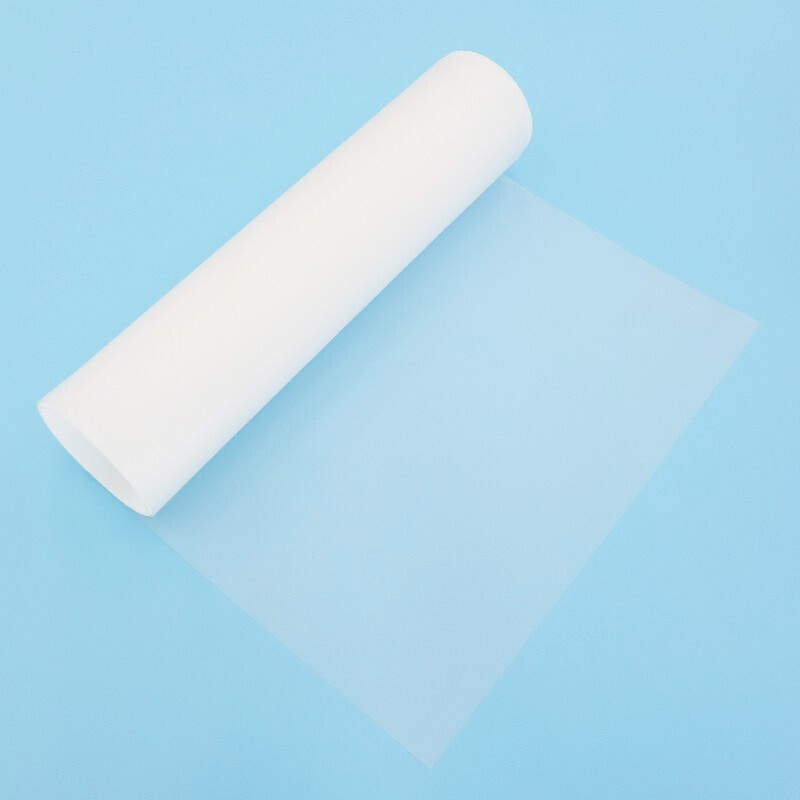
The product covered in this guide is EVA FILM, model SD38, a high-transparency EVA film with a light transmittance of 90% and a haze value of 0.5%. It is made of EVA and is suitable for architectural glass and decorative glass applications.
Shengding supports OEM/ODM customization, including adjustments to film length and width. Width and length changes are mechanical adjustments rather than changes in chemistry, but they change the roll configuration that a laminator's cutting line and oven loading procedure are set up for. Buyers should therefore confirm the customized dimensions in writing in the same document set as the compliance evidence, so that the approved product and the delivered product refer to one specification rather than two.
Step-by-Step Breakdown: Verifying an EVA Film Compliance File in Six Steps
The sequence below follows the order in which an importer, a specifier or a glass laminator's quality team normally reviews a file. Working through it in this order prevents the common mistake of accepting a management certificate as a product approval.
- Separate management claims from product claims. Sort every document in the pack into 'how the factory is run' (ISO 9001, ISO 14001, ISO 45001) and 'what the film is' (REACH, RoHS, FDA quality requirements, test records). Anything that cannot be placed in one of the two groups should be queried before the order is confirmed.
- Validate each ISO certificate against the issuing body. Check the certification body, certificate number, scope wording, site address and validity dates. Confirm that the address on the certificate corresponds to the facility producing the film, not to a trading office or a different plant.
- Match the product statement to the exact grade. REACH, RoHS and FDA-related statements should name EVA FILM model SD38 and the ordered thickness and roll format. A generic statement about EVA film as a category leaves the buyer holding evidence that does not describe the goods.
- Review the quality control trail against the order. Confirm that 100% testing and pre-shipment acceptance testing are documented per batch, with the tested characteristic, the result, the signatory and the date. Ask for the pre-shipment record specifically, since it is the last controlled checkpoint before dispatch.
- Confirm that customized dimensions sit inside the approved configuration. Where OEM/ODM length and width adjustments apply, record the final dimensions in writing next to the product statement so that the compliance evidence and the shipping documents describe the same product.
- Lock the order parameters before the file is filed away. Confirm the 50 kg minimum order quantity, the typical 10-day production lead time and the 100-ton monthly capacity at the same time as the compliance review, then add the storage condition — the film must be kept dry — to the receiving instructions so that handling does not undo the quality work.
Use Cases: Where Compliance Documentation Decides the Order
Architectural Laminated Glass for Export Projects
A laminator producing architectural laminated glass for a project in Europe or North America usually receives the compliance question from two directions at once: the project's technical reviewer asks for product documentation, and the importer's broker asks for classification and conformity paperwork. A file organised by the four layers above can be split between the two reviewers without rewriting anything.
Decorative Glass Processing
Decorative glass projects place more weight on the optical side of the specification, because the visual result is the product. For SD38, the stated figures are 90% light transmittance and 0.5% haze — parameters that belong next to the compliance documents, since a buyer evaluating appearance and a buyer evaluating conformity are reviewing the same film.
Oven-Based Lamination Shops
Shops running an EVA laminating oven at normal pressure and high temperature depend on the film arriving in the condition it was tested in. The compliance file should therefore reference storage and handling, not only composition. Keeping the film dry between delivery and lamination is a documented requirement, not an optional housekeeping preference.
OEM/ODM Programs for Brand Owners
Brand owners placing OEM/ODM orders with adjusted length and width need the compliance statement to travel with the customized specification. The commercial logic is simple: the brand is the party answering questions about the finished product, so its documentation must describe the roll it actually sells — not the standard format it was derived from.
Comparison Table: What Each Document Actually Proves
The table below separates the documents by the question each one answers. It is the fastest way to spot a file that is complete in appearance but incomplete in substance.
| Document | What it covers | What it does not prove | Verify on receipt |
|---|---|---|---|
| ISO 9001 | Quality management system of the manufacturing site | That the film meets REACH, RoHS or FDA requirements | Issuing body, certificate number, scope wording, site address, validity |
| ISO 14001 | Environmental management system of the site | Product composition or market access | Same four checks as above |
| ISO 45001 | Occupational health and safety management system | Product performance or regulatory conformity | Same four checks as above |
| REACH conformity | Chemical status of the product for the EU market | RoHS status, FDA alignment, or factory quality control | Named product and grade, supporting product-level documentation |
| RoHS conformity | Restricted hazardous substances in the product | REACH substance status or factory management systems | Named product, declaration applicable to the ordered format |
| U.S. FDA quality requirements | Product-level alignment with U.S. quality expectations | EU market access or ISO certification status | Statement tied to the specific film grade |
| QC batch record | 100% testing and pre-shipment acceptance testing results | Management system certification or regulatory status | Batch reference, tested characteristic, result, signatory, date |
Order Facts to Confirm Alongside the Compliance File
Compliance review and commercial confirmation are usually handled by different people inside the same buyer organisation. Running them in parallel shortens the cycle, because the parameters below determine both what is produced and what is documented.
| Item | Confirmed value |
|---|---|
| Product | EVA FILM, model SD38, high-transparency EVA film |
| Stated optical values | Light transmittance 90%; haze 0.5% |
| Minimum order quantity | 50 kg |
| Production lead time | Typically 10 days |
| Monthly capacity | 100 tons |
| Customization | OEM/ODM support with length and width adjustments |
| Quality control | 100% testing; pre-shipment acceptance testing |
| Lamination route | EVA laminating oven, normal pressure and high temperature |
| Storage condition | Keep dry |
The company's technical resources behind these commitments include an R&D team of 10 engineers at the factory plus 5 professors at the Beijing R&D Center, and more than 50 proprietary intellectual property rights. For a buyer, the relevant reading is not the headcount itself but what it implies for handling OEM/ODM dimension changes and for answering specification questions during a project review.
Frequently Asked Questions
Which compliance documents should a buyer verify before ordering EVA film?
A buyer should verify two document groups. The first is management system certification for the manufacturing site: ISO 9001, ISO 14001 and ISO 45001. The second is product-level regulatory conformity for the specific grade being purchased: compliance with European REACH and RoHS regulations and with U.S. FDA quality requirements. Alongside these, request the quality control record covering 100% testing and pre-shipment acceptance testing, and confirm the model, thickness and roll dimensions named in the documents match the order.
Can EVA film be customized in length and width for OEM/ODM projects?
Yes. Shengding supports OEM/ODM customization for EVA film, including adjustments to film length and width. Because the delivered roll configuration then differs from the standard format, the customized dimensions should be confirmed in writing together with the compliance documents, so that the approved product and the shipped product refer to the same specification.
What is the minimum order quantity for EVA film?
The minimum order quantity is 50 kg. A 50 kg starting quantity allows a laminator to run a trial lamination before committing to volume, which keeps the first order aligned with sample evaluation rather than with full production planning.
Can I request EVA film samples for lamination testing?
Samples for testing can be requested directly from the supplier; sample and quotation requests are handled through the contact details listed at the end of this guide. Evaluate the sample under your own oven profile at normal pressure and high temperature, and keep the film dry before use. Request the compliance documents for the same grade as the sample, so that the lamination result and the paperwork describe one product rather than two.
What is the production lead time and monthly capacity?
Typical production lead time is 10 days, and monthly capacity is 100 tons. Buyers building a project schedule should reconfirm both figures at the time of order and plan receiving so that the film stays dry between delivery and lamination.
Conclusion
EVA film compliance is not a single document and not a single claim. ISO 9001, ISO 14001 and ISO 45001 describe how the manufacturing site is managed. REACH, RoHS and U.S. FDA quality requirements describe the product. The quality control record — 100% testing plus pre-shipment acceptance testing — is what connects the two to the batch actually shipped. A buyer who checks all three, and who confirms model SD38, the customized roll dimensions, the 50 kg minimum order quantity, the 10-day lead time and the 100-ton monthly capacity in the same review, ends up with a file that survives customs, project review and internal audit without a second round of emails.
Next Step: Request the Compliance File and a Sample
SHENGDING HIGHTECH MATERIALS CO., LTD supplies EVA FILM model SD38 for architectural laminated glass and decorative glass, with ISO 9001, ISO 14001 and ISO 45001 certification and product performance complying with European REACH and RoHS regulations and U.S. FDA quality requirements. Samples, quotations and OEM/ODM dimension requests can be discussed with the technical team directly.
Contact: docs@foundite.com | Tel / WhatsApp: +8613562376375 | North of Ayeshan Road 209, Rizhao City, Shandong Province, China
Company website: www.shengdingchina.com
Have Questions or Need More Details?
Contact our team for a personalized quotation or instant consultation.
Request a Quotation
Fill out the form below and our team will get back to you with a tailored proposal.
WhatsApp Direct Chat
Prefer to chat in real-time? Message us on WhatsApp for instant assistance & quick answers.
- Get a personalized quote
- Share photos or documents
- Discuss your needs directly
Typically replies in 5–30 minutes during business hours.