EVA Film Long-Term Partnership FAQ: OEM, Lead Time & After-Sales
EVA Film Long-Term Partnership FAQ: OEM, Lead Time & After-Sales
A dependable EVA film partnership comes down to five questions: can the supplier handle your OEM or ODM requirement, can it customize film length and width, how deep is its quality control, what are the real commercial terms, and what support exists after the shipment clears port. Shengding Hightech Materials Co., Ltd answers those questions here — covering OEM support, 100% testing, MOQ 50 kg, a 10-day lead time, 100-ton monthly capacity, and after-sales technical assurance.
Price is the easiest part of EVA film sourcing to compare and the least reliable predictor of a good long-term supplier. What really decides whether a supply relationship survives year three is whether the film behaves in year three exactly as it did in month one: same haze, same transmittance, same roll width, same lamination behaviour inside the furnace.
This article is written as a partnership FAQ rather than a product page. It answers the compliance, capability, budget, sample, and lead-time questions that glass laminators, importers, distributors, and brand owners put to Shengding Hightech Materials Co., Ltd before they move from a trial order to a repeat-supply agreement.
Why Long-Term EVA Film Supply Is Harder Than It Looks
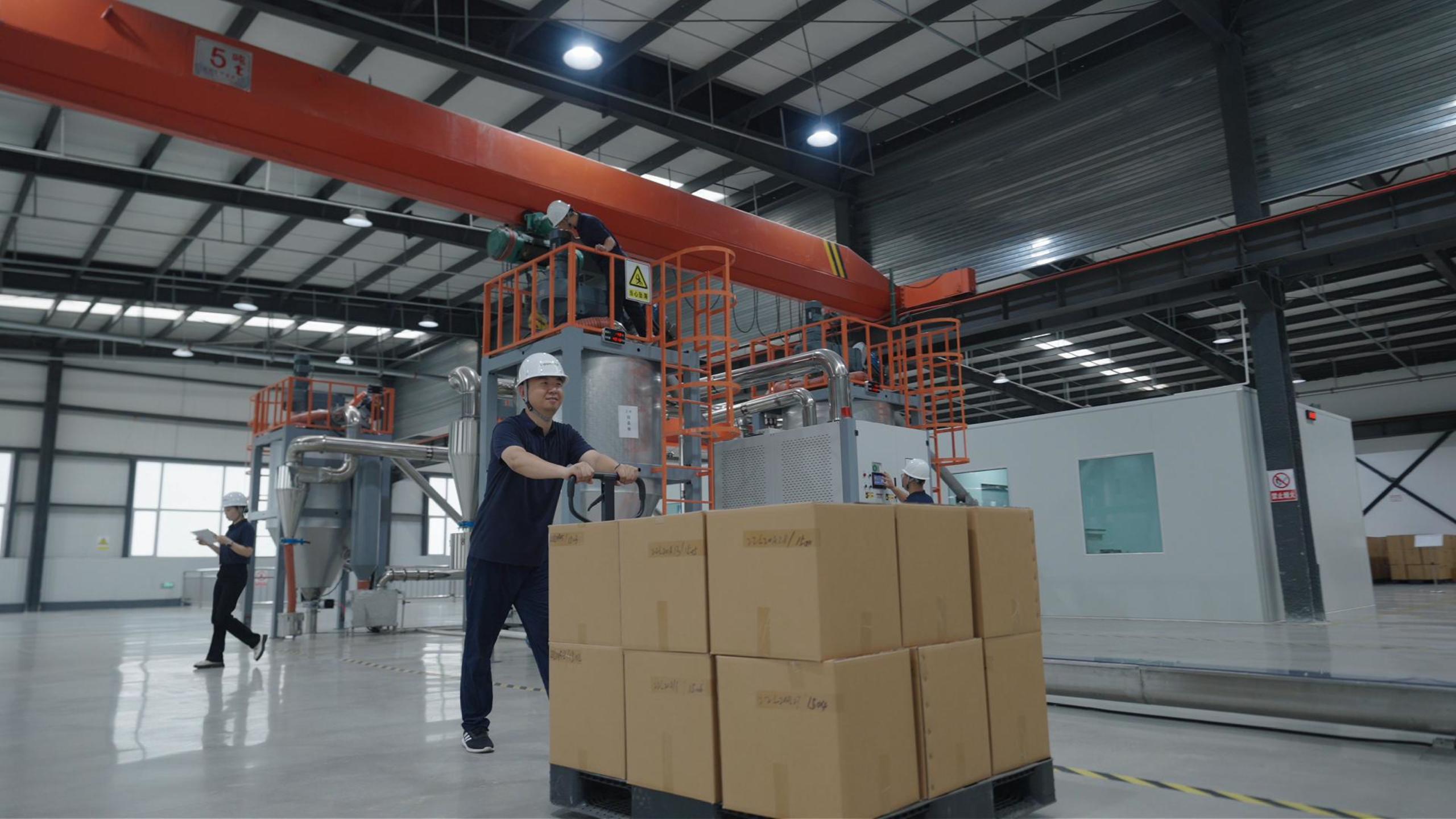
Most EVA film problems never appear on the first order. They surface on the third, sixth, or twentieth container — as a colour drift on a decorative batch, a haze reading that creeps above specification, a width that no longer matches the laminating line, or a damp roll that traps bubbles during furnace lamination.
Four recurring risk categories drive those failures:
- Batch consistency. Optical properties such as transmittance and haze must repeat roll after roll, not only on the sample that won the order.
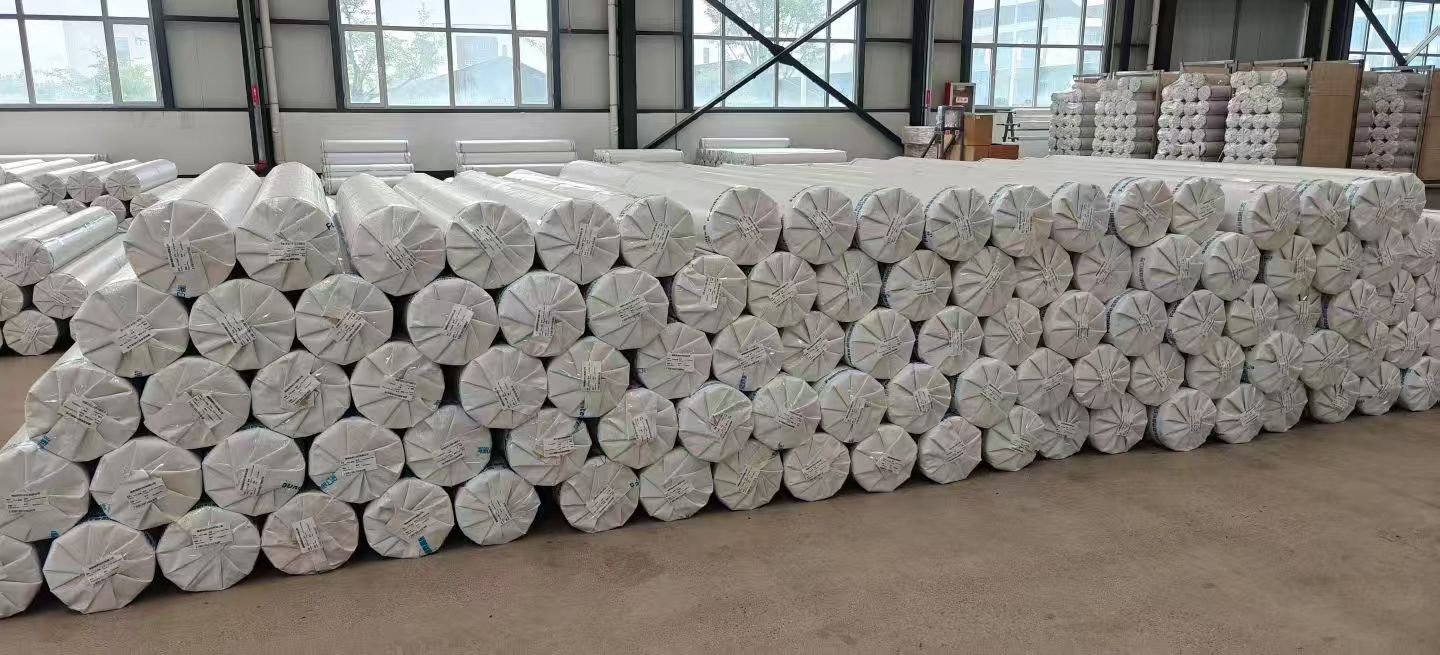
- Moisture uptake. EVA film that absorbs damp before lamination can create bubbles, delamination, and rework. Shengding addresses this risk through multi-layer packaging combined with vacuum packing.
- Sizing mismatch. Film that is 20 mm too narrow wastes material on every shift; film that is too wide creates trimming waste and edge defects.
- Support gaps. When a lamination issue appears six months in, buyers find out quickly whether their supplier answers technically or goes quiet.
For that reason, a long-term EVA film decision is really a supplier-structure decision, not a price-per-kilogram decision. The rest of this FAQ works through the specific partnership questions that follow from it.
Industry Background: Where EVA Interlayer Film Sits Today
The commercial case for locking in a reliable EVA film partner is supported by the direction of the interlayer market itself.
- Fortune Business Insights values the global EVA films market at USD 8.25 billion in 2025, projected to reach USD 17.65 billion by 2034.
- The same source projects a CAGR of 8.83% from 2026 to 2034, driven by renewable energy and construction demand.
- Future Market Insights estimates the laminated glass market at USD 25.0 billion in 2025, with PVB leading at 55.2% share and EVA growing in architectural and solar applications.
Processing conditions matter as much as market size. EVA film for glass lamination typically processes at 100–110 °C under a vacuum of at least 700 mmHg, and laminated architectural flat glass quality requirements are governed by the ASTM C1172 standard. In practical terms, a supplier's film must behave predictably inside that processing window, on your furnace, with your cycle time — which is exactly what length, width, and formulation customization exists to solve.
Growth also cuts both ways. Expanding demand attracts new EVA film suppliers, and not all of them can sustain certification, testing depth, and delivery discipline across a multi-year relationship.
What a Long-Term EVA Film Partnership Covers at Shengding
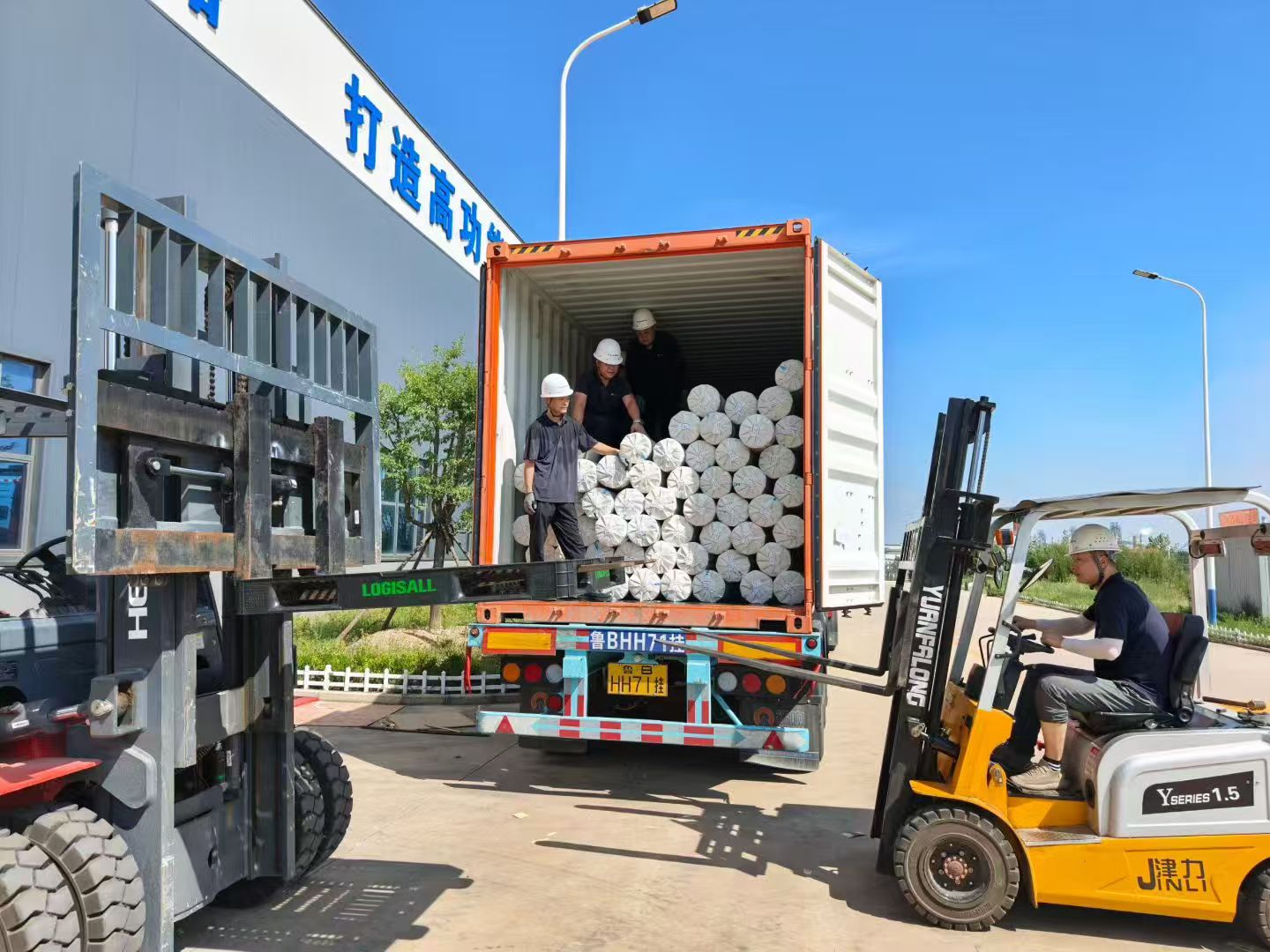
Shengding Hightech Materials Co., Ltd is a polymer materials manufacturer established in 2018 and located in the Lanshan Chemical Industry Park, Rizhao City, Shandong Province, China. It produces TPU film and EVA film on a 50,000 m² site, exports roughly 70% of its output, and serves markets in North Africa, the Middle East, and Latin America. The company's R&D structure combines 10 engineers at the factory with 5 professors at its Beijing R&D Center, and it has accumulated more than 50 proprietary intellectual property rights.
OEM and ODM Support for EVA Film
OEM and ODM services are available for EVA film buyers who need the interlayer produced to their own brand, width, length, thickness, and packaging specification rather than pulled from a fixed catalogue. This is the part of a partnership that decides whether a supplier is a vendor or a manufacturing extension of your plant.
The depth of that custom formulation capability is visible in Shengding's wider interlayer work. On its custom interlayer materials, the company's tailor-made film has been benchmarked against an established reference product, Huntsman 399 TPU, where the custom film records a glass transition temperature of −72 °C compared with −40 °C for the benchmark, higher energy efficiency under similar operating conditions, lower maintenance requirements, and approximately 10% lower cost, with particular suitability for bulletproof glass. The core differentiator is customizability and a lower glass transition temperature — the same engineering logic that carries into EVA film development for specific lamination lines.
Length and Width Customization
Standard roll widths rarely fit every laminating line. Length and width customization lets a buyer match film dimensions to the actual furnace and cutting layout, which reduces edge trim, lowers scrap rates, and shortens handling time per shift. For decorators and architectural laminators running repeat formats, dimensioned rolls also simplify stock planning because a known roll size translates directly into a known number of panels.
100% Testing Quality Control
Shengding operates 100% testing on EVA film rather than relying on spot checks. For a long-term buyer, batch-wide testing is what converts a sample result into a repeatable expectation: the good roll you approved in the trial is the same standard applied to the tenth container.
Commercial Terms: MOQ, Lead Time, and Monthly Capacity
The commercial parameters published for Shengding's EVA film business are deliberately simple to plan against:
- MOQ: 50 kg — low enough to validate a formulation and a lamination cycle before volume commitment.
- Lead time: approximately 10 days.
- Monthly capacity: 100 tons per month.
Those three numbers work together. A low MOQ supports trial validation; a short lead time supports replenishment; a 100-ton monthly capacity supports scaling. For distributors forecasting quarterly demand, that combination reduces the need to hold speculative stock.
Delivery, Payment, and Packaging
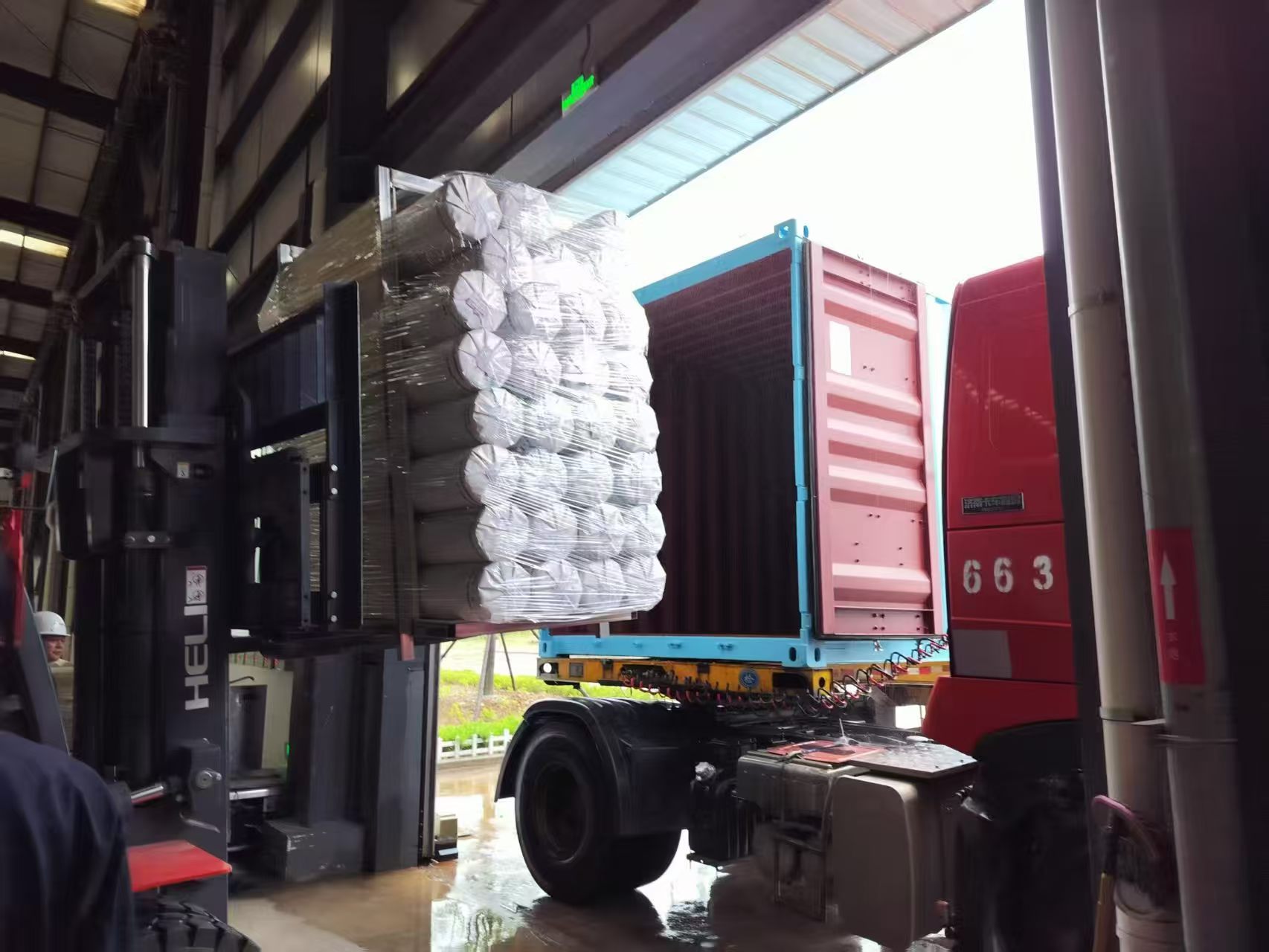
Shipments are handled on an FOB basis, with full payment before shipment. Pre-shipment acceptance testing is available before the balance is settled, so the buyer can verify the goods while they are still under the supplier's control rather than after they arrive. Packaging combines multi-layer packaging with vacuum packing, which is the control method Shengding applies specifically to the damp risk that affects EVA film in humid sea freight and long storage.
After-Sales Technical Support
Post-order technical support covers lamination troubleshooting, processing-window questions, and application guidance after delivery. Because EVA film performance is tied to furnace conditions — typically 100–110 °C under a vacuum of at least 700 mmHg — the useful part of after-sales support is a supplier that can interpret a defect against process settings, not one that only replaces material.
Step-by-Step: How a Long-Term EVA Film Order Runs
For a buyer structuring a repeat-supply relationship, the sequence is straightforward and each step maps to a decision the buyer controls.
- Define the specification. State width, length, thickness, clarity level, colour, and target application so OEM/ODM scope is fixed from the start.
- Confirm customization scope. Agree which elements are produced to your brand and which follow Shengding's standard dimensions.
- Place a 50 kg trial order. The MOQ allows a full lamination trial without a volume commitment.
- Validate on your furnace. Run the trial at your own cycle — typically 100–110 °C under at least 700 mmHg vacuum — and record transmittance, haze, adhesion, and defect rates.
- Convert to a supply agreement. Once the trial passes, move to scheduled repeat orders sized against the 100-ton monthly capacity.
- Produce with 100% testing. Each batch is tested rather than sampled.
- Complete pre-shipment acceptance testing. Verify the goods before shipment.
- Settle payment and ship FOB. Full payment before shipment, with delivery on an FOB basis.
- Replenish on a ~10-day lead time. Plan the next batch with the lead time already known.
- Use after-sales support. Route any lamination or processing question back to the technical team rather than treating it as a new purchase problem.
Where Long-Term EVA Film Supply Matters Most
Three application profiles show why a repeat-supply relationship outperforms order-by-order purchasing.
Architectural Laminated Glass
Architectural EVA film supports laminated safety glass for buildings, where visual consistency across a façade matters as much as mechanical performance. Shengding's architectural EVA film model SD38 offers 90% light transmittance and 0.5% haze, which is the kind of optical target that must repeat across every panel of the same project — the reason 100% testing and dimensioned rolls matter on architectural work.
Bulletproof and Safety Glass
A bulletproof glass manufacturer in Pakistan has run 100 rolls of Shengding EVA film with stable operation over two years. That case is the clearest illustration of what a long-term partnership is supposed to deliver: not a single successful shipment, but a material that holds its behaviour across repeated production cycles.
Furnace Lamination and Decorative Panels
For laminators running continuous furnace cycles, film consistency directly controls rework cost. For decorators using colour EVA film, batch-to-batch colour stability is the equivalent constraint. In both settings, a supplier that customizes length and width and tests every batch removes a recurring source of production variance.
Comparing Your Options: What to Check in an EVA Film Partner
The table below converts the partnership questions above into a practical evaluation checklist. Every row reflects a documented Shengding parameter rather than a general claim.
| Decision factor | What a long-term EVA film buyer should verify | Shengding reference point |
|---|---|---|
| OEM / ODM | Can the supplier produce to your brand, size, and packaging specification? | OEM and ODM services available |
| Customization | Can film length and width match your laminating line? | Length and width customization offered |
| Quality control | Is testing sampling-based or batch-wide? | 100% testing |
| Compliance | Does certification coverage match your destination markets? | ISO 9001, ISO 14001, ISO 45001, REACH, RoHS, and FDA requirements; ISO 9001:2015 (Cert No. 10425Q01154R1S) covers design and production of glass interlayer films |
| Minimum order | Is the MOQ low enough to validate before scaling? | MOQ 50 kg |
| Lead time | How fast can repeat orders be produced? | Approximately 10 days |
| Monthly capacity | Can output absorb demand growth? | 100 tons per month |
| Acceptance | Can goods be verified before payment? | Pre-shipment acceptance testing |
| Delivery & payment | What Incoterm and payment structure applies? | FOB delivery; full payment before shipment |
| Packaging | How is moisture controlled for sea freight? | Multi-layer packaging combined with vacuum packing |
| After-sales | Is technical support available after delivery? | Post-order technical support |
For context on the interlayer choice itself, EVA is not competing on market share with PVB today: Future Market Insights places PVB at 55.2% of the laminated glass market in 2025, while EVA is the growing option in architectural and solar applications. The practical selection question is therefore application fit and processing control — where EVA lamination typically runs at 100–110 °C under at least 700 mmHg vacuum — rather than replacing PVB across every use case. Buyers comparing interlayers should match the film to the furnace, the project specification, and the destination market's certification expectations.
FAQ: Long-Term EVA Film Partnership Questions
1. Which certifications and standards back Shengding EVA film for long-term supply?
Shengding Hightech Materials Co., Ltd holds ISO 9001, ISO 14001, and ISO 45001 certifications, and its product performance complies with European REACH and RoHS regulations as well as U.S. FDA quality requirements. The glass interlayer film scope specifically is covered by ISO 9001:2015, Certificate No. 10425Q01154R1S, for design and production. On the application side, laminated architectural flat glass quality requirements are governed by the ASTM C1172 standard, which is the reference framework architectural buyers typically work against. For a long-term contract, this combination means compliance evidence can be carried forward into repeat orders rather than re-established each time.
2. What OEM/ODM and customization support is available for EVA film orders?
Shengding provides OEM and ODM services for EVA film, along with customization of film length and width so that rolls match the buyer's laminating line and cutting layout. Quality control is applied at 100% testing rather than by sampling. The company's wider custom formulation track record supports this: its tailor-made interlayer film, benchmarked against Huntsman 399 TPU, records a glass transition temperature of −72 °C versus −40 °C, higher energy efficiency under similar operating conditions, lower maintenance requirements, and roughly 10% lower cost, with particular suitability for bulletproof glass. Backing the customization work are 10 engineers at the factory and 5 professors at the Beijing R&D Center.
3. How do MOQ and payment terms shape the cost of a long-term EVA film contract?
Shengding's EVA film MOQ is 50 kg, which allows a buyer to validate a specification on their own furnace before committing to volume. Shipments are delivered on an FOB basis with full payment before shipment, and pre-shipment acceptance testing is available so the goods can be verified while still under the supplier's control. For budgeting, the relevant structural point is that a low MOQ plus a 100-ton monthly capacity lets a buyer move from trial to scheduled replenishment without holding large speculative inventory — which is usually where the real cost difference in a long-term contract sits.
4. Can buyers request samples and pre-shipment testing before full commitment?
Yes. Buyers can start with a trial order at the 50 kg MOQ and run it through their own lamination cycle, which for EVA film typically means 100–110 °C under a vacuum of at least 700 mmHg. Shengding also provides pre-shipment acceptance testing, so a batch can be checked before the shipment is released and before full payment is made. Packaging for those shipments uses multi-layer packaging combined with vacuum packing to limit moisture exposure in transit and storage — the damp-control measure that matters most when a sample is being evaluated over weeks rather than days.
5. What lead time and monthly capacity can a long-term EVA film partner rely on?
Shengding's published EVA film lead time is approximately 10 days, with a monthly capacity of 100 tons per month. Those figures sit alongside OEM/ODM support, length and width customization, 100% testing, and post-order technical support. A Pakistan-based bulletproof glass producer has run 100 rolls of Shengding EVA film with stable operation over two years, which is the practical test of whether a lead time and capacity figure holds up once repeat production begins. To move forward, you can request a sample or a partnership quotation by sending your film width, length, thickness, and target application to Shengding Hightech Materials Co., Ltd.
Conclusion: What a Long-Term EVA Film Partnership Actually Buys
A long-term EVA film partnership is not primarily a discount structure. It is a way of removing variance: OEM/ODM and length-and-width customization so the film fits your line, 100% testing so batch ten matches batch one, a 50 kg MOQ so validation stays affordable, a 10-day lead time and 100-ton monthly capacity so replenishment is predictable, and FOB delivery with pre-shipment acceptance testing and full payment before shipment so the commercial risk is visible on both sides.
The supporting evidence — ISO 9001, ISO 14001, ISO 45001, REACH, RoHS, and FDA compliance, ISO 9001:2015 Certificate No. 10425Q01154R1S for glass interlayer film design and production, SD38 architectural film at 90% light transmittance and 0.5% haze, and a Pakistan bulletproof glass case running 100 rolls stably over two years — describes a supplier set up for repeat supply rather than one-off shipments.
For buyers in the evaluation stage, the fastest way to test that claim is a trial, not a catalogue.
Next Step: Request an EVA Film Sample or Partnership Quote
Send your film width, length, thickness, clarity or colour requirement, and target application. Shengding Hightech Materials Co., Ltd will respond with a sample and a partnership quotation based on the terms above.
Download the Shengding Product Brochure (PDF)
Email: docs@foundite.com | Tel / WhatsApp: +8613562376375 | Website: www.shengdingchina.com
Have Questions or Need More Details?
Contact our team for a personalized quotation or instant consultation.
Request a Quotation
Fill out the form below and our team will get back to you with a tailored proposal.
WhatsApp Direct Chat
Prefer to chat in real-time? Message us on WhatsApp for instant assistance & quick answers.
- Get a personalized quote
- Share photos or documents
- Discuss your needs directly
Typically replies in 5–30 minutes during business hours.