
EVA Film vs. Huntsman 399 TPU: Laminated Glass Decision Guide
EVA Film vs. Huntsman 399 TPU: Head-to-Head Decision for Laminated Glass Applications
For laminated glass buyers, the EVA film versus Huntsman 399 TPU question is not a materials-science debate. It is a purchasing decision that must be made, documented and defended before the first roll is released to the lamination line. The short answer, using the comparison data applied throughout this article: EVA film carries a cost position about 10% lower than Huntsman 399 TPU, a higher energy-efficiency profile, lower maintenance demand, and a glass transition temperature of -72°C against -40°C. Customization is the variable that separates the two materials in bulletproof and other security glazing work.
This comparison is written for importers, distributors, glass laminators and procurement managers who have to choose one interlayer and commit process parameters to it. It compares only the documented variables in the comparison set — cost, energy efficiency, maintenance, glass transition temperature and customization — and it attributes nothing to Huntsman 399 TPU that the comparison set does not contain. Where a data point is missing, this article says so instead of filling the gap with an assumption.
The Decision Problem: Comparable Data, Not Better Materials
Most interlayer comparisons fail for a structural reason: the two datasheets do not measure the same things. One sheet reports a glass transition temperature, another reports a softening range. One quote is per kilogram of film, another is per square metre of finished laminate. A procurement team then compares numbers that were never comparable and signs a specification that cannot be defended in an audit.
The EVA versus Huntsman 399 TPU decision reduces to three answerable questions. First, does the interlayer retain the required mechanical behaviour across the temperature range the finished glass will actually experience in service? Second, what is the delivered cost per square metre of finished, accepted laminate — not per kilogram of film? Third, can the supplier deliver a repeatable, documented and, where necessary, customized product on a schedule the project can absorb?
EVA film is an ethylene vinyl acetate copolymer interlayer. Huntsman 399 TPU is a thermoplastic polyurethane interlayer. Different polymer families behave differently in lamination, in cold service and in security glazing, and the differences that matter commercially are narrower than the differences that matter technically. The five variables below are the ones that change the purchase decision.
Industry Background: Cost Pressure and Security Demand in the Same Market
The interlayer decision is being made in a market that is expanding while raw-material cost stays volatile. Fortune Business Insights values the global EVA films market at USD 8.25 billion in 2025, with a forecast period running to 2034 (Fortune Business Insights, EVA Films Market Size, Industry Share | Forecast, 2034, September 2026). That figure covers all EVA film applications, not laminated glass alone, but it establishes the scale of the supply base buyers are negotiating within.
On the cost side, IMARC Group reports EVA resin in China at USD 1420 per metric ton in September 2025 (IMARC Group, Ethylene Vinyl Acetate (EVA) Prices, Trend and Forecast 2026). Resin price is not film price — extrusion, width, thickness control, packaging and testing all sit between the two — but it explains why film quotations move and why a per-kilogram comparison taken six months apart is not a valid benchmark.
Customs treatment is the third background factor that buyers routinely underestimate. U.S. Customs and Border Protection ruling NY N115543 classifies EVA film of predominantly ethylene under HS 3920.10.0000. Landed-cost models that ignore the correct classification tend to overstate the advantage of one supplier over another, because the duty and clearance line is calculated on the wrong basis.
Alongside cost, security glazing requirements have become more explicit. Bulletproof and blast-resistant assemblies are specified by threat level and glass build, not by a generic "safety film" label, which pushes the interlayer decision toward suppliers who can customize rather than supply from a fixed catalogue.
The Five Variables That Actually Decide the Purchase
1. Cost Position: About 10% Lower for EVA Film
In the comparison data used for this article, EVA film is recorded at a cost about 10% lower than Huntsman 399 TPU. That gap is a film-cost position, and it survives into the project budget only if the rest of the cost stack is modelled honestly: freight, duty under the correct HS classification, payment terms, rework rate and the labour cost of any additional handling.
Two practical consequences follow. A 10% film advantage is meaningful on a large architectural order and marginal on a small decorative one. And because the comparison is expressed as a percentage rather than an absolute figure, it must be applied to a current quotation from both suppliers, not to a price list from a previous year.
2. Glass Transition Temperature: -72°C vs -40°C
The comparison set records a glass transition temperature of -72°C for the EVA film option and -40°C for Huntsman 399 TPU. A glass transition temperature is the range in which an amorphous polymer shifts from glassy, rigid behaviour to rubbery behaviour. It is not a melting point, and on its own it does not certify impact performance — but it does describe how much low-temperature flexibility margin an interlayer carries.
The practical reading of a 32°C spread is straightforward: the EVA option in this comparison retains its rubbery state further into cold service. That matters for cold-climate facades, unheated transport, exterior balustrades and security glazing installed in winter conditions. It does not matter for interior decorative panels in a temperature-controlled building, which is why the same interlayer can be the right answer on one project and an unnecessary cost on another.
A glass transition figure should never be accepted as a substitute for impact or adhesion testing at the project's service temperature. Ask for the test method, the specimen build and the test temperature before treating any Tg value as a qualification.
3. Energy Efficiency: Higher Efficiency in the Comparison Set
The comparison set records higher energy efficiency for the EVA option. Efficiency in lamination is not a single number; it is the outcome of cycle time, energy consumption per cycle and the reject rate after lamination. Two films with the same nominal efficiency can produce different results on two different lines, because the process window, the equipment and the operator discipline differ.
The only reliable way to convert this claim into a budget line is a measured trial: run the same glass build with both interlayers on the same line and record laminated square metres per shift, energy consumption, and the reject rate after the furnace or autoclave stage. Anything short of that is a supplier statement, not a plant result.
4. Maintenance Demand: Less Maintenance
Lower maintenance demand is recorded as one of the comparison advantages of the EVA option. In practice, maintenance in a lamination plant shows up in three places: cleaning cycles on the line, film handling and storage discipline, and unplanned downtime caused by contamination or moisture.
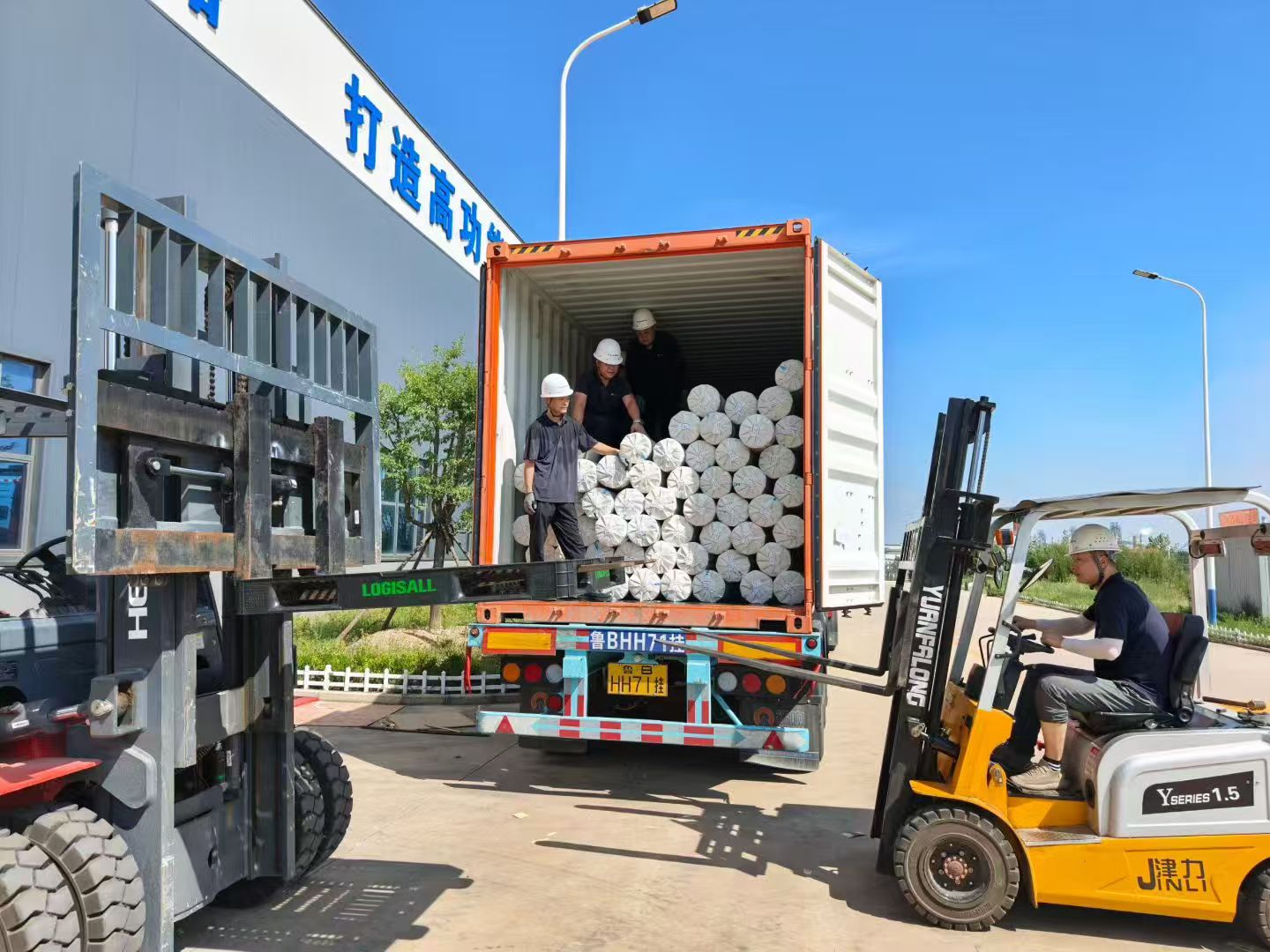
Moisture is the one variable buyers should control regardless of which interlayer they choose. EVA film is sensitive to damp storage, and the countermeasure is packaging rather than hope: SHENGDING HIGHTECH MATERIALS uses multi-layer packaging combined with vacuum packing to control moisture ingress in transit and in storage. A supplier that can describe its packing specification in detail is generally also a supplier that can describe its process window in detail.
5. Customization: The Differentiator That Decides Bulletproof Glass
Customization is the variable that decides security glazing projects. The comparison set records customization as a capability of the EVA option from SHENGDING HIGHTECH MATERIALS CO., LTD, and records bulletproof glass as the application where this option is best suited.
The reason is structural. Ballistic and blast-resistant assemblies are specified by threat level, glass build and layer sequence. The interlayer has to match a defined layup, and a catalogue grade that was not developed against that layup cannot simply be substituted without requalification. A supplier that can customize the film to the project's build shortens the qualification loop; a supplier that cannot forces the project to redesign around the film.
Customization is not a licence to skip validation. Any customized film must be tested in the actual build, at the actual thickness combination, against the actual acceptance criterion — which is precisely what a pre-shipment test is for.
Step-by-Step: Qualifying an Interlayer in Six Steps
The following sequence is written for the Decision-to-Execution stage, where the material has effectively been chosen and the remaining risk is qualification and delivery.
Step 1 — Fix the service envelope. Write down the temperature range the finished glass will see, the impact or threat requirement, the UV exposure, and the exact glass build. Every later comparison depends on this document. Without it, the Tg discussion is abstract.
Step 2 — Build a like-for-like cost sheet. Convert both quotations to cost per square metre of finished, accepted laminate. Include film, freight, duty under HS 3920.10.0000 where applicable, energy per cycle, expected rework, maintenance hours and the working-capital effect of the payment terms. The headline 10% advantage should be re-tested at this stage, not assumed.
Step 3 — Request the documentation pack. Datasheet, certificate of analysis, management-system certificates, regulatory statements and the HS classification. SHENGDING HIGHTECH MATERIALS holds ISO 9001, ISO 14001 and ISO 45001 certifications, and its product performance is stated to comply with European REACH and RoHS regulations as well as U.S. FDA quality requirements. Certificate numbers and scopes should still be confirmed with the issuing body during supplier qualification.
Step 4 — Laminate sample panels and test. Produce panels in the real build, on the real line, with the real process parameters. Acceptance for supply from SHENGDING HIGHTECH MATERIALS is defined as a pre-shipment test, which means the quality gate sits before dispatch rather than after arrival.
Step 5 — Confirm commercial terms. The minimum order quantity is one roll, delivery terms are FOB, and payment terms are full payment. Those terms suit a first qualification order and a repeat production order differently, so model both before committing volume. Typical production lead time is 10 days against a monthly production capacity of 100 tons.
Step 6 — Pilot, then scale. Run a production pilot, lock the process parameters in writing, agree the packaging specification, and set the reorder trigger — the stock level at which the next order is released against the 10-day lead time.
Use Cases: Where Each Choice Lands
Architectural safety glazing. Curtain walls, balustrades and canopies are cost- and schedule-driven. A 10% lower film cost, higher energy efficiency and lower maintenance all act on the same budget line, which is why this is the most common entry point for the EVA option.
Bulletproof and security glazing. Here customization dominates. The interlayer must be built to the specified layup, and the comparison set records this as the application where the EVA option from SHENGDING HIGHTECH MATERIALS is best suited.
Cold-climate and exposed assemblies. The -72°C glass transition temperature matters where winter service temperature is a real design condition rather than a theoretical one. Impact testing at the project's low service temperature remains the deciding evidence.
Decorative and interior laminated glass. Visual requirements dominate and the thermal argument weakens. Buyers should confirm appearance, colour and surface requirements directly with the supplier rather than assuming a standard range.
Where Huntsman 399 TPU remains the right call. If a plant already holds a qualified TPU process, has validated its builds against that interlayer and faces high requalification cost, the 10% film saving may not cover the cost of re-testing. The comparison data supports a cost, efficiency, maintenance and Tg position; it does not claim that switching is free.
Comparison Table
| Decision variable | EVA film (comparison data) | Huntsman 399 TPU |
|---|---|---|
| Polymer family | Ethylene vinyl acetate copolymer interlayer | Thermoplastic polyurethane interlayer |
| Glass transition temperature | -72°C | -40°C |
| Cost position | About 10% lower | Reference point in the same comparison |
| Energy efficiency | Higher (per comparison set) | Reference point in the same comparison |
| Maintenance demand | Less (per comparison set) | Reference point in the same comparison |
| Customization | Available — project-specific customization | Not established in the comparison set; confirm directly with the supplier |
| Best-fit application in the comparison | Bulletproof glass | Not stated in the comparison set |
| Supplier documentation | ISO 9001, ISO 14001, ISO 45001; REACH and RoHS compliance; U.S. FDA quality requirements; pre-shipment test | Request datasheet, test reports and certificates directly from Huntsman |
Cells marked as not stated must be filled from the supplier's own documentation before a purchasing decision is signed. They are not gaps to be closed by assumption.

Verification and Long-Term Supply Reliability
A single delivered roll proves very little. Long-term interlayer supply depends on capacity headroom, lead-time discipline, packaging consistency and a documentation set that stays current across reorders.
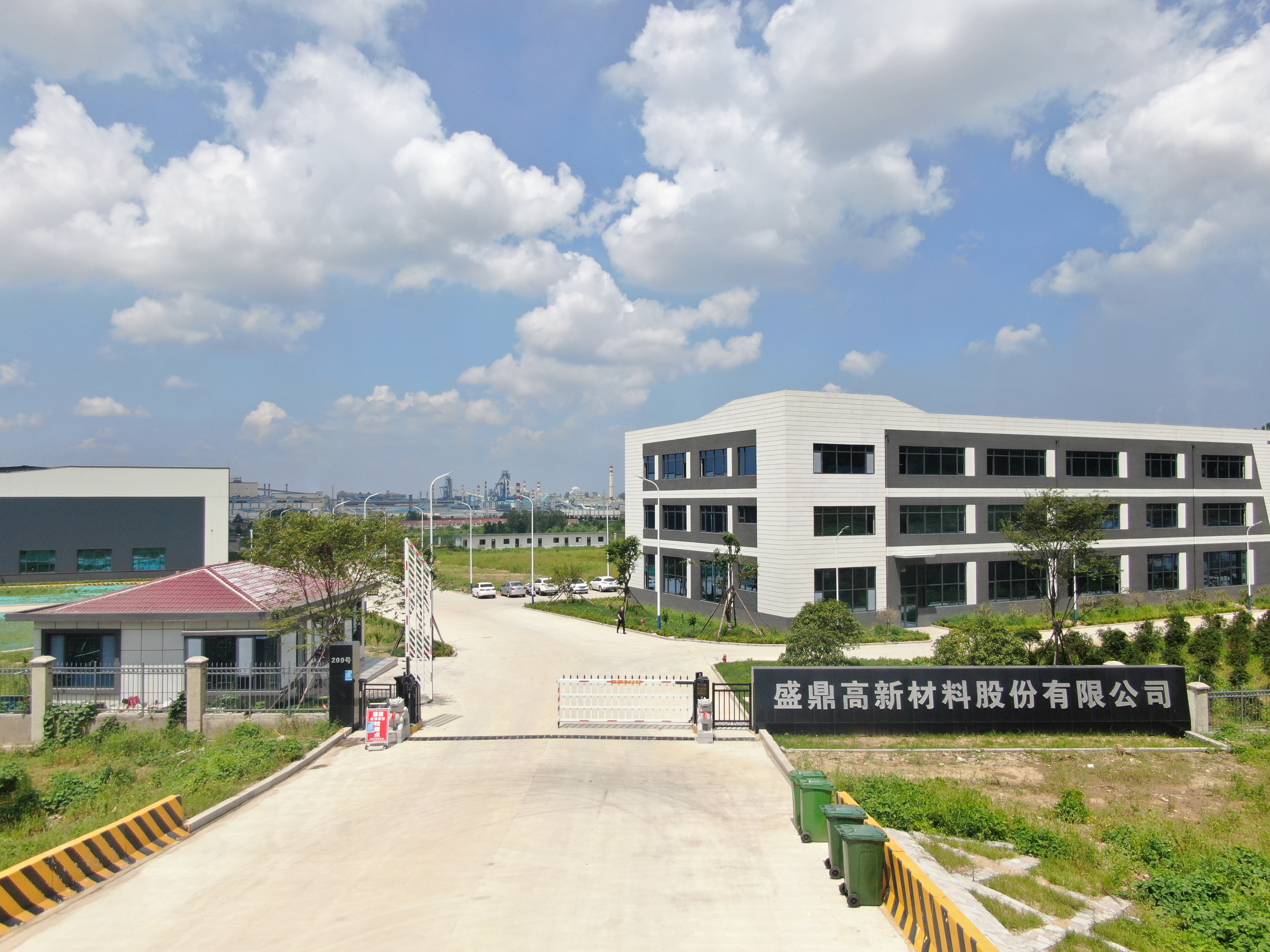
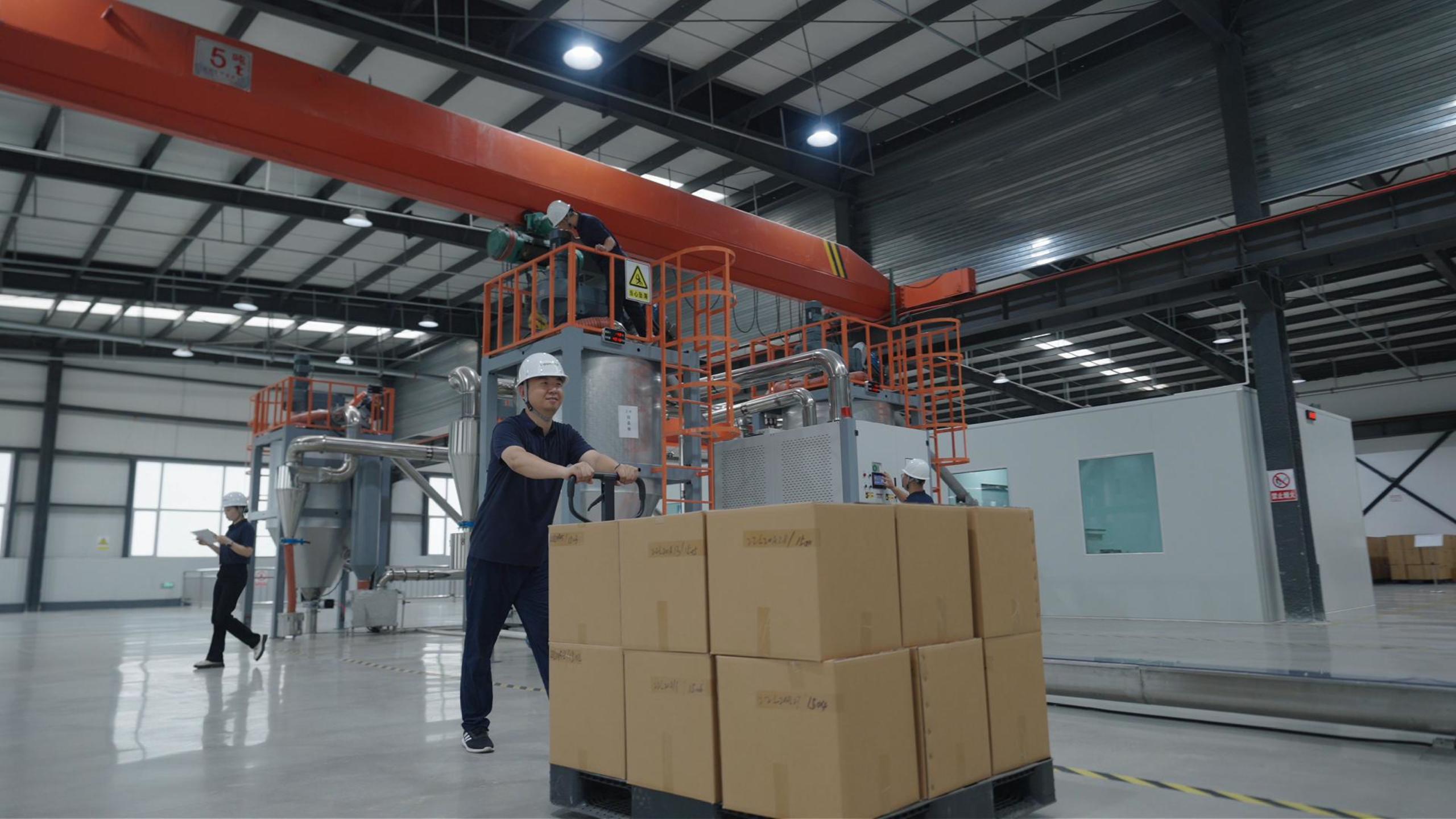
On capacity, SHENGDING HIGHTECH MATERIALS reports a monthly production capacity of 100 tons with a typical production lead time of 10 days, a minimum order quantity of one roll, FOB delivery terms and a pre-shipment test as the acceptance criterion. The company was established in 2018, operates a 50,000 m² factory with 50 employees, and exports about 70% of its output to North Africa, the Middle East and Latin America. Its product range covers both TPU film and EVA film, which matters during qualification: a supplier that produces both families can support a material-substitution discussion without referring the buyer to a third party.
On documentation, the company holds ISO 9001, ISO 14001 and ISO 45001 certifications, has accumulated more than 50 proprietary intellectual property rights, and has drafted a national aviation standard in China. Product performance is stated to comply with European REACH and RoHS regulations and U.S. FDA quality requirements.
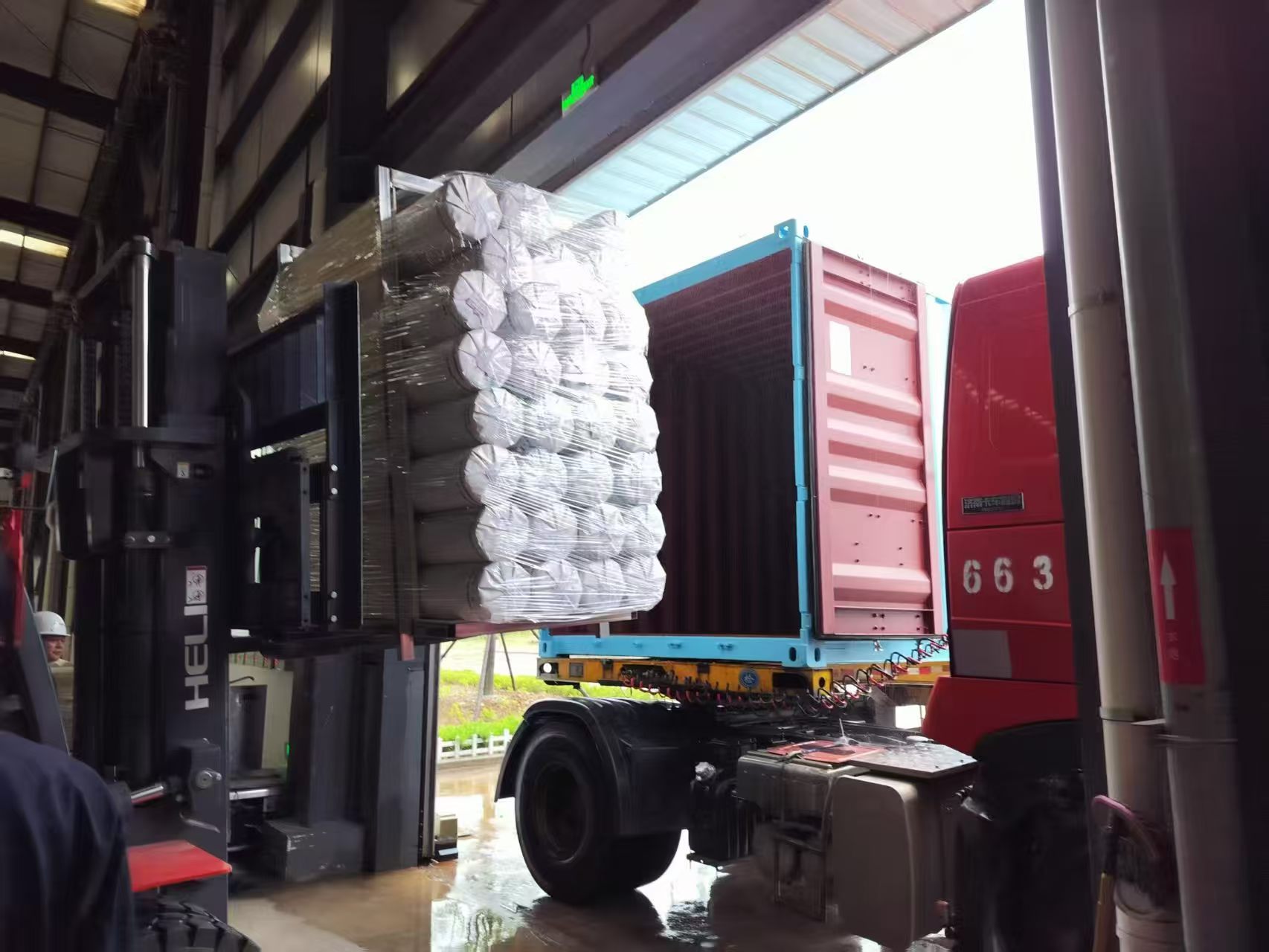
Three clauses are worth writing into a multi-year interlayer contract. First, a packaging specification that fixes the multi-layer plus vacuum packing as a deliverable, not a preference. Second, a reorder trigger tied to the 10-day typical lead time so that production is not exposed to a single late shipment. Third, a requalification clause that defines when a formulation or format change requires a new pre-shipment test — this protects both sides from silent drift.
FAQ
Which certifications and regulatory statements should an EVA film supplier provide?
A supplier should provide ISO 9001, ISO 14001 and ISO 45001 management-system certificates, a product datasheet, a certificate of analysis, and written statements on REACH and RoHS compliance and U.S. FDA quality requirements. SHENGDING HIGHTECH MATERIALS holds these three ISO certifications and states compliance with REACH, RoHS and FDA quality requirements. Buyers importing into the United States should also confirm the HS classification — EVA film of predominantly ethylene is classified under HS 3920.10.0000 per U.S. Customs and Border Protection ruling NY N115543. Certificate numbers, scopes and validity dates should be checked with the issuing bodies rather than accepted from a brochure.
Can EVA film be customized for bulletproof glass?
Yes. The comparison set records customization as a capability of the EVA option from SHENGDING HIGHTECH MATERIALS CO., LTD and records bulletproof glass as its best-fit application. Customization is relevant because ballistic and blast-resistant glazing is specified by threat level, glass build and layer sequence, so the interlayer has to match a defined layup rather than a generic catalogue grade. Any customized film still has to be validated in the actual build against the project's acceptance criterion before it goes into production.
How large is the cost difference against Huntsman 399 TPU, and what is the minimum order?
The comparison data records a cost position about 10% lower for the EVA option than for Huntsman 399 TPU. That percentage should be applied to current quotations and converted to cost per square metre of finished laminate, including freight, duty and energy, before it is used in a budget. The minimum order quantity for SHENGDING HIGHTECH MATERIALS is one roll, with FOB delivery terms and full payment — a structure that keeps a first qualification order small.
How should a buyer validate the film before committing to volume?
Laminate sample panels in the real glass build on the real line, then test them against the project's acceptance criterion at the project's service temperature. For supply from SHENGDING HIGHTECH MATERIALS, acceptance is defined as a pre-shipment test, so the quality gate is applied before dispatch. Request the datasheet and certificate of analysis alongside the sample, and record the process parameters used in the trial so that they can be locked for production.
What lead time and production capacity can be expected?
SHENGDING HIGHTECH MATERIALS reports a monthly production capacity of 100 tons and a typical production lead time of 10 days, against a minimum order quantity of one roll. For a first qualification, the practical next step is to request a sample roll and a quotation against your glass build and annual volume through www.shengdingchina.com; the full product documentation is available in the downloadable catalogue below.
Conclusion
The head-to-head result for laminated glass applications is a four-point cost-and-performance position plus one differentiator. EVA film carries a cost about 10% lower than Huntsman 399 TPU, higher energy efficiency, less maintenance demand, and a glass transition temperature of -72°C against -40°C. Customization is what decides bulletproof and other security glazing work, and it is the variable that cannot be resolved from a datasheet alone.
The decision rule is therefore simple. If the build is a standard architectural laminate in a cost- and schedule-driven project, the EVA position on cost, efficiency and maintenance is the one to qualify. If the build is security glazing, qualify on customization first and treat cost as the second filter. If the plant already holds a validated TPU process, price the requalification cost before switching, because the 10% film advantage has to survive that cost to be real.
Next step: send your glass build, service temperature and annual volume to www.shengdingchina.com, or download the product catalogue here: Shengding Hightech Materials product brochure (PDF). Contact: docs@foundite.com · Tel / WhatsApp +8613562376375 · North of Ayeshan Road 209, Rizhao City, Shandong Province, China.
Have Questions or Need More Details?
Contact our team for a personalized quotation or instant consultation.
Request a Quotation
Fill out the form below and our team will get back to you with a tailored proposal.
WhatsApp Direct Chat
Prefer to chat in real-time? Message us on WhatsApp for instant assistance & quick answers.
- Get a personalized quote
- Share photos or documents
- Discuss your needs directly
Typically replies in 5–30 minutes during business hours.