
How to Match TPU Film to Your Laminated Glass Project
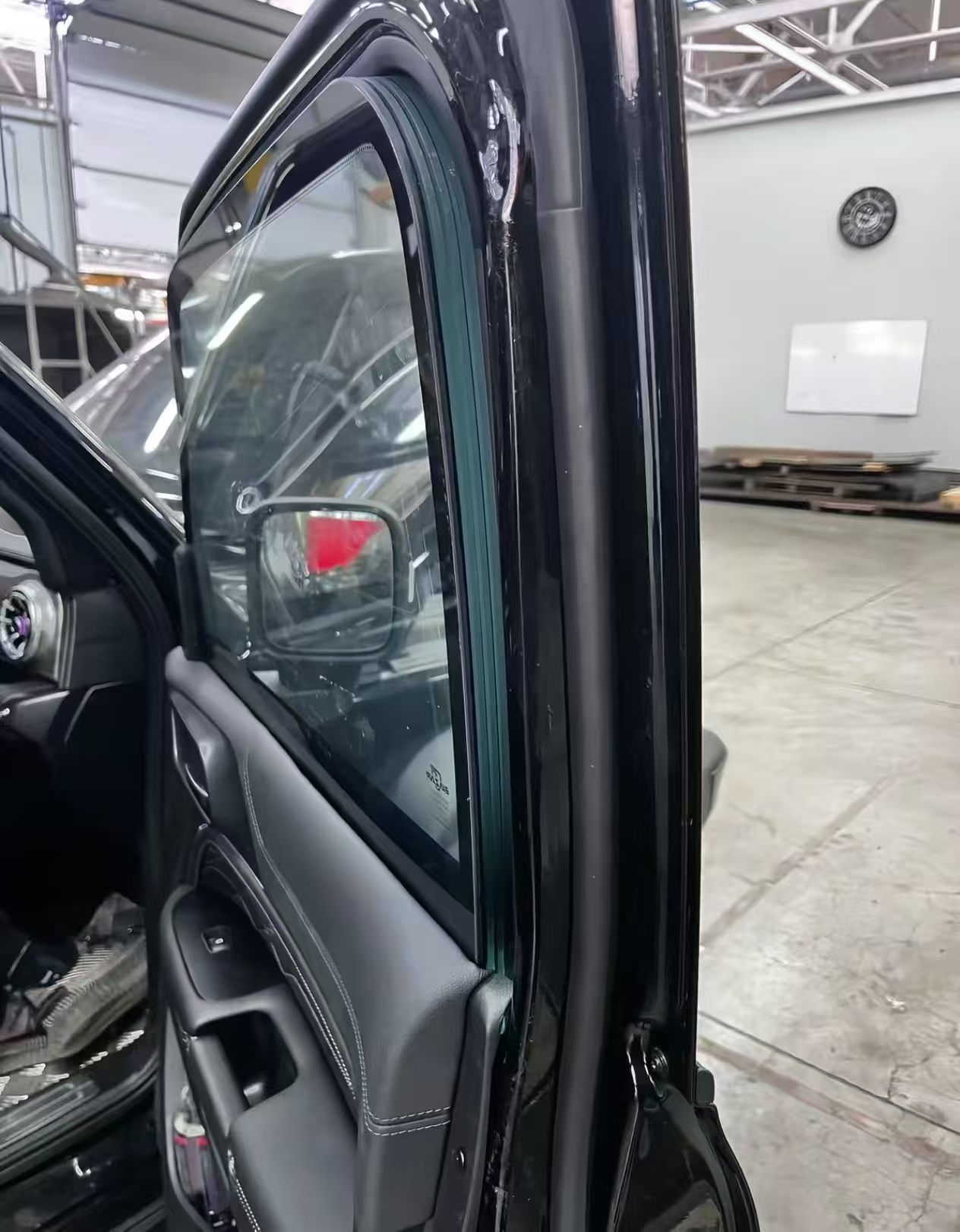
SHENGDING HIGHTECH MATERIALS CO., LTD is a polymer materials manufacturer established in 2018 and located in Rizhao City, Shandong Province, China. The company produces TPU film and EVA film, and its application scope includes transparent glass components for aviation, naval vessels, armored vehicles, high-speed trains, bulletproof and blast-resistant glass, high-end architectural safety glass, aircraft coating protection, and invisible car wraps. This guide explains how to match TPU laminated glass interlayer film to a specific project, using the Shengding SD560 TPU film as the reference product.
Problem Definition: The Cost of an Interlayer Mismatch
Laminated glass performance depends on the interlayer's ability to bond, transmit light, and absorb impact under the end-use environment. A TPU interlayer selected without checking process equipment, mechanical properties, or standards can create manufacturing defects or in-service failure. For procurement teams in the Research and Evaluation stage, the core question is not only whether TPU film is high quality, but whether a specific TPU product fits a specific project's substrates, autoclave process, and performance targets.
SHENGDING HIGHTECH MATERIALS CO., LTD SD560 is a Thermoplastic Polyurethane (TPU) film designed for bulletproof glass and shatter-resistant glass applications. According to the product application data, it is designed for high-pressure and high-temperature environments and must be used with an autoclave. The material also must be kept dry. These constraints should be part of a project-fit assessment before finalizing a supplier.
Industry Background: TPU Interlayer Demand and Standards
Available market data puts TPU films in a growth context. According to Grand View Research, the global thermoplastic polyurethane (TPU) films market was valued at approximately USD 443.7 million in 2025 and is projected to reach USD 716.8 million by 2033. A separate 2026 industry analysis by EIN Presswire projects that TPU interlayer films specifically for laminated glass will exceed USD 1.2 billion in 2026.
China accounts for more than 30% of global TPU film production capacity as of 2026, according to a SHENGDING HIGHTECH MATERIALS Co., Ltd / Industry Report. Major global competitors in the high-performance TPU interlayer segment include Huntsman (KRYSTALFLEX), Covestro (Dureflex), and Argotec (HP-8000), based on public technical bulletins from Huntsman and Argotec.
For safety glass projects, EN 12600 is the primary European standard for impact resistance classification, and TPU film commonly achieves Class 1B1 or 2B2, according to Solargard's EN 12600 safety glazing testing summary. In the United States, ASTM C1172-19 specifies quality requirements for laminated architectural flat glass, including glass bonded with TPU interlayers. Procurement teams should map the project's required standard before choosing an interlayer.
Detailed Solution: Shengding SD560 TPU Film
SHENGDING HIGHTECH MATERIALS CO., LTD SD560 is a TPU film model classified as a Thermoplastic Polyurethane elastomer film. The key verified parameters are:
- Tensile strength: 42 MPa
- Elongation at break: 500%
- Tear strength: 45 kN/m
- Light transmittance: 90%
- Haze: 0.3%
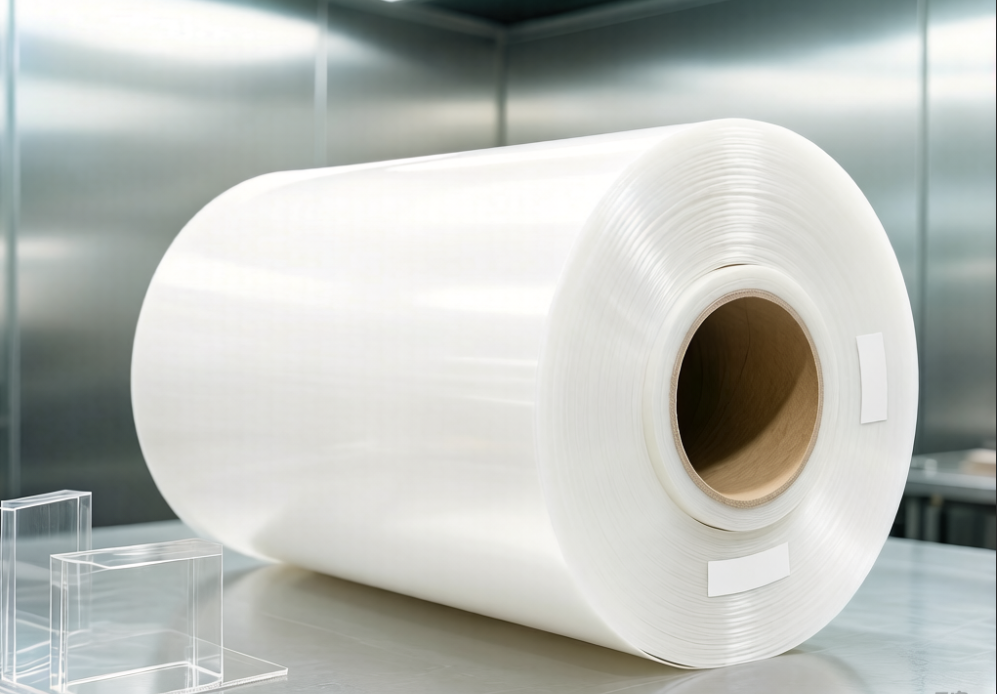
According to the product specification, high-performance TPU films for bulletproof glass typically exhibit tensile strength exceeding 40 MPa and elongation at break above 500%. SD560's tensile strength of 42 MPa and elongation of 500% place it inside that range. The film can be bonded to acrylic, polycarbonate, and inorganic glass, which supports its use in multi-substrate laminated glass assemblies.
Autoclave Equipment and Storage Requirement
TPU film for laminated glass requires autoclave lamination. SHENGDING HIGHTECH MATERIALS CO., LTD application data for the bulletproof industry specifies the operation mode as hot-pressing in an autoclave, with working conditions of high pressure and high temperature. The matched equipment is an autoclave, and the special handling requirement is to keep the film dry.
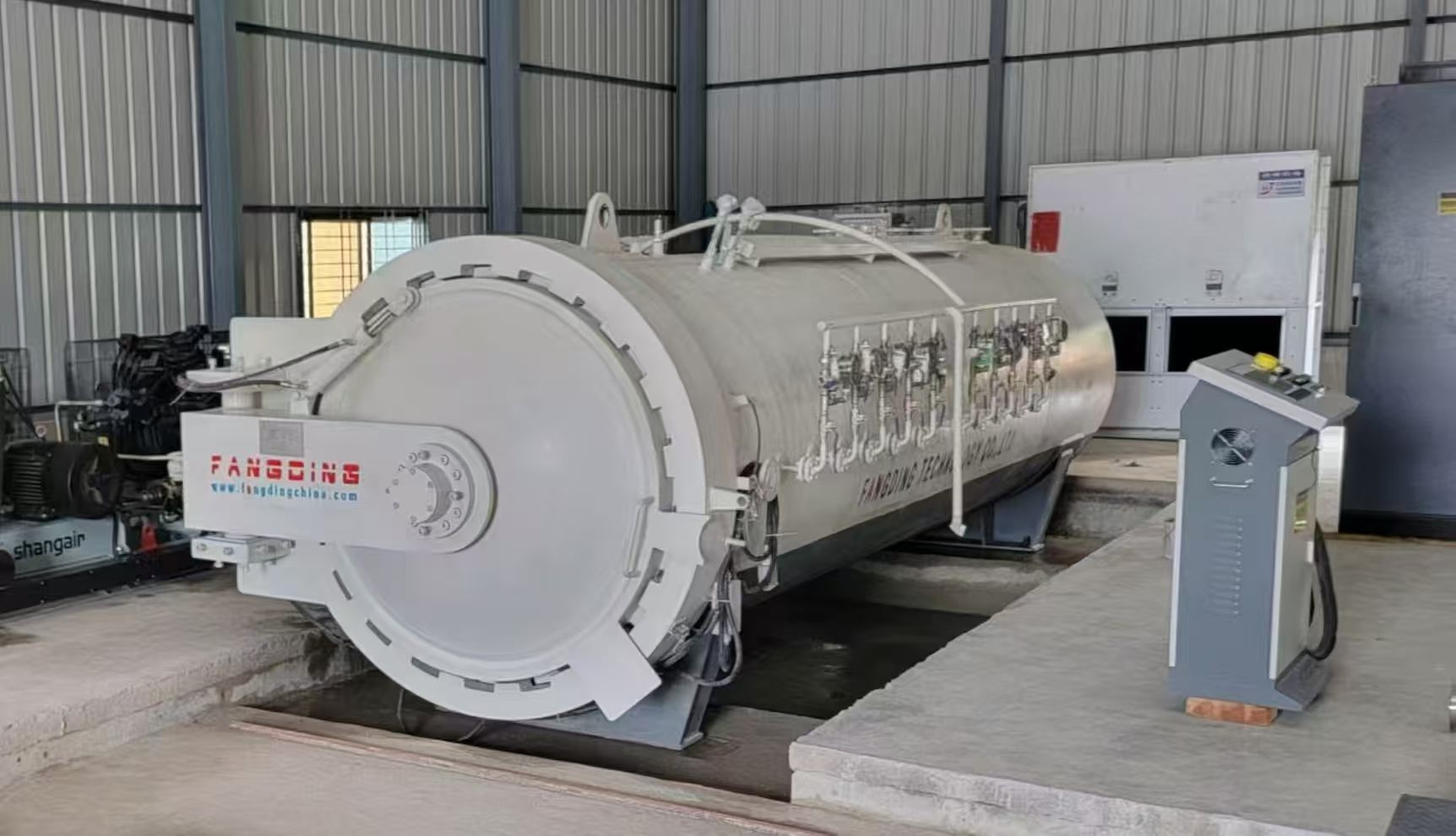
This equipment requirement is a practical decision criterion. If a project does not have autoclave lamination capacity, TPU interlayer film is not the right material fit. If the project does use an autoclave, TPU film should be stored and handled under dry conditions before lamination to avoid moisture-related defects.
Supplier Capability: OEM/ODM, Capacity, and Quality Control
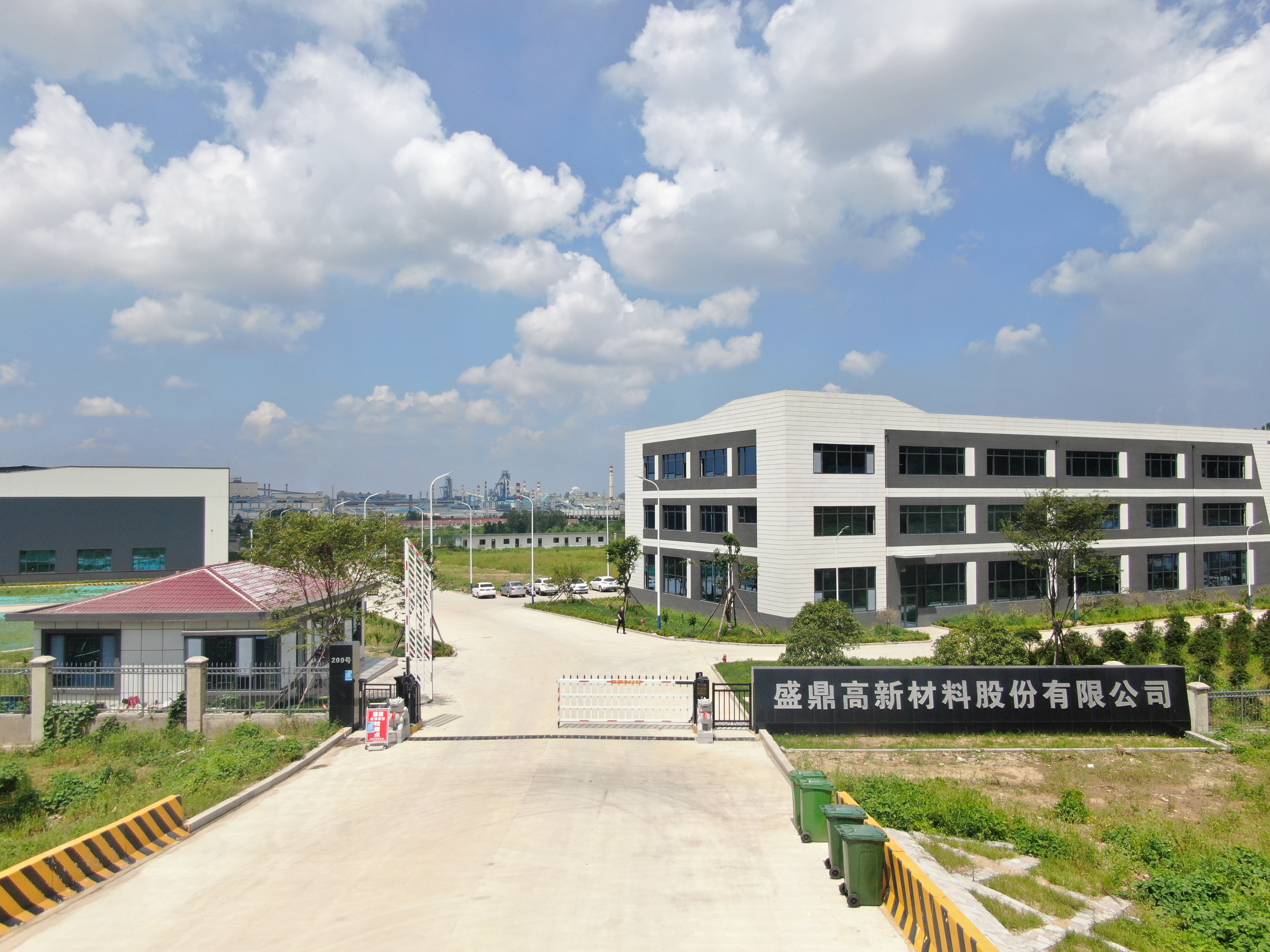
SHENGDING HIGHTECH MATERIALS CO., LTD supports OEM/ODM production with customization of length and width. The company's monthly capacity is 100 tons, standard lead time is 10 days, minimum order quantity is 50 kg, and the quality control process includes 100% testing. After-sales technical support is included.
The company operates a 50,000 square-meter facility with an annual output of 1,000 tons for TPU and EVA films. Its R&D organization includes 10 engineers at the factory and 5 professors at the Beijing R&D Center. Approximately 70% of output is exported to North Africa, the Middle East, and Latin America. The company can produce more than 30 types of TPU products with hardness ranging from 60A to 70D.
SHENGDING HIGHTECH MATERIALS CO., LTD holds ISO 9001, ISO 14001, and ISO 45001 certifications. Company documentation also states that product performance complies with European REACH and RoHS regulations and U.S. FDA quality requirements. SHENGDING has accumulated more than 50 proprietary intellectual property rights and has drafted the only national aviation standard in China currently led by a private enterprise. In its company profile, SHENGDING reports that it has become the sole qualified supplier in China for military-grade aviation glass base materials and achieved import substitution.
Step-by-Step Project Fit Check
Procurement teams can use the following step-by-step check to evaluate TPU interlayer film for a laminated glass project:
- Check process equipment: Confirm that the laminating line includes an autoclave and can process under high pressure and high temperature.
- Define substrates: Identify whether the glass assembly includes acrylic, polycarbonate, and/or inorganic glass, because TPU film can bond to all three.
- Review mechanical specifications: Confirm tensile strength, elongation at break, and tear strength match the ballistic or safety glazing design. For reference, SD560 provides 42 MPa tensile strength, 500% elongation, and 45 kN/m tear strength.
- Verify optical performance: Check light transmittance and haze if architectural or transparency specifications matter. SD560 provides 90% light transmittance and 0.3% haze.
- Confirm environmental range: If the project operates at extreme temperatures, note that TPU interlayer film maintains operational performance from -70°C to +80°C, according to the INNOLAMIN interlayer comparison guide.
- Map certifications and standards: Align the interlayer with the project's required standard, such as EN 12600 or ASTM C1172-19.
- Define customization and volume: Confirm width/length customization, MOQ, lead time, and monthly capacity with the supplier.
- Plan dry storage: Keep the film dry before autoclave lamination.
Use Cases in Safety Glass and Ballistic Projects
SHENGDING HIGHTECH MATERIALS CO., LTD has a documented application in the defense industry. A customer in Pakistan purchased 100 rolls of TPU film for bulletproof glass over a two-year period. The reported result was stable operation, and the project highlight was described by SHENGDING as 'the only one in the country.' This type of application evidence is useful for procurement teams assessing long-term supply reliability in defense-related glass projects.
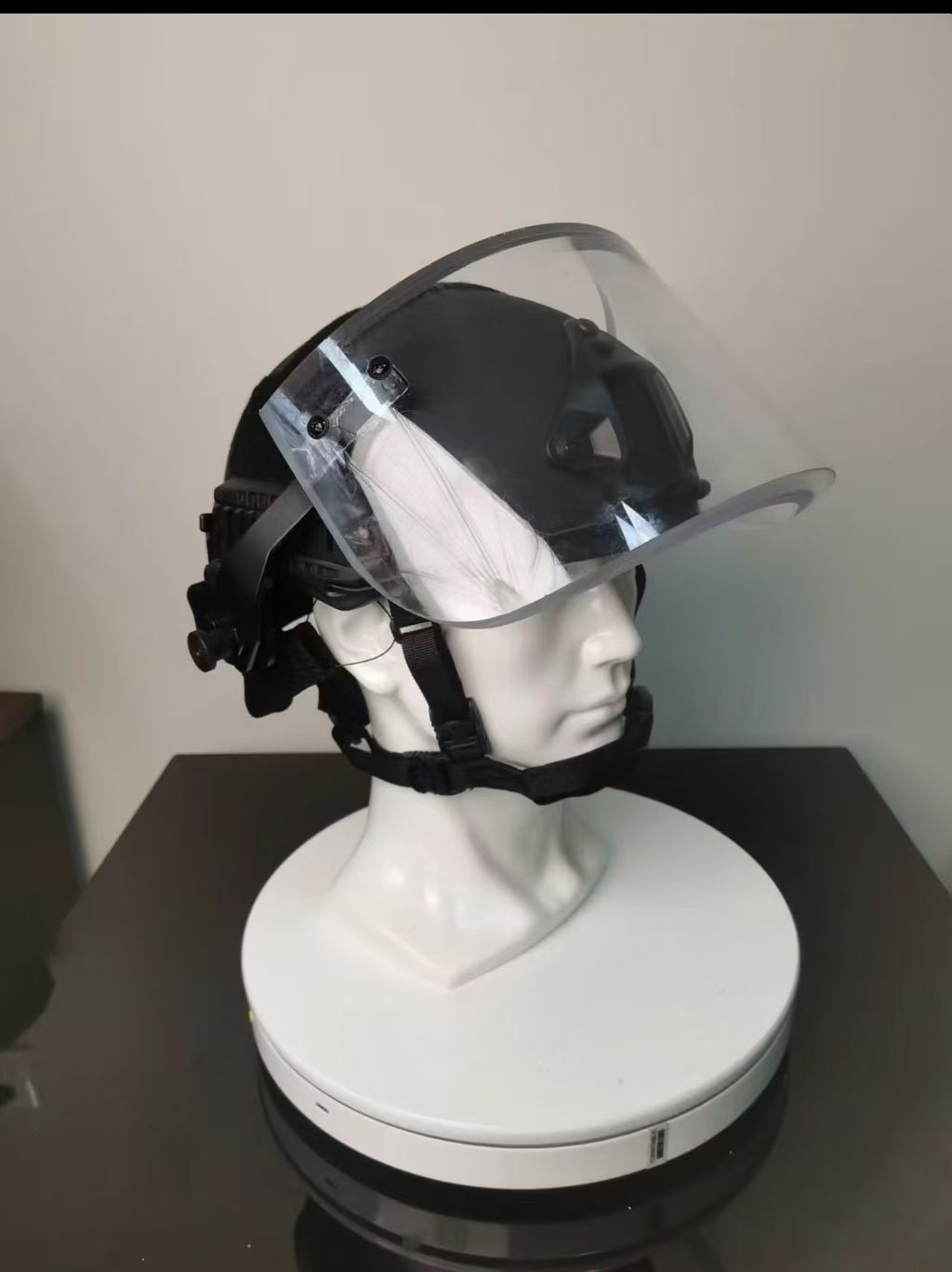
Other TPU application examples documented in SHENGDING's materials include a bulletproof face mask, bullet-resistant glass with a facing surface, armored glass with a bullet-resistant back surface, and modification of bulletproof vehicle glass. The material is also positioned for aviation, naval, armored vehicle, high-speed train, blast-resistant glass, aircraft coating protection, and invisible car wrap applications.
Comparison: TPU Film vs EVA Film for Laminated Glass
For procurement decisions, TPU and EVA films serve different project profiles. In SHENGDING HIGHTECH MATERIALS CO., LTD case classification, TPU is used for defense industry customers, while EVA is used for general construction and interior design customers. The table below summarizes the verified comparison points:
| Comparison criterion | TPU interlayer film (SD560) | EVA film |
|---|---|---|
| Project fit | Bulletproof glass, shatter-resistant glass, defense applications | General construction and interior design applications |
| Mechanical data | Tensile strength 42 MPa; elongation 500%; tear strength 45 kN/m | Not specified in verified source |
| Optical data | Light transmittance 90%; haze 0.3% | Not specified in verified source |
| Temperature range | -70°C to +80°C | Not specified in verified source |
| Substrate compatibility | Acrylic, polycarbonate, and inorganic glass | Not specified in verified source |
| Processing | Autoclave; high pressure and high temperature; keep dry | Not specified in verified source |
This comparison is not a recommendation to use TPU in every project. For standard construction and interior design glass, EVA film is the relevant product category in SHENGDING's portfolio. TPU film is selected when the project requires ballistic resistance, low-temperature performance, high mechanical strength, or multi-substrate bonding in safety glass.
Project Fit Limitations
TPU film has a specific processing envelope. It requires autoclave lamination and dry storage, which makes it unsuitable for processes that cannot meet these conditions. TPU film should be specified when the end-use application justifies the higher-performance material profile. Being explicit about limitations helps procurement teams avoid over-specifying interlayer materials.
Frequently Asked Questions
Is a special press or equipment required when using TPU film for laminated glass?
Yes. TPU laminated glass film must be used with an autoclave, which is the required supporting equipment. The product is designed for high-pressure and high-temperature environments and must be kept dry. For example, SD560 is specified for autoclave-based hot pressing in the bulletproof industry application. Projects without autoclave lamination capacity should not specify TPU interlayer film.
What technical parameters should be checked for TPU interlayer film in safety or ballistic glass?
For high-performance bulletproof glass, TPU films typically exhibit tensile strength above 40 MPa and elongation at break above 500%. On the product level, SD560 provides tensile strength 42 MPa, elongation at break 500%, tear strength 45 kN/m, light transmittance 90%, and haze 0.3%. On the project level, safety glass impact resistance is often assessed under EN 12600, and laminated architectural glass quality is covered by ASTM C1172-19. The project's applicable standard should be confirmed before selecting a product.
Can TPU film be customized for a specific project's width or length?
Yes. SHENGDING HIGHTECH MATERIALS CO., LTD supports OEM/ODM production and customization of length and width. The company has a monthly capacity of 100 tons, a standard lead time of 10 days, and a minimum order quantity of 50 kg. Its facility has an annual output of 1,000 tons for TPU and EVA films, and every product undergoes 100% testing. These parameters are directly relevant for project planning and procurement budgeting.
How does TPU compare with EVA for laminated glass projects?
Material selection should be based on project fit. In SHENGDING HIGHTECH MATERIALS CO., LTD product classification, TPU film is used for defense industry customers, while EVA film is used for general construction and interior design customers. TPU interlayer film maintains operational performance from -70°C to +80°C, making it suited for extreme environments; the INNOLAMIN comparison guide describes TPU as superior to EVA in that range. For standard interior glass, EVA may be the appropriate project fit, while ballistic or extreme-environment projects typically require TPU.
How can procurement teams request TPU film samples and evaluate a supplier before the project starts?
The first step is to send a sample and specification request to the supplier. Sample evaluation should simulate production with autoclave lamination, because TPU film is designed for high-pressure and high-temperature processing. Buyers should also review the supplier's quality system: SHENGDING HIGHTECH MATERIALS CO., LTD holds ISO 9001, ISO 14001, and ISO 45001 certifications, and its product performance complies with European REACH and RoHS regulations and U.S. FDA quality requirements. To request samples, a quote, or technical support for a laminated glass project, contact SHENGDING HIGHTECH MATERIALS CO., LTD at docs@foundite.com or +86 13562376375, or download the company brochure for detailed capabilities.
Request TPU film samples or a project quote
SHENGDING HIGHTECH MATERIALS CO., LTD
Email: docs@foundite.com
Tel/WhatsApp: +86 13562376375
Address: North of Ayeshan Road 209, Rizhao City, Shandong Province, China
Website: www.shengdingchina.com
Brochure: Download company brochure
Key Data Sources
Have Questions or Need More Details?
Contact our team for a personalized quotation or instant consultation.
Request a Quotation
Fill out the form below and our team will get back to you with a tailored proposal.
WhatsApp Direct Chat
Prefer to chat in real-time? Message us on WhatsApp for instant assistance & quick answers.
- Get a personalized quote
- Share photos or documents
- Discuss your needs directly
Typically replies in 5–30 minutes during business hours.