
TPU Film Compliance Guide: Certifications, Standards, and Regional Requirements for Safety Glass
Compliance for TPU film used in safety and ballistic glass is not a single certificate. It is a stack of documents that answer different questions. A management-system certificate tells you how a factory controls production. A material declaration tells you what the film contains. A regional market requirement tells you whether that film can legally enter the destination country. A product-level test record tells you what a specific grade actually does under load.
Buyers who check only one layer usually discover the gap later — during a customer audit, at customs, or when a laminated panel fails to match the documentation that was quoted. This guide separates the layers, explains what each document proves and does not prove, and sets out a verification sequence a buyer can run before an order is placed. It uses the documentation held by SHENGDING HIGHTECH MATERIALS CO., LTD., a polymer materials manufacturer established in 2018 in Rizhao, Shandong, China, producing TPU film and EVA film, as a worked example of a complete file.

Fig 1. Manufacturing site of SHENGDING HIGHTECH MATERIALS CO., LTD. in Rizhao, Shandong — the physical scope behind the company's ISO 9001, ISO 14001 and ISO 45001 certificates.
What Compliance Means for TPU Film in Safety Glass
In laminated safety glass, compliance means that the supplied film can be shown to satisfy four separate sets of requirements at the same time:
- System requirements — how the manufacturer controls quality, environment and safety, evidenced by ISO 9001, ISO 14001 and ISO 45001.
- Product requirements — what a named grade delivers in mechanical and optical terms, evidenced by product-specific certification and test data.
- Chemical requirements — what the material contains and what it must not contain, evidenced by European REACH and RoHS conformity.
- Market requirements — what the destination regulator expects, including U.S. FDA quality requirements where the material is evaluated against that framework.
Each level has its own document, its own issuing body and its own failure mode. A company can hold a valid quality certificate and still ship a grade that sits outside the scope of that certificate. A film can pass mechanical testing and still fail a chemical declaration. Treating these as one interchangeable "certificate" is the most common cause of downstream compliance disputes.
Problem Definition: Why Compliance Verification Fails in Practice
Buyers of TPU interlayer film are not short of paperwork. They are short of paperwork that can be tied to the exact product being purchased. Five failure patterns account for most of the problems seen in laminated glass procurement.
1. Company-level certificates presented as product-level proof
An ISO 9001 certificate is issued to an organisation and describes the scope of that organisation's quality management system. It does not, by itself, certify every product the organisation makes. When the buyer's question is "is this specific film grade compliant", the answer must come from a product-level certificate or a named product scope, not from the company letterhead.
2. Regulations treated as certificates
REACH and RoHS are European regulatory frameworks, not certifications issued against a single pass/fail mark. A supplier demonstrates conformity through declarations and supporting documentation. A buyer who asks for a "REACH certificate" will usually receive something that looks official but does not answer the question they actually meant to ask.
3. Version and validity drift
ISO 9001 exists in successive editions, and the standard in force changes over time. A file that quotes an outdated edition, or a certificate whose validity period has lapsed, indicates that the supplier's document control is not being maintained. This matters more for ballistic work than for architectural work, because the documentation trail is part of the acceptance record.
4. Missing scope for the grade actually ordered
Multi-product factories often hold group certificates. The buyer needs to confirm whether the grade on the quotation — for example SD560 — appears within the certified scope, and whether the certificate number on the document matches the number the supplier quotes in the tender.
5. Regional mismatch
A film that satisfies European chemical restrictions does not automatically satisfy U.S. requirements, and vice versa. Export markets add a second question: whether the supplier's own compliance file has been exercised in that region. A manufacturer with 70% of sales going to North Africa, the Middle East and Latin America has a documented export record, but the buyer still needs the file for their own destination.
Industry Background: Why Certification Pressure Is Rising
TPU film used as a glass interlayer is a specialist segment inside a larger market. Industry analysis published in 2026 projects the TPU film market for glass interlayers to exceed USD 1.2 billion in 2026, with China accounting for over 30% of global production capacity, according to the supplier analysis published by EIN Presswire in May 2026. As capacity concentrates, the differentiator between suppliers shifts from availability to documentation.
Two application trends drive that shift.
First, ballistic and blast-resistant glass requires a traceable chain from film batch to finished panel test. A laminated ballistic panel is a multi-layer assembly, and the interlayer is a load-transferring component rather than a decorative sheet. Buyers need to be able to show a customer or a certification body which film grade was used, from which production batch, under what quality system.
Second, architectural and transport safety glass is increasingly procured against chemical restrictions. REACH and RoHS conformity has moved from a nice-to-have to a line item in the purchase specification, particularly for projects with European end users.
Manufacturing scale supports this documentation burden. SHENGDING HIGHTECH MATERIALS operates a 50,000-square-metre facility in the Lanshan Chemical Industry Park in Rizhao, Shandong, with approximately 50 employees and an annual production capacity of 1,000 tons of TPU film and EVA film. The company produces more than 30 TPU product types with hardness ranging from 60A to 70D, used in transparent glass components for aviation, naval vessels, armored vehicles and high-speed trains, as well as bulletproof glass and architectural safety glass. Export business accounts for 70% of total sales.
The company reports that it has drafted the only national aviation standard in China currently led by a private enterprise, and that it has accumulated over 50 proprietary intellectual property rights. Its R&D team comprises 10 engineers at the factory and 5 professors at the Beijing R&D Center. For a compliance-focused buyer, these are secondary signals — but they explain why the certification file is structured the way it is.
The Certification Stack: What Each Document Proves
The three ISO standards most often requested from TPU film manufacturers cover three different management domains. They are frequently listed together, but they answer separate questions and should be read separately.
ISO 9001:2015 — Quality Management System
ISO 9001 addresses how an organisation plans, controls and improves the quality of what it produces. For a film buyer, the practical value is process discipline: incoming raw material control, in-process inspection, batch records, nonconformity handling and corrective action. It supports the assumption that the film shipped on Tuesday behaves like the film shipped in March.
ISO 9001 is the certificate most often requested in tenders, and also the one most often misread. The relevant questions are which edition, which scope, which validity period, and whether the product grade in question is covered.
ISO 14001 — Environmental Management
ISO 14001 covers how the manufacturer manages environmental aspects of its operations. It is not a product-performance certificate and does not describe the film's properties. Buyers request it for supplier qualification, for corporate ESG screening, and increasingly as part of downstream customer questionnaires in European projects.
ISO 45001 — Occupational Health and Safety
ISO 45001 covers occupational health and safety management. Its relevance to a film buyer is indirect but real: it indicates that a factory manages hazardous processes, hot-press and autoclave operations, and chemical handling under a formal system. For buyers who audit suppliers on social and operational risk, this certificate is part of the package.
REACH and RoHS — European Material Regulations
REACH governs the registration, evaluation, authorisation and restriction of chemicals in the European Union. RoHS restricts the use of specified hazardous substances in electrical and electronic equipment and, by extension, in materials supplied into those supply chains. Neither is a certificate in the ISO sense. Both are demonstrated through declarations, documentation and, where relevant, test support.
For laminated glass, the practical request is a current declaration stating that the product complies, together with the identity of the product it applies to. A generic statement covering "all our products" is weaker evidence than a declaration naming the grade.
U.S. FDA Quality Requirements
The U.S. Food and Drug Administration sets requirements relevant to materials that come into contact with food or are used in regulated applications. In the TPU film context, the request is normally framed as confirmation that product performance complies with U.S. FDA quality requirements, supported by the supplier's own declaration. As with REACH, the buyer should confirm which product the statement covers and whether the wording is specific or boilerplate.
A Worked Example: SHENGDING's Compliance File
SHENGDING HIGHTECH MATERIALS CO., LTD. holds ISO 9001, ISO 14001 and ISO 45001 certifications. Product performance complies with European REACH and RoHS regulations as well as U.S. FDA quality requirements.
At product level, the SD560 thermoplastic polyurethane elastomer film is certified to ISO 9001:2015 under certificate number 10425Q01154R1S. The product-level reference matters because it allows a buyer to connect a specific grade — SD560, used in bulletproof glass and shatter-resistant glass — to a certificate number, rather than to a company brochure.
The technical profile of SD560 is: tensile strength 42 MPa, elongation at break 500%, tear strength 45 kN/m, light transmittance 90% and haze 0.3%. Independently compiled market analysis has benchmarked this tensile figure at 42 MPa against standard EVA interlayers typically in the 15–25 MPa range, which is the kind of product-level comparison a compliance file should be able to support.
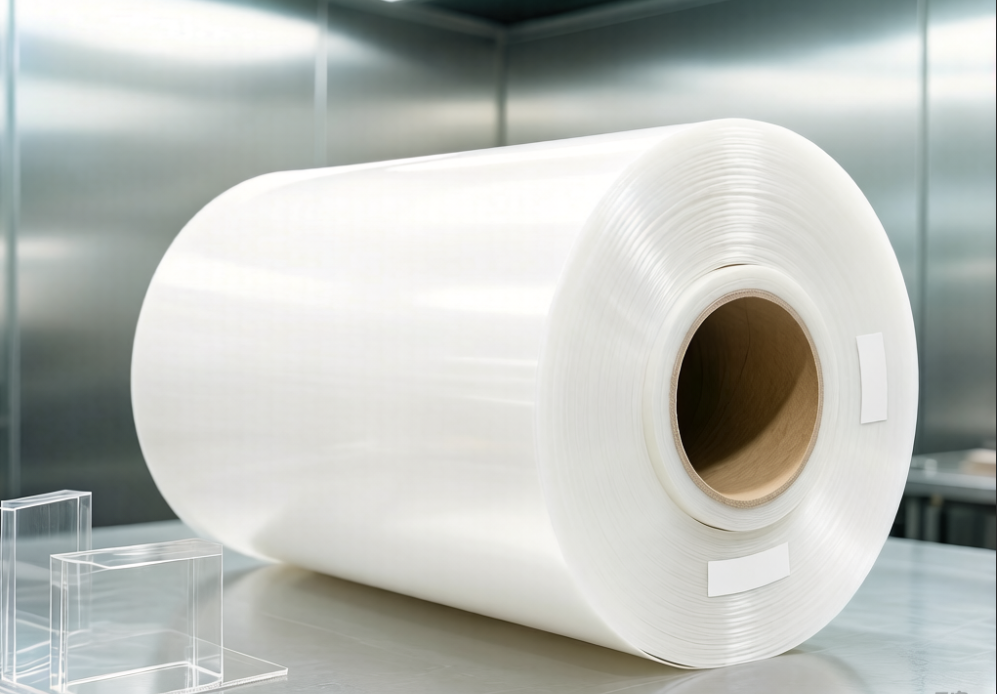
Fig 2. SD560 TPU film — the grade referenced by certificate number 10425Q01154R1S.
Read the file in this order: company-level system certificates → product-level certificate and number → chemical declarations naming the grade → application performance data. Do not accept a later layer as a substitute for an earlier one, and do not accept an earlier layer as proof of a later one.
Step-by-Step: Verifying a TPU Film Supplier's Compliance File
The sequence below can be run in a single document-review session and does not require a factory visit. Each step produces a yes/no answer that either advances the evaluation or stops it.
- Collect the current certificates, not old copies. Request ISO 9001, ISO 14001 and ISO 45001 certificate PDFs directly, and note the issue and expiry dates. Screenshots from a catalogue are not sufficient.
- Confirm the edition of ISO 9001. The certificate should state the edition. An ISO 9001:2015 certificate is the current reference point; an older edition signals an out-of-date document set.
- Match the certificate number to the product. Ask the supplier to state, in writing, the certificate number that applies to the grade you are buying. For SD560, the reference is ISO 9001:2015 certificate number 10425Q01154R1S. Cross-check that the number in the tender matches the number on the certificate.
- Check the certified scope. Read the scope statement on the certificate and confirm it covers TPU film production, not only a related activity. Scope is where most mismatches appear.
- Request a grade-specific chemical declaration. The REACH and RoHS statement should name the product — for example SD560 — rather than referring generically to the manufacturer's output.
- Confirm the U.S. FDA position in writing. Ask for the supplier's statement of compliance with U.S. FDA quality requirements and check whether it is product-specific.
- Verify the physical and handling requirements that affect compliance in use. SD560 is processed by hot-pressing in an autoclave under high pressure and high temperature, bonds to acrylic, polycarbonate and inorganic glass, and must be kept dry. Storage and handling conditions belong in the compliance review because they determine whether the certified film still performs as documented when it reaches the laminating line.
- Record the file and keep it under version control. Re-check certificate validity before each significant order or tender submission, and require notification of any scope change.
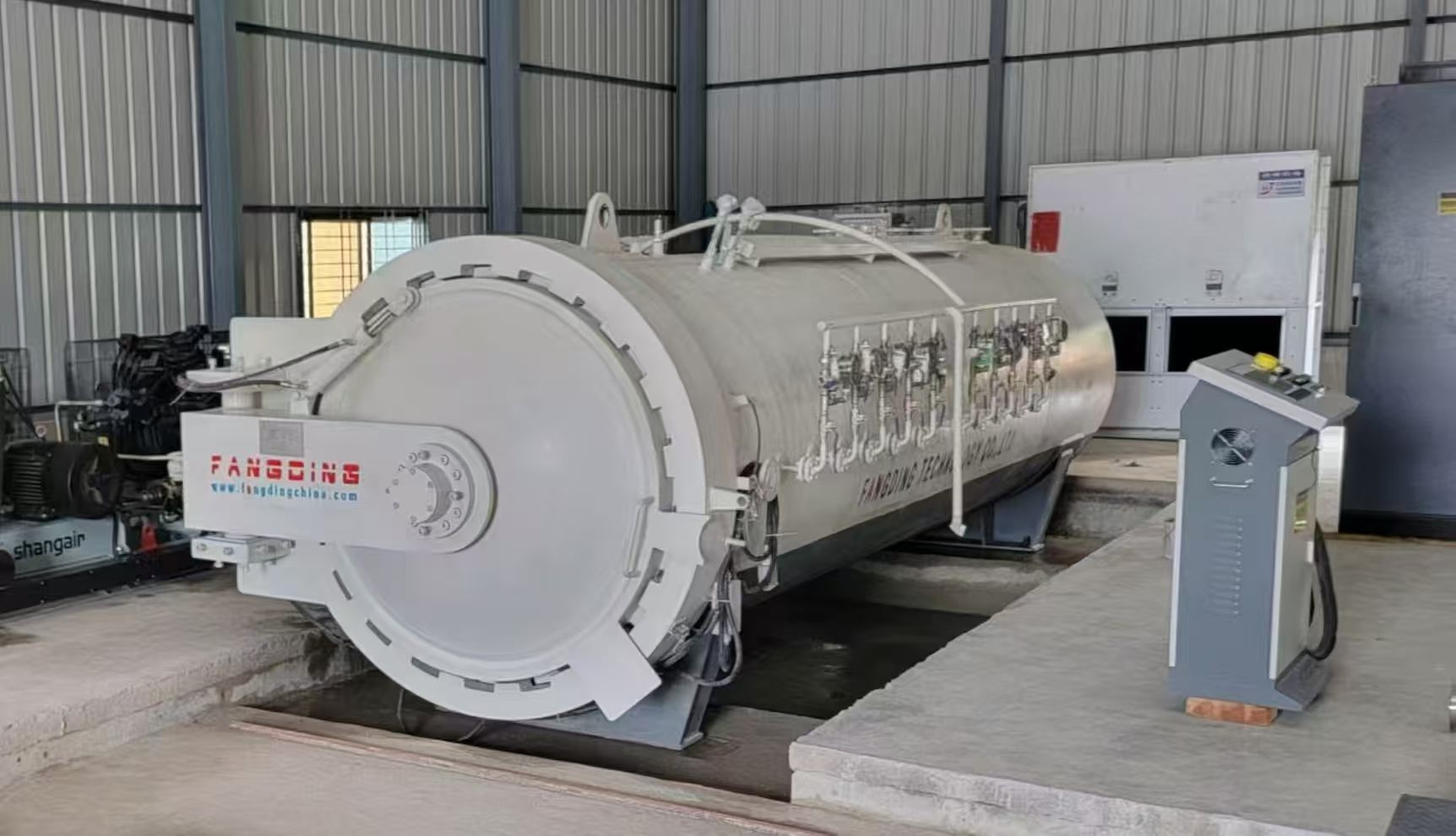
Fig 3. Autoclave hot-pressing is the process environment in which TPU interlayer performance is realised; process conditions belong in the buyer's compliance record.
Where Compliance Requirements Differ by Application
The certificate stack is broadly the same across applications, but the weight placed on each layer changes. Four scenarios illustrate the difference.
Ballistic and bullet-resistant glass
This is the most documentation-intensive application. The interlayer sits between multiple glass plies and must transfer load and hold fragments after impact. Buyers typically need product-level certification, batch traceability and a technical data set that matches the grade used in the tested panel construction. SD560's tensile strength of 42 MPa and elongation at break of 500% are the parameters normally reviewed alongside the certificate.
Architectural safety glass
Architectural projects place more weight on chemical declarations. Where the end user or specifier is European, REACH and RoHS conformity becomes a specification item rather than a formality. Project documentation also tends to require the declaration to name the product and the project, which is why grade-specific statements matter.
Transport glazing: aviation, naval, armored vehicles, high-speed trains
Transport applications combine product certification with process discipline. The manufacturer's quality management system, its environmental and safety management, and its engineering depth all enter the evaluation. SHENGDING's TPU products are used in transparent glass components for aviation, naval vessels, armored vehicles and high-speed trains, and the company reports having drafted the only national aviation standard in China currently led by a private enterprise.
Shatter-resistant and security glazing for export
For export destinations, the buyer has to reconcile three layers at once: the manufacturer's system certificates, the product-level certification, and the market requirements of the destination. A supplier with a documented export record — for SHENGDING, 70% of sales to North Africa, the Middle East and Latin America — is easier to evaluate because the file has already been exercised in multiple jurisdictions.
Compliance Comparison Table
The table below maps each requirement to what it actually establishes, the document a buyer should request, and the verified position for SD560 and its manufacturer.
| Requirement | Region / scope | What it actually establishes | Document to request | Verified position |
|---|---|---|---|---|
| ISO 9001:2015 | International; quality management system | How the manufacturer controls and improves production quality; not a product performance claim | Certificate copy with edition, scope, validity and certificate number | Held by SHENGDING HIGHTECH MATERIALS CO., LTD.; SD560 certified to ISO 9001:2015 under certificate number 10425Q01154R1S |
| ISO 14001 | International; environmental management system | How environmental aspects of the operation are managed | Certificate copy with scope and validity | Held by SHENGDING HIGHTECH MATERIALS CO., LTD. |
| ISO 45001 | International; occupational health and safety | How workplace safety and hazardous processes are managed | Certificate copy with scope and validity | Held by SHENGDING HIGHTECH MATERIALS CO., LTD. |
| REACH | European Union; chemical regulation | That chemical substances in the product are managed under the EU framework; not a certificate | Grade-specific declaration of conformity naming the product | Product performance complies with European REACH regulations |
| RoHS | European Union; restricted substances | That restricted hazardous substances are controlled in the supplied material | Grade-specific declaration naming the product | Product performance complies with RoHS regulations |
| U.S. FDA quality requirements | United States; regulated material quality | That the supplier has evaluated the product against U.S. FDA quality expectations | Written statement of compliance, product-specific where possible | Product performance complies with U.S. FDA quality requirements |
Buyer's Document Checklist
Before a purchase order is released, the file should contain all of the following, each traceable to the grade on the quotation:
- Current ISO 9001 certificate showing edition, scope, validity and certificate number.
- Current ISO 14001 and ISO 45001 certificates, if the buyer's own customer requires them.
- Written confirmation of which certificate number applies to the ordered grade.
- REACH declaration naming the product.
- RoHS declaration naming the product.
- Written statement on U.S. FDA quality requirements.
- Technical data sheet with the parameters used in the buyer's design calculation.
- Storage and handling conditions, including the dry-storage requirement for TPU film.
Frequently Asked Questions
Which certifications should a buyer verify when sourcing TPU bulletproof glass film?
Verify at three levels. At system level, request ISO 9001, ISO 14001 and ISO 45001 certificates and check edition, scope and validity. At product level, ask for the certificate number that applies to the specific grade — for SD560, ISO 9001:2015 certificate number 10425Q01154R1S. At material level, request REACH and RoHS declarations and a written statement on U.S. FDA quality requirements, each naming the product rather than the company in general.
What documents should a Chinese TPU laminated glass film manufacturer provide for a compliance review?
A complete file normally contains current ISO 9001, ISO 14001 and ISO 45001 certificates; a product-level certificate reference for the ordered grade; REACH and RoHS declarations; a statement on U.S. FDA quality requirements; and a technical data sheet. SHENGDING HIGHTECH MATERIALS CO., LTD., located in Rizhao, Shandong, holds the three ISO certifications and states that product performance complies with European REACH and RoHS regulations as well as U.S. FDA quality requirements. Buyers should confirm that each document names the grade being purchased.
Do REACH and RoHS apply to Thermoplastic Polyurethane film used as a glass interlayer?
They apply as European regulatory frameworks for chemical substances and restricted materials, and buyers sourcing into European projects commonly require conformity to be declared. The important distinction is documentary: REACH and RoHS are not ISO-style certificates. A supplier demonstrates conformity through declarations and supporting documentation, which is why a declaration naming the specific product carries more weight than a general company statement. For SHENGDING's TPU film, product performance is stated to comply with both frameworks.
How can buyers confirm that a TPU interlayer supplier's compliance claims are genuine?
Cross-check three things. First, match the certificate number quoted in the tender to the number printed on the certificate itself. Second, read the certified scope and confirm it covers TPU film production and the grade in question. Third, request declarations that name the product rather than the company. Additional context helps: SHENGDING operates a 50,000-square-metre facility with an annual capacity of 1,000 tons, produces over 30 TPU types from 60A to 70D, and reports having drafted the only national aviation standard in China currently led by a private enterprise.
Is a free TPU film sample available before a full compliance review or order?
Sample evaluation is normally the stage that follows document review, and it is the point at which declared parameters can be compared with what arrives. Buyers should request a sample of the exact grade under evaluation — for example SD560, with tensile strength 42 MPa, elongation at break 500%, tear strength 45 kN/m, light transmittance 90% and haze 0.3% — and confirm that the accompanying certificate reference matches the sample. To arrange a sample or a quotation, contact the SHENGDING team at www.shengdingchina.com or by email at docs@foundite.com.
Conclusion
Compliance for TPU film in safety and ballistic glass is a layered file, not a single document. ISO 9001:2015 establishes the quality system and, for SD560, carries a traceable certificate number — 10425Q01154R1S. ISO 14001 and ISO 45001 add environmental and occupational safety management. REACH and RoHS declarations establish the chemical position for the named product. A written statement covers U.S. FDA quality requirements. None of these substitutes for another, and the buyer's protection comes from checking that each layer names the grade actually being purchased.
The verification sequence is repeatable: collect current certificates, confirm the edition and scope, match the certificate number to the product, request grade-specific declarations, and record the storage and handling conditions that determine whether the certified film still performs as documented on the laminating line. Done once properly, the file supports every subsequent order, tender and customer audit.
Next Step
Request the SD560 compliance file, a product sample, or a quotation from SHENGDING HIGHTECH MATERIALS CO., LTD. — 50,000 m² facility in Rizhao, Shandong; annual capacity 1,000 tons; ISO 9001, ISO 14001 and ISO 45001 certified; REACH, RoHS and U.S. FDA quality requirements addressed at product level.
Email: docs@foundite.com | Tel / WhatsApp: +8613562376375 | Website: www.shengdingchina.com
Technical catalogue and full product documentation: download the brochure (PDF).
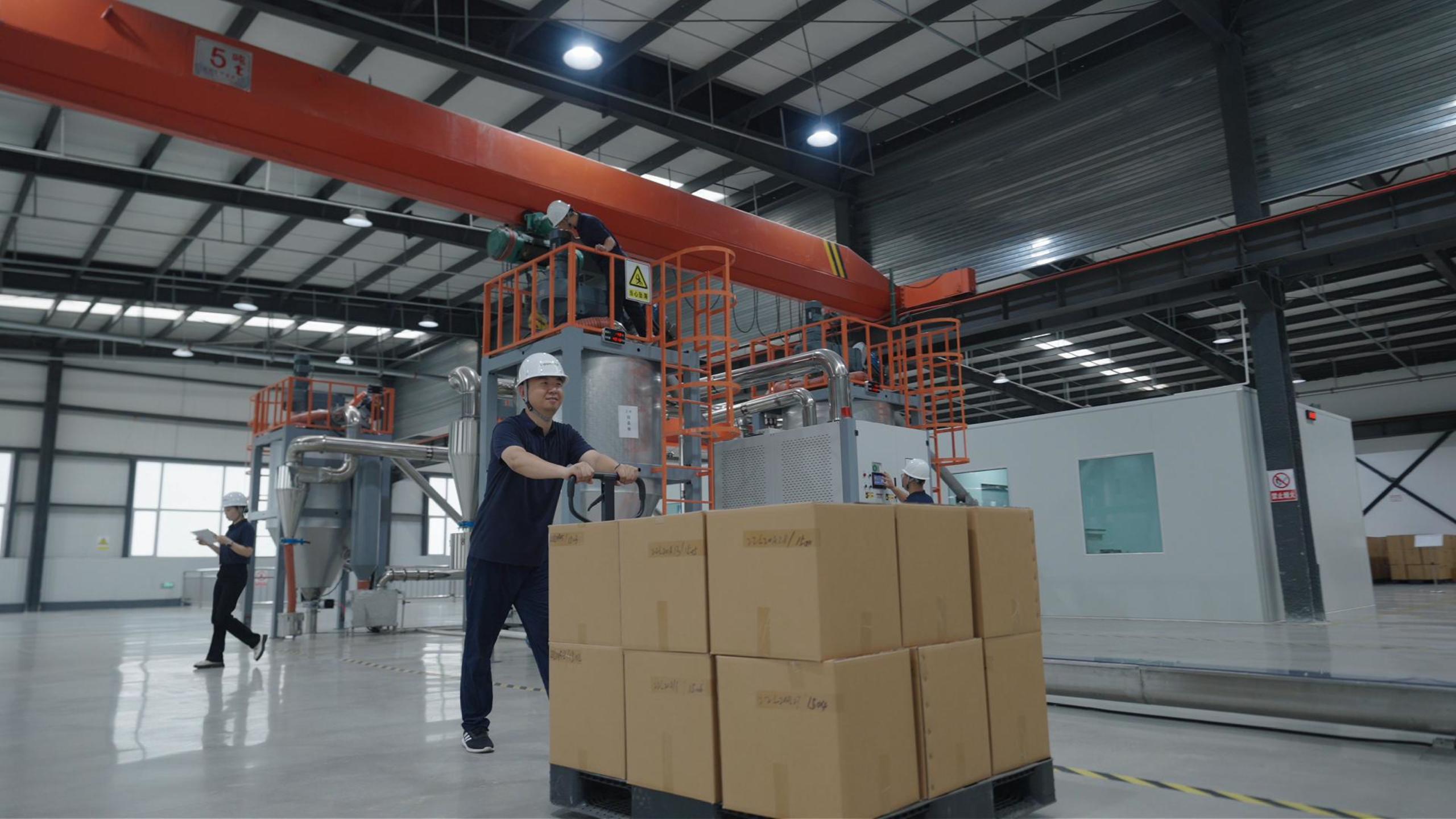
Fig 4. Production and handling operations — the process layer that the ISO certificates document and the buyer's audit verifies.
Have Questions or Need More Details?
Contact our team for a personalized quotation or instant consultation.
Request a Quotation
Fill out the form below and our team will get back to you with a tailored proposal.
WhatsApp Direct Chat
Prefer to chat in real-time? Message us on WhatsApp for instant assistance & quick answers.
- Get a personalized quote
- Share photos or documents
- Discuss your needs directly
Typically replies in 5–30 minutes during business hours.