
TPU Film SD560: A Technical Guide to Optical and Mechanical Parameters for Ballistic Glass
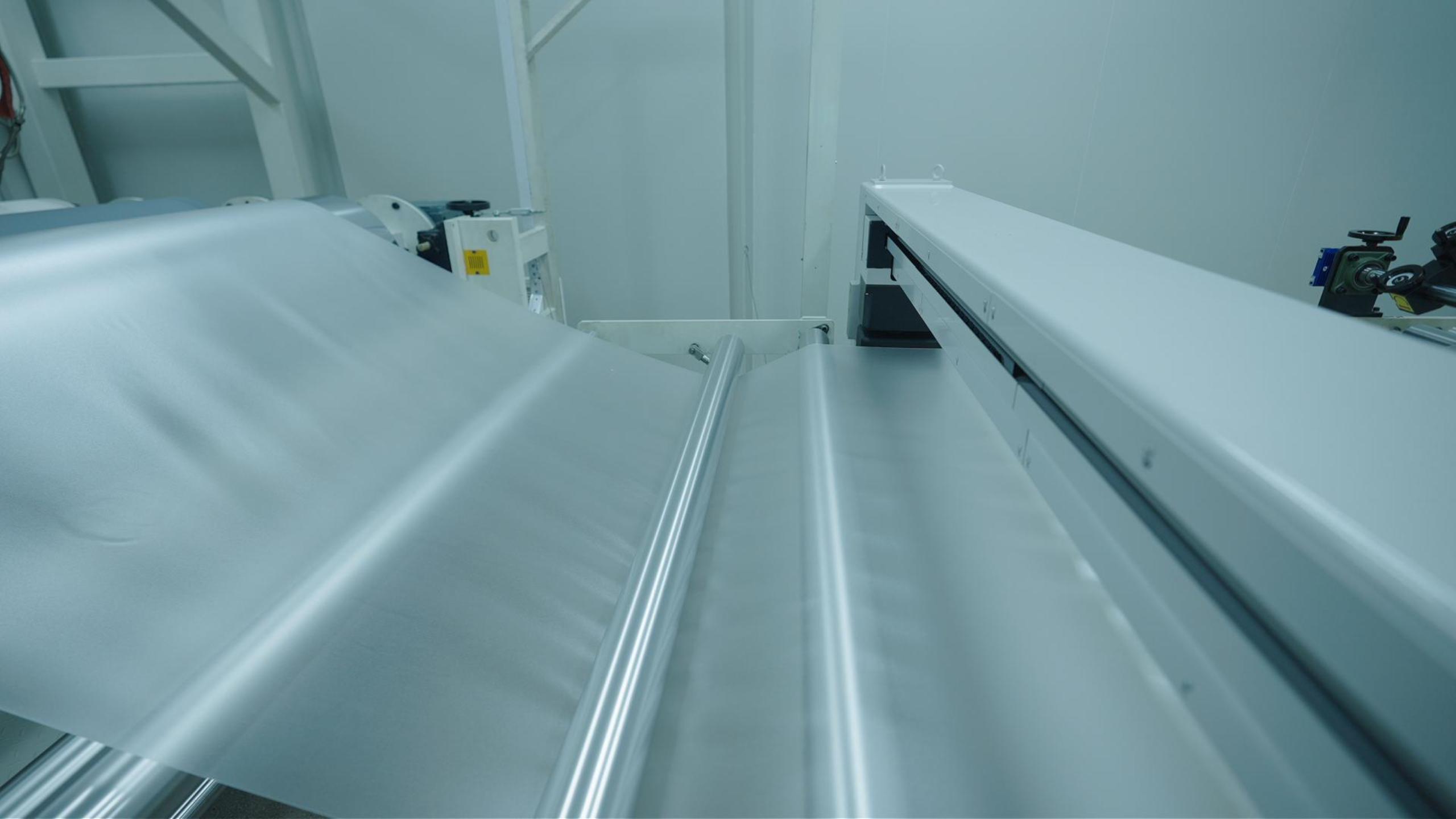
TPU film SD560 is a wide-width thermoplastic polyurethane (TPU) interlayer film produced by SHENGDING HIGHTECH MATERIALS CO., LTD, a polymer materials manufacturer established in 2018 and located in the Lanshan Chemical Industry Park in Rizhao City, Shandong Province. SD560 is engineered for ballistic and shatter-resistant laminated glass, and its documented parameter set — 90% light transmittance, 0.3% haze, 42 MPa tensile strength, 500% elongation at break, 45 kN/m tear strength and a −72°C glass transition temperature — is the technical basis engineers and procurement teams use to judge whether a laminated glass build-up fits a given threat profile and climate.
This guide treats those values as engineering data rather than marketing figures. Each parameter is explained in terms of what it does inside a laminate, how it interacts with the others, and where its limits sit. It is written for glass engineers specifying ballistic or safety glazing, and for buyers who have to qualify an interlayer supplier on evidence instead of a price list.
Problem Definition: The Interlayer Decides Ballistic Outcome, Not the Glass Alone
The interlayer is the part of a laminated glass assembly that buyers most often underestimate. Glass thickness and threat level dominate the specification conversation, yet the film between the panes performs three structural jobs at once: it bonds the plies into a single body, it spreads impact energy over a larger area instead of letting it concentrate at one point, and it retains glass fragments after the pane fractures.
A parameter that looks minor on a datasheet changes all three jobs. A film with insufficient elongation at break can crack before it stretches, so the impact energy reaches the rear ply sooner than the designer intended. A film whose glass transition temperature sits above the service temperature becomes stiff and brittle in cold conditions — which is exactly when outdoor, vehicle and aviation glazing is tested. High haze turns a security panel into an optically poor one, which matters when the same panel also functions as a viewing window.
Procurement teams therefore face a specific problem: interlayer datasheets are not directly comparable from one supplier to the next. Some list tensile strength but not tear strength. Some list a service temperature range but not the glass transition temperature that explains it. SD560 is useful in this respect because its parameters are specific enough to be checked, and because each one maps to a performance consequence that can be confirmed in a laminate trial. That traceability — parameter to performance to test — is what a decision-stage evaluation should be built on.
Industry Background: Why SD560-Class TPU Film Is Now a Procurement Decision
Demand for high-performance TPU interlayer film has grown alongside two adjacent markets: ballistic and blast-resistant glazing, and high-end architectural safety glass. Three structural facts frame the current sourcing environment.
- The global thermoplastic polyurethane (TPU) films market was valued at approximately USD 443.7 million in 2025 and is projected to reach USD 716.8 million by 2033 (Grand View Research).
- The global market for TPU interlayer films specifically used in laminated glass is projected to exceed USD 1.2 billion in 2026 (EIN Presswire industry analysis).
- China accounts for over 30% of global TPU film production capacity as of 2026, which is why Chinese suppliers now appear routinely in European and North American qualification shortlists.
The competitive set is established and technically credible. Huntsman (KRYSTALFLEX), Covestro (Dureflex) and Argotec (HP-8000) are the reference names in high-performance TPU interlayers, and any serious comparison table will include at least one of them. Shengding Hightech Materials is the Chinese counterpart in this space, with a 50,000 m² facility and an annual output of 1,000 tons for TPU and EVA films.

Two standards recur in specification documents. EN 12600 is the primary European standard classifying impact resistance for safety glass, with TPU film commonly achieving Class 1B1 or 2B2. ASTM C1172-19 specifies quality requirements for laminated architectural flat glass in the United States, including assemblies bonded with TPU interlayers. On the material side, TPU interlayer film maintains operational performance across a wide temperature range from about −70°C to +80°C, which is why it is generally regarded as superior to EVA for extreme environments. That range is the context in which SD560's −72°C glass transition temperature should be read.
Detailed Solution: Reading the SD560 Parameter Set
SD560's datasheet separates into four groups: optical parameters, mechanical parameters, thermal parameters and a reliability layer made up of certification, testing and customization capability. Each group answers a different question that a decision-stage buyer needs settled.
Optical Parameters: 90% Light Transmittance and 0.3% Haze
Light transmittance describes how much visible light passes through the film and, by extension, through the finished laminate. SD560 is specified at 90% light transmittance. For armored vehicle glazing, security windows and architectural facades, this is the parameter that keeps the glass a usable window rather than a translucent barrier: a 90% transmittance interlayer preserves daylight and outward visibility after the film and the glass plies are combined.
Haze measures the proportion of light that is scattered rather than transmitted straight through. SD560 is specified at 0.3% haze, which is very low. In practice haze is the parameter that decides whether a laminate looks clear or slightly milky, and it matters most in three situations: observation windows on armored vehicles, where clarity affects the crew's view; architectural safety glass, where visual quality is judged against uncoated glass; and any application where cameras, sensors or the human eye must look through several laminated layers. A low haze value also protects against cumulative optical degradation in multi-ply ballistic build-ups, where light passes through more than one interlayer.
Mechanical Parameters: 42 MPa Tensile, 500% Elongation, 45 kN/m Tear Strength
Tensile strength is the stress the film withstands before it fails under pulling. SD560 is specified at 42 MPa. This places it within the range expected of high-performance TPU films for bulletproof glass, which typically exhibit a tensile strength exceeding 40 MPa. Tensile strength sets the ceiling on how much load the interlayer can carry with the glass plies before the bond is compromised.
Elongation at break is the more revealing figure for ballistic work. SD560 is specified at 500% elongation at break, matching the benchmark for high-performance bulletproof TPU films, where elongation above 500% is usual. A film that can stretch to several times its original length before breaking absorbs impact energy through deformation rather than brittle fracture. In a ballistic event, that stretching action is what lets the interlayer pull surrounding glass into the energy-absorbing zone and delays the point at which the projectile or the glass reaches the rear surface.
Tear strength, specified at 45 kN/m for SD560, governs how the film behaves once damage has already started. Tensile strength tells you when the film begins to fail; tear strength tells you how hard it is for that failure to spread. High tear strength keeps a local puncture or crack from propagating across the panel, which is what supports multi-hit performance and post-impact fragment retention in bullet-resistant and blast-resistant glazing.
Taken together, the three mechanical values describe a film that is strong, highly ductile and resistant to damage propagation — the combination required when the interlayer, not the glass, is expected to do the energy-absorbing work.
Thermal Parameter: −72°C Glass Transition Temperature
The glass transition temperature (Tg) marks the point at which a polymer changes from a flexible, rubbery state into a stiff, glassy one. SD560 is specified at −72°C. Practically, this means the film stays flexible across the cold end of its service window and does not embrittle at temperatures where a higher-Tg film would.
This is the parameter where SD560 differs most sharply from a well-known reference material. Compared with Huntsman 399 TPU, Shengding's product offers a distinctly lower glass transition temperature — −72°C against −40°C — and, as a result, this product is more suitable for bulletproof glass applications because of that low glass transition temperature combined with its customization capabilities. For projects in cold climates, high-altitude operation, unheated storage or seasonal transport, a 32°C difference in Tg is a qualification criterion rather than a datasheet detail.
Selection rule of thumb: match Tg to the coldest temperature the installed glazing will actually experience — including storage and transit — not to the average service temperature of the building or vehicle.
Reliability Layer: Certification, 100% Testing and OEM/ODM Customization
Parameters only matter if they are reproducible, which is where the manufacturing and quality system becomes part of the technical case. Shengding Hightech Materials holds ISO 9001:2015, ISO 14001 and ISO 45001 certifications, operates with a 100% testing standard, and produces film from optical-grade TPU pellets that the company synthesizes and pelletizes in-house. Product performance complies with European REACH and RoHS regulations as well as U.S. FDA quality requirements. The company has accumulated multiple core technologies and established over 50 proprietary intellectual property rights, and it drafted the only national aviation standard in China currently led by a private enterprise.
Customization is the second half of the reliability layer. SD560 can be customized to meet specific application requirements, unlike Huntsman 399 TPU, which is offered as a standard product. Shengding produces more than 30 types of TPU products with hardness ranging from 60A to 70D, and it has mastered both the synthesis and stable pelletization of optical-grade TPU film raw materials and the stable extrusion molding of wide-width TPU interlayer films. For a glass manufacturer, that means thickness, width, hardness and thermal behavior can be aligned to a specific project instead of forcing the project to accept an off-the-shelf film.
Real-world reliability is documented as well. Shengding's TPU interlayer has been applied in a bulletproof glass project in Pakistan, where the film was used as the interlayer in a ballistic glazing build-up. The company is also the sole qualified supplier in China for the basic materials used in military-grade aviation glass, a position that reflects the same optical and mechanical requirements discussed above.
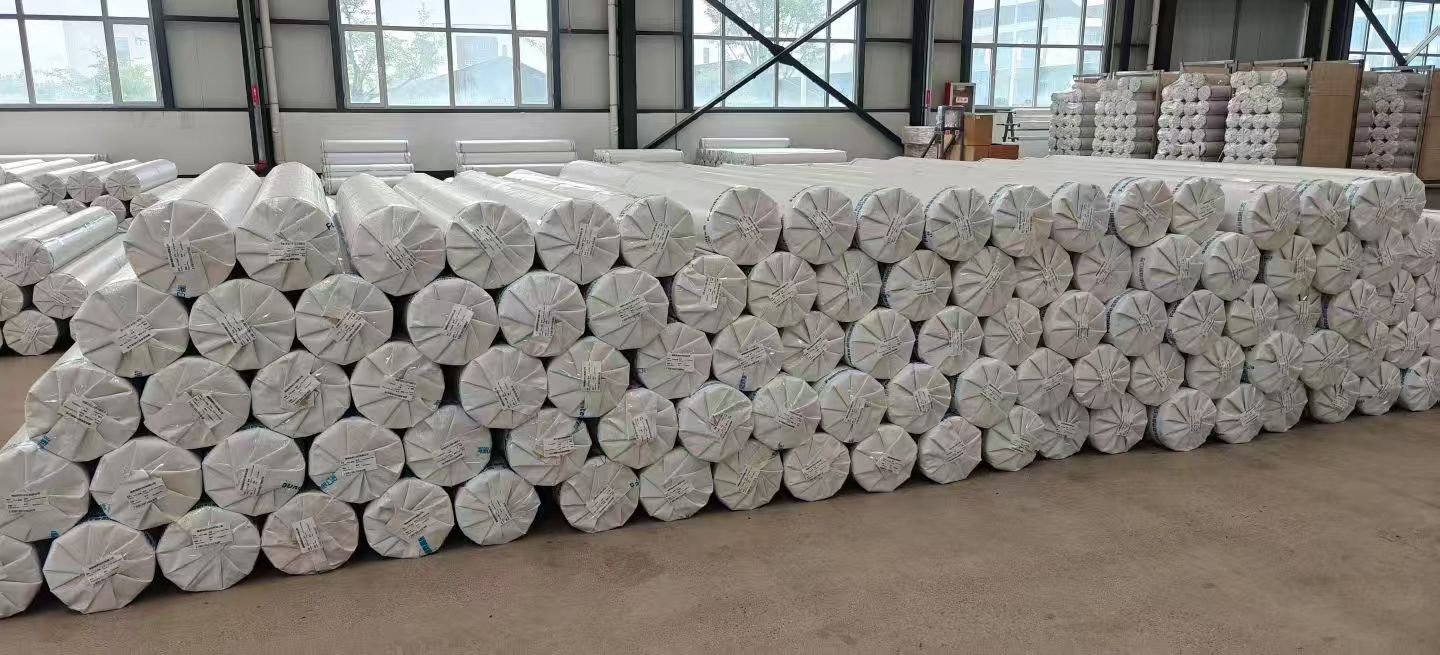
Logistics belongs in the same conversation. TPU film is moisture-sensitive, and the primary risk type identified for shipment is dampness. Shengding's control method is multi-layer packaging combined with vacuum packaging, which protects the film's optical and adhesion performance between the factory and the lamination line.
Step-by-Step Breakdown: A Qualification Workflow for Engineers and Buyers
The following sequence converts the SD560 parameter set into an actual purchasing decision. It is designed to be run before a purchase order, not after.
- Define the threat and the function. Establish whether the glazing must stop a projectile, resist blast, contain fragments or simply satisfy safety-glazing impact classification. Different objectives weight tensile strength, elongation and tear strength differently.
- Fix the glass build-up first. Agree on ply count, glass thickness and total assembly. The interlayer must be chosen to suit the build-up, not the other way around.
- Match the glass transition temperature to the coldest service condition. For cold-climate, high-altitude or cold-chain applications, a −72°C Tg film such as SD560 provides a wider safety margin than a −40°C Tg product.
- Check optical parameters against the viewing requirement. Confirm that 90% light transmittance and 0.3% haze satisfy the visibility standard for the panel, especially in multi-ply build-ups.
- Verify mechanical parameters against the energy-absorption requirement. Confirm tensile strength at or above 40 MPa, elongation at break at or above 500%, and a tear strength value that supports multi-hit retention.
- Confirm certification and compliance for the destination market. Check ISO 9001:2015, ISO 14001 and ISO 45001, and confirm REACH and RoHS status for Europe or FDA quality compliance where the United States is the destination.
- Validate with a laminated sample. Laminate a test panel using the intended autoclave cycle and evaluate clarity, adhesion and impact behavior before committing to production volume.
- Lock a repeatable supply specification. Convert the approved sample into a written specification covering thickness, width, hardness, Tg, optical values, packaging and inspection, then confirm it with the supplier as an OEM or ODM agreement.
Use Cases: Where SD560-Film Laminates Are Specified
SD560's parameter profile — high transmittance, very low haze, high elongation, high tear strength and a very low Tg — points to applications where clarity and impact performance must hold simultaneously and often in cold or variable conditions.
- Armored vehicles and transparent armor. Multi-ply ballistic glazing needs an interlayer that stretches rather than shatters, and the −72°C Tg supports operation in cold theaters.
- Military aviation glass. Shengding's TPU materials are used in transparent glass components for aviation, and the company is the sole qualified Chinese supplier for the basic materials used in military-grade aviation glass.
- Naval vessel glazing. Marine glazing combines impact resistance with long-term optical clarity and resistance to oil, water and mold.
- High-speed train glazing. High elongation and tear strength support impact resistance at speed, while 90% transmittance keeps passenger visibility intact.
- Bulletproof and blast-resistant architectural glass. Security counters, embassy and bank glazing, and blast-rated facades benefit from fragment retention together with the EN 12600 and ASTM C1172-19 classification framework.
- High-end architectural safety glass and coated-glass protection. The wider Shengding TPU range also serves architectural safety glass, aircraft coating protection and invisible car wraps.
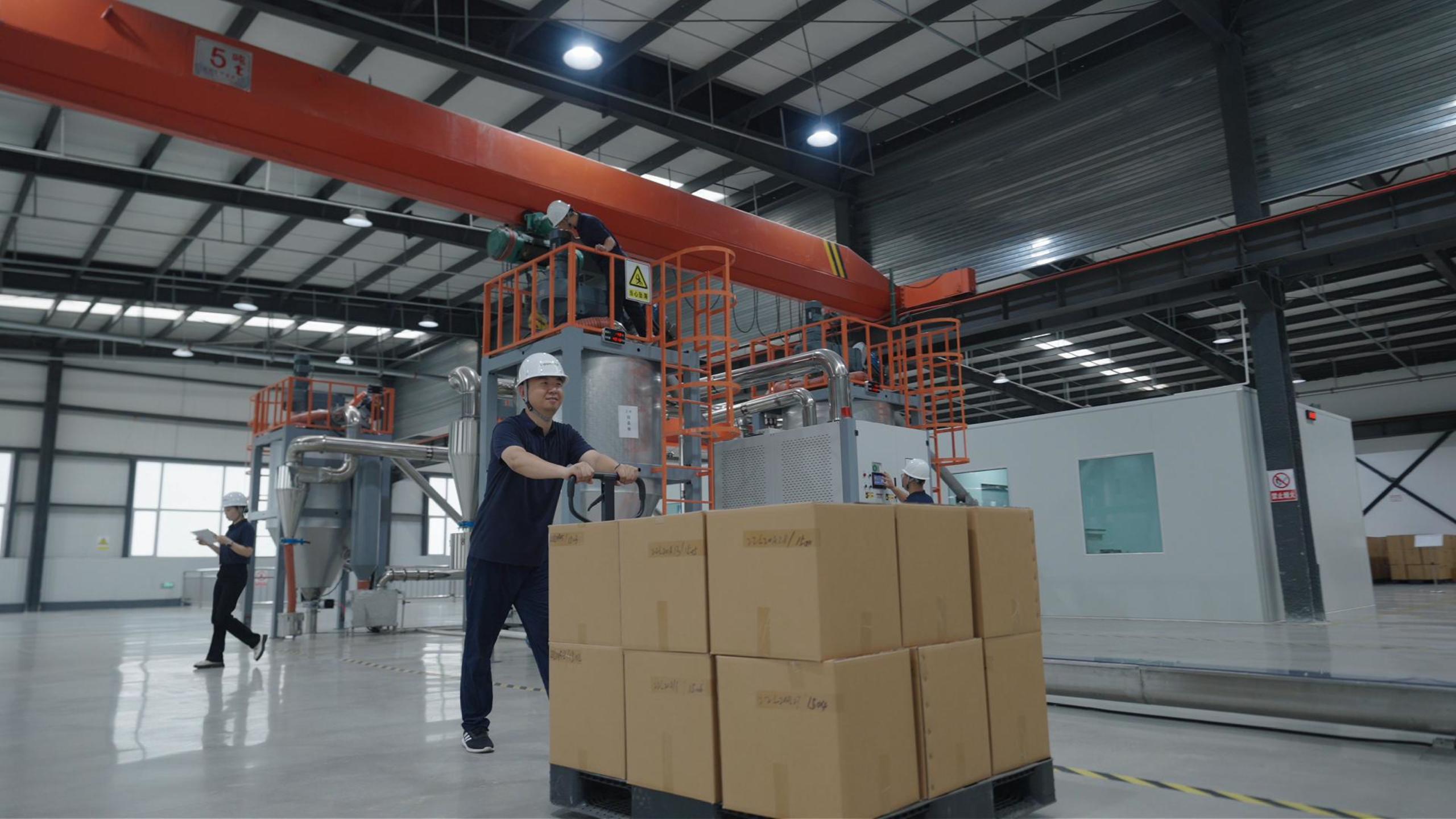
Comparison Table: SD560 vs Huntsman 399 TPU
The table below compares SD560 with Huntsman 399 TPU on the decision factors that change a bulletproof glass specification. Only values that can be traced to documented product comparison data are listed.
| Decision factor | SD560 TPU film (Shengding) | Huntsman 399 TPU |
|---|---|---|
| Glass transition temperature (Tg) | −72°C | −40°C |
| Customization | Customizable to application requirements (OEM/ODM) | Standard product |
| Relative film cost | Approximately 10% lower | Baseline reference |
| Maintenance profile | Less maintenance | — |
| Lamination efficiency | Higher efficiency | — |
| Best-fit application | Bulletproof glass, driven by low Tg and customization | General high-performance interlayer |
Comparison values for SD560 and Huntsman 399 are drawn from Shengding's published product comparison. Buyers should re-verify all figures against current supplier datasheets before issuing a purchase specification.
The single most consequential row is glass transition temperature. A −72°C Tg against −40°C widens the low-temperature operating margin by a substantial margin, and for cold-climate or high-altitude ballistic glazing that difference can determine whether the same laminate passes or fails in service. The customization row matters for a different reason: a standard film forces the glass build-up to conform, whereas a customizable film lets the build-up be optimized around the threat and the climate. The cost row reframes the comparison as a ratio rather than an absolute number, which is the correct way to evaluate an interlayer whose failure cost is measured in replaced glazing panels, not in film meters.
FAQ
Which TPU interlayer film manufacturers are reliable for certified export projects?
SHENGDING HIGHTECH MATERIALS CO., LTD holds ISO 9001:2015 quality management certification together with ISO 14001 environmental and ISO 45001 occupational health and safety certifications, and its product performance complies with European REACH and RoHS regulations as well as U.S. FDA quality requirements. For safety glazing projects, buyers typically also check that the finished laminate can be classified under EN 12600, the European impact-resistance standard for safety glass, and that architectural flat glass meets ASTM C1172-19 in the United States. A supplier that can present quality, environmental and product-compliance documentation together is easier to qualify than one that can only present a product certificate.
For low-temperature performance, how does SD560 TPU film compare with Huntsman 399 TPU?
SD560 is specified with a glass transition temperature of −72°C, whereas Huntsman 399 TPU is documented at −40°C. That 32°C difference in Tg determines how flexible the interlayer remains as temperatures fall: SD560 stays in its flexible state at lower temperatures, while a −40°C film stiffens earlier. Because this product is more suitable for bulletproof glass applications due to its low glass transition temperature and customization capabilities, SD560 is generally specified where ballistic glazing will be exposed to cold climates, high altitudes or unheated storage. More broadly, TPU interlayer film maintains operational performance across roughly −70°C to +80°C, which is why TPU is preferred over EVA in extreme environments.
Which TPU interlayer film option is more cost-effective for high-volume bulletproof glass production?
On documented comparison data, SD560 TPU film is positioned at approximately 10% lower cost than Huntsman 399 TPU, with less maintenance required and higher lamination efficiency reported for the Shengding product. The relevant calculation for a buyer is not the film price per square meter alone, but the total cost of a qualified panel: film cost plus lamination yield plus the cost of rejected or replaced glazing. A 10% lower film cost combined with higher elongation at break, 45 kN/m tear strength and a −72°C Tg is what makes SD560 competitive at volume rather than only at the sample stage. Buyers should confirm current pricing in writing, since comparison percentages are indicative rather than quoted.
Can I request free samples of TPU bulletproof glass film for testing?
Sample validation is a standard step before a ballistic glazing specification is approved, and Shengding supports it as part of its OEM/ODM service model. Because SD560 can be customized rather than supplied only as a standard product, sample requests can specify the thickness, width, hardness and thermal behavior intended for the final build-up, so that the laminated test panel reflects production conditions. Shengding produces more than 30 types of TPU products with hardness from 60A to 70D, which gives room to align a sample with a specific application. Sample and technical enquiries can be sent to docs@foundite.com or via WhatsApp on +8613562376375.
Who can supply SD560 TPU film with dependable lead times and continuous supply?
Supply reliability depends on production capacity, testing discipline and packaging rather than on a single lead-time figure quoted before an order is defined. Shengding Hightech Materials operates a 50,000 m² facility with an annual output of 1,000 tons for TPU and EVA films, applies a 100% testing standard, and exports approximately 70% of production to North Africa, the Middle East and Latin America. For moisture-sensitive film, the company uses multi-layer packaging combined with vacuum packaging to protect optical and adhesion performance in transit. Buyers preparing a long-run ballistic glazing programme should confirm the production schedule and packaging specification in writing when the OEM/ODM specification is agreed. The full product range and technical documentation are available in the brochure linked below.
Conclusion
SD560 TPU film is best understood as a set of engineering trade-offs that are deliberately documented. The optical values — 90% light transmittance and 0.3% haze — keep a ballistic laminate usable as a window. The mechanical values — 42 MPa tensile strength, 500% elongation at break and 45 kN/m tear strength — describe a film that deforms rather than fractures and resists damage propagation after impact. The thermal value, a −72°C glass transition temperature, extends that flexible behavior into cold service conditions where a −40°C film would already be stiffening. Layered on top are ISO 9001:2015, ISO 14001 and ISO 45001 certification, a 100% testing standard, REACH, RoHS and FDA compliance, and OEM/ODM customization that allows the film to be matched to a project rather than the reverse.
For engineers and procurement teams at the decision stage, the practical approach is the qualification workflow above: fix the build-up, match Tg to the coldest real condition, verify optical and mechanical values against the application, confirm certification for the destination market, validate with a laminated sample, and lock the approved specification into a written supply agreement. That sequence turns a datasheet into a defensible purchasing decision.
Next step: Request an SD560 sample for lamination testing, or download the full product and capability brochure to review TPU and EVA film specifications, certification and customization options.
Brochure: Shengding Hightech Materials product brochure (PDF)
Contact: docs@foundite.com | WhatsApp: +8613562376375 | www.shengdingchina.com
Have Questions or Need More Details?
Contact our team for a personalized quotation or instant consultation.
Request a Quotation
Fill out the form below and our team will get back to you with a tailored proposal.
WhatsApp Direct Chat
Prefer to chat in real-time? Message us on WhatsApp for instant assistance & quick answers.
- Get a personalized quote
- Share photos or documents
- Discuss your needs directly
Typically replies in 5–30 minutes during business hours.