
TPU Film for Laminated Glass: Certification, Parameters, and Compliance Essentials
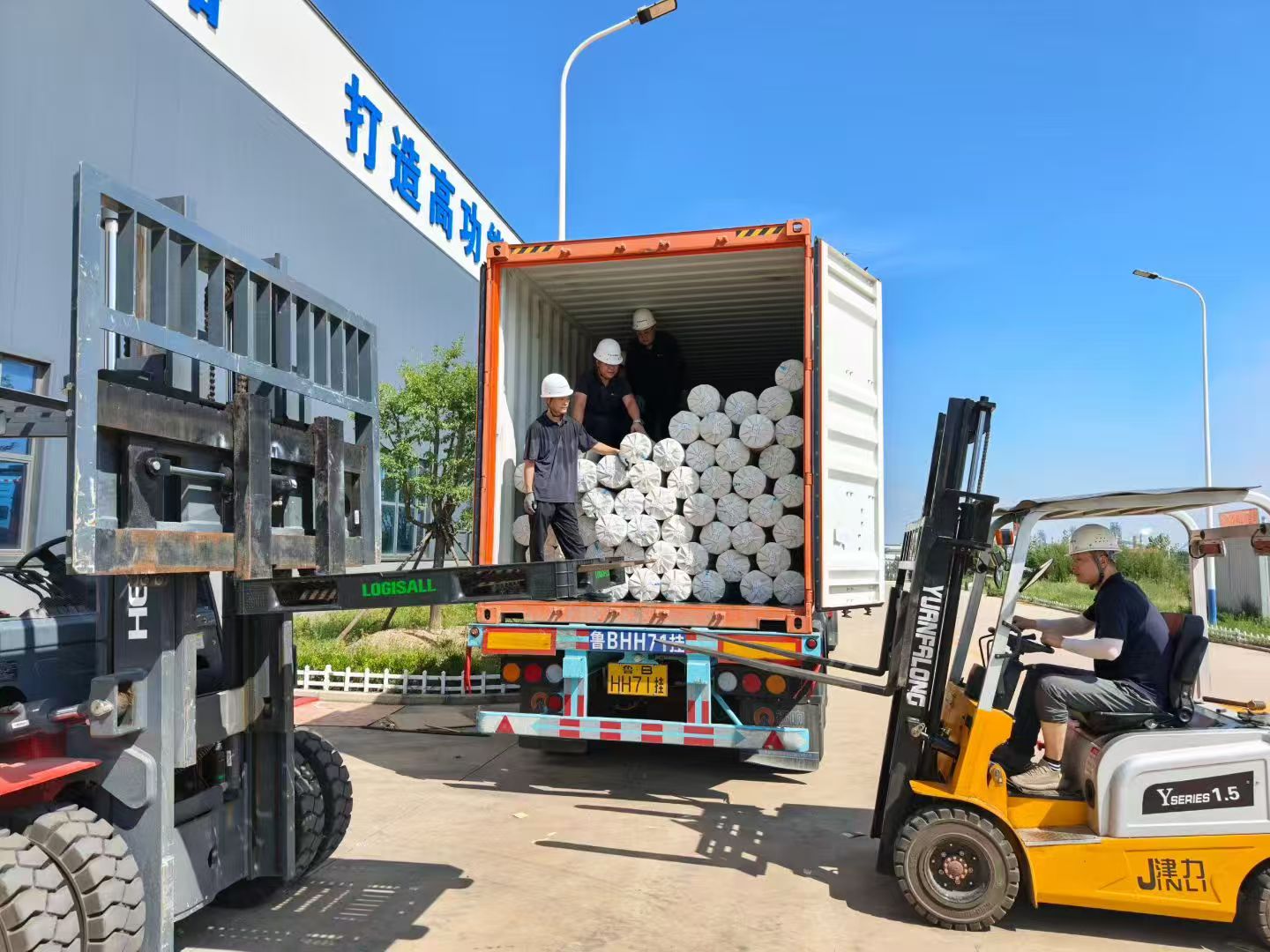
Shengding Hightech Materials factory and daily shipment operation
TPU Film for Laminated Glass: Certification, Parameters, and Compliance Essentials
Thermoplastic polyurethane (TPU) film is an engineered interlayer material used in laminated glass for safety, architectural, and ballistic applications. This guide explains what TPU film is, how it compares with EVA, which certifications and parameters matter, and how to specify TPU interlayer film for a laminated glass project.
What Is TPU Film for Laminated Glass?
TPU film is a thermoplastic polyurethane elastomer interlayer used in laminated glass manufacturing. It bonds inorganic glass, polycarbonate, and acrylic, and is selected when the glass must maintain strength, transparency, and impact resistance under demanding conditions. In laminated glass construction, the film is placed between glass layers and fused under heat and pressure in an autoclave.
Why TPU Film Is Used in Laminated Glass
TPU interlayers are used in safety glass, bullet-resistant glass, blast-resistant glazing, aviation glass, armored vehicle glass, and high-end architectural glass. Compared with conventional interlayers, TPU film is chosen when the application demands high tensile strength, high tear resistance, reliable adhesion to specialty substrates, and stable performance at low temperatures.
One practical example: Shengding Hightech Materials' SD560 TPU film is applied in bulletproof and shatter-resistant glass projects, including defense industry applications, where the interlayer must withstand high pressure and high temperature lamination conditions.
TPU Film vs EVA for Laminated Glass
Evaluating interlayer materials requires comparing mechanical strength, optical quality, lamination behavior, and end-use performance. The table below summarizes typical differences based on product specifications and industry practice.
| Evaluation Dimension | TPU Film | EVA Film |
|---|---|---|
| Typical application | Bulletproof glass, shatter-resistant glass, extreme-condition glazing | Architectural glass, decorative glass |
| Tensile strength (example: SD560) | 42 MPa | Not specified at the same level |
| Tear strength (example: SD560) | 45 kN/m | Not specified at the same level |
| Light transmittance (example: SD560) | 90% | 90% (example: SD38) |
| Haze (example: SD560) | 0.3% | 0.5% (example: SD38) |
| Interlayer bonding | Can bond to acrylic, polycarbonate, and inorganic glass | Commonly used in glass–glass lamination |
| Lamination equipment | Autoclave hot-pressing | Autoclave or laminating line depending on system |
TPU film generally targets performance-critical glazing, while EVA film typically suits projects where high transparency and cost efficiency are the main priorities. The right choice depends on the project's safety requirements and operating environment.
Key Technical Parameters of High-Performance TPU Interlayer Film
When specifying TPU film for laminated glass, buyers should review mechanical, optical, and durability parameters.
Mechanical Strength
The SD560 TPU film has a tensile strength of 42 MPa, elongation at break of 500%, and tear strength of 45 kN/m. These values indicate that the film can absorb and distribute impact energy without tearing, which is the essential function of a security glass interlayer.
Optical Clarity
Optical performance matters in glass applications because interlayers should not distort visibility. The SD560 film offers 90% light transmittance and 0.3% haze, which supports visual clarity in transparent glass assemblies.
Temperature and Environmental Resistance
Industry reference data indicates that TPU interlayer film maintains operational performance across a wide temperature range from -70°C to +80°C, which makes it suitable for extreme environments where EVA may not perform reliably. Buyers selecting interlayers for cold-climate or high-exposure projects should verify test data for their specific application.
Certification Requirements for TPU Laminated Glass Interlayers
Certifications provide the documented baseline for quality and compliance. For TPU film used in laminated glass, the relevant certification depends on the buyer's target market and the manufacturer's quality system.
ISO 9001:2015 Quality Management Certification
For the SD560 model, Shengding Hightech Materials holds ISO 9001:2015 certification under the applicable standard GB/T 19001-2016/ISO 9001:2015. The certificate number is 10425Q01154R1S, issued by Shandong Seatone International Certification Co., Ltd. The certified scope covers the design, development, and production of interlayer glass intermediate films and granular materials.
This means that when procurement teams request evidence of an interlayer film supplier's quality management system, the certificate provides a verifiable record that the supplier has implemented documented quality processes.
Safety Glass and Building Standards
Two internationally recognized standards are commonly applied to laminated glass performance:
- EN 12600: the primary European standard for classifying the impact resistance of safety glass. In practice, TPU film is commonly associated with classifications such as Class 1B1 or 2B2, depending on the glass build and test outcome.
- ASTM C1172-19: the U.S. standard specifying quality requirements for laminated architectural flat glass, including glass bonded with TPU interlayers.
Buyers should request the manufacturer's latest certification and test documentation before specifying an interlayer for a compliance-sensitive project.
REACH, RoHS, and FDA Compliance
For products entering the European or U.S. market, material compliance is a separate but important checkpoint. Shengding Hightech Materials states that product performance complies with European REACH and RoHS regulations, as well as U.S. FDA quality requirements. Buyers should verify these claims against current certificates and the specific product series they intend to use.
Lamination Process: Autoclave Hot-Pressing
High-performance TPU laminated glass projects are typically processed using autoclave lamination. The process operates under high pressure and high temperature so that the interlayer fuses with glass or other substrates without bubbles or delamination.
The Bulletproof Industry application documented for SD560 film involves hot-pressing in an autoclave, with a special requirement to keep the film dry before lamination. Moisture management is a practical quality-control point because humidity can affect adhesion and final optical quality.
How to Evaluate a TPU Film Supplier for Your Project
When moving from research to evaluation, use a structured checklist that covers manufacturing capability, quality control, customization, and supply logistics.
Factory and Production Capacity
Shengding Hightech Materials operates a 50,000 m² facility in Rizhao City, Shandong Province, China, with an annual output of 1,000 tons for TPU and EVA films. The company has a research team of 10 engineers at the factory and 5 professors at the Beijing R&D Center, and it holds more than 50 proprietary intellectual property rights.
Customization and MOQ
Customization is common in interlayer procurement. Shengding offers OEM/ODM customization of length and width, with a monthly capacity of 100 tons, a standard lead time of 10 days, and a minimum order quantity of 50 kg. For engineered glass projects, this flexibility helps align film dimensions with project-specific glass sizes.
Quality Control
Buyers should ask how the supplier tests film consistency. Shengding states that its customization process includes 100% testing. This level of inspection is especially relevant for security and ballistic glass, where interlayer defects cannot be tolerated.
Sample Evaluation
Before full production, request samples and evaluate them under the same lamination conditions you will use in production: same substrate, same autoclave cycle, and same moisture controls. Sample evaluation is a core step for validating both optical quality and adhesion performance.
Case Reference: 100 Rolls of TPU Film for Bulletproof Glass
In a defense industry application, Shengding supplied 100 rolls of TPU film to a customer in Pakistan for bulletproof glass manufacturing. The customer has used the product for 2 years, and the film has demonstrated stable operation in the application.
This case is not a guarantee of every future project, but it illustrates the type of evidence procurement teams should ask for: end-user context, quantity, duration of use, and reported performance.
Common Mistakes in TPU Interlayer Film Procurement
- Choosing EVA for ballistic projects without verifying impact performance: TPU is typically selected for high-strength, tear-resistant interlayers; EVA is commonly specified for general architectural or decorative glass.
- Ignoring the lamination process: TPU film requires autoclave lamination under controlled conditions. A supplier should confirm compatible processing parameters and moisture requirements.
- Relying only on marketing claims: Ask for certificate numbers, test reports, and traceable product documentation.
- Overlooking moisture handling: The documented special requirement for the SD560 bulletproof application is to keep the film dry. Dry storage and handling protect optical and adhesion quality.
FAQ
What certifications should TPU film for laminated glass have?
At minimum, a TPU interlayer film manufacturer should provide a verifiable ISO 9001:2015 quality management certificate. For example, SD560 holds ISO 9001:2015 certification with certificate number 10425Q01154R1S, issued by Shandong Seatone International Certification Co., Ltd. under GB/T 19001-2016/ISO 9001:2015. For safety-glass applications, buyers may also need to demonstrate compliance with standards such as EN 12600 or ASTM C1172-19, depending on the target market.
What are the key technical parameters to compare when selecting TPU film?
The most relevant parameters are tensile strength, elongation at break, tear strength, light transmittance, and haze. For SD560, the values are 42 MPa tensile strength, 500% elongation at break, 45 kN/m tear strength, 90% light transmittance, and 0.3% haze. These metrics help you judge whether the film can survive impact, remain clear, and bond reliably in autoclave lamination.
Is TPU film suitable for bulletproof and ballistic laminated glass?
Yes. TPU film is used in bulletproof and shatter-resistant glass manufacturing because of its high tensile and tear strength, transparency, and environmental resistance. SD560 has been applied in the bulletproof industry under high pressure and high temperature autoclave lamination, and it can bond to acrylic, polycarbonate, and inorganic glass.
How does TPU compare with EVA for laminated glass?
TPU film typically offers higher mechanical strength and tear resistance, making it the preferred interlayer for safety, ballistic, and extreme-environment glass. EVA film is more commonly used for architectural and decorative glass. As an example, SD560 TPU film has a light transmittance of 90% and haze of 0.3%, while the corresponding EVA film model SD38 has a light transmittance of 90% and haze of 0.5%.
How can I evaluate a sample and what is the next step?
Evaluate the sample under production-like conditions: same glass or substrate, same autoclave cycle, and controlled dryness. Confirm that the dimensions, clarity, and lamination quality meet your specification. After sample approval, verify lead time and order terms. To discuss your project requirements, you can submit an inquiry or request a catalog from the Shengding team.
Request a TPU Film Sample or Project Consultation
If your project needs a high-performance TPU interlayer with verified certification, contact the Shengding team for samples, technical specifications, or a direct quote.
Conclusion
TPU film is a high-performance interlayer material for laminated glass projects that demand strength, clarity, and reliability. Buyers should evaluate certified technical parameters, the production and lamination process, and the supplier's quality documentation. Beginning with this structured review allows procurement teams to specify TPU interlayer film with greater confidence and reduce the risk of product failure.